
The Loneliness Epidemic: How Isolation Fuels Senior Depression

Welcome to Mind Care Guide, your sanctuary for understanding and navigating the complexities of mental well-being.
Feeling lost or concerned about the growing issue of loneliness, especially among our seniors? You're not alone. This guide delves into the heart of Senior Isolation Depression Treatment Options, exploring the profound impact of isolation and offering pathways to hope and healing. Discover effective strategies and resources to combat this silent struggle – your journey to understanding and support starts here. What if there was a way to reignite connection and joy? Keep reading to find out.
- Senior Isolation Depression Treatment Options: A Comprehensive Overview
-
Frequently Asked Questions
- What are the primary factors contributing to senior isolation and depression?
- How does senior isolation specifically fuel depression?
- What are some common signs that a senior might be suffering from isolation-induced depression?
- What treatment options are available for senior isolation depression?
- Where can I find resources and support for seniors struggling with isolation and depression?
- Final Reflection: The Urgent Need for Connection in Later Life
- Unleash Connection: Combat Senior Isolation Today
Senior Isolation Depression Treatment Options: A Comprehensive Overview
Addressing depression fueled by isolation in older adults requires a multi-faceted approach that considers the unique challenges faced by this population. Effective Senior isolation depression treatment options aim not only to alleviate depressive symptoms but also to tackle the root cause of isolation, reconnecting seniors with their communities and support systems. These strategies range from traditional therapies and medication to lifestyle adjustments and leveraging modern technology.
Exploring effective Senior isolation depression treatment options is crucial for healthcare providers, family members, and seniors themselves. The goal is to create a tailored plan that supports mental well-being and enhances quality of life. Often, a combination of approaches yields the most positive outcomes, offering seniors pathways to feel more connected, hopeful, and engaged with the world around them.
Psychotherapy for Depression in Isolated Seniors
Psychotherapy, or talk therapy, is a cornerstone of Senior isolation depression treatment options. It provides a safe space for older adults to process their feelings, explore the origins of their isolation, and develop coping mechanisms. Therapies can be adapted to address the specific cognitive and emotional needs of seniors, focusing on issues prevalent in later life such as grief, loss of independence, and changes in social roles.
Tailored psychological interventions have shown significant promise in reducing depressive symptoms among older adults. Unlike some physical health conditions that might require medication alone, the complex interplay between isolation and depression benefits greatly from therapeutic approaches that help seniors challenge negative thought patterns and build resilience.
Cognitive Behavioral Therapy (CBT) for Isolation-Related Depression
Cognitive Behavioral Therapy (CBT) is a highly effective form of psychotherapy used as a Senior isolation depression treatment option. It focuses on identifying and changing negative thought patterns and behaviors that contribute to feelings of sadness, hopelessness, and withdrawal. For isolated seniors, CBT can help challenge beliefs like "I am a burden" or "Nobody wants to spend time with me," which perpetuate isolation.
A typical course of CBT might involve several sessions where a therapist works with the senior to set achievable goals, such as initiating contact with a friend or participating in a low-stakes social activity. Studies suggest that many older adults experience a notable reduction in depressive symptoms after completing CBT, often showing improvements comparable to or even exceeding those seen with medication alone in some cases. The focus on actionable steps makes it particularly useful for breaking the cycle of isolation.
Interpersonal Therapy (IPT) to Rebuild Social Connections
Interpersonal Therapy (IPT) is another valuable psychotherapeutic approach among Senior isolation depression treatment options, particularly suited for addressing depression linked to relationship issues and social roles. IPT helps seniors identify and resolve problems in their current relationships or navigate significant life changes that have impacted their social connections, such as the death of a spouse or relocation.
The therapy focuses on improving communication skills and understanding interpersonal patterns. By addressing issues like unresolved grief, role disputes (e.g., adapting to retirement), or social isolation, IPT empowers seniors to rebuild and strengthen their social networks. For an older adult struggling with depression after the loss of a partner, IPT might focus on processing grief and finding ways to re-engage with social activities previously shared as a couple, or developing new social opportunities.
Group Therapy and Support Groups for Older Adults
Group therapy and support groups offer a powerful avenue for combating isolation directly as part of Senior isolation depression treatment options. Participating in a group with peers who share similar experiences—whether it's coping with loss, managing a chronic illness, or simply navigating the challenges of aging—can significantly reduce feelings of being alone. These groups provide a sense of belonging and mutual understanding.
In a group setting, facilitated by a therapist or counselor, seniors can share their struggles, learn from others' coping strategies, and offer support. This shared experience validates their feelings and encourages them to connect. For example, a grief support group allows seniors who have lost loved ones to share their pain and find comfort in knowing they are not the only ones experiencing such profound loneliness and sadness. Activity-based groups, like those found at senior centers focusing on hobbies or gentle exercise, can also function as informal support networks, fostering friendships and reducing isolation.
Medication for Depression in Isolated Seniors
For many older adults, medication, specifically antidepressants, is an essential component of Senior isolation depression treatment options, often used in conjunction with therapy. Antidepressants work by balancing certain chemicals in the brain that affect mood. While medication doesn't directly address the cause of isolation, it can alleviate the severe symptoms of depression, making it easier for seniors to engage in therapy and social activities.
The decision to prescribe medication must be made carefully, considering the senior's overall health, other medications they are taking, and potential side effects. A healthcare provider specializing in geriatric care or mental health is best equipped to determine the appropriate type and dosage of medication, initiating treatment at a low dose and gradually increasing it as needed while monitoring for response and side effects.
Antidepressants: SSRIs, SNRIs, and Other Options
Selective Serotonin Reuptake Inhibitors (SSRIs) are among the most commonly prescribed antidepressants for older adults due to their generally favorable side effect profile compared to older classes of medications. Examples include sertraline (Zoloft), escitalopram (Lexapro), and citalopram (Celexa). These medications work by increasing the availability of serotonin in the brain, a neurotransmitter linked to mood regulation.
Serotonin and Norepinephrine Reuptake Inhibitors (SNRIs), such as duloxetine (Cymbalta) or venlafaxine (Effexor), are another class often used. They affect both serotonin and norepinephrine levels. Other options, like bupropion (Wellbutrin), may also be considered. The choice of medication depends on individual symptoms, health conditions, and potential interactions with other drugs, highlighting the need for expert clinical judgment in selecting the most suitable Senior isolation depression treatment options.
Managing Medication Side Effects in Older Adults
Older adults are often more sensitive to medication side effects due to changes in metabolism and body composition. Managing these side effects is a critical part of using medication as a Senior isolation depression treatment option. Common side effects of antidepressants can include nausea, dizziness, headache, insomnia or drowsiness, and changes in appetite. Some medications may also increase the risk of falls or affect cognitive function in susceptible individuals.
Close monitoring by a healthcare provider is essential. This involves regular check-ins to assess how the senior is tolerating the medication, adjusting dosage if necessary, or switching to a different antidepressant if side effects are bothersome or efficacy is limited. Encouraging seniors to report any unusual symptoms promptly is vital for effective management and ensuring the safety and success of the treatment plan.
Considerations for Polypharmacy in Seniors
Polypharmacy, the use of multiple medications concurrently, is common among older adults managing various chronic health conditions. This presents a significant challenge when adding antidepressants as part of Senior isolation depression treatment options. Interactions between medications can alter how drugs are absorbed, metabolized, or excreted, potentially leading to increased side effects or reduced effectiveness of either the antidepressant or other vital medications.
Healthcare providers must conduct a thorough review of all medications a senior is taking, including prescriptions, over-the-counter drugs, and supplements, before prescribing an antidepressant. This helps identify potential drug interactions and simplifies the medication regimen where possible. Pharmacists play a crucial role in this process, providing valuable insights into potential conflicts and helping manage complex medication schedules to ensure safety and optimize treatment outcomes.
Lifestyle Changes to Combat Isolation and Depression
Beyond clinical interventions, making positive lifestyle changes is a powerful component of Senior isolation depression treatment options. These changes focus on proactive steps seniors can take to improve their mood, increase social engagement, and enhance overall well-being. While they may not replace therapy or medication in cases of severe depression, they are invaluable supportive strategies that empower seniors and build resilience against the effects of isolation.
Encouraging participation in activities that bring joy and connection is key. These interventions are often more accessible and less intimidating than seeking formal treatment for some individuals, serving as a gentle entry point into addressing their well-being. Simple adjustments to daily routines can have a cumulative positive effect on both mood and social connectedness.
Engaging in Social Activities and Hobbies
Actively participating in social activities and pursuing hobbies are direct ways to combat isolation and are effective Senior isolation depression treatment options. Joining clubs, attending classes, or volunteering provides opportunities to meet new people and build relationships based on shared interests. Activities don't need to be complex; they can include joining a book club, participating in a local gardening group, or attending events at a senior center.
Research consistently shows that seniors who are socially engaged report higher levels of happiness and lower rates of depression. Even small steps, like attending a weekly card game or joining a gentle walking group, can make a significant difference in breaking the cycle of withdrawal. These activities provide structure, purpose, and vital human connection, directly counteracting the effects of loneliness.
Exercise and Physical Activity for Mental Well-being
Regular exercise and physical activity are well-documented mood boosters and should be part of any comprehensive set of Senior isolation depression treatment options. Physical activity releases endorphins, natural brain chemicals that have mood-lifting effects. It also improves sleep, reduces stress, and can enhance cognitive function, all of which contribute to better mental health.
The type of activity can vary based on individual ability and preference. Gentle options like walking, swimming, chair yoga, or tai chi are often suitable for older adults. Aiming for about 150 minutes of moderate-intensity aerobic activity per week, as often recommended for general health, can yield significant mental health benefits. Even shorter bursts of activity throughout the day can be helpful. Exercise also provides social opportunities, whether joining a group fitness class or simply walking with a friend.
Maintaining a Healthy Diet and Sleep Schedule
Nutrition and sleep quality significantly impact mental health and are important lifestyle factors in Senior isolation depression treatment options. A balanced diet rich in fruits, vegetables, whole grains, and lean proteins provides the nutrients necessary for optimal brain function and mood regulation. Avoiding excessive sugar, processed foods, and caffeine, especially later in the day, can help stabilize mood and improve sleep.
Establishing a consistent sleep schedule is also crucial. Aiming for 7-9 hours of quality sleep per night helps regulate mood, improve concentration, and increase energy levels, making it easier for seniors to engage in daily activities and social interactions. Poor sleep is often linked to increased irritability and depressive symptoms. Simple practices like creating a relaxing bedtime routine and ensuring a dark, quiet sleep environment can make a big difference.
Technology and Telehealth Solutions for Isolated Seniors
In the digital age, technology and telehealth solutions have emerged as increasingly important Senior isolation depression treatment options, especially for those with mobility challenges or living in remote areas. Technology can bridge geographical distances, facilitate communication, and provide access to mental health services that might otherwise be out of reach.
While not a replacement for in-person interaction, digital tools offer valuable supplementary ways for seniors to stay connected, access support, and engage with the world. Overcoming potential barriers to technology adoption, such as cost or lack of familiarity, is key to leveraging these resources effectively.
Online Support Groups and Virtual Social Activities
The internet offers numerous opportunities for seniors to connect with others through online support groups and virtual social activities. These platforms allow individuals to participate from the comfort of their homes, eliminating transportation barriers. Examples include online forums for specific health conditions, virtual hobby groups (like online book clubs or crafting communities), or social platforms designed specifically for older adults.
These virtual spaces provide a sense of community and shared experience, similar to in-person groups, but with greater accessibility. For a senior living in a rural area or with limited mobility, joining a weekly online support group for caregivers or participating in a virtual trivia night can significantly reduce feelings of isolation and provide meaningful social interaction.
Teletherapy and Remote Mental Health Services
Teletherapy, or therapy conducted remotely via video calls or phone, is a crucial advancement in Senior isolation depression treatment options. It expands access to mental health professionals for seniors who may have difficulty traveling to appointments due to physical limitations, lack of transportation, or geographical distance. Seniors can receive individual therapy, couples counseling, or even participate in some forms of group therapy from their homes.
Many mental health providers now offer telehealth services, often covered by insurance or government healthcare programs. This allows seniors to receive consistent, professional support for depression and isolation without the added stress of logistical challenges. A senior who is homebound can have regular therapy sessions, building a therapeutic relationship and working through their depression and feelings of loneliness.
Tablets and Simplified Devices for Communication
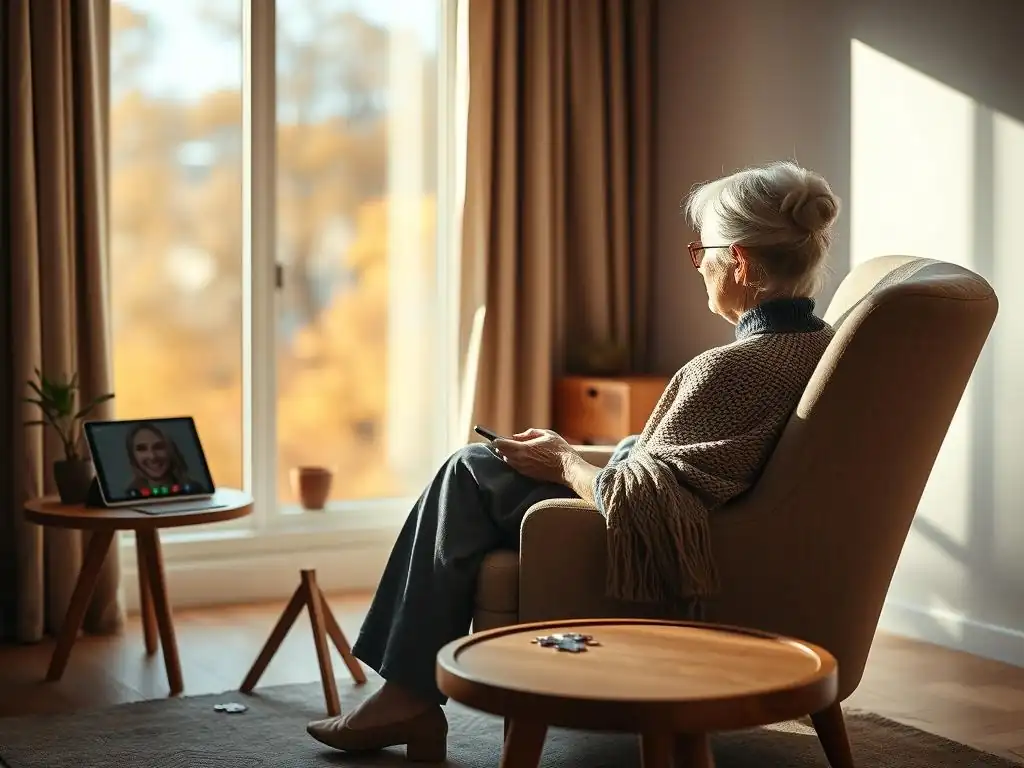
User-friendly technology, such as tablets with simplified interfaces or devices designed specifically for seniors, can dramatically improve communication and reduce isolation. These devices make it easier for older adults to make video calls to family and friends, send emails, or access online content without navigating complex menus or small screens.
Teaching seniors how to use these tools, often with the help of family members or community programs, is essential. Once comfortable, they can use video calls to see grandchildren who live far away, join virtual family gatherings, or simply have face-to-face conversations with loved ones regularly. This visual connection can be particularly powerful in combating the profound loneliness that fuels depression.
Frequently Asked Questions
What are the primary factors contributing to senior isolation and depression?
Several factors contribute, including loss of loved ones, decreased mobility, and lack of social interaction. These can lead to feelings of loneliness and hopelessness.
How does senior isolation specifically fuel depression?
Isolation deprives seniors of social support, leading to feelings of worthlessness and a decline in their mental well-being. This can trigger or worsen depressive symptoms.
What are some common signs that a senior might be suffering from isolation-induced depression?
Signs include withdrawal from social activities, changes in appetite or sleep, and persistent feelings of sadness or emptiness. These symptoms should be addressed promptly.
What treatment options are available for senior isolation depression?
Treatment options include therapy, medication, and social engagement programs. A multi-faceted approach is often the most effective.
Where can I find resources and support for seniors struggling with isolation and depression?
Mind Care Guide offers information, support, and resources for various mental health challenges, including senior isolation depression. Contact your local community center or healthcare provider for additional support.
Final Reflection: The Urgent Need for Connection in Later Life
The loneliness epidemic isn't just a statistic; it's a silent crisis fueling a devastating surge in senior depression. Millions of older adults grapple with isolation, and the consequences are far-reaching, impacting not only their mental health but also their physical well-being and overall quality of life. The urgency to address this issue cannot be overstated.
The pervasive nature of senior isolation has profoundly shaped my understanding of the importance of human connection, particularly in the later stages of life. It's a stark reminder that aging gracefully isn't just about physical health; it's about maintaining a vibrant social life and a sense of purpose. Loneliness adds years to life, and life to years.
– This quote, while not directly about senior isolation, perfectly encapsulates the profound impact of social connection on longevity and overall well-being. The research highlighted in this article underscores the critical need for proactive measures to combat this growing problem.
This article has hopefully shed light on the complexities of senior isolation and depression, and the available treatment options. But ultimately, the solution lies not just in clinical interventions, but in a collective shift in our attitudes and actions. I urge you to consider how you can contribute to a more connected society, whether it's through volunteering at a senior center, reaching out to an elderly neighbor, or simply offering a listening ear. Let's work together to combat this epidemic and ensure that our elders experience the warmth, support, and companionship they deserve in their golden years.
Unleash Connection: Combat Senior Isolation Today
Thanks for taking the time to learn about the loneliness epidemic affecting our senior population. We hope this article provided valuable insights into this often-overlooked issue. Now, let's turn knowledge into action!
- Reach out: Make a phone call, send a card, or simply visit a senior you know this week. Even a brief interaction can make a world of difference. This is your primary action – let's break the silence together.
- Share this article: Spread awareness by sharing this crucial information with your network. Help us illuminate this issue and inspire others to act.
- Join the conversation: Leave a comment below – what small act of connection have you made recently, or what are your thoughts on combatting loneliness among seniors?
What small step can you take today to help combat senior isolation?