
Depression Mimics: Ruling Out Medical Causes for Mood Changes in Seniors

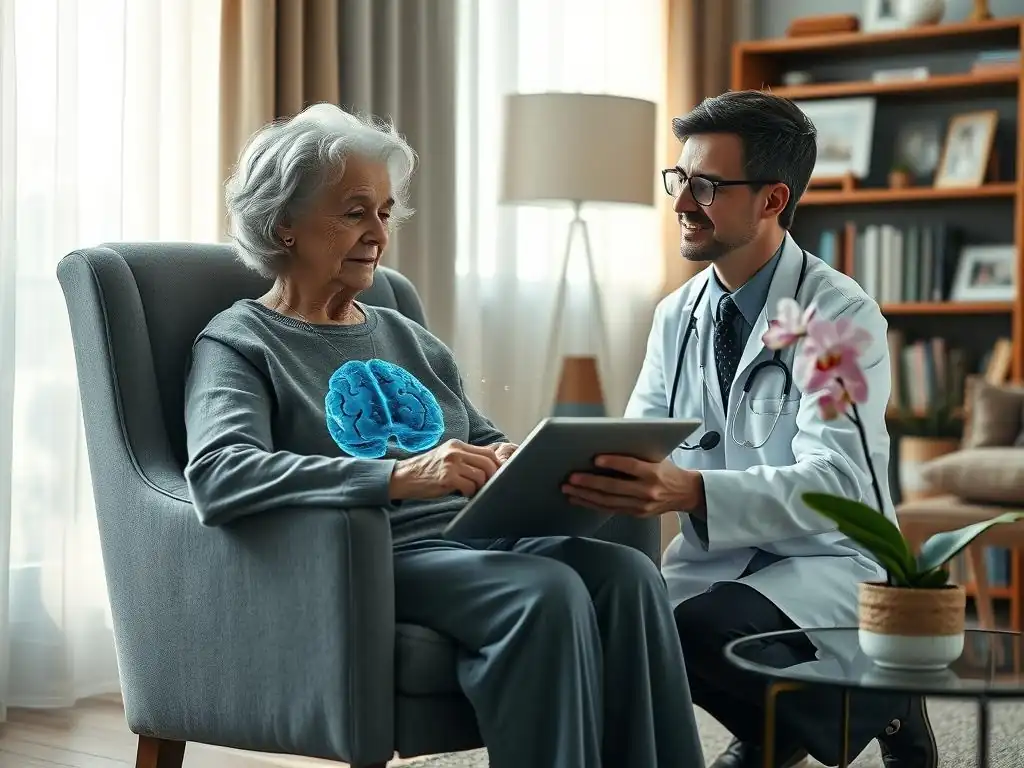
Welcome to Mind Care Guide, a sanctuary for your mental well-being.
Feeling lost or confused about the mood changes you're seeing in yourself or a loved one? It's understandable. Many things can affect our mental state, especially as we age. Before assuming depression is solely a psychological issue, it's vital to consider the physical factors at play.
Our in-depth guide, " Depression Mimics: Ruling Out Medical Causes for Mood Changes in Seniors," explores the often-overlooked medical conditions that can masquerade as depression. Could a hidden physical ailment be the real culprit? Discover the crucial steps to take and the questions to ask to ensure a comprehensive approach to diagnosis and care. Read on to unravel the complexities and empower yourself with knowledge.
Depression Mimics: Ruling Out Medical Causes for Mood Changes in Seniors
- Understanding Depression in Seniors: Beyond the Blues
- Senior Depression Medical Causes: Identifying Potential Mimics
- Diagnostic Process: How to Differentiate Medical Causes from Clinical Depression in Seniors
- Treatment Approaches: Addressing Medical Conditions and Depression in Seniors
- The Importance of Integrated Care: A Holistic Approach to Senior Mental Health
- Supporting Seniors Through the Diagnostic and Treatment Process
-
Frequently Asked Questions
- What are some common medical conditions that can mimic depression in seniors?
- Why is it important to rule out medical causes before diagnosing depression in older adults?
- What specific tests might a doctor order to investigate potential medical causes of depression in a senior?
- How can medications contribute to depression-like symptoms in older adults?
- What resources are available to help seniors and their families navigate the process of ruling out medical causes for mood changes?
- Final Reflection: Unmasking the Shadows of Senior Mood Changes
- Unveil Your Next Steps for Senior Wellbeing
Understanding Depression in Seniors: Beyond the Blues
Recognizing the Symptoms of Depression in Older Adults
Depression in older adults often presents differently than in younger populations, making it challenging to recognize. Rather than overt sadness, symptoms can manifest as fatigue, loss of interest in previously enjoyed activities, irritability, difficulty sleeping, or changes in appetite and weight. Seniors might also express feelings of worthlessness or excessive guilt.
For instance, instead of talking about feeling sad, an older adult might repeatedly complain about physical aches and pains or withdraw from social gatherings they once cherished, such as weekly bridge games or community center activities. These subtle shifts in behavior and mood are critical indicators that warrant attention.
Furthermore, cognitive symptoms like memory problems, difficulty concentrating, and indecisiveness can sometimes be mistaken for signs of dementia rather than depression. Approximately 1-5% of the general elderly population living in the community experiences major depression, while this number rises significantly in those with medical conditions or in care settings. Recognizing these varied presentations is the first step in understanding the potential underlying causes, including possible senior depression medical causes that might be contributing to or mimicking the symptoms.
Why Ruling Out Medical Conditions is Crucial for Senior Depression
Distinguishing between clinical depression and mood changes caused by physical health issues is paramount in older adults. Many medical conditions and their treatments can produce symptoms indistinguishable from depression. Failing to identify and treat an underlying medical cause means the depressive symptoms will likely persist or worsen, even with standard antidepressant treatment. This not only delays appropriate care but can also exacerbate the physical condition itself, creating a complex cycle of poor health outcomes.
A thorough medical evaluation is essential because addressing the physical ailment can sometimes alleviate the depressive symptoms entirely, or at least significantly improve them, making subsequent mental health treatment more effective. For example, treating a thyroid imbalance or correcting a vitamin deficiency might resolve mood disturbances without the need for psychiatric medication. Therefore, before a diagnosis of clinical depression is definitively made in a senior, exploring potential senior depression medical causes is a non-negotiable step in providing accurate and effective care.
Senior Depression Medical Causes: Identifying Potential Mimics
The Interplay of Physical Health and Mental Well-being in Seniors
The connection between physical health and mental well-being is particularly strong in the senior population. As individuals age, the prevalence of chronic medical conditions increases significantly. It is estimated that around 80% of older adults have at least one chronic condition, and 50% have two or more. Conditions like heart disease, diabetes, arthritis, and respiratory illnesses can directly impact brain function, cause inflammation, or lead to side effects from medications, all of which can influence mood and cognitive function.
Moreover, managing chronic illness can be emotionally taxing, leading to feelings of frustration, loss of independence, and social isolation, which are known risk factors for depression. The physical limitations imposed by conditions like severe osteoarthritis or post-stroke weakness can reduce a senior's ability to engage in activities they enjoy, leading to withdrawal and feelings of hopelessness. Understanding this complex interplay is vital when assessing potential senior depression medical causes, as the physical and mental health of older adults are often deeply intertwined.
Common Medical Conditions That Can Mimic Depression in Older Adults
Thyroid Disorders and Depressive Symptoms in Elderly Individuals
Both hypothyroidism (underactive thyroid) and hyperthyroidism (overactive thyroid) can significantly impact mood and energy levels, often mimicking depression in older adults. Hypothyroidism, which is more common, can cause fatigue, slowed thinking, lack of interest, and weight gain – symptoms easily confused with depression. Studies suggest that subclinical hypothyroidism might be present in a notable percentage of older adults presenting with depressive symptoms.
Hyperthyroidism, while less frequently presenting as depression, can cause anxiety, irritability, sleep disturbances, and fatigue, sometimes leading to a misdiagnosis. A simple blood test measuring thyroid-stimulating hormone (TSH) can readily identify these conditions. Treating the thyroid disorder with medication often leads to a significant improvement or complete resolution of the mood symptoms, highlighting the importance of checking for these senior depression medical causes.
Vitamin Deficiencies (B12, D) and Their Impact on Mood in Seniors
Deficiencies in essential vitamins, particularly Vitamin B12 and Vitamin D, are surprisingly common in older adults and can have profound effects on neurological and psychological health. Vitamin B12 deficiency can lead to symptoms like fatigue, weakness, confusion, and even cognitive impairment, all of which can overlap with depressive symptoms. It is estimated that up to 15% of older adults may have insufficient B12 levels.
Vitamin D deficiency is also widespread, particularly among seniors who may have limited sun exposure or dietary intake. Low levels of Vitamin D have been associated with various health issues, including low mood and depression. While the exact mechanisms are still being researched, correcting these deficiencies through diet or supplementation, guided by blood tests, can sometimes lead to an improvement in mood and energy, underscoring their role as potential senior depression medical causes.
Cardiovascular Issues and Late-Life Depression: A Potential Link
Heart disease and depression share a complex bidirectional relationship, especially in older adults. Individuals with cardiovascular conditions, such as heart failure or a history of heart attack, have a significantly higher risk of experiencing depression. Conversely, depression is an independent risk factor for developing heart disease and can worsen outcomes for those already affected. Symptoms like fatigue, shortness of breath, and reduced activity tolerance, common in heart disease, can also be misinterpreted as signs of depression.
Inflammation and hormonal changes associated with cardiovascular disease may directly affect brain function and mood regulation. Approximately 20% of individuals who have had a heart attack experience depression. Therefore, when evaluating a senior with depression, a thorough cardiovascular assessment is crucial, as treating the underlying heart condition may be a key component in addressing the senior depression medical causes.
Chronic Pain and its Association with Depression in the Elderly
Chronic pain is a pervasive issue among older adults, affecting an estimated 50% or more of those living in the community and an even higher percentage in nursing homes. Conditions like osteoarthritis, back pain, and neuropathy can cause persistent discomfort that significantly impacts a senior's quality of life. The constant burden of pain can lead to sleep disturbances, reduced mobility, social isolation, and feelings of helplessness, all of which are strong contributors to depression.
The relationship between chronic pain and depression is often a vicious cycle: pain can worsen depression, and depression can lower pain tolerance. Symptoms such as fatigue, irritability, and loss of interest can stem directly from the physical and emotional toll of managing chronic pain. Addressing pain effectively through medication, physical therapy, or other interventions is often a critical step in managing depression in seniors where chronic pain is a significant factor, highlighting another important area of senior depression medical causes.
Neurological Conditions (Parkinson's, Alzheimer's) and Mood Changes
Neurodegenerative diseases like Parkinson's disease and Alzheimer's disease are frequently associated with mood changes, including depression, which can sometimes precede the more overt cognitive or motor symptoms. Depression affects approximately 40-50% of individuals with Parkinson's disease and is one of the most common non-motor symptoms. In Alzheimer's disease and other dementias, depression is also prevalent, affecting up to 20-30% of patients.
These mood changes are not simply a reaction to the diagnosis; they are often a direct result of the changes occurring in the brain due to the disease process itself, affecting neurotransmitter systems involved in mood regulation. Distinguishing between depression and the apathy, withdrawal, or cognitive changes seen in dementia can be challenging but is crucial for appropriate management. Awareness of these neurological links is vital when investigating potential senior depression medical causes.
Anemia and Fatigue-Related Depression in Older Adults
Anemia, a condition characterized by a deficiency in red blood cells or hemoglobin, is common in older adults, often due to nutritional deficiencies (like iron or B12), chronic disease, or kidney problems. The primary symptom of anemia is fatigue, which can be profound and debilitating. This persistent lack of energy can lead to reduced activity levels, withdrawal from social interactions, and feelings of listlessness, all of which can easily be mistaken for or contribute to depression.
While anemia itself might not directly cause the core emotional symptoms of depression, the severe fatigue it induces can profoundly impact a senior's mood and overall well-being, mimicking the behavioral and physical aspects of depression. A simple blood count can diagnose anemia. Treating the underlying cause of anemia, whether it's through dietary changes, supplements, or addressing a chronic condition, can significantly improve energy levels and alleviate fatigue-related mood changes, making it a key consideration among senior depression medical causes.
Medication Side Effects: A Significant Contributor to Depression Mimics
Polypharmacy, the use of multiple medications, is common among older adults due to the prevalence of chronic conditions. Unfortunately, a wide range of prescription and over-the-counter medications can have side effects that include depressive symptoms, fatigue, apathy, or cognitive changes. Common culprits include certain blood pressure medications (like beta-blockers), cholesterol-lowering drugs (statins), pain relievers (especially opioids), corticosteroids, and medications for Parkinson's disease.
Identifying drug-induced depression requires a careful review of all medications a senior is taking, including dosages and potential interactions. In some cases, simply adjusting the dose, switching to an alternative medication, or discontinuing a non-essential drug can resolve the depressive symptoms. Given the high rate of medication use in this population, medication side effects represent a frequently overlooked but significant category of senior depression medical causes.
Diagnostic Process: How to Differentiate Medical Causes from Clinical Depression in Seniors
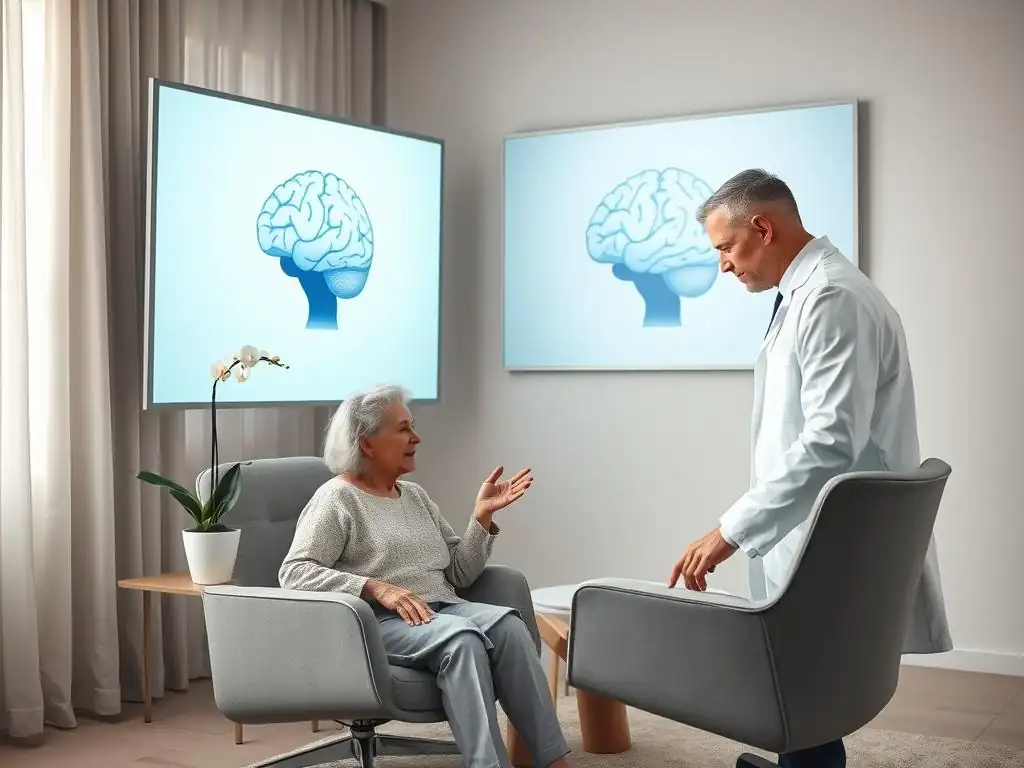
Comprehensive Medical Evaluation for Depressed Elderly Patients
When a senior presents with symptoms suggestive of depression, the first and most crucial step is a comprehensive medical evaluation. This assessment goes beyond a standard check-up and is specifically aimed at identifying potential physical health issues that could be causing or contributing to the mood changes. The evaluation should include a detailed medical history, focusing on chronic conditions, recent illnesses, changes in physical function, and a thorough review of all current medications and supplements.
The physician will inquire about specific physical symptoms like unexplained fatigue, changes in appetite or weight, sleep disturbances, and any new aches or pains. They will also ask about lifestyle factors, such as diet, exercise habits, and social engagement. This initial evaluation serves as the foundation for determining whether the senior's mood changes are primarily psychological or if senior depression medical causes are at play, guiding subsequent diagnostic steps.
Physical Examination and Lab Tests: Key Indicators to Consider
Following the medical history, a complete physical examination is performed to assess overall health and look for signs of underlying conditions that might be mimicking depression. This could include checking heart and lung function, assessing neurological signs, and examining for signs of nutritional deficiencies or thyroid issues.
Laboratory tests are indispensable in ruling out specific medical causes of depression in seniors. Standard tests often include:
- Complete Blood Count (CBC) to check for anemia.
- Thyroid Function Tests (TSH) to identify thyroid disorders.
- Metabolic Panel to assess kidney and liver function, and electrolyte balance.
- Vitamin B12 and Folate levels to check for deficiencies.
- Vitamin D levels (often included).
- In some cases, tests for inflammation markers or other specific conditions may be ordered based on the individual's history and physical exam findings.
These tests provide objective data that can confirm or rule out many of the common senior depression medical causes discussed previously.
Reviewing Medication List: Identifying Potential Drug-Induced Depression
A meticulous review of all medications the senior is taking is critical. This includes prescription drugs, over-the-counter medications, and any herbal remedies or supplements. The physician or pharmacist should carefully examine the drug list for known side effects that can cause or worsen depressive symptoms. They will also consider potential drug-drug interactions that might affect mood or cognition.
This review process involves asking the patient or caregiver about when each medication was started and whether the depressive symptoms appeared or worsened after initiation or dosage changes. Given that polypharmacy is common, identifying a potential drug culprit among a long list can be challenging but is essential. Sometimes, symptoms attributed to aging or depression are simply adverse drug reactions, highlighting the importance of this step in diagnosing senior depression medical causes.
Mental Health Assessment: Evaluating Cognitive and Emotional State
While ruling out medical causes is the priority, a mental health assessment is also a crucial part of the diagnostic process, conducted often in parallel or after initial medical findings. This assessment evaluates the specific nature and severity of depressive symptoms using standardized screening tools or interviews. It helps differentiate between symptoms that might stem from physical illness and those that align more closely with clinical depression.
The assessment also includes evaluating cognitive function, as depression can sometimes cause cognitive impairment (pseudodementia), which improves with depression treatment. Conversely, early signs of dementia can sometimes be mistaken for depression. A comprehensive mental health assessment helps clarify the primary issue, identifies co-occurring anxiety or other mental health conditions, and provides a baseline for monitoring treatment progress, regardless of whether the mood changes are primarily clinical depression or linked to senior depression medical causes.
Treatment Approaches: Addressing Medical Conditions and Depression in Seniors
Treating Underlying Medical Conditions to Alleviate Depressive Symptoms
When a medical condition is identified as a significant contributor to or cause of depressive symptoms in a senior, the primary focus of treatment shifts to managing that underlying health issue. For example, if hypothyroidism is diagnosed, starting thyroid hormone replacement therapy is the first step. If severe anemia is found, addressing the cause of the anemia and initiating iron or B12 supplementation can lead to improved energy and mood.
In many cases, effectively treating the medical condition results in a substantial reduction or complete remission of the depressive symptoms, sometimes without the need for specific antidepressant medication. This underscores why identifying senior depression medical causes is so vital. Even if some depressive symptoms persist, treating the physical illness often improves the senior's overall health and resilience, making them better able to benefit from subsequent mental health interventions.
Medication Management: Balancing Physical and Mental Health Needs
Managing medications in seniors with both medical conditions and depression requires careful consideration. When a medical cause has been ruled out or addressed, antidepressant medication may be prescribed for clinical depression. However, selecting an antidepressant in older adults requires attention to potential interactions with other medications, side effects, and the presence of medical comorbidities.
Low starting doses and slow titration are standard practice. If a medication side effect was identified as a senior depression medical cause, the physician will work to adjust or change the offending drug. This delicate balance involves ensuring that medications for chronic physical conditions are optimized while also safely addressing mental health needs, prioritizing treatments that minimize side effects and interactions.
Psychotherapy and Counseling for Seniors with Medical Comorbidities
Psychotherapy, such as Cognitive Behavioral Therapy (CBT) or Interpersonal Therapy (IPT), is a highly effective treatment for depression in seniors and can be beneficial even when medical conditions are present. Therapy provides seniors with coping strategies to manage depressive symptoms, address negative thought patterns, and navigate the challenges associated with chronic illness, pain, or functional limitations.
Counseling can also help seniors adjust to life changes, grief, and loss, which are common experiences in later life and can contribute to depression alongside potential senior depression medical causes. Therapists can work with seniors to improve social connections, enhance problem-solving skills, and find meaning and purpose, all of which support mental well-being. Therapy is often used in conjunction with medication, or as a first-line treatment for mild to moderate depression.
Lifestyle Modifications: Promoting Physical and Mental Well-being
Lifestyle factors play a significant role in both physical and mental health for seniors. Encouraging healthy habits can complement medical and psychological treatments.
Nutrition and Diet for Seniors with Depression and Medical Conditions
A balanced diet is crucial. Ensuring adequate intake of nutrients, particularly B vitamins, Vitamin D, and omega-3 fatty acids, can support brain health and mood. For seniors with specific medical conditions like diabetes or heart disease, adhering to dietary recommendations for those conditions is also vital. Avoiding excessive sugar and processed foods, which can negatively impact mood and energy levels, is generally advised. Proper hydration is also essential and often overlooked.
Exercise and Physical Activity for Improved Mood and Physical Health
Regular physical activity is a powerful antidepressant and can significantly improve mood, reduce anxiety, and boost energy levels in seniors. Exercise also has numerous physical health benefits, including improving cardiovascular health, managing weight, strengthening muscles and bones, and reducing chronic pain – addressing several potential senior depression medical causes simultaneously. Even moderate activities like walking, gardening, or gentle stretching can make a difference. Tailoring exercise programs to a senior's physical capabilities and medical conditions is key for safety and adherence.
Social Engagement and Support Networks for Seniors
Combating isolation is critical for mental well-being. Encouraging seniors to stay connected with family, friends, and their community can provide emotional support, reduce feelings of loneliness, and provide opportunities for meaningful interaction. Participation in social groups, volunteer activities, or community programs can foster a sense of belonging and purpose. Strong social networks act as a buffer against stress and can significantly improve resilience against both depression and the challenges of managing chronic medical conditions.
The Importance of Integrated Care: A Holistic Approach to Senior Mental Health

Collaboration between Physicians and Mental Health Professionals
Effective care for seniors with depression, especially when considering potential senior depression medical causes, necessitates close collaboration between primary care physicians, specialists (like endocrinologists or cardiologists), and mental health professionals (psychiatrists, psychologists, social workers). This integrated approach ensures that both the physical and mental health needs of the senior are addressed concurrently and cohesively.
Regular communication between providers allows for a comprehensive understanding of the senior's condition, facilitates coordinated treatment plans, and helps monitor the impact of treatments on both physical health and mood. For example, a physician managing a senior's heart condition might consult with a therapist providing counseling to ensure that prescribed medications do not interfere with psychological treatment goals and vice-versa. This team-based approach is crucial for optimal outcomes.
Creating a Personalized Treatment Plan for Each Senior Patient
Given the complexity of aging, medical comorbidities, and potential senior depression medical causes, a one-size-fits-all approach to treating depression is ineffective. A personalized treatment plan is essential, taking into account the senior's specific medical conditions, medication regimen, cognitive status, social support, personal preferences, and the identified causes of their mood changes.
This plan should outline clear goals, specific interventions (medical, psychological, lifestyle), roles of different healthcare providers, and a schedule for follow-up and monitoring. It should be developed collaboratively with the senior and their family or caregivers, empowering them in the treatment process. Regular review and adjustment of the plan based on the senior's response and changing circumstances are also necessary.
Long-Term Management and Monitoring of Depression and Medical Conditions
Depression in older adults, particularly when linked to chronic medical conditions, often requires long-term management and ongoing monitoring. Even after initial improvement, seniors remain at risk for recurrence of depression or exacerbation of their underlying medical issues, which could again manifest as depressive symptoms.
Regular follow-up appointments with both medical providers and mental health professionals are crucial to monitor symptoms, assess the effectiveness of treatments, manage medications, and address any new concerns. This ongoing care helps prevent relapse, ensures that any emerging senior depression medical causes are identified promptly, and supports the senior in maintaining their physical and mental well-being over time.
Supporting Seniors Through the Diagnostic and Treatment Process
Resources for Seniors and Their Families
Navigating the healthcare system and understanding complex medical and mental health information can be challenging for seniors and their families. Access to reliable resources is vital. These resources can include educational materials about depression and common medical conditions, information about treatment options, and guidance on finding healthcare providers.
Support groups specifically for seniors dealing with depression or chronic illnesses can offer emotional support and shared experiences. Family members can also benefit from resources that help them understand late-life depression, potential senior depression medical causes, and how to best support their loved ones while also caring for themselves. Many non-profit organizations and health services offer these types of resources.
Advocating for Comprehensive Care and Mental Health Awareness
Seniors and their families should feel empowered to advocate for comprehensive care that addresses both physical and mental health needs. This means openly discussing all symptoms, including mood changes, with their physicians and requesting thorough evaluations to rule out potential senior depression medical causes.
Raising awareness about depression in older adults and challenging the stigma associated with mental health issues are also critical. Educating the public and healthcare providers about the varied presentations of depression in seniors and the importance of considering medical mimics can lead to earlier identification and more effective interventions, ultimately improving the quality of life for older adults.
Frequently Asked Questions
What are some common medical conditions that can mimic depression in seniors?
Many underlying medical conditions can present with symptoms resembling depression, making diagnosis challenging. Examples include thyroid disorders, vitamin deficiencies (like B12), and chronic pain conditions.
Why is it important to rule out medical causes before diagnosing depression in older adults?
Ruling out medical causes is crucial because treating the underlying condition can often resolve the depressive symptoms. Misdiagnosing depression and solely treating it with antidepressants might delay proper treatment and worsen the underlying medical issue.
What specific tests might a doctor order to investigate potential medical causes of depression in a senior?
A doctor might order blood tests to check for thyroid function, vitamin levels, and electrolyte imbalances. They might also conduct a physical exam and inquire about the senior's medical history and medications.
How can medications contribute to depression-like symptoms in older adults?
Certain medications can have side effects that mimic depression, such as fatigue, loss of appetite, and mood changes. It's important to review all medications with a doctor to identify potential culprits.
Resources include consulting with a geriatrician or primary care physician with expertise in senior health, accessing information from organizations like the National Institute on Aging, and seeking support from local senior centers and support groups.
Final Reflection: Unmasking the Shadows of Senior Mood Changes
The accurate diagnosis of depression in seniors is crucial, yet often obscured by a complex interplay of medical conditions that mimic its symptoms. Failing to distinguish between true depression and the effects of underlying physical ailments can lead to ineffective treatment and prolonged suffering for vulnerable individuals. This necessitates a thorough investigation of potential medical causes before arriving at a definitive diagnosis.
The journey of understanding senior depression is a poignant reminder of the interconnectedness of mind and body. It highlights the importance of holistic care and the need for healthcare professionals to approach each case with empathy and a comprehensive understanding of the aging process. Growing old is not for the faint of heart,
a common saying underscores the challenges faced by seniors, and recognizing the subtle ways physical health can impact mental well-being is paramount. This article has hopefully shed light on the often-overlooked medical causes that can masquerade as depression, emphasizing the critical need for careful assessment and individualized treatment plans.
Now, consider your own family and friends. Do you know any seniors who are experiencing mood changes? Take the time to learn the signs and symptoms of both depression and the medical conditions that can mimic it. Encourage open communication and advocate for thorough medical evaluations. By understanding the complexities of senior mental health, we can empower ourselves and our loved ones to navigate the challenges of aging with greater compassion, knowledge, and ultimately, improved well-being.
Unveil Your Next Steps for Senior Wellbeing
Thanks for taking the time to learn about the often-overlooked medical causes of mood changes in seniors. Understanding these possibilities is a crucial first step towards better support and care. Now, let's move forward with action:
- Schedule a checkup: Prioritize a visit with your senior loved one's doctor to discuss any persistent mood changes and rule out potential medical factors. This is the most vital next step.
- Share this knowledge: Spread awareness among your family and friends by sharing this article. Many caregivers may benefit from this information.
- Explore support resources: Research local senior support groups or online communities; connecting with others facing similar challenges can be incredibly helpful.
What's one small step you can take today to improve the wellbeing of a senior in your life?