
Staying Active, Staying Positive: Physical Activity for Senior Mental Health

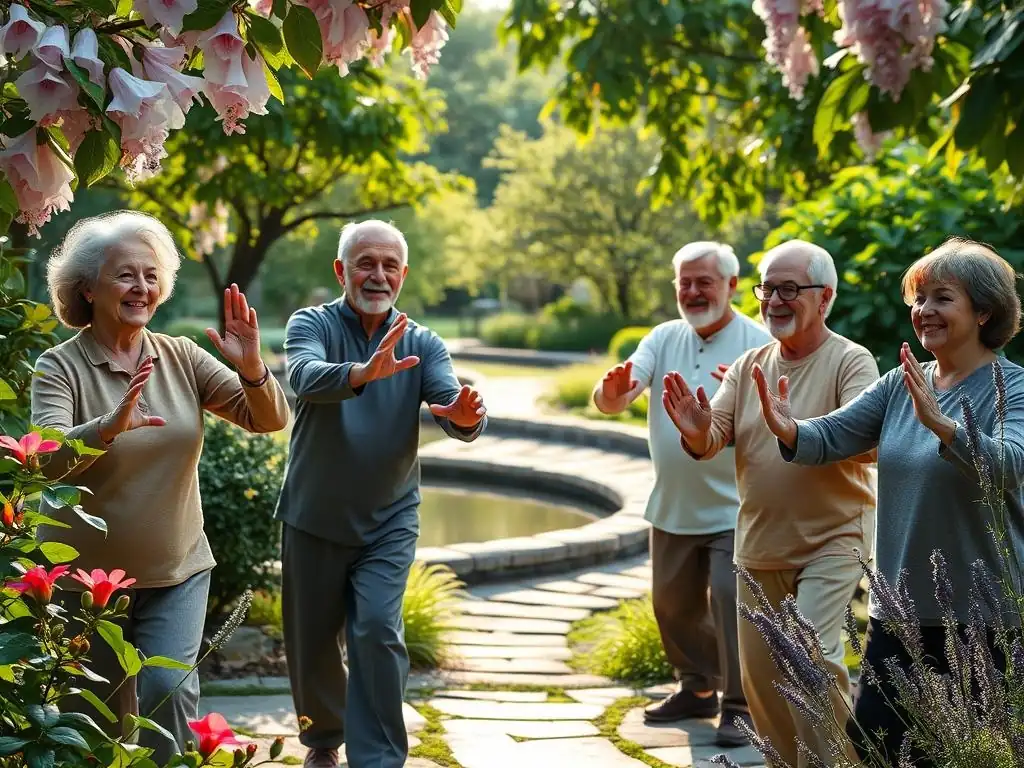
Welcome to Mind Care Guide, a safe space for nurturing your mental well-being. Feeling the weight of the world? You're not alone. Discover how simple physical activity can unlock a brighter, more resilient you, especially as we explore the profound senior mental health exercise benefits in our featured article. Intrigued by the power of movement? Let's embark on this journey to a healthier, happier mind together.
- Staying Active, Staying Positive: Physical Activity for Senior Mental Health | Mind Care Guide
- Senior Mental Health Exercise Benefits: A Deeper Dive
- Types of Exercise for Senior Mental Health: Finding the Right Fit
- Getting Started: Practical Tips for Incorporating Exercise into Senior Life
- Overcoming Barriers to Exercise in Seniors: Addressing Common Challenges
- The Long-Term Impact of Exercise on Senior Mental Wellness
- Real-Life Success Stories: Testimonials of Exercise Improving Senior Mental Health
- Resources for Seniors Seeking Exercise and Mental Health Support
- Conclusion: Empowering Seniors to Prioritize Physical Activity for Mental Well-being
-
Frequently Asked Questions
- What are the primary mental health benefits of exercise for seniors?
- How does physical activity specifically address cognitive decline in seniors?
- What types of exercises are most suitable for seniors looking to improve their mental well-being?
- How much exercise is recommended for seniors to experience noticeable mental health improvements?
- Where can seniors find resources and support to start or maintain a physical activity routine for mental health?
- Final Reflection: The Enduring Power of Movement for Senior Well-being
- Unleash Your Inner Vitality: Boost Your Mood & Wellbeing Today!
Staying Active, Staying Positive: Physical Activity for Senior Mental Health | Mind Care Guide
Understanding the Growing Need for Mental Health Support in Older Adults
As individuals age, they often face unique challenges that can impact their mental health. These can include chronic health conditions, loss of loved ones, social isolation, and transitions like retirement. These factors contribute to a significant prevalence of mental health conditions in the senior population. For instance, estimates suggest that roughly 10-15% of older adults experience some form of depression, and anxiety disorders are also common, affecting a similar percentage. This underscores the critical need for effective strategies to support the mental well-being of seniors.
The traditional focus on physical health in aging populations is crucial, but it's increasingly recognized that mental health is equally vital for overall quality of life. Untreated mental health issues in seniors can lead to poorer physical health outcomes, reduced independence, and a diminished ability to engage in enjoyable activities. Therefore, exploring accessible and beneficial interventions, such as leveraging senior mental health exercise benefits, is essential for promoting healthier and happier later years.
Exploring the Benefits of Physical Activity for Senior Mental Health
The connection between physical activity and mental well-being is well-established across all age groups, but the specific senior mental health exercise benefits are particularly profound. Regular movement offers a powerful antidote to many of the psychological challenges associated with aging. Engaging in physical activity can provide structure to the day, offer opportunities for social interaction, and create a sense of accomplishment and empowerment.
Beyond the immediate psychological lift, consistent exercise contributes to better sleep patterns, reduced stress levels, and improved cognitive function, all of which are integral to maintaining good mental health. The cumulative effect of these benefits makes physical activity one of the most impactful lifestyle interventions available for supporting the mental well-being of older adults. Understanding these specific advantages can motivate seniors and their caregivers to prioritize incorporating movement into daily routines.
Senior Mental Health Exercise Benefits: A Deeper Dive
How Exercise Impacts Brain Chemistry and Mood Regulation in Seniors
One of the most significant senior mental health exercise benefits lies in its direct impact on brain chemistry. Physical activity stimulates the release of endorphins, often referred to as "feel-good" neurotransmitters. These natural mood boosters can help alleviate feelings of sadness and promote a sense of euphoria or well-being. This immediate effect is one reason why many people report feeling better almost immediately after a workout.
Furthermore, regular exercise promotes the growth of new neurons in the brain, particularly in areas associated with memory and mood, like the hippocampus. It also increases the production of other vital brain chemicals, such as serotonin, dopamine, and norepinephrine, which play crucial roles in regulating mood, motivation, and stress response. Over time, these neurochemical changes contribute to improved emotional resilience and a more stable mood state in older adults.
The Role of Physical Activity in Reducing Depression Symptoms in Older Adults
Numerous studies have highlighted the effectiveness of physical activity as a non-pharmacological intervention for depression in seniors. Research indicates that regular moderate-intensity exercise can be as effective as antidepressant medication or psychotherapy for mild to moderate depression. For example, a meta-analysis combining data from several studies found that exercise interventions significantly reduced depressive symptoms among older adults, with improvements comparable to standard treatments.
The senior mental health exercise benefits related to depression reduction are multifaceted. Exercise helps by breaking the cycle of inactivity and isolation often associated with depression. It provides a sense of purpose and routine, improves sleep quality (disrupted sleep is a common symptom of depression), and enhances self-efficacy and self-esteem as individuals achieve fitness goals. This combination of physiological and psychological effects makes exercise a powerful tool in combating late-life depression.
Alleviating Anxiety in Elderly Individuals Through Regular Exercise
Anxiety disorders are also prevalent in older adults and can significantly impair their quality of life. Physical activity is a proven strategy for managing anxiety symptoms, and this holds true for seniors as well. The senior mental health exercise benefits for anxiety include reducing physiological arousal, such as a rapid heart rate and shallow breathing, which are common physical manifestations of anxiety.
Engaging in exercise provides a healthy outlet for nervous energy and can help shift focus away from anxious thoughts. Activities like brisk walking, swimming, or even gentle yoga can promote a sense of calm and relaxation. Studies have shown that older adults who engage in regular physical activity report lower levels of anxiety and stress compared to their sedentary peers. The rhythmic nature of many exercises can also have a meditative effect, further contributing to anxiety reduction.
Types of Exercise for Senior Mental Health: Finding the Right Fit
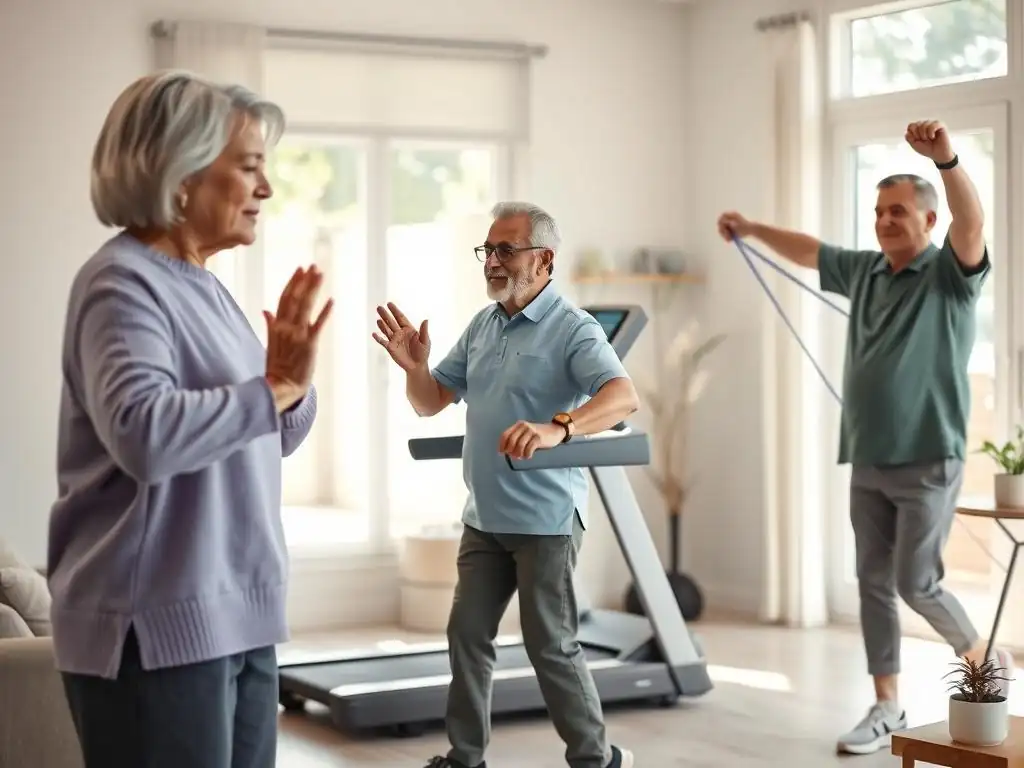
Low-Impact Aerobic Activities for Seniors: Walking, Swimming, and Cycling
Low-impact aerobic activities are excellent starting points for seniors looking to improve their mental health through exercise, as they are gentle on the joints while still providing significant cardiovascular benefits. Walking is perhaps the most accessible form of exercise; even a brisk 30-minute walk a few times a week can boost mood and reduce stress. Walking outdoors also offers the added benefit of exposure to nature, which is known to enhance mental well-being.
Swimming and water aerobics are ideal for seniors with joint pain or mobility issues because the buoyancy of water reduces stress on the body. These activities provide a full-body workout, improve cardiovascular health, and can be very relaxing and enjoyable, contributing positively to mood. Cycling, whether on a stationary bike or outdoors on flat paths, is another low-impact option that strengthens the lower body and provides a good aerobic workout, supporting overall physical and mental fitness.
Strength Training for Older Adults: Building Physical and Mental Resilience
Strength training is a crucial component of a well-rounded exercise program for seniors, offering unique senior mental health exercise benefits beyond aerobic activity. Building muscle mass helps maintain independence, improves balance, and reduces the risk of falls, all of which contribute to increased confidence and reduced anxiety about physical limitations. The physical strength gained translates into greater capacity for daily activities, fostering a sense of capability and self-efficacy.
Beyond the physical gains, lifting weights or using resistance bands can significantly impact mental resilience. The process of setting and achieving strength goals provides a clear measure of progress, which can be incredibly motivating and combat feelings of helplessness sometimes associated with aging or depression. Studies show that strength training can improve mood and reduce symptoms of depression and anxiety in older adults, proving that physical strength is closely linked to mental fortitude.
Balance and Flexibility Exercises: Yoga and Tai Chi for Senior Mental Health
Balance and flexibility exercises, such as yoga and Tai Chi, are particularly beneficial for senior mental health, emphasizing the mind-body connection. These practices involve slow, deliberate movements, controlled breathing, and often meditation or mindfulness elements. They are highly effective at improving balance and flexibility, reducing the risk of falls – a major concern for many seniors that can lead to anxiety and reduced activity.
The meditative aspect of yoga and Tai Chi helps calm the nervous system, reduce stress, and improve focus and presence. Participating in these classes can also be a social activity, combating loneliness. Research indicates that regular practice of Tai Chi can significantly reduce symptoms of depression and anxiety in older adults, while senior-adapted yoga can improve mood and reduce stress levels. These gentle yet powerful exercises contribute significantly to the holistic senior mental health exercise benefits.
Getting Started: Practical Tips for Incorporating Exercise into Senior Life
Consulting with a Healthcare Professional Before Starting an Exercise Program
Before any senior embarks on a new exercise regimen, it is absolutely critical to consult with a healthcare professional. This step ensures that the chosen activities are safe and appropriate for their individual health status, including any chronic conditions, medications, or physical limitations. A doctor can provide guidance on intensity, duration, and types of exercise to avoid, as well as suggest modifications based on specific needs, such as heart conditions or joint issues.
The healthcare provider can also offer personalized advice on how to safely incorporate senior mental health exercise benefits into an existing health management plan. They might recommend a physical therapist for tailored exercises or suggest resources for finding senior-specific fitness programs. This initial consultation is a vital safeguard that sets the stage for a safe, effective, and sustainable exercise journey.
Setting Realistic Goals and Expectations for Senior Fitness
Establishing realistic goals is key to maintaining motivation and preventing discouragement when starting an exercise program in later life. It's important to begin slowly, perhaps with just 10-15 minutes of activity a few days a week, and gradually increase duration or intensity as fitness improves. Celebrating small victories, such as walking a little further or completing an extra repetition, helps build confidence and reinforces positive habits.
Setting achievable expectations about the pace of progress and the immediate senior mental health exercise benefits is also important. While some benefits, like improved mood after a single session, can be felt quickly, others, such as significant reduction in depression symptoms or noticeable strength gains, take consistent effort over weeks or months. Focusing on consistency and the process, rather than just rapid results, fosters a more positive and sustainable approach to fitness.
Creating a Safe and Supportive Exercise Environment for Older Adults
Ensuring a safe environment is paramount for senior exercise. This includes choosing well-lit, level surfaces for walking, using appropriate footwear, and ensuring that exercise spaces at home are free of tripping hazards. If using equipment, ensuring it is stable and used correctly is vital. Hydration is also crucial; having water readily available before, during, and after exercise is important, especially for older adults who may not feel thirst as strongly.
Equally important is creating a supportive environment. Exercising with a friend, family member, or in a group class can provide encouragement, accountability, and social connection, amplifying the senior mental health exercise benefits. Group settings, particularly those designed for seniors, offer tailored instruction and the opportunity to build relationships, combating feelings of isolation. Positive reinforcement from caregivers and loved ones also plays a significant role in maintaining motivation.
Overcoming Barriers to Exercise in Seniors: Addressing Common Challenges
Managing Physical Limitations and Chronic Conditions
Physical limitations and chronic health conditions are frequently cited barriers to exercise among older adults. Conditions like arthritis, heart disease, diabetes, or mobility issues can make movement painful, daunting, or seem impossible. However, in many cases, exercise is not only safe but recommended for managing these conditions, often improving symptoms and overall function.
The key is tailoring the exercise program to the individual's specific limitations. This might involve working with a physical therapist to develop a personalized plan, opting for chair-based exercises, water aerobics, or using assistive devices. Starting with very low intensity and gradually increasing activity, while closely monitoring the body's response, is essential. Focusing on what is possible, rather than what isn't, empowers seniors to access senior mental health exercise benefits despite physical challenges.
Combating Feelings of Isolation and Loneliness Through Group Exercise
Social isolation and loneliness are significant contributors to poor mental health in older adults. A lack of connection can lead to feelings of sadness, anxiety, and depression. Exercise, particularly in group settings, offers a powerful antidote to this. Joining a senior fitness class, a walking group, or a community sports team provides regular opportunities for social interaction and building relationships.
Participating in group activities not only provides the physical benefits of exercise but also creates a sense of belonging and community. Sharing the experience of working out with others fosters camaraderie and mutual support. This social engagement component significantly enhances the senior mental health exercise benefits, turning physical activity into a positive social experience that combats loneliness and improves mood.
Utilizing Community Resources: Affordable Exercise Options for Seniors
Cost can sometimes be a barrier to accessing fitness programs. Fortunately, many communities offer affordable or free exercise resources specifically for seniors. Local community centers, senior centers, and YMCAs often have low-cost fitness classes, swimming pools, or walking tracks. Some health insurance plans, like Medicare Advantage plans, may offer benefits that cover gym memberships or fitness programs like SilverSneakers or Silver&Fit.
Public parks and recreation departments frequently organize walking groups or outdoor exercise sessions. Libraries and online platforms also offer free access to exercise videos and programs suitable for seniors, allowing activity from the comfort of home. Exploring these readily available community resources makes accessing the senior mental health exercise benefits more feasible and budget-friendly for older adults.
The Long-Term Impact of Exercise on Senior Mental Wellness

Maintaining a Healthy Lifestyle for Sustained Mental Health Benefits
Consistency is the cornerstone of realizing the long-term senior mental health exercise benefits. Integrating physical activity into a broader healthy lifestyle that also includes balanced nutrition, adequate sleep, and social engagement creates a synergistic effect on mental well-being. Regular exercise helps regulate sleep patterns, which is crucial for mood and cognitive function, and can improve appetite and energy levels, further supporting overall health.
Making exercise a regular, enjoyable part of life, rather than a chore, increases the likelihood of sticking with it. This sustained effort yields ongoing dividends for mental health, helping to manage stress, prevent relapse of depression or anxiety symptoms, and maintain a positive outlook. It becomes a fundamental component of self-care that supports resilience against life's challenges.
Preventing Cognitive Decline Through Regular Physical Activity
Beyond mood and emotional health, one of the most significant long-term senior mental health exercise benefits is its protective effect on cognitive function. Regular physical activity increases blood flow to the brain, which is essential for brain cell health and function. It also stimulates the release of growth factors that support the health and survival of brain cells and promote the formation of new connections between neurons.
Studies consistently show that physically active seniors have a lower risk of developing cognitive impairment, including dementia and Alzheimer's disease, compared to their less active peers. Exercise can improve memory, attention, processing speed, and executive function. Maintaining cognitive vitality is deeply linked to mental well-being, as preserving cognitive abilities allows seniors to remain independent, engaged, and confident.
Enhancing Overall Quality of Life for Older Adults Through Exercise
Ultimately, the myriad senior mental health exercise benefits contribute to a significantly enhanced overall quality of life for older adults. By improving mood, reducing anxiety and depression, boosting cognitive function, increasing physical independence, and providing opportunities for social connection, exercise empowers seniors to live fuller, more active, and more joyful lives.
A senior who is physically active is more likely to participate in hobbies, social events, and daily activities they enjoy. They may experience less pain, sleep better, and have more energy. This improved physical and mental capacity allows them to maintain independence, engage meaningfully with their communities, and experience a greater sense of purpose and satisfaction. Exercise truly is an investment in a higher quality of life during the golden years.
Real-Life Success Stories: Testimonials of Exercise Improving Senior Mental Health
John's Story: Overcoming Depression Through Daily Walks
John, an 82-year-old retired teacher, had been struggling with persistent low mood and lack of motivation following the loss of his wife. He felt withdrawn and had little interest in his usual hobbies. His doctor suggested incorporating light physical activity. Reluctantly, John started taking a short walk around his neighborhood each morning.
Initially, it was a challenge, but he committed to just 15 minutes a day. Within a few weeks, John noticed subtle changes. He started sleeping a little better and found the fresh air invigorating. As he gradually increased his walk to 30 minutes, he began to greet neighbors, some of whom started walking with him.
The combination of consistent movement, exposure to sunlight, and renewed social interaction significantly lifted his spirits. He reported feeling more energetic, less sad, and started re-engaging with his gardening club. John's experience highlights the simple yet profound senior mental health exercise benefits derived from consistent, accessible activity.
Maria's Journey: Finding Joy and Connection in Senior Yoga
Maria, aged 75, had always been active but developed significant anxiety after a fall left her fearful of moving. This fear led to reduced activity, increased isolation, and a growing sense of anxiety about her physical vulnerability. Her therapist suggested trying a senior-specific yoga class at the local community center.
Maria was hesitant at first, worried about her balance and flexibility. However, the gentle pace and supportive environment of the senior yoga class quickly put her at ease. The focus on mindful movement and breathing exercises helped her manage her anxiety, teaching her techniques to calm her racing thoughts.
She found that improving her balance and strength through the poses built her confidence. More importantly, she connected with other seniors in the class, sharing experiences and laughter. Maria found not only physical improvement but also a renewed sense of joy and belonging, demonstrating how targeted senior mental health exercise benefits can address both physical fears and emotional isolation.
Resources for Seniors Seeking Exercise and Mental Health Support
Local Community Centers and Senior Programs Offering Exercise Classes
Local community centers and senior centers are invaluable resources for older adults seeking to incorporate exercise into their routines and connect with others. These centers often provide a variety of fitness classes specifically designed for seniors, including chair aerobics, gentle yoga, Tai Chi, and walking groups. These programs are typically offered at affordable rates or sometimes even free of charge.
Beyond structured classes, these centers often have facilities like gyms, pools, or walking tracks available for use. The environment is generally welcoming and understanding of the needs of older adults. Participating in programs here offers not only physical activity but also a built-in social network, which significantly enhances the senior mental health exercise benefits by combating loneliness and providing supportive interactions.
Online Exercise Resources and Mental Health Support Groups
For seniors who prefer to exercise at home or have mobility issues that make attending in-person classes difficult, online resources offer a wealth of options. Many websites and platforms provide free or subscription-based exercise videos tailored for seniors, ranging from seated workouts and balance exercises to gentle cardio and strength training. Reputable sources often include certified instructors and modifications for various fitness levels.
In addition to online exercise, virtual mental health support groups for seniors are available, offering a space to connect with peers facing similar challenges. While not exercise-specific, these groups provide emotional support, coping strategies, and reduce feelings of isolation. Combining online exercise resources with virtual or in-person support groups can create a comprehensive approach to leveraging senior mental health exercise benefits and overall well-being from home.
Conclusion: Empowering Seniors to Prioritize Physical Activity for Mental Well-being
Frequently Asked Questions
What are the primary mental health benefits of exercise for seniors?
Exercise can significantly improve mood, reduce symptoms of depression and anxiety, and enhance cognitive function in older adults. It also promotes social engagement and a sense of accomplishment.
How does physical activity specifically address cognitive decline in seniors?
Regular exercise boosts blood flow to the brain, stimulating the growth of new neurons and improving cognitive functions like memory and attention. This helps combat age-related cognitive decline.
What types of exercises are most suitable for seniors looking to improve their mental well-being?
Low-impact activities like walking, swimming, yoga, and Tai Chi are excellent choices. These exercises are gentle on the joints and can improve mood and overall well-being without causing excessive strain.
How much exercise is recommended for seniors to experience noticeable mental health improvements?
Experts generally recommend at least 150 minutes of moderate-intensity aerobic exercise per week, spread throughout the week. Even shorter bursts of activity can provide tangible benefits for mental health.
Where can seniors find resources and support to start or maintain a physical activity routine for mental health?
Mind Care Guide offers information, support, and resources specifically tailored for seniors. Local community centers, senior centers, and healthcare providers can also provide valuable guidance and support to get started.
Final Reflection: The Enduring Power of Movement for Senior Well-being
The link between physical activity and senior mental health is not merely a correlation; it's a powerful, readily accessible tool for combating the challenges of aging. Ignoring this connection is a disservice to a generation deserving of vibrant, fulfilling lives. The evidence presented throughout this article underscores the profound impact even moderate exercise can have on reducing anxiety, depression, and cognitive decline in older adults.
The ongoing societal shift towards prioritizing senior well-being is encouraging, yet much work remains to be done. We need to move beyond simply acknowledging the benefits of exercise and actively integrate physical activity into the fabric of senior life, making it accessible, enjoyable, and socially inclusive. As Dr. Robert Butler, the founder of the National Institute on Aging, wisely stated: Aging is not just decrement, it's also growth and development.
Exercise plays a crucial role in fostering this continued growth, allowing seniors to maintain their independence, dignity, and overall quality of life.
Consider the ways you can incorporate more movement into your life, or the lives of your loved ones. It doesn't have to be strenuous; a daily walk, gentle yoga, or even chair exercises can make a significant difference. Embrace the power of movement – not just for physical health, but for a brighter, more resilient mind. Let's work together to create a future where active aging is the norm, not the exception.
Unleash Your Inner Vitality: Boost Your Mood & Wellbeing Today!
Thanks for taking the time to explore the powerful connection between physical activity and senior mental health. We hope you discovered valuable insights to improve your wellbeing! Now, let's put this knowledge into action.
- Prioritize a joyful movement: Start small! Begin with a 15-minute walk, a gentle yoga session, or even dancing to your favorite music. Find an activity you genuinely enjoy and make it a regular part of your day.
- Share your movement journey: Tell a friend, family member, or even post on social media about your new commitment to physical activity. Accountability and support can make a huge difference!
- Explore local senior fitness resources: Many communities offer specialized programs tailored to seniors. Discovering these resources could unlock a whole new world of fun and fitness!
What's one small step you can take today to increase your physical activity and brighten your day?