
Is it Grief or Depression? Understanding Emotional Changes in Older Adults


Welcome to Mind Care Guide.
We understand that navigating emotional changes, especially in later life, can be complex. Are you unsure if what you're experiencing, or witnessing in a loved one, is simply the natural process of grieving or something more, like depression? This is a question many face. In this guide, we delve into the nuances of grief vs. depression in seniors, offering clarity, support, and pathways to understanding. Unravel the differences and discover how to foster well-being. Let's explore the subtle signs and crucial distinctions together, providing you with the knowledge to navigate these challenging emotions with empathy and informed action.
Is it Grief or Depression? Understanding Emotional Changes in Older Adults
- Mind Care Guide: Navigating Emotional Challenges in Senior Years
- Grief vs. Depression in Seniors: Key Distinctions
- Symptoms of Grief in Older Adults
- Symptoms of Depression in Older Adults
- Differentiating Grief from Depression: A Detailed Comparison
- Risk Factors for Depression in Grieving Seniors
- The Impact of Untreated Depression in Older Adults
- Seeking Help: When Grief Turns into Depression
- Treatment Options for Depression in Older Adults
- Supporting Grieving Seniors: A Caregiver's Guide
- Conclusion: Promoting Mental Wellness in Later Life
-
Frequently Asked Questions
- How can I tell the difference between grief and depression in elderly individuals?
- What are some common symptoms of grief that might be mistaken for depression in seniors?
- Why might grief be particularly difficult for older adults to process?
- Are there specific resources available to help seniors cope with grief and depression?
- When is it essential to seek professional help for an elderly person experiencing grief?
- Final Reflection: Navigating the Labyrinth of Loss and Low Mood in Later Life
- Uncover Your Next Steps: Supporting Emotional Well-being
Recognizing Emotional Changes in Seniors
Emotional changes are a natural part of life, but in older adults, these shifts can sometimes be complex and difficult to interpret. Aging brings various transitions, such as retirement, changes in health, loss of loved ones, and shifts in social roles. These experiences can understandably lead to feelings of sadness, loneliness, or anxiety.
It's crucial for caregivers, family members, and healthcare providers to be attuned to these emotional fluctuations and understand that while some sadness is expected, persistent or debilitating changes might signal a more serious underlying issue. For instance, a senior who was previously active and engaged might suddenly withdraw from social activities after a significant loss, indicating a change that warrants attention.
Identifying these changes requires careful observation and open communication. A study published in the Journal of the American Geriatrics Society estimated that a significant percentage of older adults experience depressive symptoms, although not always a full major depressive disorder. Recognizing the signs early is vital because emotional changes, particularly those related to mood, can significantly impact an older adult's physical health and overall quality of life. Distinguishing between normal reactions to life events and potential mental health conditions like depression is a critical first step in providing appropriate support and care for seniors.
The Overlap Between Grief and Depression
Grief and depression share several overlapping symptoms, making differentiation in older adults particularly challenging. Both can manifest as profound sadness, loss of interest in activities, changes in sleep and appetite, and difficulty concentrating. This overlap is especially pronounced in the period immediately following a significant loss, such as the death of a spouse or close friend, which is a common experience in later life. The emotional pain of grief can feel overwhelming, mimicking the deep despair associated with depression.
However, despite these similarities, grief and depression are distinct conditions. Grief is a natural, adaptive response to loss, while depression is a clinical mood disorder. In older adults, who may be dealing with multiple losses and physical health issues, the line between intense grief and clinical depression can become blurred. It is estimated that perhaps 15-20% of older adults experiencing grief may develop clinical depression, highlighting the importance of understanding the nuances of each condition to ensure proper support and intervention. Navigating this distinction is key when considering Grief vs. Depression Seniors.
Grief vs. Depression in Seniors: Key Distinctions
Defining Grief: The Natural Response to Loss
Grief is a multifaceted emotional, cognitive, physical, and behavioral response to loss. It is a natural and necessary process that allows individuals to adapt to the absence of something or someone significant. For older adults, loss can take many forms beyond bereavement, including loss of independence, health, financial security, or familiar surroundings due to relocation. Grief is not a mental illness but a healthy, albeit painful, part of the human experience.
The grieving process is highly individual and can vary significantly in its duration and intensity. While there are common phases or tasks associated with grief, such as accepting the reality of the loss or adjusting to life without the deceased, these are not linear stages. An older adult experiencing grief might have periods of intense sadness interspersed with moments of peace or even joy, particularly when recalling positive memories. This fluctuation in mood is characteristic of uncomplicated grief and helps distinguish it from the persistent low mood seen in depression.
Defining Depression: A Mood Disorder
Depression, specifically Major Depressive Disorder, is a clinical mood disorder characterized by a persistent feeling of sadness or a loss of interest in activities that lasts for at least two weeks and significantly impairs daily functioning. Unlike grief, which is a response to a specific loss and often comes in waves, depression involves a more pervasive and constant state of low mood and anhedonia (inability to feel pleasure).
In older adults, depression can present somewhat differently than in younger populations. They might report more physical symptoms, such as fatigue or pain, or exhibit irritability rather than overt sadness. Cognitive symptoms, such as memory problems or difficulty concentrating, can also be prominent, sometimes being mistaken for early signs of dementia.
According to the CDC, depression is not a normal part of aging, but it is common, affecting approximately 1-5% of the general older adult population living in the community, and significantly higher rates (up to 13.5%) in those requiring home healthcare. Understanding these specific manifestations is crucial when examining Grief vs. Depression Seniors.
Grief vs. Depression Seniors: Comparing Symptoms
Comparing the symptoms of grief and depression is essential for accurate identification and intervention. While some symptoms overlap, the nature, duration, and impact of these symptoms often differ. Recognizing these distinctions is the core challenge in differentiating Grief vs. Depression Seniors.
Duration and Intensity of Sadness: Grief vs. Depression
In grief, sadness often comes in waves or pangs, triggered by reminders of the loss. These intense feelings might be interspersed with periods of relatively normal mood or even positive emotions. The sadness is typically focused on the loss and the person or situation that is gone. While grief can be intense, it generally lessens in intensity over time, although it may never fully disappear. For example, an older widow might feel profound sadness on her anniversary but find moments of joy playing with grandchildren on other days.
In contrast, the sadness associated with depression is typically more pervasive and persistent. It's a constant low mood that is not tied to specific triggers and doesn't lift easily. The feeling of sadness or emptiness is present most of the day, nearly every day, for at least two weeks. This persistent low mood, combined with a lack of interest or pleasure in almost all activities, is a hallmark of depression that differentiates it from the fluctuating nature of grief. This persistent low mood is a key factor when comparing Grief vs. Depression Seniors.
Impact on Daily Functioning: Differentiating Grief from Depression
Both grief and depression can impact daily functioning, but the nature of this impact differs. In uncomplicated grief, an individual might struggle with tasks related to the loss (e.g., managing finances previously handled by a deceased spouse) or find it difficult to engage in social activities initially. However, the grieving person typically retains the capacity to function in other areas of life and can still experience moments of pleasure or engage in activities that are not reminders of the loss. Motivation and energy might be low, but the underlying ability to function generally remains intact.
Depression, however, often leads to a more widespread and significant impairment in functioning across multiple areas of life. The lack of energy, loss of interest, difficulty concentrating, and feelings of worthlessness can make even simple daily tasks feel overwhelming or impossible. An older adult with depression might stop bathing, eating properly, or managing their household, leading to a noticeable decline in self-care and overall functioning that is more severe and persistent than typically seen in uncomplicated grief. This pervasive functional decline is a strong indicator of depression when evaluating Grief vs. Depression Seniors.
Presence of Hopelessness and Suicidal Thoughts
A crucial distinction between grief and depression lies in the presence of hopelessness and suicidal ideation. While a grieving person might express a desire to be with the lost loved one or feel life has lost some meaning, thoughts of worthlessness, self-blame, and active suicidal intent are generally not characteristic of uncomplicated grief. The focus in grief is typically on the loss itself.
In depression, feelings of hopelessness and worthlessness are common and pervasive. The individual may feel like a burden to others or believe that life is not worth living. Suicidal thoughts are a significant symptom of depression and require immediate attention.
While the risk of suicide is elevated in older adults who have recently experienced a loss, especially men, the presence of persistent suicidal ideation, particularly when coupled with feelings of worthlessness and hopelessness unrelated solely to the loss, is a strong indicator of clinical depression rather than uncomplicated grief. This is a critical factor when considering Grief vs. Depression Seniors, as suicidal ideation is a serious sign requiring professional help.
Symptoms of Grief in Older Adults
Common Emotional Symptoms of Grief
Grief manifests emotionally in a multitude of ways, and these can vary significantly among individuals. For older adults, common emotional responses include profound sadness, sorrow, and yearning for the person or situation lost. They may experience feelings of emptiness, loneliness, or isolation, particularly if the loss involved a primary companion like a spouse. Anger, guilt (often over perceived failures or things left unsaid), anxiety, and even relief (especially after a prolonged illness of a loved one) are also common emotional components of grief. These emotions often fluctuate and can be triggered by specific memories, objects, or events.
Alongside the painful emotions, grieving older adults may also experience moments of warmth, love, or gratitude when remembering the positive aspects of the relationship or situation. It is important to remember that grief is not solely negative; it is a complex tapestry of emotions. The intensity of these feelings can be overwhelming at times, leading to crying spells or difficulty controlling emotions, but these responses are a normal part of processing a significant loss and adapting to a new reality.
Physical Symptoms Associated with Grief
Grief is not purely an emotional experience; it can also have significant physical manifestations. Older adults experiencing grief may report symptoms such as fatigue or lack of energy, sleep disturbances (insomnia or sleeping too much), and changes in appetite leading to weight loss or gain. Physical aches and pains, headaches, stomach upset, and a general feeling of malaise are also common. The stress of grief can also exacerbate existing health conditions.
These physical symptoms are the body's response to stress and the emotional turmoil of loss. While they can be distressing, they are typically transient in uncomplicated grief and tend to improve over time as the individual adjusts. However, persistent or severe physical symptoms should always be evaluated by a healthcare professional to rule out underlying medical issues or the presence of depression, as there is a significant overlap in physical symptoms between intense grief and clinical depression.
Behavioral Changes During Bereavement
Behavioral changes are also common during the grieving process in older adults. Withdrawal from social activities and hobbies that were previously enjoyed is a frequent response. An older adult might become more irritable or restless, or conversely, appear listless and withdrawn. Difficulty concentrating or making decisions is also common, as the mind is preoccupied with processing the loss.
Other behavioral changes might include visiting places associated with the deceased, holding onto possessions, or talking about the lost person or situation frequently. While some of these behaviors might seem concerning, they are often part of the process of coming to terms with the loss. However, if these changes are severe, prolonged, and significantly impair the older adult's ability to function or engage with life, it could indicate that the grief is complicated or that depression is present. Observing the nature and persistence of these behaviors is key when assessing Grief vs. Depression Seniors.
Symptoms of Depression in Older Adults

Persistent Sadness and Loss of Interest
The core symptoms of depression in older adults, as in other age groups, include a persistently low mood or a marked loss of interest or pleasure in activities that were once enjoyable. This state must be present for at least two weeks and represent a change from the person's previous functioning. Unlike the fluctuating sadness of grief, this low mood is constant and pervasive, not lifting even with positive events or interactions.
The loss of interest, known as anhedonia, means that hobbies, social gatherings, or even basic daily activities feel meaningless or tedious. An older adult who previously enjoyed gardening might stop tending to their plants, or someone who loved reading might find they can no longer focus on a book. This persistent lack of engagement and enjoyment is a hallmark of depression and significantly differentiates it from the experience of grief, where moments of pleasure or engagement are typically still possible.
Changes in Appetite and Sleep Patterns
Significant changes in appetite and sleep are common physical symptoms of depression in older adults. Depression can cause a loss of appetite and significant weight loss, or conversely, an increase in appetite and weight gain. These changes are often more pronounced and persistent than the temporary fluctuations seen in grief. For example, an older adult with depression might consistently eat very little or nothing at all, leading to noticeable nutritional deficiencies over time.
Sleep disturbances associated with depression often include insomnia (difficulty falling asleep or staying asleep), early morning awakening (waking up several hours before planned and being unable to get back to sleep), or hypersomnia (sleeping excessively). These sleep problems are usually persistent and contribute significantly to fatigue and impaired functioning during the day. While grief can also cause sleep disturbances, those in depression are often more severe and less tied to specific thoughts about the loss.
Feelings of Worthlessness and Guilt
Feelings of worthlessness, excessive guilt, or self-blame that are disproportionate to the circumstances are strong indicators of depression. While a grieving person might feel some guilt related to the loss (e.g., wishing they had done more), these feelings in depression are usually pervasive, irrational, and focused on the self rather than the loss. An older adult with depression might feel like a failure, a burden to their family, or believe they are deserving of punishment, even without a clear reason.
These feelings can be debilitating and contribute to social withdrawal and isolation. They are a key symptom that helps distinguish depression from uncomplicated grief. While grief focuses on the pain of losing someone or something, depression often involves a profound negative self-evaluation that goes beyond the specific loss. This self-deprecating focus is a critical difference when assessing Grief vs. Depression Seniors.
Cognitive Impairment and Difficulty Concentrating
Depression in older adults can significantly affect cognitive function, leading to difficulty thinking, concentrating, making decisions, and remembering things. These symptoms can sometimes be mistaken for signs of dementia or age-related cognitive decline. An older adult with depression might appear forgetful, struggle to follow conversations, or find it impossible to focus on tasks like reading or managing finances.
This cognitive impairment stems from the neurobiological effects of depression on the brain. While grief can cause temporary difficulty concentrating due to emotional preoccupation, the cognitive issues in depression are often more severe, persistent, and coupled with other depressive symptoms like low mood and lack of energy. Distinguishing between cognitive changes due to depression versus dementia is crucial, as depression is treatable and its cognitive effects can often be reversed with appropriate intervention.
Differentiating Grief from Depression: A Detailed Comparison
Emotional Symptoms: Grief vs. Depression
Comparing emotional symptoms provides key insights into distinguishing Grief vs. Depression Seniors. In grief, the predominant emotion is sadness related to the loss, often accompanied by yearning, anger, or anxiety. These emotions tend to come in waves, or "pangs of grief," which can be intense but are often interspersed with periods of neutral or even positive mood. The focus of the emotional pain is typically the lost person or situation.
In contrast, depression is characterized by a pervasive and persistent low mood or inability to experience pleasure, lasting for at least two weeks. This sadness is often described as empty, numb, or indifferent. While a person with depression might feel sad about a loss, the sadness extends beyond the specific event and colors all aspects of life. Feelings of worthlessness and hopelessness are also common in depression but are generally absent in uncomplicated grief.
Cognitive Symptoms: Grief vs. Depression
Cognitive symptoms offer another area for comparison between Grief vs. Depression Seniors. In grief, cognitive difficulties, such as poor concentration or forgetfulness, are usually related to preoccupation with thoughts of the deceased or the circumstances of the loss. These symptoms are often transient and situational. The grieving person typically does not hold overwhelmingly negative beliefs about themselves unless related directly to the loss (e.g., guilt over something said or not said).
Depression, however, often involves more generalized and persistent cognitive impairment, including difficulty concentrating, indecisiveness, and memory problems unrelated solely to the loss. Furthermore, negative thought patterns are central to depression, including feelings of worthlessness, excessive guilt, pessimism about the future (hopelessness), and sometimes delusional thinking or hallucinations (in severe cases). These pervasive negative cognitions are a significant differentiator.
Physical Symptoms: Grief vs. Depression
Physical symptoms are present in both grief and depression but differ in their pattern and severity when comparing Grief vs. Depression Seniors. In grief, physical symptoms like fatigue, sleep disturbances, and appetite changes are common but often fluctuate and tend to improve over time. They are typically less severe and debilitating than those seen in clinical depression.
In depression, physical symptoms are usually more persistent and severe, contributing significantly to functional impairment. Severe fatigue, significant weight loss or gain, and pronounced sleep disturbances (such as persistent early morning awakening) are common. While grief can cause physical discomfort, depression can manifest with more profound somatic complaints that lack a clear medical explanation, such as chronic pain or digestive issues, which are often resistant to standard medical treatment unless the underlying depression is addressed.
Functional Impact: Differentiating Grief from Depression
The impact on daily functioning is a key differentiator between Grief vs. Depression Seniors. Uncomplicated grief can temporarily impair functioning, making it difficult to perform certain tasks or engage in social activities. However, the grieving person usually retains the capacity for pleasure and can find moments of respite from their pain, allowing them to maintain some level of engagement with life and self-care.
Depression, conversely, typically leads to a more severe, pervasive, and prolonged impairment in social, occupational, and other important areas of functioning. The lack of energy, loss of interest, and cognitive difficulties make it hard to carry out even basic self-care tasks, maintain relationships, or pursue hobbies. The inability to experience pleasure (anhedonia) means that even activities unrelated to the loss provide no relief or enjoyment. This widespread and persistent functional decline is a strong indicator of depression.
Risk Factors for Depression in Grieving Seniors
Social isolation and loneliness are significant risk factors for developing depression in grieving seniors. The loss of a spouse, partner, or close friends can severely reduce an older adult's social network, leading to increased feelings of isolation. Lack of regular social interaction removes opportunities for emotional support, shared activities, and a sense of belonging, all of which are protective factors against depression.
Studies have consistently shown a strong correlation between loneliness and depression in older adults. For example, research indicates that seniors who report feeling lonely are significantly more likely to experience depressive symptoms than those who feel connected. The absence of a strong social support system means that the intense emotional pain of grief is processed in isolation, increasing the vulnerability to developing clinical depression. Addressing and mitigating social isolation is therefore crucial in supporting grieving seniors.
Pre-existing Mental Health Conditions
A history of depression or other mental health conditions significantly increases an older adult's risk of developing depression during a period of grief. Individuals who have experienced depression in the past are more susceptible to recurrent episodes, and the stress of a major loss can act as a trigger. Similarly, seniors with pre-existing anxiety disorders, substance use issues, or other mental health challenges may find that grief exacerbates these conditions or precipitates a depressive episode.
It is estimated that seniors with a history of depression are perhaps two to three times more likely to experience a depressive episode following bereavement compared to those without such a history. Healthcare providers should be particularly vigilant in monitoring the mental health of grieving seniors with a known history of mental illness and consider proactive interventions or closer follow-up to prevent the onset of depression.
Physical Health Problems and Chronic Pain
Physical health problems and chronic pain are common in older adults and represent substantial risk factors for depression, particularly when combined with grief. Chronic illnesses, such as heart disease, diabetes, arthritis, or neurological conditions, can limit mobility, independence, and participation in enjoyable activities, contributing to feelings of frustration and hopelessness. The presence of pain, especially chronic pain, is strongly associated with an increased risk of depression.
When an older adult is already coping with physical health challenges, the added burden of grief can overwhelm their coping resources and precipitate a depressive episode. For instance, a senior managing chronic pain might find their pain worsens due to the stress of grief, leading to further functional decline and increased risk of depression. Addressing physical health issues and managing pain effectively are important components of comprehensive care for grieving seniors to reduce their vulnerability to depression.
Beyond just the number of social contacts, the quality and availability of social support play a critical role in buffering against depression in grieving seniors. Lack of adequate social support means not having trusted individuals to talk to, rely on for practical help, or share experiences with. Family members, friends, community groups, or support networks provide emotional validation, practical assistance, and a sense of connection that can help an older adult navigate the difficulties of grief.
Seniors who lack a strong support system, whether due to geographical distance from family, death of peers, or difficulty forming new relationships, are at higher risk. They may feel alone in their pain and struggle to cope with the practical challenges that arise after a loss. Encouraging and facilitating access to social support networks, whether through family connections, community programs, or support groups, is a vital strategy in preventing depression in grieving older adults.
The Impact of Untreated Depression in Older Adults
Decline in Physical Health
Untreated depression in older adults can have severe consequences for their physical health. Depression is associated with a weakened immune system, making seniors more susceptible to infections and exacerbating existing chronic conditions like heart disease, diabetes, and respiratory illnesses. It can also lead to poor self-care, such as neglecting medication regimens, eating poorly, and failing to attend medical appointments, further compromising health.
Studies have shown that older adults with depression have higher rates of mortality from various medical conditions compared to their non-depressed counterparts. For example, research indicates that depression can significantly increase the risk of cardiovascular events and impede recovery from illnesses like stroke or heart attack. Addressing depression is not just about improving mood; it's a critical component of maintaining physical health and longevity in later life.
Increased Risk of Suicide
Untreated depression is the leading cause of suicide in older adults. Seniors, particularly older men, have the highest suicide rates of any age group. The combination of depression, physical illness, social isolation, and significant loss creates a particularly vulnerable state. Unlike younger individuals, older adults who attempt suicide are often more determined and use more lethal methods, meaning attempts are more likely to be fatal.
The warning signs of suicide in older adults might be subtle, such as talking about death, giving away possessions, or withdrawing completely. It is a dangerous myth that it is normal for older adults to be sad or want to die; these are signs of treatable depression. Recognizing the signs of depression and seeking help promptly is paramount to preventing tragic outcomes. For example, the suicide rate for men over 85 is significantly higher than for any other demographic group.
Reduced Quality of Life
Untreated depression profoundly diminishes an older adult's quality of life. It strips away joy, motivation, and interest in activities that once brought happiness. The pervasive sadness, fatigue, and cognitive difficulties make it challenging to engage with family, friends, and community. This can lead to further isolation and a downward spiral.
Beyond emotional distress, untreated depression can impact an older adult's ability to maintain their independence, manage their home, or participate in social events. It can turn the later years, which should be a time for enjoying family, hobbies, and relaxation, into a period of suffering and despair. Restoring mental well-being through treatment is essential for older adults to experience their later years with dignity, engagement, and a sense of purpose.
Seeking Help: When Grief Turns into Depression
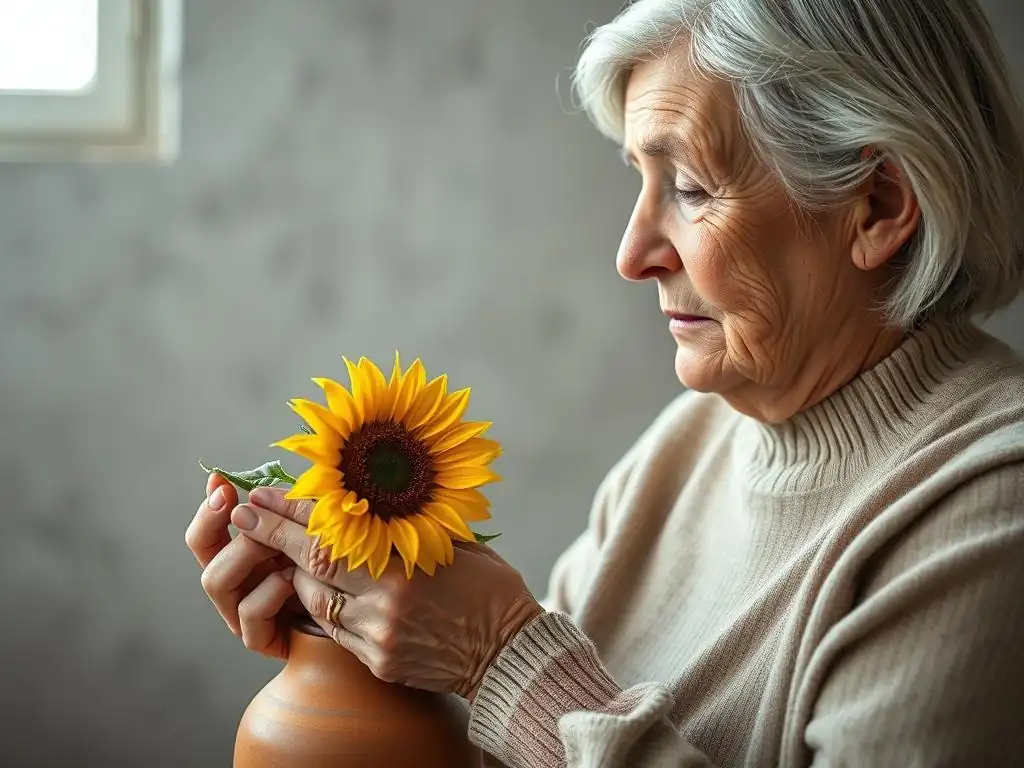
Recognizing Warning Signs of Prolonged Grief
While grief is a natural process without a strict timeline, certain signs can indicate that it might be prolonged or complicated, potentially transitioning into depression. Warning signs include persistent intense yearning or longing for the deceased, difficulty accepting the death, feeling that life is meaningless or empty without the deceased, chronic avoidance of reminders of the loss, or severe emotional pain that does not lessen over many months (typically considered beyond 6-12 months, though this can vary).
Other red flags include persistent feelings of worthlessness, excessive guilt unrelated to the circumstances of the death, chronic inability to experience positive emotions, severe functional impairment that prevents the individual from resuming daily life, or suicidal thoughts. If these symptoms are severe and persistent, especially after a significant period has passed since the loss, it suggests that the grief process may have become complicated or evolved into clinical depression. This is where distinguishing Grief vs. Depression Seniors becomes critical and professional help is needed.
Consulting a Healthcare Professional
If you or a loved one, particularly an older adult, are experiencing symptoms that suggest prolonged grief or depression, consulting a healthcare professional is the crucial next step. This could be the senior's primary care physician, a geriatrician, or a mental health specialist. These professionals are trained to evaluate symptoms, consider the individual's history and circumstances (including recent losses), and make an accurate diagnosis.
Healthcare providers can conduct screenings for depression, assess physical health that might be contributing to symptoms, and determine whether the symptoms are more consistent with complicated grief, clinical depression, or a combination. Openly discussing all symptoms, including emotional, physical, and cognitive changes, is vital for the doctor to make an informed assessment and recommend the appropriate course of action.
Mental Health Resources for Seniors
Accessing mental health resources specifically tailored for older adults is essential. Many communities offer geriatric mental health services, which have expertise in diagnosing and treating mental health conditions in the context of aging and age-related challenges. These services may include individual therapy, group therapy, support groups for grief or depression, and psychiatric evaluation.
Organizations focused on aging and mental health, such as the National Institute on Aging or local Area Agencies on Aging, can provide information and referrals to appropriate resources. Online resources and telephone helplines can also offer support and guidance. Seeking help is a sign of strength, and numerous resources are available to support seniors in navigating emotional challenges, whether it's grief or depression.
Treatment Options for Depression in Older Adults
Therapy and Counseling
Therapy, particularly psychotherapy or "talk therapy," is a highly effective treatment for depression in older adults and can also be beneficial for complicated grief. Cognitive Behavioral Therapy (CBT) and Interpersonal Therapy (IPT) are two evidence-based approaches that have shown significant success in treating late-life depression. CBT helps individuals identify and change negative thought patterns and behaviors that contribute to depression, while IPT focuses on improving interpersonal relationships and social support, which are often affected by both grief and depression.
Therapy provides a safe space for older adults to process their emotions, develop coping strategies, and rebuild their lives after loss or during a depressive episode. A therapist can help differentiate between grief and depression and tailor interventions accordingly. Many therapists specialize in working with older adults and understanding the unique challenges they face.
Medication Management
Antidepressant medications can be an important part of the treatment plan for moderate to severe depression in older adults. Selective Serotonin Reuptake Inhibitors (SSRIs) are often the first line of treatment due to their effectiveness and relatively mild side effects compared to older classes of antidepressants. However, medication management in older adults requires careful consideration due to potential interactions with other medications (seniors often take multiple prescriptions) and age-related changes in metabolism.
A psychiatrist or physician experienced in geriatric pharmacology can determine the most appropriate medication, dosage, and monitor for side effects and interactions. Medication can help alleviate core symptoms of depression like persistent low mood, fatigue, and sleep disturbances, making it easier for the older adult to engage in therapy and other supportive activities. Medication is typically used in conjunction with therapy for the best outcomes.
Lifestyle Changes to Support Mental Well-being
Alongside therapy and medication, lifestyle changes play a crucial role in supporting mental well-being and recovering from depression or navigating grief in older adults. These changes can help improve mood, energy levels, and overall health.
Exercise and Physical Activity
Regular physical activity is a powerful tool for combating depression and improving mood. Exercise releases endorphins, which have natural mood-boosting effects. Even moderate activity, such as walking for 30 minutes several times a week, can make a significant difference. Physical activity can also improve sleep, reduce stress, and provide opportunities for social interaction if done in a group setting. Encouraging older adults to find enjoyable forms of exercise within their physical capabilities is a valuable part of recovery.
Healthy Diet and Nutrition
Nutrition significantly impacts mental health. A balanced diet rich in fruits, vegetables, whole grains, and lean proteins provides the nutrients necessary for brain function and overall health. Avoiding excessive sugar, unhealthy fats, and processed foods can help stabilize mood and energy levels. Dehydration can also affect mood and cognitive function, so ensuring adequate fluid intake is important. For older adults with depression or grief who may have poor appetite, ensuring they receive adequate nutrition, perhaps through smaller, more frequent meals or nutritional supplements, is crucial.
Social Engagement and Activities
Combating social isolation and increasing social engagement is vital for older adults experiencing grief or depression. Participating in social activities, joining clubs or groups, volunteering, or simply spending time with family and friends can provide emotional support, reduce feelings of loneliness, and offer opportunities for positive experiences. Engaging in hobbies or activities that were previously enjoyed, even if they don't initially feel pleasurable, can help reactivate reward pathways in the brain and combat anhedonia. Finding ways to reconnect with others and the community is a powerful step towards recovery.
Supporting Grieving Seniors: A Caregiver's Guide
Providing Emotional Support and Understanding
Caregivers play a critical role in supporting grieving seniors. The most important aspect is providing unconditional emotional support and understanding. Allow the older adult to express their feelings without judgment, whether it's sadness, anger, guilt, or confusion. Listen empathetically and validate their emotions. Avoid telling them how they "should" feel or suggesting they "move on" quickly. Grief is a process that takes time, and each person grieves differently.
Simply being present, offering a listening ear, and letting the senior know they are not alone can make a significant difference. Encourage them to talk about their loved one and share memories if they wish. Understand that their moods may fluctuate, and patience is key. Your presence and willingness to sit with their discomfort are invaluable.
As discussed, social isolation is a major risk factor. Caregivers can actively encourage and facilitate social interaction for grieving seniors. This might involve helping them connect with friends or family, arranging visits, or helping them participate in community activities or senior centers. If the senior is reluctant to go out, start small with visits at home or short outings.
Encourage participation in grief support groups, either in person or online, where they can connect with others who have experienced similar losses. Reconnecting with hobbies or interests that involve others can also be beneficial. While respecting their need for solitude at times, gently encourage them to stay connected to the world around them.
Helping Seniors Access Mental Health Services
Caregivers can be instrumental in helping grieving seniors access professional mental health services if needed. This might involve recognizing the warning signs of prolonged grief or depression, initiating the conversation about seeking help, assisting with scheduling appointments, and providing transportation.
It's important to approach this conversation with empathy and without stigma. Frame seeking help as a sign of strength and a way to feel better and cope more effectively. Offer to accompany them to appointments for support. By facilitating access to healthcare professionals and mental health resources, caregivers can ensure that grieving seniors receive the appropriate evaluation and treatment necessary for their well-being, especially when navigating the complex landscape of Grief vs. Depression Seniors.
Conclusion: Promoting Mental Wellness in Later Life
Understanding the difference between grief and depression is essential for supporting the emotional well-being of older adults. While grief is a natural response to loss, depression is a treatable medical condition that requires professional intervention. Recognizing the overlapping symptoms, key distinctions in duration and intensity, impact on functioning, and the presence of hopelessness are crucial steps in accurate identification. Risk factors like social isolation, pre-existing conditions, and physical health issues increase vulnerability to depression in grieving seniors.
Untreated depression carries significant risks, including decline in physical health, increased risk of suicide, and severely reduced quality of life. Fortunately, effective treatments are available, including therapy, medication, and lifestyle interventions. Caregivers, families, and healthcare professionals play vital roles in monitoring, supporting, and helping older adults access the help they need.
By promoting awareness, reducing stigma, and ensuring access to appropriate care, we can help older adults navigate the challenges of grief and depression, fostering mental wellness and enabling them to live fulfilling lives in their later years. Recognizing the nuances of Grief vs. Depression Seniors is a critical step towards this goal.
Frequently Asked Questions
How can I tell the difference between grief and depression in elderly individuals?
Grief usually involves waves of sadness and is tied to a specific loss, while depression is a persistent low mood impacting daily functioning. It's important to observe the duration and intensity of symptoms.
What are some common symptoms of grief that might be mistaken for depression in seniors?
Common grief symptoms can include sadness, difficulty concentrating, and changes in appetite or sleep. However, these are often tied to the loss, unlike depression which can be more pervasive and less situational.
Why might grief be particularly difficult for older adults to process?
Seniors may experience multiple losses in a short period (friends, spouses, health), leading to accumulated grief. This can be compounded by social isolation and reduced support networks.
Are there specific resources available to help seniors cope with grief and depression?
Yes, many organizations offer specialized counseling services for older adults. Support groups and community programs can also provide valuable emotional support.
When is it essential to seek professional help for an elderly person experiencing grief?
If grief symptoms are prolonged, severely impair daily life, or include suicidal thoughts, seeking professional mental health assessment and treatment is crucial. Immediate intervention may be required.
The emotional landscape of aging is often complex, a tapestry woven with threads of joy, loss, and the subtle shifts in mental well-being. Understanding the difference between grief and depression in older adults is not merely an academic exercise; it's a crucial step towards providing compassionate support and effective intervention for a vulnerable population. Failure to distinguish between these two states can lead to delayed or inadequate treatment, exacerbating suffering and impacting quality of life.
The impact of grief and depression on the lives of seniors, and their families, is profound and far-reaching. It affects not only their emotional state but also their physical health, social connections, and overall sense of purpose. The stigma surrounding mental health in older generations often prevents individuals from seeking help, leaving them isolated and struggling in silence. Grief is the price we pay for love.
This simple yet powerful statement highlights the inherent connection between loss and emotional pain, a connection that is often intensified in later life as individuals face the loss of loved ones, independence, and physical capabilities.
You, the reader, now possess a deeper understanding of the nuances separating grief from depression in older adults. This knowledge empowers you to approach conversations about emotional well-being with greater sensitivity and awareness. Take the time to listen, to observe, and to offer support without judgment.
If you suspect a loved one is struggling, encourage them to seek professional help. Remember, recognizing the signs and seeking appropriate support can make a world of difference in navigating the challenges of aging gracefully and with dignity. Let's work together to break down the stigma and foster a culture of compassion and understanding for our aging population.
Uncover Your Next Steps: Supporting Emotional Well-being
Thanks for taking the time to explore the emotional landscape of aging with us! We hope this article shed light on the important differences between grief and depression in older adults. Now, let's turn this knowledge into action.
- Prioritize open communication: Have a heartfelt conversation with a loved one about their feelings. Listen actively and validate their emotions without judgment. This is the most impactful step you can take.
- Share this insightful article: Spread the awareness of these crucial distinctions among your friends, family, and community. Together, we can create a more supportive environment for older adults.
- Explore local resources: Discover support groups or counseling services in your area that specialize in geriatric mental health. Finding the right resources is key.
Ready to make a difference in someone's life today? What small act of support can you offer to promote emotional wellness in an older adult you care about?