
Grief Upon Grief: Addressing Cumulative Loss and Depression in Seniors


Welcome to Mind Care Guide, a safe space dedicated to your mental well-being.
Are you feeling overwhelmed by a series of losses piling up, making it hard to find joy? This is something many experience, especially later in life. Dive into our article, "Grief Upon Grief: Addressing Cumulative Loss Depression Seniors," where we explore this often-overlooked challenge and offer compassionate guidance. Let's navigate these difficult emotions together and discover pathways towards healing and resilience.
Navigating Loss: Addressing Cumulative Grief and Depression in Seniors
- Understanding Cumulative Grief and Its Impact on Senior Mental Health
- Cumulative Grief and Depression in Seniors: Identifying the Connection
- Factors Contributing to Cumulative Grief and Depression in Seniors
- Strategies for Coping with Cumulative Grief and Depression in Older Adults
- Building Resilience and Finding Meaning After Loss
- Practical Tips for Supporting Seniors Experiencing Cumulative Grief
- Resources for Seniors and Caregivers Dealing with Cumulative Grief and Depression
- The Importance of Early Intervention and Ongoing Support
-
Frequently Asked Questions
- What is cumulative loss and why is it particularly relevant for seniors?
- How does cumulative loss contribute to depression in seniors?
- What are the common symptoms of cumulative loss depression in seniors?
- What are some effective strategies for coping with cumulative loss as a senior?
- Where can seniors and their caregivers find resources and support for cumulative loss depression?
- Final Reflection: The Unseen Weight of Cumulative Loss
- Rediscover Your Strength: Next Steps for Healing
Understanding Cumulative Grief and Its Impact on Senior Mental Health
Defining Cumulative Grief: A Cascade of Losses in Later Life
Cumulative grief refers to the compounded emotional burden experienced when an individual faces multiple losses over a relatively short period, without sufficient time to process each one individually. For many older adults, later life often brings a series of significant changes and bereavements.
These losses can include the death of a spouse, siblings, friends, or even adult children, alongside non-death losses such as the decline of one's own health, loss of independence, changes in financial status, or moving away from a long-time home. This stacking effect of loss can overwhelm an individual's coping mechanisms, making the grieving process more complex and challenging than dealing with a single, isolated event.
Unlike a single major loss, where grief follows a more traditional path, cumulative grief creates a landscape of ongoing emotional strain. Each new loss reopens wounds from previous ones, preventing complete healing and integration. Imagine an older adult who loses their spouse of 50 years, then within a couple of years, loses two close friends and experiences a significant health issue that limits their mobility.
The grief from the spouse's death is still raw when the subsequent losses occur, piling sorrow upon sorrow. This constant state of mourning can lead to prolonged emotional distress and significantly impact mental well-being, making older adults particularly vulnerable to conditions like depression. Addressing this cumulative impact is crucial for understanding cumulative loss depression seniors often face.
How Cumulative Grief Differs from Traditional Grief
Traditional grief is often conceptualized as a process of mourning a specific loss, typically following stages or phases, eventually leading to acceptance and reintegration into life. While painful, it has a more defined focus and trajectory. Cumulative grief, however, is less about moving through distinct stages for one event and more about managing an ongoing state of layered sorrow. It lacks a clear endpoint because new losses can occur before older ones are processed.
The key difference lies in the complexity and intensity. With traditional grief, an individual can often draw on established coping strategies and social support focused on that single event. Cumulative grief, by contrast, can exhaust these resources. The sheer volume of loss can feel insurmountable, leading to feelings of hopelessness and helplessness. The emotional energy required to mourn multiple significant events simultaneously or in quick succession is immense, often leaving the individual feeling depleted and overwhelmed. This prolonged emotional burden is a significant factor contributing to cumulative loss depression seniors may experience.
The Increased Vulnerability of Seniors Experiencing Multiple Losses
Seniors are inherently more vulnerable to cumulative grief due to demographic realities. As people age, they are statistically more likely to witness the passing of peers, family members, and spouses. According to various health statistics, a significant percentage of individuals over 65 have lost their spouse, and this number increases substantially in older age brackets. Furthermore, age often brings declining physical health, reduced mobility, and potential changes in cognitive function, which themselves represent losses of ability and independence.
This confluence of factors – the natural increase in mortality among one's social circle and the physical changes of aging – creates an environment where multiple losses are not just possible, but probable. Older adults may also have smaller social networks than they once did, meaning each loss of a friend or family member has a more profound impact on their support system. This diminished support, combined with the weight of successive bereavements, heightens the risk of developing cumulative loss depression seniors need help navigating.
Cumulative Grief and Depression in Seniors: Identifying the Connection
Recognizing the Symptoms of Depression Triggered by Cumulative Grief
The symptoms of depression in older adults can sometimes differ from those in younger populations and may be masked by physical ailments or dismissed as a natural part of aging. When triggered by cumulative grief, these symptoms often manifest as persistent sadness, loss of interest or pleasure in activities once enjoyed (anhedonia), significant changes in appetite or weight, sleep disturbances (insomnia or excessive sleeping), fatigue, feelings of worthlessness or excessive guilt, difficulty concentrating, and sometimes, thoughts of death or suicide. Unlike the acute pain of fresh grief, depression stemming from cumulative loss tends to be more pervasive and enduring.
It's important to look beyond obvious sadness. An older adult experiencing cumulative loss depression seniors should be aware of might show increased irritability, anxiety, or restlessness. They might withdraw from social interactions, neglect personal care, or complain more about physical aches and pains that don't have a clear medical explanation. A noticeable decline in their usual level of functioning or engagement with life after a series of losses is a strong indicator that grief may have transitioned into clinical depression.
Differentiating Between Grief and Depressive Disorders in Older Adults
Distinguishing between normal grief and clinical depression in seniors grappling with cumulative loss can be challenging, as some symptoms overlap. Grief typically involves waves of sadness, interspersed with periods of positive emotion or memories of the deceased. The focus is often on the loss itself. Depressive disorders, however, are characterized by persistent low mood and anhedonia that affects all aspects of life, not just those related to the loss. Feelings of worthlessness, self-blame unrelated to the loss, and a pervasive inability to anticipate pleasure are more indicative of depression.
A key differentiator is time and intensity. While grief can be prolonged, especially with cumulative losses, clinical depression symptoms are typically severe enough to impair functioning significantly and persist for at least two weeks, affecting multiple areas of life. Furthermore, in grief, self-esteem is usually preserved, even amidst intense sadness, whereas depression often involves feelings of worthlessness and self-loathing. Consulting a mental health professional is crucial for accurate diagnosis, as treating cumulative loss depression seniors effectively depends on identifying the underlying condition.
Loss, particularly the death of a spouse or close friends, often leads to significant social isolation for seniors. A spouse might have been the primary companion and caregiver; friends might have been the main source of social activity. When these connections are severed, the older adult may find themselves spending much more time alone. This isolation can exacerbate the pain of grief and is a major risk factor for depression.
Loneliness is not merely being alone; it is the distressing feeling of being alone or separated, or feeling misunderstood or not cared for. Studies consistently show a strong correlation between loneliness and depression in older adults. Cumulative loss compounds this by systematically dismantling the individual's social network. Without meaningful social interaction, opportunities for emotional support, shared activities, and a sense of belonging diminish, creating a fertile ground for cumulative loss depression seniors struggle with.
Factors Contributing to Cumulative Grief and Depression in Seniors

Physical Health Decline and Chronic Illness
Aging often brings a natural decline in physical health and the onset of chronic illnesses such as heart disease, diabetes, arthritis, or cognitive impairments. These health issues represent significant losses in themselves – loss of physical ability, independence, and vitality. Managing chronic pain or debilitating conditions can be emotionally draining and limit an individual's ability to engage in activities they once enjoyed, further contributing to feelings of loss and frustration.
The physical burden of illness can also make it harder for seniors to cope with other forms of loss. Pain, fatigue, and frequent medical appointments can reduce energy levels and opportunities for social engagement. Furthermore, some medical conditions and medications can directly impact mood, increasing the risk of depression. When physical decline is combined with the emotional weight of cumulative bereavements, the likelihood of developing cumulative loss depression seniors experience is significantly elevated.
Financial Concerns and Retirement Adjustments
Retirement brings major life changes, including a shift in daily routine, identity, and often, financial status. Adjusting to a fixed income or reduced savings can be stressful. Many seniors worry about outliving their savings, the rising cost of healthcare, or being a financial burden on their families. These financial anxieties represent a loss of perceived security and control over one's future.
The stress of managing finances in retirement can be particularly challenging when combined with other losses. For instance, losing a spouse might also mean losing a significant source of income or requiring the surviving partner to navigate complex financial matters they are unfamiliar with. This added stress can deplete emotional reserves, making it harder to cope with grief and increasing susceptibility to depression. Financial insecurity is a silent but powerful contributor to cumulative loss depression seniors face.
Loss of Spouse, Family, and Friends
The death of loved ones is perhaps the most direct and impactful component of cumulative loss in later life. Losing a spouse, often a lifelong partner, is a profound trauma that disrupts every aspect of life. It means losing companionship, intimacy, shared history, and often, a primary caregiver or source of support. As individuals age, they also face the loss of siblings, who shared childhood memories and a unique bond, and friends, who formed their current social circle.
Each death diminishes the senior's world, reducing their opportunities for social interaction and emotional connection. The cumulative effect of these bereavements can be devastating, leaving the individual feeling increasingly isolated and alone. A senior who has lost a spouse, then several close friends within a few years, may feel like their entire support system is disappearing, making them highly vulnerable to cumulative loss depression seniors require support to overcome.
While not everyone experiences significant cognitive decline with age, some individuals may face changes that affect their ability to process complex emotions and memories. Mild cognitive impairment or the early stages of dementia can make it difficult to understand the permanence of loss, recall positive memories to balance the pain, or articulate feelings effectively. This can complicate the grieving process, making it harder for the senior to work through their emotions.
Furthermore, cognitive changes can affect social interactions, making it harder for the senior to connect with others and receive support. They might struggle to follow conversations, remember details about their loved ones, or participate in group activities. This can lead to frustration, withdrawal, and increased feelings of isolation, all of which exacerbate the risk of depression. The intersection of cognitive vulnerability and successive losses makes addressing cumulative loss depression seniors experience particularly challenging.
Strategies for Coping with Cumulative Grief and Depression in Older Adults
Seeking Professional Help: Therapy and Counseling Options
Professional mental health support is often essential for seniors struggling with cumulative grief and depression. Therapists and counselors specializing in geriatrics or grief counseling can provide tailored support. Options include individual therapy, group therapy, and family counseling. Therapy provides a safe space for seniors to talk about their feelings, process their losses, and develop coping strategies. Cognitive Behavioral Therapy (CBT) or Interpersonal Therapy (IPT) can be particularly effective in treating depression in older adults by helping them identify negative thought patterns and improve social functioning.
Accessing professional help can significantly improve outcomes for cumulative loss depression seniors are facing. A therapist can help differentiate between grief and depression, provide strategies for managing depressive symptoms, and work through the complexities of multiple bereavements. Many communities offer sliding scale fees or services specifically for seniors. Encouraging a senior to seek this support, while respecting their autonomy, is a vital step towards recovery.
The Benefits of Grief Therapy for Processing Multiple Losses
Grief therapy, specifically designed to address bereavement, can be immensely beneficial for seniors experiencing cumulative loss. Unlike general counseling, grief therapy focuses directly on the mourning process. Therapists help individuals explore their relationship with the deceased, understand the nature of their loss, and navigate the intense emotions associated with grief. For cumulative loss, therapy can help disentangle the layers of grief, allowing the senior to process each loss more effectively.
Specialized grief therapy techniques can help seniors develop narratives around their losses, find ways to maintain a continuing bond with the deceased (in healthy ways), and integrate their losses into their life story without being consumed by sorrow. This type of therapy can be particularly helpful in identifying complicated grief reactions that might arise from multiple, unresolved losses. Addressing these deeply embedded grief issues is key to alleviating cumulative loss depression seniors often struggle to overcome on their own.
Medication Management for Depression in Late Life
For seniors diagnosed with clinical depression, medication, often in conjunction with therapy, can be a critical part of treatment. Antidepressants can help regulate brain chemistry, alleviating symptoms like persistent sadness, fatigue, and loss of interest. However, medication management in older adults requires careful consideration due to potential interactions with other medications they may be taking for chronic health conditions and age-related changes in metabolism.
A geriatric psychiatrist or a physician experienced in treating older adults is best suited to manage medication for cumulative loss depression seniors are dealing with. They can select appropriate medications at the lowest effective dose, monitor for side effects, and adjust treatment as needed. Medication can provide the necessary relief from severe depressive symptoms to allow the senior to engage more effectively in therapy and other coping strategies, paving the way for recovery.
Building Resilience and Finding Meaning After Loss
Rebuilding and strengthening social connections is vital for seniors navigating cumulative loss and preventing or alleviating depression. Encouraging participation in activities at local senior centers, community groups, religious organizations, or hobby clubs can provide opportunities for social interaction and support. Even small, regular contacts, like weekly phone calls with family or neighbors stopping by for tea, can make a significant difference.
Support groups specifically for bereavement or for seniors dealing with similar life changes can also provide a powerful sense of community and shared understanding. Connecting with others who have experienced similar losses can reduce feelings of isolation and provide valuable emotional support and practical advice. Fostering these connections helps combat the isolation that feeds cumulative loss depression seniors are prone to.
Engaging in Activities that Promote Well-being and Purpose
Finding activities that bring joy, a sense of purpose, or connection is crucial for seniors recovering from cumulative loss and depression. This might involve revisiting old hobbies they once enjoyed but let go, or exploring new interests. Activities could include gardening, painting, listening to music, gentle exercise like walking or yoga, volunteering, or learning a new skill.
Engaging in purposeful activities helps shift focus away from loss and towards living. It provides structure to the day, opportunities for achievement, and a sense of identity beyond the roles that may have been lost (e.g., spouse, caregiver). These activities contribute to overall well-being and resilience, helping seniors rebuild their lives and find meaning despite the losses they have endured, thereby counteracting the effects of cumulative loss depression seniors may feel trapped by.
Practicing Self-Care and Mindfulness Techniques
Self-care becomes even more important when dealing with the emotional and physical toll of cumulative grief and depression. Encouraging healthy habits such as maintaining a balanced diet, getting adequate sleep, and engaging in regular, gentle physical activity can significantly impact mood and energy levels. Even small acts of self-kindness, like taking a warm bath or spending time in nature, can provide comfort.
Mindfulness techniques, such as deep breathing exercises, meditation, or simply focusing on sensory experiences (like the taste of food or the feeling of a breeze), can help seniors stay present and manage overwhelming emotions. These practices can reduce anxiety and promote a sense of calm amidst the storm of grief. Integrating self-care and mindfulness provides seniors with practical tools to manage their emotional state and build resilience against cumulative loss depression seniors often face.
Practical Tips for Supporting Seniors Experiencing Cumulative Grief
Active Listening and Empathetic Communication
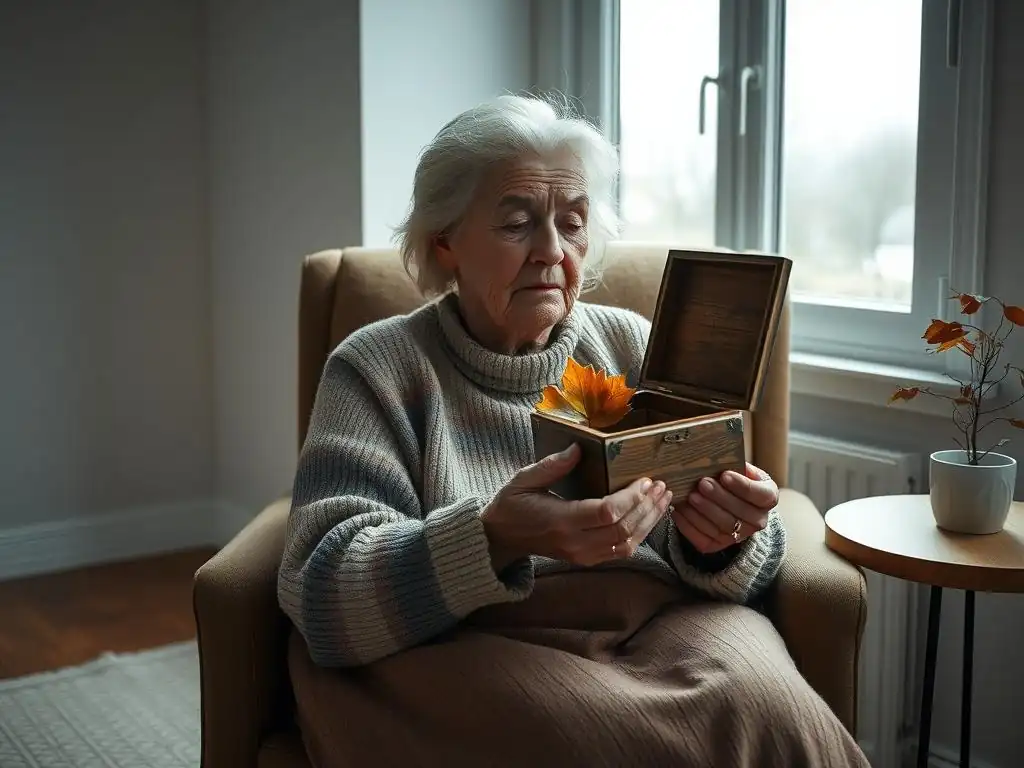
One of the most valuable things you can offer a senior experiencing cumulative grief is your presence and willingness to listen without judgment. Active listening involves paying full attention, showing empathy, and validating their feelings. Avoid platitudes like "they're in a better place" or trying to minimize their pain. Simply acknowledging their loss and expressing your care can be incredibly comforting.
Empathetic communication means trying to understand their experience from their perspective. Ask open-ended questions that encourage them to share, if they feel comfortable. Let them talk about their loved ones and their memories. Remember that grief has no timeline, especially with cumulative losses, and their need to talk about their feelings may resurface long after the initial loss. Your patient and understanding presence is a powerful antidote to the isolation often associated with cumulative loss depression seniors endure.
Providing Practical Assistance and Emotional Support
Beyond listening, offering concrete practical help can alleviate some of the burdens seniors face while grieving. This could include assistance with errands, grocery shopping, managing finances, transportation to appointments, or help around the house. These tasks can become overwhelming when someone is grappling with multiple losses and potentially also physical health issues.
Emotional support involves being a consistent, reliable presence. Check in regularly, whether by phone, visit, or card. Offer reassurance and encouragement. Help them connect with resources like support groups or professional counseling if they are open to it. Your consistent support helps combat the feelings of isolation and helplessness that fuel cumulative loss depression seniors experience.
Grief and depression often lead to withdrawal, but gentle encouragement to stay connected and engaged is important. Invite the senior to join you for a walk, a meal, a community event, or a hobby group. Be persistent but respectful of their feelings and energy levels. Don't force participation, but continue to offer opportunities.
Finding activities that align with their interests and abilities is key. Group activities can provide social interaction, while individual pursuits like reading or crafting can offer comfort and a sense of accomplishment. Helping them find ways to reconnect with life outside their grief is crucial for preventing or mitigating cumulative loss depression seniors face.
Creating a Safe and Understanding Environment
Ensure the senior feels safe, both physically and emotionally, in their environment. This involves ensuring their home is secure and accessible, and also creating an atmosphere where they feel understood and accepted. Avoid pressuring them to "get over" their grief or comparing their experience to others.
Educate yourself and others in their support circle about cumulative grief and depression in older adults. Understanding that their symptoms are a valid response to overwhelming loss, rather than a character flaw or inevitable part of aging, is essential. A compassionate and informed environment provides the foundation for healing and recovery from cumulative loss depression seniors navigate.
Resources for Seniors and Caregivers Dealing with Cumulative Grief and Depression
Local Senior Centers and Community Organizations
Local senior centers and community organizations are invaluable resources. They often offer a range of services specifically for older adults, including social activities, educational programs, wellness classes, transportation assistance, and hot meal programs. Many also host support groups for various topics, including bereavement and caregiving.
These centers can provide a vital social network, reducing isolation and offering opportunities for engagement. Staff members are often knowledgeable about local resources and can connect seniors and caregivers with mental health services, financial assistance programs, or legal aid. Utilizing these local hubs is a practical step in addressing cumulative loss depression seniors might be facing.
Mental Health Hotlines and Crisis Intervention Services
For seniors experiencing severe symptoms of depression, including thoughts of self-harm, immediate help is available. Mental health hotlines and crisis intervention services provide confidential support and guidance 24/7. These services are staffed by trained professionals who can offer immediate emotional support, help de-escalate a crisis, and connect the individual with emergency services or local mental health providers.
Having access to these resources is crucial, especially when dealing with the intense emotional pain that can accompany cumulative loss and depression. Knowing that help is just a phone call away can provide a lifeline for seniors in distress and for their concerned caregivers. These services are a critical component of support for cumulative loss depression seniors might experience at its most severe.
Online Resources and Educational Materials
Numerous reputable websites and organizations offer information and resources about grief, depression, and mental health in older adults. Websites from national health organizations, mental health associations, and non-profit foundations provide articles, guides, and toolkits for both seniors and caregivers. Online support communities and forums can also offer peer support, though it's important to ensure the source is reliable.
These online resources can help seniors and caregivers better understand cumulative grief and depression, learn coping strategies, and find local support services. While not a substitute for professional help, educational materials empower individuals with knowledge and connect them to further assistance. Accessing this information is key to identifying and managing cumulative loss depression seniors and their families need to understand.
The Importance of Early Intervention and Ongoing Support
Preventing Prolonged Grief Disorder and Major Depressive Disorder
Early recognition and intervention are critical in preventing cumulative grief from developing into more severe conditions like Prolonged Grief Disorder (PGD) or Major Depressive Disorder (MDD). PGD is characterized by persistent, intense yearning or preoccupation with the deceased that lasts for more than 12 months after the loss and causes significant impairment. Cumulative loss significantly increases the risk of PGD because individuals may not fully process one loss before another occurs.
Similarly, while grief is a natural response, clinical depression is a treatable medical condition. Ignoring or minimizing symptoms of depression in seniors can lead to prolonged suffering and poorer health outcomes. Proactive support, including monitoring emotional well-being after losses and connecting seniors with resources early on, can make a significant difference in preventing the escalation to cumulative loss depression seniors find debilitating.
Promoting Mental Wellness and Quality of Life
Addressing cumulative grief and depression is not just about treating illness; it's about promoting overall mental wellness and ensuring a high quality of life for seniors in their later years. Seniors who receive adequate support are better equipped to navigate life's challenges, maintain social connections, engage in meaningful activities, and experience joy despite their losses.
Focusing on mental wellness involves a holistic approach that includes emotional support, social engagement, physical health, and access to mental health services when needed. By prioritizing the emotional well-being of older adults, we help them live fulfilling lives, even in the face of significant loss. Promoting mental wellness is the ultimate goal in combating cumulative loss depression seniors face.
Advocating for Increased Awareness and Understanding of Senior Mental Health
Finally, there is a critical need for increased awareness and understanding of mental health issues in seniors, particularly the impact of cumulative loss. Ageism and misconceptions about aging can lead to the dismissal of symptoms of depression as simply "getting old." Educating families, caregivers, healthcare providers, and the wider community is essential.
Advocacy efforts can help reduce the stigma associated with mental health challenges in older adults, making it easier for seniors to seek help. Promoting a greater understanding of how cumulative loss impacts mental well-being can lead to more compassionate and effective support systems. By raising awareness, we can ensure that cumulative loss depression seniors experience is recognized, validated, and treated with the seriousness it deserves.
Frequently Asked Questions
What is cumulative loss and why is it particularly relevant for seniors?
Cumulative loss refers to the experience of multiple losses occurring within a relatively short period. It's relevant for seniors because they are often at a stage in life where they experience more frequent losses, such as the death of loved ones, declining health, or loss of independence.
How does cumulative loss contribute to depression in seniors?
The repeated experience of grief and loss can overwhelm seniors, leading to feelings of sadness, hopelessness, and isolation. This can significantly increase their risk of developing cumulative loss depression, a form of depression specifically linked to these repeated losses.
What are the common symptoms of cumulative loss depression in seniors?
Symptoms may include persistent sadness, loss of interest in activities, changes in appetite or sleep, fatigue, difficulty concentrating, and feelings of worthlessness. Unlike typical grief, cumulative loss depression often involves a more pervasive and debilitating sense of despair.
What are some effective strategies for coping with cumulative loss as a senior?
Effective strategies include seeking social support from friends and family, engaging in activities that bring joy, practicing self-care, and considering professional help like therapy or support groups. Addressing grief in a healthy way is crucial.
Where can seniors and their caregivers find resources and support for cumulative loss depression?
Resources and support can be found through local senior centers, mental health professionals, geriatric care managers, and online platforms like the Mind Care Guide, which offers information and resources on mental well-being and related challenges.
Final Reflection: The Unseen Weight of Cumulative Loss
The cumulative impact of loss in later life is not merely the sum of its parts; it's a devastating force that silently undermines the well-being of countless seniors. This article has explored the multifaceted nature of grief, demonstrating how repeated losses – of loved ones, health, independence, and social connections – contribute significantly to depression and diminished quality of life among older adults. Understanding this complex interplay is crucial for effective intervention and support.
The pervasive nature of cumulative loss deeply resonates with me, highlighting the often-overlooked struggles of our aging population. We, as a society, need to move beyond simplistic notions of grief and acknowledge the profound and long-lasting effects of repeated bereavement. Grief is not a disorder, it is a process.
This simple statement underscores the importance of providing compassionate support and resources tailored to the unique challenges faced by seniors navigating multiple losses. We must actively create environments that foster connection, resilience, and a sense of belonging for this vulnerable population.
You, the reader, are now equipped with a deeper understanding of cumulative loss and its devastating effects. Consider the seniors in your life – your parents, grandparents, neighbors, or friends. Take a moment to reflect on their experiences and the potential impact of past losses on their current well-being.
Reach out, offer support, and advocate for improved access to mental health services specifically designed to address the unique needs of older adults experiencing cumulative grief. Let's work together to create a more compassionate and supportive environment for our aging population, ensuring that their final chapters are filled with dignity, peace, and connection.
Rediscover Your Strength: Next Steps for Healing
Thanks for taking the time to explore the complexities of cumulative loss and its impact on seniors. We hope this article provided valuable insights and comfort. Now, let's focus on moving forward. Here are a few ways to begin your healing journey:
- Prioritize self-care: Identify one small act of self-compassion you can commit to daily, whether it's a warm bath, a quiet moment of reflection, or a gentle walk in nature. This is your foundation.
- Connect with support: Reach out to a friend, family member, or support group. Sharing your experiences can be incredibly powerful. Consider even just scheduling a phone call with someone you trust this week.
- Explore professional guidance: If you're struggling, don't hesitate to seek professional help from a therapist or counselor specializing in grief and loss. This could be the most important step of all.
What small act of self-care will you commit to today, and how will you begin to build your support network?