
Building Bridges: The Power of Connection in Preventing Senior Depression


Welcome to Mind Care Guide, a safe space dedicated to nurturing your mental well-being. Are you looking for ways to foster connection and combat the blues? We understand that feeling of isolation can be overwhelming, especially for our seniors. This week, we delve into a powerful strategy: Senior connection combats depression effectively. Discover how building bridges and fostering meaningful relationships can significantly impact mental health. Intrigued? Let's explore the profound benefits together and unlock pathways to brighter days.
Building Bridges: The Power of Connection in Preventing Senior Depression - Mind Care Guide
- Understanding Senior Depression and the Isolation Factor
- Senior Connection Combats Depression Effectively: The Link Explained
-
Strategies for Fostering Senior Connection and Reducing Isolation
- Building a Support Network: Family, Friends, and Community Resources
- Engaging in Social Activities: Hobbies, Volunteering, and Group Outings
- Utilizing Technology to Stay Connected: Bridging the Digital Divide for Seniors
- The Importance of Intergenerational Connection: Mentorship Programs and School Partnerships
- Overcoming Barriers to Social Connection in Older Adults
- Practical Tips for Maintaining Meaningful Connections in Later Life
- The Long-Term Benefits of Senior Connection for Mental Health
- Resources for Seniors Seeking Connection and Support
- Conclusion: Investing in Senior Connection for a Healthier Future
-
Frequently Asked Questions
- What is the main focus of the "Building Bridges" article?
- Why is social connection so crucial for seniors' mental health?
- How does the "Mind Care Guide" website support seniors struggling with depression?
- What are some practical ways seniors can build and maintain social connections?
- What role does family and the community play in preventing senior depression?
- Final Reflection: The Enduring Strength of Human Connection
- Unleash the Power of Connection: Support Our Seniors Today
Understanding Senior Depression and the Isolation Factor
The Prevalence of Depression in Older Adults: A Growing Concern
Depression is a significant mental health challenge that affects millions of older adults worldwide. While often misunderstood as a natural part of aging, it is a treatable medical condition. Estimates suggest that clinical depression impacts between 1% and 5% of community-dwelling older adults, but this figure rises dramatically in those receiving home healthcare (up to 13.5%) or residing in nursing homes (up to 40%).
These numbers highlight that depression is far from uncommon in later life, particularly as health issues or life changes increase. The condition can significantly impair an older adult's quality of life, affecting their physical health, cognitive function, and overall well-being.
The impact of depression in older adults extends beyond emotional distress. It can exacerbate chronic illnesses, increase the risk of hospitalization, and sadly, elevate the risk of suicide, which is disproportionately high in the senior population, particularly among older men. Recognizing depression in seniors can be challenging, as symptoms may differ from those in younger adults, sometimes presenting more as physical complaints, fatigue, or irritability rather than overt sadness. This makes it crucial for families, caregivers, and healthcare providers to be aware of the signs and the underlying factors that contribute to this growing concern, such as isolation.
Social isolation, defined as a lack of social contacts and a minimal amount of social interaction, is a powerful predictor of depression in older adults. As individuals age, they may experience significant life changes that disrupt their social networks, such as the loss of a spouse, friends, or family members, retirement from work, or relocation. Physical health issues or mobility limitations can also make it harder to leave the home and connect with others. This reduction in social ties can lead to feelings of loneliness and disconnection, creating fertile ground for depressive symptoms to develop.
Research consistently shows a strong correlation between social isolation and increased risk of depression in older adults. For example, a study might indicate that seniors reporting high levels of isolation are roughly 50% more likely to experience depressive symptoms compared to their socially connected peers. This isn't just about being alone; it's about the absence of meaningful relationships and regular social engagement that provide support, purpose, and a sense of belonging. Addressing this isolation factor is therefore a critical step in preventing and managing late-life depression.
Why Senior Connection is Crucial for Mental Well-being
Meaningful senior connection is not merely a pleasant pastime; it is a vital component of mental well-being in later life. Strong social ties provide emotional support, reduce stress, and offer a sense of purpose and belonging. When older adults feel connected to others – whether through family, friends, community groups, or neighbors – they are less likely to experience feelings of loneliness and isolation, which are major risk factors for depression. These connections act as a buffer against life's challenges, providing a support system to navigate difficulties.
Furthermore, engaging in social interactions keeps the mind active and stimulated. Conversations, group activities, and shared experiences all contribute to cognitive health. The regular interaction inherent in strong senior connection combats depression effectively by fostering positive emotions, providing opportunities for mutual support, and integrating individuals into a larger social fabric. This integration helps counteract the feelings of worthlessness or invisibility that can sometimes accompany aging and isolation, reinforcing self-esteem and overall mental resilience.
Senior Connection Combats Depression Effectively: The Link Explained
The link between social interaction and reduced depression risk in seniors is supported by neurobiological and psychological evidence. Engaging with others stimulates the brain, promoting the release of neurotransmitters like dopamine and serotonin, which are associated with feelings of pleasure and well-being and play a key role in mood regulation. Regular positive social interactions can help maintain healthy levels of these chemicals, counteracting the imbalances often seen in depression.
Moreover, social connection helps regulate the body's stress response system. Chronic stress, often heightened by isolation and loneliness, can lead to elevated levels of cortisol, a stress hormone that can negatively impact mood and cognitive function over time. Positive social engagement acts as a stress buffer, helping to lower cortisol levels and promote a more balanced physiological state. This scientific basis underscores why senior connection combats depression effectively, moving beyond anecdotal evidence to demonstrate a clear biological and psychological benefit.
Beyond neurotransmitters, social connection significantly boosts mood by providing opportunities for positive emotional experiences, laughter, and shared joy. Participating in social activities offers distraction from negative thoughts and worries, redirecting focus towards engaging interactions and shared interests. Simple acts like having a conversation, sharing a meal, or participating in a group hobby can lift spirits and create moments of happiness, contributing to a more positive emotional outlook.
Cognitively, social interaction is a form of mental exercise. Engaging in conversation requires active listening, processing information, formulating responses, and recalling details – all activities that help maintain cognitive sharpness. Studies suggest that socially active seniors tend to perform better on cognitive tests and may experience a slower rate of cognitive decline compared to their isolated peers. The combined effect of improved mood and enhanced cognitive stimulation demonstrates how robust senior connection combats depression effectively while also supporting overall brain health.
The Role of Community in Preventing Senior Depression: Senior Centers, Volunteer Organizations, and Faith-Based Groups
Community plays a pivotal role in fostering senior connection and preventing depression. Institutions like senior centers offer a hub of activity, providing classes, social events, meals, and support services that bring older adults together. These centers create a sense of community and belonging, offering regular opportunities for interaction and engagement that might otherwise be absent. For example, attending a weekly bridge club or a daily exercise class at a local senior center provides structured social contact.
Volunteer organizations and faith-based groups also offer powerful avenues for connection and purpose. Volunteering provides seniors with opportunities to contribute their skills and experience, fostering a sense of value and purpose while connecting them with like-minded individuals. Participating in religious services or group activities through a faith community offers spiritual support, a ready-made social network, and often opportunities for communal service. These diverse community settings demonstrate various ways in which senior connection combats depression effectively by integrating individuals into supportive social structures.
Strategies for Fostering Senior Connection and Reducing Isolation
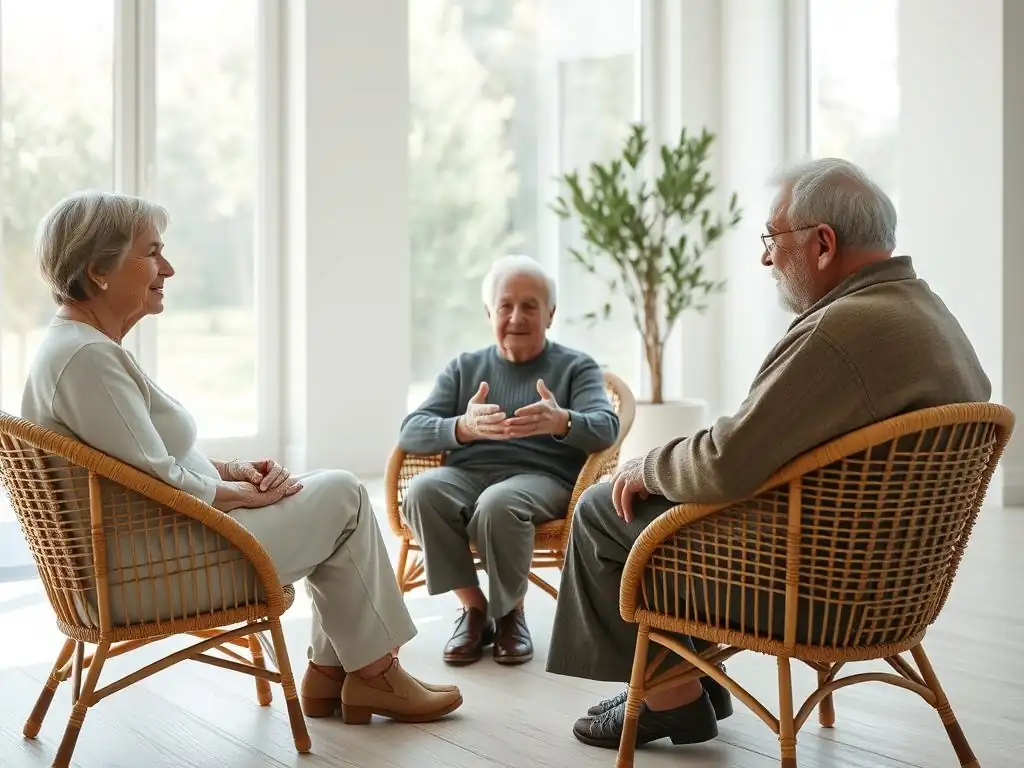
Building a Support Network: Family, Friends, and Community Resources
Building and maintaining a strong support network is fundamental in preventing isolation and depression in older adults. This network ideally includes a mix of close family members, long-standing friends, and newer acquaintances from community activities. Encouraging regular contact with family, perhaps through scheduled visits, phone calls, or video chats, helps maintain these crucial bonds. Friends, both old and new, provide peer support and shared experiences.
Beyond personal relationships, actively engaging with community resources is key. This could involve identifying local senior centers, libraries with senior programs, community gardens, or local clubs that match personal interests. Initiating contact and participating in activities offered by these resources helps expand the social circle and provides structured opportunities for interaction. Think of it as building layers of connection – from the most intimate family ties to broader community engagement – all contributing to a robust network that helps ensure senior connection combats depression effectively.
Active participation in social activities is a direct way to foster connection. Encouraging or helping seniors identify hobbies they enjoy that can be done in a group setting is beneficial. Examples include joining a book club, an art class, a choir, or a walking group. These activities provide shared interests as a basis for conversation and friendship.
Volunteering is another excellent strategy, offering purpose and connection. Seniors can volunteer at schools, hospitals, animal shelters, or community centers, sharing their time and skills while meeting new people. Group outings, whether organized through a community center, a church group, or simply among friends, provide enjoyable shared experiences and opportunities for interaction outside the home. Prioritizing engagement in these varied activities is a practical way to ensure senior connection combats depression effectively by keeping individuals active and involved.
Utilizing Technology to Stay Connected: Bridging the Digital Divide for Seniors
Technology offers powerful tools for maintaining connections, particularly for seniors with mobility issues or those living far from loved ones. Teaching seniors how to use smartphones, tablets, or computers for communication can open up new avenues for social interaction. Video calls through platforms like Zoom or FaceTime allow face-to-face conversations with family and friends, no matter the distance.
Social media platforms, used cautiously and with appropriate privacy settings, can help seniors reconnect with old friends or join groups based on specific interests. Online communities and forums dedicated to hobbies, health conditions, or shared experiences can also provide a sense of belonging and support. While technology is not a replacement for in-person interaction, bridging the digital divide empowers seniors to stay connected in ways that were not possible before, reinforcing that senior connection combats depression effectively through diverse means.
The Importance of Intergenerational Connection: Mentorship Programs and School Partnerships
Intergenerational connections offer unique benefits for both older adults and younger generations. Programs that pair seniors with young people, such as reading buddies in schools, youth mentorship programs, or shared activities at community centers, create valuable opportunities for interaction. Seniors can share their wisdom, experience, and stories, while younger people can offer fresh perspectives and energy.
These relationships provide older adults with a renewed sense of purpose and relevance, combating feelings of being sidelined or forgotten. For instance, participating in a school's reading program might give a senior volunteer a regular schedule and meaningful interactions several times a week. Such programs highlight how varied forms of senior connection combats depression effectively by fostering mutual benefit and understanding across age groups.
Addressing Mobility Issues and Transportation Challenges
Mobility issues and lack of accessible transportation are significant barriers to social connection for many seniors. Difficulty walking, using public transport, or driving can make it challenging to attend social events, visit friends, or participate in community activities. This can lead to increased time spent at home and reduced opportunities for interaction.
Addressing these challenges requires creative solutions. This might involve utilizing paratransit services, coordinating rides with family members or friends, or exploring volunteer driver programs often offered by local non-profits or senior services. Community centers and organizations can also help by offering transportation to and from their activities or providing home-based visiting programs. Overcoming these logistical hurdles is essential to enabling the kind of social engagement that ensures senior connection combats depression effectively.
Past negative experiences, grief, or a lack of recent social practice can lead some seniors to develop social anxiety or a fear of engaging with others. They might worry about being a burden, not fitting in, or simply feel uncomfortable in group settings after a period of isolation. This anxiety can become a self-fulfilling prophecy, further limiting their social interactions.
Approaching this barrier requires patience and understanding. Starting with low-pressure social situations, such as a one-on-one coffee with a friend or a small, informal group activity, can help build confidence. Encouragement from family and friends is vital. In some cases, professional support, such as therapy focused on social skills or cognitive behavioral techniques, can be very effective in helping seniors overcome anxiety and feel more comfortable seeking the connections that help ensure senior connection combats depression effectively.
Tackling Financial Constraints and Access to Resources
Financial limitations can also pose a barrier to social connection. Many social activities, classes, or transportation options come with costs that may be prohibitive for seniors on fixed incomes. Even simple activities like meeting for coffee or participating in a paid club can be out of reach. Lack of awareness about available free or low-cost resources is another challenge.
Highlighting and promoting access to free or affordable community resources is crucial. Public libraries, senior centers, parks and recreation departments, and non-profit organizations often offer a wealth of free social programs, classes, and events. Connecting seniors with information about transportation assistance programs or subsidies can also help. Ensuring financial constraints don't prevent participation is key to leveraging the power of senior connection combats depression effectively for everyone, regardless of income level.
Recognizing and Addressing Ageism and Stereotypes
Ageism, the discrimination or prejudice against individuals based on their age, can create significant barriers to social connection. Negative stereotypes about older adults being slow, irrelevant, or resistant to change can lead to their exclusion from activities or make them hesitant to engage. Seniors may internalize these stereotypes, leading to reduced self-esteem and withdrawal.
Addressing ageism requires challenging these stereotypes within families, communities, and society at large. Promoting positive portrayals of aging and highlighting the valuable contributions of older adults can help. Creating inclusive environments where seniors feel respected and valued is paramount. When older adults feel welcomed and appreciated, they are more likely to seek out and maintain the social connections that demonstrate how powerfully senior connection combats depression effectively.
Practical Tips for Maintaining Meaningful Connections in Later Life
In busy lives, social connection can sometimes fall by the wayside. For seniors, making connection a priority means actively scheduling time for interactions, just like scheduling appointments. This could involve setting a regular weekly coffee date with a friend, planning a monthly family dinner, or committing to attending a specific group meeting each week.
- Create a weekly social calendar.
- Schedule phone calls or video chats on specific days.
- Plan ahead for visits from family or friends.
- Commit to attending recurring group activities.
Treating social time as important appointments helps ensure they happen consistently. Consistent, positive interaction is a cornerstone of how senior connection combats depression effectively over the long term.
Joining Support Groups and Online Communities for Seniors
Support groups offer a unique form of connection, bringing together individuals who share similar experiences or challenges, such as grief, a specific health condition, or caregiving responsibilities. These groups provide a safe space to share feelings, gain support from others who understand, and learn coping strategies. Many support groups are available in person through local hospitals or community centers, and increasingly, online.
Online communities specifically for seniors or those with shared interests can also be incredibly valuable. They offer a way to connect with peers from anywhere, anytime. Finding a community, whether in-person or online, where one feels understood and accepted provides significant emotional support and reinforces the idea that senior connection combats depression effectively by building a network of empathy and shared experience.
Choosing activities that inherently involve interaction is a practical way to boost social connection. Instead of solitary hobbies, look for group versions. For example, join a walking club instead of walking alone, take a group cooking class instead of cooking by yourself, or participate in a community garden plot alongside others.
Activities that involve teamwork, discussion, or shared goals are particularly effective. Think about:
- Joining a local choir or theater group.
- Participating in a community clean-up day.
- Taking a language class or history discussion group.
- Playing card games, board games, or group sports like shuffleboard.
These activities provide natural opportunities for conversation and bonding, making it easier to build relationships and harness the power of senior connection combats depression effectively through shared interests and goals.
While building connections is a powerful preventive measure, sometimes professional help is needed, especially if feelings of isolation are persistent or symptoms of depression are present. Therapists and counselors can provide strategies for coping with loneliness, developing social skills, and addressing underlying issues like anxiety or grief that might be hindering connection.
Therapy, such as Cognitive Behavioral Therapy (CBT) or Interpersonal Therapy (IPT), can be very effective in treating depression and helping seniors identify and challenge negative thought patterns that contribute to isolation. A mental health professional can also help connect seniors with local resources and support networks. Seeking help is a sign of strength and can provide tailored support to ensure that efforts to build senior connection combats depression effectively are successful.
The Long-Term Benefits of Senior Connection for Mental Health

Improved Quality of Life and Overall Well-being
The most immediate and noticeable long-term benefit of strong senior connection is a significant improvement in overall quality of life and well-being. When older adults feel connected, valued, and engaged, they report higher levels of happiness and life satisfaction. They experience more positive emotions and fewer negative ones associated with loneliness and despair.
This enhanced well-being extends to a greater sense of purpose and meaning in life. Regular interactions, supportive relationships, and participation in community activities provide reasons to look forward to each day and reinforce one's place in the world. This fundamental improvement in how seniors feel about their lives is a direct outcome of how effectively senior connection combats depression effectively and fosters positive mental states.
Reduced Risk of Cognitive Decline and Dementia
Emerging research strongly suggests that social engagement plays a protective role against cognitive decline and dementia. Staying socially active provides ongoing mental stimulation, which helps build cognitive reserve – the brain's ability to withstand damage. Engaging in complex conversations, learning new things in group settings, and navigating social dynamics all contribute to brain health.
Studies have shown that socially isolated seniors have a higher risk of developing dementia compared to their more connected peers. For example, one longitudinal study might indicate that loneliness is associated with a 40% increased risk of developing dementia over a decade. The cognitive benefits underscore another crucial way that senior connection combats depression effectively while simultaneously supporting brain health and reducing the risk of devastating cognitive conditions.
Increased Longevity and Physical Health
The benefits of social connection are not limited to mental health; they also significantly impact physical health and longevity. Research consistently links strong social ties to lower mortality rates. Socially integrated individuals are more likely to maintain healthier habits, such as regular exercise and balanced nutrition, perhaps due to encouragement from their social network or participation in group health activities.
Furthermore, supportive relationships can buffer the effects of stress, which is known to negatively impact physical health. Friends and family can also provide practical support, such as reminding seniors to take medications or assisting with transportation to medical appointments. The holistic positive impact on both mental and physical health demonstrates the profound way senior connection combats depression effectively and contributes to a longer, healthier life.
Promoting Resilience and Coping Mechanisms in Older Adults
Social connection builds resilience, the ability to bounce back from adversity. Life in later years often involves navigating significant challenges, including health issues, loss of loved ones, or financial changes. Having a strong support network provides emotional comfort and practical assistance during difficult times. Sharing worries and receiving empathy from others can make challenges feel less overwhelming.
Connected seniors are also more likely to have access to diverse perspectives and coping strategies shared by friends, family, or support group members. This collective wisdom can empower them to face difficulties more effectively. The support and shared experience found in strong social bonds are invaluable in promoting the resilience and effective coping mechanisms that highlight how senior connection combats depression effectively, even in the face of life's inevitable challenges.
Resources for Seniors Seeking Connection and Support
Local Community Centers and Senior Services
Local community centers and senior services are often the first and best place for older adults to seek opportunities for connection. These centers typically offer a wide range of activities, including exercise classes, art workshops, educational programs, social events, and communal meals. Many also provide transportation services or can help connect seniors with other local resources.
Examples might include a city's Parks and Recreation department offering senior-specific programs or a county's Office on Aging providing directories of services. Visiting or calling a local center can provide a wealth of information tailored to the specific geographic area. These hubs are designed to foster the very kind of social interaction that ensures senior connection combats depression effectively within the local community.
Mental Health Organizations and Support Groups
National and local mental health organizations offer valuable resources, including information about depression, treatment options, and support group listings. Organizations like the National Alliance on Mental Illness (NAMI) or the Depression and Bipolar Support Alliance (DBSA) often have local chapters that host support groups specifically for older adults or those dealing with depression.
These organizations can also provide referrals to mental health professionals specializing in geriatric care. Support groups, whether condition-specific or general, offer a crucial space for shared experience and mutual support, reinforcing how vital peer interaction is in how senior connection combats depression effectively.
For seniors comfortable with technology, online platforms and social networking sites can provide additional avenues for connection. While general social media sites are an option, there are also platforms designed specifically for older adults, focusing on shared interests, finding local activities, or simply connecting with peers.
Joining online groups related to hobbies like gardening, reading, or crafting, or those focused on shared life experiences, can provide a sense of community. Video call services allow for easy connection with distant loved ones. Utilizing these digital tools expands the possibilities for interaction, demonstrating how senior connection combats depression effectively across both physical and virtual spaces.
Eldercare Locator, National Council on Aging, AARP
Several national organizations serve as comprehensive resources for older adults and their families, offering information, support, and connections to local services.
- Eldercare Locator: A public service of the U.S. Administration for Community Living, connecting users to services for older adults and their families. You can find local resources like Area Agencies on Aging which often list social programs.
- National Council on Aging (NCOA): Provides information on health, finances, and engagement opportunities for seniors. Their website features resources on healthy aging and staying connected.
- AARP: Offers a wide range of resources, including social activities, volunteer opportunities, and information on health and well-being for individuals aged 50 and over.
These organizations act as clearinghouses, providing access to a multitude of programs and services designed to support older adults' well-being and facilitate the connections that ensure senior connection combats depression effectively.
Conclusion: Investing in Senior Connection for a Healthier Future
Emphasizing the Importance of Proactive Measures to Combat Senior Depression
Depression in older adults is a serious and often preventable condition. Rather than viewing it as an inevitable part of aging, it is crucial to adopt proactive measures focused on maintaining mental well-being. Recognizing the significant impact of social isolation is the first step. Investing time, energy, and resources into fostering social connections is not merely a quality-of-life enhancement; it is a vital health strategy.
Families, communities, healthcare providers, and older adults themselves must actively work to build and maintain robust social networks. This requires awareness of the risks of isolation, identification of potential barriers, and a commitment to creating opportunities for meaningful interaction. Prioritizing social engagement is a powerful form of preventative care, demonstrating that proactive senior connection combats depression effectively before it takes hold.
Throughout this guide, the central theme is clear: the power of connection and social support in safeguarding the mental health of older adults. Strong social bonds provide emotional resilience, cognitive stimulation, physical health benefits, and an overall sense of purpose and belonging. They act as a protective shield against the loneliness and isolation that are significant risk factors for depression.
The evidence is compelling, showing that engaged, connected seniors not only live longer but also live better, with higher levels of happiness and a reduced incidence of depressive symptoms. The simple yet profound act of connecting with others is a cornerstone of healthy aging, reinforcing the undeniable truth that senior connection combats depression effectively and enhances life in myriad ways.
Call to Action: Encouraging Readers to Take Steps to Foster Senior Connection in Their Communities
Preventing senior depression through connection is a collective effort. We encourage readers to take action, whether for themselves, a loved one, or within their broader community.
- If you are a senior, explore local senior centers, clubs, or volunteer opportunities. Reach out to friends and family regularly. Consider joining an online community.
- If you have an older adult in your life, make time for regular visits, calls, or outings. Help them explore social activities or overcome barriers to participation.
- If you are involved in a community organization, consider starting or expanding programs that promote senior social engagement.
- Advocate for resources that support senior transportation and accessible community spaces.
By actively fostering and supporting senior connection, we can build stronger, healthier communities and ensure that older adults experience the joy and well-being that comes from being truly connected, proving, through our actions, that senior connection combats depression effectively for a brighter future.
Frequently Asked Questions
What is the main focus of the "Building Bridges" article?
The article primarily focuses on the importance of social connection in preventing and mitigating depression in seniors. It highlights how building and maintaining relationships can significantly improve mental well-being.
Social isolation and loneliness are major risk factors for depression in older adults. Meaningful connections provide a sense of purpose, belonging, and support, acting as a protective factor against mental health decline.
How does the "Mind Care Guide" website support seniors struggling with depression?
The website offers information, support, and resources specifically tailored to address mental health challenges faced by seniors. This includes articles, guides, and links to relevant organizations and services.
Seniors can join clubs, volunteer, participate in community activities, use technology to connect with loved ones, or seek out intergenerational programs. The key is to find activities that are personally meaningful and enjoyable.
What role does family and the community play in preventing senior depression?
Family and community members can actively support seniors by checking in regularly, offering assistance, and encouraging participation in social activities. Creating a supportive environment is crucial for promoting positive mental health outcomes.
Final Reflection: The Enduring Strength of Human Connection
The isolation experienced by many seniors is not merely a societal inconvenience; it's a significant public health crisis directly contributing to the alarming rates of depression among older adults. This article has highlighted the crucial role that meaningful connections play in mitigating this crisis, demonstrating how fostering a sense of belonging can be as effective as any medication in combating the debilitating effects of loneliness.
The impact of social isolation on mental well-being is profound and far-reaching, extending beyond the individual to affect families and communities. It's a pervasive issue that demands our collective attention and action. As the saying goes, The best way to find yourself is to lose yourself in the service of others,
and this rings especially true for our aging population. By actively engaging with and supporting our seniors, we not only improve their quality of life but also enrich our own, fostering a more compassionate and interconnected society.
Now, consider your own relationships. Think about the seniors in your life – your grandparents, neighbors, or even acquaintances. What small act of connection can you offer today? A phone call, a visit, a shared meal, or simply a listening ear can make a world of difference. Let's move beyond simply acknowledging the problem of senior depression and actively build bridges of connection, one conversation, one smile, one act of kindness at a time. The power to combat this crisis lies within each of us.
Unleash the Power of Connection: Support Our Seniors Today
Thanks for taking the time to learn about the vital role connection plays in preventing senior depression. You've gained valuable insights into how simple acts of kindness can make a huge difference. Now, let's turn those insights into action!
- Reach out: Spend just 15 minutes today connecting with a senior in your life – a phone call, a visit, or even a heartfelt card can brighten their day. This is the most impactful step you can take.
- Share this knowledge: Spread the word! Share this article on social media or forward it to someone who could benefit from this information. Let's build a community of support for our seniors.
- Discover local resources: Explore local senior centers, volunteer opportunities, or support groups in your area. You might be surprised by the rewarding experiences awaiting you.
What small act of connection will you make today to brighten a senior's life?