
The Anxious Athlete's Toolkit: Practical Coping Strategies


Welcome to Mind Care Guide, a sanctuary for your mental well-being.
Feeling the pressure to perform, on top of navigating daily life? You're not alone. Many athletes grapple with anxiety, and it's time to break the silence. In this guide, we delve into managing anxiety for athletes, offering practical coping strategies to help you reclaim your focus and thrive, both on and off the field. Ready to unlock your potential and conquer your anxiety? Let's begin.
The Collegiate Swimmer's Mental Game: Practical Coping Strategies
- Understanding Anxiety in Collegiate Swimming: Pressure and Performance
- Building Your Mental Fortress: Coping Mechanisms for Swimmer Anxiety
- Performance Anxiety Management: Strategies for Meet Day
- Long-Term Anxiety Management: Building Resilience and Seeking Support
- Practical Tools and Resources for Managing Anxiety for Swimmers
- Conclusion: Empowering Swimmers to Thrive Under Pressure
-
Frequently Asked Questions
- What are some common anxiety triggers for athletes?
- How can athletes identify if they are experiencing anxiety?
- What are some practical coping strategies for managing anxiety during competition?
- What role does sports psychology play in helping athletes manage anxiety?
- Where can athletes find professional support for anxiety management?
- Final Reflection: Finding Calm in the Competition
- Unlock Your Peak Performance: Conquer Anxiety, Own the Game!
Understanding Anxiety in Collegiate Swimming: Pressure and Performance
Anxiety is a common experience for athletes, and collegiate swimmers face a unique set of pressures that can significantly impact their mental well-being and performance. The demanding schedule of training, academics, and social life, coupled with the intense competitive environment, creates fertile ground for anxiety to develop. Understanding the specific ways anxiety manifests in this context is the first step toward effective management.
Managing anxiety for athletes, particularly those in high-pressure collegiate sports like swimming, requires acknowledging the specific stressors they face. These can range from the pressure to perform at peak levels consistently, the fear of failure or not meeting expectations (their own, coaches', or teammates'), and the constant comparison with competitors. The physical demands of swimming, such as early morning practices and grueling sets, can also contribute to mental fatigue and heightened anxiety levels.
Defining Anxiety in the Context of Competitive Swimming
In competitive swimming, anxiety isn't just general worry; it's often tied directly to performance outcomes, training intensity, and the perceived judgment of others. It can manifest as somatic symptoms like increased heart rate, muscle tension, or difficulty breathing before a race, or cognitive symptoms such as persistent negative thoughts about performance or excessive worry about times and rankings. This performance anxiety is a specific type of anxiety relevant to managing anxiety for athletes.
This form of anxiety can be state-dependent, appearing intensely right before a major meet or during a challenging training session, or trait-dependent, reflecting a swimmer's general tendency to experience anxiety across various situations. For collegiate swimmers, the high stakes of national championships, conference meets, and even dual meets add layers of pressure that can exacerbate these tendencies, making effective managing anxiety for athletes crucial.
The Unique Challenges Faced by Swimmers with Anxiety
Collegiate swimmers navigate a demanding environment. They balance rigorous training schedules, often involving multiple daily sessions, with challenging academic loads. This constant juggle leaves little room for rest and recovery, both physically and mentally. The isolation of swimming laps for hours can also amplify internal thoughts and worries, making it harder to distract from anxious feelings compared to team sports with more constant interaction.
Furthermore, the subjective nature of feeling "fast" or "slow" in the water, coupled with the objective reality of the clock, creates a unique mental dynamic. A swimmer might feel strong but see a disappointing time, leading to self-doubt and increased anxiety. The pressure to maintain scholarships or contribute to team success adds another layer of stress, making the challenge of managing anxiety for athletes in this setting particularly complex.
Recognizing the Signs and Symptoms of Anxiety in Swimmers
Recognizing anxiety in collegiate swimmers involves looking for both physical and behavioral cues. Physical signs can include noticeable muscle tension, fidgeting, changes in breathing patterns (short, shallow breaths), increased perspiration, or gastrointestinal issues before practice or meets. Some swimmers might report feeling nauseous or having a racing heart when thinking about an upcoming event.
Behaviorally, anxiety might show up as withdrawal from teammates, irritability, changes in sleep or eating habits, excessive worry about minor details, perfectionism that hinders performance, or avoidance of challenging sets or specific races. A swimmer might suddenly drop times significantly or, conversely, plateau despite consistent training, indicating mental barriers. Coaches and teammates play a vital role in observing these changes, highlighting the community aspect of managing anxiety for athletes.
Building Your Mental Fortress: Coping Mechanisms for Swimmer Anxiety
Developing a robust set of mental coping mechanisms is as essential for collegiate swimmers as physical training. These strategies help swimmers manage the stress and anxiety inherent in high-level competition, allowing them to perform closer to their potential and enjoy the sport more. Effective managing anxiety for athletes involves proactive skill-building, not just reactive crisis management.
These coping mechanisms fall into several categories, including mindfulness, cognitive restructuring, and relaxation techniques. Integrating these practices into daily routines, both in and out of the pool, can significantly improve a swimmer's ability to handle pressure, reduce pre-competition nerves, and maintain focus during challenging moments. This systematic approach is key to building long-term mental resilience.
The Power of Mindfulness: Staying Present in the Race
Mindfulness is the practice of bringing one's attention to the present moment, without judgment. For swimmers, this means focusing on the feel of the water, the rhythm of their stroke, or the sensation of their body moving, rather than getting lost in worries about the outcome of the race or dwelling on past mistakes. This present-moment awareness is a powerful tool for managing anxiety for athletes.
By training the mind to stay anchored in the present, swimmers can reduce the impact of future-oriented worries (like "What if I don't make the cut?") or past-oriented regrets (like "I messed up that turn"). This allows them to allocate their mental energy to executing their race plan effectively, rather than being consumed by anxious thoughts.
Practicing Mindfulness Meditation for Swim Training
Incorporating mindfulness meditation into a swimmer's routine doesn't require hours of sitting still. Even five to ten minutes daily can be beneficial. Swimmers can practice focusing on their breath, observing thoughts without engaging with them, and gently bringing their attention back whenever the mind wanders. This builds the mental muscle needed to stay focused under pressure.
During training, mindfulness can be applied by focusing intently on each stroke, the push off the wall, or the feeling of the water passing over the skin. This not only enhances body awareness, which is crucial for technique, but also keeps the mind engaged in the task at hand, reducing the space for anxious thoughts to creep in. It's active managing anxiety for athletes in action.
Body Scan Techniques for Reducing Pre-Race Nerves
A body scan is a mindfulness technique where attention is systematically brought to different parts of the body, noticing sensations without trying to change them. This can be incredibly effective for swimmers experiencing physical symptoms of anxiety, such as muscle tension or a tight chest, before a race.
By scanning the body from head to toe, swimmers can identify areas of tension and consciously try to release them. This process also grounds them in their physical experience, diverting attention from anxious thoughts. Practicing body scans regularly helps swimmers become more attuned to their physical state and better able to recognize and address tension before it escalates.
Cognitive Restructuring: Challenging Negative Thoughts and Beliefs
Cognitive restructuring is a technique used to identify and challenge negative or irrational thought patterns that contribute to anxiety. Swimmers often grapple with thoughts like "I'm not good enough," "I'm going to fail," or "Everyone is watching me." These thoughts are rarely 100% accurate but can feel overwhelming and fuel anxiety.
By learning to question the validity of these thoughts and replace them with more realistic and helpful ones, swimmers can significantly reduce their anxiety levels. This process is central to effective managing anxiety for athletes, empowering them to take control of their internal dialogue.
Identifying Negative Self-Talk During Practice
The first step in cognitive restructuring is becoming aware of negative self-talk. Swimmers can start by simply noticing the thoughts that pop up during challenging sets, after a poor split time, or when comparing themselves to teammates. Keeping a simple mental log or even jotting down recurring negative thoughts can reveal patterns.
Common negative thoughts might include:
"This set is impossible.""I'm too slow.""I'll never catch up.""What's the point?"
Recognizing these thoughts without judgment is key before attempting to challenge them.
Replacing Negative Thoughts with Performance-Oriented Affirmations
Once negative thoughts are identified, the next step is to challenge them and replace them with more constructive alternatives. Ask questions like: "Is this thought absolutely true?" "What evidence do I have for or against this thought?" "What would I tell a teammate having this thought?"
Replace negative thoughts with realistic, positive, and performance-oriented affirmations. Instead of "I'm too slow," try "I am working hard to improve my speed." Instead of "This set is impossible," try "This is a challenging set, and I can focus on one interval at a time." Using affirmations focused on effort and process rather than just outcome is a powerful part of managing anxiety for athletes.
Relaxation Techniques: Calming Your Mind and Body
Beyond mindfulness and cognitive strategies, specific physical relaxation techniques can help swimmers manage the physiological symptoms of anxiety, such as tension and a racing heart. These techniques can be used before, during, or after training and competition to promote a sense of calm and control.
Incorporating relaxation practices into a daily routine can also lower baseline anxiety levels over time. Simple techniques, when practiced regularly, become powerful tools for calming the nervous system and fostering a state conducive to both physical and mental performance. They are fundamental components of managing anxiety for athletes.
Diaphragmatic Breathing Exercises for Stress Reduction
Diaphragmatic (or deep belly) breathing is one of the simplest yet most effective ways to trigger the body's relaxation response. When anxious, breathing often becomes shallow and rapid, exacerbating physical symptoms. Deep breathing signals the nervous system to calm down.
Swimmers can practice this by inhaling slowly through the nose, feeling their abdomen expand, and exhaling slowly through the mouth. Focusing on the breath itself helps to anchor the mind and reduce the intensity of anxious feelings. Practicing deep breaths before diving in, standing on the blocks, or even between sets can make a significant difference.
Progressive Muscle Relaxation for Anxiety Relief After Training
Progressive Muscle Relaxation (PMR) involves tensing and then releasing different muscle groups in the body. This technique helps swimmers become more aware of physical tension and learn how to release it. It's particularly useful after intense training sessions to help the body and mind wind down.
By systematically tensing and releasing muscles (e.g., hands, arms, shoulders, back, legs, feet), swimmers can actively reduce the physical tightness that often accompanies anxiety. This practice not only promotes physical relaxation but also helps clear the mind, making it a valuable tool in the overall strategy for managing anxiety for athletes.
Performance Anxiety Management: Strategies for Meet Day

Meet day brings a unique surge of pressure and excitement, and for many collegiate swimmers, it's when anxiety peaks. Having specific strategies tailored for pre-competition and in-race situations is crucial for translating training into performance when it matters most. Effective managing anxiety for athletes on meet day is about preparation, routine, and in-the-moment adjustments.
These strategies focus on controlling what can be controlled – preparation, mindset, and immediate actions – rather than dwelling on uncontrollable factors like competitors' performances or external conditions. Building reliable meet-day rituals and developing techniques for staying focused under pressure are key components.
Pre-Competition Anxiety: Preparation and Rituals
The hours leading up to a race can be filled with nervous energy and anxious thoughts. Establishing consistent pre-competition routines helps create a sense of normalcy and control amidst the chaos of a swim meet. This predictability can significantly reduce anxiety by minimizing uncertainty.
A well-structured routine covers everything from what to eat and when, to warm-up protocols, and specific mental preparation techniques. It helps channel nervous energy into productive actions and signals to the brain that it's time to focus and prepare, rather than panic.
Developing a Pre-Race Routine for Anxiety Control
A pre-race routine might start hours before the meet begins. It could include listening to specific music, reviewing race strategy notes, packing the swim bag in a particular order, and arriving at the pool with ample time. At the pool, the routine might involve a specific warm-up sequence, dynamic stretching, and checking the starting blocks.
Just before the race, the routine could narrow down to a series of actions on deck: shaking out arms and legs, taking a few deep breaths, visualizing the race, and having a final positive self-talk phrase ready. Sticking to this routine, even when feeling anxious, provides a sense of stability and purpose, aiding in managing anxiety for athletes effectively.
Visualization Techniques for Race Success
Visualization, or mental rehearsal, is a powerful tool for reducing anxiety and improving performance. Swimmers can mentally practice their race from start to finish, imagining themselves executing perfect technique, handling turns smoothly, and finishing strong. This builds confidence and prepares the mind for the actual event.
Visualization should engage all senses: seeing the water, hearing the crowd (or focusing on silence), feeling the dive, the pull of the water, and the touch of the wall. Practicing visualization regularly, not just on meet day, makes it a more effective tool for calming nerves and focusing on execution.
In-Race Anxiety: Staying Focused Under Pressure
Anxiety doesn't always disappear once the race starts. It can manifest as a sudden feeling of panic, dwelling on a small mistake, or getting distracted by competitors. Having strategies to regain focus during the race is vital for maintaining performance. This is perhaps the most challenging aspect of managing anxiety for athletes in a competitive setting.
These in-race strategies are typically quick mental cues or anchors that bring the swimmer back to the present moment and their race plan. They need to be simple and easily accessible even when the body is under extreme physical stress.
Using Positive Self-Talk to Manage Anxiety During a Race
Simple, positive self-talk phrases can be used as anchors during a race. If a swimmer feels panic setting in or makes a mistake, a pre-determined phrase like "Stay strong," "Focus on your pull," or "One length at a time" can help regain composure and refocus.
These phrases should be short, positive, and action-oriented. They serve as mental reminders to stay on task and not get overwhelmed by anxious thoughts or physical discomfort. Developing a personal library of these cues is part of proactive managing anxiety for athletes.
Focusing on Stroke Technique Instead of Race Outcome
When anxiety hits during a race, the mind often jumps to the outcome: "Am I going to win?" "Am I going to get the time?" This focus on the future outcome increases pressure. A helpful strategy is to shift focus back to the process – executing good stroke technique.
By concentrating on specific technical cues – "High elbow," "Fast tempo," "Powerful kick" – the swimmer brings their attention back to the present moment and the physical task at hand. This redirects mental energy away from anxious outcome-based thoughts and towards the actions needed to perform well.
Long-Term Anxiety Management: Building Resilience and Seeking Support
Managing anxiety for athletes, especially collegiate swimmers, is not just about coping with acute situations; it's about building long-term resilience and creating a supportive environment. Sustainable mental well-being requires attention to lifestyle factors and the willingness to seek help when needed.
Developing resilience means cultivating the ability to bounce back from setbacks, learn from difficult experiences, and maintain a positive outlook. This involves a holistic approach that considers physical health, social connections, and professional support.
The Importance of Sleep, Nutrition, and Balanced Training for Mental Well-being
Physical health is inextricably linked to mental health. For collegiate swimmers, ensuring adequate sleep (often 7-9 hours per night), maintaining proper nutrition to fuel demanding training, and balancing training load to avoid burnout are fundamental pillars of anxiety management. Chronic sleep deprivation or under-fueling can significantly exacerbate anxiety symptoms.
Overtraining, both physically and mentally, can also lead to increased stress and anxiety. Coaches and athletes must work together to ensure training plans are challenging but sustainable, incorporating adequate rest and recovery. Prioritizing these basic needs is a non-negotiable aspect of managing anxiety for athletes effectively.
Building a Support System: Coaches, Teammates, and Sports Psychologists
No athlete should feel like they have to manage anxiety alone. A strong support system is invaluable. Coaches can provide understanding and adjust training or expectations when needed. Teammates offer peer support, shared experiences, and a sense of belonging. Talking openly about struggles can reduce feelings of isolation.
Sports psychologists or mental performance consultants specialize in helping athletes develop mental skills and cope with performance-related stress and anxiety. They can teach specific techniques, provide personalized strategies, and offer a confidential space to discuss challenges. Utilizing these resources is a sign of strength, not weakness, in managing anxiety for athletes.
When to Seek Professional Help: Therapy and Counseling for Swimmers
While coping strategies and support systems are powerful, sometimes anxiety becomes overwhelming and significantly impacts a swimmer's daily life, performance, or overall well-being. Persistent symptoms like panic attacks, chronic worry that interferes with sleep or concentration, or feelings of hopelessness are signs that professional help may be needed.
Mental health professionals, such as therapists or counselors, can provide diagnosis, evidence-based treatments like Cognitive Behavioral Therapy (CBT) or Acceptance and Commitment Therapy (ACT), and support for underlying issues contributing to anxiety. University counseling services are often available and offer confidential support tailored to the student-athlete experience, which is vital for comprehensive managing anxiety for athletes.
Practical Tools and Resources for Managing Anxiety for Swimmers
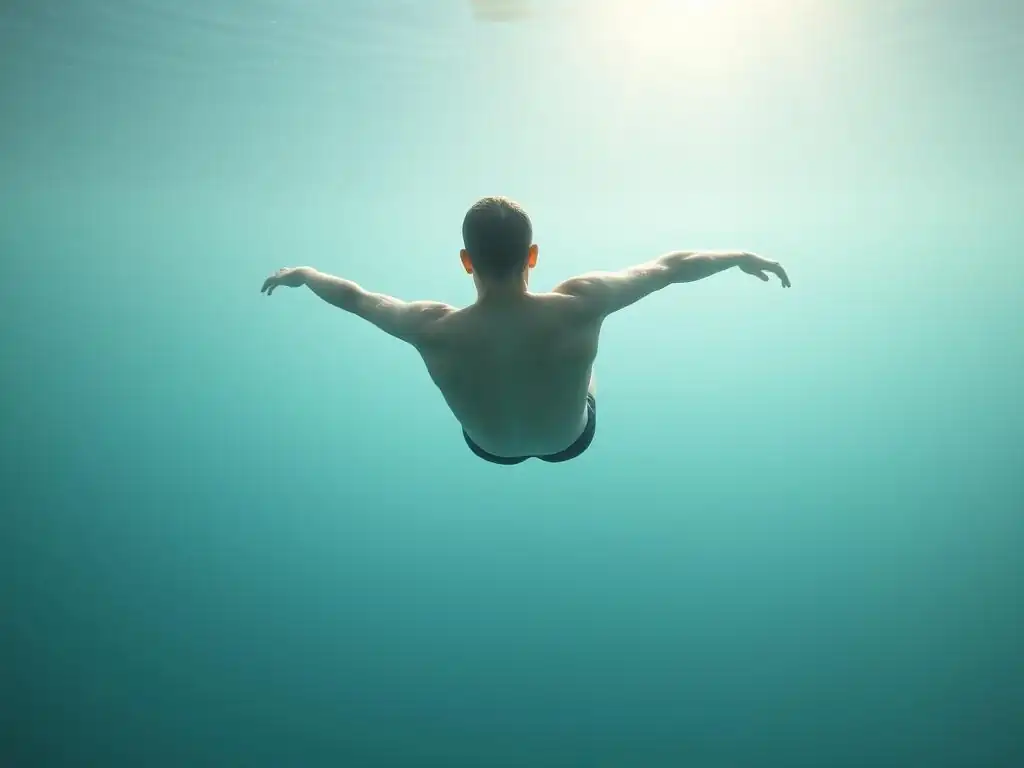
Having tangible tools and resources readily available can empower collegiate swimmers to actively work on managing their anxiety. These resources can provide structure for mental training, guidance on specific techniques, and further reading to deepen understanding.
These tools serve as practical aids that swimmers can integrate into their daily routines or turn to in moments of increased anxiety. They are designed to be accessible and actionable, supporting the consistent effort required for effective mental training.
Mental Training Log Template
A mental training log can help swimmers track their mental state, identify triggers for anxiety, and monitor the effectiveness of coping strategies. It doesn't need to be complex – a simple notebook or digital document will suffice.
- Date & Time:
- Training Session/Event:
- Anxiety Level (Scale 1-10):
- Specific Anxious Thoughts/Feelings:
- Triggers Identified:
- Coping Strategy Used:
- Effectiveness of Strategy:
- Notes/Reflections:
- [ ] Did I stick to my pre-race routine?
- [ ] What went well mentally?
- [ ] What was challenging?
- [ ] What can I improve next time?
This structured reflection is a powerful tool for self-awareness and progress in managing anxiety for athletes.
Breathing Exercise Guide for Swimmers
A simple guide outlining different breathing techniques can be a quick reference for swimmers needing to calm down.
- Diaphragmatic Breathing:
- Find a comfortable position.
- Place one hand on your chest, one on your abdomen.
- Inhale slowly through your nose, feeling your abdomen rise.
- Exhale slowly through your mouth, feeling your abdomen fall.
- Repeat for several minutes, focusing on the sensation of breath.
- Box Breathing:
- Inhale for a count of four.
- Hold your breath for a count of four.
- Exhale for a count of four.
- Hold your breath for a count of four.
- Repeat the "box" pattern several times.
- 4-7-8 Breathing:
- Exhale completely through your mouth.
- Inhale quietly through your nose to a count of four.
- Hold your breath for a count of seven.
- Exhale completely through your mouth with a whoosh sound to a count of eight.
- Repeat several cycles.
These exercises provide immediate relief and are portable tools for managing anxiety for athletes anywhere, anytime.
Recommended Books and Articles on Swimmer Mental Health
Access to reliable information is key for swimmers wanting to learn more about managing anxiety. While specific titles can't be listed due to constraints, searching for resources by reputable sports psychologists or mental performance coaches specializing in swimming or endurance sports is recommended. Look for topics like:
- Mindfulness for Athletes
- Performance Psychology
- Handling Pressure and Expectations
- Building Mental Toughness
- Managing Performance Anxiety
Reading about the experiences of other athletes or learning evidence-based strategies from experts can provide new perspectives and reinforce the importance of mental training as part of overall preparation for managing anxiety for athletes.
Conclusion: Empowering Swimmers to Thrive Under Pressure
Navigating the demands of collegiate swimming while managing anxiety is a significant challenge, but it is absolutely achievable. By understanding the specific nature of anxiety in their sport, collegiate swimmers can begin to build a comprehensive toolkit of practical coping strategies. This involves not only physical preparation but also dedicated mental training, recognizing that the mind is just as crucial as the body in competitive performance.
Empowering swimmers means providing them with the knowledge, skills, and support systems necessary to face pressure head-on. It's about shifting the focus from fearing anxiety to learning how to work with it, using it as a signal to employ learned strategies. Effective managing anxiety for athletes leads not only to improved performance but also to a more positive and sustainable relationship with the sport they love.
Key Takeaways for Managing Anxiety and Improving Performance
- Anxiety is common in collegiate swimming due to unique pressures.
- Recognizing physical and behavioral signs is the first step.
- Mindfulness, cognitive restructuring, and relaxation techniques are core coping skills.
- Developing consistent pre-race routines and in-race focus strategies are essential for meet day.
- Long-term management involves prioritizing physical health (sleep, nutrition, balanced training) and building a strong support system.
- Seeking professional help from sports psychologists or therapists is a sign of strength when anxiety is overwhelming.
- Utilizing practical tools like mental logs and breathing guides supports consistent mental training.
By integrating these strategies, collegiate swimmers can build resilience, manage their anxiety effectively, and unlock their full potential both in and out of the pool, truly thriving under pressure.
Frequently Asked Questions
What are some common anxiety triggers for athletes?
Anxiety in athletes can be triggered by several factors, including performance pressure, fear of failure, and intense competition. External factors like crowd expectations and media scrutiny also play a significant role.
How can athletes identify if they are experiencing anxiety?
Recognizing the signs is crucial. Look out for physical symptoms like increased heart rate and sweating, emotional symptoms such as irritability and fear, and cognitive symptoms including negative self-talk.
What are some practical coping strategies for managing anxiety during competition?
Athletes can utilize techniques like deep breathing exercises, visualization, and positive self-talk to manage anxiety in the moment. Mindfulness techniques can also help stay grounded.
What role does sports psychology play in helping athletes manage anxiety?
Sports psychology provides athletes with mental skills training, helping them develop resilience and coping mechanisms. It focuses on cognitive restructuring and emotional regulation to optimize performance.
Where can athletes find professional support for anxiety management?
Athletes can seek help from sports psychologists, therapists specializing in anxiety, and mental health professionals experienced in working with athletes. The Mind Care Guide also offers resources and information.
Final Reflection: Finding Calm in the Competition
The pressure on athletes today extends far beyond the playing field; it's a relentless cycle of performance expectations, social media scrutiny, and the ever-present threat of injury. This article has explored practical coping strategies to navigate the complex landscape of athletic anxiety, but the true power of these tools lies in their consistent application and personalization. Understanding and managing anxiety isn't a one-time fix; it's an ongoing journey of self-discovery and resilience.
The impact of anxiety on athletic performance, and indeed on overall well-being, is profound and far-reaching. It's a silent epidemic, often hidden beneath the veneer of success. The greatest enemy of achievement is not failure, but the fear of failure.
This quote, often attributed to various sources, perfectly encapsulates the debilitating effect anxiety can have. We've explored techniques like mindfulness, breathwork, and cognitive restructuring, but the true victory lies in fostering a culture of open communication and support, where athletes feel empowered to prioritize their mental health alongside their physical training.
You, the athlete, hold the key to unlocking your potential. This isn't just about winning medals or breaking records; it's about cultivating a healthy relationship with your mind and body, allowing you to perform at your best while prioritizing your overall well-being. I urge you to take the time to explore the strategies discussed in this article, adapt them to your unique needs, and commit to consistent practice.
Remember, the journey to managing anxiety is a marathon, not a sprint, and your mental fortitude is just as important as your physical strength. Embrace the challenge, and discover the calm within the competition.
Unlock Your Peak Performance: Conquer Anxiety, Own the Game!
Thanks for investing your time in learning practical strategies to manage anxiety and enhance your athletic performance. We hope you gained valuable insights into how to overcome those mental hurdles. Now it’s time to put that knowledge into action!
- Prioritize one new coping technique: Choose the strategy from the article that resonated most with you – whether it's deep breathing, mindfulness exercises, or positive self-talk – and commit to practicing it daily this week. Even 5 minutes a day makes a difference!
- Share your wins (or challenges): Connect with other athletes in our community (imagined here - no actual link needed) and share your experience. What worked well? What are you still working on?
- Track your progress: Keep a simple journal to monitor your anxiety levels and how these techniques impact your performance. This will help you identify what's most effective for you and refine your approach.
What small step will you take today to improve your mental game and boost your performance?