
The Anxious Brain: Understanding Neurological Factors in LaterLife Anxiety

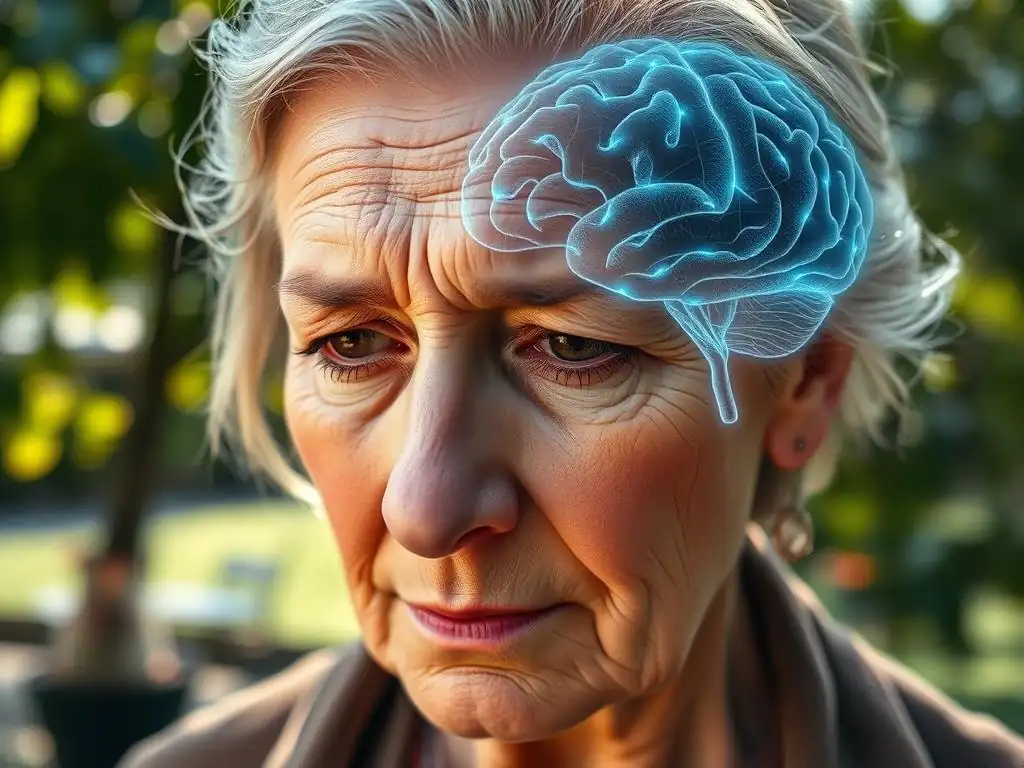
Welcome to Mind Care Guide, a space dedicated to understanding and nurturing your mental well-being.
Feeling anxious in later life? It's more common than you might think. Dive into our latest article, "The Anxious Brain: Understanding Neurological Factors in Later Life Anxiety," where we explore the intricate connection between later life anxiety neurology and the aging brain. Discover how neurological changes can contribute to anxiety and what you can do to find relief and support. Let's unravel the mysteries of the anxious brain together and pave the way for a calmer, more fulfilling life.
The Anxious Brain: Understanding Neurological Factors in Later Life Anxiety
- Introduction: Unveiling the Neurological Roots of Anxiety in Older Adults
- Understanding the Aging Brain and Anxiety Vulnerability
- Key Brain Regions Involved in Later Life Anxiety
- Neurotransmitter Imbalances and Anxiety in Later Life
- Neurodegenerative Diseases and Increased Anxiety Risk
- The Impact of Chronic Conditions on Brain Health and Anxiety
- Genetic Predisposition and Neurological Pathways of Anxiety
- Diagnosing Neurological Factors Contributing to Later Life Anxiety
- Treatment Strategies Targeting Neurological Aspects of Anxiety
- The Future of Research in Later Life Anxiety Neurology
- Conclusion: Empowering Older Adults Through Neurological Understanding
-
Frequently Asked Questions
- What specific neurological changes in later life can contribute to anxiety?
- How does "Later Life Anxiety Neurology" differ from anxiety disorders experienced earlier in life?
- What role do neurotransmitters like serotonin and dopamine play in later-life anxiety, from a neurological perspective?
- Are there specific neurological tests or scans that can help diagnose or understand the underlying causes of later-life anxiety?
- What are some potential treatment options for later-life anxiety that target neurological factors?
- Final Reflection: Navigating the Anxious Brain in Later Life
- Unlock Your Calm: Practical Steps for Managing Anxiety in Later Life
Introduction: Unveiling the Neurological Roots of Anxiety in Older Adults
Anxiety is a common experience, but for older adults, it can present unique challenges, often intertwined with the natural processes of aging and potential health conditions. While psychological and social factors are significant contributors, a deeper understanding requires exploring the later life anxiety neurology – the specific neurological changes and vulnerabilities that can increase anxiety risk in seniors. This article delves into the complex interplay between the aging brain and anxiety, offering insights into the biological underpinnings of this often-distressing condition.
By focusing on the neurological dimensions, we can gain a more comprehensive perspective on why anxiety might emerge or intensify in later years. This includes examining how age-related changes in brain structure, function, and neurochemistry can alter how stress is processed and how emotions are regulated. Understanding this later life anxiety neurology is crucial for developing more effective strategies for prevention, diagnosis, and management, ultimately improving the quality of life for older adults experiencing anxiety.
Why Focus on Later Life Anxiety Neurology?
Focusing specifically on later life anxiety neurology is vital because the aging brain is not simply an older version of a younger brain; it undergoes distinct structural and functional modifications. These changes can influence susceptibility to anxiety disorders in ways that differ from earlier life stages. For instance, reductions in brain volume, alterations in white matter integrity, and shifts in neurotransmitter systems are common age-related phenomena that have direct implications for mood and anxiety regulation. Research suggests that understanding these specific neurological shifts can help differentiate age-related cognitive changes from pathological processes contributing to anxiety.
Furthermore, many older adults experience comorbidities, such as cardiovascular disease, diabetes, or neurodegenerative conditions like Alzheimer's or Parkinson's, which themselves have neurological impacts that can exacerbate anxiety. Exploring later life anxiety neurology allows us to investigate how these co-occurring conditions influence brain health and contribute to heightened anxiety levels. This nuanced approach moves beyond viewing anxiety solely through a psychological lens, acknowledging the significant biological factors at play and paving the way for more targeted interventions that address the root neurological causes.
Mind Care Guide: Your Resource for Understanding Anxiety in Aging
Mind Care Guide is dedicated to providing comprehensive resources and information on mental well-being across the lifespan, with a particular focus on the unique challenges faced by older adults. Our goal is to empower individuals, families, and caregivers with knowledge about conditions like anxiety in aging, including the complex neurological factors involved. We aim to demystify topics such as later life anxiety neurology, making complex scientific information accessible and understandable.
Through articles like this, Mind Care Guide offers insights into the latest research and expert perspectives on the biological underpinnings of anxiety in older adults. We explore how factors such as brain aging, neurochemical changes, and the impact of chronic health conditions contribute to anxiety vulnerability. Our resources are designed to help you recognize the signs of anxiety, understand its potential neurological basis, and learn about effective strategies for support and treatment, fostering a holistic approach to mental health in later life.
Understanding the Aging Brain and Anxiety Vulnerability
The process of aging involves a complex series of changes within the brain that can influence various cognitive and emotional functions. While not everyone experiences anxiety in later life, these age-related neurological shifts can create a landscape where anxiety is more likely to emerge or intensify. Understanding these fundamental changes is the first step in grasping the specifics of later life anxiety neurology.
Key aspects of brain aging include alterations in brain volume, particularly in regions associated with emotional regulation and executive function, as well as changes in the density of neuronal connections and the efficiency of communication pathways. These modifications, though often gradual, can subtly impact how the brain processes threats, manages stress, and regulates mood, thus increasing vulnerability to anxiety.
Neurological Changes Associated with Aging
Aging is associated with a range of structural and functional changes in the brain. One common observation is a general decrease in brain volume, which tends to be more pronounced in certain areas like the prefrontal cortex and hippocampus, regions critically involved in cognitive control, memory, and emotional regulation. For example, studies using MRI scans have shown that the prefrontal cortex can shrink by approximately 5% per decade after age 40. This reduction in gray matter can affect decision-making, planning, and the ability to inhibit responses to stimuli, all of which can play a role in anxiety.
Beyond volume, there are also changes in white matter integrity, which represents the brain's communication highways. Myelin, the fatty substance insulating nerve fibers, can degrade with age, slowing down signal transmission between different brain regions. This impacts the efficiency of neural networks, including those involved in the fear and anxiety circuits. Furthermore, there are shifts in the balance of excitatory and inhibitory neurotransmitters and alterations in receptor sensitivity, which directly influence neuronal activity and overall brain function, contributing to the nuances of later life anxiety neurology.
The neurological changes described above can directly influence an older adult's susceptibility to anxiety. For instance, the decline in prefrontal cortex function can impair the ability to regulate the amygdala, the brain's fear center. A less effective 'brake' from the prefrontal cortex means the amygdala might be more reactive to perceived threats, leading to heightened states of worry and apprehension characteristic of anxiety. This altered balance between regions is a core component of later life anxiety neurology.
Similarly, changes in the hippocampus, a region vital for memory and stress response, can impact anxiety. Chronic stress can shrink the hippocampus, and age-related hippocampal decline may make older adults less resilient to stress, potentially triggering or worsening anxiety. Additionally, alterations in neurotransmitter systems, such as reduced serotonin activity or changes in GABAergic function, directly affect mood and anxiety circuits. A less efficient GABA system, for example, means less inhibition of neuronal activity, potentially leading to increased excitability and anxiety symptoms. These combined neurological shifts create a specific vulnerability profile for anxiety in later life.
Key Brain Regions Involved in Later Life Anxiety
Several brain regions work in concert to process emotions, manage stress, and regulate behavior. In the context of later life anxiety neurology, specific areas undergo age-related changes that make them particularly relevant to understanding increased anxiety vulnerability in older adults. Examining these key players provides a clearer picture of the neurological architecture underlying anxiety in this population.
Understanding the roles of the amygdala, prefrontal cortex, and hippocampus, and how they are affected by aging, is fundamental to grasping the biological basis of later life anxiety. These regions form interconnected networks that, when disrupted, can contribute significantly to the manifestation of anxiety symptoms.
The Amygdala: Processing Fear and Anxiety in the Elderly
The amygdala is a small, almond-shaped structure deep within the brain that plays a central role in processing emotions, particularly fear and threat detection. In later life anxiety neurology, the amygdala's function can be altered. While some studies suggest the amygdala's volume may not decrease as significantly with age as other regions, its reactivity to negative stimuli can change. Some research indicates that older adults might show reduced amygdala activation to negative images compared to younger adults, suggesting a potential shift in emotional processing.
However, in the context of anxiety disorders in older adults, there might be dysregulation rather than uniform reduction. For instance, heightened sensitivity to perceived threats or difficulty extinguishing fear responses could still be linked to altered amygdala function or its connectivity with other brain regions. The amygdala's role is not just about initial fear processing but also its sustained activity in response to worry, which is a hallmark of generalized anxiety in later life.
The Prefrontal Cortex: Cognitive Control and Anxiety Regulation in Seniors
The prefrontal cortex (PFC), located at the front of the brain, is crucial for executive functions, including decision-making, working memory, and inhibiting inappropriate responses. Critically, it plays a significant role in regulating emotional responses originating in the amygdala. In later life anxiety neurology, age-related decline in PFC volume and function can impair this top-down control over the amygdala, potentially leading to increased anxiety. Studies show that structural integrity in the PFC, particularly the ventromedial PFC, is associated with better emotional regulation.
As the PFC's ability to modulate the amygdala weakens with age, older adults may find it harder to dismiss worries or regulate their fear responses. This reduced inhibitory control contributes to persistent anxiety and difficulty managing stressful situations. The efficiency of neural circuits connecting the PFC and amygdala is a key factor in later life anxiety neurology, and disruptions in this circuit are strongly implicated in the development and maintenance of anxiety disorders in this population.
The Hippocampus: Memory, Stress, and Anxiety in Older Adults
The hippocampus, another structure deep within the brain, is essential for forming new memories and is intricately linked to the body's stress response system (the hypothalamic-pituitary-adrenal or HPA axis). Chronic stress can lead to atrophy of the hippocampus, and age-related hippocampal volume loss is common, impacting memory function. In the context of later life anxiety neurology, the hippocampus's role in processing contextual fear and its vulnerability to stress hormones like cortisol are particularly relevant.
A less resilient hippocampus, due to age or chronic stress exposure over a lifetime, may contribute to difficulties in learning safety cues or differentiating between dangerous and safe situations, potentially increasing generalized anxiety. Furthermore, the hippocampus's interaction with the amygdala and PFC is crucial for the extinction of fear memories. Impaired hippocampal function can hinder this process, making it harder for older adults to overcome past anxieties or adapt to new, non-threatening environments, thereby contributing to persistent anxiety.
Neurotransmitter Imbalances and Anxiety in Later Life
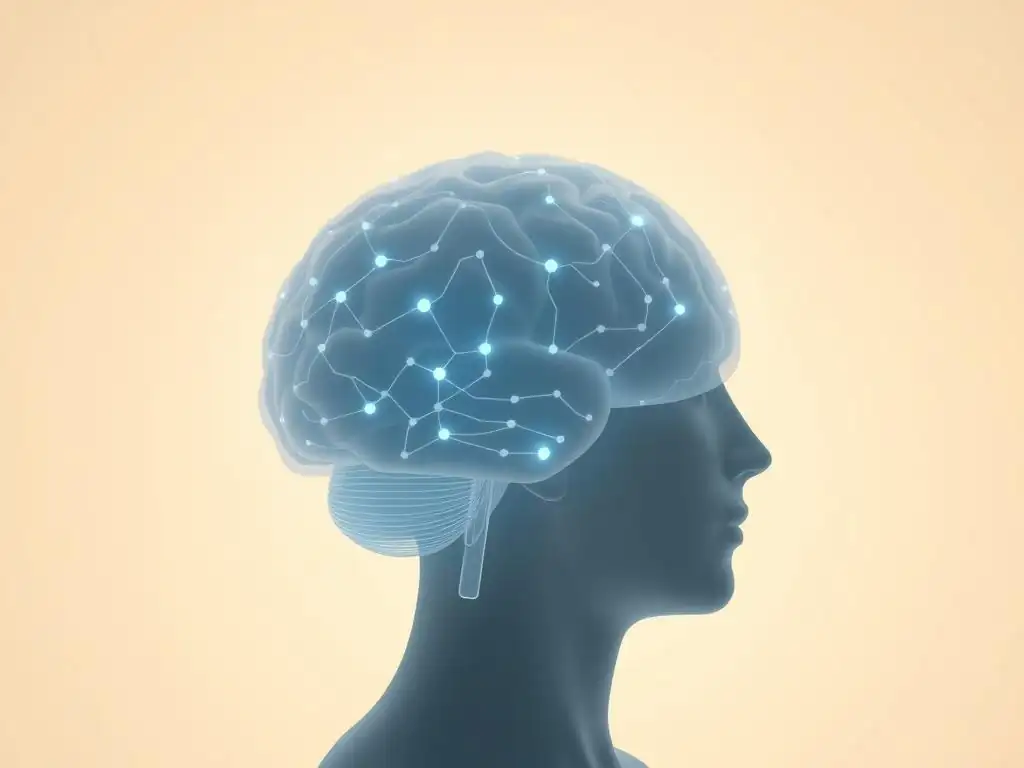
Neurotransmitters are chemical messengers that transmit signals between neurons, profoundly influencing mood, cognition, and behavior. Imbalances in these crucial chemicals are well-established factors in anxiety disorders across all ages, but their profiles can shift with aging, adding another layer to later life anxiety neurology. Understanding how key neurotransmitters are affected in older adults provides insight into potential targets for intervention.
Changes in the synthesis, release, reuptake, and receptor sensitivity of neurotransmitters like serotonin, GABA, and dopamine are all part of the aging process. These alterations can disrupt the delicate balance required for stable mood and effective anxiety regulation, contributing to the increased prevalence of anxiety in later life.
Serotonin's Role in Regulating Anxiety in the Elderly
Serotonin (5-HT) is a neurotransmitter widely known for its role in regulating mood, sleep, appetite, and anxiety. In later life anxiety neurology, age-related changes in the serotonergic system are significant. Studies indicate that there can be a decrease in serotonin receptor binding sites and transporter availability in certain brain regions with age, potentially leading to reduced serotonin signaling efficiency. This can disrupt the neural circuits involved in mood and anxiety regulation.
Lowered serotonin activity or impaired signaling can contribute to feelings of worry, irritability, and fearfulness, all common symptoms of anxiety in older adults. Many antidepressant and anti-anxiety medications, such as SSRIs (Selective Serotonin Reuptake Inhibitors), target the serotonin system to increase its availability in the synaptic cleft, demonstrating the critical role of this neurotransmitter in managing anxiety, including in the context of later life anxiety neurology.
GABA's Impact on Inhibiting Anxiety in the Aging Brain
Gamma-aminobutyric acid (GABA) is the primary inhibitory neurotransmitter in the brain, acting like a 'brake' to reduce neuronal excitability. It counteracts the effects of excitatory neurotransmitters, helping to calm the nervous system and prevent overstimulation. Changes in the GABAergic system are central to later life anxiety neurology. Research suggests that there may be age-related declines in GABA levels or receptor function in certain brain areas, leading to less effective inhibition.
A less efficient GABA system means that neurons are more likely to fire, leading to increased overall brain activity and potentially heightened states of anxiety and restlessness. Medications like benzodiazepines, which are sometimes prescribed for acute anxiety, work by enhancing GABA's effects, underscoring its importance in dampening anxiety responses. The integrity of the GABAergic system is therefore a critical factor in maintaining emotional stability and preventing excessive anxiety in older adults.
Dopamine and Its Connection to Anxiety Symptoms in Older Individuals
Dopamine is a neurotransmitter associated with reward, motivation, pleasure, and movement. While perhaps less directly linked to anxiety than serotonin or GABA, dopamine also plays a role in the complex network governing mood and stress response, relevant to later life anxiety neurology. Age-related decline in dopaminergic neurons, particularly in areas like the striatum, is well-documented and contributes to conditions like Parkinson's disease.
However, dopamine also interacts with the amygdala and prefrontal cortex, influencing how we process aversive stimuli and regulate emotional responses. Dysregulation of the dopamine system can affect motivation, concentration, and stress reactivity, potentially contributing to anxiety symptoms, particularly in older adults with conditions affecting dopamine pathways. For example, anxiety is a common non-motor symptom in Parkinson's disease, highlighting the connection between dopamine system changes and anxiety in later life.
Neurodegenerative Diseases and Increased Anxiety Risk
Neurodegenerative diseases, characterized by progressive loss of structure or function of neurons, are more prevalent in older age. These conditions inherently involve significant neurological changes that can profoundly impact mood and increase the risk of anxiety. Understanding the specific ways these diseases affect the brain is crucial for appreciating their contribution to later life anxiety neurology.
Anxiety is a frequent comorbidity in several neurodegenerative disorders, often appearing early in the disease process, sometimes even before significant cognitive or motor symptoms become apparent. This suggests a direct link between the underlying pathology of these diseases and the neurological circuits involved in anxiety.
Alzheimer's Disease and Anxiety: A Neurological Connection
Alzheimer's disease (AD), the most common cause of dementia, is characterized by the accumulation of amyloid plaques and tau tangles in the brain, leading to widespread neuronal dysfunction and loss. Anxiety is a common symptom in individuals with AD, affecting an estimated 20-40% of patients, sometimes even in the mild cognitive impairment (MCI) stage. The neurological connection lies in how AD pathology affects brain regions involved in emotion regulation, such as the amygdala, hippocampus, and prefrontal cortex.
Damage to these areas disrupts their ability to process and regulate emotions, leading to increased vulnerability to anxiety. Furthermore, AD pathology can affect neurotransmitter systems, including cholinergic and serotonergic pathways, which are critical for mood and anxiety. The combination of structural damage and neurochemical imbalance directly contributes to the heightened anxiety observed in the context of later life anxiety neurology associated with Alzheimer's disease.
Parkinson's Disease: Anxiety as a Comorbidity
Parkinson's disease (PD) is a progressive disorder primarily affecting motor function, caused by the loss of dopaminergic neurons in the substantia nigra. However, PD is also associated with a range of non-motor symptoms, with anxiety being one of the most common, affecting up to 50% of individuals with the disease. The neurological basis for anxiety in PD is multifaceted, involving not only the primary dopaminergic deficiency but also changes in other neurotransmitter systems and widespread brain network dysfunction.
The pathology of PD can extend beyond the dopamine system to affect serotonergic and noradrenergic neurons, which are also involved in mood and anxiety regulation. Furthermore, the disease process can impact brain regions like the amygdala and prefrontal cortex. The interplay between dopamine depletion, other neurochemical changes, and disruption of emotional processing circuits contributes significantly to the experience of anxiety in the context of later life anxiety neurology in individuals with Parkinson's disease.
Vascular Dementia and Anxiety: Understanding the Neurological Basis
Vascular dementia is caused by reduced blood flow to the brain, often due to strokes or chronic cerebral ischemia, leading to damage in brain tissue. The location and extent of vascular lesions determine the specific symptoms. Anxiety is a frequent symptom in vascular dementia, with prevalence rates reported between 18% and 40%. The neurological basis is directly related to the areas of the brain affected by vascular damage.
Lesions in regions critical for emotional regulation, such as the prefrontal cortex, amygdala, or limbic circuits, can directly impair the brain's ability to manage stress and process emotions appropriately, leading to anxiety. Damage to white matter tracts that connect these regions can also disrupt communication pathways involved in emotional control. The impact of vascular disease on brain health and its contribution to anxiety is a significant aspect of later life anxiety neurology, highlighting how compromised blood supply can undermine emotional stability.
The Impact of Chronic Conditions on Brain Health and Anxiety
Beyond specific neurodegenerative diseases, many chronic physical health conditions common in later life can also negatively impact brain health and contribute to increased anxiety. These conditions often involve systemic inflammation, vascular changes, and metabolic dysregulation, all of which can have downstream effects on neurological function. Understanding these connections is key to a holistic view of later life anxiety neurology.
Conditions like cardiovascular disease, diabetes, and chronic pain are not just physical ailments; they can significantly influence brain structure and function, altering the delicate balance of neural circuits and neurochemistry that underpins emotional well-being. Addressing these underlying physical health issues is therefore often an important component of managing anxiety in older adults.
Cardiovascular Disease and Anxiety: Exploring the Link
Cardiovascular disease (CVD), including conditions like heart failure, coronary artery disease, and stroke, is strongly linked to increased rates of anxiety in older adults. An estimated 20-30% of individuals with CVD experience anxiety. The connection is bidirectional: anxiety is a risk factor for developing CVD, and having CVD can exacerbate or trigger anxiety. Neurologically, this link involves several pathways relevant to later life anxiety neurology.
CVD can lead to reduced blood flow to the brain (cerebral hypoperfusion), particularly affecting vulnerable regions like the hippocampus and prefrontal cortex. This chronic lack of oxygen and nutrients can impair neuronal function and contribute to cognitive decline and emotional dysregulation. Furthermore, the systemic inflammation associated with CVD can cross the blood-brain barrier and affect neuroinflammatory processes within the brain, impacting neurotransmitter systems and neural circuits involved in anxiety. The physiological stress response triggered by CVD symptoms can also activate the HPA axis, contributing to chronic stress and anxiety.
Diabetes and Its Effects on Brain Function and Anxiety
Diabetes mellitus, particularly Type 2 diabetes which is common in older adults, has significant implications for brain health and is associated with an increased risk of both cognitive impairment and anxiety disorders. Around 20-30% of older adults with diabetes report significant anxiety. The neurological mechanisms linking diabetes and anxiety are complex and contribute to later life anxiety neurology.
Chronic hyperglycemia (high blood sugar) and hypoglycemia (low blood sugar) can both damage blood vessels in the brain and impair neuronal function. Diabetes-related vascular damage (microangiopathy and macroangiopathy) can lead to reduced cerebral blood flow and increased risk of silent strokes, affecting brain regions involved in mood regulation. Furthermore, diabetes is associated with increased systemic inflammation and oxidative stress, which can directly harm neurons and disrupt neurotransmitter balance, including serotonin and GABA systems. Insulin resistance in the brain, also linked to diabetes, can impair neuronal metabolism and signaling, further contributing to emotional dysregulation and anxiety vulnerability.
Chronic Pain: The Neurology of Pain and Anxiety in Later Life
Chronic pain, a pervasive issue in older adults, is strongly associated with anxiety. Prevalence estimates for anxiety in older adults with chronic pain range widely but are often cited between 20% and 50%, significantly higher than in pain-free individuals. The neurological pathways involved in processing pain overlap significantly with those involved in processing emotion and stress, forming a crucial aspect of later life anxiety neurology.
Chronic pain involves persistent activation of pain pathways in the nervous system, leading to neuroplastic changes in the brain and spinal cord. These changes can affect regions like the amygdala, prefrontal cortex, hippocampus, and anterior cingulate cortex, all of which are also involved in anxiety.
The constant signaling of pain acts as a chronic stressor, activating the HPA axis and leading to elevated cortisol levels, which can negatively impact brain structures like the hippocampus. Furthermore, chronic pain can disrupt sleep, reduce physical activity, and lead to social isolation, all of which can exacerbate both the pain experience and anxiety through their effects on brain function and neurochemistry.
Genetic Predisposition and Neurological Pathways of Anxiety
While environmental factors and life experiences play a significant role in anxiety, genetic factors also contribute to an individual's vulnerability. In the context of later life anxiety neurology, genetic predispositions can influence the structure, function, and neurochemistry of brain regions involved in anxiety throughout life, potentially making older adults more susceptible when combined with age-related changes or health conditions.
Understanding the genetic contributions helps illuminate the inherent biological basis of anxiety vulnerability. Specific genes can influence the efficiency of neurotransmitter systems, the reactivity of the amygdala, or the resilience of brain regions to stress and aging, shaping the neurological landscape upon which later life anxiety may develop.
Exploring Genetic Factors Contributing to Anxiety Vulnerability
Research into the genetic basis of anxiety disorders has identified several genes and genetic pathways that may increase susceptibility. While anxiety is not caused by a single gene, variations in genes involved in neurotransmitter synthesis, transport, and receptor function (like those for serotonin, GABA, and dopamine), as well as genes related to the stress response (like those affecting the HPA axis), have been associated with increased anxiety risk.
Family studies have shown that individuals with a first-degree relative with an anxiety disorder are significantly more likely to develop one themselves, indicating a clear heritable component, although the exact genes involved can vary.
For later life anxiety neurology, these genetic predispositions mean that some older adults may inherently have a nervous system that is more prone to heightened reactivity or less effective at regulating fear and worry. While the genetic profile doesn't guarantee anxiety, it can interact with age-related brain changes and the presence of chronic conditions to lower the threshold for developing anxiety symptoms in later life. For example, variations in genes affecting serotonin transporter availability might make an older adult more sensitive to age-related declines in serotonin signaling.
Genetic variations can influence the development and function of brain structures critical for anxiety regulation from early life. For instance, certain genetic polymorphisms have been linked to differences in amygdala size or reactivity. A genetic profile associated with a larger or more reactive amygdala might predispose an individual to heightened fear responses throughout their life, a factor relevant to later life anxiety neurology.
Genes also influence the density of receptors for neurotransmitters like GABA or the efficiency of dopamine production in specific brain regions. These subtle differences in neurochemistry, dictated partly by genetics, can affect the overall excitability of neural circuits involved in anxiety.
When combined with the wear and tear of aging, chronic stress, or disease, a genetically predisposed nervous system might be less resilient, making the individual more vulnerable to the onset or worsening of anxiety symptoms in later life. The complex interplay between genetic blueprint, aging processes, and environmental factors shapes the unique expression of later life anxiety neurology in each individual.
Diagnosing Neurological Factors Contributing to Later Life Anxiety

Diagnosing anxiety in older adults can be challenging, as symptoms might be masked by or attributed to other medical conditions or cognitive changes. Identifying the specific neurological factors contributing to later life anxiety neurology requires a comprehensive assessment that goes beyond standard psychological evaluations. Neurological assessments and advanced brain imaging techniques can provide valuable insights into the underlying biological mechanisms.
These diagnostic approaches help clinicians understand whether structural brain changes, functional alterations, or neurochemical imbalances are playing a significant role in an older adult's anxiety symptoms. This information is crucial for developing targeted and effective treatment plans that address the specific neurological underpinnings of their anxiety.
Neurological Assessments for Anxiety in Older Adults
A thorough neurological assessment for an older adult presenting with anxiety involves a detailed medical history, including a review of all medications (as some can cause anxiety as a side effect) and co-occurring medical conditions. A physical neurological exam assesses motor function, reflexes, sensation, and coordination, which can reveal signs of underlying neurological disorders like Parkinson's or stroke that might be contributing to anxiety. Cognitive screening tests are also essential to identify potential cognitive impairment or dementia, as anxiety can be a symptom or comorbidity of these conditions, linking back to later life anxiety neurology.
Beyond a standard exam, specific assessments might include evaluating gait and balance, assessing for tremors or rigidity (indicative of Parkinson's), and detailed questioning about sleep patterns, autonomic symptoms, and sensory changes, all of which can point to specific neurological involvement. Neuropsychological testing can further evaluate executive function, memory, and attention, helping to pinpoint cognitive deficits that might be related to or exacerbated by anxiety and its underlying neurological basis.
Brain Imaging Techniques: MRI and PET Scans for Anxiety Evaluation
Brain imaging techniques provide non-invasive ways to visualize brain structure and function, offering valuable insights into later life anxiety neurology. Magnetic Resonance Imaging (MRI) can reveal structural changes such as overall brain volume loss, atrophy in specific regions like the hippocampus or prefrontal cortex, white matter lesions indicative of vascular disease, or signs of neurodegeneration. While these findings aren't diagnostic of anxiety alone, they can show the underlying neurological substrate that increases vulnerability. For example, significant white matter hyperintensities seen on an MRI might point to vascular contributions to both cognitive issues and anxiety.
Positron Emission Tomography (PET) scans can provide information about brain function and neurochemistry. Different tracers can be used to measure metabolic activity (e.g., FDG-PET, which shows glucose metabolism) or the distribution and binding of specific neurotransmitter receptors (e.g., for serotonin or dopamine). Reduced metabolic activity in certain prefrontal areas or altered receptor binding patterns in the limbic system, revealed by PET scans, can correlate with anxiety symptoms and provide neurological evidence supporting the diagnosis within the framework of later life anxiety neurology. These imaging techniques help build a more complete picture of the biological factors at play.
Treatment Strategies Targeting Neurological Aspects of Anxiety
Given the significant role of later life anxiety neurology, effective treatment strategies often need to consider and target the underlying biological factors alongside psychological and social interventions. Approaches that address neurotransmitter imbalances, promote brain health, and leverage brain plasticity offer promising avenues for managing anxiety in older adults.
A multi-modal approach that integrates these neurologically informed strategies with traditional therapies can provide the most comprehensive care. By addressing the brain's role directly, treatments can potentially modify the biological vulnerability to anxiety, leading to more sustained relief and improved well-being.
Medication Management: Neurotransmitter-Targeted Therapies for Older Adults
Medications are a common approach to managing anxiety, and many work by targeting neurotransmitter systems implicated in later life anxiety neurology. Selective Serotonin Reuptake Inhibitors (SSRIs) are often considered first-line treatments for generalized anxiety disorder in older adults. They work by increasing serotonin availability in the brain, which can help regulate mood and reduce anxiety symptoms. Dosage and choice of SSRI need careful consideration in older adults due to potential drug interactions and metabolic changes.
Other medications may target different neurotransmitter systems. For instance, Serotonin-Norepinephrine Reuptake Inhibitors (SNRIs) affect both serotonin and norepinephrine. While benzodiazepines enhance GABA's inhibitory effects, their use in older adults is generally limited due to risks of sedation, cognitive impairment, falls, and dependence. Buspirone, which affects serotonin and dopamine receptors, is another option that might be considered. The choice of medication depends on the individual's specific symptoms, co-occurring conditions, and potential drug interactions, always aiming to balance efficacy with minimizing side effects in the context of later life anxiety neurology.
Cognitive Behavioral Therapy (CBT) and Brain Plasticity
While often viewed as a purely psychological therapy, Cognitive Behavioral Therapy (CBT) also has demonstrable effects on brain function and structure, making it relevant to later life anxiety neurology. CBT helps individuals identify and change negative thought patterns and behaviors contributing to anxiety. Research using brain imaging has shown that successful CBT for anxiety can lead to measurable changes in brain activity and connectivity, particularly in the prefrontal cortex and amygdala.
CBT appears to enhance the prefrontal cortex's ability to regulate the amygdala, essentially strengthening the 'brake' on fear responses. This neuroplastic change, where the brain rewires itself through learning and experience, is a key mechanism by which CBT reduces anxiety. For older adults, engaging in CBT can promote positive neuroplasticity, potentially counteracting some age-related declines in brain function relevant to anxiety regulation. This highlights how psychological interventions can have tangible neurological benefits, contributing to a holistic approach to later life anxiety neurology.
Lifestyle Interventions: Promoting Brain Health and Reducing Anxiety
Lifestyle factors have a profound impact on brain health and can play a significant role in mitigating later life anxiety neurology. Regular physical exercise, for example, has been shown to promote neurogenesis (the birth of new neurons) in the hippocampus, improve cerebral blood flow, reduce inflammation, and modulate neurotransmitter levels. Engaging in aerobic activity for even 150 minutes per week can have positive effects on mood and cognitive function, helping to build resilience against anxiety.
Nutrition is another critical factor. A diet rich in omega-3 fatty acids, antioxidants, and vitamins supports brain structure and function. Chronic inflammation, often linked to poor diet, can negatively impact brain health and increase anxiety risk. Adequate sleep is also vital, as sleep deprivation disrupts neurotransmitter balance and impairs PFC function, exacerbating anxiety. Engaging in mentally stimulating activities and maintaining social connections can also promote cognitive reserve and brain health, indirectly supporting emotional well-being and reducing vulnerability to anxiety in later life.
The Future of Research in Later Life Anxiety Neurology
Research into later life anxiety neurology is an evolving field, with ongoing studies aiming to deepen our understanding of the complex interplay between brain aging, health conditions, and anxiety in older adults. Future research holds the promise of identifying new biomarkers, developing more targeted therapies, and refining our understanding of how the brain changes throughout life influence mental well-being.
Areas of particular interest include exploring novel therapeutic targets within specific neural circuits, investigating the role of the gut-brain axis in anxiety, and leveraging advanced technologies to map brain networks in greater detail. These advancements are crucial for improving diagnosis and treatment for older adults experiencing anxiety.
Emerging Therapies for Anxiety Targeting the Brain
Future treatments for anxiety in later life are likely to increasingly target specific neurological pathways and mechanisms identified through research in later life anxiety neurology. This could include the development of new pharmacological agents that more precisely modulate neurotransmitter systems, potentially with fewer side effects than current options. For instance, research into compounds that enhance GABA receptor function in a more targeted way or modulate glutamatergic signaling (another key excitatory system) is ongoing.
Beyond traditional medications, emerging therapies might include neuromodulation techniques like Transcranial Magnetic Stimulation (TMS) or Transcranial Direct Current Stimulation (tDCS), which use magnetic fields or electrical currents to stimulate specific brain regions involved in anxiety circuits, such as the prefrontal cortex. While still largely experimental for anxiety in older adults, these non-invasive brain stimulation techniques show promise in altering brain activity patterns linked to anxiety and represent potential future directions informed by later life anxiety neurology.
Understanding the Brain-Gut Connection in Anxiety
An exciting area of research relevant to later life anxiety neurology is the brain-gut connection, also known as the gut-brain axis. This bidirectional communication system links the central nervous system with the enteric nervous system in the gut, involving neural, hormonal, and immunological signals. The gut microbiome, the trillions of microorganisms living in the digestive tract, plays a significant role in this communication, producing neuroactive compounds and influencing inflammation.
Research suggests that alterations in the gut microbiome composition, common with aging and influenced by diet, medication, and health status, can impact brain function and behavior, including anxiety. The gut can produce neurotransmitters like serotonin and GABA, and its health influences systemic inflammation, which affects the brain. Understanding how the gut-brain axis changes with age and how these changes contribute to anxiety in older adults could lead to novel interventions, such as probiotics or dietary modifications, as part of a comprehensive approach to later life anxiety neurology.
Conclusion: Empowering Older Adults Through Neurological Understanding
Anxiety in later life is a complex issue, and recognizing the significant role of later life anxiety neurology is fundamental to providing effective support and treatment. By understanding how the aging brain, chronic health conditions, and genetic predispositions can increase vulnerability to anxiety, we can move towards more precise diagnoses and targeted interventions. Empowering older adults and their caregivers with this knowledge helps destigmatize anxiety and highlights that it is often rooted in real biological changes, not just psychological weakness.
This neurological perspective encourages a holistic approach that integrates medical care for underlying conditions, psychological therapies that leverage brain plasticity, and lifestyle adjustments that promote overall brain health. Focusing on later life anxiety neurology opens up new avenues for prevention and treatment, ultimately aiming to improve the mental well-being and quality of life for older adults experiencing anxiety.
The Importance of a Holistic Approach to Anxiety in Later Life
Addressing anxiety in older adults requires more than just psychological counseling or medication. A holistic approach that considers the interconnectedness of physical health, mental well-being, and neurological function is essential. This involves managing chronic medical conditions that impact brain health, such as diabetes or cardiovascular disease, as these directly influence later life anxiety neurology. It also includes promoting lifestyle factors known to support brain health, like regular exercise, a balanced diet, adequate sleep, and social engagement.
Integrating therapies that target the neurological underpinnings, whether through carefully managed medications or therapies like CBT that induce beneficial neuroplastic changes, alongside psychological support for coping strategies and emotional processing, offers the most comprehensive path to recovery. Recognizing anxiety as a condition influenced by complex biological factors, as highlighted by research into later life anxiety neurology, allows for a more empathetic and effective care plan tailored to the unique needs of the aging individual.
Mind Care Guide: Resources for Managing Anxiety and Promoting Brain Health
Mind Care Guide is committed to being a valuable resource for older adults, their families, and caregivers seeking information and support for anxiety and brain health. We provide detailed articles that explore topics like later life anxiety neurology, explaining complex biological concepts in accessible language. Our aim is to equip you with the knowledge to understand the potential causes of anxiety in later life, recognize its signs, and explore available treatment options.
We offer insights into managing anxiety through lifestyle changes, understanding medication options, and the benefits of psychological therapies. By focusing on both the neurological and psychological aspects, Mind Care Guide supports a holistic approach to mental well-being in aging. We encourage you to explore our resources to learn more about promoting brain health and effectively managing anxiety to live a fulfilling life in your later years.
Frequently Asked Questions
What specific neurological changes in later life can contribute to anxiety?
The brain undergoes changes with age, including a decrease in neurotransmitter production and structural changes in areas like the amygdala and prefrontal cortex, impacting emotional regulation and increasing vulnerability to anxiety.
How does "Later Life Anxiety Neurology" differ from anxiety disorders experienced earlier in life?
Later-life anxiety often has a stronger connection to physical health issues, cognitive decline, and social isolation than anxiety in younger individuals, impacting neurological pathways differently.
What role do neurotransmitters like serotonin and dopamine play in later-life anxiety, from a neurological perspective?
Dysregulation of neurotransmitters like serotonin and dopamine can significantly affect mood and anxiety. Age-related decline in their function exacerbates anxiety symptoms and cognitive function.
Are there specific neurological tests or scans that can help diagnose or understand the underlying causes of later-life anxiety?
While no single test definitively diagnoses anxiety, brain imaging like MRI or PET scans can help rule out other neurological conditions or identify structural abnormalities contributing to anxiety symptoms.
What are some potential treatment options for later-life anxiety that target neurological factors?
Treatment options may include medication to regulate neurotransmitter levels, therapies that promote neuroplasticity and cognitive restructuring, as well as lifestyle changes that support brain health.
The neurological underpinnings of anxiety in later life are not merely a medical curiosity; they represent a critical area demanding increased understanding and compassionate support. The prevalence of anxiety disorders among older adults is significant, often overlooked amidst other age-related health concerns. Ignoring the neurological factors involved means missing crucial opportunities for effective intervention and improved quality of life for millions.
The exploration of this topic has profoundly impacted my understanding of the complexities of aging. It's not simply a matter of physical decline; the brain, too, undergoes significant changes that can profoundly affect emotional well-being. The mind is not a vessel to be filled, but a fire to be kindled.
– Plutarch. This quote resonates deeply, highlighting the need to nurture and understand the ever-evolving landscape of the aging brain, rather than simply accepting anxiety as an inevitable part of growing older. The stigma surrounding mental health in later life must be challenged, fostering open conversations and seeking professional help without shame.
Consider the implications of this research. What steps can you take to prioritize your mental well-being as you age? Are you actively engaging in activities that stimulate cognitive function and emotional resilience? Do you have a support network in place to address anxieties and challenges? This isn't just about understanding the science; it's about proactively shaping a healthier, happier future for yourself and those you care about. Let the knowledge gained here inspire you to advocate for better mental health resources for older adults and to prioritize your own neurological well-being.
Unlock Your Calm: Practical Steps for Managing Anxiety in Later Life
Thanks for taking the time to explore the neurological factors behind anxiety in later life. We hope this article provided valuable insights into this often-overlooked aspect of aging. Now, let's take action!
- Prioritize a calming ritual: Identify one simple, relaxing activity you can incorporate into your daily routine – even five minutes of mindful breathing or gentle stretching can make a difference. This is your key to cultivating a sense of peace.
- Share your insights: Discuss what you've learned with a friend or family member. Talking openly about anxiety can be incredibly powerful, both for you and those you connect with.
- Explore additional resources: Visit our website (MindCareGuide.org) for more articles and support networks dedicated to helping seniors manage anxiety effectively.
What small step can you take today to begin fostering a more peaceful and calm inner world?