
The Dopamine Effect: Fueling Your Brain's Motivation Engine

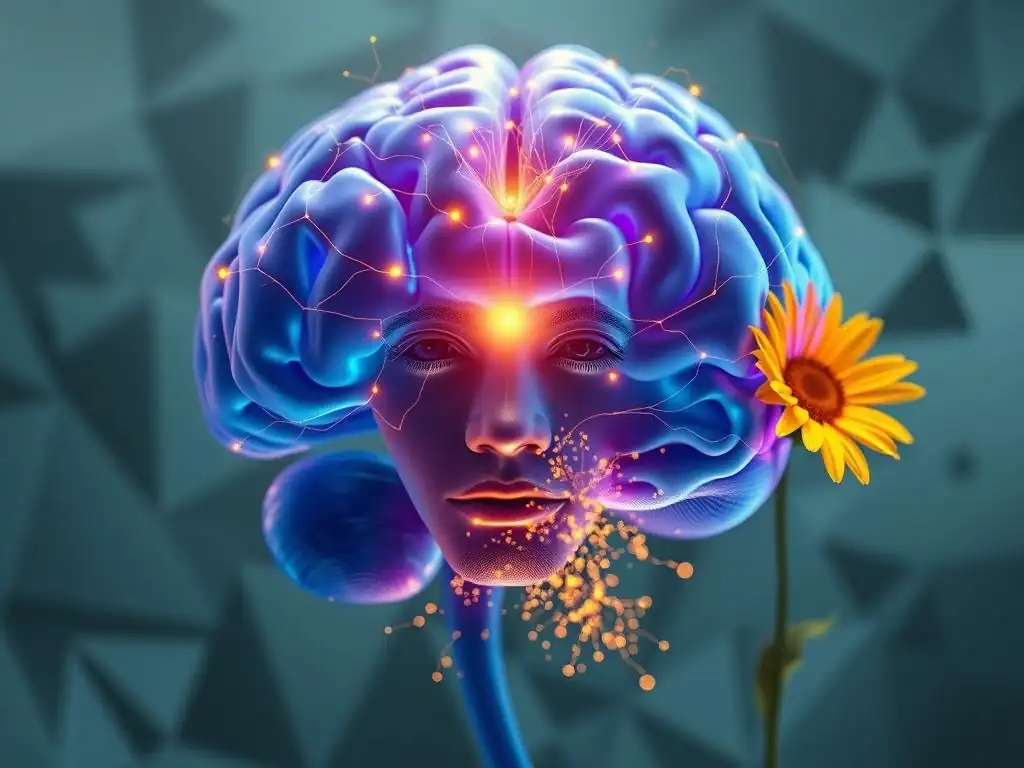
Welcome to Mind Care Guide, your sanctuary for understanding and nurturing your mental well-being. Feeling stuck in a rut, lacking the drive to pursue your goals? Ever wondered how to unlock your brain's natural motivation system? Dive into "The Dopamine Effect" and discover powerful dopamine motivation boost strategies that can reignite your inner spark and help you achieve the fulfilling life you deserve. Let's explore the neuroscience behind motivation together and build a brighter, more energized future.
Dopamine and Motivation: A Comprehensive Guide
- Understanding Dopamine and its Role in Motivation
- Dopamine Deficiency: Impact on Motivation and Mental Well-being
- Boosting Dopamine Naturally: Dietary and Lifestyle Strategies
- Lifestyle Adjustments for Enhanced Motivation
- Dopamine Supplements: Benefits, Risks, and Considerations
- Dopamine Detox: Rebalancing Your Brain's Reward System
- Maintaining Optimal Dopamine Levels for Long-Term Well-being
-
Frequently Asked Questions
- What exactly is dopamine, and why is it important for motivation?
- How does dopamine relate to motivation, according to "The Dopamine Effect"?
- What are some "Dopamine motivation boost strategies" mentioned on Mind Care Guide?
- Can I become too reliant on dopamine for motivation, potentially leading to problems?
- Where can I find more resources and support regarding mental well-being and dopamine regulation on Mind Care Guide?
- Final Reflection: Rewiring Your Motivation with Dopamine
- Ignite Your Inner Drive: Unlock Your Dopamine Potential!
Understanding Dopamine and its Role in Motivation
What is Dopamine? A Neurotransmitter Overview
Dopamine is a crucial neurotransmitter, a chemical messenger in the brain that plays a vital role in many bodily functions, including movement, memory, pleasure, reward, and motivation. It belongs to a group of compounds called catecholamines and is synthesized in several areas of the brain, primarily the substantia nigra and the ventral tegmental area (VTA). These areas then project to other brain regions, influencing a wide range of behaviors and cognitive processes.
As a key player in the brain's reward system, dopamine is released when we experience something pleasurable or rewarding, or even when we anticipate such an experience. This release signals to the brain that the activity is worth repeating, reinforcing the behavior. Beyond reward, dopamine is also integral to learning, focus, and decision-making, making it a central component in our ability to pursue goals and maintain motivation.
The Dopamine-Motivation Connection: How it Works
The link between dopamine and motivation is deeply rooted in the brain's reward circuitry. When you anticipate or achieve a goal, your brain releases dopamine. This release isn't just about feeling pleasure; it's a powerful signal that tells your brain, "This felt good (or is likely to feel good), remember how you did it so you can do it again." This reinforcement process drives our desire to seek out and repeat behaviors that lead to positive outcomes.
Consider the simple act of checking email or social media. The anticipation of a new message or notification triggers a small dopamine release. Receiving one provides a quick hit, reinforcing the checking behavior. On a larger scale, anticipating the satisfaction of completing a difficult project or achieving a fitness milestone fuels the sustained effort required, demonstrating how dopamine acts as a motivational engine, propelling us towards desired rewards.
Dopamine and Reward Pathways: A Deeper Dive
The most prominent dopamine pathway involved in reward and motivation is the mesolimbic pathway. This pathway originates in the VTA and projects to areas like the nucleus accumbens, amygdala, hippocampus, and prefrontal cortex. When a rewarding stimulus is encountered or anticipated, dopamine neurons in the VTA fire, releasing dopamine into these target regions.
The nucleus accumbens is particularly central to this pathway, acting as a critical hub for processing reward and reinforcement. The amygdala adds emotional context, the hippocampus helps form memories associated with the reward (remembering how you got it), and the prefrontal cortex is involved in planning and goal-directed behavior. This intricate network ensures that rewarding experiences are learned and sought after, making the mesolimbic pathway fundamental to motivation, habit formation, and learning from consequences.
Dopamine Deficiency: Impact on Motivation and Mental Well-being
Symptoms of Low Dopamine Levels: Recognizing the Signs
Low dopamine levels can manifest in various ways, significantly impacting a person's motivation, energy, and overall mental well-being. Common symptoms include a marked lack of motivation or drive, often described as apathy or anhedonia – the inability to experience pleasure from activities typically found enjoyable. Individuals might struggle with initiating tasks, feel fatigued despite adequate rest, and experience difficulty concentrating or focusing.
Other signs can include mood swings, feelings of hopelessness, procrastination, and a general lack of enthusiasm for life. In more severe cases, particularly those involving significant loss of dopamine-producing neurons, physical symptoms like tremors, stiffness, and impaired coordination may appear, as seen in conditions like Parkinson's disease. Recognizing these signs is the first step toward addressing potential imbalances.
The Link Between Dopamine Deficiency and Lack of Motivation
The direct link between low dopamine and lack of motivation stems from dopamine's role in the brain's reward system. When dopamine levels are insufficient, the signaling along the mesolimbic pathway is weakened. This means that the anticipation of rewards or the pleasure derived from achieving goals is diminished. The brain's signal that an activity is "worth doing" is muted.
Consequently, the drive to initiate and sustain effort towards goals decreases. Tasks that require planning, persistence, or overcoming obstacles become significantly harder because the intrinsic reward signal is too weak to fuel the necessary effort. This can lead to a cycle of inactivity, reduced accomplishment, and further feelings of low motivation, making it difficult to break out of the inertia.
Mental Health Conditions Associated with Dopamine Imbalance: Parkinson's Disease, Depression, and ADHD
Dopamine imbalances are implicated in several significant mental and neurological health conditions. Parkinson's disease is a classic example, characterized by the progressive degeneration of dopamine-producing neurons in the substantia nigra. This leads to severe motor symptoms like tremor, rigidity, and bradykinesia (slow movement), directly resulting from the profound loss of dopamine signaling in motor pathways.
In depression, while complex and involving multiple neurotransmitters, low dopamine activity is thought to contribute significantly to core symptoms such as anhedonia, low energy, and lack of motivation. Research suggests differences in dopamine receptor sensitivity or availability in certain brain regions in individuals with depression. Attention-Deficit/Hyperactivity Disorder (ADHD) is also linked to dopamine dysregulation, particularly in pathways affecting executive function, attention, and impulse control. Hypotheses suggest altered dopamine transporter activity or receptor function may contribute to the difficulty with focus, organization, and sustained effort seen in ADHD.
Boosting Dopamine Naturally: Dietary and Lifestyle Strategies

Diet and Dopamine: Foods That Support Dopamine Production
Nutrition plays a foundational role in supporting overall brain health, including the production of neurotransmitters like dopamine. Ensuring your diet provides the necessary building blocks can be a key part of dopamine motivation boost strategies. Proteins, for instance, are broken down into amino acids, some of which are precursors to dopamine.
Consuming a balanced diet rich in whole foods provides the necessary vitamins and minerals that act as cofactors in dopamine synthesis. For example, iron, niacin, folate, and Vitamin B6 are all important for the enzymatic processes that convert precursors into dopamine. Focusing on nutrient-dense foods can support healthy neurotransmitter function.
Tyrosine-Rich Foods: Almonds, Avocados, and Eggs
Tyrosine is an amino acid that is a direct precursor to dopamine. Consuming foods high in tyrosine provides the raw material your brain needs to synthesize this crucial neurotransmitter. Incorporating tyrosine-rich foods into your diet is a practical dopamine motivation boost strategy.
Excellent sources of tyrosine include lean proteins like turkey, beef, and chicken, as well as dairy products (cheese, milk), eggs, and fish. Plant-based sources like almonds, avocados, bananas, beans, and seeds (like pumpkin and sesame) are also good options. While eating these foods won't cause massive dopamine spikes, they ensure your brain has the necessary ingredients for steady, healthy production.
Avoiding Processed Foods and Excessive Sugar
While highly palatable processed foods and sugary snacks can cause a temporary spike in dopamine, particularly in the reward pathways, relying on them for a dopamine fix can be detrimental in the long run. Chronic consumption of these foods can lead to dysregulation of the reward system, potentially reducing the sensitivity of dopamine receptors over time.
This decreased sensitivity can mean that everyday activities feel less rewarding, contributing to a baseline feeling of low motivation and potentially increasing cravings for more highly stimulating, unhealthy foods. Focusing instead on whole, unprocessed foods helps maintain stable blood sugar levels and supports healthier, more sustainable neurotransmitter function, which is vital for effective dopamine motivation boost strategies.
Exercise and Dopamine: Physical Activity for Enhanced Motivation
Regular physical activity is a powerful natural method for boosting dopamine levels and improving brain health. Exercise, especially moderate-intensity aerobic exercise, has been shown to increase the production and release of dopamine, as well as increase the density of dopamine receptors in certain brain areas. This contributes to the "runner's high" and the overall sense of well-being and increased energy often felt after working out.
Beyond the immediate effects, consistent exercise can lead to long-term improvements in dopamine signaling, enhancing mood, focus, and most importantly, motivation. Studies have demonstrated that even short bursts of exercise can improve cognitive function and boost motivation for subsequent tasks, making it a valuable tool in any set of dopamine motivation boost strategies. Aiming for at least 150 minutes of moderate aerobic activity or 75 minutes of vigorous activity per week, as recommended by health guidelines, can have significant positive impacts.
Sleep and Dopamine: Prioritizing Rest for Optimal Brain Function
Sleep is not merely a period of rest; it is a critical process for brain maintenance and optimal function, including the regulation of neurotransmitter systems. There is a complex, reciprocal relationship between sleep and dopamine. Adequate sleep helps regulate dopamine receptor sensitivity, ensuring the reward system functions effectively.
Conversely, sleep deprivation can disrupt dopamine pathways, leading to reduced motivation, impaired focus, irritability, and decreased cognitive performance. Research indicates that losing even a few hours of sleep can significantly alter dopamine signaling. Prioritizing 7-9 hours of quality sleep per night is therefore essential for maintaining healthy dopamine levels and supporting effective dopamine motivation boost strategies. Establishing a consistent sleep schedule is a powerful way to support your brain's natural rhythms.
Mindfulness and Meditation: Calming the Mind to Boost Dopamine
Stress, particularly chronic stress, can negatively impact dopamine levels and receptor sensitivity, contributing to reduced motivation and anhedonia. Practices like mindfulness and meditation can help manage stress and its detrimental effects on brain chemistry. While direct studies specifically linking meditation solely to increased dopamine are complex, research suggests that these practices can modulate brain areas involved in reward and emotional regulation.
By promoting a state of calm and reducing the activity of stress hormones, mindfulness and meditation create an environment conducive to healthy neurotransmitter function. They can help shift focus from negative thought patterns, which can deplete mental energy and motivation, towards a more present and appreciative state, indirectly supporting a healthier dopamine balance and enhancing the effectiveness of other dopamine motivation boost strategies. Even a few minutes of daily practice can yield benefits.
Lifestyle Adjustments for Enhanced Motivation
Setting SMART Goals: Breaking Down Tasks for Achievable Rewards
One of the most effective dopamine motivation boost strategies involves leveraging the brain's natural reward cycle through goal setting. Large, daunting tasks can feel overwhelming and demotivating because the reward seems too distant or uncertain. Breaking down these tasks into smaller, more manageable steps allows for frequent, achievable "wins."
Each time you complete a small step, your brain registers a micro-achievement, triggering a small release of dopamine. This positive reinforcement encourages you to continue to the next step. Using the SMART criteria (Specific, Measurable, Achievable, Relevant, Time-bound) helps define these steps clearly, making progress tangible and providing regular opportunities for that motivating dopamine feedback loop.
Creating a Positive Environment: Designing Your Surroundings for Motivation
Your physical and social environment significantly impacts your mood, focus, and motivation. A cluttered or distracting workspace can make it harder to concentrate and initiate tasks, while an organized and aesthetically pleasing one can reduce friction and promote a sense of calm and control. Surrounding yourself with positive influences and supportive people can also boost morale and provide encouragement, contributing to a more motivated state.
Think about designing your environment to make desired behaviors easier and undesired ones harder. For instance, if you want to eat healthier, keep healthy snacks visible and unhealthy ones out of sight. If you want to exercise, lay out your workout clothes the night before. These small environmental cues can lower the barrier to action, making it easier to trigger the dopamine release associated with starting and completing tasks.
Practicing Gratitude: Focusing on Positives to Enhance Dopamine Release
Cultivating an attitude of gratitude involves consciously focusing on the positive aspects of your life, no matter how small. This practice has been shown in various studies to positively impact mood and potentially influence neurotransmitter levels, including dopamine and serotonin. By shifting your focus away from what's lacking or challenging and towards what you appreciate, you can foster a more positive emotional state.
This positive state can enhance the brain's sensitivity to rewards and increase overall feelings of well-being, which are intrinsically linked to motivation. Keeping a gratitude journal, regularly listing things you're thankful for, or simply taking a moment each day to appreciate something positive can be powerful dopamine motivation boost strategies, gently nudging your brain towards a more optimistic and motivated outlook.
Engaging in Enjoyable Activities: Hobbies and Interests for Dopamine Boost
Pursuing hobbies and interests that you genuinely enjoy is a direct way to stimulate dopamine release in a healthy and sustainable manner. Activities like listening to music, creating art, spending time in nature, playing a sport, or engaging in a captivating book all naturally trigger the brain's reward system simply through the pleasure they provide.
These enjoyable activities provide a baseline level of positive reinforcement that can enhance overall mood and energy. They offer a contrast to potentially stressful or demanding tasks and remind your brain of the feeling of reward, making it easier to seek out and engage in other goal-directed behaviors. Making time for intrinsic pleasure is a vital, often overlooked, component of effective dopamine motivation boost strategies.
Dopamine Supplements: Benefits, Risks, and Considerations

Common Dopamine Precursors: L-Tyrosine and Mucuna Pruriens
Several supplements are marketed with claims of boosting dopamine levels, often containing precursors or compounds believed to influence dopamine pathways. L-Tyrosine, as mentioned earlier, is an amino acid precursor to dopamine, and supplements containing it are available. The idea is that providing more building blocks might increase synthesis.
Another common supplement is Mucuna Pruriens, a legume that naturally contains L-DOPA (Levodopa), which is the immediate precursor to dopamine and is used medically to treat Parkinson's disease. Supplements derived from Mucuna Pruriens are often used to potentially increase dopamine levels, but they contain L-DOPA in varying and often unregulated amounts, unlike pharmaceutical preparations.
Potential Risks and Side Effects of Dopamine Supplements
While the idea of a pill for a dopamine motivation boost is appealing, supplements come with significant risks and potential side effects. Artificially increasing dopamine levels, especially with potent substances like L-DOPA found in Mucuna Pruriens extracts, can disrupt the brain's delicate neurotransmitter balance.
Potential side effects include anxiety, jitters, rapid heart rate, headaches, nausea, and gastrointestinal upset. More seriously, long-term or high-dose use could potentially lead to dysregulation of the dopamine system, reducing the brain's natural ability to produce or respond to dopamine, or even contribute to mood swings and impulsive behavior. There are also risks of interactions with prescription medications, particularly those for depression, anxiety, or blood pressure.
Consulting a Healthcare Professional Before Supplementation
Given the potential risks and the complexity of neurotransmitter regulation, it is strongly recommended to consult a healthcare professional before taking any supplements intended to boost dopamine. A doctor can help determine if your symptoms are truly related to a potential dopamine imbalance or if they stem from another underlying condition.
They can also advise on the safety, appropriate dosage (if any), potential interactions with other medications you are taking, and whether supplementation is even necessary or advisable for your specific situation. Relying on supplements without professional guidance can be ineffective at best and harmful at worst, diverting attention from addressing the root cause of low motivation through proven dietary and lifestyle dopamine motivation boost strategies.
Dopamine Detox: Rebalancing Your Brain's Reward System
Understanding Dopamine Overload: The Downsides of Excessive Stimulation
In our modern world, we are constantly bombarded with easily accessible, highly stimulating sources of pleasure and reward: social media notifications, endless streaming content, video games, readily available junk food, and instant online purchases. These activities often trigger rapid and significant dopamine releases in the brain's reward pathways.
While this can feel good in the moment, chronic exposure to such high levels of stimulation can potentially lead to a form of dopamine dysregulation. The brain's receptors might become less sensitive over time, requiring more and more stimulation to feel the same level of reward. This can make less stimulating, but often more meaningful, activities (like reading a book, working on a challenging project, or spending quiet time) feel dull and unrewarding, contributing to low baseline motivation and difficulty concentrating.
A "dopamine detox" is a popular, though perhaps misnamed, practice that involves temporarily abstaining from highly stimulating activities that provide quick, easy rewards. The goal is not to eliminate dopamine (which is impossible and undesirable) but to reduce the constant barrage of artificial stimulation to allow the brain's reward system to potentially "reset" or become more sensitive to natural rewards again.
Common strategies include significantly reducing or eliminating screen time (social media, binge-watching, excessive gaming), avoiding junk food and sugary drinks, abstaining from impulsive shopping, and refraining from other highly stimulating but low-effort activities for a set period, often ranging from 24 hours to a week. During this time, the focus shifts to less stimulating activities that require more effort but often provide deeper satisfaction.
Benefits of a Dopamine Detox: Re-establishing Healthy Motivation Patterns
The potential benefits of implementing a dopamine detox center around re-establishing a healthier relationship with reward and motivation. By deliberately stepping away from constant external stimulation, individuals may find that their baseline level of contentment increases and that less intense activities become more enjoyable and rewarding.
This can lead to improved focus, increased patience, reduced cravings for quick fixes, and a greater capacity to engage in tasks that require sustained effort but offer long-term fulfillment. While the term "detox" is an oversimplification of complex neurochemistry, the practice of consciously reducing overstimulation is a valid strategy for enhancing intrinsic motivation and making other dopamine motivation boost strategies more effective.
Maintaining Optimal Dopamine Levels for Long-Term Well-being
Sustainable Strategies for Dopamine Modulation
Achieving and maintaining optimal dopamine levels for long-term well-being isn't about chasing artificial highs or relying on quick fixes. It's about adopting sustainable lifestyle habits that support healthy brain function and balanced neurotransmitter activity. The most effective dopamine motivation boost strategies are those that can be integrated into daily life consistently.
These include prioritizing a nutrient-dense diet rich in protein and whole foods, engaging in regular physical activity, ensuring adequate and consistent sleep, practicing stress-reducing techniques like mindfulness, setting achievable goals, cultivating gratitude, and making time for intrinsically enjoyable hobbies. These habits work synergistically to support not just dopamine, but overall brain health and resilience.
Recognizing and Addressing Potential Dopamine Imbalances
It's important to be attuned to your own patterns of motivation, mood, and energy. If you consistently experience symptoms like persistent lack of motivation, anhedonia, fatigue, or difficulty concentrating that interfere with your daily life, it could indicate an underlying issue. While these symptoms can be related to dopamine, they can also be signs of other medical or mental health conditions.
Self-diagnosis based on perceived dopamine levels is not recommended. If you have concerns, the most responsible step is to consult a healthcare professional. They can conduct a proper evaluation, diagnose any underlying conditions, and recommend evidence-based treatments or strategies tailored to your specific needs, ensuring that any approach taken is safe and effective.
The Importance of a Holistic Approach to Mental Well-being
Ultimately, dopamine is just one piece of the complex puzzle of motivation and mental well-being. While understanding its role is incredibly valuable, focusing solely on "boosting dopamine" can be overly simplistic. Optimal mental health and sustained motivation arise from a holistic approach that considers the interconnectedness of physical health, emotional state, social connections, and environmental factors.
Nurturing your physical health through diet, exercise, and sleep; managing stress effectively; fostering meaningful relationships; pursuing activities that align with your values; and seeking support when needed are all crucial components. By adopting a comprehensive view and implementing a range of healthy habits and dopamine motivation boost strategies, you build a strong foundation for sustained motivation and overall well-being.
Frequently Asked Questions
What exactly is dopamine, and why is it important for motivation?
Dopamine is a neurotransmitter in the brain that plays a crucial role in reward, motivation, and pleasure. It's essential for driving us to pursue goals and experience satisfaction.
How does dopamine relate to motivation, according to "The Dopamine Effect"?
"The Dopamine Effect" suggests that dopamine acts as the brain's motivational fuel. It's released when anticipating a reward, prompting us to take action and strive for goals.
What are some "Dopamine motivation boost strategies" mentioned on Mind Care Guide?
Mind Care Guide likely suggests strategies like setting achievable goals, breaking tasks into smaller steps, and celebrating small victories to trigger dopamine release and enhance motivation.
Can I become too reliant on dopamine for motivation, potentially leading to problems?
Yes, over-reliance on external rewards for dopamine can lead to addiction or a diminished capacity to find pleasure in intrinsic activities. Maintaining a balance is crucial.
Where can I find more resources and support regarding mental well-being and dopamine regulation on Mind Care Guide?
Mind Care Guide offers comprehensive information, support resources, and guidance on various mental health challenges, including strategies for understanding and managing dopamine levels for optimal well-being.
Final Reflection: Rewiring Your Motivation with Dopamine
Understanding the dopamine system is no longer a niche scientific pursuit; it's a crucial key to unlocking personal productivity and well-being in our fast-paced, demanding world. The strategies outlined in this article—from mindful goal-setting to incorporating rewarding activities—are not just theoretical concepts; they are practical tools for navigating the complexities of modern life and achieving lasting motivation. Ignoring the power of dopamine to shape our actions is akin to ignoring the engine of a car – you might get somewhere, but the journey will be far less efficient and enjoyable.
The impact of dopamine on our daily lives is profound and far-reaching. It influences everything from our work ethic and creative output to our relationships and overall sense of satisfaction. The brain is a wonderful organ; it starts working the moment you get up in the morning and does not stop until you get to the office.
– Robert Frost (paraphrased to fit the context). This humorous quote highlights the often-unseen, relentless work our brains do, fueled in large part by the intricate dance of neurochemicals like dopamine. Understanding this system allows us to work with our brains, rather than against them, leading to a more fulfilling and productive existence.
Now, consider how you can practically apply these insights. What small, achievable steps can you take today to optimize your dopamine response and boost your motivation? Start by identifying one area where you feel stuck or unmotivated. Then, consciously incorporate a reward system, break down large tasks into smaller, manageable chunks, and prioritize activities that genuinely bring you joy. Remember, understanding your brain's reward system isn't about manipulating yourself; it's about working intelligently with your own biology to achieve your goals and live a more fulfilling life. Embrace the power of dopamine, and watch your motivation soar.
Ignite Your Inner Drive: Unlock Your Dopamine Potential!
Thanks for diving into the world of dopamine and motivation with us! You've now learned how to harness this powerful neurotransmitter to achieve your goals. Ready to put your new knowledge into action?
- Prioritize one small, achievable goal: Identify a task that aligns with your aspirations and will give you a quick win – a small dopamine boost to fuel larger efforts. This could be as simple as organizing your desk or completing a challenging work task.
- Share your "Dopamine-Boosting" Tip: Let your friends and family in on your new motivation secrets. What small, achievable task will you tackle first? Spread the word and inspire others!
- Explore further: Consider looking up additional resources on mindfulness techniques to enhance your focus and productivity, further maximizing your dopamine response. What other self-improvement tools will you research?
Ready to unlock your full motivational potential? What's the first step you'll take to boost your dopamine levels today?