
The Unseen Influence: How Your Online Life Shapes Your Mood

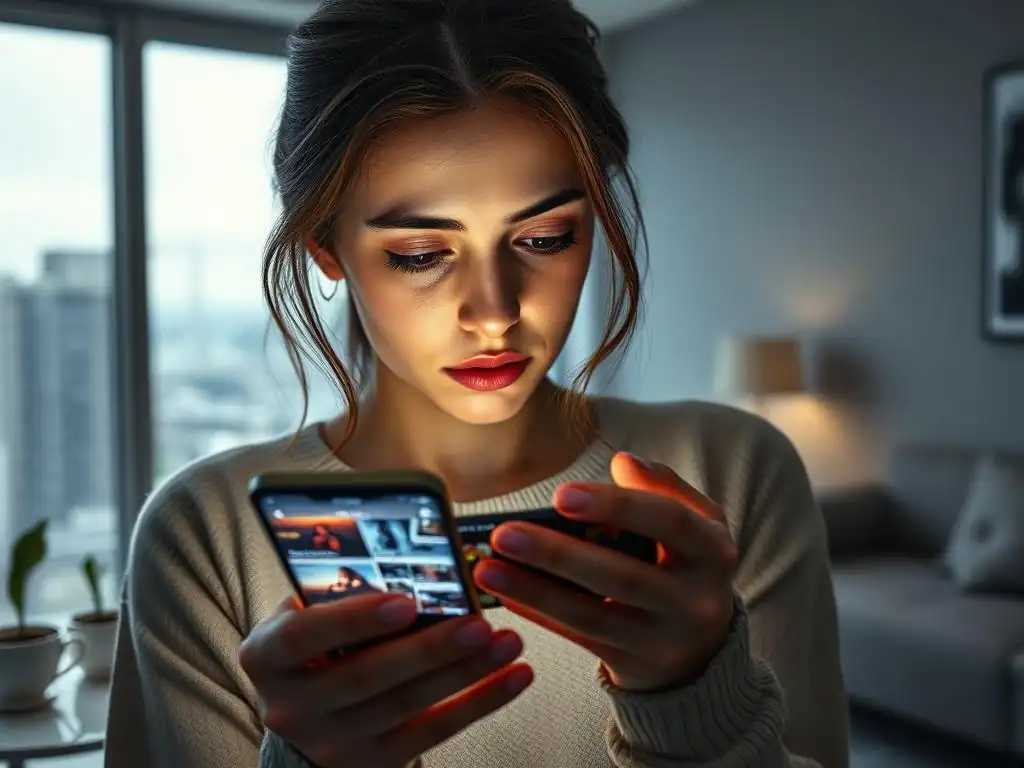
Welcome to Mind Care Guide, a space dedicated to nurturing your mental well-being.
Ever wonder about the subtle, unseen ways your online life shapes your daily emotions? In this article, we delve into the profound and often overlooked ways social media impacts mood. It's more than just scrolling; it's about connection, comparison, and the delicate balance of your inner world. Are you ready to understand how to navigate the digital landscape and protect your emotional health? Let's explore together...
- The Unseen Influence: How Your Online Life Shapes Your Mood
- Social Media Impacts Mood: Exploring the Link Between Online Activity and Emotional State
- The Psychological Mechanisms: How Social Media Affects Your Brain and Mood
- Identifying Specific Social Media Impacts on Mood
-
Strategies for Managing Social Media's Influence on Your Mood
- Mindful Social Media Usage: Being Present and Intentional Online
- Setting Time Limits: Reducing Exposure to Social Media
- Curating Your Feed: Unfollowing Accounts That Negatively Impact You
- Practicing Self-Compassion: Counteracting Negative Self-Talk
- Engaging in Real-Life Activities: Balancing Online and Offline Interactions
- Practical Steps to Improve Your Online Experience and Mental Health
- The Future of Social Media and Mental Health: Navigating the Digital Landscape
-
Frequently Asked Questions
- How does social media usage typically affect a person's mood?
- Can social media contribute to feelings of inadequacy or low self-esteem?
- What are some specific features of social media that might negatively impact mood?
- Are there any positive impacts of social media on mood?
- How can I minimize the negative impacts of social media on my mood?
- Final Reflection: Reclaiming Your Digital Wellbeing
- Unlock Your Mood's Potential: Take Control Now!
The Unseen Influence: How Your Online Life Shapes Your Mood
Our online lives are no longer just an extension of our reality; for many, they are deeply interwoven with it, profoundly impacting our emotional landscape. The sheer volume of time spent interacting with digital platforms means these spaces inevitably influence how we feel, think, and perceive ourselves and the world around us. From the moment we wake up and check notifications to the late-night scrolling before sleep, our moods are subtly, and sometimes overtly, shaped by the content we consume and the interactions we have online.
Research consistently highlights this intertwined relationship. Studies suggest that the average adult spends several hours each day on social media platforms, a significant portion of their waking hours. This constant exposure to a curated stream of information, images, and social cues doesn't happen in a vacuum; it directly interacts with our psychological state, affecting everything from our self-esteem and levels of anxiety to our overall happiness and sense of connection. Understanding this connection is the first step toward navigating the digital world in a way that supports, rather than harms, our mental well-being.
Defining the Scope: Algorithms, Content Types, and User Interactions
The way social media impacts mood is complex, driven by a combination of factors including the algorithms that curate our feeds, the specific types of content we engage with, and the nature of our interactions with other users. Algorithms are designed to maximize engagement, often prioritizing content that is emotionally charged or visually striking, which can lead to disproportionate exposure to idealized lifestyles, sensational news, or provocative opinions. This curated reality is far from neutral and can significantly skew our perception.
Furthermore, the content itself varies wildly, from genuine connections and informative posts to heavily filtered images, staged scenarios, and negative commentary. Our interactions, whether receiving likes and positive comments or experiencing online conflict and criticism, directly feed into our emotional state. A string of positive interactions can provide a temporary boost, while negative encounters can trigger stress, anger, or sadness. It's the sum of these elements – the algorithmic curation, the diverse content, and the unpredictable interactions – that creates the fertile ground for social media's profound influence on our mood.
The Double-Edged Sword: Connection, Information, and Potential for Negativity
Social media presents a classic double-edged sword when it comes to emotional well-being. On one side, it offers unparalleled opportunities for connection, allowing us to stay in touch with friends and family across distances, join communities based on shared interests, and access vast amounts of information instantly. For individuals who may feel isolated, online platforms can provide a sense of belonging and support. During challenging times, like global events or personal crises, online communities can be a vital source of solidarity and shared experience.
However, the other edge of the sword cuts deeply into potential negativity. The constant exposure to curated highlight reels of others' lives can foster feelings of inadequacy and envy. The speed and anonymity of online interactions can facilitate cyberbullying and harassment, causing significant emotional distress.
Misinformation and exposure to upsetting news can increase anxiety and fear. Studies have shown that while passive consumption (just viewing posts without interacting) is often correlated with decreased well-being, even active engagement can turn negative if interactions are critical or comparison-driven. The very mechanisms designed for connection can, paradoxically, lead to feelings of loneliness and disconnection if not navigated mindfully.
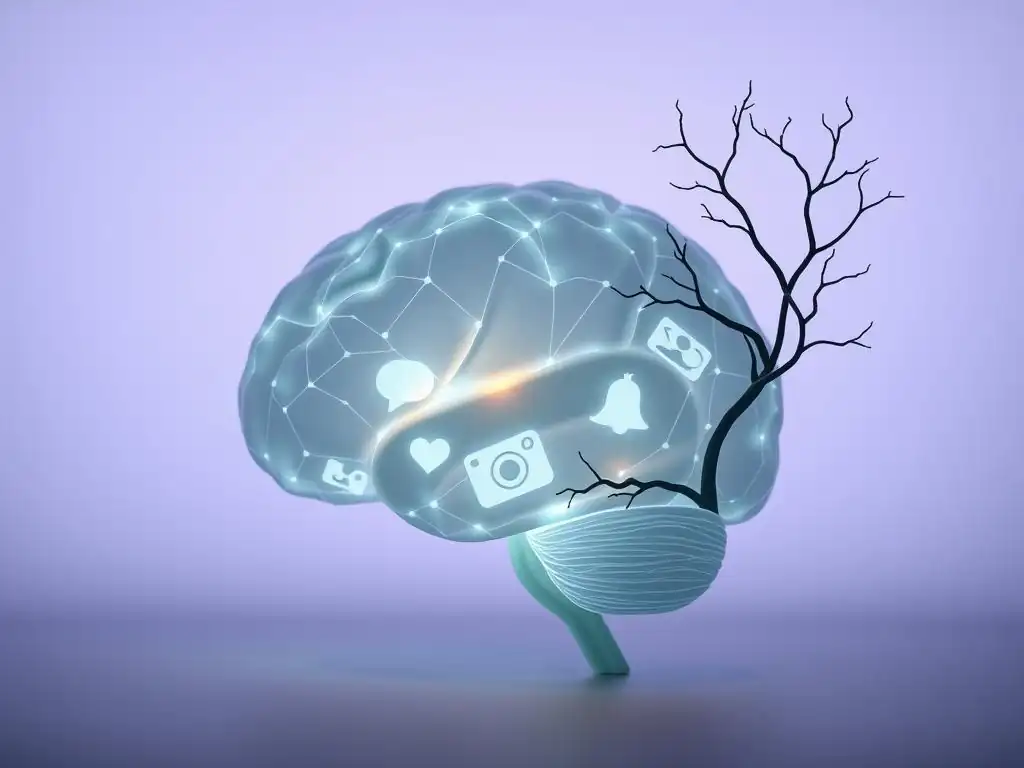
One of the primary ways social media impacts mood is through its interaction with the brain's reward system, particularly involving the neurotransmitter dopamine. When we receive a notification – a like, a comment, a message – our brain gets a small hit of dopamine. This chemical is associated with pleasure and motivation, reinforcing the behavior that led to the reward. This creates a powerful feedback loop: we check social media, we get a notification (or anticipate one), we get a dopamine hit, which motivates us to check again.
This constant cycle of seeking and receiving small rewards can become highly addictive. Our brains begin to associate social media with positive reinforcement, making it difficult to disengage. However, this reward system is often unpredictable; we don't know when or if we'll receive a gratifying notification. This unpredictability can fuel compulsive checking behavior and leave us feeling anxious or restless when we're not online, directly impacting our mood and potentially leading to symptoms akin to withdrawal when attempting to reduce usage.
Social media provides a fertile ground for social comparison, a psychological phenomenon where we evaluate our own worth by comparing ourselves to others. On platforms where users often present idealized versions of their lives – focusing on achievements, happy moments, and attractive appearances – the comparisons we make are frequently "upward comparisons," where we compare ourselves to someone perceived as "better off." This constant stream of idealized content makes it easy to feel inadequate, unsuccessful, or unattractive in comparison.
Research indicates that frequent upward social comparison on social media is strongly correlated with lower self-esteem and increased feelings of depression and anxiety. For example, seeing posts about friends' exotic vacations or career successes while struggling with one's own finances or job search can amplify negative feelings. Unlike real-life interactions where we see a more balanced view of others' struggles and successes, social media often filters out the mundane, difficult, or imperfect aspects, creating an unrealistic benchmark against which we measure our own reality.
Fear of Missing Out, or FOMO, is a distinct psychological phenomenon exacerbated by social media and a significant way social media impacts mood. It's the uneasy and sometimes overwhelming feeling that exciting or interesting events are happening elsewhere, often without you. Social media feeds are a constant stream of other people's experiences – parties attended, trips taken, inside jokes shared – which can trigger the feeling that you're on the outside looking in.
This constant exposure to what others are doing can lead to anxiety, restlessness, and dissatisfaction with one's own life. It can drive compulsive checking behavior, as individuals feel they need to be constantly updated to avoid missing something important. Studies have linked higher levels of FOMO to increased social media use, poorer sleep quality, and higher levels of negative mood states like anxiety and depression. The feeling that everyone else is having more fun or living a more exciting life is a powerful driver of negative emotional states.
Online Validation and Self-Esteem: Seeking Approval in the Digital World
Social media provides a platform for seeking and receiving external validation in the form of likes, comments, shares, and followers. For many, these metrics become tied to self-worth; the number of likes on a photo or the positive comments received can feel like a direct measure of their value or attractiveness. This reliance on external approval can create a fragile sense of self-esteem that fluctuates based on online reception.
When posts receive the desired level of engagement, it can provide a temporary boost in mood and confidence. However, when posts are ignored or receive negative feedback, it can lead to significant disappointment, self-doubt, and a drop in mood. This dependency on online validation can make individuals overly sensitive to online criticism and hesitant to express themselves authentically for fear of not receiving approval. The constant pressure to perform and gain validation online puts significant pressure on mental well-being and can make social media impacts mood in a profoundly unstable way.
Increased Anxiety and Depression: Correlation and Causation
A growing body of research indicates a strong correlation between heavy social media use and increased rates of anxiety and depression, particularly among younger demographics. While it's complex to definitively prove causation in every case, studies consistently show that individuals who spend more time on social media, especially those who engage in passive consumption or experience negative interactions, report higher levels of depressive symptoms and generalized anxiety. For example, some large-scale studies suggest that the risk of reporting depressive symptoms can increase by a significant percentage among heavy users compared to light users.
The mechanisms discussed earlier – social comparison, FOMO, seeking validation, and exposure to cyberbullying – all contribute to this link. The pressure to present a perfect life, the constant exposure to potentially upsetting content, and the instability of seeking external validation can create a chronic low-grade stress that, over time, contributes to the development or exacerbation of anxiety and depression. The curated, often unrealistic, nature of online life can make one's own reality feel inadequate, fueling feelings of hopelessness and worthlessness associated with depression.
The Role of Cyberbullying: Negative Interactions and Emotional Distress
Cyberbullying is a particularly toxic form of online interaction with clear and severe social media impacts on mood. Unlike traditional bullying, cyberbullying can be relentless, happening 24/7, and can reach a wide audience quickly. It includes sending hurtful messages, spreading rumors online, sharing embarrassing photos or videos without consent, and excluding someone from online groups. The anonymity or perceived distance of online platforms can embolden individuals to engage in aggressive or cruel behavior they might not exhibit face-to-face.
The emotional distress caused by cyberbullying can be profound, leading to intense feelings of shame, humiliation, isolation, and fear. Victims of cyberbullying are at a significantly increased risk of experiencing anxiety, depression, suicidal thoughts, and other mental health issues. The public nature of many cyberbullying incidents means that the negative impact isn't just felt by the individual but can also damage their reputation and social standing, making it harder to cope and compounding the emotional pain.
Sleep Disruption: The Impact of Blue Light and Late-Night Scrolling on Rest and Mood
Social media's impact on mood is also significantly mediated through its disruption of sleep patterns. Using phones, tablets, or computers late at night exposes us to blue light, which interferes with the production of melatonin, the hormone that regulates sleep. This makes it harder to fall asleep and reduces sleep quality. Furthermore, the content and interactions on social media can be stimulating or emotionally arousing, making it difficult for the mind to wind down before bed.
Late-night scrolling can lead to insufficient sleep, which is a well-established risk factor for poor mood, irritability, difficulty concentrating, and increased anxiety and stress. Chronic sleep deprivation can exacerbate symptoms of existing mood disorders or contribute to their development. The urge to check social media one last time, or getting drawn into conversations or content late into the night, directly sacrifices valuable sleep time, creating a vicious cycle where poor sleep negatively affects mood, making individuals potentially more vulnerable to the negative aspects of social media the next day.
Body Image Issues: The Effects of Edited and Idealized Images
The visual nature of many social media platforms means users are constantly exposed to images, many of which are heavily filtered, edited, or carefully curated to present an idealized appearance. This relentless stream of seemingly perfect bodies, faces, and lifestyles creates unrealistic beauty standards that are virtually impossible to achieve in reality. Comparing one's own natural appearance to these manufactured ideals can severely negatively social media impacts mood, particularly concerning body image.
Studies have shown a strong link between frequent social media use and increased body dissatisfaction, disordered eating behaviors, and negative self-perception, especially among adolescents and young adults. Seeing countless images of peers or influencers with seemingly flawless skin, perfect physiques, and aspirational lifestyles can lead to feelings of inadequacy, shame, and anxiety about one's own body. This pressure to conform to unrealistic standards can be emotionally draining and significantly impact self-esteem and overall mood.
Managing how social media impacts mood begins with cultivating mindful usage. This means approaching your time online with intention and awareness, rather than mindlessly scrolling. Before opening an app, ask yourself why you are doing so. Are you seeking connection, information, or just escaping boredom? Being aware of your motivations can help you use platforms more purposefully.
While online, pay attention to how different types of content and interactions make you feel. Do certain accounts leave you feeling inspired or inadequate? Do particular interactions cause stress? Noticing these emotional responses in the moment allows you to make conscious choices about what you engage with and how long you spend online. Mindful usage is about being in control of your online experience, rather than letting it control you.
One of the most effective ways to mitigate the negative social media impacts on mood is to simply reduce the amount of time spent on these platforms. Setting specific time limits each day can help prevent endless scrolling and ensure you dedicate time to other activities that nourish your well-being. Many smartphones and apps now offer built-in tools to track usage and set limits, sending notifications when you've reached your daily allowance.
Be realistic when setting limits and gradually reduce your time if necessary. The goal isn't necessarily to eliminate social media entirely, but to find a healthy balance. Committing to spending, for example, no more than 30-60 minutes a day, broken into smaller sessions, can significantly reduce exposure to potential triggers for negative mood states and free up time for activities that genuinely boost happiness and connection.
Curating Your Feed: Unfollowing Accounts That Negatively Impact You
Your social media feed is a reflection of the accounts you follow, and curating it is a powerful strategy for improving how social media impacts mood. Actively review the accounts you follow and be ruthless in unfollowing or muting those that consistently leave you feeling worse about yourself. This includes accounts that promote unrealistic lifestyles, trigger comparison, share overly negative content, or simply don't add value to your life.
Replace these accounts with those that are positive, inspiring, informative, or genuinely connect you with people you care about. Follow accounts that promote body positivity, mental wellness, hobbies you enjoy, or provide educational content. Your feed should be a space that primarily uplifts and informs you, rather than one that constantly exposes you to negativity or unattainable standards.
Practicing Self-Compassion: Counteracting Negative Self-Talk
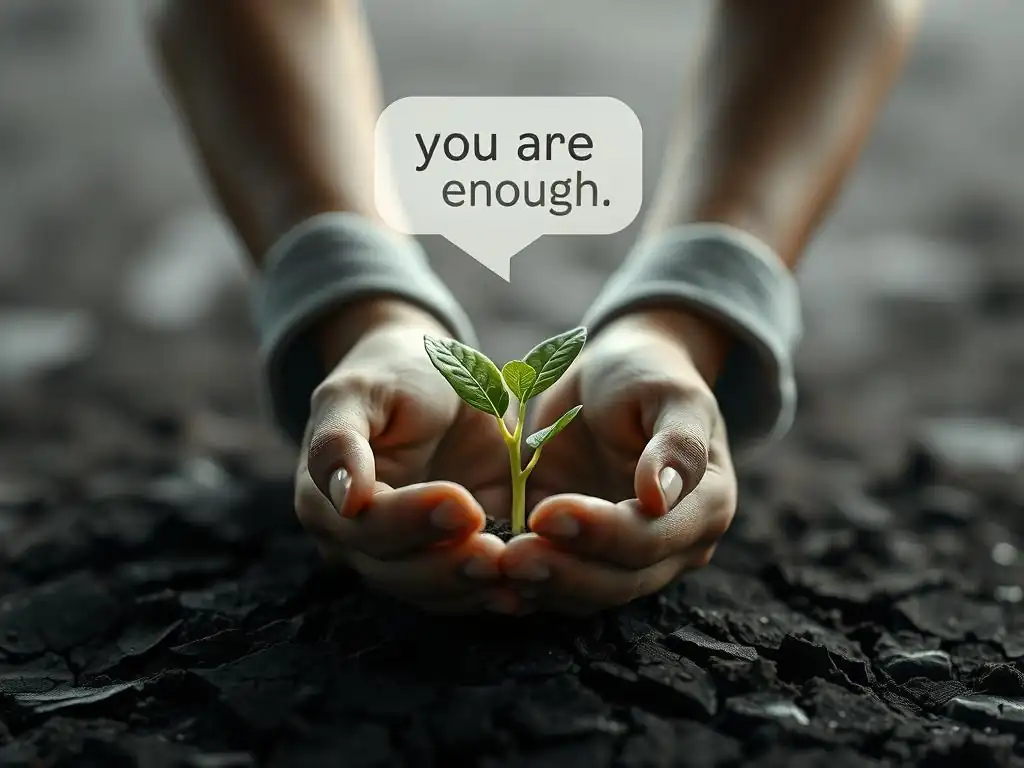
Social media often fuels negative self-talk due to comparison and the pressure for validation. Counteracting this requires actively practicing self-compassion. Self-compassion involves treating yourself with the same kindness, care, and understanding that you would offer a friend facing a similar struggle. When you notice yourself comparing your life or appearance negatively to someone online, consciously pause and acknowledge that feeling without judgment.
Remind yourself that what you see online is often a curated highlight reel, not full reality. Practice self-kindness by recognizing your own worth is not tied to likes or followers. Use affirmations to counter negative thoughts triggered by online content. Developing a strong inner voice of self-compassion provides a crucial buffer against the external pressures and comparisons inherent in the social media environment, lessening its negative impact on your mood.
Engaging in Real-Life Activities: Balancing Online and Offline Interactions
A critical strategy for managing social media's influence is ensuring a healthy balance between your online and offline lives. Dedicate significant time and energy to real-world activities and face-to-face interactions. Spend time with friends and family in person, pursue hobbies that don't involve screens, engage in physical activity, spend time in nature, or volunteer.
These real-life experiences provide genuine connection, tangible accomplishments, and sensory engagement that digital interactions cannot fully replicate. Prioritizing offline activities reduces the time available for potentially negative online exposure and builds a foundation of well-being that is independent of digital validation. A rich and fulfilling offline life naturally diminishes the power that social media impacts have on your overall mood.
Practical Steps to Improve Your Online Experience and Mental Health
A social media detox can be a powerful way to reset your relationship with online platforms and assess how social media impacts mood for you personally.
- [ ] Step 1: Define the duration.: Start small, perhaps 24 hours, a weekend, or a full week.
- [ ] Step 2: Choose your level.: Will you go completely offline from all platforms, or just step away from the ones that cause the most stress?
- [ ] Step 3: Announce your break (optional).: Let close friends or family know you'll be less reachable online so they don't worry.
- [ ] Step 4: Delete apps from your phone.: Make it harder to impulsively check.
- [ ] Step 5: Plan replacement activities.: Fill the time you would normally spend scrolling with offline activities (reading, hobbies, exercise, socialising).
- [ ] Step 6: Reflect on the experience.: Pay attention to how you feel emotionally, mentally, and physically during the detox and afterwards. What did you miss? What didn't you miss?
- [ ] Step 7: Plan your return (if applicable).: Decide how you will use social media differently going forward, incorporating the strategies learned during the break.
Creating a Positive Online Environment: Building a Supportive Network
Beyond just unfollowing negative accounts, actively cultivate a positive online environment. Seek out and engage with online communities that align with your interests, values, and goals. Participate in groups or forums where members are supportive, respectful, and share positive information or experiences. This could be a group for a hobby, a support group for a specific challenge, or a community centered around a positive cause.
Engage constructively in comments and discussions, offering encouragement and support to others. Limit interactions with individuals or groups known for negativity or conflict. By actively choosing who and what you interact with online, you can build a digital space that feels safer, more supportive, and genuinely connecting, significantly improving how social media impacts mood in a positive direction.
Seeking Professional Help: When to Consider Therapy or Counseling
While self-help strategies are valuable, it's important to recognize when the negative social media impacts on mood are significant and require professional support. If you find that your social media use is contributing to persistent feelings of anxiety, depression, hopelessness, or is interfering with your sleep, relationships, work, or daily functioning, it may be time to seek help from a mental health professional.
Therapists and counselors can help you understand the underlying reasons for your reliance on social media, develop healthier coping mechanisms, address issues like social comparison or body image, and treat conditions like anxiety or depression that may be exacerbated by online activity. They can provide tailored strategies and support to help you navigate the complexities of your online life and its effect on your emotional well-being. Resources for finding mental health support are available through national mental health organizations and local health services.
The Role of Technology in Promoting Mental Well-being
Looking ahead, technology itself holds potential for promoting mental well-being, not just hindering it. While social media platforms currently present challenges, future developments could lean towards healthier designs. This might include features that encourage mindful use, provide tools for managing exposure to harmful content, or integrate well-being resources directly into platforms. Furthermore, technology is enabling new forms of mental health support, such as online therapy platforms, mental wellness apps offering mindfulness exercises or mood tracking, and virtual support groups that connect people facing similar challenges.
Innovation in this space could lead to digital environments that are less addictive, more authentic, and genuinely supportive of psychological health. The focus could shift from maximizing engagement at all costs to fostering positive interactions and providing tools that empower users to protect their emotional state while online. Research into the specific design elements that promote positive mood and discourage negative comparisons is ongoing and could shape the future of digital interaction.
Developing Healthy Digital Habits for Long-Term Emotional Health
Ultimately, navigating the digital landscape for long-term emotional health relies heavily on developing and maintaining healthy digital habits. This is an ongoing process that requires self-awareness and commitment. It involves regularly assessing your relationship with technology, particularly how social media impacts mood and overall well-being. Healthy habits include setting clear boundaries around usage time and content, prioritizing real-life connections, cultivating self-compassion, and regularly checking in with your emotional state after spending time online.
It also means being critical consumers of online content, understanding that much of what is presented is curated and not fully representative of reality. Developing digital literacy includes recognizing manipulated images, identifying potential misinformation, and understanding the persuasive techniques used by platforms. By being proactive and intentional about how we engage with the digital world, we can build resilience and ensure that our online lives enhance, rather than detract from, our emotional health.
Emerging Research: The Impact of AI and Personalized Content on Mental Health
The rapid advancements in Artificial Intelligence (AI) and its increasing role in personalizing online content present both opportunities and potential risks for mental health. AI algorithms are becoming incredibly sophisticated at predicting our interests and preferences, leading to highly tailored feeds. While this can make online experiences more engaging and informative, it also raises concerns about filter bubbles, echo chambers, and the potential for AI to reinforce existing negative thought patterns or expose vulnerable individuals to harmful content.
Emerging research is exploring how AI-driven personalization could be used to support mental health, perhaps by identifying signs of distress in online behavior and directing users towards resources, or by curating feeds that are explicitly designed to be uplifting and supportive based on individual needs. However, there are significant ethical considerations regarding privacy and surveillance. Understanding the complex interplay between AI, personalized content, and human psychology will be crucial in shaping a future digital landscape that prioritizes user well-being alongside engagement, ensuring that social media impacts mood in increasingly positive ways.
Frequently Asked Questions
Social media often leads to mood fluctuations. Studies suggest that excessive use can contribute to feelings of anxiety, depression, and social comparison, impacting self-esteem and overall well-being.
Yes, it absolutely can. The curated and often unrealistic portrayals of life online can foster feelings of inadequacy and low self-esteem. This is due to the constant comparison with others' seemingly perfect lives.
Features like constant notifications, the pressure to maintain an online persona, and the fear of missing out (FOMO) can be particularly detrimental. These factors contribute to stress and anxiety.
While the downsides are often highlighted, social media can also offer connection and support. Joining online communities can provide a sense of belonging and reduce feelings of isolation.
Practicing mindful social media use is key. This includes setting time limits, unfollowing accounts that trigger negative emotions, and focusing on real-life connections and activities.
Final Reflection: Reclaiming Your Digital Wellbeing
The pervasive nature of social media means its impact on our mood is no longer a subtle undercurrent, but a powerful, often unseen, force shaping our daily lives. We've explored how algorithms, curated content, and the constant pressure of comparison contribute to anxiety, depression, and a general sense of dissatisfaction. This isn't simply about "doomscrolling"; it's about understanding the intricate web of psychological and emotional effects woven into the fabric of our online experiences.
The insidious nature of this influence is perhaps its most alarming aspect. We often fail to recognize the subtle ways our online interactions affect our offline well-being. It's a slow burn, a gradual erosion of mental peace that can leave us feeling depleted and disconnected. As the philosopher Seneca once wrote, Every new beginning comes from some other beginning's end.
This applies to our digital lives as well. We must recognize the end of unchecked consumption and the beginning of mindful engagement to truly reclaim our mental health.
You now possess a deeper understanding of how your online life directly impacts your mood. This isn't about abandoning social media entirely; it's about cultivating a healthier relationship with it. Take a moment to reflect on your own digital habits. What changes can you make to prioritize your mental wellbeing? Consider setting boundaries, curating your feeds, and prioritizing real-life connections. The power to shape your online experience, and consequently your mood, rests within you. Embrace it.
Unlock Your Mood's Potential: Take Control Now!
Thanks for taking the time to explore the often-overlooked connection between your online life and your mood. We hope you gained valuable insights into how to cultivate a healthier digital wellbeing. Now it's time to put that knowledge into action!
- Prioritize a Digital Detox: Identify just one area of your online life (social media, news consumption, gaming) where you feel overwhelmed and commit to reducing your time spent there by 30 minutes a day for a week. Notice the difference!
- Share Your Discoveries: Let's build a supportive community! Share your experience with a friend or family member—discuss what you learned and how you're applying it to your life.
- Explore Mindful Tech Usage: Think about small changes you can implement immediately, like using website blockers or scheduling dedicated "digital downtime".
Ready to reshape your relationship with technology and unlock a more positive emotional landscape? What small step will you take today to improve your digital wellbeing?