
Beyond Tantrums: Is Your Child's Sadness Something More?

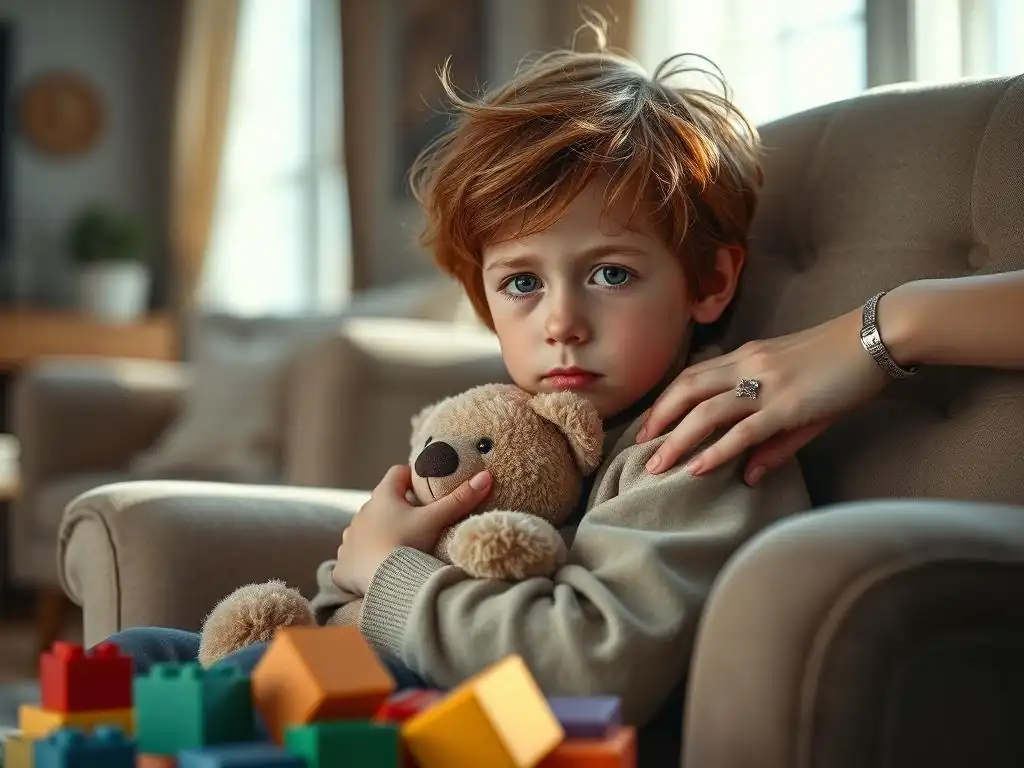
Welcome to Mind Care Guide, a safe space to explore the intricacies of mental well-being. Feeling lost or concerned about your child's seemingly persistent sadness? You're not alone. It's a parent's instinct to worry, and understanding the nuances of child sadness causes, solutions is the first step towards providing the support they need. Let's gently unravel the layers together and discover practical ways to nurture their emotional health. What could be contributing to their melancholy, and how can we help them rediscover their joy? Let's find out.
Beyond Tantrums: Is Your Child's Sadness Something More?
- Understanding Child Sadness: More Than Just a Phase
- Child Sadness: Exploring Potential Triggers
- Identifying Signs of Child Depression: Beyond the Obvious
- Solutions: A Comprehensive Approach
- How to Support a Sad Child: Practical Tips
- Preventing Child Sadness: Building Resilience
- Long-Term Outlook and Management
- Recap and Call to Action
-
Frequently Asked Questions
- What are some common child sadness causes that go beyond typical tantrums?
- How can I differentiate between normal childhood moodiness and something more serious like childhood depression?
- What are some effective solutions for addressing child sadness causes if I suspect my child is struggling?
- Where can I find reliable resources and support if my child is dealing with significant child sadness?
- What role does parental involvement play in finding solutions for a child dealing with causes of sadness?
- Final Reflection: Understanding the Depths of Childhood Sadness
- Unleash Your Child's Inner Sunshine: Take the Next Step
Understanding Child Sadness: More Than Just a Phase
It's common for children to experience moments of sadness. A scraped knee, a disagreement with a friend, or not getting a desired toy can all trigger temporary upset. These instances are a normal part of growing up and learning to navigate emotions. However, sometimes, a child's sadness can linger, feel overwhelming, and impact their daily life far beyond what's typical for their age and developmental stage. Recognizing the difference is crucial because persistent child sadness can be a sign of something more serious, like depression. Understanding the various child sadness causes is the first step toward finding effective solutions.
While occasional sadness is expected, prolonged periods of low mood, loss of interest in activities they once enjoyed, or noticeable changes in behavior warrant attention. These persistent feelings can interfere with school, friendships, and family life. Parents and caregivers are often the first to notice these shifts. It's essential to observe the duration and intensity of the sadness, as well as any accompanying symptoms, to determine if professional evaluation might be necessary. Exploring potential child sadness causes requires looking beyond surface-level behavior and considering underlying factors.
Recognizing the Difference Between Normal Sadness and Potential Depression in Children
Normal sadness in children is usually a reaction to a specific event, is relatively short-lived, and doesn't significantly disrupt their overall functioning. A child might cry when disappointed but will typically recover within a short period and return to their usual activities. They still engage with family and friends, maintain their interests, and manage daily routines like schoolwork and chores, even if with occasional grumbles. These are transient emotional states, not indicative of a deeper issue.
In contrast, symptoms of potential depression in children are more pervasive and persistent. A child who is depressed might seem constantly down, irritable, or withdrawn for weeks at a time, often for at least two weeks according to clinical guidelines, though this can vary. They might lose interest in playing, social activities, or hobbies they previously loved.
Physical complaints like stomachaches or headaches with no medical explanation are also common. These persistent changes affect multiple areas of their life, including school performance, relationships with peers and family, and even basic self-care. Identifying these differences is key to understanding child sadness causes and finding appropriate solutions.
Why Understanding the Impact of Adverse Childhood Experiences (ACEs) is Crucial
Adverse Childhood Experiences (ACEs) are stressful or traumatic events that occur before the age of 18, such as abuse, neglect, witnessing violence, or growing up in a household with substance abuse or mental health problems. Research has consistently shown a strong correlation between the number of ACEs a person experiences and their risk of developing various health problems later in life, including mental health conditions like depression and anxiety. Understanding ACEs helps identify significant child sadness causes that might have long-lasting effects.
Children exposed to ACEs are navigating incredibly difficult circumstances, which can profoundly impact their developing brains and emotional regulation. This chronic stress can make them more vulnerable to persistent sadness and depression. For example, a child living in a home with unpredictable conflict might develop a constant state of anxiety and low mood, finding it hard to feel safe or happy. Recognizing the potential impact of ACEs allows for more empathetic and trauma-informed approaches when seeking solutions for child sadness.
Child Sadness: Exploring Potential Triggers
Persistent child sadness can stem from a complex interplay of factors. It's rarely just one thing, but often a combination of biological predispositions, environmental stressors, and past experiences. Understanding these potential triggers is vital for accurately identifying the child sadness causes in a specific situation. Pinpointing these factors is the first step towards developing effective strategies and solutions.
Exploring the root causes of child sadness requires a holistic view. It's not about placing blame, but about understanding the landscape of a child's life and internal world. From the intricate workings of brain chemistry to the immediate influence of their surroundings, numerous elements can contribute to a child's emotional state. Identifying these varied child sadness causes is fundamental to providing targeted and compassionate support.
Biological Factors: Neurotransmitter Imbalances and Their Role
The brain relies on chemical messengers called neurotransmitters, such as serotonin, dopamine, and norepinephrine, to regulate mood, sleep, appetite, and energy levels. While the exact mechanisms are complex and still being studied, imbalances or dysfunction in these neurotransmitter systems are believed to play a significant role in the development of depression, including in children. These biological factors can be underlying child sadness causes.
Genetic predisposition can also tie into biological factors, as individuals with a family history of mood disorders may have inherited a vulnerability to these imbalances. While not every child with a family history will develop depression, the biological wiring can make them more susceptible when faced with stressors. Addressing these biological components, often through medication prescribed by a qualified professional, can be one part of the comprehensive solutions for child sadness when other approaches are insufficient.
Environmental Factors: Bullying, Family Conflict, and Academic Pressure
A child's environment significantly shapes their emotional well-being. Stressful or negative experiences in their surroundings are common child sadness causes. Bullying, whether physical, verbal, or cyberbullying, can be devastating, eroding a child's self-esteem and sense of safety, leading to significant sadness and anxiety. Approximately one in five students report being bullied, highlighting the widespread nature of this environmental stressor.
Family dynamics also play a crucial role. Constant conflict between parents, divorce, or strained relationships within the home can create an unstable and stressful environment for a child, contributing to persistent sadness. Academic pressure, whether from school expectations or parental pressure, can also be a significant stressor, leading to anxiety, feelings of inadequacy, and sadness, especially if a child feels they are constantly failing to meet expectations. These external pressures are key child sadness causes that require attention.
The Role of Trauma: Abuse, Neglect, and Loss
Traumatic experiences, such as physical, emotional, or sexual abuse, or chronic neglect, are profound child sadness causes that can have long-lasting impacts on mental health. The trauma response can fundamentally alter a child's sense of safety and their ability to trust and regulate emotions. Children who have experienced trauma may develop persistent sadness, anxiety, and difficulty forming healthy attachments.
Significant loss, such as the death of a parent, sibling, or close friend, can also be a traumatic event leading to prolonged grief and sadness that can manifest as depression. While grief is a normal process, complicated grief in children can involve intense, persistent sadness that doesn't improve over time and significantly impairs functioning. Addressing trauma requires specialized therapeutic interventions as part of the solutions for child sadness.
Genetic Predisposition: Family History of Mood Disorders
Genetics can increase a child's vulnerability to developing depression. If there is a family history of depression, bipolar disorder, or other mood disorders in parents, siblings, or close relatives, a child's risk is elevated. It's estimated that genetics can account for approximately 40-50% of the risk for developing depression, although specific genes haven't been definitively identified.
This doesn't mean a child is destined to be depressed if a family member has the condition. Genetics creates a predisposition, making the child more susceptible when exposed to environmental stressors or biological triggers. Understanding this genetic link helps frame child sadness causes within a broader context of risk factors and informs the importance of early intervention and support if other symptoms arise.
Identifying Signs of Child Depression: Beyond the Obvious

Recognizing depression in children can be challenging because it may look different than in adults. Children might not express sadness verbally but instead exhibit irritability, anger, or physical complaints. Parents and caregivers need to be attuned to changes in their child's usual behavior and emotional state. Looking beyond easily dismissed behaviors is critical for identifying potential child sadness causes that signal a deeper issue.
The signs of child depression are often subtle and can be mistaken for typical childhood behaviors or phases. However, when these signs are persistent, severe, and interfere with daily life, they warrant further investigation. Early identification is key to implementing effective solutions for child sadness and preventing potential long-term consequences.
Recognizing Changes in Sleep Patterns, Appetite, and Energy Levels
Significant changes in basic biological functions are common indicators of depression in children. A child might experience insomnia, difficulty falling or staying asleep, or conversely, excessive sleeping. These disruptions in sleep patterns can significantly impact their mood and functioning throughout the day.
Appetite changes are also frequent; a child might lose interest in food and lose weight, or they might overeat and gain weight. Along with these changes, a noticeable decrease in energy levels, feeling constantly tired or lethargic, is a hallmark symptom. These shifts in sleep, appetite, and energy are important clues when evaluating potential child sadness causes.
Physical Symptoms: Unexplained Aches, Pains, and Fatigue
Children experiencing depression often report physical complaints that have no apparent medical cause. These can include frequent headaches, stomachaches, or general body aches and pains. They might complain of feeling unwell or tired even after getting sufficient rest.
These physical symptoms are not fabricated; they are real manifestations of the stress and emotional distress the child is experiencing. When a medical evaluation rules out physical illness, these unexplained symptoms can point towards psychological distress, making them important signs to consider when exploring child sadness causes.
The Importance of Early Detection: Preventing Long-Term Effects
Early detection of depression in children is paramount. The longer depression goes untreated, the more entrenched it can become, potentially impacting brain development, social skills, and academic achievement. Untreated child depression can also increase the risk of mental health issues later in adolescence and adulthood, including more severe depression, anxiety disorders, and substance abuse.
Identifying the signs early allows for timely intervention with appropriate solutions for child sadness, such as therapy and support. This can help the child develop healthy coping mechanisms, improve their emotional regulation, and mitigate the potential long-term consequences of the illness. Proactive identification of child sadness causes leads to better outcomes.
Solutions: A Comprehensive Approach
Addressing child sadness, particularly when it indicates depression, requires a multi-faceted approach tailored to the individual child's needs and the specific child sadness causes identified. There is no single cure, but rather a combination of therapeutic interventions, potential medication, and significant lifestyle support. Effective solutions for child sadness often involve the child, family, and school working together.
A comprehensive treatment plan typically involves professional guidance from mental health experts. The goal is not just to alleviate symptoms but to help the child build resilience, understand their emotions, and develop healthy ways of coping with challenges. The most effective solutions for child sadness are those that are sustained and provide ongoing support.
Therapeutic Interventions: Evidence-Based Approaches
Therapy is often the first line of treatment for child depression and sadness. Several evidence-based approaches have proven effective in helping children process their emotions and develop coping skills. The choice of therapy often depends on the child's age and specific needs, addressing the underlying child sadness causes.
These therapies provide a safe space for children to express themselves and learn strategies to manage their feelings and behaviors. They empower children by helping them understand their experiences and build confidence in their ability to cope with difficulties.
Cognitive Behavioral Therapy (CBT): Modifying Negative Thought Patterns
Cognitive Behavioral Therapy (CBT) is a widely used and highly effective therapy for child depression. It helps children identify negative or distorted thought patterns that contribute to their sadness and low mood. For example, a child might think, "I'm stupid and will fail everything," after getting a bad grade. CBT helps them challenge this thought and replace it with a more realistic one, like, "I struggled on this test, but I can study harder next time."
CBT also teaches children behavioral strategies, such as engaging in activities they once enjoyed or breaking down overwhelming tasks into smaller steps. By changing both their thoughts and behaviors, children can learn to manage their sadness and improve their mood. Studies have shown that CBT can significantly reduce depressive symptoms in children and adolescents.
Play Therapy: Facilitating Emotional Expression Through Play
Play therapy is particularly effective for younger children who may not have the verbal skills to express complex emotions. In play therapy, toys and play activities are used as the child's natural language. A therapist observes and interacts with the child during play to gain insight into their emotional state and experiences, helping to uncover some child sadness causes.
Through play, children can act out difficult feelings, traumatic events, or challenging relationships in a safe and symbolic way. The therapist helps them process these emotions and develop healthier ways of coping. Play therapy provides a non-threatening environment for children to work through their internal struggles.
Family Therapy: Improving Communication and Strengthening Family Dynamics
Family therapy involves working with the child and their family members together. It recognizes that family dynamics can significantly impact a child's mental health and can be potential child sadness causes or factors that maintain sadness. The therapy aims to improve communication patterns, resolve conflicts, and strengthen family relationships.
By involving the family, therapy can address stressors within the home environment and ensure that the child receives consistent support. Parents and caregivers learn how to better understand their child's depression, communicate effectively, and create a more supportive and stable home environment. Family therapy is a crucial component in providing comprehensive solutions for child sadness.
The Role of Medication: When is it Necessary?
For moderate to severe depression in children, medication may be considered as part of the treatment plan, often in combination with therapy. Antidepressant medications, typically Selective Serotonin Reuptake Inhibitors (SSRIs), work by affecting neurotransmitter levels in the brain. The decision to use medication is made by a qualified child psychiatrist or pediatrician after a thorough evaluation.
Medication is not a first resort for all cases of child sadness or mild depression, but it can be life-changing for children with more severe symptoms that are significantly impairing their functioning. It's important for parents to discuss potential benefits and side effects with the prescribing doctor and ensure close monitoring of the child while on medication. Medication can help address some biological child sadness causes.
Lifestyle Changes: Supporting Mental Health
Beyond professional treatment, lifestyle factors play a vital role in supporting a child's mental health and are integral solutions for child sadness. Healthy habits can improve mood, increase energy levels, and build resilience. These changes require consistent effort and support from the family.
Creating a routine that includes adequate sleep, regular physical activity, and balanced nutrition provides a foundation for emotional well-being. These habits can counteract some of the physical symptoms associated with depression and improve overall functioning.
Nutrition and Exercise: Fueling the Brain and Body
A balanced diet rich in fruits, vegetables, whole grains, and lean proteins provides the essential nutrients needed for brain health and overall energy. Avoiding excessive sugar and processed foods can help stabilize mood and energy levels. While diet alone cannot cure depression, poor nutrition can exacerbate symptoms.
Regular physical activity is a powerful mood booster. Exercise releases endorphins, which have natural mood-lifting effects. Encouraging children to engage in activities they enjoy, whether it's playing sports, dancing, or simply playing outdoors, can significantly improve their emotional state and energy levels, offering practical solutions for child sadness. Aiming for at least 60 minutes of moderate to vigorous activity daily is recommended for children.
Creating a Supportive Home Environment: Safety, Stability, and Love
A safe, stable, and loving home environment is fundamental to a child's emotional well-being. Children need to feel secure, understood, and unconditionally loved. This involves providing consistent routines, clear expectations, and a predictable environment.
Open communication, where children feel safe to express their feelings without judgment, is also crucial. Reducing conflict within the home and ensuring the child has a dedicated space where they feel safe and comfortable are vital components of a supportive environment. A nurturing home helps mitigate the impact of various child sadness causes.
Encouraging Social Interaction: Building Connections and Reducing Isolation
Depression often leads to social withdrawal, but isolation can worsen symptoms. Encouraging children to maintain friendships and engage in social activities is an important part of their recovery and well-being. This could involve arranging playdates, joining clubs, or participating in group activities.
Positive social connections provide support, reduce feelings of loneliness, and offer opportunities for enjoyment and distraction. Helping a child connect with peers who are supportive and understanding is a key strategy in overcoming child sadness and isolation.
How to Support a Sad Child: Practical Tips
Supporting a child experiencing persistent sadness or depression can feel overwhelming for parents and caregivers. It requires patience, empathy, and a willingness to learn. Knowing how to respond effectively can make a significant difference in the child's journey toward recovery. Providing support is a direct way to implement solutions for child sadness.
These practical tips focus on creating an environment where the child feels safe to express themselves and knows they are not alone. Supporting a child involves not just addressing the symptoms but also nurturing their emotional growth and resilience.
Active Listening and Validation: Creating a Safe Space
One of the most important things you can do is listen to your child without judgment. Let them express their feelings, whatever they may be, and validate those feelings. Phrases like "It sounds like you're feeling really down right now," or "I understand that feels overwhelming," can show empathy and make the child feel heard.
Avoid minimizing their feelings or trying to cheer them up forcefully. Simply being present, listening attentively, and acknowledging their emotional experience creates a safe space for them to open up. This validation is crucial when helping a child navigate child sadness causes and find their way towards solutions.
Communicating with School and Healthcare Providers: A Collaborative Approach
If your child's sadness is affecting their school performance or behavior, communicate with their teachers and school counselor. Sharing relevant information (with your child's permission, if appropriate for their age) can help school staff provide support and make necessary accommodations.
Collaborating with healthcare providers, including their pediatrician and any mental health professionals involved, ensures that everyone is on the same page regarding the child's needs and treatment plan. A team approach is often most effective in providing comprehensive solutions for child sadness.
Seeking Professional Help: Knowing When and How
Knowing when and how to seek professional help is a critical step. If your child's sadness is persistent (lasting more than two weeks), severe, interfering with daily life, or accompanied by thoughts of self-harm, it's time to consult a pediatrician or mental health professional specializing in children.
You can start by contacting your pediatrician, who can rule out any physical causes for symptoms and provide a referral to a child psychologist, psychiatrist, or counselor. Don't hesitate to seek help; early intervention is associated with better outcomes when addressing child sadness causes and developing effective solutions.
Preventing Child Sadness: Building Resilience
While not all child sadness causes can be prevented, parents and caregivers can play a significant role in building resilience in children, equipping them with the skills to navigate challenges and cope with difficult emotions. Building resilience is a proactive approach to mitigating the impact of potential stressors.
Fostering resilience involves nurturing a child's emotional intelligence, teaching them healthy coping strategies, and ensuring they have a strong support system. These preventative measures are vital for long-term emotional well-being and reducing the likelihood of persistent child sadness.
Promoting Positive Self-Esteem: Recognizing Strengths and Abilities
Helping children develop a positive self-esteem is fundamental to building resilience. Encourage them by recognizing their strengths and efforts, not just their achievements. Focus on their character traits like kindness, perseverance, and creativity.
Provide opportunities for them to succeed and contribute, whether through chores, hobbies, or helping others. A strong sense of self-worth acts as a buffer against negative experiences and helps children believe in their ability to overcome difficulties, reducing vulnerability to child sadness.
Teaching Healthy Coping Mechanisms: Problem-Solving and Emotional Regulation
Equip children with healthy ways to cope with stress, disappointment, and sadness. This includes teaching problem-solving skills – helping them break down issues and think of potential solutions. It also involves teaching emotional regulation techniques, such as deep breathing, mindfulness, or expressing feelings through art or writing.
Discourage unhealthy coping strategies like avoidance or excessive screen time as a primary way to deal with negative feelings. By learning effective coping mechanisms, children are better prepared to handle life's inevitable challenges without succumbing to persistent sadness. These skills are essential solutions for child sadness triggers.
Fostering Open Communication: Creating a Culture of Honesty
Establish a family environment where open and honest communication is encouraged. Let your children know that it's okay to talk about their feelings, even difficult ones. Be approachable and make time for regular check-ins about their day and how they are feeling.
Modeling healthy emotional expression yourself is also important. When children see parents express feelings in a constructive way, they learn that emotions are normal and manageable. This open dialogue helps in early identification of potential child sadness causes and facilitates seeking help when needed.
Long-Term Outlook and Management
Depression in children is a treatable condition, and with appropriate support and intervention, many children can recover and go on to lead healthy, fulfilling lives. However, like other chronic conditions, it may require ongoing management and vigilance, especially in identifying potential child sadness causes for future issues.
Understanding the long-term outlook involves recognizing that recovery is a process, not a single event. It requires continued support, monitoring, and adapting strategies as the child grows and faces new challenges. Effective management provides sustained solutions for child sadness.
Understanding the Importance of Ongoing Support
Ongoing support is crucial for maintaining recovery and preventing relapses. This might involve continued therapy sessions, periodic check-ins with healthcare providers, and consistent support from family and school. Recovery is not always linear, and there may be ups and downs.
Having a strong support system in place helps the child and family navigate these challenges. Ongoing support reinforces the coping skills learned in therapy and provides a safety net during difficult times, solidifying the solutions for child sadness.
Managing Potential Relapses: Identifying Triggers and Developing Plans
Even after significant improvement, there is a possibility of relapse. Learning to identify early warning signs of returning sadness or depressive symptoms is essential. These might include changes in sleep, appetite, energy, or a return of physical complaints.
Developing a relapse prevention plan with a therapist involves identifying potential triggers (like academic stress or social conflict) and outlining specific strategies to be used if symptoms reappear. Having a plan in place empowers the child and family to act quickly if needed, ensuring prompt application of solutions for child sadness.
Resources for Parents and Caregivers: [List of Reliable Resources]
Navigating child sadness and depression can be challenging for parents and caregivers. Access to reliable information, support groups, and mental health services is vital. Seeking support for yourself is also important, as caring for a child with depression can be emotionally demanding. [List of Reliable Resources]
Recap and Call to Action
Understanding child sadness goes beyond recognizing temporary upsets; it involves being aware of the signs of potential depression and the complex interplay of biological, environmental, and traumatic child sadness causes. Early identification is key to effective intervention.
Summarizing Key Strategies
Effective solutions for child sadness involve a comprehensive approach including evidence-based therapies like CBT and play therapy, family support, potential medication for moderate to severe cases, and crucial lifestyle changes such as healthy nutrition, exercise, and promoting social connection. Building resilience through fostering self-esteem, teaching coping skills, and encouraging open communication are vital preventative measures. Supporting a child involves active listening, collaborating with schools and healthcare providers, and knowing when to seek professional help.
Encouraging Proactive Mental Health Care
Addressing child sadness and supporting mental well-being is an ongoing process. Be proactive in monitoring your child's emotional health, fostering a supportive environment, and seeking professional guidance when needed. Prioritizing mental health care for children is an investment in their future well-being and happiness.
Frequently Asked Questions
What are some common child sadness causes that go beyond typical tantrums?
Common causes include bullying, family issues like divorce or loss, and underlying mental health conditions such as depression or anxiety. Ignoring these can prolong suffering.
How can I differentiate between normal childhood moodiness and something more serious like childhood depression?
Look for persistent sadness lasting more than two weeks, changes in sleep or appetite, and a loss of interest in activities they used to enjoy. Seek professional help if concerned.
What are some effective solutions for addressing child sadness causes if I suspect my child is struggling?
Therapy, especially play therapy for younger children, can be highly effective. Creating a supportive home environment and open communication are also crucial.
Where can I find reliable resources and support if my child is dealing with significant child sadness?
Websites like the Mind Care Guide, organizations such as the Child Mind Institute, and local mental health professionals can provide valuable information and assistance.
What role does parental involvement play in finding solutions for a child dealing with causes of sadness?
Active listening, empathy, and a willingness to seek professional help are essential. Parental support is often a key factor in a child's recovery and well-being.
Final Reflection: Understanding the Depths of Childhood Sadness
The pervasive silence surrounding childhood sadness is a critical issue, demanding our immediate attention and understanding. Too often, we dismiss a child's sadness as a simple tantrum, overlooking the potential for underlying emotional struggles that can significantly impact their development and well-being. This article has explored the diverse causes of childhood sadness, from simple disappointments to more complex issues like anxiety and depression, highlighting the importance of recognizing the nuances of a child's emotional landscape.
The journey of understanding childhood sadness is a deeply personal one, both for parents and for the children themselves. It's a journey that requires patience, empathy, and a willingness to listen beyond the surface. The impact of unresolved sadness can ripple through a child's life, affecting their relationships, academic performance, and overall mental health. As the saying goes, The best way to understand children is to get down on their level and talk to them.
This simple act of connection can be transformative in helping a child feel seen, heard, and understood.
Now, I invite you to reflect on your own experiences and observations. Have you witnessed sadness in a child that was dismissed or misunderstood? How can you, in your own sphere of influence, contribute to creating a more compassionate and supportive environment for children struggling with sadness? Consider actively listening, seeking professional help when needed, and fostering open communication about emotions. Let's work together to break the silence and ensure that every child has the opportunity to thrive emotionally.
Unleash Your Child's Inner Sunshine: Take the Next Step
Thanks for taking the time to learn more about understanding your child's sadness. We hope this article provided valuable insights and empowered you to better support their emotional well-being. Now, let's turn those insights into action!
- Schedule a playful activity: Dedicate some time today to connect with your child through laughter and shared joy. This simple act can make a huge difference.
- Consider reaching out to a professional: If you feel your child needs additional support, don't hesitate to contact a child psychologist or therapist. They can offer personalized guidance.
- Share this article: Help other parents navigate similar challenges by sharing this article with those you think would benefit.
What small act of connection will you share with your child today to help them shine?