
The Veteran's Brain: How Trauma Physically Changes Neural Pathways

Welcome to Mind Care Guide, a space built to understand and nurture your mental well-being.
Have you ever wondered how deeply trauma can impact the very structure of the brain? This article, " The Veteran's Brain: How Trauma Physically Changes Neural Pathways," delves into the fascinating and often misunderstood world of PTSD brain changes neural pathways. Discover how these changes occur, what they mean, and, most importantly, what steps can be taken towards healing and recovery. Let's embark on this journey of understanding together.
- The Veteran's Brain: Understanding How Trauma Physically Alters Neural Pathways
- The Long-Term Effects of Altered Neural Pathways on Veterans' Mental Health
- Treatment and Recovery: Rewiring the Brain After Trauma
- Resources and Support for Veterans with PTSD and Traumatic Brain Injuries
-
Frequently Asked Questions
- How does PTSD physically change the brain's neural pathways in veterans?
- What specific brain regions are most affected by PTSD related to trauma in veterans?
- Can these PTSD brain changes be reversed or mitigated through therapy or medication?
- How do these altered neural pathways contribute to common PTSD symptoms like flashbacks and anxiety?
- Besides veterans, who else might experience similar brain changes due to trauma?
- Final Reflection: The Enduring Scars, The Unfolding Hope
- Unlock Your Understanding: Taking the Next Steps with Veteran Brain Health
The Veteran's Brain: Understanding How Trauma Physically Alters Neural Pathways
Introduction: The Impact of Trauma on the Veteran's Brain
Trauma is a deeply distressing or disturbing experience that can have profound and lasting effects on an individual's physical and mental health. For veterans, exposure to traumatic events during service, such as combat, military sexual trauma, or witnessing death and injury, is significantly more common than in the general population.
Estimates suggest that between 11% and 20% of veterans who served in Operations Iraqi Freedom and Enduring Freedom, about 12% of Gulf War veterans, and approximately 15% of Vietnam veterans have Post-Traumatic Stress Disorder (PTSD) in a given year. This high prevalence underscores the unique challenges faced by those who have served.
The focus on the veteran's brain is critical because trauma doesn't just affect the mind; it physically changes brain structure and function. These physiological alterations contribute directly to the debilitating symptoms of PTSD, including flashbacks, nightmares, severe anxiety, and uncontrollable thoughts about the event. Moreover, these changes are strongly linked to increased rates of suicide and substance abuse among veterans. Understanding the PTSD brain changes neural pathways is essential for developing effective treatments and providing targeted support to address these critical issues and improve veteran well-being.
Unveiling the "PTSD Brain": Key Areas Affected
The impact of trauma on the brain is not uniform but disproportionately affects specific regions crucial for processing fear, memory, and emotional regulation. The amygdala, often referred to as the brain's "fear center," shows heightened activity and sometimes increased volume in individuals with PTSD. This hypervigilance in the amygdala means that veterans with trauma histories may react with intense fear or alarm to stimuli that are not actually threatening, leading to exaggerated startle responses and chronic anxiety. This constant state of alert is a hallmark symptom resulting from altered neural circuits involving the amygdala.
Simultaneously, the hippocampus, vital for forming and retrieving memories, often shows reduced volume and impaired function in veterans with PTSD. This impairment can lead to difficulties distinguishing between past traumatic events and present safety, contributing to flashbacks and intrusive memories. The prefrontal cortex, responsible for executive functions like decision-making, impulse control, and emotional regulation, may also exhibit decreased activity or altered connectivity. This can manifest as difficulty controlling emotions, poor decision-making, and challenges with attention and concentration, further illustrating the complex PTSD brain changes neural pathways that disrupt daily life.
How Chronic Trauma Reshapes Neural Networks
The brain is remarkably adaptable, a property known as neuroplasticity. While neuroplasticity allows for learning and recovery, chronic trauma can essentially "hardwire" the brain for threat detection and fear responses. The repeated activation of stress circuits reinforces neural pathways associated with fear, making them the brain's default mode. This maladaptive neuroplasticity means the brain becomes highly efficient at recognizing and reacting to potential danger, even when none is present, reinforcing the persistent symptoms of PTSD.
Chronic stress following trauma involves the sustained release of stress hormones, particularly cortisol. While helpful in acute situations, prolonged exposure to high cortisol levels can be toxic to brain cells, particularly in the hippocampus. This hormonal dysregulation contributes to the observed structural and functional changes.
Furthermore, trauma can lead to a process called fear conditioning, a type of classical conditioning where neutral stimuli present during the trauma become associated with fear. This creates strong neural pathways linking triggers (like a loud noise or a specific smell) directly to the fear response, causing veterans to react intensely to everyday experiences that remind them, consciously or unconsciously, of the trauma. This highlights how PTSD brain changes neural pathways create a persistent cycle of fear and reactivity.
Investigating the Biological Mechanisms of Trauma
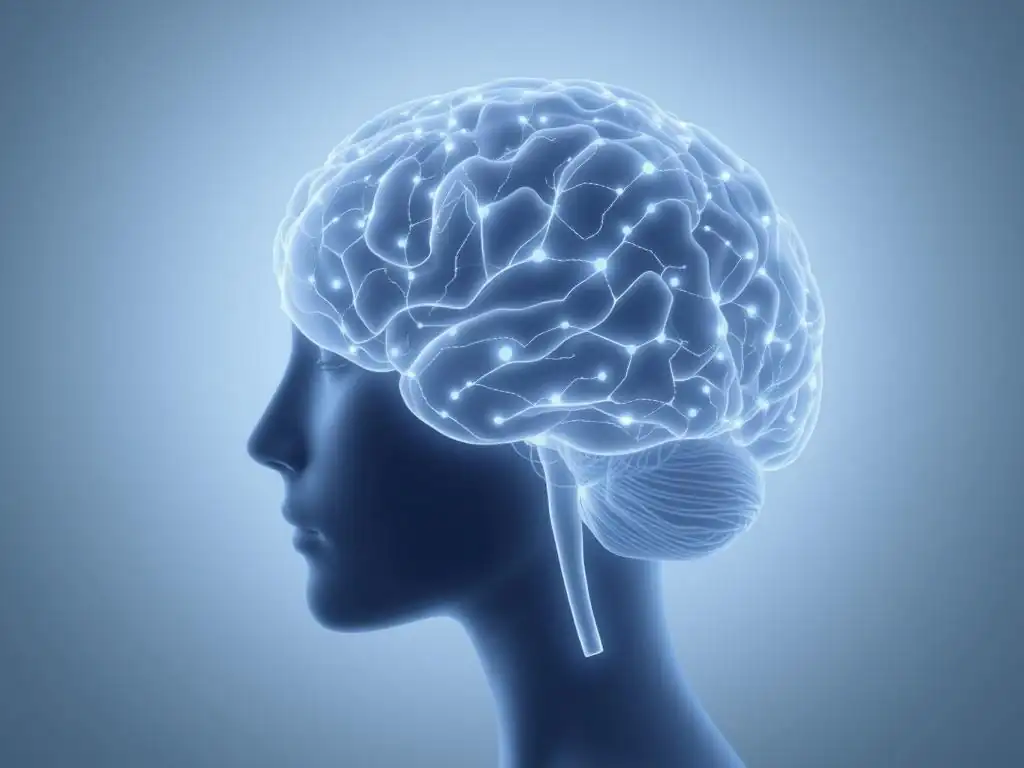
At a microscopic level, trauma impacts the very connections between neurons—the synapses. Synaptic pruning, the process where the brain eliminates less-used connections, and synaptic strengthening, where frequently used connections become stronger, are both affected. In PTSD, neural pathways involved in processing fear and threat cues are strengthened, while those involved in emotional regulation and contextual memory may be weakened. This biological rewiring makes the trauma-related memories and associated fear responses more prominent and easily triggered, demonstrating the fundamental PTSD brain changes neural pathways.
Emerging research also points to the role of genetics in influencing vulnerability to developing PTSD after trauma. Specific genes, such as the FKBP5 gene, which is involved in regulating the body's stress response system, have been studied. Variations in the FKBP5 gene can influence how sensitive an individual's stress hormone system is, potentially making some veterans more susceptible to the lasting effects of trauma on their brain structure and function.
While not a sole determinant, this genetic predisposition can interact with environmental trauma to shape the extent of neural pathway alterations. Furthermore, neurotransmitters like serotonin, dopamine, and norepinephrine, which play crucial roles in mood, motivation, and the stress response, are often dysregulated in PTSD, contributing to symptoms like depression, anhedonia (loss of pleasure), and hyperarousal.
Advanced Imaging Techniques: Visualizing Brain Changes in Veterans
Advanced neuroimaging techniques have been instrumental in revealing the physical manifestations of trauma on the veteran's brain. Magnetic Resonance Imaging (MRI) provides high-resolution images of brain structure, allowing researchers to observe differences in the size or volume of specific brain regions like the hippocampus and amygdala in veterans with PTSD compared to those without. While individual variations exist, group studies consistently show these structural differences, offering tangible evidence of the long-term impact of trauma.
Functional Magnetic Resonance Imaging (fMRI) goes a step further by measuring brain activity. By detecting changes in blood flow, fMRI can show which parts of the brain are more or less active during specific tasks or in response to certain stimuli, such as trauma-related cues. Studies using fMRI have shown distinct patterns of activity in the brains of veterans with PTSD, including exaggerated responses in the amygdala and reduced activity in the prefrontal cortex when processing emotional information.
Diffusion Tensor Imaging (DTI) is another powerful technique that examines the integrity of white matter tracts, the bundles of nerve fibers that connect different brain regions. DTI can reveal disruptions in these connections, illustrating how PTSD brain changes neural pathways by altering the very wiring of the brain, affecting communication between critical areas involved in emotional processing and cognitive function.
The Long-Term Effects of Altered Neural Pathways on Veterans' Mental Health
Cognitive Impairment and PTSD: Challenges in Daily Life
The alterations in brain structures like the hippocampus and prefrontal cortex significantly contribute to cognitive difficulties experienced by veterans with PTSD. Memory problems are common, extending beyond just issues with traumatic memories to impact daily recall and the ability to form new memories. Veterans may struggle with attention deficits, finding it hard to concentrate on tasks or follow conversations. Executive dysfunction further complicates matters, affecting planning, organization, problem-solving, and impulse control, making it difficult to manage responsibilities at home, work, or school.
These cognitive impairments have a direct impact on a veteran's ability to function effectively in their daily lives. Challenges with learning new information or adapting to changing situations can hinder educational or career advancement. Difficulty with decision-making, often driven by heightened anxiety and impaired judgment, can lead to poor choices. These cognitive burdens, rooted in the physical PTSD brain changes neural pathways, contribute to feelings of frustration, inadequacy, and can exacerbate the symptoms of PTSD, creating a challenging cycle.
Emotional Dysregulation and PTSD: Managing Intense Emotions
One of the most prominent long-term effects of altered neural pathways is emotional dysregulation. Veterans with PTSD often experience increased levels of anxiety, irritability, and anger. The hyperactive amygdala and impaired prefrontal cortex make it difficult to modulate emotional responses, leading to reactions that may seem out of proportion to the situation. Minor stressors can trigger intense emotional outbursts or periods of overwhelming anxiety.
This difficulty in regulating emotions is a constant source of distress and can severely strain relationships. Veterans may withdraw from loved ones to avoid conflict or because they feel misunderstood. The cycle of trauma and emotional reactivity can lead to isolation, further impacting mental health. Understanding that these intense emotions are often a result of physical changes in the brain—the rewired PTSD brain changes neural pathways—is crucial for both the veteran and their support system, shifting the perspective from a character flaw to a treatable condition.
Treatment and Recovery: Rewiring the Brain After Trauma
Therapeutic Approaches for PTSD and Brain Healing
Fortunately, the brain's neuroplasticity, while capable of maladaptation, also offers hope for healing and recovery. Evidence-based psychotherapies are designed to help veterans process traumatic memories and develop healthier coping mechanisms, effectively promoting the rewiring of neural pathways. Cognitive Behavioral Therapy (CBT), including Trauma-Focused CBT, helps veterans identify and challenge negative thought patterns related to the trauma and their symptoms, gradually shifting the brain's response to triggers.
Eye Movement Desensitization and Reprocessing (EMDR) is another widely used therapy that helps veterans process traumatic memories in a way that reduces their emotional intensity. While the exact mechanism is still researched, it is believed to facilitate the brain's natural healing process, allowing traumatic memories to be stored in a less distressing way.
Prolonged Exposure Therapy (PE) involves gradually confronting trauma-related fears, memories, and situations in a safe environment. By repeatedly facing feared stimuli without the feared outcome occurring, the brain learns that these triggers are not inherently dangerous, helping to dampen the overactive fear response pathways that characterize PTSD brain changes neural pathways.
The Role of Medication in Managing PTSD Symptoms
Medication can play a significant role in managing the challenging symptoms of PTSD, often used in conjunction with therapy. Antidepressants, particularly Selective Serotonin Reuptake Inhibitors (SSRIs) like sertraline and paroxetine, and Serotonin-Norepinephrine Reuptake Inhibitors (SNRIs) like venlafaxine, are often prescribed. These medications work by balancing the levels of neurotransmitters like serotonin and norepinephrine, which are often dysregulated in PTSD. This can help reduce anxiety, depression, and irritability, making it easier for veterans to engage in therapy and daily life.
Anti-anxiety medications may be used for short-term relief of severe anxiety or panic attacks, though their use requires careful consideration due to the risk of dependence. Prazosin, an alpha-blocker, is sometimes prescribed off-label specifically for trauma-related nightmares. It's important for veterans to discuss potential side effects, benefits, and risks, including the potential for dependence with some classes of medication, with their healthcare provider. While medications don't reverse the structural PTSD brain changes neural pathways, they can alleviate symptoms, creating a window for therapeutic work to promote healing and functional changes.
Lifestyle Interventions for Brain Health and PTSD Recovery
Beyond formal therapy and medication, certain lifestyle interventions can significantly support brain health and contribute to the recovery process by promoting positive neuroplasticity. Regular exercise and physical activity have been shown to increase blood flow to the brain, promote the growth of new neurons, and enhance the production of brain-derived neurotrophic factor (BDNF), a protein vital for brain cell health and function. Even moderate activity, such as walking for 30 minutes several times a week, can have a positive impact on mood, anxiety, and cognitive function.
Mindfulness and meditation practices can help veterans learn to observe their thoughts and emotions without judgment, promoting a sense of calm and reducing the reactivity of the nervous system. These practices can strengthen the prefrontal cortex's ability to regulate the amygdala, gradually counteracting some of the maladaptive PTSD brain changes neural pathways. Furthermore, a balanced and nutritious diet, rich in omega-3 fatty acids, antioxidants, and vitamins, provides the essential building blocks the brain needs to function optimally and support repair processes. Avoiding excessive sugar, processed foods, and alcohol can also mitigate factors that worsen inflammation and disrupt brain function.
Resources and Support for Veterans with PTSD and Traumatic Brain Injuries
Finding Mental Health Professionals Specializing in Veteran Care
Accessing appropriate care is a critical step for veterans navigating the challenges of PTSD and potential co-occurring conditions like Traumatic Brain Injury (TBI). Finding mental health professionals who understand military culture and veteran-specific trauma is paramount.
- Veterans Affairs (VA) healthcare system: Provides comprehensive mental health services specifically tailored to veterans.
- Give an Hour: Connects veterans and their families with licensed mental health professionals offering free services.
- Wounded Warrior Project: Offers various programs, including mental wellness services and connections to care.
- PsychArmor Institute: Provides free education to civilian providers on military culture.
Information on accessing VA benefits and services, including eligibility requirements and enrollment processes, is available through the VA website and local VA medical centers. Understanding available benefits is key to receiving necessary treatment and support.
Conclusion: Hope for Healing and Recovery
While the concept of the PTSD brain changes neural pathways may sound daunting, it's crucial to remember that the brain possesses a remarkable capacity for healing and adaptation throughout life. The alterations caused by trauma are not necessarily permanent, and with the right support and interventions, veterans can experience significant recovery and improvement in their symptoms and quality of life.
Early intervention is key. Seeking help as soon as possible after experiencing trauma can prevent the reinforcement of maladaptive neural pathways. Effective treatments, whether therapy, medication, lifestyle changes, or a combination, work by promoting positive neuroplasticity, helping the brain to build new, healthier connections and dampen the overactive fear responses.
This article aims to provide information and foster empathy, but more importantly, it carries a message of hope and resilience. Recovery is possible, and veterans are not alone in this journey. Support and resources are available to help navigate the path toward healing and reclaiming a life not defined solely by trauma.
Frequently Asked Questions
How does PTSD physically change the brain's neural pathways in veterans?
Trauma can lead to altered brain structure and function, particularly in areas like the amygdala (fear processing) and hippocampus (memory). These changes disrupt the normal communication between these areas, contributing to PTSD symptoms.
The amygdala (responsible for fear response) often becomes hyperactive, while the hippocampus (involved in memory and learning) may shrink in size. The prefrontal cortex, responsible for executive functions, can also be affected.
Can these PTSD brain changes be reversed or mitigated through therapy or medication?
Yes, therapies like Cognitive Behavioral Therapy (CBT) and Eye Movement Desensitization and Reprocessing (EMDR) can help re-wire neural pathways. Medications may also alleviate symptoms and support the brain's healing process.
How do these altered neural pathways contribute to common PTSD symptoms like flashbacks and anxiety?
Hyperactivity in the amygdala coupled with impaired hippocampal function leads to intense emotional reactions to triggers. This results in vivid flashbacks and an overwhelming sense of anxiety and fear.
Besides veterans, who else might experience similar brain changes due to trauma?
Anyone who has experienced significant trauma, such as survivors of abuse, accidents, or natural disasters, can exhibit similar neural pathway alterations. Early intervention is crucial for mitigating long-term effects.
Final Reflection: The Enduring Scars, The Unfolding Hope
The invisible wounds of war extend far beyond the battlefield; they etch themselves onto the very fabric of the veteran's brain, profoundly altering neural pathways and leaving lasting impacts on their lives. This isn't simply a matter of psychological distress; it's a demonstrable physical change, a rewiring of the brain's intricate circuitry caused by trauma. Understanding this biological reality is crucial to developing effective treatments and fostering genuine empathy for those who have served.
The ongoing struggle to understand and address the neurological consequences of trauma highlights the urgent need for continued research and improved access to care. The sheer scale of the challenge is daunting, yet the resilience and strength demonstrated by veterans themselves offer a beacon of hope. The most common way people give up their power is by thinking they don't have any.
- Alice Walker. This quote reminds us that even in the face of profound neurological changes, the capacity for healing and recovery remains. We must actively work to empower veterans by providing them with the resources and support they need to navigate their unique challenges.
Consider the implications of this research for yourself. What can you do to foster a more understanding and supportive environment for veterans in your community? Perhaps it's volunteering at a veteran's organization, advocating for improved mental healthcare access, or simply taking the time to listen and learn from the experiences of those who have served. Let this knowledge inspire you to act, to become a part of the solution, and to help build a future where the invisible wounds of war are met with visible compassion and effective support.
Unlock Your Understanding: Taking the Next Steps with Veteran Brain Health
Thank you for taking the time to learn about the profound impact of trauma on the veteran brain. We hope this article provided valuable insights into the complex neurological processes at play. Now, let's turn that knowledge into action.
- Prioritize self-care: Schedule a relaxing activity this week – even just 15 minutes – to focus on your mental and emotional well-being. This could be anything from meditation to a walk in nature.
- Share this information: Help spread awareness about the unique challenges faced by veterans by sharing this article with someone you think might benefit. A simple social media share can make a big difference.
- Explore further resources: Dive deeper into veteran support groups in your community. Connecting with others who understand can provide invaluable support and strength.
What small step will you take today to nurture your own well-being, or that of a veteran you know?