
CBTI in Your Pocket: Best Apps for Cognitive Behavioral Therapy for Insomnia


Welcome to Mind Care Guide, your sanctuary for navigating the complexities of mental well-being. Feeling lost in the sleepless nights? You're not alone. Discover how CBTI apps for insomnia can bring lasting relief, right at your fingertips. Let's explore the power of cognitive behavioral therapy and find the perfect digital companion to help you reclaim restful sleep and a brighter tomorrow. Ready to finally say goodbye to insomnia?
CBTI in Your Pocket: Best Apps for Cognitive Behavioral Therapy for Insomnia
- Understanding CBTI for Insomnia and Its Effectiveness
-
Top CBTI Apps for Insomnia: A Comprehensive Review and Comparison
- Best Overall: Sleepio - Personalized CBTI Program
- Runner-Up: CBT-i Coach - A Free, Evidence-Based Option
- Best for Guided Meditations: Calm - Integrating Mindfulness with CBTI Principles
- Best for Sleep Tracking and Data Analysis: Sleep Cycle - Understanding Your Sleep Patterns
- Honorable Mentions: Other CBTI Apps Worth Considering
- Choosing the Right CBTI App for Your Needs: A Buying Guide
- Maximizing the Effectiveness of CBTI Apps: Tips and Strategies
- The Future of CBTI Apps: Innovations and Trends
- Real-Life Success Stories: How CBTI Apps Transformed Sleep for Insomnia Sufferers
- Conclusion: Taking Control of Your Sleep with CBTI Apps
- Frequently Asked Questions
- Final Reflection: Unlocking Sleep's Potential Through Technology
- Unlock Your Best Sleep: Take Charge of Your Insomnia Today!
Understanding CBTI for Insomnia and Its Effectiveness
What is Cognitive Behavioral Therapy for Insomnia (CBTI)?
Cognitive Behavioral Therapy for Insomnia (CBTI) is a structured, evidence-based program that helps individuals identify and replace thoughts and behaviors that cause or worsen sleep problems with habits that promote sound sleep. Unlike sleeping pills, which often provide a temporary fix, CBTI addresses the underlying causes of insomnia. It typically involves several components, including cognitive restructuring to challenge unhelpful beliefs about sleep and behavioral strategies such as sleep restriction (limiting time in bed to consolidate sleep) and stimulus control (associating the bed and bedroom only with sleep and sex).
Studies have consistently shown CBTI to be highly effective, often considered the first-line treatment for chronic insomnia by organizations like the American Academy of Sleep Medicine. A meta-analysis published in 2016, for instance, reviewed 53 studies and found that CBTI significantly improved sleep onset latency (time taken to fall asleep), wake after sleep onset (awakenings during the night), total sleep time, and sleep efficiency (percentage of time in bed spent asleep).
On average, participants using CBTI reduced the time it took them to fall asleep by 19 minutes and decreased the time they were awake during the night by 26 minutes.
The Science Behind CBTI: Why It Works for Sleep Improvement
CBTI works by targeting the cognitive and behavioral factors that perpetuate insomnia. On the cognitive side, it helps individuals challenge and modify maladaptive beliefs about sleep, such as the fear of not sleeping or the belief that they must get a perfect eight hours every night. These thoughts often create anxiety, making it harder to fall or stay asleep. By replacing these with more realistic and helpful perspectives, the pressure to sleep is reduced.
Behaviorally, CBTI employs techniques rooted in learning principles. Stimulus control helps re-establish the bed as a cue for sleep rather than a place for worrying or wakefulness. Sleep restriction, though initially counterintuitive, helps build up sleep drive, making sleep more consolidated and efficient. Other techniques like relaxation training and sleep hygiene education further support the development of healthier sleep patterns. Research indicates that these behavioral changes lead to measurable improvements in sleep architecture and neurobiological regulation of sleep over time.
Benefits of Using CBTI Apps for Insomnia Management
Using CBTI apps for insomnia management offers several significant advantages. Firstly, accessibility is greatly increased; individuals can access structured CBTI programs from the comfort of their own homes, often at a lower cost than traditional in-person therapy. This is particularly beneficial for those in remote areas or with mobility issues. A report in 2020 estimated that digital CBTI tools could reach a much wider population than traditional therapy alone, potentially helping millions more people suffering from insomnia.
Secondly, CBTI applications provide flexibility and convenience. Users can engage with the program modules on their own schedule, fitting sessions around work, family, and other commitments. Many apps also incorporate tracking features, allowing users to monitor their progress, view trends in their sleep patterns, and stay motivated. Some apps even offer personalized feedback based on the entered sleep data, providing a tailored experience that adapts as the user progresses through the program.
Top CBTI Apps for Insomnia: A Comprehensive Review and Comparison
Best Overall: Sleepio - Personalized CBTI Program
Sleepio is a fully automated, digital sleep improvement program based on CBTI principles, delivered through a web and mobile app. Developed by sleep experts, including Professor Colin Espie at the University of Oxford, it provides a personalized six-week program tailored to the user's specific sleep problems. The program includes interactive sessions, a sleep diary, and tools to address thoughts and behaviors that interfere with sleep.
Sleepio has undergone extensive clinical testing. A meta-analysis of 13 randomized controlled trials involving over 13,000 participants found that Sleepio was highly effective in reducing sleep onset latency and wake after sleep onset. For instance, studies showed average reductions in time to fall asleep by 54% and time awake during the night by 62% among users completing the program. This strong evidence base supports its position as a leading digital CBTI solution.
Sleepio Features: A Detailed Look
Sleepio's core offering is its weekly interactive sessions, guided by a virtual animated therapist named 'The Prof'. These sessions cover key CBTI principles, including cognitive restructuring, stimulus control, and sleep restriction, adapted based on the user's ongoing sleep data. A comprehensive sleep diary allows users to track their sleep patterns nightly, providing the data necessary for the app to personalize recommendations and track progress.
Beyond the core CBTI lessons, Sleepio includes supplementary tools such as relaxation techniques, mindfulness exercises, and articles on sleep hygiene. The app provides personalized insights and feedback based on the sleep diary data, helping users understand their patterns and how specific behaviors might be affecting their sleep. It also offers reminders and notifications to help users stick to their prescribed sleep schedule and practice techniques learned in the sessions.
Sleepio Pricing and Subscription Options
Sleepio is typically offered through employer or health plan benefits, meaning many users can access it for free. As of late 2023, it's available to over 50 million people globally through such partnerships. For individuals without access through a benefit plan, direct-to-consumer pricing is available, though it can be relatively high compared to other apps. Pricing models may vary, but commonly involve a monthly or annual subscription fee, potentially ranging from $50 to $70 per month or around $350 per year, depending on the specific plan and region.
- Subscription Model: Monthly or Annual
- Availability: Often via employer/health plan benefits, direct-to-consumer option available.
- Estimated Cost (Direct): ~$50-70/month or ~$350/year (may vary)
Sleepio: Pros and Cons for Insomnia Sufferers
Sleepio's primary strength lies in its strong evidence base and clinical validation through numerous trials, making it one of the most rigorously tested CBTI apps for insomnia. Its personalized program adapts to individual needs based on detailed sleep tracking. The structured, weekly format provides a clear path through the CBTI process.
On the downside, Sleepio's cost can be a barrier for individuals who don't have access through an employer or health plan. While highly structured, the automated nature means there's no direct human interaction or therapist support, which some users might prefer or need. The program requires commitment and consistent data entry in the sleep diary to be most effective.
Runner-Up: CBT-i Coach - A Free, Evidence-Based Option
CBT-i Coach is a mobile application developed by the U.S. Department of Veterans Affairs (VA) specifically to help users implement techniques learned in professional CBTI therapy. While it can be used independently, it is designed to complement face-to-face or telehealth CBTI sessions. The app is entirely free and publicly available, making it highly accessible.
The app provides tools and information based on the core components of CBTI. It includes a sleep diary for tracking, guidance on sleep restriction and stimulus control, relaxation exercises, and information about common sleep myths and healthy sleep habits. Its development by the VA ensures it is grounded in established clinical practices for treating insomnia, particularly within a population often struggling with sleep disturbances.
CBT-i Coach Features: Built by the VA
CBT-i Coach includes several key features to support CBTI practice. A daily sleep diary allows users to record their sleep schedule, time in bed, estimated sleep duration, and sleep quality. Based on this data, the app can help calculate metrics like sleep efficiency and guide users in applying techniques like sleep restriction by suggesting a consistent wake-up time and bedtime window.
The app provides detailed instructions and rationale for various CBTI techniques, such as stimulus control and cognitive restructuring. It also includes guided relaxation exercises, such as progressive muscle relaxation and guided imagery. Information sections explain the principles behind CBTI and address common questions and challenges, acting as a pocket reference for users navigating their sleep improvement journey.
CBT-i Coach: Who is it Best For?
CBT-i Coach is an excellent resource for individuals currently undergoing professional CBTI therapy, serving as a valuable tool to reinforce lessons learned in sessions, track progress, and practice techniques between appointments. Its structured format and detailed explanations make it a helpful companion for anyone learning the principles of CBTI.
It is also a strong option for individuals seeking a free, evidence-based introduction to CBTI techniques. While not a substitute for therapy, it provides foundational information and tools that can help users understand and begin implementing behavioral changes. Its focus on core CBTI components makes it a straightforward choice for those who want a no-frills, clinically-informed app.
CBT-i Coach: Limitations and Considerations
A key limitation of CBT-i Coach is that it is primarily a tool to support CBTI, rather than a comprehensive, standalone program like Sleepio. It does not provide personalized feedback or dynamic adjustments to a treatment plan based on user data in the same way a fully automated program or a therapist would. Users are largely responsible for interpreting their data and applying the guidance provided.
While it offers relaxation exercises, its scope is narrower than apps focused solely on mindfulness or meditation. The user interface, while functional, is less polished or engaging compared to commercially developed apps. It's best utilized by individuals who are motivated to self-guide using the provided tools or are already receiving professional CBTI support.
Best for Guided Meditations: Calm - Integrating Mindfulness with CBTI Principles
Calm is a highly popular mindfulness and meditation app that has expanded its offerings to include content specifically designed to aid sleep. While not a dedicated, structured CBTI program in the way Sleepio or CBT-i Coach are, Calm incorporates many principles that complement CBTI, particularly relaxation, mindfulness, and establishing a calming bedtime routine.
Calm's extensive library includes guided meditations, breathing exercises, and its well-known 'Sleep Stories' – soothing narratives designed to help listeners drift off to sleep. While these elements don't replace the core behavioral and cognitive components of traditional CBTI (like sleep restriction or stimulus control), they effectively address the anxiety and hyperarousal that often contribute to insomnia, aligning with the relaxation and cognitive aspects of a comprehensive sleep strategy.
Calm's Sleep Stories and Meditation Library
Calm's signature Sleep Stories are perhaps its most famous feature for sleep assistance. These are long-form narratives, often read by celebrities or individuals with soothing voices, designed to be engaging enough to distract a restless mind but gentle enough to lull one to sleep. With hundreds of stories available across various themes, users can find content that appeals to them.
The app also boasts a vast library of guided meditations, ranging from short, focused sessions to longer programs. Many of these meditations are specifically tagged for sleep or relaxation, guiding users through techniques like body scans, mindful breathing, and visualization to calm the nervous system before bed. This extensive content library provides a rich resource for incorporating mindfulness and relaxation into a bedtime routine.
Calm's CBTI-Related Content: An Overview
While Calm doesn't offer a structured CBTI course with components like sleep restriction schedules or detailed stimulus control protocols, it does include content that supports the cognitive and relaxation pillars of CBTI. Its meditations and breathing exercises help manage the anxiety and racing thoughts that often accompany insomnia, a key focus of CBTI's cognitive restructuring.
Some of Calm's programs or individual sessions may touch upon concepts related to letting go of worries about sleep or establishing consistent wind-down routines, which align with sleep hygiene principles often discussed in CBTI. However, it lacks the data-driven, rule-based behavioral components central to full CBTI programs, such as calculating and adhering to specific time-in-bed schedules.
Calm: Is it a Substitute for a Dedicated CBTI App?
Calm is not a substitute for a dedicated, comprehensive CBTI app or professional CBTI therapy. It excels at providing tools for relaxation, mindfulness, and creating a calming pre-sleep environment, which are valuable components of a healthy sleep strategy and complement CBTI.
However, it does not provide the core behavioral interventions like sleep restriction or stimulus control protocols that are fundamental to the effectiveness of CBTI for chronic insomnia. Users seeking a program that guides them through these specific techniques based on their sleep data would need a different type of app or professional help. Calm is best used as a supplementary tool to manage anxiety and promote relaxation alongside other CBTI strategies or as a starting point for improving sleep habits through mindfulness.
Best for Sleep Tracking and Data Analysis: Sleep Cycle - Understanding Your Sleep Patterns
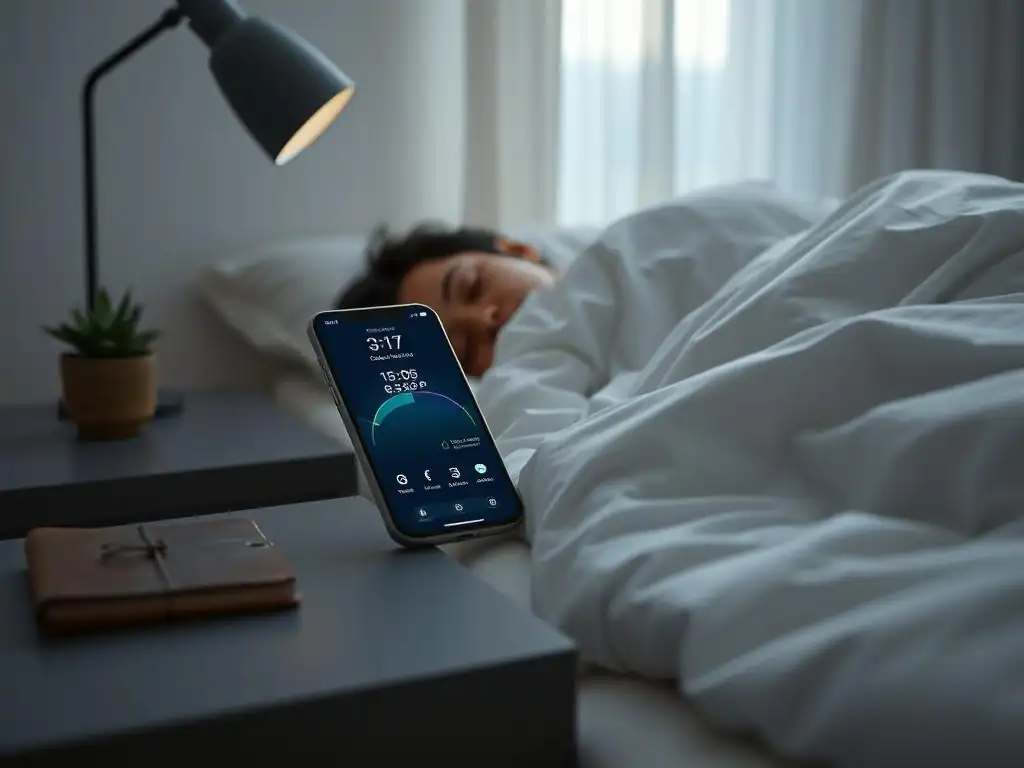
Sleep Cycle is primarily known as a smart alarm clock that tracks sleep patterns using sound analysis (listening to movement and sounds in bed) or accelerometer data. It wakes the user during their lightest sleep phase within a set window, aiming to make waking up feel more natural. While its core function isn't CBTI, its robust sleep tracking and data analysis features can provide valuable insights that support a CBTI approach.
The app collects extensive data on sleep duration, quality, time in bed, wake-up times, and even environmental factors like bedroom temperature or noise (if manually entered or via integration). This detailed logging capability is highly beneficial for individuals practicing CBTI, as accurate sleep diary data is the foundation for applying techniques like sleep restriction and understanding the impact of behavioral changes.
Sleep Cycle's Advanced Sleep Tracking Capabilities
Sleep Cycle automatically tracks sleep phases (light, deep, REM) and sleep quality throughout the night. It presents this data in easy-to-understand graphs and statistics, showing nightly summaries, weekly trends, and monthly averages. Users can also add notes about their day – such as exercise, caffeine intake, or stress levels – to see how these factors correlate with their sleep quality.
The app provides detailed statistics like time in bed, estimated time asleep, sleep efficiency percentage, and consistency of sleep and wake times. This data can be exported, which is useful for individuals working with a sleep specialist or therapist who needs to review objective sleep patterns alongside subjective reports. The smart alarm feature, while not directly CBTI, helps establish a consistent wake time, a key element in sleep restriction therapy.
Sleep Cycle's Integration with CBTI Techniques
While Sleep Cycle doesn't teach or guide users through all CBTI techniques like cognitive restructuring or stimulus control, its data is invaluable for applying the behavioral components. The detailed sleep diary function is crucial for calculating key metrics needed for sleep restriction, such as average total sleep time and sleep efficiency.
Users can use the app's data to determine their prescribed time in bed under a sleep restriction protocol. The consistent wake-up alarm supports adherence to this schedule. By tracking sleep patterns while implementing CBTI strategies learned elsewhere (e.g., from a therapist or another app), users can see the objective impact of these changes on their sleep efficiency and duration over time.
Sleep Cycle: Can it Help Overcome Insomnia?
Sleep Cycle itself is not a complete treatment for insomnia, particularly chronic insomnia driven by cognitive factors or significant sleep anxiety. Its primary strength lies in providing objective data about sleep patterns and supporting the implementation of consistent wake times.
However, for individuals using CBTI strategies learned from other sources (like a therapist, a book, or a dedicated CBTI program), Sleep Cycle's detailed tracking can be an extremely helpful tool. By providing accurate data on sleep efficiency and duration, it helps users and their clinicians make informed decisions about adjusting behavioral protocols like sleep restriction. It's best viewed as a powerful data-gathering tool that complements a structured CBTI approach.
Honorable Mentions: Other CBTI Apps Worth Considering
Beyond the top contenders, several other CBTI apps for insomnia or apps incorporating CBTI principles are available. These range from free basic tools to more comprehensive paid programs. Exploring these options can help individuals find a platform that best fits their budget, preferred learning style, and specific sleep challenges. While not as widely known or extensively validated as Sleepio, they offer valuable resources for managing insomnia.
Examples include apps like ShutEye, which combines sleep tracking with various sounds and guides, or more clinically focused apps that might be newer to the market. The landscape of digital sleep aids is constantly evolving, with new CBTI applications emerging that leverage technology in different ways to support users in improving their sleep.
ShutEye: Key Features and Benefits
ShutEye is an app that combines sleep tracking, smart alarm features, and a library of sleep-inducing sounds, music, and stories. It uses the phone's microphone to track sleep cycles and detect disturbances like snoring or talking. A key feature is its extensive sound library, offering white noise, nature sounds, ASMR, and various guided meditations and stories designed for sleep.
While not a structured CBTI program, ShutEye provides features that support sleep hygiene and relaxation, components often integrated into a CBTI approach. The sleep tracking provides data similar to Sleep Cycle, which can be useful for monitoring patterns. Its wide variety of audio content is a benefit for users who find specific sounds or stories helpful for winding down before bed, addressing the relaxation aspect of sleep preparation.
ShutEye: Pricing and User Reviews
ShutEye operates on a freemium model. A basic version with limited features is available for free. Access to the full range of sounds, stories, and advanced tracking features typically requires a premium subscription. Pricing can vary, but often falls in the range of $10-$15 per month or $40-$60 per year.
User reviews for ShutEye are generally positive, with many praising the effectiveness of the sleep sounds and stories. Users often report finding the variety of audio content helpful for falling asleep. However, reviews on the accuracy of its automatic sleep cycle tracking using sound can be mixed, with some users preferring accelerometer-based methods or finding the microphone use drains battery or picks up ambient noise inaccurately.
Choosing the Right CBTI App for Your Needs: A Buying Guide
Selecting the best CBTI app for insomnia depends heavily on individual circumstances, preferences, and the severity of the sleep issue. Consider whether you need a full, structured program or just tools to support therapy you're already receiving. Budget is also a significant factor, with free options like CBT-i Coach contrasting with premium subscriptions like Sleepio or Calm.
Think about what features are most important to you. Do you prioritize detailed sleep tracking, guided relaxation exercises, or a step-by-step program? Reading reviews and understanding the app's core methodology is crucial. Some apps are truly CBTI programs, while others are sleep aids that incorporate some CBTI-friendly elements.
Key Features to Look for in a CBTI App
When evaluating CBTI apps for insomnia, several features indicate a robust and effective program or tool. A comprehensive sleep diary is non-negotiable, as accurate data is fundamental to CBTI. Look for apps that make data entry easy and provide clear visualizations of sleep patterns over time.
Content that explains the principles of CBTI is also vital. The app should educate you on concepts like the sleep system, stimulus control, and cognitive restructuring. Guided exercises for relaxation, mindfulness, or cognitive work can also be very beneficial.
Personalized Programs and Tailored Recommendations
Effective CBTI is often personalized. Look for apps that use your sleep diary data to provide tailored recommendations, such as a specific sleep restriction schedule or adjusted time-in-bed window. Sleepio is a prime example of an app that excels in this area, dynamically adjusting the program based on user input and progress.
Personalization can also extend to content delivery. Some apps may offer different modules or pathways depending on your specific type of insomnia or challenges (e.g., difficulty falling asleep vs. waking up too early). While not all CBTI apps for insomnia offer this high level of tailoring, it significantly enhances the potential effectiveness of the digital intervention.
Sleep Tracking and Data Analysis
Robust sleep tracking is a cornerstone feature for any app supporting CBTI. The app should allow you to easily log your sleep and wake times, time spent awake during the night, and subjective sleep quality. Beyond simple logging, the app should ideally calculate key metrics like sleep efficiency (total sleep time / time in bed * 100).
Visual presentation of data through graphs and charts is important for understanding trends. Some apps, like Sleep Cycle, provide highly detailed analysis and correlations with daily habits. This data helps users see the tangible results of implementing CBTI techniques and identify patterns contributing to their insomnia.
Guided Meditations and Relaxation Techniques
While not strictly the behavioral core of CBTI, guided meditations, breathing exercises, and progressive muscle relaxation are valuable tools for managing pre-sleep anxiety and hyperarousal. Many effective CBTI apps for insomnia incorporate these elements to help users wind down and calm their minds before bed.
The quality and variety of these relaxation tools can differ significantly between apps. If managing anxiety is a major component of your insomnia, prioritize apps with a rich library of guided content from experienced instructors. Calm is an example of an app that excels in this specific area, even if it lacks other core CBTI components.
Reminders and Notifications for Sleep Hygiene
Adherence to a consistent schedule and practicing good sleep hygiene are important adjuncts to CBTI. Apps that offer customizable reminders for bedtime, wake-up time, or even prompts to leave the bedroom if unable to sleep can be very helpful for staying on track.
Notifications about upcoming modules or sessions can also boost engagement and consistency with the program. While seemingly simple, these features provide valuable support for maintaining the behavioral changes necessary for overcoming insomnia using CBTI principles.
Consider Your Budget: Free vs. Paid CBTI Apps
The cost of CBTI apps for insomnia varies widely. Free options like CBT-i Coach provide essential tools and information based on clinical guidelines, making them an excellent starting point, especially if you are already receiving professional therapy.
Paid apps, such as Sleepio or premium versions of others, often offer more comprehensive programs, personalized features, polished interfaces, and potentially more extensive support content. If you don't have access through a health plan, weigh the cost against the features offered and the evidence supporting the app's effectiveness. Sometimes, the investment in a high-quality, evidence-based paid app can be more cost-effective and successful than struggling with fragmented free tools.
Read User Reviews and Testimonials
User reviews and testimonials can offer practical insights into the usability, effectiveness, and potential drawbacks of different CBTI apps for insomnia. Look for reviews that detail users' experiences with specific features, the interface, the perceived effectiveness of the techniques taught, and customer support (if applicable).
While individual results vary, a pattern of positive reviews, especially from users who report significant improvements in their sleep, can be a good indicator. Conversely, recurring complaints about bugs, confusing instructions, or lack of personalization might suggest an app isn't the right fit. Check reviews on app stores and reputable third-party review sites.
Consult with a Sleep Specialist or Therapist
Before relying solely on a CBTI app for insomnia, especially if you have chronic or severe sleep issues, it is highly recommended to consult with a sleep specialist or a therapist trained in CBTI. They can accurately diagnose your sleep disorder, rule out underlying medical conditions, and help determine if a digital CBTI solution is appropriate for your specific situation.
A professional can also guide you in choosing an app that complements your treatment plan or recommend the most suitable approach, whether it's in-person therapy, telehealth, or a specific digital program. They can also help interpret your sleep data and adjust strategies as needed, providing a level of personalized care that no app can fully replicate.
Maximizing the Effectiveness of CBTI Apps: Tips and Strategies
Using a CBTI app for insomnia is not a passive process; its effectiveness depends largely on how actively and consistently you engage with it. Simply downloading an app won't cure insomnia. You need to commit to the program, diligently track your sleep, and actively apply the techniques learned.
Integrating the app's guidance into your daily and nightly routine is crucial. Treat the app as a tool to facilitate behavioral change, not a magic bullet. Be patient with the process, as improving sleep habits takes time and consistent effort.
Consistency is Key: Sticking to the Program
Consistency is perhaps the single most important factor in the success of CBTI, whether delivered via an app or in person. This means using the app daily, filling out the sleep diary accurately every morning, and adhering as closely as possible to the recommended sleep schedule and techniques.
Skipping days or only partially implementing strategies will significantly reduce the program's effectiveness. Just as with learning any new skill, regular practice reinforces the new habits and cognitive patterns necessary for sustained sleep improvement. Aim to engage with the app and its principles every day, even on nights when sleep feels elusive.
Combining CBTI Apps with Good Sleep Hygiene Practices
While CBTI goes beyond basic sleep hygiene, practicing good sleep hygiene is an essential foundation that complements any CBTI program, including those delivered via apps. Good sleep hygiene includes maintaining a consistent sleep schedule (even on weekends, ideally), creating a dark, quiet, and cool bedroom environment, avoiding caffeine and alcohol close to bedtime, and limiting screen time before sleep.
Your CBTI app might provide reminders or information about sleep hygiene, but it's up to you to implement these practices consistently. Combining the structured techniques of CBTI (like stimulus control and sleep restriction) with solid sleep hygiene habits creates a powerful synergy for improving sleep quality and duration.
Tracking Your Progress and Adjusting Your Approach
Regularly reviewing your sleep data within the app is vital for understanding your progress and identifying patterns. Pay attention to trends in sleep efficiency, time spent awake during the night, and consistency of your sleep schedule. Many CBTI apps for insomnia provide graphs and summaries to make this easier.
If your progress plateaus or you encounter new challenges, use the data to inform adjustments. Some apps will suggest these adjustments automatically (e.g., modifying your sleep restriction schedule), while with others, you might need to consult the app's guidance or a professional. Tracking helps you stay accountable and provides objective evidence of the impact of your efforts.
When to Seek Professional Help Beyond Apps
While CBTI apps for insomnia can be highly effective for many, they are not a substitute for professional medical or psychological care. If your insomnia is severe, has been ongoing for a long time, is significantly impacting your daily functioning, or if you suspect underlying medical conditions (like sleep apnea or restless legs syndrome), consult a doctor or sleep specialist.
Similarly, if you have co-occurring mental health conditions like severe anxiety, depression, or PTSD, which often contribute to insomnia, a therapist trained in both CBTI and these conditions can provide more comprehensive support. Apps are powerful tools, but human expertise is invaluable for complex cases or when progress is stalled.
The Future of CBTI Apps: Innovations and Trends
The field of digital health, including CBTI apps for insomnia, is rapidly advancing. Future innovations are likely to make these tools even more personalized, integrated, and potentially effective. Trends point towards leveraging artificial intelligence, wearable technology, and greater integration with traditional healthcare systems.
As technology evolves, CBTI applications will likely become more sophisticated in their ability to analyze complex data, provide real-time feedback, and adapt interventions dynamically. This could lead to even more precise and effective digital treatments for insomnia that are widely accessible.
AI-Powered Personalized Sleep Coaching
Artificial intelligence (AI) has the potential to revolutionize personalization in CBTI apps for insomnia. Beyond simple rule-based adjustments, AI could analyze vast amounts of user data – including sleep diary entries, environmental factors, and even mood data – to identify subtle patterns and provide highly tailored coaching and recommendations.
Imagine an app that uses AI to predict nights when you might struggle based on your daytime activities and proactively suggests specific relaxation techniques or cognitive strategies. AI could also refine sleep restriction protocols with greater precision or provide more nuanced feedback on how different behaviors impact your sleep, making the intervention even more responsive to individual needs.
Integration with Wearable Technology
Wearable devices like smartwatches and fitness trackers collect a wealth of physiological data, including estimated sleep stages, heart rate variability, and movement during sleep. Future CBTI apps are likely to integrate more seamlessly with these devices to gather more objective and continuous sleep data.
This integration could reduce the reliance on manual sleep diary entry, which can be a barrier for some users. More importantly, combining app-based behavioral interventions with objective data from wearables could provide a more holistic picture of sleep patterns and the impact of interventions, leading to more accurate personalization and progress tracking within CBTI apps for insomnia.
The Role of CBTI Apps in Telehealth and Remote Therapy
CBTI apps are already playing a role in telehealth by providing tools that therapists can recommend or use to support remote sessions. This trend is expected to grow, with apps becoming more integrated into remote therapy platforms.
In the future, CBTI apps for insomnia could serve as the primary interface for telehealth-delivered CBTI, with therapists monitoring user progress through the app, providing feedback via messaging or video calls, and adjusting the program remotely. This hybrid model could increase access to professional CBTI, combining the scalability of digital tools with the personalized support of a therapist, potentially making effective treatment available to more people regardless of location.
Real-Life Success Stories: How CBTI Apps Transformed Sleep for Insomnia Sufferers
Hearing about the experiences of others can provide motivation and illustrate the potential impact of using CBTI apps for insomnia. While individual results vary, many users have reported significant improvements in their sleep quality and overall well-being after engaging with these digital tools. These stories highlight the power of structured behavioral change and consistent effort.
Case examples often involve individuals who had struggled with insomnia for years, tried various remedies without success, and found relief through the systematic approach offered by CBTI apps. These narratives underscore the importance of addressing the underlying thoughts and behaviors contributing to sleep problems.
User Experience with Sleepio
Numerous users have shared positive experiences with Sleepio, often highlighting its structured, week-by-week program as a key factor in their success. For example, one user reported that after years of relying on medication, completing the Sleepio program helped them understand their sleep patterns and gain control. They noted that the personalized sleep restriction schedule was challenging initially but ultimately led to more consolidated sleep, reducing the time spent awake during the night by over an hour within six weeks.
Another testimonial described how Sleepio's cognitive restructuring modules helped challenge their anxiety about not sleeping, enabling them to approach bedtime with less dread. They found the combination of behavioral techniques and cognitive work, guided by the app, was transformative, leading to an average increase in sleep efficiency from around 60% to over 80% within two months.
CBT-i Coach and Improved Sleep Quality
Users of the free CBT-i Coach app often report finding it a valuable supplementary tool, particularly when used alongside professional therapy. A veteran shared that using the app's sleep diary helped them and their therapist identify specific patterns contributing to their insomnia related to PTSD. The app's clear explanations of stimulus control and relaxation exercises provided practical tools to use outside of sessions, helping them reduce nightly awakenings.
Another user, who couldn't afford regular therapy, used CBT-i Coach as a self-guided resource. While acknowledging it required discipline, they found the app's structured information and tracking tools allowed them to implement basic CBTI principles. They reported a gradual improvement in falling asleep time, decreasing from over 90 minutes to around 45 minutes on most nights after consistently using the app for several months and applying the techniques.
Calm and the Power of Mindfulness for Insomnia
Many individuals struggling with sleep anxiety have found Calm's guided meditations and Sleep Stories beneficial. One user mentioned that their racing thoughts were the biggest barrier to sleep. While not a full CBTI program, using Calm's sleep meditations nightly helped quiet their mind, reducing the time it took to relax and fall asleep. They found the consistency of a calming audio routine, facilitated by the app, significantly reduced their pre-sleep anxiety.
Another user reported that while the core CBTI techniques were necessary, incorporating Calm's Sleep Stories helped make bedtime a more positive and less stressful experience. They used it as a tool to wind down after completing their behavioral protocols, finding that it helped them transition into sleep more peacefully, complementing the structured approach they were taking elsewhere.
Conclusion: Taking Control of Your Sleep with CBTI Apps
Insomnia is a common and often debilitating condition, but effective, evidence-based treatments like Cognitive Behavioral Therapy for Insomnia (CBTI) offer real hope. CBTI addresses the root causes of sleep problems by changing the thoughts and behaviors that perpetuate insomnia.
The Power of CBTI for Insomnia Relief
CBTI is widely recognized as the most effective long-term solution for chronic insomnia. By systematically addressing maladaptive sleep habits and anxious thoughts about sleep, individuals can retrain their brains and bodies to sleep better. The principles of sleep restriction, stimulus control, and cognitive restructuring, central to CBTI, have been proven in numerous studies to significantly improve sleep onset, reduce nighttime awakenings, and increase overall sleep efficiency.
The advent of CBTI apps for insomnia has made this powerful therapy more accessible and convenient than ever before, bringing clinically-validated techniques into the hands of those who need them, often at a lower cost than traditional therapy.
Choosing the Right App for Your Individual Needs
With a growing number of CBTI applications available, finding the right fit requires considering your specific needs, budget, and preferences. Evaluate apps based on their adherence to core CBTI principles, personalization features, quality of sleep tracking, and any supplementary tools like guided meditations.
Whether you opt for a comprehensive, evidence-based program like Sleepio, a free clinical tool like CBT-i Coach, or a supplementary resource like Calm, the key is to choose an app that you feel you can engage with consistently. Consulting with a healthcare professional can also provide valuable guidance in selecting the most appropriate digital tool for your journey towards better sleep.
Start Your Journey to Better Sleep Today
Taking control of your sleep with a CBTI app for insomnia requires commitment and consistency. It's a process that involves learning new habits and challenging old patterns. Be patient with yourself, track your progress diligently, and integrate the app's guidance into your daily routine.
For many, these digital tools offer a practical and effective pathway to overcoming insomnia and reclaiming restful nights. By leveraging the power of CBTI in your pocket, you can take significant steps towards improving your sleep quality, enhancing your daytime functioning, and boosting your overall mental well-being.
Frequently Asked Questions
What is CBTI and how does it relate to insomnia?
CBTI, or Cognitive Behavioral Therapy for Insomnia, is a structured program that helps you identify and replace thoughts and behaviors that cause or worsen sleep problems. It's a non-drug treatment considered a first-line therapy for chronic insomnia.
How can CBTI apps help with insomnia?
CBTI apps offer convenient access to CBTI techniques like sleep restriction, stimulus control, and cognitive restructuring. They provide guided programs, track your sleep, and offer personalized feedback, making evidence-based therapy more accessible.
Are CBTI apps as effective as in-person therapy?
While CBTI apps can be effective, their efficacy varies. They can be a great starting point or supplement to in-person therapy. Consult a healthcare professional to determine the best treatment plan for your specific needs.
What features should I look for in a good CBTI app?
Look for apps that offer evidence-based techniques, sleep tracking, personalized feedback, and educational content. Also, check for user reviews and ensure the app is developed by reputable experts in sleep medicine.
Are CBTI apps a replacement for seeing a doctor about insomnia?
No, CBTI apps are not a replacement for professional medical advice. If you have chronic insomnia, it's crucial to consult with a doctor to rule out underlying medical conditions and develop a comprehensive treatment plan.
Final Reflection: Unlocking Sleep's Potential Through Technology
The accessibility of CBTI through smartphone apps represents a revolutionary shift in how we approach insomnia. No longer is effective treatment limited to expensive therapy sessions or inaccessible resources; the tools to manage and overcome sleep difficulties are now literally in our pockets. This democratization of mental healthcare is a powerful step forward, offering hope and practical solutions to millions struggling with this pervasive issue.
The impact of readily available CBTI apps extends far beyond individual relief; it's reshaping our understanding of mental health and its treatment. We are witnessing a cultural shift towards self-management and proactive mental wellness, a trend fueled by the convenience and anonymity these apps provide. The greatest wealth is health,
a proverb often cited, takes on new meaning in this context. Access to effective tools for managing insomnia, a condition often linked to other mental health challenges, can significantly improve overall well-being and quality of life. This is something I personally find incredibly encouraging.
Consider the potential within your grasp. You now have the power to take control of your sleep, to actively participate in your own healing journey. Download an app, commit to the exercises, and experience the transformative effects of CBTI. Don't let insomnia dictate your life; use the technology at your fingertips to reclaim your nights and unlock the energy and clarity that comes with restful sleep. Your journey to better sleep starts now.
Unlock Your Best Sleep: Take Charge of Your Insomnia Today!
Thanks for exploring the world of CBTI apps with us! We hope you've discovered some powerful tools to help you conquer insomnia and reclaim restful nights. Ready to put this knowledge into action?
- Start your free trial of your chosen app: Download one of the apps mentioned and begin using it tonight! Even small steps towards better sleep habits can make a big difference.
- Share your experience: Tell us (and others!) which app worked best for you by leaving a comment below. What features did you find most helpful?
- Track your progress:Create a sleep journal to monitor how your sleep improves over time. Seeing your progress can be a powerful motivator!
So, what small change will you make to your bedtime routine tonight to improve your sleep?