
The Dark Side of the Asylum: Conditions and Controversies in the 1800s

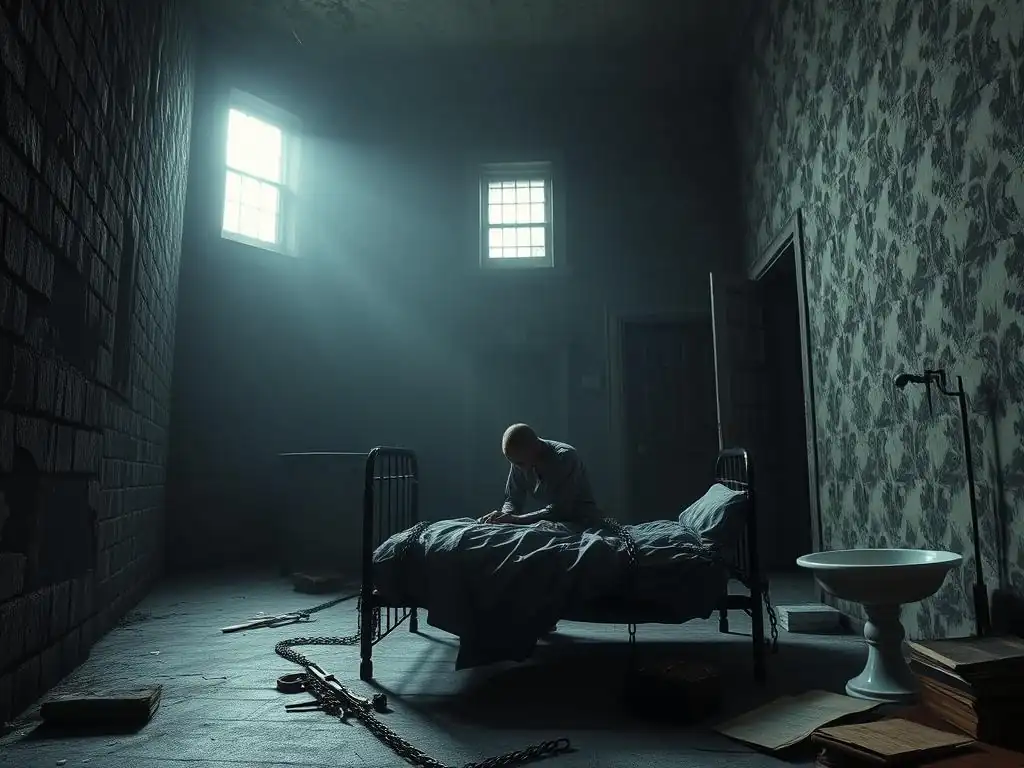
Welcome to Mind Care Guide, a space dedicated to understanding and nurturing your mental well-being. Have you ever wondered about the evolution of mental health care? Prepare to be captivated and perhaps even disturbed as we delve into "The Dark Side of the Asylum," exploring the often brutal and controversial historical asylum abuse treatment methods prevalent in the 1800s. What were the conditions patients endured, and how did these practices shape our modern understanding of mental health? Join us as we uncover a crucial, albeit unsettling, chapter in the history of mental health.
The Dark Side of the Asylum: Conditions and Controversies in the 1800s
- Introduction: Unveiling the Realities of 19th Century Asylums
- Historical Asylum Treatment Methods: A Closer Look
- The Deplorable Conditions Within 19th Century Asylums
- Controversies Surrounding Asylum Practices: Ethical and Moral Concerns
- The Rise of Reform Movements: Challenging the Status Quo
- Case Studies: Examining Specific Instances of Asylum Abuse
- The Legacy of 19th Century Asylums: Lessons Learned
- Conclusion: Reflecting on the Dark Side and Embracing Progress
-
Frequently Asked Questions
- What were some of the most common, yet abusive, treatment methods used in asylums during the 1800s?
- How did the lack of understanding about mental illness contribute to the poor conditions and abusive treatments in 19th-century asylums?
- What role did social attitudes play in the dehumanization of patients and the acceptance of abusive treatment methods within asylums?
- Were there any advocates or reformers who challenged the abusive conditions and treatment methods prevalent in 19th-century asylums?
- How did the historical asylum abuse treatment methods ultimately influence the development of modern mental healthcare?
- Final Reflection: Echoes of the Past, Lessons for the Future
- Uncover the Untold Stories: Explore 1800s Asylum Life
Introduction: Unveiling the Realities of 19th Century Asylums
Setting the Stage: Mental Healthcare in the 1800s
The 19th century marked a pivotal, yet complex, era in the history of mental healthcare. Prior to this period, individuals with mental illness were often housed in almshouses, jails, or private homes with little to no specialized care. The rise of the asylum movement brought the promise of dedicated institutions where those deemed "insane" could receive treatment and potentially recover, moving away from mere custodial care. This era saw the construction of large, often imposing, institutions intended to be sanctuaries for healing and moral treatment.
However, the reality often fell far short of this optimistic vision. While some early institutions championed humane approaches, the rapid growth in patient numbers, coupled with evolving but still primitive medical understanding, led to significant challenges. The sheer scale of the problem, with increasing recognition of various forms of mental distress, quickly overwhelmed the resources and initial ideals of many asylums, setting the stage for the darker aspects that would come to define them in public memory.
The Promise and the Peril: Asylums as Institutions of Hope and Despair
Initially, asylums were envisioned as places of refuge, where patients could be removed from stressful environments and benefit from structured routines, therapeutic activities, and compassionate care – a philosophy known as "moral treatment." Early proponents believed that a calm environment, meaningful work, and kind interactions could restore reason. This period saw the establishment of institutions like the York Retreat in England, founded by the Quaker William Tuke, which emphasized humane conditions and patient autonomy within limits.
Yet, as the century progressed, the promise of moral treatment waned, replaced by overcrowding, underfunding, and a shift towards more custodial and sometimes punitive practices. The ideal of healing gave way to the reality of warehousing large numbers of people with complex needs. This transition marked the perilous turn for many institutions, where hope for recovery dwindled, and patients faced neglect, harsh conditions, and questionable historical asylum abuse treatment methods.
Historical Asylum Treatment Methods: A Closer Look
Physical Restraints: Chains, Straitjackets, and Confinement
Physical restraint was a common, and often overused, practice in 19th-century asylums. While initially intended for patient safety or to manage acute agitation, it frequently devolved into a method of control and convenience for understaffed institutions. Patients could be confined to their beds, strapped into chairs, or placed in seclusion rooms for extended periods. Accounts from the era describe patients in chains or heavy leather restraints for weeks or months on end, leading to physical deterioration, sores, and further psychological distress.
The use of straitjackets became widespread as a seemingly more "humane" alternative to chains, yet they still severely restricted movement and were often applied for prolonged durations. Reports from institutions in the mid-1800s sometimes noted that a significant percentage of patients, perhaps 10-20% on any given day, were in some form of physical restraint. This pervasive reliance on restraint, while sometimes deemed necessary by staff at the time, stands out as a stark example of historical asylum abuse treatment methods that prioritized control over therapeutic engagement.
The Use of Hydrotherapy: Cold Baths and Wet Sheets
Hydrotherapy, the use of water for therapeutic purposes, was another common treatment modality in 19th-century asylums. It ranged from warm baths intended to soothe to more extreme applications like cold plunges or prolonged immersion in icy water, sometimes for hours. The rationale varied, from believing that temperature extremes could shock the system back to normalcy to using warm baths for relaxation. Wet sheets, where patients were wrapped tightly in cold, wet sheets, were also used, intended to induce a calming effect as the sheets warmed against the body, though the initial shock was considerable.
While some forms of hydrotherapy might have offered temporary relief or relaxation, the harsh applications, particularly cold baths administered against a patient's will or for excessive durations, could be traumatic and debilitating. Records indicate that these treatments were often applied broadly, sometimes to dozens of patients daily, regardless of their specific condition. The line between therapy and punishment or control blurred, making certain hydrotherapy techniques controversial historical asylum abuse treatment methods in retrospect.
Medical Interventions: Early Forms of Psychosurgery and Medication
The 19th century saw early, often rudimentary, attempts at medical and surgical interventions for mental illness, though they were less widespread than in the 20th century. Surgical approaches were exploratory and based on limited understanding of the brain. For instance, some surgeons experimented with trepanation (drilling holes in the skull) or removing parts of the brain, based on speculative theories about pressure or localized pathology causing mental illness. These procedures were highly dangerous and lacked scientific validation, representing some of the most invasive and ethically questionable historical asylum abuse treatment methods.
Pharmacological interventions primarily relied on sedatives and narcotics available at the time. Opium, cannabis, and later chloral hydrate and bromides were used extensively to manage patient behavior, particularly agitation and sleeplessness. While intended to calm patients, these substances were often administered in large doses, leading to addiction, severe side effects, and patient debilitation. The focus was often on control rather than cure, turning potentially therapeutic agents into tools of chemical restraint and contributing to the overall poor conditions and lack of meaningful treatment.
Lobotomies: A Controversial Practice in Early Mental Health Treatment
While lobotomies became more prominent in the mid-20th century, early, less systematic forms of psychosurgery were explored in the late 19th century. These involved experimental procedures targeting brain tissue, driven by the belief that mental illness stemmed from physical brain pathology. Early attempts were often crude and based on limited anatomical knowledge.
These initial surgical explorations, though not yet the standardized lobotomy procedure of the 1940s and 50s, highlight the desperate and often invasive measures considered as historical asylum abuse treatment methods. They underscore a willingness to undertake irreversible procedures with little understanding of the long-term consequences, reflecting both the lack of effective alternatives and a concerning disregard for patient well-being in the pursuit of "cures."
The Use of Opium and Other Sedatives
Opium and its derivatives were widely available and frequently used in 19th-century medicine, including in asylums. Laudanum, a tincture of opium, was commonly administered to calm agitated patients, induce sleep, and manage pain or distress. Other sedatives like cannabis extracts, chloral hydrate (introduced in the late 1860s), and bromide salts also became part of the asylum pharmacopeia.
These substances, while sometimes providing temporary relief from acute symptoms, were often used habitually and in high doses. Patients could become lethargic, withdrawn, and physically dependent. Staff sometimes relied on these drugs to make patients more manageable, rather than addressing the underlying causes of their distress or improving the environment. This widespread chemical restraint contributed significantly to the poor quality of life for many patients and represents a notable aspect of the less humane historical asylum abuse treatment methods.
The Deplorable Conditions Within 19th Century Asylums

Overcrowding and Understaffing: A Recipe for Neglect
A pervasive issue plaguing 19th-century asylums was severe overcrowding, which rapidly outpaced building capacity. Institutions designed to house a few hundred patients soon found themselves housing double or even triple that number. For example, reports from the 1880s in some state asylums indicated occupancy rates exceeding 150% of intended capacity. This meant patients were crammed into dormitories, dayrooms, and even hallways, with little personal space or privacy.
Compounding the problem was chronic understaffing. The ratio of staff to patients was often extremely low, making individualized care virtually impossible. A single attendant might be responsible for dozens of patients. This lack of adequate supervision and care created an environment where neglect was rampant, basic needs went unmet, and patients were vulnerable to abuse from both staff and other residents. The sheer numbers overwhelmed the system, fundamentally undermining any attempts at therapeutic intervention.
Sanitation and Hygiene: The Spread of Disease
Sanitation and hygiene within many 19th-century asylums were often abysmal, directly contributing to high rates of illness and death. Overcrowding exacerbated these issues, making it difficult to maintain cleanliness. Basic facilities like toilets and washing areas were often insufficient for the number of residents, leading to unsanitary conditions in living quarters. Many patients, due to their illness or the lack of assistance, struggled with personal hygiene.
Consequently, infectious diseases like tuberculosis, dysentery, and typhoid fever were rampant and spread quickly through the institutions. Mortality rates were significantly higher than in the general population; some asylum death rates in the latter half of the century were reported to be as high as 20-30% annually, with infectious diseases being a primary cause. The failure to provide adequate sanitation and healthcare was a critical form of neglect and a tragic characteristic of historical asylum abuse treatment methods by omission.
Food and Nutrition: Inadequate Care for Patients
The provision of food and nutrition in 19th-century asylums was frequently inadequate, both in quantity and quality. Budgets were often stretched thin due to the large patient populations, leading to cost-cutting measures in dietary provisions. Meals were often monotonous, lacking in essential nutrients, and sometimes prepared in unsanitary conditions.
Patients might receive insufficient calories, particularly those who were agitated or resistant to eating. Malnutrition was not uncommon, weakening patients and making them more susceptible to disease. Diaries and reports from visitors or former patients sometimes describe the food as barely edible. This systemic failure to provide proper nourishment was a fundamental aspect of the poor care and neglect that characterized the conditions within many of these institutions.
Controversies Surrounding Asylum Practices: Ethical and Moral Concerns
Patient Rights and Autonomy: A Lack of Legal Protection
A major controversy surrounding 19th-century asylum practices was the near-total lack of legal rights and autonomy for patients. Once committed, often through processes that offered little due process, individuals effectively lost control over their lives, property, and treatment decisions. Commitment procedures could be initiated by family members or even local officials with minimal medical evaluation, sometimes used to rid families or communities of troublesome individuals.
Patients had little recourse to challenge their confinement or the treatment they received, regardless of how harsh or ineffective it was. There were few external oversight mechanisms, and internal complaint systems were often non-existent or ignored. This power imbalance, where institutions and staff held absolute authority over vulnerable individuals, created an environment ripe for abuse and stands as a significant ethical failure in the history of historical asylum abuse treatment methods.
The Stigma of Mental Illness: Contributing to Abuse and Neglect
The intense social stigma surrounding mental illness in the 19th century profoundly contributed to the conditions and controversies within asylums. Mental illness was often viewed with fear, shame, and moral judgment, rather than as a medical condition. This societal attitude meant that individuals with mental health challenges were often marginalized, ostracized, and hidden away.
This stigma reduced public sympathy and limited the political will for adequate funding and oversight of asylums. It also influenced how patients were treated by staff and the public, sometimes leading to dehumanization. The prevailing view that patients were fundamentally different or even less than human made it easier to justify harsh conditions, neglect, and the implementation of coercive and sometimes abusive historical asylum abuse treatment methods.
The diagnostic criteria used in 19th-century asylums were often vague, subjective, and influenced by societal norms and prejudices. Conditions like "moral insanity," "hysteria," or simply "nervousness" were broad categories that could encompass a wide range of behaviors. Furthermore, individuals who challenged social conventions, particularly women, immigrants, or the poor, were sometimes institutionalized for behaviors that might today be seen as non-conformity rather than severe mental illness.
This practice of pathologizing social deviance meant that asylums sometimes housed individuals who did not require intensive psychiatric care but were simply inconvenient or misunderstood by society. Their confinement, often against their will, represented a significant ethical concern and highlighted how the diagnostic process itself could be a tool for social control, contributing to the population burden within asylums and blurring the lines between genuine illness and societal intolerance.
The Rise of Reform Movements: Challenging the Status Quo
Key Figures in Mental Health Reform: Dorothea Dix, Philippe Pinel
The deplorable conditions and questionable historical asylum abuse treatment methods eventually spurred significant reform efforts. Key figures emerged who dedicated themselves to exposing the realities and advocating for change. In France, Philippe Pinel is credited with pioneering "moral treatment" in the late 18th and early 19th centuries, famously unchaining patients at Bicêtre and Salpêtrière hospitals in Paris and advocating for humane care and psychological approaches.
In the United States, Dorothea Dix became a tireless advocate after witnessing the horrific conditions in a Massachusetts jail in the 1840s where individuals with mental illness were confined alongside criminals. Her subsequent investigations across numerous states and institutions revealed widespread neglect, abuse, and inhumane treatment. Dix's powerful reports to state legislatures and Congress documented patients living in squalor, often naked, chained, and without heat, leading to the establishment or expansion of state-funded mental hospitals intended to provide more humane care.
Advocating for Humane Treatment: The Moral Treatment Movement
The Moral Treatment movement, gaining traction in the early to mid-19th century, was a direct response to the harsh and custodial practices prevalent at the time. Its proponents believed that mental illness could be alleviated through a humane environment, purposeful activity, and positive social interaction, rather than solely through medical interventions or physical restraint. Institutions like the Hartford Retreat (later The Institute of Living) in Connecticut and the McLean Asylum in Massachusetts were founded or reformed based on these principles.
This approach emphasized respecting the patient's dignity, providing comfortable living quarters, nutritious food, opportunities for work or recreation, and compassionate care from staff. While the movement's initial promise was often undermined by overcrowding and other systemic issues later in the century, its core principles of dignity, empathy, and therapeutic engagement laid important groundwork for future reforms and challenged the prevailing view of mental illness as incurable and requiring only containment.
The Impact of Reform on Asylum Practices: Development of Occupational Therapy
Reform movements, particularly the Moral Treatment movement, had a tangible impact on asylum practices, leading to some improvements, especially in the earlier part of the century or in specific institutions. One notable development influenced by these reforms was the increased emphasis on purposeful activities for patients, which can be seen as an early precursor to modern occupational therapy.
Recognizing the therapeutic value of work, crafts, and recreational activities, reformers encouraged incorporating these into the daily routines of asylum residents. Activities like farming, sewing, weaving, music, and gardening were introduced, aiming to provide structure, improve skills, and foster a sense of purpose and dignity. While not always implemented consistently or effectively across all institutions, this focus on engagement and activity marked a significant shift away from purely custodial care and represented a positive step influenced by critiques of existing historical asylum abuse treatment methods.
Case Studies: Examining Specific Instances of Asylum Abuse

Trans-Allegheny Lunatic Asylum: A Detailed Account of Conditions
The Trans-Allegheny Lunatic Asylum in West Virginia, constructed in the mid-19th century based on the Kirkbride plan (intended to promote healing through architecture), eventually became a stark example of the decline and abuse within such institutions. Designed to house 250 patients, by the 1880s, it was already significantly overcrowded, and by the 1950s, it housed over 2,400 patients – nearly ten times its intended capacity.
This extreme overcrowding led to severely deteriorated conditions. Reports from the late 19th and early 20th centuries describe patients sleeping on floors, inadequate heating in winter, lack of clothing, and insufficient sanitation. The sheer number of patients overwhelmed the staff, leading to neglect. While specific patient abuse incidents are hard to quantify historically, the systemic failure to provide basic care due to overcrowding and understaffing constitutes a form of institutional abuse, highlighting the tragic reality behind the imposing façade of many large asylums.
Documented Accounts from Reformers: Highlighting Specific Instances of Maltreatment
The reports compiled by reformers like Dorothea Dix provide extensive, though often generalized, accounts of specific instances of maltreatment observed across numerous state institutions in the mid-1800s. While not focusing on a single asylum, her documentation paints a grim picture of common practices. Dix described visiting facilities where she found individuals with mental illness confined in cells, cages, or attics, often naked, covered in filth, and lacking basic necessities like bedding or heat, even in harsh weather.
She documented instances of patients being chained to walls or floors, sometimes for years, their bodies showing signs of long-term restraint. Her reports mentioned patients being whipped or beaten by attendants as punishment. These accounts, based on direct observation during her extensive travels, revealed not just systemic neglect due to overcrowding and understaffing, but also deliberate cruelty and physical abuse, providing concrete examples of the historical asylum abuse treatment methods that reformers sought to eradicate.
The Legacy of 19th Century Asylums: Lessons Learned
Understanding the Roots of Modern Mental Healthcare
Examining the history of 19th-century asylums is crucial for understanding the evolution of modern mental healthcare. The asylum movement, despite its flaws, represented a shift towards recognizing mental illness as a condition requiring specialized care, moving away from purely punitive or dismissive approaches. The early ideals of moral treatment, emphasizing a therapeutic environment and humane care, laid foundational principles that resonate in contemporary recovery-oriented models.
However, the eventual failure of many asylums due to overcrowding, underfunding, and the adoption of questionable practices highlighted the dangers of institutionalization without adequate resources, oversight, and a commitment to patient rights. This history underscores the importance of community-based care, integrated health systems, and continuous reform efforts. Understanding the "dark side" provides a cautionary tale about the potential pitfalls when healthcare systems prioritize containment over compassionate, evidence-based treatment.
The Importance of Patient Rights and Ethical Treatment
The ethical failures and instances of abuse within 19th-century asylums underscored the critical importance of establishing and protecting patient rights. The lack of autonomy, due process in commitment, and ability to challenge treatment were significant factors contributing to patient suffering. This historical context heavily influenced the development of legal frameworks in the 20th century aimed at safeguarding the rights of individuals with mental illness, including the right to appropriate treatment, informed consent, and protection from abuse and neglect.
The legacy of the asylum era serves as a constant reminder that even well-intentioned institutions can become sites of harm without robust ethical guidelines, transparency, and accountability. It emphasizes that humane and ethical treatment is not merely a desirable add-on but a fundamental requirement for any system purporting to provide care for vulnerable individuals.
Preventing Future Abuse: Implementation of Patient Advocacy Programs
Learning from the historical asylum abuse treatment methods and conditions requires proactive measures to prevent similar issues in contemporary mental healthcare settings. A key lesson is the need for independent oversight and patient advocacy. The isolation and lack of voice experienced by asylum patients in the 19th century demonstrate the necessity of mechanisms that allow patients to voice concerns, report mistreatment, and have their rights upheld.
Modern patient advocacy programs, independent oversight bodies, and legal aid services play a vital role in ensuring accountability and protecting vulnerable individuals within mental health systems. These programs empower patients, monitor conditions, and advocate for systemic improvements, acting as a crucial check against the potential for neglect or abuse that can arise in institutional or even community-based settings if vigilance is not maintained.
Conclusion: Reflecting on the Dark Side and Embracing Progress
The Evolution of Mental Healthcare: A Journey Towards Compassion
The history of 19th-century asylums is a somber but essential part of the narrative of mental healthcare. It reveals a journey marked by both noble intentions and devastating failures. From early hopes of moral treatment to the grim realities of overcrowding, neglect, and often abusive practices, the era highlights the complex challenges inherent in caring for individuals with mental illness within societal constraints and evolving scientific understanding.
While the large, isolated asylum model has largely been dismantled in many parts of the world in favor of community-based care, the lessons from this period remain acutely relevant. The focus has shifted towards recovery, integration, and person-centered care, recognizing the individual's agency and dignity – principles that were tragically lost in many 19th-century institutions but were present in the initial ideals of reform.
A Call for Continued Advocacy and Awareness
Reflecting on the dark side of the asylum era is not just an academic exercise; it is a call to action. The vulnerabilities that allowed for widespread neglect and historical asylum abuse treatment methods in the past still exist in various forms today. Underfunding, stigma, lack of access to quality care, and insufficient oversight can still lead to poor outcomes and human rights violations in contemporary mental health services.
Therefore, continued advocacy is essential to ensure adequate resources, promote destigmatization, champion patient rights, and support ethical, evidence-based practices. Raising awareness about the history helps us appreciate the progress that has been made while remaining vigilant against the potential for past mistakes to be repeated, ensuring that compassion and dignity remain at the forefront of mental healthcare.
Frequently Asked Questions
What were some of the most common, yet abusive, treatment methods used in asylums during the 1800s?
Common practices included physical restraints like straitjackets and chains, isolation in dark and unsanitary cells, and forced hydrotherapy involving extreme temperatures. These methods were often used as punishment rather than treatment.
How did the lack of understanding about mental illness contribute to the poor conditions and abusive treatments in 19th-century asylums?
A limited understanding of mental health led to the belief that patients were incurable or morally deficient, justifying harsh treatment. The absence of effective therapies also contributed to the reliance on coercive methods for control.
Prevailing social stigmas often portrayed the mentally ill as dangerous or burdensome, leading to dehumanization and a lack of empathy. This societal indifference enabled the acceptance of cruel and inhumane practices within asylum walls.
Were there any advocates or reformers who challenged the abusive conditions and treatment methods prevalent in 19th-century asylums?
Yes, figures like Dorothea Dix actively campaigned for asylum reform, advocating for improved conditions and more humane treatment. Their efforts helped raise awareness and paved the way for future reforms.
How did the historical asylum abuse treatment methods ultimately influence the development of modern mental healthcare?
The horrific conditions and abusive practices of historical asylums served as a stark warning, driving the development of ethical guidelines, patient rights, and evidence-based therapies in modern mental healthcare.
Final Reflection: Echoes of the Past, Lessons for the Future
The horrors uncovered within the walls of 19th-century asylums remain chillingly relevant today. While the physical shackles and brutal treatments may seem relics of a bygone era, the underlying issues of inadequate mental healthcare, societal stigma, and the dehumanization of vulnerable individuals continue to plague us. The fight for ethical and compassionate care for those struggling with mental illness is far from over.
The legacy of these institutions casts a long shadow, influencing our understanding of mental health and the way we treat those suffering from mental illness. The pervasive stigma surrounding mental health, often rooted in the fear and misunderstanding fostered by the asylum system's abuses, persists even now. The only way to overcome the stigma of mental illness is to talk about it,
a sentiment echoed by countless advocates today, highlights the enduring impact of historical neglect and the urgent need for continued dialogue. We must learn from the past to ensure that the mistakes of history are not repeated.
Consider the stories you've read, the images you've seen. Let them serve as a powerful reminder of the importance of advocating for humane treatment, accessible mental healthcare, and a society that embraces compassion and understanding rather than fear and judgment. You have the power to challenge stigma, to support those struggling, and to help build a future where mental illness is treated with the dignity and respect it deserves. Let the echoes of the past inspire a more compassionate and just future for all.
Uncover the Untold Stories: Explore 1800s Asylum Life
Thanks for delving into the often-overlooked realities of 1800s asylums with us! You've gained valuable insight into a challenging period in mental healthcare history. Now, let's keep the conversation going:
- Dive deeper: Research a specific asylum or individual from this era – their stories are waiting to be discovered. This is your primary action, encouraging independent learning and critical thinking.
- Share your thoughts: What surprised you most about the conditions and controversies explored in this article? Let us know in the comments below!
- Sparkle a discussion: Share this article with someone who would find this information impactful – help us spread awareness about the past to build a better future.
What other historical periods or societal issues related to mental health would you like us to explore?