
19th Century Asylum Treatments: From Hydrotherapy to Restraint


Welcome to Mind Care Guide, a space dedicated to understanding and nurturing your mental well-being. Ever wondered about the roots of modern mental healthcare? In this article, we delve into the often unsettling world of historical asylum treatment methods. Prepare to journey back in time and explore the practices, philosophies, and surprising origins of approaches like hydrotherapy and restraint. What can these historical insights teach us about our current understanding of mental health? Let's uncover the past together...
- Historical Asylum Treatment Methods: A 19th-Century Overview
- Predominant 19th Century Asylum Treatment Methods
- Hydrotherapy: Water-Based Treatments in Asylums
- Pharmaceutical Interventions in 19th Century Asylums
- Other Notable 19th Century Asylum Practices
- The Legacy of 19th Century Asylum Treatment Methods
- Conclusion: Reflecting on Historical Asylum Treatment Methods
-
Frequently Asked Questions
- How were patients initially admitted to asylums in the 19th century?
- What was the purpose behind using hydrotherapy in 19th-century asylums?
- What kind of restraints were commonly employed in these asylums?
- Did any therapeutic approaches, besides physical ones, exist during this period?
- How did the understanding of mental illness evolve throughout the 19th century, impacting asylum treatment?
- Final Reflection: The Lingering Shadows of 19th-Century Asylum Practices
- Unlock the Mysteries of 19th Century Mental Healthcare
Historical Asylum Treatment Methods: A 19th-Century Overview
Introduction: Mental Health Care in the 19th Century
The 19th century marked a significant period of transition in how societies perceived and managed mental illness. Prior to this era, individuals experiencing mental health challenges were often confined in poorhouses, prisons, or private homes with little to no specialized care. Public understanding was limited, and stigma was pervasive, leading to isolation and neglect for many. The prevailing view often attributed mental illness to moral failing, divine punishment, or physical ailments without clear scientific understanding.
This century saw the gradual emergence of dedicated institutions – asylums – intended specifically for the care and treatment of the mentally ill. While initially conceived with benevolent intentions, these institutions and the historical asylum treatment methods employed within them evolved significantly over the decades, reflecting changing societal attitudes, burgeoning scientific (though often misguided) theories, and practical limitations. The focus shifted from mere custodial care to attempts at therapeutic intervention, laying the groundwork, albeit flawed, for future psychiatric approaches.
The Rise of Asylums and the Evolution of Treatment Approaches
The early to mid-19th century witnessed a movement towards building large, state-funded asylums, particularly in Europe and North America. Influenced by reformers like Philippe Pinel in France and William Tuke in England, the idea was to remove individuals from harsh conditions and provide a structured, moral environment conducive to recovery. This led to a period of optimism, often referred to as the "asylum era," where it was believed that mental illness could be cured through proper environmental and therapeutic interventions.
However, the rapid growth of these institutions often outpaced resources and trained staff. Overcrowding became a major issue, leading to a decline in individualized care and a return to more custodial practices by the latter half of the century. The initial reformist zeal waned, and asylums frequently became places of long-term confinement rather than temporary treatment centers. The historical asylum treatment methods thus varied widely depending on the institution, its funding, and the prevailing medical theories of the time.
Predominant 19th Century Asylum Treatment Methods
Moral Treatment: A Shift in Psychiatric Care
Moral treatment emerged in the late 18th century and gained prominence in the early 19th century as a humane alternative to the chains and harsh conditions previously common. It was based on the belief that mental illness was a disorder of the mind that could be corrected through kind treatment, a structured environment, and engagement in purposeful activities. Key figures like William Tuke at the York Retreat exemplified this approach, emphasizing compassion, respect, and the promotion of self-control.
This revolutionary approach sought to treat patients as rational beings capable of recovery, rather than irredeemable lunatics. It involved removing patients from stressful environments, providing a clean and calm living space, encouraging social interaction, and engaging them in work and recreation. While not a medical treatment in the modern sense, it represented a fundamental shift in the philosophy of care, prioritizing the patient's dignity and psychological well-being over simple containment.
Principles of Moral Treatment
The core principles of moral treatment revolved around creating a therapeutic environment. This included maintaining a routine, encouraging piety and moral behavior, engaging patients in meaningful labor (such as farming or crafts), and providing opportunities for recreation and social engagement. The absence of physical coercion, such as chains and excessive restraint, was a hallmark, replaced by persuasion and the cultivation of self-discipline.
Institutions practicing moral treatment often resembled large, well-ordered country houses or villages, designed to feel less like prisons. Patients were encouraged to dine together, participate in educational activities, and contribute to the running of the asylum. The relationship between staff and patients was intended to be one of benevolent authority and trust, fostering a sense of community and therapeutic alliance, a stark contrast to the often brutal custodial care that preceded it.
Implementation of Moral Treatment in Asylums
While championed by reformers, the full implementation of moral treatment faced significant challenges, particularly as asylums grew larger and more crowded. Early institutions like the Hartford Retreat in the United States and the York Retreat in England successfully applied these principles on a smaller scale, showing promising results in patient recovery rates compared to traditional methods. These institutions often housed fewer than 100 patients, allowing for more personalized care.
However, by the mid-19th century, state asylums often housed hundreds, sometimes thousands, of patients. This scale made individualized moral treatment difficult to sustain. Staff-to-patient ratios were low, and the economic pressures often led to a reliance on patient labor for institutional upkeep rather than for therapeutic benefit. Despite its initial success and humane ideals, the widespread and consistent application of moral treatment proved challenging in the face of overwhelming demand and limited resources, leading to its decline in many larger public institutions.
Physical Restraint: Managing Patients in Asylums
Despite the ideals of moral treatment, physical restraint remained a common practice in 19th-century asylums, though its application varied. It was often employed to manage agitated or violent patients, prevent self-harm, or simply control behavior in understaffed wards. While reformers advocated for its minimal use, practical realities and a lack of alternative interventions meant it was frequently resorted to, sometimes for extended periods.
The use of restraint highlights the tension between the therapeutic aspirations of the era and the practical challenges of managing large populations of individuals with complex needs. While some believed it was necessary for patient safety or the safety of others, its potential for abuse and its detrimental effects on patient well-being were also recognized, leading to ongoing debates throughout the century about its appropriateness and ethical implications.
Types of Restraint Used in 19th Century Asylums
Various forms of physical restraint were utilized. These included straitjackets made of canvas or leather, wrist and ankle cuffs, and restraint chairs where patients were tied down. "Muffs" or padded hand coverings were sometimes used to prevent patients from injuring themselves or others. Another common method was the "Utica Crib," a bed with high wooden sides and a locked lid, essentially caging the patient.
These devices were often constructed from durable materials designed to prevent the patient from breaking free. While proponents argued they were necessary to prevent injury or manage acute episodes of agitation, critics pointed to their potential for causing discomfort, injury, and psychological distress. Reports from investigations into asylum conditions often detailed instances of patients being kept in restraints for days, weeks, or even months, raising serious concerns about their therapeutic value and humanitarian impact.
Controversies and Ethical Concerns Surrounding Restraint
The use of physical restraint was a subject of considerable debate among asylum superintendents and reformers. Advocates for minimal restraint, like John Conolly in England, successfully demonstrated that many patients could be managed without mechanical restraints through improved staffing, therapeutic engagement, and a more humane environment. Conolly famously implemented a "non-restraint" policy at Hanwell Asylum, a large public institution housing over 1000 patients, proving it was possible on a large scale.
However, the practice persisted in many institutions, often due to overcrowding, insufficient staff training, and a lack of alternative de-escalation techniques. Ethical concerns centered on the potential for abuse, the physical and psychological harm inflicted on patients, and the fundamental question of whether such methods were truly therapeutic or merely a means of control. These debates foreshadowed modern discussions about patient autonomy, dignity, and the least restrictive environment.
Hydrotherapy: Water-Based Treatments in Asylums
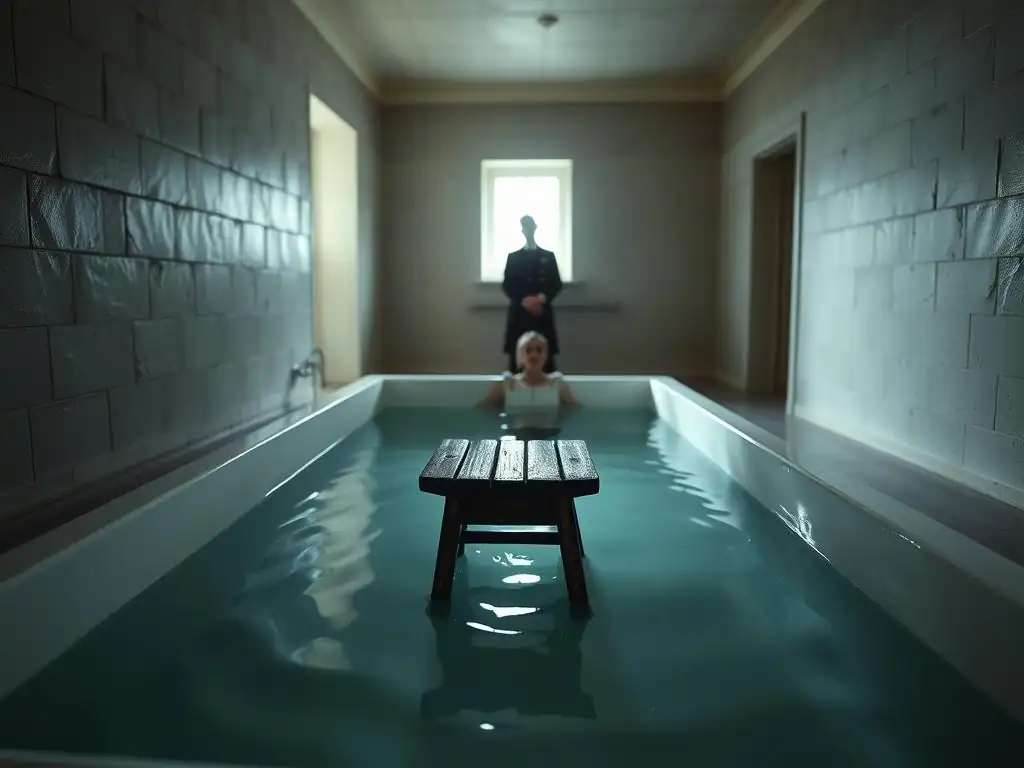
Hydrotherapy, the use of water in various forms and temperatures, was a popular and widely applied treatment method in 19th-century asylums. It was based on the belief that manipulating body temperature and circulation through water could influence mental states. Facilities often included elaborate bathing suites with specialized tubs and showers for different types of hydrotherapeutic interventions.
This approach ranged from relatively mild warm baths intended to soothe and relax to extreme applications of cold water aimed at shocking the system. While lacking robust scientific evidence by modern standards, hydrotherapy was considered a legitimate medical treatment at the time, believed to address underlying physiological imbalances thought to cause mental illness. It represented an attempt to apply physical treatments based on the limited medical understanding of the era.
The Application of Hydrotherapy in Mental Health
Hydrotherapy was used to treat a wide range of conditions believed to be associated with mental illness, including insomnia, agitation, depression, and what were then termed "mania" and "melancholia." The rationale often involved theories about humoral imbalances, nervous system excitability, or the need to "cleanse" the body. Different water temperatures and application methods were prescribed for specific conditions.
Asylums invested in sophisticated hydrotherapy equipment, reflecting the importance placed on this treatment. Patients might undergo daily or even multiple hydrotherapy sessions, often as a standard part of their treatment regimen. While some milder forms, like warm baths, might have offered temporary relief or relaxation, others were physically demanding and potentially distressing for the patient.
Cold Water Treatments: Rationale and Techniques
Cold water treatments were often applied with the rationale that they could shock the nervous system, stimulate circulation, and reduce excitement or agitation. Techniques included cold showers (sometimes delivered from a height or with considerable force), cold baths (often prolonged), and wrapping patients in cold, wet sheets ("wet sheet packs"). The theory was that the initial shock and subsequent reaction would have a therapeutic effect.
A notable cold water technique was the "plunge bath," where a patient was forcibly submerged in cold water. These methods were often physically harsh and could be terrifying for the patient. While potentially stimulating, the therapeutic benefits for complex mental health conditions were questionable, and these practices highlight the sometimes brutal nature of historical asylum treatment methods based on rudimentary physiological theories.
Warm Water Treatments: Rationale and Techniques
Warm water treatments were generally considered more soothing and were used to promote relaxation, reduce tension, and encourage sleep. Techniques included prolonged warm baths, often lasting for hours, and warm wraps. Continuous flow baths, where warm water constantly circulated, were also used, sometimes for days at a time, intended to calm severely agitated patients.
The rationale for warm water treatments was often linked to theories about promoting blood flow to certain areas or calming an overactive nervous system. While a warm bath can indeed be relaxing, the extended duration and sometimes involuntary nature of these treatments in the asylum setting raise questions about their true therapeutic efficacy versus their function as a means of sedation or control. They represent a milder, though still potentially coercive, form of historical asylum treatment.
Pharmaceutical Interventions in 19th Century Asylums
Compared to modern psychiatry, the role of pharmaceutical interventions in 19th-century asylums was relatively limited, primarily due to the rudimentary understanding of brain chemistry and the lack of effective psychotropic drugs. Treatments focused more on physical methods, environmental changes, and moral management. However, various substances derived from plants or minerals were used, often with uncertain effects and significant risks.
The pharmacological tools available were primitive and often based on empirical observation or outdated medical theories. There was no equivalent to modern antidepressants, antipsychotics, or mood stabilizers. Medications used were often aimed at sedation, inducing sleep, or treating perceived physical symptoms believed to be linked to mental disturbance, rather than directly addressing the underlying psychological or neurological processes.
The Limited Role of Medication
Medication was typically used symptomatically rather than as a primary treatment modality aimed at long-term recovery from specific mental illnesses. It might be administered to control extreme agitation, induce sleep in insomniacs, or alleviate physical complaints like constipation or pain, which were sometimes believed to be causes of mental disturbance. The understanding of dosage and potential side effects was also far less sophisticated than today.
Asylums relied heavily on non-pharmacological interventions as their main therapeutic tools. While a physician might prescribe a sedative or a purgative, these were often adjuncts to the broader regimen of moral treatment, hydrotherapy, or other physical methods. The limited availability of effective drugs meant that the core of historical asylum treatment methods resided in environmental management and physical interventions.
Common Medications Used and Their Effects
Commonly used substances included opiates (like laudanum) for sedation and pain, bromides (like potassium bromide) as sedatives and anticonvulsants, and various purgatives (like calomel or castor oil) based on the belief that cleansing the digestive system could improve mental health. Alcohol and cannabis extracts were also sometimes used for their calming or euphoric effects.
The effects of these substances were often non-specific and potentially harmful. Opiates carried a high risk of addiction, bromides could cause severe side effects including confusion and skin rashes with prolonged use, and purgatives could lead to dehydration and weakness. The lack of standardized dosages and understanding of drug interactions meant that patients were often subjected to potentially toxic or debilitating treatments under the guise of medical care.
Challenges in Pharmaceutical Treatment
Significant challenges faced pharmaceutical treatment in 19th-century asylums. These included a poor understanding of mental illness etiology, which hindered the development of targeted drugs. The substances available were often unpurified, inconsistent in potency, and administered without rigorous clinical trials. Monitoring for side effects was limited, and patient responses varied widely.
Furthermore, the administration of medication could sometimes be coercive, used to control uncooperative patients rather than for genuine therapeutic benefit. The lack of scientific rigor in both diagnosis and treatment meant that medication was often prescribed based on speculative theories rather than evidence, contributing to the sometimes haphazard and ineffective nature of historical asylum treatment methods.
Other Notable 19th Century Asylum Practices

Beyond the widely recognized methods like moral treatment and hydrotherapy, 19th-century asylums employed a variety of other practices, some rooted in outdated medical theories and others representing early forms of therapeutic engagement. These practices reflect the experimental and often desperate attempts to understand and treat mental illness with the limited knowledge available at the time.
These diverse approaches highlight the eclectic nature of care within these institutions. They ranged from invasive and potentially harmful medical interventions based on humoral theories to more benign activities aimed at engaging patients and providing structure. Understanding these practices is crucial for a comprehensive view of historical asylum treatment methods.
Bloodletting and Purging: Outdated Medical Practices
Bloodletting and purging were ancient medical practices that persisted into the 19th century and were applied to patients in asylums based on the humoral theory of medicine, which posited that illness resulted from an imbalance of bodily fluids (humors). It was believed that removing excess blood or inducing vomiting/diarrhea could restore balance and alleviate symptoms, including those of mental illness.
These practices were often performed routinely or in response to perceived signs of "excitation" or "congestion." While seemingly barbaric by modern standards, they were considered legitimate medical interventions by many physicians of the era. They underscore the degree to which mental and physical illnesses were intertwined in the medical understanding of the time, and how general medical practices were applied to psychiatric patients.
Rationale Behind Bloodletting
The rationale for bloodletting in asylum patients was often linked to the belief that conditions like mania or agitation were caused by an excess of blood or "plethora," particularly in the brain. It was thought that removing blood would reduce pressure, calm the patient, and restore physiological balance. Techniques included using lancets to open veins or applying leeches to draw blood.
While it might have had a temporary sedating effect due to blood loss, the practice was not based on an accurate understanding of mental illness and could weaken already vulnerable patients. Despite the decline of humoral theory, bloodletting persisted, illustrating the slow adoption of new medical knowledge and the reliance on traditional, albeit ineffective, methods in the treatment of mental disorders.
Rationale Behind Purging
Purging involved inducing vomiting or diarrhea using strong laxatives or emetics. The rationale was similar to bloodletting – to rid the body of perceived toxins or excess humors believed to be contributing to mental illness. It was thought that cleansing the digestive system could have a beneficial effect on the brain and nervous system.
Common purgatives included calomel (mercurous chloride), jalap, and castor oil. While these could effectively clear the bowels, they also caused significant discomfort, dehydration, and could be toxic (especially calomel). Like bloodletting, purging was a physically taxing treatment based on outdated medical theories, highlighting the often invasive and unscientific nature of some historical asylum treatment methods.
Occupational Therapy: Early Forms of Therapeutic Activities
Amidst the more controversial practices, 19th-century asylums also saw the emergence of early forms of occupational therapy. Recognizing the benefits of purposeful activity, many institutions encouraged or required patients to engage in work, crafts, or other activities. This aligned with the principles of moral treatment, which emphasized routine, industry, and engagement as therapeutic tools.
These activities were seen not just as a way to keep patients busy or contribute to the asylum's economy, but as a means to improve their mental state, restore skills, and provide a sense of purpose and accomplishment. It represented a more holistic approach, acknowledging the importance of meaningful engagement in the recovery process.
Purpose of Occupational Therapy
The primary purpose of occupational therapy in 19th-century asylums was multifaceted. It aimed to structure the patients' day, prevent idleness (which was often seen as detrimental), provide a sense of routine, and teach or maintain practical skills. It was also believed that engaging in work or creative activities could divert patients from their distressing thoughts and promote mental stability.
Furthermore, patient labor was often essential for the functioning of the asylum itself. Patients worked on farms, in laundries, kitchens, and workshops, contributing significantly to the institution's self-sufficiency. While this labor was sometimes exploitative, the underlying principle of purposeful activity as therapeutic laid the foundation for modern occupational therapy.
Examples of Occupational Therapy Activities
Examples of occupational therapy activities included farming and gardening (especially in rural asylums), laundry work, sewing, knitting, weaving, carpentry, and basket-making. Patients might also be involved in maintaining the asylum grounds or assisting with domestic chores. For female patients, activities often included needlework, cooking, and cleaning.
Institutions sometimes had dedicated workshops or farms where patients would spend a portion of their day. While the therapeutic benefit varied depending on how the activities were managed and the individual patient's condition, these practices represent one of the more positive and enduring aspects of historical asylum treatment methods, recognizing the value of engagement and productivity for mental well-being.
The Legacy of 19th Century Asylum Treatment Methods
The historical asylum treatment methods of the 19th century left a complex and often contradictory legacy. While the era began with reformist zeal and the promise of humane care through moral treatment, it ended with many asylums becoming overcrowded, underfunded institutions where custodial care and sometimes harsh physical methods predominated.
Understanding this history is vital for appreciating the evolution of mental health care. The successes and failures of 19th-century practices directly influenced subsequent reforms, leading to the development of new therapies, the deinstitutionalization movement, and a greater focus on community-based care and patient rights in the 20th and 21st centuries.
Impact on Modern Mental Health Care
The 19th century asylum era, despite its flaws, spurred important conversations about the nature of mental illness and the responsibility of society to care for those affected. The concept of a dedicated institution for mental health care, while later critiqued, was a step away from simply warehousing individuals in prisons or poorhouses. The principles of moral treatment, emphasizing environment, routine, and respectful engagement, foreshadowed elements of modern therapeutic communities and the importance of the therapeutic alliance.
Conversely, the negative aspects – overcrowding, the use of restraint and isolation, and the application of ineffective or harmful physical treatments – served as cautionary tales. They highlighted the dangers of institutionalization without adequate resources and oversight, contributing to the eventual push for deinstitutionalization and the development of community mental health services. The historical asylum treatment methods thus provided both positive principles and negative examples that informed future developments.
Criticisms and Lessons Learned from Historical Practices
Historical asylum treatment methods have faced significant criticism from later generations for their lack of scientific basis, potential for abuse, and failure to consistently provide effective care. Practices like prolonged restraint, harsh hydrotherapy, bloodletting, and purging are viewed as products of limited medical knowledge and sometimes reflected societal prejudices. The decline of moral treatment in many large asylums demonstrated the challenges of maintaining humane, individualized care in large institutional settings.
Lessons learned include the critical importance of evidence-based treatments, the need for adequate staffing and resources in mental health care, the dangers of institutionalization without proper oversight, and the fundamental ethical imperative to treat individuals with dignity and respect. The failures of the past underscore the ongoing need for research, reform, and a patient-centered approach to mental well-being.
The Evolution of Patient Rights and Advocacy
The experiences of patients within 19th-century asylums, and the subsequent critiques of historical asylum treatment methods, played a significant role in the development of patient rights movements. Accounts of neglect, abuse, and ineffective treatments fueled calls for reform and greater oversight. Advocates began to demand better conditions, more humane treatment, and eventually, the right to receive care in the least restrictive environment possible.
This era marked the beginning of a long struggle for the rights of individuals with mental illness. The recognition that patients were often disempowered and vulnerable within the asylum system spurred efforts to establish legal protections, advocate for alternatives to institutionalization, and ensure that future mental health care practices prioritized the well-being, autonomy, and voice of the patient.
Conclusion: Reflecting on Historical Asylum Treatment Methods
Reflecting on the historical asylum treatment methods of the 19th century reveals a complex landscape of evolving ideas, humanitarian aspirations, practical challenges, and sometimes regrettable practices. From the optimistic beginnings of moral treatment to the widespread use of physical methods like hydrotherapy and restraint, the era demonstrates society's early, often fumbling, attempts to address mental illness within dedicated institutions.
While some practices like occupational therapy hinted at future therapeutic approaches, others like bloodletting and harsh physical restraints serve as stark reminders of the limitations of medical knowledge and the potential for institutional systems to fail vulnerable individuals. Understanding these historical asylum treatment methods is crucial not only for academic insight but also for appreciating the progress made in mental health care and recognizing the ongoing importance of ethical, evidence-based, and patient-centered approaches.
Frequently Asked Questions
How were patients initially admitted to asylums in the 19th century?
Admission often relied on family petitions or physician recommendations, sometimes with questionable justification. This lack of rigorous criteria could lead to the wrongful confinement of individuals.
What was the purpose behind using hydrotherapy in 19th-century asylums?
Hydrotherapy, involving hot or cold water immersion, aimed to calm agitated patients or shock them back to "sanity." Its effectiveness was dubious and often based on unscientific theories.
What kind of restraints were commonly employed in these asylums?
Restraints included devices like straitjackets, manacles, and padded cells, used to control disruptive behavior. Their overuse often led to physical harm and psychological trauma.
Did any therapeutic approaches, besides physical ones, exist during this period?
While limited, some asylums introduced moral treatment, emphasizing compassion and rehabilitation. This involved activities like work, recreation, and social interaction.
How did the understanding of mental illness evolve throughout the 19th century, impacting asylum treatment?
Despite limited scientific understanding, there was a gradual shift from purely custodial care towards attempting treatment and understanding. This was driven by growing awareness of the humanity of patients.
Final Reflection: The Lingering Shadows of 19th-Century Asylum Practices
The inhumane treatments detailed within this article, though thankfully largely relegated to the past, continue to cast a long shadow on modern mental healthcare. The legacy of these practices serves as a stark reminder of the dangers of misunderstanding mental illness and the crucial need for ethical and compassionate approaches to treatment. We must never forget the suffering inflicted in the name of "cure."
The 19th century's approach to mental illness profoundly shaped our understanding of mental health, leaving an enduring impact on societal perceptions and the very structure of mental health institutions. The stigma surrounding mental illness, often rooted in the fear and misunderstanding perpetuated by these historical practices, persists to this day. The history of madness is not merely a history of the mad; it is also a history of those who have defined, judged, and treated them.
This quote highlights the crucial role of societal attitudes in shaping the treatment of mental illness, a lesson we must continue to learn from.
Consider the implications of this history. How have these past practices influenced current approaches to mental health? What steps can we take to ensure that the mistakes of the past are not repeated? You, the reader, hold the power to challenge stigma, advocate for better mental healthcare, and ensure that the lessons learned from this dark chapter in history are never forgotten. Let us strive to build a future where compassion and understanding guide our treatment of mental illness, leaving behind the cruel and ineffective methods of the past.
Unlock the Mysteries of 19th Century Mental Healthcare
Thanks for exploring the fascinating—and sometimes unsettling—world of 19th-century asylum treatments with us! You've gained valuable insight into a pivotal period in mental health history. Now, let's build on that knowledge:
- Dive deeper: Research a specific treatment mentioned in the article—hydrotherapy, moral treatment, or restraint—and share your findings in the comments below. This is your chance to become a history detective!
- Share your thoughts: Did any aspect of the article surprise you? What resonated most with you, and why? Let's spark a conversation about the evolution of mental healthcare.
- Explore further: Discover more about the lives and struggles of those who lived through this era. Consider searching for historical records or biographies related to 19th-century asylums.
What surprising parallels can you draw between 19th-century treatments and modern mental health practices?