
The Impact of War and Social Change on 19th Century Asylum Populations


Welcome to Mind Care Guide.
Ever wondered how societal shifts and the turmoil of war shaped the lives of those confined within 19th-century asylums? We invite you to delve into a fascinating, and often heartbreaking, exploration of "19th century asylum mental health" and uncover the complex interplay of social forces, medical practices, and the human experience. Prepare to challenge your preconceptions and gain a deeper understanding of a pivotal era in mental health history. What hidden stories lie within those walls? Let's begin.
The Impact of War and Social Change on 19th Century Asylum Populations
- Introduction: 19th Century Asylums, Social Upheaval, and Mental Health
- The Impact of War on 19th Century Asylum Admissions
- Social Change and the Evolution of 19th Century Asylum Mental Health
- Specific Social Changes and Their Correlation with Asylum Admissions
- The Evolution of Diagnoses and Treatment within 19th Century Asylums
- Case Studies: Examining the Impact of War and Social Change on Individual Asylums
- Critiques and Controversies Surrounding 19th Century Asylums
- The Legacy of 19th Century Asylums and Mental Health Reform
- Conclusion: Understanding the Complex Relationship Between War, Society, and 19th Century Asylum Mental Health
-
Frequently Asked Questions
- How did war contribute to the increase in asylum populations during the 19th century?
- What social changes significantly impacted mental health and asylum admissions in the 19th century?
- Were asylums in the 19th century primarily focused on treatment or containment?
- How did societal views on mental illness influence the care provided in 19th-century asylums?
- What were some common misconceptions about the causes of mental illness during the 19th century, and how did these affect asylum practices?
- Final Reflection: Echoes of the Past, Lessons for the Present
- Unlock the Hidden Stories: Explore 19th Century Asylum Life
Setting the Stage: The 19th Century Landscape of Mental Healthcare
The 19th century marked a period of profound transformation in how societies perceived and managed mental illness. Previously, individuals with mental health conditions were often cared for within families, almshouses, or local jails, with few dedicated institutions. The century witnessed a significant shift towards institutionalization, driven by a complex mix of humanitarian ideals, social anxieties, and evolving scientific understanding (or lack thereof).
Large-scale asylums, often modeled on reformers' visions, began to proliferate across Europe and North America, intended to provide structured care, moral treatment, and therapeutic environments away from the stresses of daily life. This era laid the groundwork for modern mental healthcare systems, but also introduced challenges related to scale, funding, and the nature of institutional confinement.
This period saw rapid growth in the number and size of these institutions. For example, in England and Wales, the number of identified "lunatics" housed in asylums rose dramatically from a few thousand at the start of the century to over 100,000 by its close.
This expansion wasn't merely due to population growth; it reflected changing social policies, legal frameworks (like the Lunacy Acts in Britain), and a growing belief that mental illness required specialized, often long-term, institutional care. The landscape of 19th century asylum mental health was thus one of burgeoning institutions attempting to cope with a poorly understood and increasingly visible societal challenge.
The dramatic expansion of 19th century asylums was not an isolated phenomenon but was deeply intertwined with the tumultuous events and shifts of the era. Major wars and sweeping social changes acted as powerful catalysts, influencing both the demand for asylum services and the characteristics of the populations within them. These external forces created societal pressures that contributed to mental distress and altered the mechanisms by which individuals were identified, categorized, and ultimately admitted to institutions.
The 19th century was marked by significant conflicts, such as the Napoleonic Wars and the Crimean War, which exposed soldiers and civilians alike to unprecedented levels of trauma. Simultaneously, the Industrial Revolution fundamentally reshaped urban life, social structures, and economic realities, creating new forms of stress and dislocation. These concurrent pressures directly impacted the perceived need for and the actual admissions to 19th century asylums, challenging the capacity and therapeutic ideals of these burgeoning institutions and shaping the very nature of 19th century asylum mental health care.
The Impact of War on 19th Century Asylum Admissions
Napoleonic Wars and the Rise in Mental Health Cases
The prolonged and widespread conflict of the Napoleonic Wars (roughly 1803-1815) had a palpable impact on the mental health of European populations, particularly veterans. While the concept of "shell shock" or PTSD was not yet defined, contemporaries observed a noticeable increase in cases of what they termed "military madness" or "nervous complaints" among soldiers returning from campaigns. These men often displayed symptoms like extreme anxiety, nightmares, erratic behavior, and an inability to reintegrate into civilian life, which were poorly understood within the medical framework of the time.
Reports from military hospitals and civilian asylums during and immediately after the wars indicated a surge in admissions related to war service. For instance, British military hospitals saw a rise in cases attributed to "brain fever" or "nervous exhaustion" following strenuous campaigns. While precise, comprehensive statistics linking individual asylum admissions directly to war service across Europe are difficult to compile historically, anecdotal evidence and institutional records from the period strongly suggest that the trauma and physical hardships of the Napoleonic conflicts contributed significantly to the growing population requiring institutional care for mental distress in 19th century asylums.
The Crimean War's Lingering Effects on Asylum Populations
Decades after the Napoleonic era, the Crimean War (1853-1856) again highlighted the psychological toll of conflict, albeit on a different scale and with some evolving medical understanding. While shorter than the Napoleonic conflicts, the Crimean War was characterized by brutal conditions, disease, and traumatic battles, leading to a significant number of casualties and veterans suffering from both physical and mental ailments. The experiences of soldiers during this war, particularly the horrors witnessed in battles like Balaclava and Inkerman and the harsh conditions of the siege of Sevastopol, contributed to mental health issues that manifested after their return.
As veterans were discharged, many struggled with persistent psychological symptoms. These issues, often labeled vaguely as "nervous debility" or "mental aberration," sometimes led to difficulties in employment and social functioning, increasing the likelihood of institutionalization. While specific figures are challenging to isolate, the post-Crimea period saw continued pressure on existing asylum facilities as they received veterans whose mental state had deteriorated, illustrating the enduring connection between military conflict and admissions to 19th century asylums.
Post-War Trauma and the Stigma of "Nervous Exhaustion"
The psychological consequences of 19th-century warfare, though not formally diagnosed as PTSD, were a reality for many veterans and were frequently categorized under broad terms like "nervous exhaustion," "neurasthenia," or simply "madness." These terms often encompassed a range of symptoms now recognized as related to trauma, anxiety, and depression. The lack of specific diagnostic categories for war-related mental illness meant that veterans' conditions were often lumped in with other forms of perceived insanity, leading to admission into general 19th century asylums rather than specialized care.
Furthermore, a significant stigma was attached to these conditions. Military culture often emphasized resilience and stoicism, making it difficult for soldiers to acknowledge psychological suffering. Families also faced shame or difficulty in caring for veterans whose behavior had changed dramatically. This combination of poorly understood symptoms, lack of specialized support, and prevailing social stigma meant that institutionalization in a 19th century asylum became a common, albeit often inappropriate, solution for veterans grappling with the invisible wounds of war.
Industrial Revolution: Urbanization, Poverty, and Mental Strain
The 19th century was the age of the Industrial Revolution, a period of unprecedented technological advancement, economic restructuring, and massive demographic shifts. Millions migrated from rural areas to burgeoning industrial cities in search of work. This rapid urbanization led to severe overcrowding, inadequate housing, poor sanitation, and brutal working conditions in factories and mines. Families were often separated, traditional community support structures weakened, and individuals faced relentless economic pressure and social dislocation.
These harsh urban realities created significant mental strain. The constant struggle for survival, the loss of familiar social networks, the anonymity of city life, and the exposure to novel environmental stressors contributed to rising levels of anxiety, depression, and other mental health problems. While it's difficult to draw a direct causal line from industrialization to individual cases, the correlation between rapid urban growth and increasing asylum populations in industrial centers was widely noted by contemporaries, highlighting the profound impact of these societal changes on 19th century asylum mental health.
Changing Family Structures and Their Impact on Mental Healthcare
The Industrial Revolution and related social changes also dramatically altered traditional family structures and roles. The shift from agrarian or small-scale craft economies, where families often worked together and cared for dependents within the home, to industrial wage labor meant that family members, particularly men, spent long hours away from home. Women's roles also changed, and the ability of families to provide care for members with chronic illness or disability, including mental health conditions, was often diminished, especially in impoverished urban settings.
This weakening of traditional family support systems meant that families less able to cope with a member experiencing mental illness were more likely to seek external solutions. As asylums became more numerous and accessible (though often still expensive or requiring poor law intervention), they became the primary, and sometimes only, option for families overwhelmed by the burden of care. This shift underscores how evolving family dynamics directly influenced the pathway to institutionalization and the demand for 19th century asylum mental health services.
The Rise of "Moral Treatment" and its Contradictions in a Changing Society
The early 19th century saw the rise of "Moral Treatment," a reform movement advocating for humane care within asylums. Pioneers like William Tuke at the York Retreat emphasized kindness, routine, purposeful activity, and a tranquil environment as therapeutic tools, moving away from chains and harsh restraints. This philosophy aimed to treat patients with dignity and believed that a supportive social environment could facilitate recovery. Early, smaller asylums often attempted to implement these principles, seeing some success.
However, as the century progressed and asylum populations exploded due to the pressures of war and social change, the ideals of Moral Treatment became increasingly difficult to uphold. Overcrowding became rampant, staff-to-patient ratios plummeted, and individualized care became nearly impossible. The very social forces driving admissions undermined the therapeutic environment reformers had envisioned. This created a stark contradiction in 19th century asylum mental health: institutions built on principles of humane care often devolved into custodial warehouses struggling to manage overwhelming numbers of patients amidst societal upheaval.

Population Growth and Increased Demand for Asylum Services
One of the most undeniable social changes of the 19th century was rapid population growth across much of the Western world. For example, the population of England and Wales nearly quadrupled over the century. While mental illness rates are not believed to have necessarily quadrupled, a larger overall population naturally meant a larger absolute number of people experiencing mental health challenges at any given time. This demographic reality alone placed increasing pressure on existing institutions and fueled the demand for more asylum beds.
Moreover, as societies became more structured and bureaucratic, and asylums became the designated locus for mental healthcare, individuals who might previously have been cared for informally or managed within their communities were increasingly identified and directed towards institutional settings. This combination of sheer population increase and changing societal approaches to managing mental difference meant that the number of people seeking or being directed towards 19th century asylum mental health services grew significantly throughout the period.
Social attitudes towards mental illness underwent a slow, complex evolution during the 19th century. While fear and stigma remained prevalent, there was also a growing recognition among reformers and the medical community that "madness" was a medical condition requiring treatment, not merely a moral failing or demonic possession. This led to calls for more humane care and the establishment of dedicated institutions. Legislation, such as the County Asylums Act of 1845 in England, mandated the provision of asylum care for the poor, shifting responsibility from parishes to counties and making institutionalization more accessible, particularly for those without financial means.
This shift in attitudes, coupled with legal changes, directly influenced admission patterns. Asylums became the default solution for a wider range of mental health conditions and for a broader segment of the population, especially the poor. The perception shifted from hiding away the afflicted to a belief, however flawed in practice, that the asylum offered the best chance for recovery or at least humane containment. This transformation in societal perspective played a crucial role in the expansion and function of 19th century asylum mental health care.
Poverty was arguably the single greatest predictor of admission into a 19th century asylum. The vast majority of patients in public asylums were from the working class or were destitute. The stresses of poverty – malnutrition, poor housing, precarious employment, lack of social safety nets – were significant contributors to mental distress. Furthermore, impoverished families lacked the resources to provide care at home, making the asylum, often via the Poor Law system, the only viable option when a family member became mentally ill.
Social inequality also manifested in the types of care received. While wealthy individuals might be treated by private physicians or admitted to exclusive, smaller "single patient" houses or private asylums offering more comfortable conditions and potentially closer adherence to Moral Treatment principles, the poor were confined to overcrowded public institutions where basic custodial care often superseded therapeutic goals. This stark class divide within 19th century asylum mental health care meant that social status profoundly influenced both the likelihood of institutionalization and the quality of care received.
The Evolution of Diagnoses and Treatment within 19th Century Asylums
The 19th century saw the nascent development of psychiatric classification, moving away from broad terms like "melancholia" or "mania" towards more specific categories, though these were often fluid and influenced by prevailing social norms. Conditions like "moral insanity" (behavior deemed socially deviant but without obvious intellectual impairment), "neurasthenia" (a catch-all for nervous exhaustion), and various forms of dementia were increasingly identified and cataloged. However, diagnoses were often subjective and heavily influenced by observed behavior and social context.
For instance, women exhibiting behavior that deviated from expected Victorian norms (e.g., assertiveness, refusal to conform) might be diagnosed with hysteria or other conditions deemed specific to their sex. Similarly, individuals from lower social classes whose behavior disrupted public order were more likely to receive diagnoses leading to long-term confinement. This fluidity and social bias in diagnosis within 19th century asylum mental health reflected the limited scientific understanding of the time and the powerful influence of societal expectations on medical practice.
As noted earlier, social class profoundly impacted the treatment offered within 19th century asylums. In large public institutions serving the poor, the sheer volume of patients and limited resources often meant that "treatment" amounted to little more than basic custody, routine, and manual labor for those deemed capable. Therapeutic interventions like Moral Treatment, occupational therapy, or early forms of psychotherapy were difficult to implement on a large scale. Physical treatments, such as baths, poultices, or sedatives (like opium or chloral hydrate), were used, but often without rigorous medical oversight.
In contrast, private asylums catering to the wealthy might offer more individualized attention, better food and accommodation, structured therapeutic activities, and access to more experimental or expensive treatments of the era. While the fundamental understanding of mental illness remained limited across the board, the resources available to implement care varied dramatically based on a patient's social standing. This created a two-tiered system within 19th century asylum mental health, where access to potentially beneficial care was heavily dependent on wealth.
Evolving Theories of Mental Illness and their Impact on Asylum Practices
Throughout the 19th century, theories about the causes of mental illness evolved, though often lacked empirical basis. Early in the century, emphasis was often placed on moral failings, lifestyle choices, or emotional shocks. Later, more physiological explanations gained traction, focusing on brain pathology, heredity, or physical imbalances. The concept of "degeneration," suggesting mental illness was a hereditary decline, became influential in the latter half of the century, sometimes justifying long-term segregation and institutionalization.
These changing theories directly influenced asylum practices. Belief in moral causes supported the therapeutic environment of Moral Treatment. Emphasis on physical causes led to somatic treatments, including early, often crude, surgical interventions or pharmacological experiments. The degeneration theory, unfortunately, sometimes contributed to a sense of therapeutic pessimism in some institutions, focusing more on custodial care and segregation of the "unfit" rather than active treatment aimed at recovery. The evolving, often speculative, scientific understanding of the time thus shaped the daily realities of 19th century asylum mental health care.
Bethlem Royal Hospital - An Example of War's Influence
Bethlem Royal Hospital, or "Bedlam" as it was popularly known, one of the oldest institutions for the mentally ill, underwent significant changes in the 19th century, reflecting both internal reform movements and external pressures like war. While Bethlem served a complex population, records from periods following major conflicts like the Napoleonic Wars show an increase in admissions of former soldiers. These veterans presented with symptoms often linked to their military service, placing additional demands on the hospital's resources and staff, who were grappling with outdated facilities and evolving ideas about care.
The hospital's experience illustrates how even established institutions had to adapt, or often struggled to adapt, to the influx of patients whose conditions were exacerbated or triggered by the unique stresses of warfare. The sheer number of cases, combined with the specific nature of military trauma, presented new challenges for diagnosis and management within the traditional framework of 19th century asylum mental health, pushing institutions like Bethlem to confront the psychological costs of conflict.
The York Retreat, founded by the Quaker William Tuke in the late 18th century, is renowned as a model of Moral Treatment. Its early success was based on a relatively small scale, a supportive therapeutic community, and individualized care. However, even the Retreat was not entirely immune to the broader social changes of the 19th century. While it largely served a middle-class or wealthy clientele who could afford its fees, the increasing societal awareness of mental illness and the growth of institutions generally meant that the Retreat's role evolved within the wider landscape of 19th century asylum mental health.
As public asylums expanded, the Retreat remained a smaller, private alternative. Its patient demographics, while different from public asylums (fewer poor, more middle/upper class), still reflected changing family dynamics and social expectations among its clientele. The need for a place offering humane, private care for those whose families could no longer cope or wished to avoid the stigma of public institutions highlights how social shifts influenced the demand for different types of asylum care, even within the reform-minded sector.
Comparing and Contrasting Asylum Experiences Across Different Regions
Comparing asylum experiences across different regions (e.g., Britain, France, the United States) in the 19th century reveals both shared trends and significant variations shaped by local social, political, and economic contexts. While the general movement towards institutionalization and the impact of industrialization and war were widespread, the pace of reform, the nature of legislation, and the scale of institutions differed.
French asylums, influenced by figures like Pinel and Esquirol, also grappled with overcrowding and the tension between therapeutic ideals and custodial realities. In the United States, states developed large public asylums, often influenced by Dorothea Dix, but faced similar challenges of underfunding and overcrowding as populations grew rapidly and civil war added to the burden.
British asylums, particularly after the 1845 Act mandating county provision, became large, often architecturally imposing institutions housing thousands. Their experience with managing vast numbers of poor patients contrasted with the smaller, more private institutions available to the wealthy. These regional differences underscore that while the broad forces of war and social change were global, their specific impact on 19th century asylum mental health was mediated by local historical trajectories and policy choices.
Critiques and Controversies Surrounding 19th Century Asylums
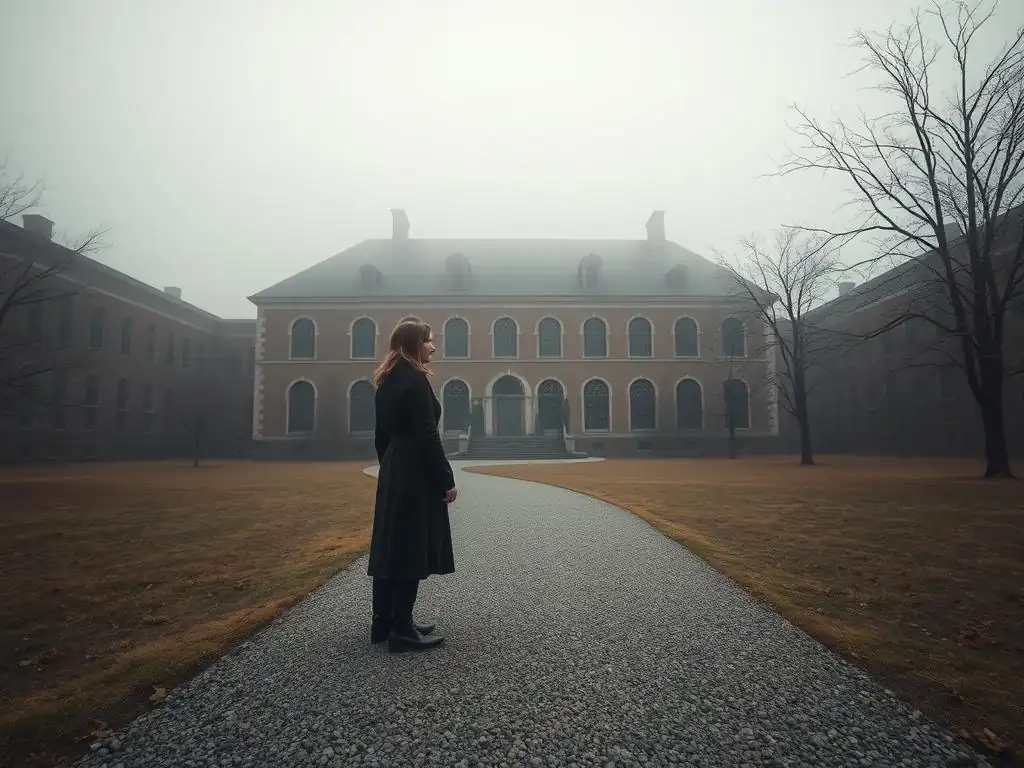
The Dark Side of Asylum Care: Abuse and Neglect
Despite the reformist ideals of Moral Treatment, the reality of care in many 19th century asylums, particularly the large public institutions, was often far from ideal. Overcrowding was a persistent problem, leading to poor sanitation, lack of privacy, and inadequate resources per patient. Instances of neglect were common, ranging from insufficient heating and poor nutrition to a lack of basic medical care for physical ailments.
More disturbing were documented cases of abuse. While straitjackets and other restraints were sometimes used under medical direction, their prolonged and unnecessary application was reported. Beatings, punitive cold baths, and other cruel treatments occurred, often due to overworked, undertrained, or callous staff. Investigations and exposés throughout the century highlighted these abuses, revealing the stark "dark side" of 19th century asylum mental health care that contradicted the benevolent intentions of reformers and illustrated the dangers inherent in institutional power dynamics.
Questioning the Effectiveness of Asylum Treatment
Even when free from abuse, the actual therapeutic effectiveness of 19th century asylum treatments is a subject of debate and historical scrutiny. While some patients undoubtedly benefited from removal from stressful environments, routine, and basic care, the lack of effective medical treatments for most mental illnesses meant that "cure" rates were often low, particularly for chronic conditions. Many admissions were for life or for very long durations.
The treatments offered, from physical regimens to moral exhortations, were based on limited scientific understanding. The sheer scale of institutions often prevented the individualized attention that Moral Treatment advocated. For many patients, the asylum provided little more than custodial care, a place for segregation from society rather than a path to recovery and reintegration. This raised fundamental questions about whether the asylum model, despite its widespread adoption, was truly effective in addressing the complex challenges of 19th century asylum mental health.
The Voices of Patients and Their Experiences within the System
Historically, the experiences of patients within 19th century asylums have often been overlooked or filtered through the perspectives of doctors and administrators. However, surviving letters, diaries, memoirs, and reports from former patients offer crucial, albeit often harrowing, insights into the realities of institutional life. These accounts frequently describe feelings of powerlessness, isolation, boredom, and frustration. Patients lamented the loss of autonomy, the lack of meaningful activity, and the difficulty in communicating their needs or experiences to staff.
These personal narratives reveal that despite the stated goals of therapeutic care, the asylum experience could be dehumanizing. Patients felt misunderstood, their complaints dismissed, and their individuality suppressed by institutional routines and regulations. Accessing these voices is essential for a more complete understanding of 19th century asylum mental health, reminding us that behind the statistics and policies were individuals whose lives were profoundly shaped by their confinement.
The Legacy of 19th Century Asylums and Mental Health Reform
The Transition to 20th Century Mental Healthcare
The critiques and controversies surrounding 19th century asylums laid the groundwork for significant reforms in the 20th century. The overwhelming size, custodial focus, and documented abuses of the large institutions fueled calls for change. Scientific advancements, particularly in understanding the biological bases of some mental illnesses and the development of psychotropic medications from the mid-20th century onwards, offered new possibilities for treatment outside of total institutional confinement.
This led to the gradual movement towards deinstitutionalization in many Western countries starting in the mid-to-late 20th century. The aim was to shift care from large asylums to smaller community-based facilities, outpatient services, and psychiatric hospitals focused on acute care. This transition, while complex and not without its own challenges, marked a fundamental departure from the model of 19th century asylum mental health that had dominated the previous era.
Lessons Learned from the Asylum Era
Studying the history of 19th century asylums offers invaluable lessons for contemporary mental healthcare. It highlights the dangers of overcrowding and underfunding in mental health facilities. It underscores the importance of individualized care and humane treatment, reminding us that even well-intentioned systems can fail without adequate resources and oversight. The impact of social determinants – poverty, inequality, social dislocation – on mental health, so evident in 19th-century asylum populations, remains a critical factor today.
Furthermore, the history of evolving diagnoses and the influence of social context serves as a cautionary tale about the potential for bias in classification and the importance of understanding mental health within its broader societal framework. The experience of 19th century asylum mental health teaches us the necessity of listening to patient voices and ensuring that care is empowering and supportive, not merely custodial.
The Ongoing Debate about Institutionalization and Community Care
The legacy of 19th century asylums continues to inform the ongoing debate about the role of institutions versus community-based care in modern mental healthcare. While the large, isolated asylum is largely a thing of the past in many countries, the question of how to best support individuals with severe and enduring mental illness remains complex. The challenges faced by community mental health services (funding, housing, support networks) are significant, and for some individuals, a structured residential environment may still be necessary.
Understanding the history of 19th century asylum mental health helps contextualize this debate. It reminds us why the move away from total institutionalization was necessary, but also prompts consideration of what was lost in the transition and what comprehensive community care truly requires to be effective. The past continues to shape discussions about how society should best care for its most vulnerable members struggling with mental illness.
Conclusion: Understanding the Complex Relationship Between War, Society, and 19th Century Asylum Mental Health
Reflecting on the Past to Inform the Future of Mental Healthcare
The history of 19th century asylum mental health is a powerful reminder of the intricate connections between individual well-being and the broader societal context. The pressures of war inflicted trauma on soldiers and civilians, while the upheaval of the Industrial Revolution created unprecedented social and economic stressors that contributed to mental distress. These forces didn't just happen alongside the rise of asylums; they actively shaped who was admitted, in what numbers, and the conditions they faced within institutions.
By reflecting on this past, we gain crucial insights into the enduring impact of social determinants on mental health and the challenges inherent in providing effective care on a large scale. The lessons from the asylum era – about the importance of humane treatment, adequate resources, individualized care, and addressing the root causes of distress – are directly applicable to building more resilient and effective mental healthcare systems today.
The Enduring Relevance of Studying 19th Century Asylum History
Studying the history of 19th century asylum mental health is not merely an academic exercise; it holds profound relevance for contemporary society. It helps us understand the historical roots of current mental health systems, providing context for ongoing debates about treatment, institutionalization, and stigma. It highlights how societal values, economic forces, and political decisions directly impact the lives of individuals experiencing mental illness.
Furthermore, examining this era fosters empathy by revealing the struggles of both patients and caregivers within the limitations of the time. It encourages a critical perspective on current practices, urging us to constantly evaluate whether our approaches are truly serving the needs of those seeking help and whether we are adequately addressing the societal factors that contribute to mental health challenges. The story of the 19th century asylum is a vital chapter in the long history of human efforts to understand and care for the mind.
Frequently Asked Questions
How did war contribute to the increase in asylum populations during the 19th century?
War led to a rise in mental health disorders like shell shock and PTSD, resulting in more individuals requiring institutionalization. Increased societal stress and trauma also played a significant role, leading to a greater demand for asylum care.
Industrialization, urbanization, and rapid societal shifts created stressful living conditions for many. This led to increased rates of mental illness and a greater need for asylum beds to cope with the growing number of patients.
Were asylums in the 19th century primarily focused on treatment or containment?
While some asylums aimed for treatment, the reality was often more about containment and social control. Overcrowding and limited resources frequently hindered the ability to provide effective therapeutic interventions.
How did societal views on mental illness influence the care provided in 19th-century asylums?
Mental illness was often stigmatized and misunderstood, leading to dehumanizing treatment in many asylums. Patients were frequently subjected to harsh conditions and experimental procedures due to a lack of understanding of mental health.
What were some common misconceptions about the causes of mental illness during the 19th century, and how did these affect asylum practices?
Common misconceptions included blaming mental illness on moral failings or physical ailments, leading to ineffective and sometimes harmful practices. This resulted in unscientific treatments and a focus on physical restraint rather than psychological therapies.
Final Reflection: Echoes of the Past, Lessons for the Present
The devastating impact of war and societal upheaval on mental health remains a stark reality, echoing across centuries and directly impacting our understanding of 19th-century asylum populations. The rise in admissions during and after periods of conflict, coupled with the evolving societal attitudes towards mental illness explored in this article, highlight a crucial link between external stressors and internal struggles that continues to resonate today. We cannot afford to ignore the enduring legacy of these historical patterns.
The 19th century's asylum system, while flawed by today's standards, serves as a poignant reminder of the societal burden of mental illness and the often-inadequate responses to it. The stories of those confined within its walls, often victims of circumstance as much as illness, demand our attention. The insane are the victims of society, not its criminals.
This sentiment, though perhaps not fully realized in the 19th century, underscores the need for compassionate and effective mental healthcare systems that address the root causes of suffering, not just the symptoms. Understanding the past allows us to better navigate the complexities of mental health challenges in the present.
Consider the parallels between the social anxieties of the 19th century and our own. What societal pressures contribute to mental health crises today? How can we, as individuals and as a society, create a more supportive and understanding environment for those struggling with mental illness? You have the power to be a part of the solution. By engaging with this history, by fostering empathy, and by advocating for improved mental healthcare access and resources, we can build a future where the echoes of the past inspire a more compassionate and effective approach to mental well-being for all.
Thanks for taking the time to delve into the fascinating—and often unsettling—impact of war and social change on 19th-century asylum populations. You've gained valuable insights into a largely overlooked chapter of history. Now, let's take that knowledge further!
- Dive Deeper: Research a specific 19th-century asylum or individual case study. See if you can find firsthand accounts or digitized records to bring these stories to life.
- Share Your Thoughts: What surprised you most about the connections between social upheaval and mental health treatment in this era? Let us know in the comments below!
- Connect with History: Visit a local historical society or museum with archives related to mental health or social history. Discover how these themes resonate with contemporary issues.
What other unexpected links between historical events and mental health treatment do you think we should explore?