
Early Occupational Therapy: Work and Routine in 19th Century Institutions

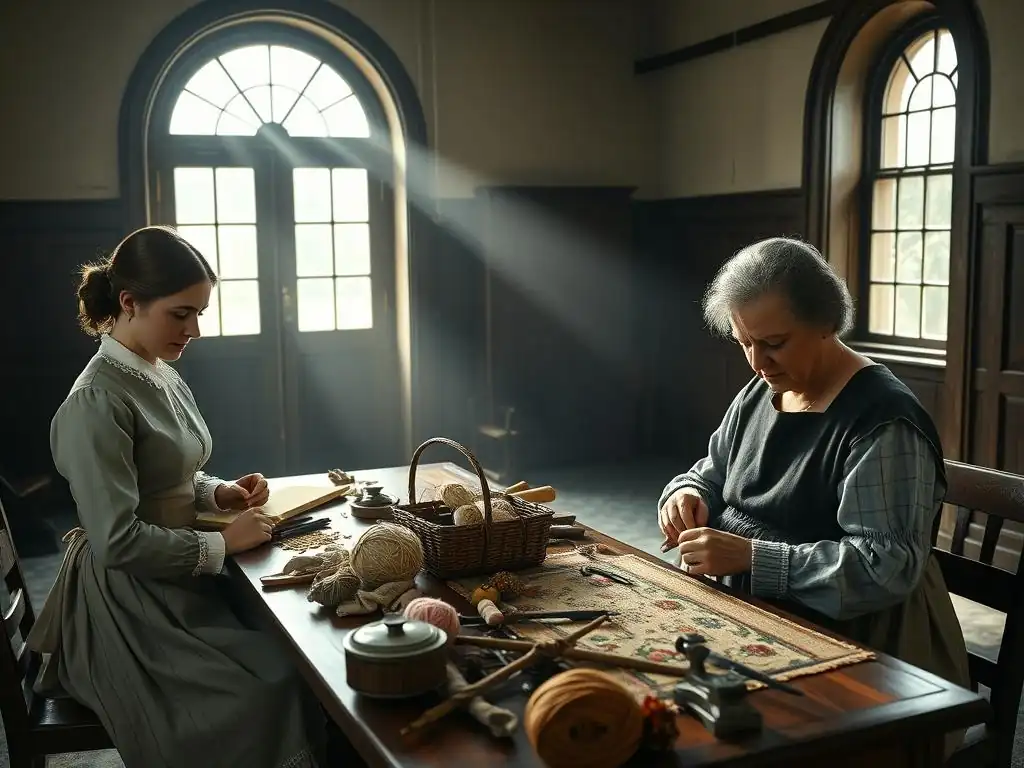
Welcome to Mind Care Guide.
Feeling lost in the complexities of modern mental healthcare? Take a step back with us and explore the fascinating roots of therapeutic practices. In this article, we delve into Early Occupational Therapy, uncovering the surprisingly innovative approaches to mental well-being found in 19th century occupational therapy jobs. Discover how work and routine were utilized in institutions to foster healing and recovery. What lessons can we learn from these historical approaches that might still resonate today? Read on to find out...
- Early Occupational Therapy: Work and Routine in 19th Century Institutions
- The Role of Work in 19th Century Asylum Treatment
- Daily Routine and Therapeutic Activities
- The Evolution of Occupational Therapy Principles
- Impact and Legacy of 19th Century Occupational Therapy Practices
- Occupational Therapy Roles in the 1800s: A Closer Look
- Conclusion: Reflecting on the Origins of Occupational Therapy
-
Frequently Asked Questions
- How did occupational therapy principles manifest in 19th-century institutions before the formal profession existed?
- What types of "occupations" were commonly used in 19th-century therapeutic settings?
- How did the prevailing social attitudes of the 19th century influence the design of occupational programs?
- What were the perceived benefits of engaging in work and routine for individuals with mental health challenges in the 19th century?
- How did these early practices lay the groundwork for the development of modern occupational therapy?
- Final Reflection: The Enduring Legacy of Early Occupational Therapy
- Unlock the Secrets of 19th-Century Occupational Therapy!
Early Occupational Therapy: Work and Routine in 19th Century Institutions
Understanding the Context: 19th Century Mental Health Care
The 19th century marked a period of significant, albeit often challenging, transformation in the approach to mental health care. Prior to this era, individuals with mental illnesses were frequently confined in overcrowded, custodial institutions or almshouses, where conditions were often dire and treatment was minimal or non-existent. Restraint and sedation were common practices, and the focus was primarily on containment rather than rehabilitation or recovery. Public perception was often one of fear and misunderstanding, contributing to the isolation of those affected.
However, a reform movement began to gain momentum, particularly in the latter half of the century, driven by humanitarian ideals and a growing belief that mental illness could be treated. This shift led to the development of larger asylums, intended to be therapeutic environments, though their effectiveness varied widely. While some embraced more progressive ideas, others replicated the custodial model on a larger scale. The need for more humane and structured approaches became increasingly apparent as asylum populations grew, sometimes housing thousands of patients by the late 1800s.
The Seeds of Occupational Therapy: A New Approach to Treatment
Amidst the evolving landscape of 19th-century mental health care, the concept of "moral treatment" emerged as a revolutionary alternative to traditional methods. Pioneered by figures like Philippe Pinel in France and William Tuke in England, moral treatment emphasized kindness, respect, and engagement in purposeful activities as key components of recovery. It posited that providing a structured, supportive environment, free from harsh restraints, could positively influence a patient's mental state.
Within the framework of moral treatment, work and routine were not merely diversions but were considered integral therapeutic tools. The belief was that engaging in productive labor and following a predictable daily schedule could instill discipline, restore a sense of purpose, reduce agitation, and improve overall well-being. This foundational idea — that meaningful activity has therapeutic value — laid the groundwork for what would later be formalized as occupational therapy, defining many of the early 19th century occupational therapy jobs available within these institutions.
The Role of Work in 19th Century Asylum Treatment
Moral Treatment and the Value of Labor
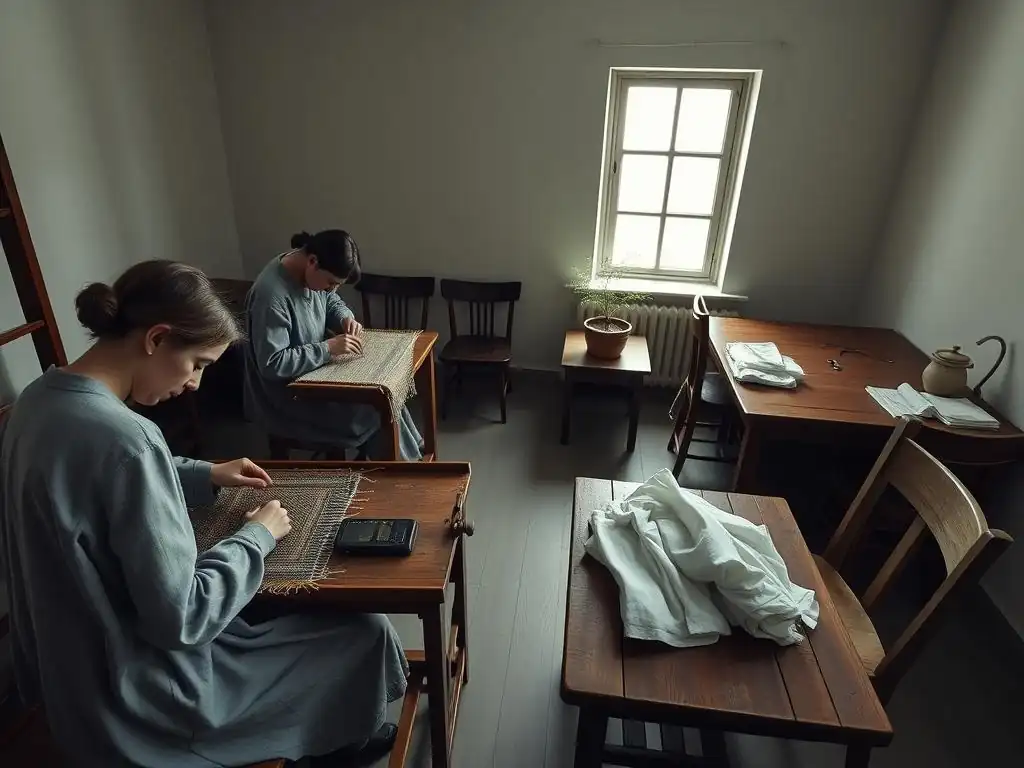
Moral treatment fundamentally shifted the perspective on mental illness from an incurable condition requiring only restraint to a potentially treatable ailment influenced by social and environmental factors. Central to this philosophy was the conviction that engaging patients in regular, purposeful labor was not only morally uplifting but also medically beneficial. Work was seen as a way to combat idleness, which was often viewed as contributing to or exacerbating mental distress. By participating in the daily tasks necessary for the asylum's operation, patients could regain a sense of responsibility, contribute to the community, and experience the satisfaction of productivity.
This emphasis on labor was deeply intertwined with the prevailing social values of the time, which often equated idleness with moral failing. For asylum administrators and reformers, providing 19th century occupational therapy jobs meant offering patients a pathway back to normalcy and social acceptance. It was believed that by mimicking the routines of healthy life outside the institution, patients could be better prepared for reintegration into society. The value placed on labor meant that these activities were considered a core part of the therapeutic regimen, listed alongside medical treatments and moral guidance in patient care plans.
Types of 19th Century Occupational Therapy Jobs in Asylums
The specific types of work available to patients varied depending on the asylum's location, size, and resources, but they generally fell into categories essential for the institution's self-sufficiency. These 19th century occupational therapy jobs provided structure and purpose, aiming to mirror tasks found in the outside world. While the term "occupational therapy" wasn't formally coined until the early 20th century, the practices of engaging patients in meaningful occupations were well established throughout the 1800s.
These patient jobs were often labor-intensive and critical to the asylum's operation, sometimes blurring the lines between therapeutic activity and necessary, unpaid labor. However, the stated intention was almost always therapeutic, focusing on the benefits of routine, skill-building, and productivity for the patient's mental state. The variety of tasks meant that efforts were sometimes made to match patients with work suited to their physical condition and previous skills, though the needs of the institution often dictated placements.
Agricultural Work: Farming and Gardening as Therapy
Many 19th-century asylums were situated on large tracts of land, enabling them to maintain extensive farms and gardens. Agricultural work became one of the most common 19th century occupational therapy jobs for both male and female patients, particularly in rural institutions. Patients were involved in a wide range of tasks, including plowing fields, planting and harvesting crops, tending livestock such as cows, pigs, and chickens, and maintaining vegetable gardens and orchards.
This type of labor offered numerous therapeutic benefits. Physical activity in the fresh air was believed to improve physical health, which was seen as intrinsically linked to mental well-being. Working with plants and animals provided a connection to nature and a sense of nurturing.
The cyclical nature of farming – planting, growing, harvesting – offered a predictable routine and tangible results, fostering a sense of accomplishment. For example, at institutions like the Worcester State Hospital in Massachusetts, established in the 1830s, patient labor on the asylum farm significantly contributed to feeding the large patient population, with detailed records sometimes showing yields of thousands of bushels of potatoes or hundreds of tons of hay produced annually through patient effort.
Industrial Occupations: Workshops and Skilled Trades
Beyond agriculture, many asylums established workshops where patients could engage in more skilled or industrial 19th century occupational therapy jobs. These workshops provided opportunities for patients to learn or utilize trades, producing goods for the asylum's use or sometimes for sale. Common activities included weaving textiles for bedding and clothing, carpentry for furniture and repairs, shoemaking, tailoring, printing asylum newsletters or documents, and even tasks like basket weaving or broom making.
These occupations required focus, dexterity, and often collaboration, promoting cognitive function and social interaction. Learning a trade offered patients a sense of purpose and potentially a skill that could be used upon discharge. At institutions like the Pennsylvania Hospital for the Insane, under the direction of Dr. Thomas Kirkbride, workshops were considered vital therapeutic spaces. While precise patient participation numbers from the 1800s are scarce, reports often highlighted the value of these workshops in keeping patients "usefully employed," noting production of items like hundreds of yards of cloth or dozens of pairs of shoes annually through patient labor.
Domestic Activities: Housekeeping and Laundry
Domestic work constituted another significant category of 19th century occupational therapy jobs, particularly for female patients, though men also participated in some tasks. These activities were essential for the daily functioning of the large asylum buildings. Tasks included cooking and preparing meals for hundreds of residents, cleaning wards and common areas, doing laundry by hand using large vats and washboards, sewing and mending clothing, and general upkeep of the institution's interior.
Engaging in domestic duties provided a sense of contributing to the community and maintaining a semblance of normal home life. These tasks were often familiar to patients from their lives before institutionalization, offering comfort and continuity. While demanding, this work provided a clear routine and immediate results, like a clean floor or neatly folded laundry. Asylum records frequently noted the vast amount of domestic labor performed by patients; for instance, a large asylum might process thousands of pieces of laundry weekly or prepare thousands of meals daily, with patient hands performing a significant portion of this work.
Daily Routine and Therapeutic Activities
Structuring the Day: The Importance of Routine
A cornerstone of 19th-century moral treatment, and thus early occupational therapy practices, was the imposition of a strict and predictable daily routine. Asylum life was highly structured, with specific times allocated for waking, meals, work or therapeutic activities, recreation, and rest. This rigid schedule was considered therapeutic in itself, providing a sense of stability and order for individuals whose lives had often been chaotic and unpredictable due to their illness.
The emphasis on routine aimed to regulate patients' behavior, reduce anxiety, and promote healthy habits. By following a set schedule, patients were encouraged to regain control over their impulses and develop self-discipline. The routine also facilitated the organization of the institution itself, ensuring that necessary tasks, including the various 19th century occupational therapy jobs, were completed efficiently. Asylum reports from the era frequently lauded the calming and organizing effect of a well-managed daily schedule on patient populations.
The Therapeutic Benefits of Structured Activities
Beyond the mere imposition of order, the structured activities within the daily routine were specifically chosen for their perceived therapeutic value. Engagement in purposeful work, as detailed in the various 19th century occupational therapy jobs, was paramount, but the routine also incorporated other elements considered vital for mental health. These included regular exercise, opportunities for social interaction, educational pursuits, and moral instruction or religious services.
These varied activities aimed to address the patient as a whole person, not just their symptoms. Physical labor provided exercise; shared meals and group activities fostered social skills; reading and classes stimulated the mind; and moral or religious guidance offered spiritual comfort and ethical grounding. The combination of productive work and these other structured activities was believed to divert the mind from morbid thoughts, instill positive habits, and promote a sense of belonging and self-worth.
Examples of Daily Routines in 19th Century Asylums: York Retreat
The York Retreat, founded by the Tukes in 1796, serves as a prime historical example of an institution built upon the principles of moral treatment and structured routine. While established slightly before the 19th century, its practices heavily influenced 19th-century asylums. The daily schedule at the Retreat was carefully planned to avoid idleness. Patients were expected to rise early, participate in morning prayers or quiet reflection, and then engage in various activities.
A significant portion of the day was dedicated to work or other purposeful occupations. Male patients often worked in the gardens or on the small farm, while female patients engaged in domestic tasks like sewing, knitting, or household chores. Afternoons might include walks, reading, letter writing, or quiet games.
Evenings were typically spent in social gatherings, conversation, or religious readings before an early bedtime. This structured day, filled with meaningful activity, was seen as crucial to the therapeutic process, aiming to restore reason and healthy habits through gentle guidance and engagement in purposeful 19th century occupational therapy jobs and activities.
The Evolution of Occupational Therapy Principles
From Labor to Purposeful Activity: Shifting Philosophies
As the 19th century progressed and into the early 20th century, the understanding of the therapeutic value of activity began to evolve. While the benefits of labor remained recognized, there was a growing emphasis on the purpose and meaning of the activity for the individual patient, rather than solely on the productivity or contribution to the institution. The focus shifted from simply keeping patients busy through 19th century occupational therapy jobs to engaging them in activities that were inherently interesting, stimulating, and tailored to their individual needs and potential.
This philosophical shift recognized that repetitive, unengaging labor, especially when performed primarily for the institution's benefit, could be monotonous and less therapeutically effective than activities chosen based on a patient's interests, skills, and goals. The nascent field began to explore a wider range of activities, including crafts, arts, games, and educational pursuits, alongside traditional work. This marked a move towards individualization in treatment plans, recognizing that what was purposeful for one patient might not be for another.
The Influence of Key Figures in Early Occupational Therapy: William Rush Dunton Jr.
The transition from generalized labor to purposeful activity was significantly influenced by key figures in the early 20th century who helped formalize the principles of occupational therapy. One such figure was Dr. William Rush Dunton Jr., a psychiatrist at the Sheppard Asylum (later Sheppard Pratt) in Baltimore. Often called the "father of occupational therapy," Dunton was a passionate advocate for the therapeutic use of occupations.
Dunton meticulously studied the effects of various activities on his patients and published extensively on the subject. He outlined nine cardinal principles of occupational therapy, emphasizing that activity should be purposeful, intrinsically interesting to the patient, and aimed at restoring function and promoting recovery. His work helped to establish occupational therapy as a distinct therapeutic discipline, moving beyond the often undifferentiated 19th century occupational therapy jobs within asylums towards a more systematic and patient-centered practice.
Challenges and Criticisms of Occupational Therapy in 19th Century Asylums
Despite its noble intentions rooted in moral treatment, the application of work and routine in 19th-century asylums faced significant challenges and criticisms. One major issue was the potential for patient exploitation. Asylums often relied heavily on patient labor for their operational needs, from farming to cleaning to construction. While framed as therapeutic, this work was unpaid and sometimes demanding, raising questions about whether the primary motive was therapy or cost-saving.
Furthermore, the therapeutic benefits were not always consistently achieved. Work assignments might not be tailored to individual needs or preferences, leading to boredom or resentment. Overcrowding in many institutions meant that personalized attention was difficult, and the therapeutic aspect of the 19th century occupational therapy jobs could be overshadowed by the sheer need for labor.
Critics also pointed out that focusing too heavily on work could neglect other important aspects of patient care, such as psychological support and medical treatment. The lack of formal training for staff overseeing patient work also meant that the therapeutic potential was often not fully realized.
Impact and Legacy of 19th Century Occupational Therapy Practices
The Foundation for Modern Occupational Therapy
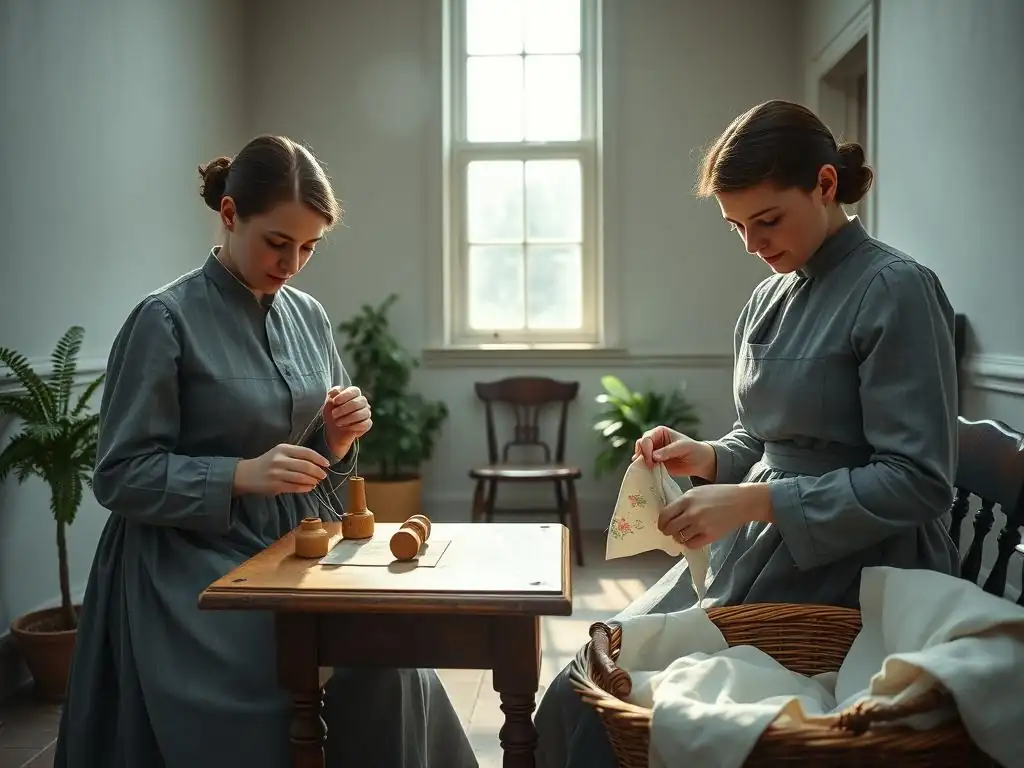
The practices of work and routine in 19th-century mental asylums, though rudimentary by modern standards, laid the essential groundwork for the development of contemporary occupational therapy. The core belief that engagement in meaningful activity is crucial for health and well-being originated in this era. The 19th century occupational therapy jobs provided early models for structuring therapeutic interventions around daily tasks and productive pursuits.
While the term and formal profession emerged later, the principles demonstrated in these early asylum practices — using occupation to instill order, provide purpose, develop skills, and promote recovery — are direct ancestors of modern occupational therapy's focus on enabling participation in daily life activities. The historical context of these early efforts highlights the enduring recognition of the link between doing, being, and mental health, a central tenet of the field today.
Lessons Learned from Early Practices
Examining the 19th century occupational therapy jobs and routines offers valuable lessons. It underscores the power of routine and engagement but also serves as a cautionary tale regarding potential pitfalls. The risk of exploitation, the importance of individualization, and the need for trained practitioners are all lessons drawn, in part, from the experiences of 19th-century asylums.
The history teaches that while activity is therapeutic, the type of activity, the way it is delivered, and the purpose it serves for the individual patient are critical. It highlighted the limitations of a purely labor-focused approach and paved the way for a more holistic understanding of occupation that includes leisure, social participation, and self-care alongside productive work. The early challenges spurred the need for ethical guidelines and professional standards that govern modern practice.
Case Study: Occupational Therapy at the McLean Asylum
The McLean Asylum in Belmont, Massachusetts, established in 1811 (originally as the Massachusetts General Hospital's asylum department), is another notable example where work and structured activity were integral to patient care throughout the 19th century. Influenced by moral treatment principles, McLean provided a variety of 19th century occupational therapy jobs and activities for its residents.
Patients at McLean engaged in farming and gardening on the asylum's extensive grounds, worked in workshops producing items like mattresses and brooms, and participated in domestic duties. Beyond labor, the institution also offered educational classes, lectures, musical performances, dances, and outdoor recreation like walking and sleigh rides.
Reports from McLean emphasized the therapeutic value of this varied program, noting improvements in patient demeanor and function attributed to their engagement in these structured occupations and activities. While specific data on patient participation numbers or outcomes from the 1800s is fragmented, the consistent reporting on the importance of these activities in annual reports signifies their central role in the treatment philosophy at McLean.
Occupational Therapy Roles in the 1800s: A Closer Look
The Skills and Responsibilities Required
For patients engaged in 19th century occupational therapy jobs, the required skills and responsibilities varied greatly depending on the specific task. Agricultural work demanded physical stamina and knowledge of farming techniques. Workshop jobs required manual dexterity and the ability to follow instructions, sometimes involving learning new trades like weaving or printing. Domestic tasks necessitated attention to detail and adherence to cleanliness standards.
Patients were expected to perform these tasks diligently as part of their therapeutic regimen. The responsibility lay in completing assigned duties reliably and contributing to the smooth operation of the asylum. While the emphasis was on the therapeutic benefit to the patient, the successful execution of these jobs was often vital for the institution's self-sufficiency, meaning patients were sometimes expected to meet certain standards of productivity.
Who Provided Occupational Therapy? Roles and Training
In the 19th century, the individuals directly overseeing the 19th century occupational therapy jobs and activities were typically asylum attendants, supervisors of specific workshops or farm areas, and sometimes medical staff who prescribed or monitored patient involvement. There was no formal profession of "occupational therapist" with standardized training as exists today.
Attendants often had the most direct contact with patients engaged in work, providing guidance and ensuring tasks were completed. Their training was usually informal, learned on the job, and focused more on managing patient behavior and overseeing work than on therapeutic techniques. Workshop masters or farm managers might have expertise in their specific trade but lacked formal training in mental health care or therapeutic principles. The lack of specialized training meant that the therapeutic potential of the activities was often limited by the supervisors' understanding and focus, which could lean more towards productivity than patient well-being.
Engagement in 19th century occupational therapy jobs had a significant social impact on patients within the asylum setting. Participating in shared work activities fostered a sense of community and belonging among patients. Working alongside peers and staff could reduce feelings of isolation and provide opportunities for positive social interaction.
Furthermore, successfully performing a job, whether on the farm or in a workshop, could restore a patient's sense of competence, self-worth, and dignity. It provided a tangible demonstration of their abilities, counteracting the debilitating effects of their illness and the stigma associated with it. The ability to contribute to the asylum community, even in a small way, could empower patients and offer hope for eventual recovery and reintegration into society, where the ability to work was a key marker of social function.
Conclusion: Reflecting on the Origins of Occupational Therapy
The enduring relevance of work and routine in mental health care
The history of 19th century occupational therapy jobs within mental asylums clearly demonstrates the long-standing recognition of the therapeutic power of work and routine. Even in its early, less formalized stages, the use of purposeful activity was seen as a vital component in the care and potential recovery of individuals with mental illness. The principles of providing structure, instilling discipline, fostering a sense of purpose, and promoting social engagement through occupation remain central to modern mental health interventions.
While the specific tasks and the institutional context have changed dramatically, the core idea that 'doing' is essential for 'being' healthy and well persists. The lessons from the 19th century remind us that meaningful engagement in daily life activities is not just a supplement to other treatments but can be a powerful therapeutic force in its own right, helping individuals regain function, build resilience, and live more fulfilling lives.
Future directions for research on 19th century occupational therapy
Further research into 19th century occupational therapy jobs and practices could yield deeper insights into the historical evolution of mental health care and the origins of a vital therapeutic profession. Detailed studies of asylum records, patient diaries (where available), and staff accounts could provide more specific data on patient participation rates, the types of activities offered at different institutions, and the perceived outcomes of these interventions from the perspective of both staff and patients.
Investigating the intersection of patient labor and institutional economics in the 19th century could shed more light on the challenges and ethical complexities inherent in these early practices. Comparing practices across different countries and types of institutions could reveal variations in approach and philosophy. Such research would not only enrich our understanding of history but also offer valuable context and lessons for contemporary debates about the role of work, productivity, and meaningful activity in mental health recovery today.
Frequently Asked Questions
How did occupational therapy principles manifest in 19th-century institutions before the formal profession existed?
Early institutions used structured work and routine as a form of treatment. These activities aimed to provide purpose and engagement for patients, mirroring later occupational therapy principles.
What types of "occupations" were commonly used in 19th-century therapeutic settings?
Typical occupations included manual labor, such as farming or laundry, and craftwork, like weaving or carpentry. These activities promoted skill development and a sense of accomplishment.
The focus was often on discipline and moral reform, reflecting Victorian values. Work was seen as a way to instill order and productivity in individuals considered "idle."
What were the perceived benefits of engaging in work and routine for individuals with mental health challenges in the 19th century?
It was believed to improve mental clarity, reduce restlessness, and provide a sense of purpose and social inclusion, aiding recovery.
How did these early practices lay the groundwork for the development of modern occupational therapy?
By demonstrating the therapeutic value of activity, these approaches highlighted the importance of engagement and meaningful occupation in mental well-being, influencing the formalization of the profession.
Final Reflection: The Enduring Legacy of Early Occupational Therapy
The innovative approaches to rehabilitation pioneered in 19th-century institutions laid the groundwork for the vital role occupational therapy plays in modern healthcare. These early practitioners, often working in challenging conditions, understood the profound connection between purposeful activity, mental well-being, and physical recovery—a connection that remains central to the field today. Their struggles and successes offer invaluable lessons for contemporary practitioners.
The impact of these early occupational therapy pioneers extends far beyond the walls of the institutions where they worked. Their methods, though rudimentary by today's standards, fundamentally shifted societal perceptions of individuals with disabilities and mental illness. They challenged prevailing attitudes and advocated for a more holistic approach to care. Occupation is not merely filling time; it is the very essence of life itself.
This sentiment, though perhaps not explicitly articulated in the same way then, underpins the philosophy of occupational therapy even now, highlighting the enduring relevance of this historical context.
Consider the challenges faced by those early practitioners and the ingenuity they displayed in adapting limited resources to create meaningful therapeutic experiences. Reflect on how their dedication to improving the lives of their patients resonates with the ethical principles that guide occupational therapy today. You, too, can contribute to this legacy by embracing a holistic approach to care, advocating for your patients, and continually seeking innovative ways to improve their lives through the power of purposeful activity. Let the history of our profession inspire your own practice and commitment to excellence.
Unlock the Secrets of 19th-Century Occupational Therapy!
Thanks for exploring the fascinating world of early occupational therapy with us! You've now gained a unique insight into the work and routines within 19th-century institutions. Ready to delve even deeper?
- Dive into further research: Explore historical archives and scholarly articles on 19th-century healthcare practices. This is your chance to become a true expert!
- Share your newfound knowledge: Discuss this intriguing history with friends, family, or colleagues. Spark a conversation and spread the word!
- Imagine the possibilities: Consider how these early approaches might inspire modern therapeutic techniques. What innovative ideas can you develop?
What other historical approaches to mental and physical well-being would you like to uncover? Let's discuss!