
The Asylum Cemetery: Lives Lost and Forgotten in the 19th Century


Welcome to Mind Care Guide.
Have you ever wondered about the untold stories buried beneath the surface of history? Imagine the echoes of lives lost, forgotten within the walls of 19th-century asylums. This is where our journey begins. We delve into the chilling reality of 19th Century Asylum Deaths, uncovering the human cost behind outdated practices and societal stigmas. Prepare to confront a past that shaped our understanding of mental health, and perhaps, gain a deeper empathy for those who suffered. Are you ready to remember?
The State Lunatic Asylum Cemetery: Lives Lost and Forgotten in the 19th Century
- Introduction: Unveiling the Stories of 19th Century Asylum Deaths
- The Landscape of 19th Century Asylums and Mortality
- 19th Century Asylum Cemeteries: A Place of Last Resort
- The Dehumanizing Aspects of 19th Century Asylum Burials
- Documenting 19th Century Asylum Deaths: Challenges and Discoveries
- The Legacy of 19th Century Asylum Cemeteries: Lessons Learned
- Remembering the Forgotten: Honoring the Lives Lost in 19th Century Asylums
- Conclusion: Reflecting on 19th Century Asylum Deaths and the Path Forward
-
Frequently Asked Questions
- What were some common causes of death in 19th Century Asylums?
- How were deaths in 19th Century Asylums typically recorded and documented?
- What was the social attitude towards the deaths of asylum patients in the 19th Century?
- How did the asylum cemetery reflect the lives of the individuals buried there?
- What resources are available to research 19th Century Asylum deaths and patient records?
- Final Reflection: Echoes from the Asylum Cemetery
- Unearth the Stories: Connect with the Past
Introduction: Unveiling the Stories of 19th Century Asylum Deaths
The Dark Reality of 19th Century Mental Institutions
The 19th century witnessed the rise of the large-scale asylum, intended as a place of refuge and treatment for individuals deemed mentally ill. However, the reality within these imposing structures often starkly contrasted with the benevolent intentions of their founders. Conditions frequently deteriorated due to underfunding, overcrowding, and a lack of effective treatments.
Patients, sometimes admitted for behaviors that would not be considered mental illness today (such as "moral insanity" or even poverty), faced isolation, restrictive practices like physical restraints, and a general disregard for individual dignity. The sheer number of individuals confined within these walls grew dramatically throughout the century, far outstripping the resources available for their care, leading to environments rife with disease and despair.
Life inside these institutions could be incredibly challenging, contributing significantly to the high mortality rates observed among residents. Reports from the era detail instances of poor sanitation, inadequate nutrition, and the spread of infectious diseases like tuberculosis and dysentery, which thrived in overcrowded conditions. These factors, combined with the often fragile physical health of patients upon admission, meant that many individuals who entered 19th century asylums did not survive for long.
The concept of long-term care often translated into a life sentence within the institution's walls, ending in an anonymous death far from family and home. The cumulative effect of these conditions resulted in a tragic number of 19th century asylum deaths, often undocumented and barely acknowledged.
Why Focus on Asylum Cemeteries? The Importance of Remembrance
Asylum cemeteries serve as silent, poignant witnesses to the history of mental healthcare and, specifically, to the countless 19th century asylum deaths that occurred within these institutions. While official records might be incomplete or lost, the graves themselves, whether marked or unmarked, represent the final resting places of individuals whose lives were largely lived and ended behind institutional walls.
Studying these cemeteries allows us to confront the often-overlooked human cost of 19th-century mental health practices and the societal attitudes that shaped them. They are physical reminders of the individuals who were institutionalized and, in many cases, forgotten by the outside world.
Focusing on these burial grounds is crucial for historical accuracy and for fostering a sense of empathy for those who suffered. Each grave represents a person with a story, a family, and a life that, despite their struggles with mental health, held value. By acknowledging these sites and the people buried within them, we challenge the historical tendency to erase or minimize the lives of those deemed "insane."
It is an act of remembrance that honors their dignity and provides a tangible link to the past. Understanding the scale and nature of 19th century asylum deaths through the lens of their final resting places helps us appreciate the long journey towards modern, more humane mental health care and highlights the ongoing need for advocacy and destigmatization.
The Landscape of 19th Century Asylums and Mortality
Overcrowding and Disease: Factors Contributing to High Death Rates
Overcrowding was a pervasive issue in 19th-century asylums, directly contributing to high mortality rates. Many institutions, initially built with capacities for a few hundred patients, quickly found themselves housing thousands. For example, Willard Asylum for the Insane in New York, established in the mid-1860s with a planned capacity, soon exceeded it dramatically, eventually housing over 4,000 patients by the early 20th century, far beyond its intended design.
This intense density strained resources, including sanitation systems, ventilation, and access to fresh air and sunlight, all of which were understood even then to be important for health. The close quarters facilitated the rapid spread of infectious diseases, which became major causes of 19th century asylum deaths.
Tuberculosis was particularly rampant in these settings, often referred to as "consumption," and was a leading cause of death. Diseases like dysentery, typhoid fever, and pneumonia also flourished in the crowded, often unhygienic environments. Records, where they exist, from institutions like the Danvers State Hospital in Massachusetts or the Athens Lunatic Asylum in Ohio, frequently list these infectious diseases as primary causes of death among patients.
The weakened state of many patients due to poor nutrition, lack of physical activity, and underlying health issues made them especially vulnerable. The combination of extreme overcrowding and the unchecked spread of contagious illnesses created death rates that were often significantly higher than in the general population, marking a grim reality of 19th century asylum deaths.
Understanding 19th Century Medical Practices and Their Impact on Patient Survival
19th-century medical practices within asylums were a mix of emerging psychiatric theories and outdated, sometimes harmful, treatments. While some physicians genuinely sought therapeutic approaches, the understanding of mental illness was limited, and effective pharmacological interventions were virtually nonexistent for most conditions.
Treatments often included "moral therapy" in the early part of the century, focusing on routine, work, and calm environment, but this often gave way to custodial care as institutions grew larger and more crowded. Physical treatments like hydrotherapy (prolonged baths or showers), restraints (straight jackets, muffs, or even chaining), and various tonics or sedatives derived from substances like opium or bromide were common.
These practices, while intended to manage symptoms or calm patients, could have negative impacts on patient health and survival. Prolonged restraint could lead to physical deterioration, injury, or even death due to complications like pneumonia or blood clots. Sedatives could mask underlying physical illnesses or contribute to respiratory issues.
Furthermore, surgical interventions like tooth extraction or even early, crude forms of psychosurgery were occasionally attempted with little understanding of their long-term effects or risks. The lack of effective treatments for both mental and co-occurring physical illnesses, combined with potentially harmful interventions, meant that medical care within 19th-century asylums often did little to prevent or mitigate the conditions leading to patient mortality, contributing directly to the high number of 19th century asylum deaths.
The Stigma of Mental Illness and its Influence on Care
The profound social stigma attached to mental illness in the 19th century had a significant and detrimental influence on the care provided within asylums and the fate of their residents. Mental illness was often viewed as a moral failing, a sign of degeneracy, or an inherited curse rather than a medical condition.
This perspective led to individuals being ostracized by their families and communities, resulting in their placement in asylums often as a permanent solution to remove them from public sight. Once institutionalized, this stigma followed them, reducing the perceived value of their lives and justifying inadequate or neglectful care in the eyes of some staff and administrators.
The societal view of patients as fundamentally different, less than human, or beyond help contributed to underfunding of institutions, low staff-to-patient ratios, and a focus on containment rather than cure or rehabilitation. Families, often burdened by shame, might abandon relatives in the asylum, ceasing visits and financial support, further isolating the patient.
This abandonment meant patients often had no external advocates to monitor their care or intervene if conditions were poor. The pervasive stigma thus created an environment where neglect could flourish, contributing indirectly but significantly to the high rates of 19th century asylum deaths, as the lives of patients were often seen as less valuable than those outside the institution's walls.
19th Century Asylum Cemeteries: A Place of Last Resort
Identifying Asylum Cemeteries: Location and Characteristics
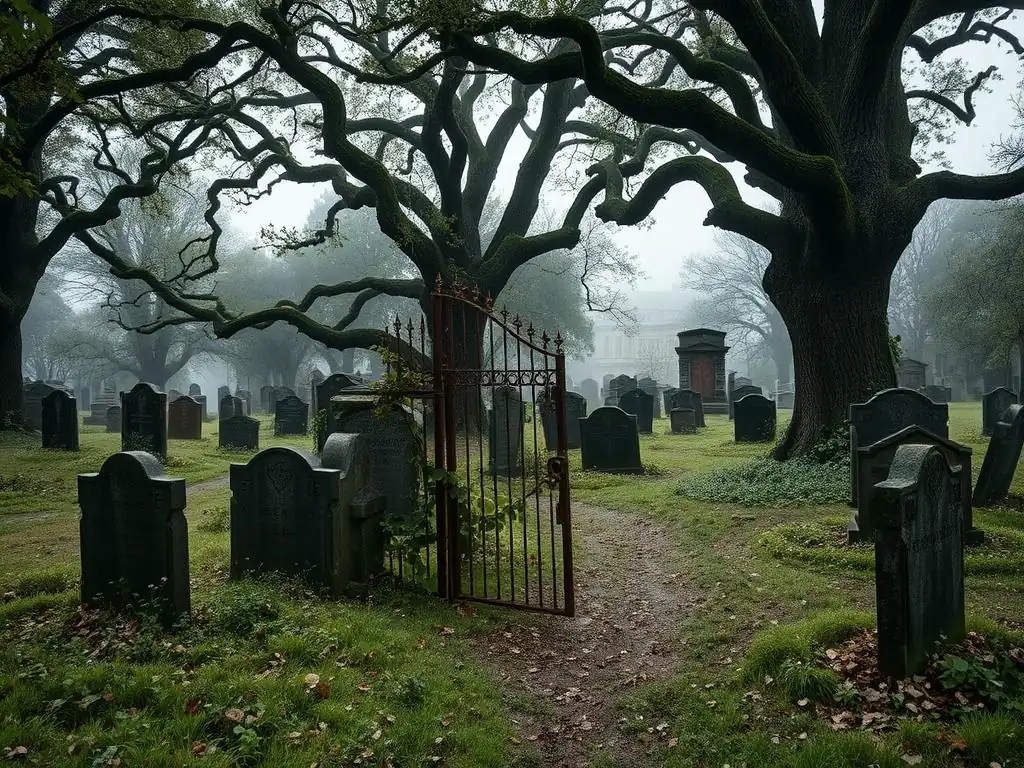
Asylum cemeteries are typically located on or near the grounds of the former mental institutions they served. Their existence was often a practical necessity due to the large number of deaths occurring within the asylum and the lack of family involvement or financial means to transport and bury the deceased elsewhere. These cemeteries vary greatly in size, from small plots to expansive fields containing thousands of graves.
Identifying them today often involves historical research, reviewing old property maps, institutional records, and sometimes oral histories or local knowledge. Many were established in relatively remote areas of the asylum property, sometimes hidden from public view, reflecting the desire to keep the institution and its inhabitants, even in death, separate from the community.
Characteristically, 19th-century asylum cemeteries often feature rows upon rows of graves, with minimal or no individual markers. When markers exist from this period, they are frequently small, simple stones or concrete blocks. Crucially, these markers often bear only a number, not a name, further illustrating the loss of identity experienced by patients.
The use of numbers instead of names was a common practice, presumably for administrative convenience, but it served to dehumanize the deceased, reducing them to statistics even in their final resting place. The sheer number of these numbered markers or the vast expanse of unmarked ground where thousands lie buried are chilling testaments to the scale of 19th century asylum deaths.
The Pauper's Grave: Unmarked and Forgotten 19th Century Burials
A significant majority of burials in 19th-century asylum cemeteries were essentially "pauper's graves" – simple, unmarked, or minimally marked plots for individuals whose families could not or would not claim their bodies or afford a private burial. Patients admitted to state institutions were often poor to begin with, or their families were unable to bear the costs associated with transporting a body and arranging a funeral.
Furthermore, the stigma of mental illness sometimes led families to distance themselves entirely, leaving the responsibility of burial to the state asylum. This resulted in mass burials or individual graves marked only by temporary wooden stakes that quickly deteriorated, leaving no trace.
The practice of burying patients in unmarked graves reflected not only financial constraints but also the societal devaluation of those with mental illness. Their lives were often seen as having less significance, and this disregard extended into death. Without names on their final resting places, these individuals became statistics, their personal histories and identities effectively erased.
The prevalence of unmarked graves is a stark indicator of the isolation and anonymity faced by many patients during their lives and after their 19th century asylum deaths. Recovering their identities decades or centuries later is a challenging but vital task for historians and genealogists.
Trans-Allegheny Lunatic Asylum Cemetery: A Case Study of Unmarked Graves
The cemetery associated with the former Trans-Allegheny Lunatic Asylum (now the Trans-Allegheny Lunatic Asylum Historic Site) in Weston, West Virginia, serves as a powerful case study illustrating the reality of unmarked 19th-century asylum deaths and burials. Established in the mid-19th century, the asylum grew to house thousands of patients. As deaths occurred, many patients were buried on the grounds in a dedicated cemetery. Estimates suggest that several thousand individuals were buried there, a significant portion of whom were interred in unmarked graves.
For many years, the cemetery was largely neglected, with only a few hundred numbered stones visible, representing a fraction of the total burials. Historical records indicated far more deaths than marked graves. Efforts in recent decades by historical groups and volunteers have focused on identifying the individuals buried there, cross-referencing death records with burial plot maps where available, and advocating for recognition.
This work has helped to put names to some of the numbers and highlight the sheer volume of forgotten lives and 19th century asylum deaths. The Trans-Allegheny cemetery stands as a somber monument to the thousands of individuals who died within the asylum's walls and were buried without individual recognition, underscoring the systemic issues of the time.
The Dehumanizing Aspects of 19th Century Asylum Burials
Lack of Identification: The Loss of Individual Identity in Death
One of the most dehumanizing aspects of 19th-century asylum burials was the widespread practice of burying individuals without proper identification on their grave markers. As mentioned, markers were often simple stones or concrete blocks bearing only a number assigned by the institution. This numbering system, while perhaps administratively convenient for tracking burials, effectively stripped the deceased of their name and personal identity in death. It mirrored the way patients were often treated in life – as a collective group of the "insane" rather than as unique individuals with personal histories, relationships, and experiences.
This lack of identification in death reinforced the idea that the lives of asylum patients were less valuable or worthy of individual recognition. Unlike public cemeteries where even the poor might have a simple headstone with their name, asylum burials often denied this basic human dignity.
The numbered graves served as a final, stark symbol of the anonymity imposed upon these individuals by the institution and society. It meant that families, if they ever came looking, might have no way of locating the specific resting place of their loved one among the rows of identical numbered or unmarked graves, further complicating grief and remembrance and highlighting the impersonal nature surrounding 19th century asylum deaths.
The social stigma surrounding mental illness in the 19th century was so powerful that it often extended beyond the asylum walls and into the afterlife, impacting burials and remembrance. Families, burdened by shame or fear of social judgment, might choose not to claim the bodies of their deceased relatives from the asylum. Public knowledge of a family member dying in an asylum and being buried in the institution's cemetery could be a source of deep embarrassment. This led to many patients being effectively abandoned in death, just as they might have felt abandoned in life.
This extension of stigma meant that families might not only fail to provide a private burial but also avoid visiting the asylum cemetery or erecting a personal marker, even if they could afford to. The desire to hide the connection to the asylum and mental illness meant that the deceased remained confined to the institution's grounds in death, reinforcing their separation from mainstream society. The unmarked and often neglected state of asylum cemeteries was a physical manifestation of this enduring stigma, a landscape of forgotten lives and 19th century asylum deaths that society preferred not to acknowledge or remember.
The Impact on Families: Grief, Shame, and Denial
The death of a family member in a 19th-century asylum had a complex and often painful impact on their relatives, layered with grief, shame, and sometimes denial. Families who had placed a loved one in an asylum often did so as a last resort, perhaps after struggling to care for them at home or facing societal pressure. While there might have been hope for recovery, the reality for many was permanent institutionalization. When death occurred, families faced the sorrow of loss, compounded by the circumstances of the death within the often-harsh asylum environment.
However, the prevailing stigma frequently prevented open grieving or public acknowledgment of the death. Shame associated with mental illness could lead families to minimize or hide the fact that their relative had been institutionalized and died there. This could result in a lack of traditional mourning rituals, limited or no visits to the asylum cemetery, and a reluctance to talk about the deceased.
The inability to openly mourn or memorialize their loved one due to shame added another layer of pain to the grief process. For many families, the 19th century asylum deaths of their relatives were private tragedies shrouded in secrecy and denial, leaving emotional wounds that could span generations.
Documenting 19th Century Asylum Deaths: Challenges and Discoveries
The Scarcity of Records: Obstacles to Historical Research
Documenting 19th-century asylum deaths and the lives of those buried in their cemeteries is a challenging task primarily due to the scarcity and poor quality of historical records. While most asylums maintained some form of patient register and death records, these documents were often incomplete, inconsistent, or have been lost or destroyed over time due to neglect, institutional closures, or natural disasters.
Early records might contain minimal information about patients, sometimes listing only a name, date of admission, and perhaps a vague "diagnosis." Death records might simply state the date and a general cause of death, like "consumption" or "exhaustion," without much detail.
Furthermore, the link between death records and burial locations within the asylum cemetery was often poorly maintained. Plot maps might exist but be inaccurate, incomplete, or not clearly cross-referenced with death registers. The practice of using numbered markers without corresponding name indexes makes it incredibly difficult to match individuals to specific graves decades later. Researchers attempting to identify those buried in asylum cemeteries often face a daunting task of piecing together fragments of information from disparate sources, highlighting the systemic challenges in fully understanding the scale and specifics of 19th century asylum deaths.
Recovering Names and Stories: Genealogical Research and Community Efforts
Despite the challenges, significant efforts are underway to recover the names and stories of individuals who died and were buried in 19th-century asylum cemeteries. Genealogical researchers play a crucial role, utilizing census records, family histories, and any surviving institutional documents to trace individuals who were institutionalized. By cross-referencing names found in partial asylum registers or death indices with external records, they can sometimes piece together identities and even connect the deceased with living descendants.
Community groups, historical societies, and descendants' organizations have also spearheaded projects to clean up neglected asylum cemeteries, restore markers, and create digital databases of known burials. These efforts often involve painstaking manual work on cemetery grounds combined with archival research.
For instance, projects at cemeteries like the one associated with the former Traverse City State Hospital in Michigan or the graves at Greystone Park Psychiatric Hospital in New Jersey have worked to identify individuals from existing records and advocate for proper memorialization. These grassroots initiatives are vital in restoring dignity to the forgotten and shedding light on the personal stories behind the statistics of 19th century asylum deaths.
Using Historical Records to Understand Mortality Rates in Asylums
Analyzing surviving historical records, such as annual reports from asylum superintendents, patient registers, and death ledgers, allows researchers to gain insights into mortality rates and patterns within 19th-century asylums. While data is often imperfect, these records can reveal average lengths of stay before death, common causes of death, and demographic information about the deceased (age, sex, sometimes occupation or origin). By comparing mortality rates within the asylum population to those of the general population during the same period, historians can quantify the increased risk of death associated with institutionalization.
Studies based on these records consistently show significantly higher death rates within asylums compared to the outside world, especially for certain periods and institutions plagued by overcrowding and disease. For example, analysis of records from some large state asylums might reveal annual death rates ranging from 10% to 25% or even higher during peak periods of epidemics, far exceeding the general population's rates.
While precise overall figures for all 19th century asylum deaths are impossible to calculate due to missing records, the available data paints a clear picture of institutions where death was a frequent outcome, underscoring the harsh realities faced by patients.
The Legacy of 19th Century Asylum Cemeteries: Lessons Learned
Mental Health Reform: A Direct Result of Past Injustices
The grim reality of 19th-century asylum deaths, the often-inhumane conditions, and the sheer number of forgotten lives buried in institutional cemeteries were powerful catalysts for mental health reform. As reports of neglect, abuse, and high mortality rates surfaced through the work of advocates and investigative journalists in the late 19th and early 20th centuries, public conscience was stirred. Figures like investigative journalist Nellie Bly, who exposed conditions at the Women's Lunatic Asylum on Blackwell's Island in New York in the late 1880s, brought the dark side of asylum life into public view, highlighting the suffering and deaths occurring within.
These exposes and the visible evidence of mass burials challenged the prevailing narrative that asylums were purely benevolent institutions. They fueled movements advocating for better funding, improved oversight, and a shift away from purely custodial care towards more therapeutic approaches. While reform was slow and uneven, the undeniable evidence of widespread suffering and death, often visible in the neglected asylum cemeteries, contributed to a growing recognition that the system was failing. The legacy of high 19th century asylum deaths served as a stark warning and a driving force behind subsequent efforts to improve mental healthcare standards and patient rights.
The Evolution of Patient Rights and Care
The history of 19th-century asylum deaths and the conditions that led to them are intrinsically linked to the evolution of patient rights and the standards of care in mental health. In the 19th century, patients often had few, if any, recognized rights; they could be involuntarily committed with minimal legal process and had little recourse regarding their treatment or living conditions. The high mortality rates, lack of dignity in death, and anonymous burials highlighted this severe power imbalance and the vulnerability of patients.
Over the 20th century, spurred by the failures of the asylum system, there was a gradual but significant movement towards establishing and protecting the rights of individuals with mental illness. This included the right to due process in commitment proceedings, the right to receive humane treatment, the right to refuse certain treatments, and the right to live in the least restrictive environment possible.
The de-institutionalization movement of the latter half of the 20th century, while having its own complexities, was a direct response to the recognition that large, isolated institutions often failed patients, leading to outcomes like the high number of 19th century asylum deaths. The lessons from these historical tragedies continue to inform legal and ethical standards in mental healthcare today, emphasizing autonomy, dignity, and individualized care.
The Ongoing Fight Against Stigma and Discrimination
The legacy of 19th-century asylum cemeteries and the stories of those buried within them serve as a powerful reminder of the devastating consequences of stigma and discrimination against individuals with mental illness. The anonymity of the graves, the neglect of the cemeteries, and the historical silence surrounding 19th century asylum deaths all stem from a societal unwillingness to acknowledge and value the lives of those deemed "insane." While significant progress has been made since the 19th century, stigma and discrimination persist, albeit in different forms.
Today, understanding this history is crucial for informing the ongoing fight against mental health stigma. By remembering the forgotten lives and acknowledging the injustices faced by patients in the past, we can better understand the deep roots of prejudice and work more effectively to dismantle it.
The stories emanating from asylum cemeteries highlight the importance of treating individuals with mental health conditions with compassion, respect, and dignity, ensuring they are never again relegated to the shadows or forgotten in life or death. The fight for mental health parity, access to care, and social acceptance continues, drawing lessons from the painful history etched into the landscapes of these burial grounds.
Remembering the Forgotten: Honoring the Lives Lost in 19th Century Asylums
Memorials and Remembrance Projects: Keeping the Stories Alive
Efforts to create memorials and undertake remembrance projects are vital for honoring the lives lost in 19th-century asylums and buried in their cemeteries. These initiatives aim to move beyond the anonymity of numbered or unmarked graves and restore the human element to the history of 19th century asylum deaths. Projects often involve raising funds to place individual markers with names on previously unmarked graves, erecting central monuments listing the names of all known burials, or creating online databases accessible to the public and descendants.
Examples include memorial services held at asylum cemeteries, interpretive signage explaining the history of the site and the lives of those buried there, and volunteer clean-up and restoration days. These projects not only serve as acts of respect for the deceased but also as educational tools for the public, shedding light on a difficult chapter in history. By actively remembering the individuals buried in these cemeteries, these projects challenge the historical tendency to forget and help ensure that the scale and tragedy of 19th century asylum deaths are not erased from collective memory.
The Importance of Advocacy for Mental Health Awareness
Remembering the forgotten lives in 19th-century asylum cemeteries underscores the critical importance of ongoing advocacy for mental health awareness and improved care today. The conditions and attitudes that led to widespread suffering and death in these institutions were rooted in a lack of understanding, fear, and neglect. While the landscape of mental healthcare has changed dramatically, challenges remain, including inadequate access to care, funding disparities, and the persistent impact of stigma.
Advocacy efforts today build upon the lessons of the past, pushing for policies that prioritize mental health, ensure equitable access to services, and protect the rights of individuals seeking care. By drawing attention to the historical consequences of neglecting mental health, advocates can highlight the need for continued investment and reform. The history of 19th century asylum deaths serves as a powerful narrative illustrating why it is essential to be vigilant, compassionate, and proactive in supporting mental well-being for all members of society.
Supporting Mental Health Initiatives: Breaking the Cycle of Stigma
Supporting contemporary mental health initiatives is a direct way to honor the memory of those who suffered and died in 19th-century asylums and their cemeteries. These initiatives, ranging from local support groups and crisis hotlines to national organizations funding research and policy change, are working to build a future where mental health is treated with the same urgency and respect as physical health. Contributing to or volunteering with these groups helps to break the cycle of stigma and neglect that characterized the 19th century.
By investing in mental health support, education, and treatment, we actively work against the forces that led to the dehumanization and high mortality rates in historical asylums. This support helps ensure that individuals experiencing mental health challenges today receive the care, support, and dignity that were often denied to patients in the past. It is a tangible way to demonstrate that the lives and well-being of people with mental illness are valued, ensuring that the tragic history of 19th century asylum deaths remains a lesson learned, not a pattern repeated.
Conclusion: Reflecting on 19th Century Asylum Deaths and the Path Forward
Frequently Asked Questions
What were some common causes of death in 19th Century Asylums?
Common causes of death in 19th Century asylums included infectious diseases due to poor sanitation, malnutrition from inadequate care, and physical injuries from restraints or accidents.
How were deaths in 19th Century Asylums typically recorded and documented?
Recording practices varied, but often involved minimal detail, focusing on the immediate cause of death without acknowledging underlying mental health conditions or potential neglect. Records are often incomplete or difficult to access.
There was often significant stigma associated with mental illness. This led to a general societal apathy towards the treatment and deaths of those confined to asylums, often viewing them as "out of sight, out of mind."
How did the asylum cemetery reflect the lives of the individuals buried there?
Asylum cemeteries often represented the dehumanization and erasure of the individuals buried there. They were frequently unmarked or poorly maintained, symbolizing the forgotten lives and lack of recognition afforded to these patients.
What resources are available to research 19th Century Asylum deaths and patient records?
Resources can include local historical societies, state archives, and genealogical databases. Some online projects are dedicated to documenting and memorializing individuals who died in asylums, working to restore their identities.
Final Reflection: Echoes from the Asylum Cemetery
The chilling statistics of 19th-century asylum deaths, often shrouded in secrecy and neglect, remain a stark reminder of societal failings and the urgent need for compassionate mental healthcare. These forgotten lives, buried within the grounds of institutions, speak volumes about the prejudices and misunderstandings that permeated the era, leaving a legacy that continues to impact our approach to mental illness today.
The pervasive stigma surrounding mental illness, so vividly illustrated by the conditions within these asylums, continues to cast a long shadow. The stories unearthed in this exploration – the nameless patients, the inadequate care, the sheer scale of mortality – underscore the importance of remembering these individuals and learning from the mistakes of the past. The past is never dead. It's not even past.
– William Faulkner. This quote rings particularly true when considering the enduring impact of these historical injustices on our understanding and treatment of mental health.
Consider the weight of these forgotten lives. Reflect on the systemic issues that allowed such suffering to occur. You, the reader, hold the power to break the cycle of stigma and advocate for a more compassionate and just system of mental healthcare. Let the stories of those buried in the Asylum Cemetery serve as a catalyst for change, a reminder that empathy, understanding, and proactive care are not merely ideals, but essential components of a truly humane society.
Unearth the Stories: Connect with the Past
Thanks for exploring the haunting history of The Asylum Cemetery with us! You've now gained a glimpse into the lives – and losses – of those forgotten souls. Ready to delve deeper?
- Share your thoughts: What resonated most with you in these stories? Did any specific detail particularly move you, or spark further questions? Let's discuss it in the comments!
- Research further: Explore online resources dedicated to 19th-century asylum history and patient experiences. You might discover fascinating details not mentioned in this article.
- Imagine their lives: Take a moment to reflect on the lives lived within those cemetery walls. How might their stories shape your understanding of mental health in the past and present?
What unexpected parallels do you find between the challenges faced then and the mental health struggles of today?