
Medical vs. Moral: Competing Approaches in 19th Century Asylum Care

Welcome to Mind Care Guide.
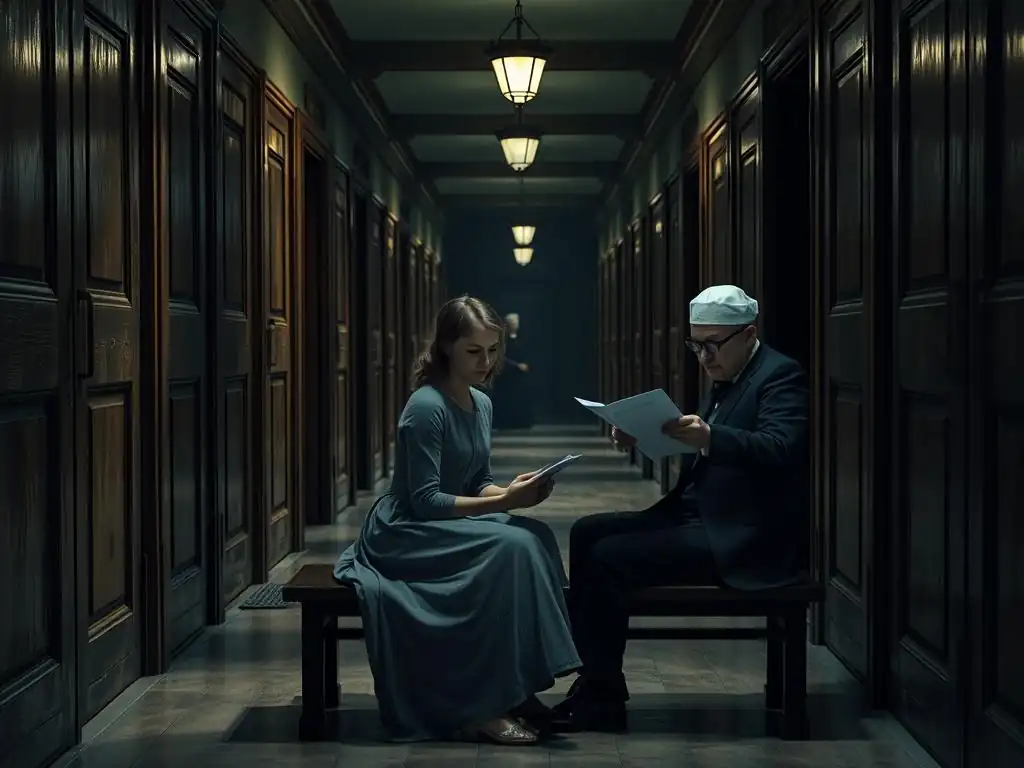
Ever wondered about the roots of modern mental healthcare? In an era of profound societal shifts, the 19th century saw a battle of ideologies in how we treated those struggling with mental illness. Our journey into the past begins with a look at 19th century asylum treatment methods, a period where "medical" and "moral" approaches clashed, often with heartbreaking consequences.
Prepare to be both fascinated and disturbed as we uncover the complexities of care from a bygone era – a history that profoundly shapes our understanding of mental health today. Are you ready to delve into this compelling, yet often overlooked, chapter?
Medical vs. Moral: Competing Approaches in 19th Century Asylum Care
- Introduction: The Landscape of 19th Century Mental Health Treatment
- The Medical Model: A Scientific Approach to Insanity
- The Moral Treatment Approach: Emphasizing Humanity and Rehabilitation
- Medical vs. Moral: A Detailed Comparison
- The Decline of Moral Treatment and the Rise of the Medical Model
- Case Studies: Illustrating the Two Approaches in Practice
- The Legacy of 19th Century Asylum Treatment Methods
- Conclusion: Reflecting on the Complexities of 19th Century Mental Health Care
-
Frequently Asked Questions
- What were the two primary approaches to treating mental illness in 19th-century asylums?
- How did the "moral treatment" approach differ from earlier methods of dealing with the mentally ill?
- What were some common medical treatments used in 19th-century asylums, and were they effective?
- What criticisms were leveled against both the medical and moral treatment approaches during the 19th century?
- Why is it important to understand 19th-century asylum treatment methods when studying mental health today?
- Final Reflection: The Enduring Legacy of 19th Century Asylum Care
- Uncover the Untold Stories of 19th Century Asylum Care
Introduction: The Landscape of 19th Century Mental Health Treatment
Setting the Stage: Understanding the Context of Asylum Care in the 1800s
The 19th century marked a significant, albeit complex, turning point in the care of individuals experiencing mental illness. Prior to this era, those deemed "insane" were often confined in harsh conditions within jails, poorhouses, or private homes, receiving little to no specialized care. The burgeoning asylum movement, beginning in the late 18th century and expanding rapidly throughout the 1800s, sought to remove individuals from these unsuitable environments and place them in dedicated institutions designed, at least in theory, for healing and rehabilitation.
These early asylums were often built with optimistic intentions, envisioned as retreats offering structured environments away from the stresses of society. However, the reality on the ground varied significantly, influenced by competing philosophies on the nature of mental illness and the most effective 19th century asylum treatment methods. The growth of these institutions was staggering; for instance, in the United States, the number of public asylums increased dramatically throughout the century, housing tens of thousands of patients by its end, far exceeding the capacity and resources initially planned.
The Evolution of Mental Illness Perception in the 19th Century
The 19th century witnessed a gradual, though incomplete, shift in how mental illness was perceived. Moving away from purely moralistic or demonological explanations prevalent in earlier centuries, Enlightenment ideals and emerging scientific thought began to influence understanding. Mental illness started to be viewed less as a character flaw or spiritual failing and more as an affliction, potentially rooted in physical causes or environmental stresses.
This evolving perception fueled debates about the best approaches to care. While some continued to view "insanity" through a lens of moral failing or inherited weakness, others championed the idea of treating it as a disease amenable to medical intervention or as a condition influenced by one's environment and habits, responsive to humane and structured care. This intellectual ferment laid the groundwork for the two dominant, often competing, 19th century asylum treatment methods: the medical model and the moral treatment approach.
The Medical Model: A Scientific Approach to Insanity
Defining the Medical Model in 19th Century Asylums
The medical model, as applied in 19th century asylums, primarily viewed mental illness as a physical disease with biological origins. Proponents of this approach believed that "insanity" resulted from physiological imbalances, lesions in the brain, or other somatic issues. Consequently, the proposed solutions and 19th century asylum treatment methods focused heavily on physical interventions aimed at correcting these presumed underlying biological problems.
This perspective aligned with the broader rise of scientific inquiry and medical authority during the century. Physicians increasingly asserted their role as the primary caretakers and authorities within asylums, seeking to diagnose and treat mental conditions using methods derived from contemporary medical understanding, which was often rudimentary and speculative regarding the brain and nervous system. The asylum, under this model, became akin to a hospital ward, where the focus was on the body as the source of the mental disturbance.
Key Figures and Proponents of Medical Treatment
While the medical model was a pervasive trend rather than the creation of a single individual, several figures championed somatic approaches. Benjamin Rush, often considered the "father of American psychiatry," was a prominent advocate for medical treatments, though his methods were often harsh by modern standards. He believed mental illness stemmed from issues in the blood vessels of the brain and advocated for treatments like bloodletting and purging to restore balance.
European physicians also contributed to the medical perspective, focusing on pathological anatomy and classifying mental illnesses based on observable symptoms, attempting to link them to physical abnormalities found during autopsies. While figures like Emil Kraepelin emerged later in the century, laying groundwork for modern psychiatric classification based on clinical observation, the earlier 19th century medical approach was often more speculative regarding underlying causes and reliant on symptomatic physical interventions.
19th Century Medical Treatments for Mental Illness: An Overview
Medical treatments in 19th century asylums varied widely and were often based on prevailing, sometimes erroneous, physiological theories. The goal was typically to alter the patient's physical state in the hopes of impacting their mental condition.
Bloodletting and Purging: Common Medical Practices
Among the most common medical interventions were bloodletting and purging. Bloodletting, performed through venesection or the application of leeches, was based on the ancient humoral theory, which posited that illness resulted from an imbalance of bodily fluids. Physicians believed removing excess blood could alleviate pressure or correct imbalances thought to cause mental agitation or other symptoms. Similarly, purging, through the use of strong laxatives and emetics, aimed to cleanse the body of toxins or humors believed to contribute to mental illness. These practices could be debilitating for patients, often weakening them physically.
The Use of Restraints and Confinement in Medical Treatment
Physical restraint and solitary confinement were also frequently employed as part of the medical approach, often justified as necessary to manage agitated or dangerous patients, or to impose order on what was seen as a physically manifested derangement. Methods included straitjackets, padded cells, restraint chairs, and prolonged periods of isolation. While proponents argued these were therapeutic – calming the patient or preventing self-harm – they were often used for convenience, control, and due to inadequate staffing, becoming tools of management rather than genuine 19th century asylum treatment methods focused on healing.
Early Pharmacological Interventions
The 19th century also saw the early, often crude, use of pharmacological agents. Substances like opium, morphine, and chloral hydrate were administered primarily as sedatives to control agitated patients. Other substances, including mercury, cannabis, and various herbal concoctions, were experimented with based on speculative theories about their effects on the nervous system or other bodily functions. These early drugs were used with limited understanding of dosage, side effects, or long-term impact, and their primary role was often custodial rather than curative, aimed at managing behavior rather than addressing underlying causes.
The Moral Treatment Approach: Emphasizing Humanity and Rehabilitation
Defining Moral Treatment: Principles and Philosophy
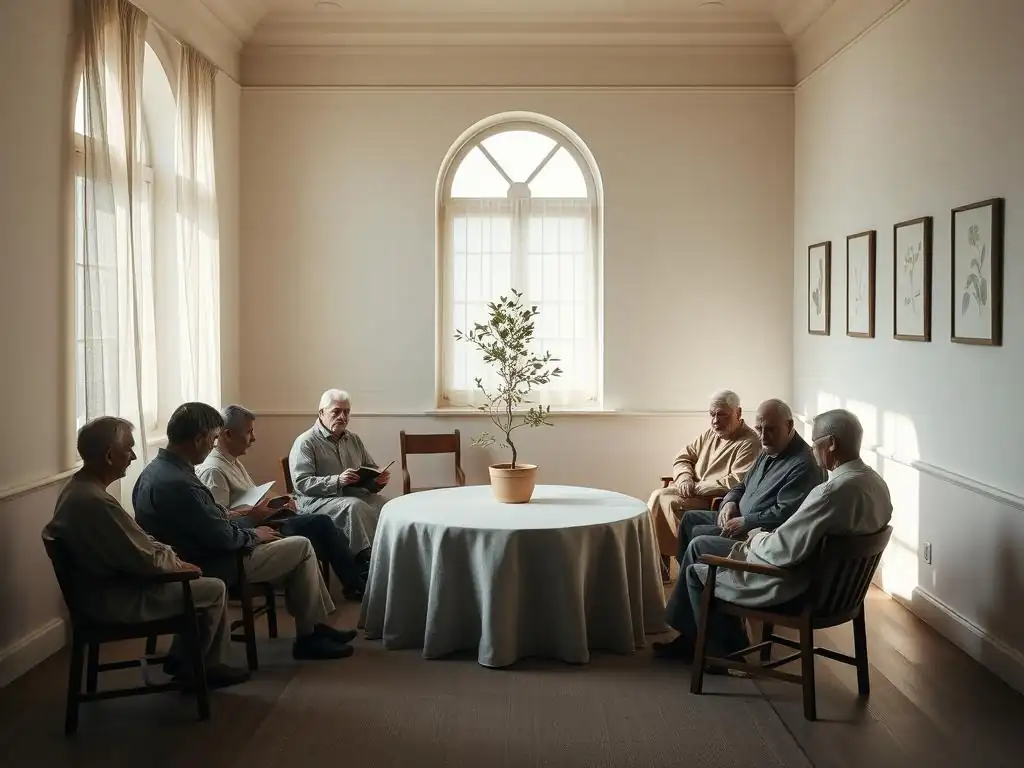
Moral treatment emerged in the late 18th century and gained significant traction in the early 19th century as a radically different approach to mental illness care. Unlike the medical model's focus on biological pathology, moral treatment posited that mental illness, particularly certain forms, was often a result of environmental stressors, societal pressures, emotional shocks, or poor habits and lifestyle choices. The core philosophy centered on treating patients with kindness, respect, and empathy, believing that a humane and structured environment could facilitate recovery.
The term "moral" in this context refers less to morality in the sense of good vs. bad behavior and more to the psychological and emotional state of the individual, emphasizing the importance of morale, character, and personal discipline cultivated within a supportive community. Proponents believed that removing patients from stressful situations and placing them in a calm, orderly, and encouraging setting, combined with purposeful activity and positive social interaction, could restore their mental equilibrium.
Key Figures and Proponents of Moral Treatment
Several pioneering figures were instrumental in developing and popularizing moral treatment. Philippe Pinel in France famously unchained patients at the Bicêtre asylum in Paris in the 1790s, advocating for humane care and observation. William Tuke, a Quaker philanthropist, founded the York Retreat in England in 1796, which became a leading example of moral treatment principles in practice, emphasizing a family-like atmosphere, religious devotion, and manual labor.
In the United States, figures like Thomas Story Kirkbride promoted the "Kirkbride Plan" for asylum architecture, designed to support moral treatment principles with ample light, ventilation, and space for various activities. Superintendents like Amariah Brigham at the Utica State Hospital also championed moral treatment, focusing on structured routines, occupational therapy, and educational programs as key 19th century asylum treatment methods.
Core Practices of Moral Treatment in Asylums
Moral treatment was characterized by a set of integrated practices aimed at creating a therapeutic community and restoring the patient's sense of self-worth and agency.
Creating a Therapeutic Environment: The Importance of Structure and Routine
A cornerstone of moral treatment was the deliberate creation of a calm, orderly, and aesthetically pleasing environment. Asylums built according to moral treatment principles often featured spacious grounds, gardens, and comfortable living quarters, contrasting sharply with the harsh conditions of earlier confinement. A highly structured daily routine was considered essential, providing patients with a sense of predictability and stability. This routine typically included fixed times for waking, meals, work, recreation, and rest, designed to re-instill healthy habits and self-discipline.
Superintendents and staff adopting these 19th century asylum treatment methods paid close attention to the social atmosphere, encouraging polite interaction among patients and staff. The environment was viewed as a crucial therapeutic tool itself, actively contributing to the patient's recovery by removing them from detrimental influences and providing a supportive, normalizing atmosphere.
Occupational Therapy and Recreation: Engaging Patients in Meaningful Activities
Purposeful activity was central to moral treatment. Patients were encouraged, often required, to engage in various forms of occupational therapy and recreation. This included manual labor such as farming the asylum grounds, working in workshops (tailoring, carpentry, laundry), or participating in domestic duties. The aim was not just to provide labor for the institution but to give patients a sense of purpose, productivity, and contribution, restoring their connection to normal life activities.
Recreational activities were also vital, including walks in nature, social gatherings, reading, music, and games. These activities provided healthy outlets, encouraged social interaction, and offered opportunities for enjoyment and relaxation. The belief was that engaging the mind and body in constructive and pleasurable ways was a powerful antidote to the idleness and despair often associated with mental illness.
Individualized Care and the Role of the Asylum Superintendent
Despite housing multiple patients, moral treatment emphasized the importance of individualized care and personal attention. Asylum superintendents, often physicians who embraced the moral philosophy, were expected to have a close rapport with their patients, understanding their individual histories, personalities, and needs. They were meant to be benevolent authority figures, guiding patients towards recovery through personal influence and counseling, rather than relying solely on coercion or physical intervention.
Staff were trained to treat patients with kindness, patience, and firmness, avoiding harsh punishments or excessive restraint. The ideal was a low staff-to-patient ratio to facilitate this personalized attention and engagement. This focus on individual needs and relationships was a defining characteristic of moral treatment as one of the key 19th century asylum treatment methods.
Medical vs. Moral: A Detailed Comparison
Contrasting Philosophies: Disease vs. Character
The fundamental difference between the medical and moral approaches lay in their core understanding of mental illness. The medical model viewed "insanity" primarily as a physical disease, a pathology of the brain or nervous system requiring somatic intervention. This perspective often reduced the patient to a collection of symptoms stemming from biological malfunction.
In contrast, the moral treatment approach largely saw mental illness as a disorder of the mind or character, heavily influenced by environmental factors, emotional distress, and lifestyle. It viewed the individual holistically, emphasizing their capacity for reason, self-control, and recovery through psychological and social means. The debate was essentially one of nature (biological defect) versus nurture (environmental and psychological factors) as the primary cause and focus of 19th century asylum treatment methods.
Differences in Treatment Methods and Practices
The divergence in philosophy led directly to vastly different 19th century asylum treatment methods. The medical model relied on physical interventions such as bloodletting, purging, emetics, hydrotherapy (cold baths, douching), mechanical restraints, and early, often harsh, drug therapies aimed at altering the patient's physiology.
Moral treatment, conversely, eschewed aggressive physical interventions where possible, favoring psychological and environmental methods. Its practices included structured daily routines, occupational therapy (farming, crafts), recreational activities, educational classes, religious services, personal counseling, and creating a calm, humane social environment. Restraint was used sparingly, if at all, seen as counterproductive to restoring self-control and dignity.
The Role of the Asylum Environment in Each Approach
The asylum environment played a crucial but different role in each model. Under the medical model, the asylum was primarily a place for physical treatment and containment. While order and cleanliness were desired, the environment's therapeutic value was often secondary to administering physical interventions. The architecture and layout might facilitate separation and observation, but the focus was on the treatment administered to the patient.
For moral treatment, the environment was a primary therapeutic tool. The physical layout, the aesthetic appeal of the grounds and buildings, the cleanliness, the social atmosphere, and the daily structure were all deliberately designed to be restorative and normalizing. The environment was not just a setting for treatment but an active component of the 19th century asylum treatment methods, aimed at influencing the patient's state of mind and encouraging recovery through positive external influences.
The Decline of Moral Treatment and the Rise of the Medical Model
Factors Contributing to the Shift in Dominance
Despite its initial successes and humane principles, moral treatment began to decline in prominence from the mid-19th century onwards. Several factors contributed to this shift, paving the way for the reassertion of the medical model as the dominant framework for 19th century asylum treatment methods.
One significant factor was the sheer growth in the number of patients. Asylums became larger and more crowded, particularly in the latter half of the century. Maintaining the low staff-to-patient ratios and individualized care central to moral treatment became increasingly difficult and expensive. The personal attention from superintendents and the provision of meaningful occupational therapy were challenging to scale up for institutions housing hundreds or even thousands of patients.
Overcrowding and its Impact on Asylum Care
Overcrowding became a major crisis in many 19th century asylums. Institutions designed for a few hundred patients were often forced to accommodate double or triple that number. This led to a deterioration of living conditions, reduced sanitation, and a strain on limited resources.
Crucially, overcrowding made the labor-intensive practices of moral treatment nearly impossible to implement effectively. Staff, overwhelmed by the sheer volume of patients, often resorted to more custodial and controlling measures, including increased use of mechanical restraints and solitary confinement – practices antithetical to the core principles of moral treatment. The therapeutic environment envisioned by pioneers like Tuke and Pinel crumbled under the weight of sheer numbers, leaving behind institutions that were often little more than warehouses for the mentally ill, where humane 19th century asylum treatment methods were difficult to sustain.
The Influence of Scientific Advancements on Medical Approaches
The latter half of the 19th century saw significant advancements in medical science, particularly in fields like neurology and pathology. While direct links between specific brain pathologies and most forms of mental illness remained elusive, the promise of scientific discovery fueled optimism in the medical model. Physicians were eager to apply new scientific techniques and classifications to mental illness, reinforcing the idea that the answers lay in biological investigation and physical intervention.
Although truly effective biological treatments were largely absent, the scientific rhetoric and the authority of the medical profession grew. This intellectual climate favored the medical model's emphasis on diagnosis and somatic treatment, even if the specific 19th century asylum treatment methods available were still rudimentary and often ineffective or harmful. The perceived failures of overcrowded asylums practicing a diluted form of moral treatment further bolstered the argument for a return to a more "scientific," medically-led approach.
Case Studies: Illustrating the Two Approaches in Practice

Case Study 1: Worcester State Hospital (Massachusetts) and the Medical Model
Worcester State Hospital, founded in Massachusetts in 1833, is an example that illustrates the complexities and eventual shift in 19th century asylum treatment methods. Initially, under its first superintendent, Samuel Woodward, it was celebrated as a model institution implementing many principles of moral treatment, including occupational therapy, education, and humane care. Patients were engaged in farming, workshops, and classes, and restraint was discouraged.
However, as the century progressed, patient numbers swelled, funding became insufficient, and the optimistic therapeutic goals gave way to custodial care. While physicians remained in charge, the focus shifted from moral influence to managing large numbers of chronic patients.
Although "medical" interventions like baths, sedatives, and restraints were still employed, the ideal of individualized care and rehabilitation diminished. By the late 19th century, Worcester, like many large public asylums, struggled with overcrowding and a decline in the quality of care, embodying the challenges faced when the scale of the problem overwhelmed the capacity for genuine therapeutic engagement, leading to a de facto custodial model often layered with ineffective medical practices.
Case Study 2: The York Retreat (England) and the Moral Treatment Approach
The York Retreat, founded by the Quaker William Tuke in 1796, stands as a classic and enduring example of moral treatment in practice. Established as an alternative to the harsh conditions found elsewhere, the Retreat housed a relatively small number of patients and operated on principles of kindness, quietude, and purposeful activity within a supportive, family-like atmosphere.
Patients at the Retreat participated in gardening, needlework, and other domestic tasks. Conversation and social interaction were encouraged, and religious devotion was part of the routine. Harsh physical restraints were largely avoided, replaced by gentle persuasion and the calming influence of the environment and staff.
While it primarily served Quaker patients and remained small and privately funded, allowing it to maintain its ideals, the York Retreat's documented success in helping patients recover or live more comfortably provided a powerful model and inspiration for the early asylum movement, showcasing the potential of humane and psychologically-oriented 19th century asylum treatment methods. Its influence spread internationally, inspiring similar initiatives.
Analyzing the Outcomes: Successes and Failures of Each Approach
Analyzing the outcomes of these competing 19th century asylum treatment methods is complex. Early reports from institutions practicing moral treatment often boasted high recovery rates, sometimes claiming recovery for two-thirds or more of recent cases. However, these statistics were often based on subjective criteria and did not reflect outcomes for chronic patients. Moral treatment was most effective with smaller numbers of patients and acute conditions, struggling with the growing population of individuals with severe and persistent mental illness.
The medical model of the time, lacking effective somatic treatments for most mental illnesses, had limited therapeutic success in terms of curing conditions. Its methods were often palliative (like sedation) or based on speculative theories (like bloodletting), sometimes causing more harm than good.
However, the medical model's emphasis on classification and scientific inquiry laid groundwork for future psychiatric research. Ultimately, both approaches, in their 19th-century forms, faced limitations, with the medical model gaining dominance partly due to the perceived failure of large, overcrowded asylums to sustain moral treatment principles and the growing prestige of medical science, despite the lack of truly effective medical 19th century asylum treatment methods.
The Legacy of 19th Century Asylum Treatment Methods
Lasting Impacts on Modern Mental Health Care
The 19th century asylum treatment methods, encompassing both the medical and moral approaches, left a complex and enduring legacy on modern mental health care. The asylum movement itself established the concept of dedicated institutions for mental health care, though the model evolved dramatically over the next century. The medical model's emphasis on understanding the biological underpinnings of mental illness continues to drive psychiatric research today, leading to the development of psychopharmacology and neuroscience-based therapies.
However, the moral treatment approach also contributed significantly. Its principles of creating a therapeutic environment, utilizing occupational and recreational therapy, and recognizing the importance of social interaction and meaningful activity are foundational to many modern psychotherapeutic and rehabilitative practices. Community mental health programs, therapeutic communities, and the emphasis on patient dignity and recovery-oriented care all echo the humane ideals championed by the moral treatment pioneers.
Lessons Learned from the Medical and Moral Approaches
The history of 19th century asylum treatment methods offers crucial lessons. The decline of moral treatment under pressure highlights the importance of adequate resources, manageable scale, and trained staff for humane and effective care. It demonstrated that even well-intentioned therapeutic models can fail when institutions become overcrowded and underfunded, leading to custodialism.
The medical model of the 19th century, while forward-looking in its scientific aspirations, serves as a cautionary tale about the dangers of applying ineffective or harmful treatments based on speculative theories. It underscores the need for evidence-based practice and a critical approach to new interventions. Both approaches, in their successes and failures, emphasize that effective mental health care requires a blend of understanding the individual's internal state (be it biological or psychological) and the influence of their external environment and social context.
The Ongoing Debate: Nature vs. Nurture in Mental Illness
The tension between the medical and moral models in the 19th century reflects an ongoing debate in psychiatry: the relative roles of biological factors ("nature") and environmental/psychosocial factors ("nurture") in causing and treating mental illness. While modern psychiatry recognizes that most mental health conditions result from a complex interplay of genetic predisposition, brain chemistry, psychological experiences, and social determinants, the emphasis can still shift.
Contemporary approaches strive for an integrated bio-psycho-social model, acknowledging the importance of biological treatments (like medication), psychological therapies (like CBT or psychotherapy), and social support and environmental factors. The history of 19th century asylum treatment methods serves as a reminder that neglecting any one of these dimensions can lead to incomplete understanding and ineffective, or even harmful, care.
Conclusion: Reflecting on the Complexities of 19th Century Mental Health Care
Summarizing the Key Differences Between Medical and Moral Treatment
The 19th century presented a stark contrast in approaches to mental illness care. The medical model viewed "insanity" as primarily a biological disease, focusing on physical interventions like bloodletting, purging, restraints, and early sedatives. The moral treatment approach, conversely, saw mental illness as influenced by psychological and environmental factors, emphasizing humane care, structured routines, occupational therapy, and a therapeutic environment. These competing 19th century asylum treatment methods represented fundamentally different philosophies on the nature of mental suffering and the path to recovery.
The Importance of Understanding Historical Context
Examining these historical approaches is crucial for understanding the evolution of mental health care. It reveals the societal attitudes, scientific limitations, and humanitarian impulses that shaped institutional care. Recognizing the challenges faced by 19th century asylums, such as overcrowding and limited effective treatments, helps us appreciate the progress made while also highlighting persistent issues like stigma, funding challenges, and the balance between biological and psychosocial interventions. Understanding these historical 19th century asylum treatment methods provides essential context for contemporary discussions about mental health policy and practice.
Moving Forward: Integrating Compassion and Science in Mental Healthcare
The legacy of the medical and moral approaches suggests that effective mental healthcare requires integrating the strengths of both perspectives. While scientific research continues to advance our understanding of the brain and develop new biological treatments, the principles of compassion, dignity, therapeutic relationships, and a supportive environment, championed by the moral treatment movement, remain equally vital. Moving forward, the goal is to combine scientific rigor and evidence-based medical interventions with humane, individualized, and recovery-oriented care, drawing lessons from the complex history of 19th century asylum treatment methods to inform a more effective and compassionate future for mental well-being.
Frequently Asked Questions
What were the two primary approaches to treating mental illness in 19th-century asylums?
The two main approaches were the medical model, emphasizing physical causes and treatments, and the moral treatment, focusing on compassionate care and rehabilitation.
How did the "moral treatment" approach differ from earlier methods of dealing with the mentally ill?
Moral treatment rejected punishment and restraint, opting for a structured environment focused on work, education, and social interaction to promote mental well-being.
What were some common medical treatments used in 19th-century asylums, and were they effective?
Medical treatments often involved bloodletting, purging, and hydrotherapy. Their effectiveness was questionable at best, and they could be harmful.
What criticisms were leveled against both the medical and moral treatment approaches during the 19th century?
The medical model faced criticism for its lack of scientific basis and sometimes brutal methods. Moral treatment was often difficult to implement consistently due to overcrowding and understaffing.
Why is it important to understand 19th-century asylum treatment methods when studying mental health today?
Understanding these historical approaches provides context for the evolution of mental health care, highlighting the mistakes of the past and informing more humane and effective treatments in the present.
Final Reflection: The Enduring Legacy of 19th Century Asylum Care
The stark contrast between the medical and moral approaches to asylum care in the 19th century continues to resonate today, shaping our understanding of mental illness and the ethical considerations surrounding treatment. The failures of the past, particularly the inhumane practices often disguised under the guise of "moral treatment," serve as a potent reminder of the dangers of unchecked power and the crucial need for patient-centered care. We must never forget the lessons learned from these dark chapters in medical history.
The legacy of 19th-century asylum practices is far-reaching, influencing not only the development of modern psychiatry but also our broader societal attitudes towards mental health. The stigma surrounding mental illness, often rooted in the misconceptions and abuses of that era, persists to this day. The asylum was not merely a place of treatment; it was a social construct reflecting the anxieties and prejudices of its time.
This quote highlights the deep societal implications of the approaches discussed, and the need for ongoing critical examination of our own biases. The fight for equitable and humane mental healthcare is a direct descendant of the struggles faced by those confined within the walls of 19th-century asylums.
Consider the impact of these historical approaches on your own perspective. How do the ethical dilemmas faced by 19th-century practitioners inform your understanding of contemporary mental healthcare? What responsibility do we, as individuals and as a society, bear in ensuring that the mistakes of the past are not repeated? Let the stories of those who suffered within the asylum walls inspire you to advocate for compassionate, evidence-based care, and to challenge the stigma that continues to surround mental illness. The fight for better mental healthcare is far from over, and your voice matters.
Uncover the Untold Stories of 19th Century Asylum Care
Thanks for exploring the complex history of asylum care in the 19th century! You’ve gained valuable insight into the clash between medical advancements and moral philosophies of the era. Now, let's take this further:
- Dive deeper: Research a specific individual or case study from a 19th-century asylum. Share your findings – what surprised you most about their treatment?
- Share your perspective: Discuss how the ethical dilemmas faced then relate to contemporary mental health challenges. What parallels do you see?
- Engage with history: Find a local historical society or museum focused on medical history and explore their archives for related information.
What unforeseen consequences of 19th-century asylum practices do you think still impact our understanding of mental health today?