
The Asylum Library: Education and Recreation for Patients in the 1800s


Welcome to Mind Care Guide, a sanctuary for understanding and nurturing your mental well-being. Ever wondered how those struggling with mental health were supported in the past? Delve into the fascinating, and often surprising, history of "19th century mental health recreation" and discover the vital role libraries played in asylums. Prepare to be enlightened and challenged as we uncover forgotten stories of healing and hope.
The Asylum Library: Education and Recreation for Patients in the 1800s
- Introduction: 19th Century Asylums and the Rise of Therapeutic Libraries
- The Rationale Behind Asylum Libraries: Recreation and Education in Mental Health
- The Contents of Asylum Libraries: What Patients Read
- The Impact of Asylum Libraries on Patient Well-being: Case Studies and Observations
- Challenges and Limitations of Asylum Libraries
- The Evolution of Recreational Activities in 19th Century Mental Asylums
- The Decline of the Asylum Library and the Future of Bibliotherapy
- Conclusion: Reflecting on the Role of 19th Century Mental Health Recreation
-
Frequently Asked Questions
- What role did libraries play in 19th century mental asylums?
- How did access to books and reading materials impact patients' well-being?
- What types of recreational activities, besides reading, were common in asylums?
- Were there any limitations or restrictions placed on patients' access to library resources?
- How did the concept of recreation as therapy evolve in 19th century mental health care?
- Final Reflection: Echoes of the Asylum Library – A Legacy of Healing and Hope
- Unlock the Secrets of 19th-Century Asylum Life!
Introduction: 19th Century Asylums and the Rise of Therapeutic Libraries
The Context of Mental Healthcare in the 1800s
The 19th century marked a significant shift in the understanding and treatment of mental illness. Prior to this era, individuals with mental health conditions were often confined in poorhouses or harsh institutions with little focus on therapeutic care. The rise of the asylum movement, particularly influenced by figures advocating for 'moral treatment,' aimed to provide a more humane and structured environment. This new approach emphasized calm surroundings, routine, purposeful activity, and intellectual engagement as crucial components in restoring mental balance.
Within these burgeoning asylums, the philosophy began to evolve from mere custody to a form of care that, while imperfect by modern standards, sought to address the whole person. This period saw the construction of large, often imposing institutions, intended to be places of healing and reform rather than simple incarceration. The daily life within these walls varied greatly depending on the institution, but the ideal increasingly included elements designed to alleviate distress and promote recovery, setting the stage for innovative forms of 19th century mental health recreation.
The Emergence of the Asylum Library as a Novel Concept
Amidst this shift towards moral treatment, the concept of providing libraries within asylums emerged as a novel and progressive idea. Initially, access to books might have been limited or non-existent in earlier, custodial settings. However, proponents of moral treatment recognized the potential of reading and intellectual stimulation as therapeutic tools. A library was seen not just as a source of entertainment, but as a means to engage patients' minds, distract them from distressing thoughts, and potentially even educate or re-educate them.
By the mid-19th century, many prominent asylums in Europe and North America began establishing dedicated library spaces. These libraries were often stocked through donations, staff contributions, or sometimes through modest institutional budgets. Their existence reflected a growing belief that even individuals with severe mental health challenges could benefit from access to literature and knowledge, marking a notable development in the landscape of 19th century mental health recreation.
The Rationale Behind Asylum Libraries: Recreation and Education in Mental Health
Promoting Mental Well-being Through Reading and Intellectual Stimulation
The core rationale for establishing asylum libraries was the belief that reading and intellectual activity could directly contribute to a patient's mental well-being. Proponents argued that engaging with books offered a positive outlet for the mind, diverting attention away from symptoms such as anxiety, depression, or delusions. Reading was seen as a form of mental exercise that could help maintain cognitive function and provide a sense of normalcy and purpose in an institutional setting.
Furthermore, access to educational materials was considered important. For patients whose lives had been disrupted by illness, the library offered an opportunity for continued learning or skill development. Historical accounts from institutions like the McLean Asylum in Massachusetts mention patients using the library to study specific subjects or keep up with current events, highlighting the dual role of libraries in offering both recreation and intellectual growth within 19th century mental health recreation programs.
The Belief in Moral Treatment and the Role of Books
Asylum libraries were intrinsically linked to the principles of moral treatment. This philosophy emphasized treating patients with kindness, respect, and providing a structured, humane environment. Books were considered integral to this environment, offering a form of gentle occupation and moral uplift. Reading material was often selected not just for entertainment, but also for its perceived moral or educational value, intended to reinforce positive behaviors and thoughts.
Moral treatment posited that idleness could exacerbate mental distress, while purposeful activity and intellectual engagement could aid recovery. Providing a library full of varied reading material offered a readily available, self-directed form of purposeful activity. Reports from institutions practicing moral treatment frequently listed reading alongside activities like gardening, handicrafts, and social gatherings as essential components of therapeutic care and valuable forms of 19th century mental health recreation.
Addressing Boredom and Isolation in Asylum Settings
Life within a 19th-century asylum, despite the ideals of moral treatment, could often be monotonous and isolating. Patients were separated from their families and communities, and daily routines could be rigid. Boredom was recognized as a significant challenge that could worsen a patient's condition. Asylum libraries provided a vital antidote to this idleness, offering an escape into different worlds and ideas.
By providing a shared space and a common activity, libraries also helped combat isolation. While reading itself is often a solitary pursuit, the library offered a place for quiet contemplation outside of wards, and sometimes facilitated informal interactions between patients or between patients and staff discussing books. This aspect of providing engaging occupation and reducing the negative effects of isolation underscores the crucial role of libraries in providing meaningful 19th century mental health recreation.
The Contents of Asylum Libraries: What Patients Read
Selection Criteria for Books and Reading Materials
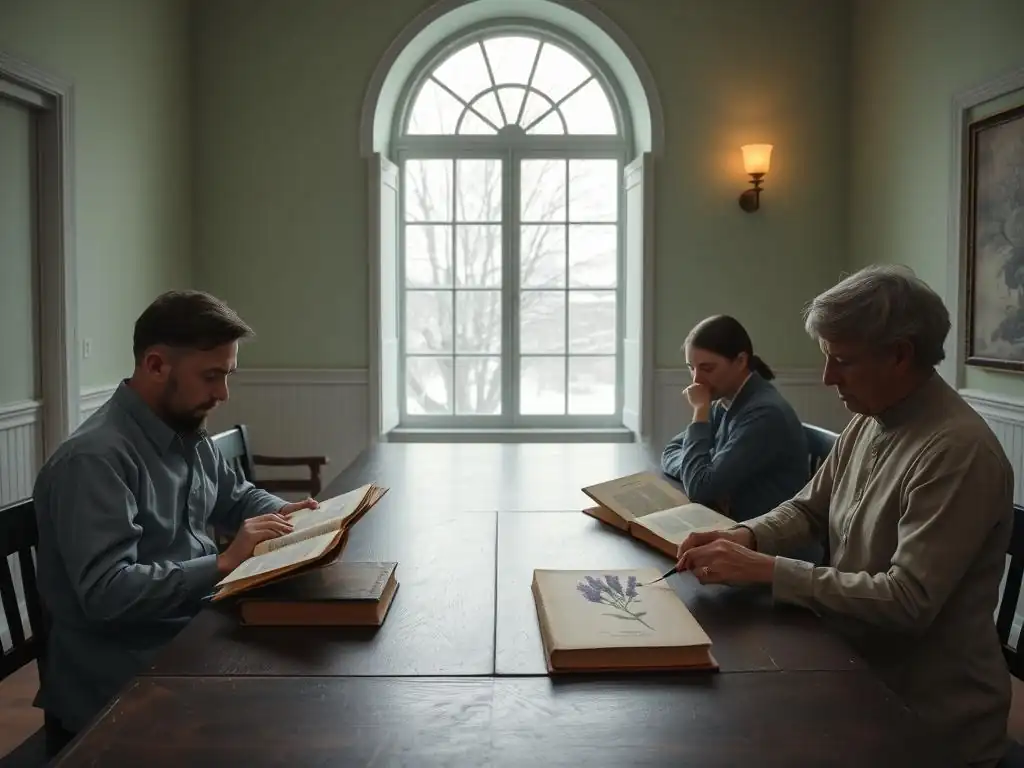
The selection of materials for asylum libraries in the 1800s was often guided by specific criteria, reflecting the therapeutic goals of the institutions. Books were typically chosen to be uplifting, morally sound, and non-agitating. Sensational novels, politically controversial texts, or anything deemed likely to excite or distress patients were often excluded. The focus was on literature considered wholesome, educational, or calming.
Committees, often comprising asylum superintendents, chaplains, and sometimes board members, oversaw acquisitions. Donations were a primary source of books, meaning collections could be somewhat eclectic, but efforts were made to curate them. Reports from institutions like the State Lunatic Hospital at Utica, New York, detail efforts to build collections that were "instructive, entertaining, and morally pure," indicating a deliberate therapeutic intent behind the selection process for this form of 19th century mental health recreation.
The specific contents varied, but certain genres and authors were commonly found in 19th-century asylum libraries. Religious texts, particularly the Bible, were ubiquitous. Educational books on history, geography, science (often presented in an accessible manner), and practical skills were also common. Fiction was included, but often limited to works considered morally upright and gently engaging, such as novels by authors like Sir Walter Scott or the domestic dramas popular at the time.
Poetry, essays, and periodicals were also frequently available. Newspapers and magazines provided a link to the outside world, which was considered beneficial for patients' orientation and engagement. While precise circulation data for specific titles is rare, historical accounts and surviving library catalogs suggest a preference for literature that was both diverting and perceived as contributing positively to a patient's character and state of mind, forming a key part of 19th century mental health recreation.
Tailoring Collections to Patient Interests and Educational Levels
While the general principles guided selection, some institutions made efforts to tailor their collections to the diverse interests and educational backgrounds of their patient populations. Recognizing that patients came from varied walks of life, attempts were made to include materials suitable for different literacy levels and intellectual capacities. This might involve acquiring simpler readers for those with limited education or more complex texts for patients from professional backgrounds.
Some libraries also subscribed to specialized journals or newspapers that might appeal to former occupations or hobbies. For example, an asylum might acquire agricultural journals for patients who had been farmers or scientific magazines for those with prior scientific interests. While not always extensive, these efforts to diversify collections demonstrated an understanding that effective 19th century mental health recreation through reading required meeting patients where they were, intellectually and experientially.
The Impact of Asylum Libraries on Patient Well-being: Case Studies and Observations
Case Study 1: Worcester State Hospital Library and Its Impact on Patient Engagement
Worcester State Hospital in Massachusetts, under the superintendency of Dr. Pliny Earle from 1864 to 1885, was known for its emphasis on therapeutic activities, including a well-regarded library. Earle was a strong advocate for providing patients with opportunities for intellectual engagement and 19th century mental health recreation. The hospital's annual reports frequently mentioned the library, detailing its size and usage.
Records from the 1870s indicate the library held several thousand volumes, a substantial collection for the time. Staff observations noted that the library was a popular destination for patients, providing a quiet retreat and a source of occupation.
Earle himself reported anecdotal evidence suggesting that access to books helped calm agitated patients and provided a valuable diversion for those struggling with chronic conditions. While quantitative data on direct therapeutic outcomes linked solely to library use is difficult to isolate, the consistent emphasis and positive reporting in institutional records highlight its perceived value in fostering patient engagement and contributing to their overall environment.
Case Study 2: York Retreat and the Quaker Philosophy of Reading as Therapy
The York Retreat in England, founded by the Quaker William Tuke in the late 18th century, is a foundational example of moral treatment. While predating the peak of asylum library development in the mid-1800s, the Retreat's philosophy heavily influenced later institutions and included reading as a core therapeutic activity. The Quakers believed in the importance of cultivating the mind and spirit, and quiet reading was considered a suitable and beneficial pursuit for individuals with mental distress.
Patients at the York Retreat were encouraged to read, and a collection of suitable books was made available. This wasn't necessarily a formal, large-scale library in the later asylum style, but access to reading material was integrated into the daily routine. The emphasis was on calm, rational literature that would soothe and uplift. The success of the York Retreat in treating patients through humane methods, including reading and other forms of 19th century mental health recreation, served as an influential model for institutions that later developed more formal library systems.
Anecdotal Evidence and Reports from Asylum Staff
Reports from asylum staff and superintendents throughout the 19th century frequently contain anecdotal evidence regarding the perceived benefits of the library. Attendants observed patients spending hours reading, finding solace and distraction in books. Physicians noted that engaging with literature seemed to improve patients' mood or reduce restlessness.
For instance, an 1880 report from an asylum in the American Midwest mentioned that "the library is much frequented by the patients, and is a source of great comfort and improvement to many. It furnishes a quiet and profitable recreation." While these reports are subjective and not based on controlled studies, the consistent positive commentary across different institutions underscores the widespread belief among mental health professionals of the era that libraries played a valuable role in providing beneficial 19th century mental health recreation and contributing positively to the asylum environment.
Challenges and Limitations of Asylum Libraries
Funding and Resource Constraints
Despite the recognized benefits, asylum libraries in the 19th century faced significant challenges, primarily related to funding and resources. Most state or public asylums operated on tight budgets, and while essentials like food and heating were prioritized, the library often received limited institutional funds. Acquisitions frequently relied heavily on donations from wealthy patrons, community groups, or the personal collections of staff.
This reliance on donations meant that collections could be inconsistent in quality and relevance. There might be an abundance of outdated or unsuitable books and a lack of newer or more popular titles. Maintaining the collection – binding damaged books, cataloging, and providing adequate staffing – also required resources that were often scarce. The financial limitations directly impacted the scope and effectiveness of libraries as a form of 19th century mental health recreation.
The Availability of Suitable Reading Materials
Finding truly suitable reading materials presented another challenge. As noted earlier, criteria often favored morally uplifting or educational content, which could limit the range and appeal for a diverse patient population. Books that were too complex, too emotionally charged, or simply uninteresting would not serve their therapeutic purpose.
Furthermore, the sheer volume of material needed for large institutions was considerable. A large asylum housing hundreds or even thousands of patients required a substantial and constantly refreshed collection to cater to varied tastes and prevent repetition. The logistical challenge of acquiring, processing, and circulating a sufficient quantity of appropriate books was a constant struggle for those managing asylum libraries, impacting the quality of 19th century mental health recreation offered.
Patient Literacy and Access Barriers
A significant limitation was the varying levels of literacy among asylum patients in the 1800s. While some patients came from educated backgrounds, many others, particularly those from lower socioeconomic classes, might have had limited or no reading ability. For these individuals, the library offered little direct benefit.
Even for literate patients, access could be a barrier. Some institutions had restrictions on when patients could visit the library, or access might be limited to certain wards or patient classifications. Patients who were severely ill, withdrawn, or physically infirm might also be unable to utilize the library facilities. These factors meant that despite the presence of a library, its benefits as a source of 19th century mental health recreation were not universally accessible to all patients.
The Evolution of Recreational Activities in 19th Century Mental Asylums
Beyond Books: Other Forms of Recreation and Entertainment
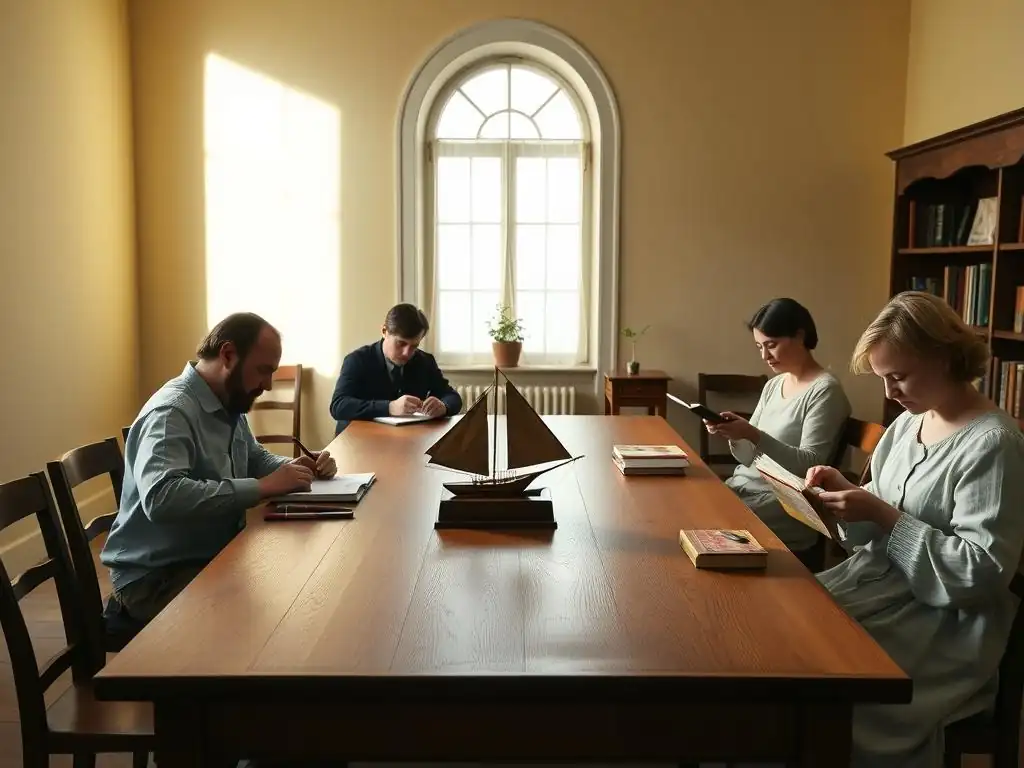
While libraries were a valuable resource, 19th-century mental health recreation in asylums encompassed a wider range of activities. Institutions increasingly recognized the importance of structured and unstructured leisure time. This included outdoor activities like gardening, walking in the grounds, and sports such as cricket or croquet where space allowed. Indoor activities included music, dancing, theatrical performances (often put on by patients or staff), lectures, and various handicrafts like sewing, knitting, or carpentry.
Many asylums built dedicated recreation halls or auditoriums to host these events. These activities were seen as crucial for providing healthy outlets, encouraging social interaction, and instilling a sense of routine and purpose. The variety of activities reflected a growing understanding that different patients would respond to different forms of engagement, and a comprehensive approach to 19th century mental health recreation was necessary.
The Integration of Libraries into a Broader Therapeutic Approach
Asylum libraries were not typically standalone features but were intended to be integrated into the broader therapeutic environment. Reading was considered one component among many aimed at restoring mental health. The library complemented other activities by offering a quiet, individual pursuit that could balance more social or physically demanding recreation.
Staff were sometimes encouraged to discuss books with patients, using reading as a starting point for conversation and engagement. The library space itself could serve as a calm alternative to noisy or crowded wards. This integration into the daily schedule and therapeutic philosophy underscored the view of reading not just as simple entertainment, but as a purposeful activity contributing to the overall goal of recovery and providing a specific type of 19th century mental health recreation.
The Legacy of Asylum Libraries: Influences on Modern Mental Healthcare
The concept behind 19th-century asylum libraries — that intellectual engagement and purposeful activity are beneficial for mental health — has a clear legacy in modern mental healthcare. While large institutional libraries for patients are less common today due to shifts in care models, the principles have evolved into contemporary practices.
The idea that reading can be therapeutic is the foundation of bibliotherapy, a recognized form of treatment. Furthermore, modern mental health facilities and community programs often include libraries or access to reading materials as part of their recreational and therapeutic offerings. The emphasis on structured activities, hobbies, and intellectual stimulation as part of recovery plans can be traced back, in part, to the early efforts within asylums to provide varied forms of 19th century mental health recreation, including access to books.
The Decline of the Asylum Library and the Future of Bibliotherapy
Factors Contributing to the Decline of Asylum Libraries
The prominence of dedicated, large-scale asylum libraries began to wane in the 20th century due to several factors. The eventual decline of the large institutional model of care, particularly with the advent of deinstitutionalization movements, meant fewer patients resided in settings where a central library was feasible or necessary. Funding for these large institutions also decreased over time, leading to cuts in non-essential services like libraries.
Furthermore, changes in therapeutic approaches shifted focus away from purely moral treatment and towards pharmacological and psychological interventions. While recreation remained important, the specific emphasis on the library as a primary therapeutic tool lessened. The challenges of maintaining collections, ensuring accessibility, and proving tangible outcomes also contributed to their gradual decline as central features of mental healthcare institutions, impacting the nature of 19th century mental health recreation available.
Bibliotherapy Today: Modern Applications of Reading in Mental Health
Despite the decline of institutional asylum libraries, the underlying principle of using reading for therapeutic purposes has survived and evolved into modern bibliotherapy. Today, bibliotherapy is often used within talking therapies, where therapists recommend specific books or reading materials relevant to a client's issues, such as self-help books for anxiety or depression, or fiction that explores relevant themes.
Reading groups are also used in therapeutic settings, providing both the benefits of engaging with literature and the opportunity for social interaction and discussion. This modern form of bibliotherapy can be delivered in various settings, including hospitals, clinics, schools, and community centers, demonstrating the enduring belief in the power of books to influence mental well-being, a concept rooted in the 19th century mental health recreation efforts of asylums.
The Importance of Recreation and Intellectual Stimulation in Mental Well-being
The history of asylum libraries serves as a powerful reminder of the long-standing recognition that recreation and intellectual stimulation are vital components of mental well-being. Even in the challenging environment of 19th-century institutions, pioneering figures understood that engaging the mind and providing opportunities for positive activity could contribute to recovery and improve quality of life.
Modern mental healthcare continues to emphasize the importance of recreational therapy, occupational therapy, and engaging hobbies as part of holistic treatment plans. Whether through structured programs, access to community resources, or encouraging personal interests, the principle remains: purposeful activity, including intellectual pursuits like reading, plays a crucial role in maintaining mental health and supporting recovery. The legacy of 19th century mental health recreation lives on in these contemporary approaches.
Conclusion: Reflecting on the Role of 19th Century Mental Health Recreation
The Enduring Value of Asylum Libraries in Mental Health History
The story of asylum libraries in the 19th century is a significant chapter in the history of mental health care. It highlights a period when institutions, despite their many flaws, began to explore humane and therapeutic approaches beyond simple custody. The establishment of libraries demonstrates a forward-thinking recognition that intellectual engagement and access to knowledge were not privileges to be denied to those with mental illness, but potentially valuable tools for their recovery and comfort.
These libraries provided a quiet refuge, a source of distraction, education, and a link to the outside world for patients who were often isolated. While limited by the constraints of the era, they represented a genuine effort to provide meaningful 19th century mental health recreation within institutional settings, contributing to the developing philosophy of care that emphasized the importance of the patient's environment and daily life.
Lessons Learned from the Past: Implications for Contemporary Mental Healthcare
The history of asylum libraries offers valuable lessons for contemporary mental healthcare. It reinforces the importance of holistic care that addresses not just symptoms but also provides opportunities for engagement, learning, and positive experiences. It underscores the therapeutic potential of non-pharmacological interventions and the value of simple, accessible resources like books.
Understanding the role of libraries and other forms of 19th century mental health recreation in asylums reminds us that creating environments that foster intellectual curiosity, provide purposeful activity, and offer opportunities for quiet reflection or social engagement remains crucial. As we continue to develop mental health services, the historical perspective from the asylum library era serves as a reminder that focusing on the individual's quality of life and providing varied avenues for positive engagement are timeless principles in supporting mental well-being.
Frequently Asked Questions
What role did libraries play in 19th century mental asylums?
Libraries served as therapeutic spaces, offering patients opportunities for education, recreation, and social interaction. They aimed to provide a sense of normalcy and combat the isolation often associated with asylum life.
How did access to books and reading materials impact patients' well-being?
Reading provided patients with intellectual stimulation and a distraction from their symptoms. It offered a means of self-expression, escapism, and connection to the outside world, potentially improving their mood and cognitive function.
What types of recreational activities, besides reading, were common in asylums?
Aside from reading, asylums often featured activities like gardening, music, and games. These activities promoted social engagement, physical activity, and a sense of purpose, contributing to overall well-being.
Were there any limitations or restrictions placed on patients' access to library resources?
Yes, access to specific books and areas within the library could be restricted based on a patient's condition or perceived risk. Censorship was common, with materials deemed potentially harmful being withheld.
How did the concept of recreation as therapy evolve in 19th century mental health care?
The idea of recreation as therapy gained traction as a humane alternative to more punitive treatments. It reflected a growing understanding of the importance of social interaction and meaningful activity in promoting mental recovery and overall quality of life.
Final Reflection: Echoes of the Asylum Library – A Legacy of Healing and Hope
The fight for accessible and meaningful mental healthcare continues to resonate today, mirroring the struggles and triumphs of 19th-century asylum libraries. These weren't simply repositories of books; they represented a crucial, albeit often overlooked, aspect of patient care, offering a vital pathway to recovery and a testament to the inherent human need for stimulation and engagement, even in the face of profound mental distress. The limitations of the past highlight the advancements we've made, but also serve as a potent reminder of the ongoing need for compassionate and holistic approaches to mental well-being.
The legacy of the asylum library extends far beyond its physical existence. It speaks to the enduring power of education and recreation as therapeutic tools, a concept that continues to shape modern mental health practices. The very idea of providing stimulating environments for those struggling with mental illness, a concept often dismissed in earlier, more brutal approaches, represents a significant shift in understanding. The mind is its own place, and in itself can make a Heaven of Hell, a Hell of Heaven.
– John Milton, Paradise Lost. This quote, while not directly related to asylum libraries, perfectly encapsulates the potential for both suffering and healing inherent within the human mind, a potential that these libraries attempted to nurture.
Consider the implications of this history for your own life. How can you contribute to creating environments that foster mental well-being for yourself and others? What resources, both tangible and intangible, can you access to nurture your own mental health and the mental health of those around you? Let the story of the asylum library inspire you to advocate for compassionate and holistic approaches to mental healthcare, ensuring that the echoes of these forgotten spaces continue to resonate as a call for empathy, understanding, and a commitment to the well-being of all.
Unlock the Secrets of 19th-Century Asylum Life!
Thanks for exploring the fascinating world of asylum libraries in the 1800s with us! You've gained a unique perspective on the role of education and recreation in mental healthcare history. Now, let's take this further:
- Dive deeper: Research your local historical society or archives for records of similar institutions in your area. You might uncover surprising stories!
- Share your thoughts: What surprised you most about the role of libraries in these institutions? Let's discuss in the comments below.
- Expand your knowledge: Explore other articles on MindCareGuide.org about the history of mental health treatment.
What other overlooked aspects of 19th-century healthcare could hold valuable lessons for today?