
Poverty, Gender, and 'Insanity': The Social Landscape of 19th Century Asylums

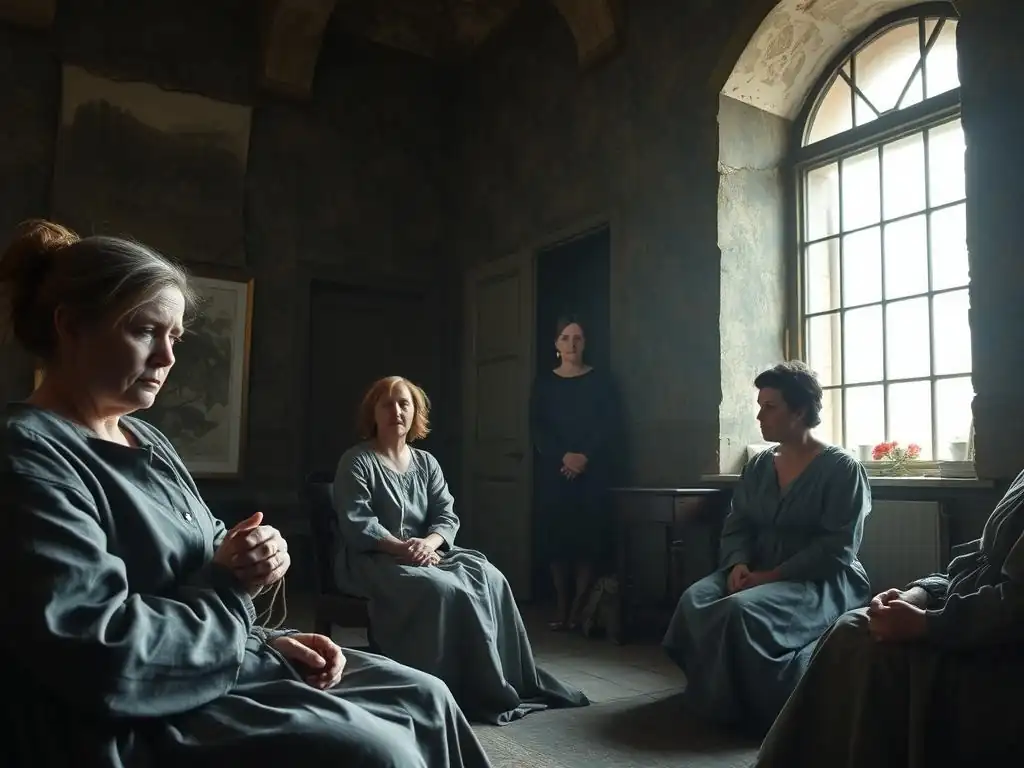
Welcome to Mind Care Guide.
Have you ever wondered about the untold stories hidden within the walls of historical asylums? Imagine the lives of women navigating the harsh realities of 19th-century institutions, often facing challenges compounded by poverty and societal expectations. Our exploration of "Poverty, Gender, and 'Insanity': The Social Landscape of 19th Century Asylums" sheds light on these forgotten experiences. Prepare to delve into a past where mental health and social inequalities intertwined, raising critical questions about care, compassion, and the enduring impact of history on our understanding of mental well-being. What were their lives really like?
Poverty, Gender, and 'Insanity': The Social Landscape of 19th Century Asylums
- Introduction: Understanding 19th Century Mental Health and Asylums
- The Social Context of 19th Century Asylums
- Women's Experiences in 19th Century Asylums: A Closer Look
- 19th Century Asylum Experiences for Women: Case Studies and Personal Narratives
- Gender Bias in the Treatment of Mental Illness During the 19th Century
- The Intersection of Poverty, Gender, and 'Insanity': A Complex Dynamic
- Reforming the Asylums: Advocacy and Change in the Late 19th Century
- Legacy and Lessons: Reflecting on 19th Century Asylum Experiences of Women
- Conclusion: The 19th Century Asylum Experiences of Women and the Importance of Social Context
-
Frequently Asked Questions
- How did poverty impact women's experiences in 19th-century asylums?
- In what ways did gender roles influence the treatment of women in 19th-century asylums?
- What types of conditions or behaviors were commonly labeled as "insanity" in women during the 19th century?
- What resources were available (if any) to women wrongly committed to asylums in the 19th century?
- How did the "Mind Care Guide" website address the historical context of 19th-century asylum experiences for women?
- Final Reflection: Echoes of the Past, Lessons for the Present
- Uncover the Untold Stories: Explore 19th Century Asylum Life
Introduction: Understanding 19th Century Mental Health and Asylums
The 19th century witnessed a dramatic shift in the care and containment of individuals deemed mentally ill. The rise of the asylum movement promised humane treatment and potential recovery, moving away from earlier models of almshouses and private confinement. However, these institutions quickly became complex social microcosms, reflecting and often amplifying the societal inequalities of the time.
Understanding the social landscape within these walls is crucial to grasping the realities faced by patients, particularly women, whose experiences were profoundly shaped by prevailing social norms, economic status, and gender roles. This exploration delves into how poverty and gender intersected with perceptions of 'insanity' and the daily life within 19th-century asylums, shedding light on the often-overlooked 19th century asylum experiences women endured.
The ideal of 'moral treatment' promoted rest, routine, and therapeutic activities, but the rapid expansion of asylums, coupled with chronic underfunding and overcrowding, often meant this ideal was rarely achieved for the majority of patients. Instead, asylums frequently served as custodial institutions for individuals who were poor, socially marginalized, or simply did not conform to societal expectations.
This was particularly true for women, whose mental well-being and perceived 'insanity' were often interpreted through the lens of their domestic roles, moral conduct, and adherence to strict Victorian gender norms. Examining these historical contexts provides valuable insights into the social determinants of mental health and the historical roots of biases that can still resonate in contemporary discussions about mental well-being and care.
Poverty was a significant, often primary, driver for admission to 19th-century asylums, particularly for public institutions funded by states or counties. Individuals from lower socioeconomic classes who exhibited behaviors deemed 'insane' or simply unable to function were less likely to have family resources for private care or support and were frequently institutionalized as paupers.
In many institutions, pauper patients constituted the vast majority of the population. For example, by the late 19th century, some state asylums reported that upwards of 80% or even 90% of their patients were classified as paupers, highlighting the stark reality that mental illness often became synonymous with indigence in the eyes of the state and society.
This overrepresentation of the poor meant that asylum admission was not solely a medical decision based on diagnosis but often a social and economic one. Families unable to care for a relative, or communities seeking to remove individuals who were disruptive or simply unproductive, utilized the asylum as a solution. This was especially true during economic downturns or periods of social upheaval. The poor had limited options; without financial means, the asylum, despite its potential shortcomings, was frequently the only available recourse for care, shelter, or control, blurring the lines between psychiatric treatment and social welfare or incarceration.
Gender Roles and Expectations: How Societal Norms Influenced Perceptions of 'Insanity' in Women
Victorian society imposed rigid expectations on women, primarily centering their lives around domesticity, morality, and emotional restraint (except when expressing appropriate feminine sensibilities). Any deviation from these norms could be pathologized and interpreted as a sign of mental instability. Behaviors such as assertiveness, intellectual ambition, dissatisfaction with domestic life, or even strong emotions like grief or anger could be viewed with suspicion and potentially lead to a diagnosis of 'insanity'. This created a climate where women's mental health was often judged against an impossibly narrow standard of feminine propriety.
Medical professionals, predominantly male, often subscribed to these societal beliefs, interpreting women's physical and emotional states through a gendered lens. Conditions like "hysteria" or "neurasthenia" were diagnoses disproportionately applied to women, often linked to their reproductive organs or perceived emotional fragility.
These diagnoses could encompass a wide range of symptoms, from anxiety and depression to physical ailments, and were frequently seen as stemming from women's inherent nature or their failure to adapt to their prescribed roles. This medicalization of female experience significantly shaped the 19th century asylum experiences women faced, making them particularly vulnerable to institutionalization for reasons that might not have led to confinement for men.
Women's Experiences in 19th Century Asylums: A Closer Look
The diagnostic process for women in 19th-century asylums was deeply intertwined with prevailing social norms and medical biases. While men might be admitted for conditions like "dementia," "mania," or "paresis" often linked to external factors or physical causes, women were frequently diagnosed with conditions like "hysteria," "melancholia," "neurasthenia," "puerperal insanity" (related to childbirth), or even "moral insanity" if their behavior was deemed sexually or socially deviant. These diagnoses were often vague and subjective, allowing for significant interpretation based on the patient's social background, marital status, and perceived adherence to gender roles.
Physicians frequently attributed women's mental distress to issues with their reproductive systems, leading to invasive and often unnecessary gynecological examinations and treatments. Factors such as "suppressed menstruation," "ovarian irritation," or the stresses of childbirth and motherhood were commonly cited as causes of 'insanity'.
This focus on the female body as the source of mental illness reinforced societal control over women's lives and bodies, making it easier to institutionalize those who were non-conformist, troublesome, or simply experiencing distress related to their constrained social circumstances. The diagnostic process thus served not only a medical function but also acted as a mechanism of social control, removing women who challenged or failed to fit within the expected feminine mold.
The Lived Reality: Daily Life and Treatment within the Asylum Walls for Female Patients
The daily life for female patients within 19th-century asylums varied widely depending on the institution's resources, philosophy, and the patient's social class and behavior. For many, particularly those from pauper backgrounds, life was often monotonous and regimented. Days typically involved strict routines of waking, eating, and often engaging in institutional labor such as laundry, sewing, or cleaning.
While some institutions offered 'moral treatment' activities like gardening, music, or classes, these were often insufficient or reserved for more affluent patients. Overcrowding was a persistent problem in many public asylums; for instance, some reports from the mid-to-late 19th century detail institutions housing double or triple their intended capacity, leading to diminished personal space, increased noise and chaos, and reduced individual attention from staff.
Treatment methods for women were diverse and often harsh by modern standards. Besides the aforementioned gynecological interventions, treatments included hydrotherapy (cold baths, douching), rest cures (often involving isolation and forced inactivity), opium, sedatives, and sometimes more extreme measures like restraint (physical or chemical). The focus was often on calming or controlling the patient's behavior rather than addressing underlying psychological distress.
While some institutions employed female attendants, they were often poorly trained and overworked, and interactions between staff and patients could range from compassionate care to neglect or even abuse. The power imbalance between male physicians, often male attendants (in some wards), and vulnerable female patients was significant, shaping the nature of care and control within the institution. These realities paint a complex picture of the 19th century asylum experiences women faced daily.
For women, being institutionalized in a 19th-century asylum carried an immense social stigma that often persisted long after release. 'Insanity' was widely viewed as a moral failing or a permanent mark of inferiority, and the label of having been an asylum patient could severely damage a woman's reputation and future prospects.
Unlike men, whose identity might be more tied to their profession or public life, women's social standing was often intrinsically linked to their perceived purity, domestic competence, and emotional stability. An asylum stay could shatter these perceptions, making it difficult to reintegrate into family life, community, or find employment.
Many women, especially those who were married, faced the risk of being abandoned by their husbands or losing custody of their children. Single women might find it impossible to marry or support themselves. The skills learned in the asylum, if any, were often limited to domestic tasks or institutional labor, which did little to prepare them for independent life outside.
Without family support or social acceptance, previously institutionalized women were highly vulnerable to poverty, social isolation, and a return to the very circumstances that may have contributed to their initial breakdown. This cycle of institutionalization and marginalization was a harsh reality for many women navigating the aftermath of their 19th century asylum experiences.
19th Century Asylum Experiences for Women: Case Studies and Personal Narratives
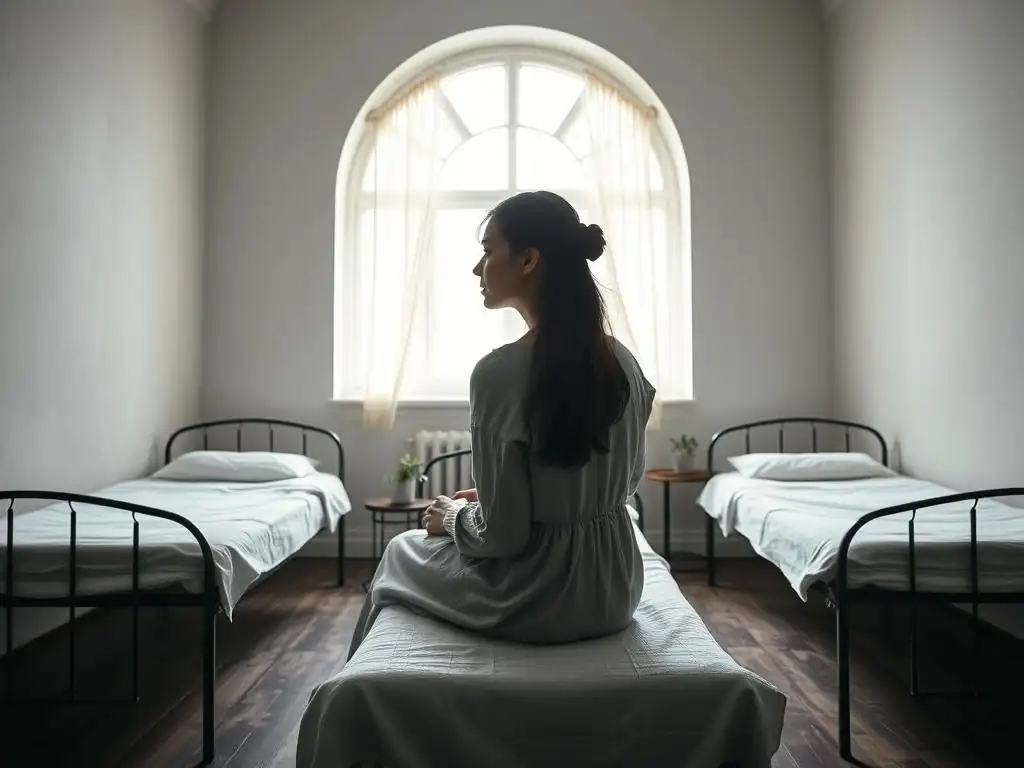
Case Study 1: Mary Todd Lincoln's Institutionalization and Public Scrutiny
Mary Todd Lincoln, widow of President Abraham Lincoln, provides a prominent, albeit complex, example of a woman's 19th-century asylum experience shaped by grief, public life, and societal expectations. Following her husband's assassination and the loss of several sons, Mary Todd Lincoln exhibited behaviors that caused concern among her family and the public, including erratic spending, paranoia, and public outbursts. In 1875, her only surviving son, Robert Todd Lincoln, initiated legal proceedings that resulted in her being declared insane by a jury and committed to Bellevue Place, a private asylum in Batavia, Illinois.
Her institutionalization was highly publicized and debated, highlighting the tension between private family matters and public figures, as well as the societal readiness to label a woman's unconventional behavior as 'insanity', even for someone of her social standing. While in the asylum, she was reportedly under observation and subjected to the typical routine of the institution.
However, due to her family's influence and her own determined efforts, she was able to communicate with the outside world and eventually secure her release within months, demonstrating that social status, while not preventing commitment, could sometimes facilitate a quicker exit compared to less connected individuals. Her case underscores how even prominent women were susceptible to being labeled and confined based on behaviors interpreted through a lens of mental illness, especially when those behaviors deviated from expected norms of widowhood and public conduct.
While specific individual names are often lost to history for less famous patients, asylum records from the 19th century reveal patterns of admissions for women stemming directly from domestic distress and social pressures. Common reasons listed included "trouble with husband," "loss of property," "disappointment in love," "religious excitement," "overwork," and conditions related to childbirth like "puerperal mania."
For instance, reports from the New York State Lunatic Asylum at Utica in the mid-1800s frequently listed "domestic trouble" as a significant cause of 'insanity' for female patients. These were not abstract medical conditions but direct consequences of the limited roles, economic dependency, and emotional burdens placed upon women in that era.
Consider the hypothetical composite case of a woman admitted due to "domestic trouble" and "overwork." She might be a working-class wife and mother struggling with poverty, an unsupportive spouse, and the relentless demands of childcare and household labor. When she developed symptoms like profound exhaustion, anxiety, or emotional volatility – perhaps what we might today recognize as severe depression or anxiety exacerbated by chronic stress – her family or community, lacking alternative support systems, might turn to the asylum.
Her 'insanity' in this context was less a purely biological illness and more a breaking point reached under intense social and economic strain, framed and managed within the institutional system designed to contain rather than truly heal such distress. These common narratives highlight the profound influence of social context on the 19th century asylum experiences women from less privileged backgrounds endured.
Analyzing the Narratives: Common Themes and Recurring Patterns in Women's Asylum Stories
Analyzing the available records, diaries (rare for most patients), letters, and historical accounts related to women in 19th-century asylums reveals several recurring themes. A central theme is the sense of powerlessness and loss of autonomy experienced by female patients. Admitted often against their will or without full understanding, their lives were immediately controlled by institution staff. Their possessions were taken, their clothing replaced by institutional garb, and their daily routines dictated. This loss of agency was particularly acute for women accustomed to managing their own households, however modest.
Another pervasive theme is the subjective nature of 'insanity' and how it was applied to women. Behaviors that might be seen as eccentric or difficult in men were often pathologized as mental illness in women, especially if they challenged patriarchal authority or deviated from expected feminine docility. Accounts frequently mention women being confined for reasons like "insubordination," "refusal to do domestic duties," or "talking too much," underscoring how the asylum system served, in part, as a means of enforcing gender conformity.
Furthermore, the emphasis on physical treatments and institutional control over psychological support or empowerment is a common thread, reflecting the limited understanding of mental health and the societal imperative to contain rather than cure 'difficult' women. These patterns paint a vivid picture of the unique 19th century asylum experiences women faced.
Gender Bias in the Treatment of Mental Illness During the 19th Century
The Differential Treatment of Male vs. Female Patients
Gender bias permeated the treatment approaches within 19th-century asylums, leading to significant differences in the care and control of male and female patients. While both sexes faced challenges like overcrowding and limited resources, the nature of their treatment often differed based on prevailing gender stereotypes. Men, particularly those deemed dangerous or violent, might face harsher physical restraints or solitary confinement. However, their 'insanity' was often attributed to factors like alcoholism, head injury, or physical exertion – causes external to their inherent nature.
For women, treatment often focused on controlling their emotional states and behaviors deemed unladylike or sexually inappropriate. As mentioned, gynecological interventions were common, based on the belief that female reproductive organs were the root of their mental distress.
Rest cures, emphasizing passivity and confinement, were also frequently prescribed for women suffering from conditions like neurasthenia or hysteria, reinforcing societal expectations of female fragility and dependence. While men might be encouraged towards physical labor or outdoor activities as part of their therapy (mirroring male work roles), women's therapeutic activities, when available, were often limited to domestic tasks like sewing or laundry, further solidifying traditional gender roles within the institutional setting.
Medical Theories and Gender: How Prevailing Beliefs Shaped Treatment Approaches
Medical theories of the 19th century were heavily influenced by gendered assumptions, directly shaping how mental illness was understood and treated in women. The dominant medical paradigm often viewed women as inherently more susceptible to emotional and mental instability due to their physiology, particularly their reproductive systems. This belief, sometimes termed "uterocentrism," led physicians to attribute a vast array of physical and mental symptoms to the uterus, ovaries, or menstrual cycle.
These theories justified invasive treatments aimed at the reproductive organs, such as ovariotomy (removal of ovaries) performed on some women believed to be suffering from hysteria or nymphomania. Even less invasive treatments like prescribing bromide (a sedative believed to calm female 'nervousness') or advocating for absolute rest reflected the medical establishment's view of women as delicate beings whose mental state was intrinsically linked to their physical, particularly reproductive, health.
These gender-specific medical theories meant that women's mental suffering was often misunderstood, misdiagnosed, and treated with interventions that reinforced their perceived biological inferiority and societal limitations, profoundly impacting the 19th century asylum experiences women endured.
Social expectations played a crucial, albeit often unacknowledged, role in shaping treatment goals and outcomes for women in 19th-century asylums. The primary goal for many female patients was not necessarily achieving full psychological well-being or independence, but rather restoring them to a state where they could return to their prescribed domestic roles or at least cease to be a social burden. For married women, 'recovery' often meant becoming capable of managing a household and caring for children again. For single women, it might mean being able to live quietly with family or potentially find suitable employment (often domestic service).
Treatment approaches, therefore, sometimes prioritized calming or subduing 'unruly' behavior over addressing the root causes of distress, especially when those causes were linked to societal oppression or domestic unhappiness. A woman who became assertive or questioned her situation might be seen as more 'insane' than one who was withdrawn and compliant.
The success of treatment was often measured by a woman's return to conformity rather than her personal fulfillment or mental autonomy. This focus on social reintegration into traditional roles, rather than individual recovery based on the patient's own needs, highlights how deeply intertwined the 19th century asylum experiences women had were with the broader societal expectations placed upon them.
The Intersection of Poverty, Gender, and 'Insanity': A Complex Dynamic
How Poverty Exacerbated Vulnerability to Asylum Confinement for Women
The intersection of poverty and gender created a particularly acute vulnerability for women regarding asylum confinement in the 19th century. Poor women lacked the financial safety nets available to their wealthier counterparts. A middle or upper-class woman exhibiting signs of distress might be cared for at home, sent to a private sanatorium, or travel abroad for a 'rest cure'. A poor woman, however, had few options if her mental state made her unable to work, perform domestic duties, or if her family could not afford to keep her.
Economic hardship itself was a significant stressor that could contribute to mental distress. Women facing destitution, widowhood without support, or the inability to find work were under immense pressure. When this pressure manifested as symptoms deemed 'insane', the lack of financial resources meant that the public asylum was often the only institution willing or able to take them.
This was particularly true for single mothers or women without close male relatives to act as guardians. Their poverty made them more visible to public authorities and less able to resist institutionalization, making their 19th century asylum experiences distinctly shaped by their economic status.
Examining the 19th century asylum experiences women faced reveals how social determinants profoundly impacted their mental health. Beyond individual predisposition, factors like limited educational opportunities, economic dependency on men, legal constraints (married women had few rights to property or earnings in many places), and the intense pressure to conform to restrictive gender roles created a fertile ground for distress. Women were often confined to the domestic sphere, with limited social outlets and support systems outside the family, making them vulnerable to isolation and the stresses of unhappy marriages or domestic hardship.
Furthermore, experiences like domestic violence, sexual abuse (often unacknowledged or blamed on the victim), and the trauma of frequent childbirth and infant mortality were pervasive social realities that undoubtedly contributed to women's mental suffering. Yet, these issues were rarely addressed as root causes of 'insanity' within the medical framework of the time.
Instead, the symptoms arising from these social determinants were pathologized and treated within the asylum, reinforcing the idea that the problem lay with the individual woman rather than the oppressive social structures she inhabited. This gendered perspective on social determinants meant that the asylum often served as a repository for women broken by societal pressures.
The Cycle of Poverty, Mental Illness, and Institutionalization
For many women, poverty, mental illness, and institutionalization formed a cruel and difficult cycle in the 19th century. A woman experiencing mental distress might lose her ability to work or manage her household, plunging her or her family further into poverty. Her impoverished state then made her more likely to be admitted to a public asylum, as discussed. Once institutionalized, her skills outside of institutional labor might atrophy, her social connections could weaken, and the stigma of confinement would make it harder to find work or acceptance upon release.
This lack of support and opportunity post-release increased the likelihood of relapse or further social marginalization, potentially leading to re-institutionalization. Studies of asylum populations in the late 19th and early 20th centuries often show high rates of readmission, particularly among the poor and long-term patients.
For women, this cycle was exacerbated by their limited economic independence and the societal expectation that they be cared for by a male relative. Without this support, a formerly institutionalized woman faced immense challenges in breaking free from the intertwined grip of poverty, mental illness, and the long-lasting effects of her 19th century asylum experiences.
Reforming the Asylums: Advocacy and Change in the Late 19th Century
The Rise of Moral Treatment and its Impact on Women
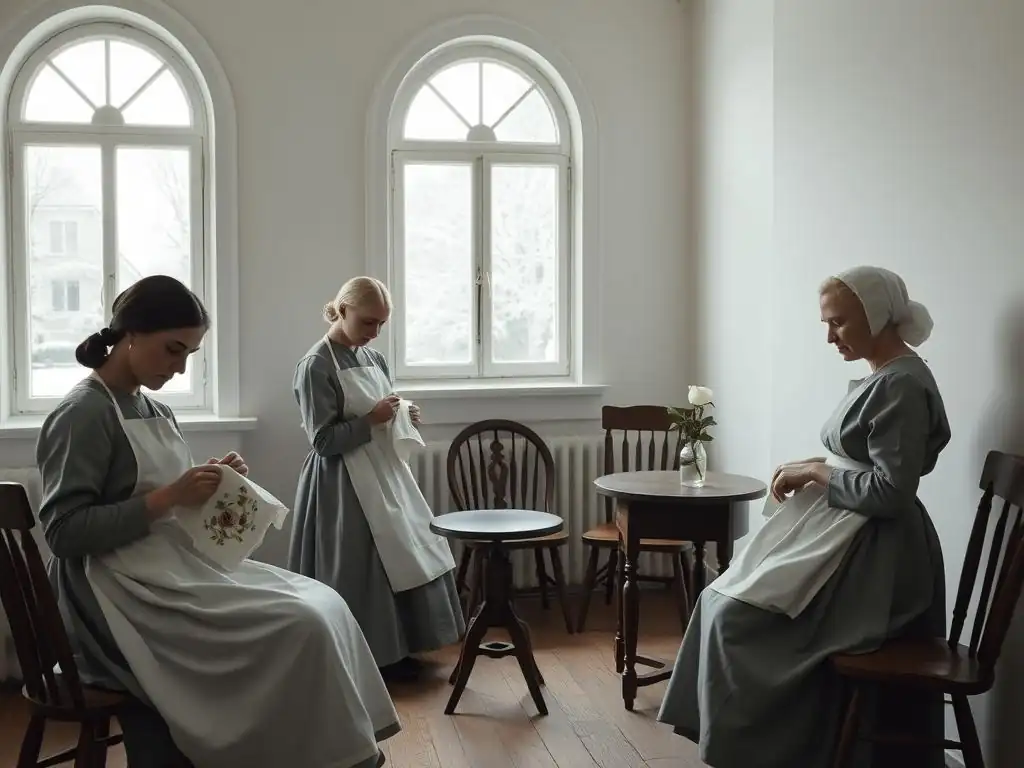
The concept of 'Moral Treatment,' originating in the late 18th and early 19th centuries, advocated for a more humane approach to mental healthcare, emphasizing a therapeutic environment, occupational therapy, and compassionate interaction between staff and patients. While the ideal of moral treatment was gender-neutral in its principles of kindness and routine, its practical application within 19th-century asylums often reflected existing gender roles. For women, 'moral treatment' activities might include domestic tasks like sewing, knitting, or light gardening, reinforcing traditional feminine skills rather than offering diverse opportunities for personal growth or vocational training beyond the domestic sphere.
In some well-funded private institutions or early, smaller public asylums, female patients did benefit from the quieter, more structured environment and reduced reliance on harsh physical restraint that moral treatment promoted. They might have access to reading materials, music, or social gatherings.
However, as overcrowding worsened in public asylums throughout the century, the principles of moral treatment were often abandoned in favor of custodial care. For many poor women, the promise of moral treatment remained largely aspirational, and their daily lives were dominated by monotony and labor rather than therapeutic engagement, limiting the positive impact of this reform movement on their 19th century asylum experiences.
The Role of Female Reformers in Advocating for Improved Asylum Conditions
The late 19th century saw the rise of female reformers who played a crucial role in exposing the harsh realities of asylum life and advocating for change. Figures like Dorothea Dix in the United States were instrumental in investigating conditions in numerous institutions and lobbying state legislatures for better funding and oversight. Dix's detailed reports, based on her extensive travels and observations, highlighted the appalling conditions faced by the mentally ill, including women, housed in jails and almshouses, contributing to the push for state-funded asylums.
Beyond prominent figures like Dix, many lesser-known female attendants, nurses, and visitors also worked within and around the asylum system, advocating for more humane care, better sanitation, and more meaningful activities for female patients. Some former patients also wrote accounts (though these were rare, particularly for women) detailing their experiences and calling for reform.
These female voices, often operating within the constraints of Victorian society, were vital in bringing attention to the specific vulnerabilities and needs of women within the asylum system, pushing for reforms that, while imperfect, aimed to improve the living conditions and reduce the suffering inherent in the 19th century asylum experiences women faced.
Despite the efforts of reformers and the ideals of moral treatment, the reform movement in 19th-century asylums faced significant limitations, particularly regarding its impact on women. The fundamental issues of poverty, gender inequality, and social stigma remained largely unaddressed by institutional reforms. Asylums could improve their physical plants or adopt slightly less harsh treatments, but they could not dismantle the societal structures that contributed to women's distress and vulnerability to institutionalization in the first place.
Overcrowding, driven by the persistent need to house the poor and socially marginalized, continued to undermine the quality of care in many institutions. Furthermore, the medical understanding of women's mental health remained rooted in gender bias, meaning that even 'reformed' treatments often perpetuated discriminatory approaches.
Upon release, women still faced a society that offered limited economic opportunities, rigid gender roles, and deep-seated prejudice against those labeled 'insane'. The reforms, while offering some improvements within the asylum walls, did not significantly alter the external social landscape that so profoundly shaped the 19th century asylum experiences women had before, during, and after their confinement.
Legacy and Lessons: Reflecting on 19th Century Asylum Experiences of Women
Reflecting on the 19th century asylum experiences women endured highlights the profound and enduring impact of social factors on mental health. The historical record clearly demonstrates that poverty, gender roles, lack of social support, and exposure to trauma were not merely contributing factors but often primary drivers leading to a woman's distress and subsequent institutionalization. This historical perspective reinforces the modern understanding that mental well-being is not solely a matter of individual biology or psychology but is deeply intertwined with social determinants such as socioeconomic status, access to resources, exposure to discrimination, and the presence of supportive communities.
The lessons from the 19th century underscore the inadequacy of purely medical or institutional solutions without addressing the broader social context. Housing, employment, education, and freedom from violence and discrimination are fundamental to promoting mental health. Ignoring these social realities, as the asylum system largely did, leads to cycles of distress and marginalization. Understanding the social roots of 'insanity' in the past provides a critical lens through which to view contemporary mental health challenges and advocate for systemic changes, not just individual treatments.
Recognizing and Addressing Gender Bias in Contemporary Mental Healthcare
The history of women in 19th-century asylums serves as a stark reminder of the dangers of gender bias in healthcare. The medicalization of women's experiences, the focus on their bodies as the source of distress, and the diagnostic labels that reinforced societal stereotypes had devastating consequences. While overt diagnoses like "hysteria" are no longer used, subtle forms of gender bias can still exist in contemporary mental healthcare.
Studies continue to show differences in diagnosis and treatment for men and women regarding conditions like depression, anxiety, and personality disorders. Women may still face challenges in having their symptoms taken seriously or attributed to psychological rather than purely physical causes. Understanding the historical legacy of gender bias in mental health is essential for practitioners today to critically examine their own assumptions, ensure equitable treatment, and advocate for research and clinical practices that are free from harmful stereotypes, thereby preventing a repetition of some of the negative 19th century asylum experiences women faced.
Learning from the Past: Promoting More Equitable and Compassionate Mental Health Systems
The 19th century asylum experiences women had offer crucial lessons for building more equitable and compassionate mental health systems today. Firstly, they highlight the need for mental healthcare to be accessible to all, regardless of socioeconomic status. The overrepresentation of the poor in historical asylums underscores the importance of universal access to affordable, quality mental health services and social support systems that can prevent crises and provide alternatives to institutionalization.
Secondly, the history demands a critical awareness of how societal norms and biases can influence diagnosis and treatment. Mental healthcare professionals must be trained to recognize and counteract the impact of gender, race, class, and other social factors on mental well-being and treatment outcomes. Finally, the stories of women in 19th-century asylums emphasize the importance of listening to patient narratives, respecting individual autonomy, and providing care that is trauma-informed and addresses the whole person within their social context. Learning from the injustices of the past is vital for creating mental health systems that truly serve and empower everyone.
The history of 19th-century asylums, particularly when viewed through the lens of women's experiences, reveals a complex interplay of medical theory, social policy, and cultural norms. Poverty often served as a gateway to the asylum, while rigid gender roles shaped perceptions of 'insanity' and dictated the nature of life and treatment within its walls for female patients. The 19th century asylum experiences women faced were profoundly shaped by their limited social power, economic dependency, and the biases embedded within both society and the medical profession.
While reform efforts attempted to improve conditions, they often failed to address the root social causes of distress or dismantle the gender and class biases that permeated the system. The legacy of this era serves as a powerful reminder that mental health is inextricably linked to social justice. Understanding the specific challenges faced by women in 19th-century asylums is essential not only for historical accuracy but also for informing contemporary efforts to create mental healthcare systems that are truly equitable, compassionate, and responsive to the diverse social realities of all individuals.
Frequently Asked Questions
How did poverty impact women's experiences in 19th-century asylums?
Poverty significantly increased the likelihood of a woman being committed to an asylum. Lack of financial resources meant limited access to alternative care and made them more vulnerable to being labeled as "insane" by family or authorities.
In what ways did gender roles influence the treatment of women in 19th-century asylums?
Gender roles heavily influenced diagnoses and treatment. Women who deviated from societal expectations of femininity and domesticity were often deemed "mentally unstable" and subjected to harsh treatments.
What types of conditions or behaviors were commonly labeled as "insanity" in women during the 19th century?
Beyond genuine mental illnesses, conditions like postpartum depression, disobedience to husbands, or even simply being overly emotional were often misdiagnosed as "insanity" and used to justify institutionalization.
What resources were available (if any) to women wrongly committed to asylums in the 19th century?
Resources were extremely limited. Legal recourse was difficult for women due to social stigmas and lack of financial independence. Advocacy groups were nascent and offered little practical assistance to those wrongfully committed.
How did the "Mind Care Guide" website address the historical context of 19th-century asylum experiences for women?
The Mind Care Guide aims to provide context by exploring the social and cultural factors that contributed to the disproportionate and often unjust institutionalization of women, offering a historical perspective on the complexities of mental health.
Final Reflection: Echoes of the Past, Lessons for the Present
The plight of women in 19th-century asylums remains a chillingly relevant reminder of the intersectional nature of oppression. The systemic biases documented throughout this article – the misdiagnosis of female distress as "hysteria," the disproportionate confinement of women, and the often brutal conditions they endured – continue to resonate in contemporary discussions of mental health care and gender inequality. The past, it seems, casts a long shadow.
The enduring legacy of these historical injustices is profound. The ways in which societal pressures and gender roles shaped the experiences of women within these institutions highlight the deep-seated prejudices that continue to affect access to mental healthcare and equitable treatment. The madwoman is not a monster, but a mirror reflecting society's failures.
This quote, though not from the 19th century, perfectly encapsulates the enduring relevance of understanding the historical mistreatment of women within the asylum system. It forces us to confront the ways in which societal structures, then and now, can pathologize female experiences and silence marginalized voices.
Consider the implications of this history. How can we ensure that the lessons learned from the past are not repeated? You have the power to challenge biases, advocate for equitable access to mental healthcare, and promote a more compassionate and understanding approach to mental illness. By acknowledging the past, we can build a future where mental health care is truly inclusive, equitable, and free from the prejudices that haunted the 19th-century asylum. Let us strive to create a world where every individual, regardless of gender or background, receives the support and dignity they deserve.
Uncover the Untold Stories: Explore 19th Century Asylum Life
Thank you for taking the time to delve into the complex social landscape of 19th-century asylums. You've gained valuable insight into the intersection of poverty, gender, and mental health perceptions. Now, let's take that understanding further!
- Dive deeper: Research a specific individual or case study from this era. Consider exploring lesser-known figures whose stories may have been overlooked.
- Share your thoughts: What surprised you most about the realities of 19th-century asylum life? Join the conversation in the comments below.
- Challenge the narrative: How can we use this historical knowledge to improve modern mental health care and societal understanding of mental illness?
What unique perspectives can you offer on how societal biases continue to impact mental health care today?