
Nutritional Strategies for Supporting Mood Stability in Rapid Cycling

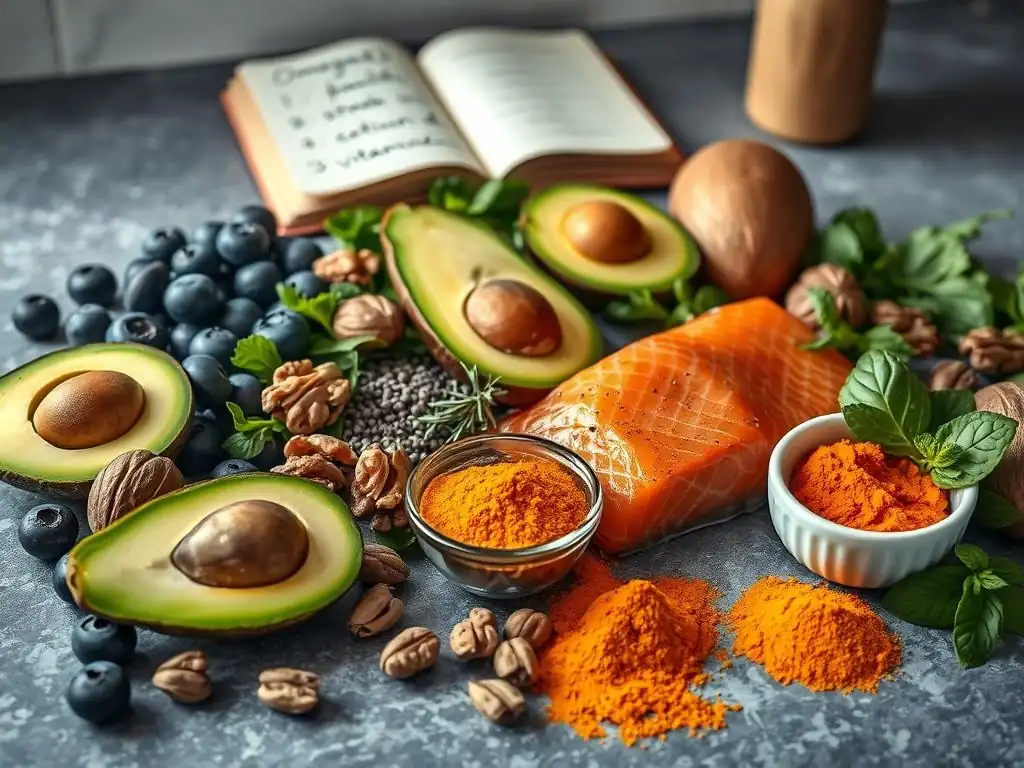
Welcome to Mind Care Guide, your compassionate companion on the path to mental well-being.
Are you navigating the unpredictable waves of rapid cycling and seeking a more balanced emotional state? Understand that you're not alone, and finding stability is possible. This month, we delve into the profound connection between what we eat and how we feel, exploring nutrientrich mood stability strategies designed to empower you. Curious to discover how targeted nutrition can become a powerful tool in managing your mood? Let's embark on this journey of mindful eating and emotional resilience together... Your well-being awaits.
Nutritional Strategies for Supporting Mood Stability in Rapid Cycling
- Understanding Rapid Cycling and the Role of Nutrition
- Key Nutrients for Mood Regulation in Rapid Cycling
- Dietary Strategies for Managing Mood Swings in Rapid Cycling
- Practical Meal Planning for Mood Stability
- Addressing Common Challenges and Concerns
- Working with Healthcare Professionals
- Long-Term Strategies for Sustainable Mood Stability Through Nutrition
-
Frequently Asked Questions
- What is the significance of nutrition in managing rapid cycling mood disorders?
- Which specific nutrients are most important for mood stability in rapid cycling?
- How can I incorporate these nutrients into my diet effectively?
- Are there specific foods that should be avoided when managing rapid cycling with nutrition?
- How quickly can I expect to see results from implementing nutrient-rich mood stability strategies?
- Final Reflection: Nourishing the Mind, Stabilizing the Mood
- Unlock Your Mood's Potential: Actionable Steps to Stability
Understanding Rapid Cycling and the Role of Nutrition
Rapid cycling is a challenging pattern of bipolar disorder characterized by four or more mood episodes (depressive, manic, hypomanic, or mixed) within a 12-month period. These frequent shifts can be highly disruptive to daily life, relationships, and overall well-being. While medication and therapy are cornerstone treatments, many individuals seek complementary strategies to enhance mood stability. This is where the focus on nutrientrich mood stability strategies comes into play, exploring how diet can influence brain function and mood regulation.
What is Rapid Cycling Bipolar Disorder?
Rapid cycling is not a separate diagnosis but a specifier describing the course of bipolar I or bipolar II disorder. It involves accelerated cycling through mood states, often with little or no period of stable mood in between episodes.
For someone experiencing rapid cycling, mood changes can occur as frequently as weekly or even daily, making it difficult to predict and manage emotional states. This pattern affects a significant portion of those with bipolar disorder, with estimates suggesting it impacts between 10% and 20% of individuals, though some studies indicate higher prevalence in specific populations or at certain points in the illness course.
The unpredictable nature of rapid cycling places immense stress on individuals and their support systems. Unlike classic bipolar disorder, where episodes might be separated by months or years of stability, rapid cycling can feel like a constant emotional rollercoaster. Effective management requires a comprehensive approach, typically involving careful medication adjustments, consistent therapy, and proactive lifestyle interventions aimed at reducing episode frequency and severity. Understanding this complex pattern is the first step in exploring supportive strategies, including nutrientrich mood stability strategies.
The Link Between Diet, Brain Health, and Rapid Cycling
The brain is an incredibly complex organ that relies heavily on a consistent supply of specific nutrients to function optimally. Diet provides the essential building blocks and energy required for neurotransmitter synthesis, nerve cell communication, inflammation regulation, and protection against oxidative stress. Research has increasingly highlighted the profound connection between nutritional status and mental health, including mood disorders like bipolar disorder. Deficiencies or imbalances in certain nutrients can impair brain function, potentially exacerbating mood lability and contributing to the rapid shifts seen in rapid cycling.
Studies exploring the gut-brain axis, neuroinflammation, and oxidative stress pathways suggest that dietary patterns can directly influence the biological processes underlying mood regulation. For instance, diets high in processed foods, sugar, and unhealthy fats are associated with increased systemic inflammation, which has been implicated in the pathophysiology of mood disorders. Conversely, diets rich in omega-3 fatty acids, antioxidants, vitamins, and minerals can support brain health, modulate inflammation, and improve resilience to stress. Adopting nutrientrich mood stability strategies through dietary changes can therefore offer a valuable supportive approach in managing the complexities of rapid cycling.
Why Focus on Nutritional Interventions for Mood Stabilization?
While not a substitute for medical treatment, nutritional interventions offer a low-risk, complementary strategy that can support overall brain health and potentially enhance the effectiveness of conventional treatments for rapid cycling. Focusing on diet empowers individuals by giving them an active role in their wellness journey. By providing the brain with the necessary nutrients, the goal is to create a more stable internal environment, potentially reducing the frequency or intensity of mood episodes and improving overall resilience.
Furthermore, many individuals with bipolar disorder may experience side effects from medications or find that pharmacological treatments alone do not fully eliminate symptoms. Nutritional strategies can address underlying biological factors like inflammation or nutrient deficiencies that might contribute to persistent mood instability. Implementing nutrientrich mood stability strategies is about building a foundation of health that supports mental well-being from within, working synergistically with other therapeutic approaches to achieve more consistent mood states.
Key Nutrients for Mood Regulation in Rapid Cycling
A focused approach on specific nutrients known to play critical roles in brain function and mood regulation is a core component of nutrientrich mood stability strategies. These nutrients are involved in processes ranging from neurotransmitter production to protecting brain cells from damage. Ensuring adequate intake of these key players is crucial for supporting mental well-being, particularly in conditions characterized by significant mood fluctuations like rapid cycling.
The Importance of Omega-3 Fatty Acids for Brain Function
Omega-3 fatty acids, particularly EPA (eicosapentaenoic acid) and DHA (docosahexaenoic acid), are polyunsaturated fats that are vital components of brain cell membranes. They play a crucial role in cell signaling, reducing inflammation, and supporting neuroplasticity – the brain's ability to adapt and change. Research suggests that individuals with mood disorders may have lower levels of omega-3s, and supplementation has been explored for its potential mood-stabilizing effects. For someone with rapid cycling, ensuring sufficient omega-3 intake is a key part of nutrientrich mood stability strategies, as these fats are essential for maintaining healthy brain structure and function.
Multiple studies have investigated the link between omega-3 intake and mood disorders. While results are varied, some clinical trials have shown that EPA, in particular, may help reduce depressive symptoms in bipolar disorder. DHA is critical for brain development and structure throughout life. The anti-inflammatory properties of omega-3s are also significant, as chronic low-grade inflammation is increasingly linked to mood dysregulation. Aiming for adequate intake of these essential fats through diet or supplementation is a foundational step in supporting brain resilience and emotional balance.
Sources of Omega-3s: Food and Supplements
The richest dietary sources of EPA and DHA are fatty fish such as salmon, mackerel, herring, sardines, and anchovies. For example, a 3-ounce serving of wild-caught salmon can provide over 1,500-2,000 mg of combined EPA and DHA. Other sources include fortified eggs and dairy products. Plant-based sources like flaxseeds, chia seeds, and walnuts provide ALA (alpha-linolenic acid), which the body can convert into EPA and DHA, but the conversion rate is often low (typically less than 10%). Including a variety of these foods in your diet is a practical application of nutrientrich mood stability strategies.
For many, especially those who don't regularly consume fatty fish, supplementation is a convenient way to ensure adequate omega-3 intake. Fish oil supplements are common, providing concentrated sources of EPA and DHA. Algal oil supplements are a plant-based alternative suitable for vegetarians and vegans, providing pre-formed DHA and sometimes EPA. When choosing a supplement, look for third-party testing for purity and potency, and discuss appropriate dosages with a healthcare professional, as high doses can have anticoagulant effects.
Vitamin D's Impact on Mood and Mental Wellness
Often called the "sunshine vitamin," Vitamin D is a fat-soluble nutrient that acts more like a hormone in the body, with receptors found in many areas of the brain, including those involved in mood regulation. Low levels of Vitamin D have been associated with an increased risk of depression and other mood disturbances. While its direct role in rapid cycling is still being researched, ensuring optimal Vitamin D levels is considered an important aspect of overall mental health support and can be integrated into nutrientrich mood stability strategies.
Vitamin D is thought to influence mood by affecting neurotransmitter pathways (like serotonin and dopamine) and reducing inflammation in the brain. Observational studies have noted a correlation between lower Vitamin D levels and increased severity of depressive symptoms in individuals with bipolar disorder. Maintaining adequate levels may contribute to greater mood stability and overall well-being.
Sunlight, Diet, and Vitamin D Supplementation
The primary source of Vitamin D is exposure to sunlight, as the skin synthesizes Vitamin D when exposed to UVB rays. However, factors like geographic location, season, time of day, skin pigmentation, and sunscreen use significantly impact Vitamin D synthesis. Dietary sources are limited, primarily including fatty fish (like salmon and mackerel), fish liver oils, and fortified foods such as milk, orange juice, and cereals. A 3-ounce serving of salmon can provide around 400-600 IU of Vitamin D.
Because obtaining sufficient Vitamin D from diet and sun exposure alone can be challenging for many, supplementation is often necessary to achieve and maintain optimal blood levels. The recommended daily allowance for most adults is 600-800 IU, but some experts suggest higher intakes (1000-4000 IU) may be needed to reach sufficient blood levels (typically defined as 20-30 ng/mL or higher). A blood test is the best way to determine your Vitamin D status and guide supplementation, making it a practical step in applying nutrientrich mood stability strategies.
B Vitamins: Essential for Nerve Function and Mood
The B vitamin complex plays a vital role in numerous metabolic processes, including energy production, DNA synthesis, and nerve function. Several B vitamins are particularly important for brain health and mood regulation. They act as cofactors for enzymes involved in the synthesis of neurotransmitters like serotonin, dopamine, and norepinephrine, which are critical for mood, motivation, and focus. Deficiencies in certain B vitamins, such as B12, folate, and B6, have been linked to mood disturbances and neurological symptoms. Including B vitamin-rich foods or considering supplementation is a key element of nutrientrich mood stability strategies.
For individuals with rapid cycling, ensuring adequate B vitamin status is important for supporting robust neurotransmitter function and overall nervous system health. For instance, folate and Vitamin B12 are essential for methylation, a process critical for producing and metabolizing neurotransmitters and maintaining nerve cell integrity. Low levels of folate and B12 have been observed in some individuals with mood disorders and are associated with poorer outcomes.
B12, Folate, and Other Crucial B Vitamins
Vitamin B12 (cobalamin) is found primarily in animal products like meat, fish, eggs, and dairy. Folate (Vitamin B9) is abundant in leafy green vegetables, legumes, nuts, seeds, and fortified grains. Vitamin B6 (pyridoxine) is found in foods like poultry, fish, potatoes, and bananas. While the body needs all B vitamins, B12 and folate are often specifically highlighted for their role in mental health. A deficiency in B12 can lead to neurological symptoms and mood changes, including depression. Folate is also crucial; some antidepressant medications work better when folate levels are adequate.
Ensuring sufficient intake through a balanced diet is the first step. For those with dietary restrictions (like vegetarians or vegans who may struggle with B12) or malabsorption issues, supplementation might be necessary. A blood test can check levels of B12 and folate. While higher doses of some B vitamins are generally considered safe (as they are water-soluble), it's important to discuss supplementation with a healthcare provider, particularly when integrating these into comprehensive nutrientrich mood stability strategies.
Magnesium: A Mineral for Calming the Nervous System

Magnesium is an essential mineral involved in over 300 enzymatic reactions in the body, including many related to nerve and muscle function, blood sugar control, and blood pressure regulation. It plays a role in the activity of neurotransmitters and hormones that regulate mood and stress response, such as GABA (gamma-aminobutyric acid), a calming neurotransmitter, and cortisol, a stress hormone.
Magnesium also influences the NMDA receptor, which is involved in learning, memory, and neuronal excitability. A deficiency in magnesium has been linked to increased anxiety, stress, and mood swings, making it a valuable nutrient to consider in nutrientrich mood stability strategies.
Population studies suggest that a significant portion of the population does not meet the recommended daily intake of magnesium. Stress, certain medications, and digestive issues can further deplete magnesium levels. For individuals with rapid cycling, supporting a calm and balanced nervous system is crucial, and magnesium's role in this area makes it particularly relevant. Ensuring adequate magnesium intake may help modulate the stress response and support neurotransmitter balance, potentially contributing to greater emotional stability.
Magnesium-Rich Foods and Supplement Considerations
Excellent dietary sources of magnesium include leafy green vegetables (like spinach and kale), nuts and seeds (pumpkin seeds, almonds, cashews), legumes (beans, lentils), whole grains (brown rice, oats), and dark chocolate. For example, a cup of cooked spinach contains about 157 mg of magnesium, while an ounce of almonds provides around 76 mg. Incorporating these foods regularly into meals is a practical way to boost magnesium intake and support nutrientrich mood stability strategies.
If dietary intake is insufficient or clinical signs of deficiency are present, supplementation may be considered. Various forms of magnesium supplements exist, including magnesium citrate, oxide, glycinate, and threonate. Magnesium glycinate is often favored for its good absorption and lower likelihood of causing digestive upset.
Magnesium threonate is sometimes highlighted for its potential to cross the blood-brain barrier. The recommended daily allowance for adults is typically around 310-420 mg, depending on age and sex, but therapeutic doses for specific conditions might be higher. It's essential to consult with a healthcare provider before starting magnesium supplementation, especially at higher doses, to determine the appropriate form and dosage.
Amino Acids: Building Blocks for Neurotransmitters
Amino acids are the fundamental building blocks of proteins, but they also serve as precursors for many critical neurotransmitters that regulate mood, sleep, and cognitive function. For instance, tryptophan is a precursor to serotonin, often called the "feel-good" neurotransmitter. Tyrosine is a precursor to dopamine and norepinephrine, involved in motivation, reward, and energy levels.
Glutamine is important for the synthesis of GABA, an inhibitory neurotransmitter that helps calm the nervous system, and glutamate, an excitatory neurotransmitter involved in learning and memory. Ensuring a sufficient supply of these amino acids through diet is a foundational aspect of nutrientrich mood stability strategies.
Maintaining balanced neurotransmitter levels is crucial for mood stability. In rapid cycling, where neurotransmitter systems may be dysregulated, providing the necessary raw materials for their synthesis is a logical supportive step. While the body can synthesize some amino acids, others are essential and must be obtained through diet. A diet rich in complete proteins ensures the availability of all essential amino acids needed for these vital brain functions.
Tryptophan, Tyrosine, and Glutamine
Tryptophan, an essential amino acid, is found in protein-rich foods such as poultry (especially turkey), eggs, dairy products, nuts, seeds, and soybeans. While tryptophan intake is necessary for serotonin production, its conversion in the brain is complex and influenced by other factors, including carbohydrate intake and the presence of other amino acids.
Tyrosine is a non-essential amino acid (meaning the body can produce it) but is also found in protein-rich foods like meat, fish, eggs, and dairy, as well as in legumes and nuts. Glutamine, another non-essential amino acid, is abundant in protein foods and is also synthesized by the body.
Focusing on a balanced diet with adequate protein intake from various sources is the best way to ensure a sufficient supply of these amino acid precursors. For example, including lean meats, fish, eggs, beans, lentils, and nuts in meals provides the building blocks needed for neurotransmitter synthesis. While individual amino acid supplements exist (like L-tryptophan or L-tyrosine), their use should be approached cautiously and ideally under the guidance of a healthcare professional, as high doses of single amino acids can potentially disrupt the balance of others. A whole-foods approach supporting nutrientrich mood stability strategies is generally preferred.
Dietary Strategies for Managing Mood Swings in Rapid Cycling
Beyond focusing on individual nutrients, adopting specific dietary patterns and strategies can have a broader impact on the physiological processes that influence mood stability. These strategies often address underlying factors like inflammation, blood sugar fluctuations, and gut health, all of which are increasingly recognized for their connection to mental well-being. Implementing these dietary strategies is a practical way to apply nutrientrich mood stability strategies on a daily basis.
The Anti-Inflammatory Diet: Reducing Inflammation for Better Mood
Chronic low-grade inflammation in the body and brain is increasingly implicated in the development and severity of mood disorders. Inflammatory molecules can interfere with neurotransmitter function, damage brain cells, and disrupt the delicate balance required for stable mood. An anti-inflammatory diet focuses on reducing foods that promote inflammation and increasing foods that have anti-inflammatory properties. This dietary approach is a powerful component of nutrientrich mood stability strategies, aiming to calm the inflammatory processes that may contribute to mood lability in rapid cycling.
Research suggests that dietary patterns high in inflammatory foods, such as refined sugars, processed meats, and trans fats, are associated with a higher risk of depression and anxiety. Conversely, diets rich in fruits, vegetables, whole grains, lean proteins, and healthy fats are linked to lower levels of inflammatory markers and improved mental health outcomes. Adopting an anti-inflammatory eating pattern can help create a less inflammatory environment in the brain, potentially supporting greater mood stability.
Foods to Include and Avoid in an Anti-Inflammatory Diet
An anti-inflammatory diet emphasizes whole, unprocessed foods. Key foods to include are abundant in antioxidants, fiber, and healthy fats:
- Fruits (especially berries, cherries, oranges)
- Vegetables (especially leafy greens like spinach and kale, broccoli, peppers)
- Fatty fish (salmon, mackerel, sardines)
- Nuts and seeds (almonds, walnuts, chia seeds, flaxseeds)
- Legumes (beans, lentils)
- Whole grains (oats, brown rice, quinoa)
- Healthy oils (olive oil, avocado oil)
- Spices (turmeric, ginger)
Foods to limit or avoid include those known to increase inflammation:
- Refined carbohydrates (white bread, pasta, sugary cereals)
- Sugary drinks and sweets
- Processed meats (sausages, bacon)
- Fried foods
- Trans fats and excessive saturated fats
- Excessive alcohol
Prioritizing these anti-inflammatory choices is a direct application of nutrientrich mood stability strategies focused on reducing physiological stress on the brain.
Stabilizing Blood Sugar: Preventing Mood Crashes
Fluctuations in blood sugar levels can significantly impact mood and energy. Rapid rises followed by crashes in blood sugar can lead to irritability, anxiety, fatigue, and potentially exacerbate mood swings, particularly in rapid cycling. The brain relies on a steady supply of glucose for energy, and unstable blood sugar can disrupt this supply, affecting cognitive function and emotional regulation. Implementing strategies to stabilize blood sugar is a crucial, yet often overlooked, aspect of nutrientrich mood stability strategies.
Eating meals and snacks that cause sharp spikes and subsequent drops in blood sugar can trigger stress responses in the body and affect neurotransmitter release, contributing to mood lability. Conversely, maintaining stable blood sugar throughout the day provides a more consistent energy source for the brain and helps prevent these reactive mood shifts. This involves choosing the right types of carbohydrates and eating regularly.
The Glycemic Index and Load: Choosing the Right Carbohydrates
The glycemic index (GI) ranks foods based on how quickly they raise blood sugar levels. High-GI foods (like white bread, sugary drinks, white rice) cause rapid spikes. Low-GI foods (like whole grains, legumes, non-starchy vegetables, most fruits) cause slower, more gradual increases. The glycemic load (GL) takes into account both the GI and the amount of carbohydrate consumed. Focusing on low-GI/GL foods is a cornerstone of stabilizing blood sugar.
Choosing complex carbohydrates rich in fiber, such as whole oats, brown rice, quinoa, lentils, and vegetables, helps slow down glucose absorption. Pairing carbohydrates with protein and healthy fats further moderates the blood sugar response. For instance, eating an apple (moderate GI) with a handful of almonds (protein and fat) will have a lower GL effect than eating the apple alone. This mindful selection of carbohydrates is a practical application of nutrientrich mood stability strategies aimed at blood sugar control.
The Importance of Regular Meal Timing
Eating regular meals and snacks throughout the day is just as important as what you eat for blood sugar stability. Skipping meals or going long periods without eating can lead to drops in blood sugar, triggering stress hormones and potentially impacting mood. Aiming for three balanced meals and potentially one or two snacks daily helps maintain a consistent energy supply and prevents extreme hunger that can lead to poor food choices.
Consistency in meal timing helps regulate the body's internal clock and metabolic processes. For someone with rapid cycling, establishing a predictable eating routine can add a layer of stability to daily life, which can be beneficial for mood regulation. Planning meals and snacks ahead of time, especially during busy periods or times of stress, can help ensure adherence to this important strategy for nutrientrich mood stability.
Gut Health and the Gut-Brain Axis: Nurturing Your Microbiome
The gut and the brain are in constant communication through what is known as the gut-brain axis. The trillions of microorganisms living in the gut, collectively called the gut microbiome, play a significant role in this communication. They produce neurotransmitters (like serotonin and GABA), influence inflammation, synthesize vitamins, and impact immune function. An imbalanced gut microbiome (dysbiosis) has been linked to various health issues, including mood disorders. Supporting a healthy gut microbiome is an emerging and important part of nutrientrich mood stability strategies.
Research into the gut-brain axis is rapidly evolving, highlighting how the composition and activity of gut bacteria can influence mood, stress response, and even neuroinflammation. A diverse and balanced microbiome is associated with better mental health outcomes. Factors like diet, stress, antibiotic use, and sleep patterns can all impact the health of the gut microbiome. Focusing on a diet that nourishes beneficial gut bacteria can indirectly support brain health and mood stability.
Probiotics and Prebiotics for a Healthy Gut
Probiotics are live beneficial bacteria that, when consumed in adequate amounts, can confer a health benefit, often by adding to or balancing the gut microbiome. Prebiotics are non-digestible fibers that act as food for beneficial gut bacteria, stimulating their growth and activity. Including both probiotics and prebiotics in the diet is a synergistic approach to fostering a healthy gut environment.
Sources of probiotics include fermented foods like yogurt with live and active cultures, kefir, sauerkraut, kimchi, kombucha, and tempeh. Sources of prebiotics include foods rich in certain types of fiber, such as garlic, onions, leeks, asparagus, bananas, oats, apples, and flaxseeds. While probiotic supplements are also available, obtaining probiotics and prebiotics through a diverse diet is generally recommended as part of comprehensive nutrientrich mood stability strategies, as foods provide a wider range of beneficial compounds.
Fermented Foods and Their Benefits
Fermented foods are produced through the controlled growth of beneficial microorganisms, often bacteria or yeasts, which convert carbohydrates into other compounds like organic acids or alcohol. As mentioned, many fermented foods are natural sources of probiotics. Beyond providing beneficial bacteria, the fermentation process itself can enhance the nutritional value of foods, improve digestibility, and produce bioactive compounds that may have health benefits, including anti-inflammatory and antioxidant effects.
Regularly incorporating fermented foods into your diet can contribute to a more diverse and robust gut microbiome. For example, adding a dollop of plain yogurt to breakfast, including sauerkraut as a side dish, or drinking kefir are simple ways to boost probiotic intake. However, it's important to choose fermented foods that are unpasteurized and labeled as containing "live and active cultures" to ensure they still contain beneficial bacteria. Integrating these foods is a flavorful way to support gut health and contribute to nutrientrich mood stability strategies.
Practical Meal Planning for Mood Stability
Translating nutritional knowledge into daily practice requires planning. For individuals navigating rapid cycling, consistency is key, and having a structured approach to meals can remove guesswork and reduce stress. Meal planning for mood stability focuses on incorporating the nutrient-rich foods discussed previously in a balanced and regular way. This practical step is essential for consistently applying nutrientrich mood stability strategies.
Planning meals ensures that you have the necessary ingredients on hand and helps maintain regular eating patterns, which are vital for blood sugar stability. It also makes it easier to prioritize whole, unprocessed foods over less healthy options when time or energy is limited. A well-planned diet provides the brain with the continuous supply of nutrients it needs to function optimally, supporting resilience against mood fluctuations.
Sample Meal Plans for Individuals with Rapid Cycling
Creating a personalized meal plan involves considering individual preferences, dietary needs, and potential sensitivities. However, a sample structure can provide a starting point for nutrientrich mood stability strategies.
- Breakfast (within 1 hour of waking): Focus on protein, healthy fats, and complex carbohydrates. Example: Oatmeal with berries, nuts, and a dollop of Greek yogurt; Scrambled eggs with spinach and whole-wheat toast; Smoothie with protein powder, leafy greens, and fruit.
- Lunch (3-4 hours after breakfast): Combine lean protein, vegetables, and whole grains/legumes. Example: Lentil soup with a side salad; Grilled salmon with quinoa and roasted broccoli; Chicken breast salad with mixed greens, avocado, and olive oil dressing.
- Dinner (3-4 hours after lunch): Similar to lunch, focusing on balanced components. Example: Baked cod with sweet potato and green beans; Turkey meatballs with whole-wheat pasta and marinara sauce; Chickpea curry with brown rice.
- Snacks (as needed, between meals): To maintain blood sugar stability. Example: Apple slices with almond butter; A handful of walnuts and a few dried apricots; Plain yogurt with a small amount of fruit; Carrot sticks with hummus.
This structure emphasizes regularity and balance, ensuring a steady supply of key nutrients throughout the day, vital for supporting nutrientrich mood stability strategies.
Recipes Rich in Mood-Boosting Nutrients
Incorporating recipes designed to be rich in mood-supporting nutrients can make healthy eating enjoyable and sustainable.
- Salmon with Roasted Vegetables: Bake salmon fillets (rich in Omega-3s and Vitamin D) with a variety of colorful vegetables like broccoli, bell peppers, and sweet potatoes (rich in vitamins, minerals, and fiber). Drizzle with olive oil and herbs.
- Lentil and Vegetable Soup: A hearty soup featuring lentils (protein, fiber, folate, magnesium) and an assortment of vegetables like carrots, celery, and spinach (vitamins, minerals, antioxidants). Use a broth base and season with anti-inflammatory spices like turmeric.
- Greek Yogurt Parfait: Layer plain Greek yogurt (probiotics, protein) with berries (antioxidants), a sprinkle of nuts or seeds (Omega-3s, magnesium), and a small amount of whole-grain granola.
- Chicken and Quinoa Bowl: Combine cooked chicken breast (protein, B vitamins, tryptophan) with quinoa (whole grain, magnesium, fiber), black beans (protein, fiber, folate, magnesium), corn, and avocado (healthy fats). Dress with a lime-based vinaigrette.
These recipes illustrate how to combine nutrient-dense foods into delicious and satisfying meals that actively support nutrientrich mood stability strategies.
Tips for Grocery Shopping and Meal Preparation
Making nutrientrich mood stability strategies practical involves smart planning at the grocery store and in the kitchen.
- Plan Ahead: Create a weekly meal plan and shopping list based on it. This saves time, reduces waste, and helps you stick to your healthy eating goals.
- Shop the Perimeter: The outer aisles of the grocery store typically contain fresh produce, lean proteins, and dairy, which are staples of a nutrient-rich diet.
- Read Labels: Pay attention to ingredients, sugar content, and nutritional information, especially on packaged foods. Look for whole grains and avoid excessive added sugars and unhealthy fats.
- Batch Cook: Prepare large batches of staples like cooked grains (quinoa, brown rice), roasted vegetables, or cooked lean protein (chicken breast, lentils) at the beginning of the week. This makes assembling quick and healthy meals during busy days much easier.
- Prep Ingredients: Wash and chop vegetables, portion out snacks, or marinate proteins in advance. This reduces cooking time during the week.
- Keep Staples on Hand: Stock your pantry with nutrient-dense non-perishables like canned beans, lentils, whole grains, nuts, seeds, and olive oil.
Implementing these tips makes the process of following nutrientrich mood stability strategies more manageable and sustainable, reducing barriers to healthy eating.
Addressing Common Challenges and Concerns

Adopting new dietary habits can present challenges, especially when managing a condition like rapid cycling. Being aware of potential obstacles and having strategies to address them is part of a realistic approach to nutrientrich mood stability strategies. Common concerns include identifying foods that might worsen symptoms and understanding the impact of hydration and substances like caffeine and alcohol.
Food Sensitivities and Intolerances: Identifying Potential Triggers
Some individuals find that specific foods or food components seem to trigger or worsen their mood symptoms, digestive issues, or other physical discomforts. While not a universal experience, sensitivities to things like gluten, dairy, or certain food additives are sometimes reported. These reactions might be related to inflammatory responses or effects on the gut-brain axis. Identifying potential triggers is a personalized process within the broader framework of nutrientrich mood stability strategies.
If you suspect certain foods are impacting your mood or well-being, keeping a food and mood journal can be helpful. Note what you eat, when you eat it, and any symptoms or mood changes you experience. This can reveal patterns. An elimination diet, where suspected foods are temporarily removed and then reintroduced under guidance, can help confirm sensitivities. However, it's crucial to undertake such a diet with the supervision of a registered dietitian or healthcare professional to ensure nutritional adequacy and proper implementation.
The Role of Hydration in Mood Regulation
Adequate hydration is essential for overall bodily function, including brain health. Dehydration, even mild, can affect mood, concentration, and energy levels. It can lead to symptoms like fatigue, irritability, and headaches, which could potentially be misinterpreted or exacerbate existing mood lability in rapid cycling. Ensuring sufficient fluid intake is a simple yet fundamental aspect of supporting mental well-being and complements nutrientrich mood stability strategies.
Water is the best source of hydration. The amount of water needed varies based on individual factors like activity level, climate, and overall health, but a general guideline is around 8 cups (about 2 liters) per day, though many people need more. Listen to your body's thirst signals. Other fluids like herbal teas and water-rich foods (fruits and vegetables) also contribute to hydration. Limiting sugary drinks and excessive caffeine or alcohol intake is also important for maintaining optimal hydration.
Caffeine, Alcohol, and Other Substances: Minimizing Their Impact
Certain substances can significantly interfere with mood stability, sleep patterns, and the effectiveness of medications, posing challenges for individuals with rapid cycling. Caffeine is a stimulant that can increase anxiety, irritability, and disrupt sleep, all of which can destabilize mood. While some people tolerate small amounts, others are highly sensitive. Alcohol is a depressant that can worsen depressive symptoms and interfere with sleep. It also impairs judgment and can interact negatively with medications. Illicit drugs are highly destabilizing and should be avoided entirely.
Minimizing or eliminating caffeine, alcohol, and other recreational substances is often a critical step in managing rapid cycling and supporting any nutrientrich mood stability strategies. Even moderate amounts can disrupt the delicate balance required for mood regulation. Discussing substance use with a healthcare provider is important for developing strategies for reduction or cessation, recognizing the potential impact on mood stability and overall treatment plan.
Working with Healthcare Professionals
Integrating nutritional strategies into the management of rapid cycling is best done collaboratively with healthcare professionals. A team approach ensures that dietary changes complement, rather than interfere with, medical treatments and that individual needs and potential health issues are taken into account. Consulting experts is a vital step in effectively implementing nutrientrich mood stability strategies.
Consulting a Registered Dietitian or Nutritionist
A registered dietitian (RD) or registered nutritionist (RNutr) is a qualified expert who can provide personalized dietary advice. They can assess your current eating habits, identify potential nutrient deficiencies, and develop a customized meal plan that aligns with your specific needs, preferences, and health goals, including supporting mood stability. They can also help identify potential food sensitivities or intolerances safely.
Working with an RD or RNutr ensures that the nutritional strategies you adopt are evidence-based, safe, and sustainable. They can provide practical guidance on grocery shopping, meal preparation, and incorporating nutrientrich mood stability strategies into your daily routine. Their expertise is invaluable in navigating the complexities of diet and mental health.
Integrating Nutritional Strategies with Other Treatments
Nutritional strategies are most effective when viewed as a complementary component of a comprehensive treatment plan for rapid cycling. They work alongside medication management, psychotherapy (such as Cognitive Behavioral Therapy or Dialectical Behavior Therapy), sleep hygiene, and stress management techniques. Discussing your interest in dietary changes with your psychiatrist, therapist, and primary care doctor is crucial.
Healthcare providers can help monitor your progress, identify potential interactions between supplements and medications, and ensure that your overall treatment approach is coordinated. Integrating nutrientrich mood stability strategies means seeing diet as one piece of the puzzle, working in harmony with other established treatments to achieve the best possible outcomes for mood stability and overall well-being.
Monitoring Progress and Adjusting Your Approach
Implementing dietary changes is an ongoing process that requires monitoring and flexibility. Pay attention to how different foods and eating patterns affect your mood, energy levels, sleep, and overall symptoms. Keeping a food and mood journal can be a useful tool for tracking these effects.
Regularly reviewing your progress with your healthcare team, including your dietitian, allows for adjustments to your nutritional plan as needed. What works well initially might need tweaking over time. Rapid cycling itself involves fluctuations, and your strategies, including your nutrientrich mood stability strategies, may need to adapt. This iterative process of monitoring and adjusting is key to finding the most effective and sustainable dietary approach for supporting your mood stability.
Long-Term Strategies for Sustainable Mood Stability Through Nutrition
Achieving sustainable mood stability in rapid cycling is a long-term journey that requires consistent effort and a holistic approach. Nutritional strategies, when integrated thoughtfully and consistently, can play a significant supportive role. Developing a personalized plan and committing to it over time are essential for reaping the benefits of nutrientrich mood stability strategies.
Creating a Personalized Nutritional Plan
There is no one-size-fits-all diet for rapid cycling. A personalized nutritional plan takes into account your unique health status, dietary preferences, cultural background, lifestyle, and specific nutrient needs. Working with a registered dietitian is highly recommended to create this tailored plan. It should focus on incorporating the key nutrient-rich foods discussed, adopting anti-inflammatory principles, stabilizing blood sugar, and supporting gut health in a way that is practical and enjoyable for you.
A personalized plan might include specific recommendations for portion sizes, meal timing, and guidance on supplementation if needed. It should also consider any co-occurring health conditions or dietary restrictions. This tailored approach increases the likelihood of adherence and long-term success in using nutrientrich mood stability strategies as part of your overall wellness plan.
Maintaining Consistency and Tracking Your Progress
Consistency is paramount when using nutrition to support mood stability. The benefits of dietary changes accrue over time, and sporadic adherence is unlikely to yield significant results. Establishing consistent eating patterns, regularly incorporating nutrient-dense foods, and minimizing inflammatory triggers requires discipline but becomes easier with practice and planning.
Tracking your progress can provide motivation and valuable insights. This could involve continuing a food and mood journal, monitoring energy levels, sleep quality, and overall mood states. Sharing this information with your healthcare team helps them understand the impact of your nutritional strategies and guide necessary adjustments. Celebrating small successes along the way can also help maintain motivation on the path towards sustainable nutrientrich mood stability.
The Importance of a Holistic Approach to Mental Wellness
While focusing on nutrientrich mood stability strategies is a powerful supportive tool, it is crucial to remember that mental wellness, particularly in a complex condition like rapid cycling, is multifaceted. Diet is one pillar among several essential components. Medication adherence, regular therapy, sufficient and consistent sleep, stress management techniques, regular physical activity, and strong social support networks are all vital aspects of managing rapid cycling effectively.
Adopting a holistic perspective means recognizing the interconnectedness of these different areas of your life. Nurturing your body through nutrition supports your brain, which in turn can enhance your capacity to engage in therapy, manage stress, and maintain healthy routines. By integrating nutrientrich mood stability strategies within a broader framework of self-care and professional support, individuals can build a more resilient foundation for long-term mood stability and overall well-being.
Frequently Asked Questions
What is the significance of nutrition in managing rapid cycling mood disorders?
Nutrition plays a crucial role in brain function and neurotransmitter production. Deficiencies in certain nutrients can exacerbate mood swings and impact mood stability. Nutrient-rich diets can support overall mental well-being.
Which specific nutrients are most important for mood stability in rapid cycling?
Key nutrients include omega-3 fatty acids, B vitamins, magnesium, and vitamin D. These nutrients contribute to neurotransmitter regulation and reduce inflammation, impacting mood.
How can I incorporate these nutrients into my diet effectively?
Focus on a diet rich in whole foods, including fatty fish, leafy greens, nuts, and seeds. Consider supplementation after consulting with a healthcare professional or registered dietitian.
Are there specific foods that should be avoided when managing rapid cycling with nutrition?
Limit processed foods, sugary drinks, and excessive caffeine, as they can trigger mood swings. Also, be mindful of potential food sensitivities that could contribute to instability.
How quickly can I expect to see results from implementing nutrient-rich mood stability strategies?
The timeline varies, but noticeable improvements may take several weeks or months. Consistency with dietary changes and lifestyle modifications is essential for sustained benefits.
Final Reflection: Nourishing the Mind, Stabilizing the Mood
The pursuit of consistent mood stability in rapid cycling bipolar disorder is a journey demanding both medical intervention and a holistic approach. Understanding the intricate relationship between nutrition and mental well-being is crucial, and the strategies outlined in this article highlight the significant role nutrient-rich foods can play in mitigating the intensity and frequency of mood swings. This isn't simply about diet; it's about actively participating in your own mental health journey through conscious food choices.
The impact of nutrition on mental health, particularly in conditions like rapid cycling bipolar disorder, is often underestimated. We've explored the evidence supporting the use of specific nutrients to support brain function and mood regulation, but the true power lies in the individual's commitment to implementing these strategies. The doctor of the future will give no medicine, but will interest his patients in the care of the human frame, in diet and in the cause and prevention of disease.
- Thomas Edison. This quote, while from a different era, speaks to the enduring importance of preventative care, and in this context, the proactive role nutrition plays in mental wellness.
Now, consider your own relationship with food. Are you nourishing your body and mind with the nutrients they need to thrive? This article provides a framework, but the true application lies in your hands. Take the time to reflect on your current dietary habits, identify areas for improvement, and begin incorporating the nutrient-rich strategies discussed. Remember, consistency is key, and even small changes can make a significant difference in your journey towards greater mood stability. Embrace this opportunity to invest in your well-being – your mind and body will thank you for it.
Unlock Your Mood's Potential: Actionable Steps to Stability
Thanks for taking the time to explore nutritional strategies for managing rapid cycling. You've now armed yourself with valuable knowledge to support your well-being. Let's turn that knowledge into action!
- Prioritize your plate: Start incorporating the mood-boosting foods discussed today into your diet. Begin with just one swap – maybe replacing your usual snack with a handful of almonds or a piece of fruit. Small changes create big impacts!
- Share your journey: Connect with others navigating similar challenges. Share your experiences and insights – you might inspire someone else to take the first step towards better mood management.
- Explore personalized nutrition: Consider consulting a registered dietitian or nutritionist specializing in mental health. They can help you create a tailored plan that meets your unique needs and preferences.
What small dietary change will you make today to support your mood stability?