
The Definitive List of Books for Anxiety Management: Expert Edition


Welcome to Mind Care Guide, a space dedicated to nurturing your mental well-being. Feeling overwhelmed by anxiety? You're not alone. We understand the challenges, and we're here to help. Dive into our expert-curated list of anxiety management book recommendations and discover powerful tools and insights to navigate your journey towards a calmer, more balanced you. Ready to find the perfect book to guide you? Let's begin...
The Definitive List of Books for Anxiety Management: Therapist Edition - Mind Care Guide
- Introduction: Finding the Right Anxiety Management Book for You
-
Top Anxiety Management Books: Therapist Picks & Reviews
- 1. "Dare: The New Way to End Anxiety and Stop Panic Attacks" by Barry McDonagh
- 2. "Feeling Good: The New Mood Therapy" by David Burns, M.D.
- 3. "Declutter Your Mind: How To Stop Worrying, Relieve Anxiety, and Eliminate Negative Thinking" by S.J. Scott and Barrie Davenport
- 4. "The Anxiety and Phobia Workbook" by Edmund J. Bourne, PhD
- 5. "Wherever You Go, There You Are: Mindfulness Meditation in Everyday Life" by Jon Kabat-Zinn
- Comparing the Best Books for Anxiety: Which is Right for You?
- Beyond Books: Complementary Strategies for Anxiety Relief
- Conclusion: Empowering Your Journey to Anxiety Management with the Right Resources
-
Frequently Asked Questions
- What are some book recommendations for managing anxiety, according to experts?
- Why is reading anxiety management books considered a helpful tool?
- How can I choose the right anxiety management book for my specific needs?
- Can anxiety management books replace professional therapy or medication?
- Where can I find reliable resources and expert recommendations for anxiety management?
- Final Reflection: Finding Calm in the Pages
- Ready to Tackle Anxiety? Start Your Journey Now!
Introduction: Finding the Right Anxiety Management Book for You
Living with anxiety can feel like navigating a labyrinth, where worry and fear seem to lurk around every corner. It's a common experience, affecting millions globally. While professional support is invaluable, equipping yourself with knowledge and practical tools through reading can be a powerful step in reclaiming control. Books offer a private, accessible way to understand what's happening in your mind and body, learn coping strategies, and feel less alone in your journey. Engaging with well-researched anxiety management book recommendations can provide a framework for self-help, empowering you to practice techniques at your own pace.
Reading about anxiety and its management goes beyond simply gaining information; it's about building self-awareness and resilience. Many individuals find that understanding the physiological and psychological mechanisms behind their anxiety reduces its perceived power. A good book can demystify terms like the "fight-or-flight response," explain cognitive distortions, and introduce proven techniques derived from therapeutic approaches like Cognitive Behavioral Therapy (CBT) or mindfulness. These resources serve as a foundational component of a comprehensive mental wellness plan, offering actionable steps you can integrate into your daily life alongside professional support.
Therapist-Curated Anxiety Book Recommendations: A Guide for Mind Care
With countless books available promising relief from anxiety, it can be overwhelming to know where to start. This is where expert recommendations become crucial. Therapists often rely on a select group of books that align with evidence-based practices and have demonstrated effectiveness in helping individuals manage anxiety symptoms. These are not just popular titles, but resources grounded in psychological principles, offering practical exercises and insightful perspectives. The anxiety management book recommendations provided here are frequently suggested by mental health professionals for their clarity, actionable content, and alignment with therapeutic goals.
Selecting the right book is a personal process, but starting with titles vetted by therapists increases the likelihood of finding a resource that is both helpful and trustworthy. These curated recommendations cover a range of approaches, from direct challenges to panic attacks to foundational cognitive restructuring and the cultivation of mindfulness. By exploring these options, you can find an approach that resonates with your specific needs and challenges, providing a solid starting point for your self-guided efforts in managing anxiety and improving your overall mind care.
Top Anxiety Management Books: Therapist Picks & Reviews
1. "Dare: The New Way to End Anxiety and Stop Panic Attacks" by Barry McDonagh
Understanding the DARE Response: A Brief Overview
"Dare" introduces a four-step process designed to help individuals respond differently to anxiety and panic attacks: Denied, Accept, Run Towards, Engage. This method fundamentally shifts the approach from fighting anxiety to accepting and moving through it. Rather than seeing anxiety as a threat to be eliminated immediately, the DARE response encourages acknowledging the feeling without judgment ( Accept), actively confronting the physical sensations ( Run Towards), and redirecting attention to the present moment and meaningful activities ( Engage). This counter-intuitive approach is based on the understanding that resisting anxiety often amplifies it, while acceptance and engagement diminish its power over time.
The core principle of DARE is to break the fear-avoidance cycle common in anxiety disorders. For instance, someone experiencing intense panic sensations might typically try to distract themselves or escape the situation, which can reinforce the brain's association of those sensations with danger. DARE suggests leaning into the sensations (safely) and continuing with life, teaching the brain that the sensations, while uncomfortable, are not actually harmful. This method is often praised for its simplicity and directness, offering clear steps that can be applied in the moment of distress, making it a popular choice for immediate anxiety relief.
Why Therapists Recommend "Dare" for Anxiety Relief
Therapists frequently recommend "Dare" because its core principles align well with exposure-based therapies, which are highly effective for anxiety disorders. The Run Towards step, in particular, mirrors the concept of exposure – gradually facing feared sensations or situations – but framed in a more approachable and empowering way. The emphasis on acceptance ( Accept) also resonates with Acceptance and Commitment Therapy (ACT) principles, encouraging individuals to coexist with discomfort rather than being controlled by it. Its focus on Engage reinforces the importance of behavioral activation and living a life guided by values, even in the presence of anxiety.
Furthermore, "Dare" provides a clear, memorable acronym and actionable steps that clients can easily recall and implement during moments of high anxiety or panic. Unlike some approaches that require complex cognitive restructuring, DARE offers a simple, in-the-moment technique that can interrupt the panic cycle. Many therapists find it a valuable tool to teach clients early in treatment, providing them with an immediate coping mechanism while working on deeper issues. The book's compassionate tone also helps normalize the experience of anxiety, which is vital for reducing shame and encouraging engagement with the material.
Who Should Read "Dare"? (Target Audience & Anxiety Types)
"Dare" is particularly well-suited for individuals who experience panic attacks, intense physical anxiety symptoms, or agoraphobia. Its direct focus on confronting and moving through the physical sensations of anxiety makes it highly relevant for those whose anxiety manifests prominently in bodily symptoms like rapid heart rate, shortness of breath, or dizziness. People who tend to catastrophize physical sensations or engage in extensive safety behaviors might find the DARE approach particularly transformative, as it directly challenges the fear of the symptoms themselves.
While highly effective for panic and physical anxiety, "Dare" can also be beneficial for individuals with generalized anxiety who struggle with constant worry, though perhaps less directly than for panic. The Accept and Engage principles are universally applicable for managing any form of anxiety, helping to reduce the struggle against anxious thoughts and encouraging a focus on living fully. However, those whose primary challenge is obsessive rumination or social anxiety might find other books that focus more explicitly on cognitive restructuring or social skills training more directly applicable, though DARE's principles can still offer valuable support.
2. "Feeling Good: The New Mood Therapy" by David Burns, M.D.
Cognitive Behavioral Therapy (CBT) Explained: The Foundation of "Feeling Good"
"Feeling Good" is a seminal work based on the principles of Cognitive Behavioral Therapy (CBT), a psychotherapy approach with extensive empirical support for treating depression and anxiety disorders. CBT operates on the premise that our thoughts, feelings, and behaviors are interconnected, and that dysfunctional thinking patterns (cognitive distortions) contribute significantly to negative emotions and maladaptive behaviors. Dr. Burns meticulously breaks down these concepts, explaining common cognitive distortions like "all-or-nothing thinking," "overgeneralization," and "mental filter," which often fuel anxiety.
The book provides a comprehensive, step-by-step guide to identifying and challenging these negative thoughts using techniques like the "Triple Column Technique" or the "Daily Mood Log." This systematic approach allows readers to become detectives of their own thought processes, learning to recognize when their thinking is distorted and how to construct more balanced and realistic perspectives. By focusing on changing unhelpful thought patterns, CBT, as presented in "Feeling Good," aims to alleviate the associated negative emotions, including anxiety.
How "Feeling Good" Helps Challenge Negative Thoughts & Anxiety
"Feeling Good" empowers readers by providing practical tools to dissect and dispute anxious thoughts that often feel overwhelming and uncontrollable. For example, someone with social anxiety might have the thought, "Everyone thinks I'm awkward." Using the methods in the book, they would learn to identify this as a potential cognitive distortion (mind reading or fortune telling), examine the evidence for and against it, and develop a more balanced thought, such as, "Some people might not connect with me, but others might, and it's impossible to know what everyone is thinking anyway."
The book includes numerous exercises and examples demonstrating how to apply these techniques to various real-life situations. It teaches readers how to track their moods and identify the specific thoughts triggering their anxiety, making the process of change more tangible. While primarily known for its impact on depression, the principles and techniques are highly effective for anxiety as well, as many anxious states are driven by catastrophic or distorted thinking about future events or potential threats. The systematic approach helps dismantle the negative thought cycles characteristic of many anxiety disorders.
"Feeling Good" Workbook: A Practical Companion
While the core "Feeling Good" book is rich with examples and explanations, the accompanying workbook offers a more hands-on experience. The workbook provides structured templates for the techniques discussed in the main text, such as the Daily Mood Log and specific exercises for challenging different types of cognitive distortions. This allows readers to actively practice the skills on their own thoughts and experiences, reinforcing the learning and making the process more concrete.
Using the workbook alongside the main book can significantly enhance the effectiveness of the CBT techniques for anxiety management. For instance, dedicating time daily or weekly to complete the thought records in the workbook helps solidify the habit of identifying and challenging negative thinking. This consistent practice is key to internalizing the skills and making them automatic responses to anxious thoughts over time. Many therapists recommend starting with the main book to understand the concepts and then utilizing the workbook for practical application and skill-building.
3. "Declutter Your Mind: How To Stop Worrying, Relieve Anxiety, and Eliminate Negative Thinking" by S.J. Scott and Barrie Davenport
Practical Strategies for Decluttering Mental Clutter
"Declutter Your Mind" offers actionable strategies specifically aimed at reducing the constant stream of thoughts, worries, and mental clutter that often fuels anxiety. The book provides techniques for identifying the sources of mental clutter, whether it's excessive worrying about the future, ruminating on past events, or simply feeling overwhelmed by too many thoughts. It introduces methods like setting aside dedicated "worry time," creating mind maps to organize thoughts, and using journaling to externalize and process mental noise.
A key aspect is teaching readers how to differentiate between productive problem-solving and unproductive worrying. The book guides individuals in assessing whether a thought is leading to action or simply spinning in circles, and provides tools to redirect focus towards constructive thinking or letting go of what cannot be controlled. For example, it suggests using a "thought download" exercise to empty the mind onto paper, creating distance from the thoughts and allowing for prioritization or dismissal.
Mindfulness Techniques for Anxiety Reduction: A "Declutter Your Mind" Approach
The book heavily incorporates mindfulness principles as a core strategy for managing mental clutter and reducing anxiety. It explains how mindfulness—paying attention to the present moment without judgment—can help interrupt the cycle of worrying and rumination. Techniques such as mindful breathing exercises, body scans, and mindful observation are presented as practical tools to anchor oneself in the present and create space between oneself and anxious thoughts.
By practicing mindfulness techniques outlined in the book, readers learn to observe their thoughts without getting caught up in them. This cultivates a non-reactive stance towards mental chatter. For instance, instead of getting swept away by a wave of anxious thoughts about a presentation, one learns to notice the thoughts simply as mental events, acknowledge them, and gently bring attention back to the breath or the task at hand. This detachment significantly reduces the power that anxious thoughts have to trigger intense emotional responses.
Benefits of a Clear Mind: Increased Focus and Reduced Anxiety
Achieving a less cluttered mind, as advocated by this book, yields significant benefits beyond just reduced anxiety. By freeing up mental resources previously consumed by worry and rumination, individuals often experience enhanced focus and concentration. This can lead to improved productivity at work or school, better decision-making, and a greater ability to engage fully in daily activities and relationships.
Furthermore, a clear mind fosters a greater sense of calm and peace. When the internal noise subsides, it becomes easier to appreciate the present moment and experience positive emotions. Reduced anxiety is a direct outcome, as the constant internal alarm triggered by excessive worrying is significantly quieted. The book emphasizes that decluttering the mind is an ongoing practice, but one that consistently applied can lead to a more manageable and fulfilling experience of life.
4. "The Anxiety and Phobia Workbook" by Edmund J. Bourne, PhD
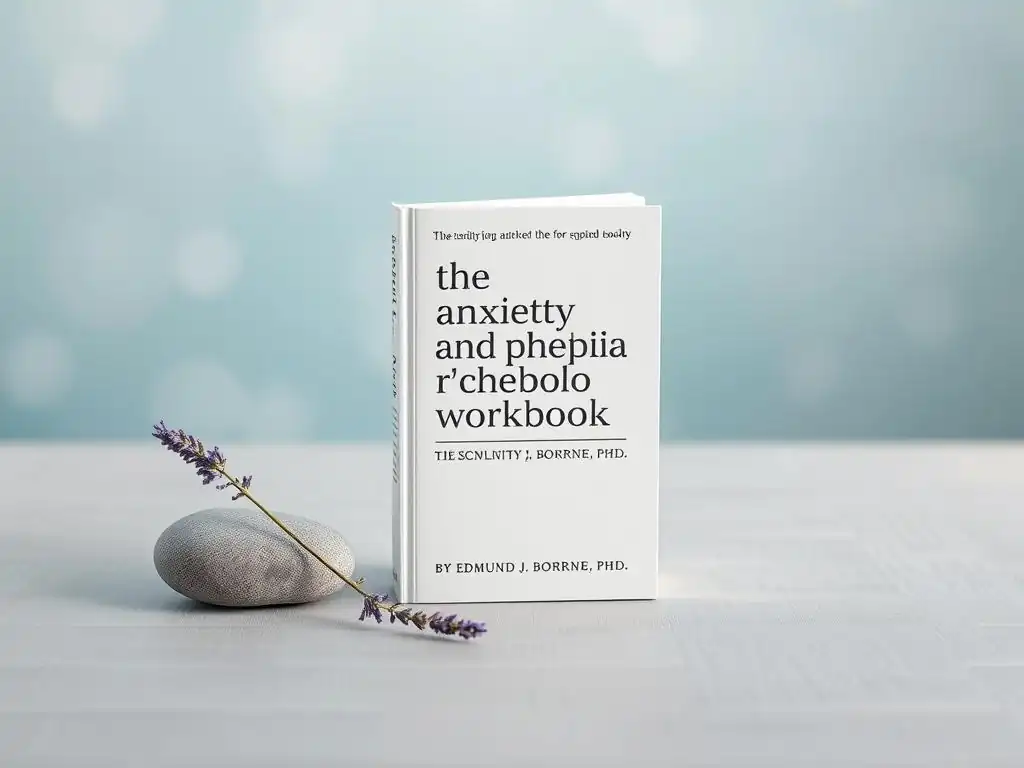
A Comprehensive Guide to Understanding Anxiety Disorders and Phobias
"The Anxiety and Phobia Workbook" is often considered a cornerstone resource for individuals seeking a deep understanding of anxiety and related disorders. It provides detailed explanations of various anxiety conditions, including Generalized Anxiety Disorder (GAD), Panic Disorder, Social Anxiety Disorder, Obsessive-Compulsive Disorder (OCD), and specific phobias. The book delves into the psychological and physiological components of anxiety, explaining how thoughts, feelings, bodily sensations, and behaviors interact to maintain the cycle of anxiety.
Beyond definitions, the workbook explores the underlying causes and contributing factors to anxiety, such as biological predispositions, past experiences, and environmental stressors. This comprehensive approach helps readers identify how anxiety manifests uniquely in their lives and gain insight into their specific challenges. It lays a solid foundation of knowledge, empowering readers to understand their experience within a broader context of anxiety management book recommendations.
Evidence-Based Techniques for Managing Anxiety and Panic Attacks
True to its title, the workbook is packed with practical exercises based on evidence-based therapeutic modalities, primarily CBT and exposure therapy. It guides readers through techniques like cognitive restructuring to challenge anxious thoughts, relaxation training (such as progressive muscle relaxation and diaphragmatic breathing), and systematic desensitization for phobias. Each technique is explained clearly, often with step-by-step instructions and worksheets for practice.
For panic attacks, the workbook provides specific strategies for managing symptoms in the moment and reducing the fear of future attacks. This includes interoceptive exposure exercises, which involve intentionally bringing on mild physical sensations similar to those experienced during a panic attack in a controlled environment to reduce the fear associated with them. The emphasis is on active engagement with the material and consistent practice of the techniques to build lasting coping skills.
"The Anxiety and Phobia Workbook": A Practical Toolkit for Recovery
More than just a book, this resource functions as a comprehensive, self-guided therapy program. It includes numerous questionnaires, checklists, and exercises designed to help readers assess their anxiety levels, identify triggers, track progress, and apply techniques to specific situations. For example, it provides detailed plans for creating exposure hierarchies for phobias, outlining steps for gradually confronting feared situations.
The workbook's strength lies in its structure and breadth. It covers a wide array of tools and approaches, allowing readers to explore different methods and find what works best for them. While it can be used independently, it also serves as an excellent adjunct to therapy, providing structure and homework assignments that reinforce concepts learned in sessions. Its longevity and multiple updated editions since its initial publication in the late 1980s attest to its enduring value as a practical toolkit for anxiety recovery.
5. "Wherever You Go, There You Are: Mindfulness Meditation in Everyday Life" by Jon Kabat-Zinn
The Power of Mindfulness Meditation for Anxiety Management
Jon Kabat-Zinn, a pioneer in bringing mindfulness into mainstream Western medicine and psychology, presents mindfulness not just as a technique but as a way of being. "Wherever You Go, There You Are" explores the profound impact that cultivating present-moment awareness can have on managing internal distress, including anxiety. The book explains that much of our anxiety stems from dwelling on the past or worrying about the future, pulling us away from the only moment we ever truly inhabit: the present.
Mindfulness meditation, as taught by Kabat-Zinn, involves paying deliberate, non-judgmental attention to one's thoughts, feelings, bodily sensations, and the surrounding environment. This practice helps individuals develop a different relationship with their anxious thoughts – seeing them as transient mental events rather than absolute truths or immediate threats. By regularly practicing mindfulness, the intensity and frequency of getting caught up in anxious spirals can significantly decrease, fostering a greater sense of inner stability.
Integrating Mindfulness into Daily Life: Practical Exercises
The book is filled with short, accessible chapters and simple exercises designed to weave mindfulness into the fabric of everyday life, not just during formal meditation sessions. Kabat-Zinn provides guidance on practices like mindful breathing, walking meditation, eating mindfully, and simply bringing awareness to routine activities like washing dishes or waiting in line. The emphasis is on finding opportunities throughout the day to pause, notice, and connect with the present moment.
These practical exercises are crucial for anxiety management because they build the capacity to stay grounded when anxiety arises. For example, practicing mindful breathing for just a few minutes can interrupt a rising wave of panic or worry by redirecting focus to the steady rhythm of the breath. The book encourages experimentation with different practices to find what resonates, making mindfulness an adaptable tool for various situations and levels of experience.
Reducing Stress and Cultivating Calmness with Mindfulness
Regular mindfulness practice, as outlined in "Wherever You Go, There You Are," has been shown in numerous studies to reduce stress levels and cultivate a greater sense of calmness. By training the mind to observe thoughts and emotions without getting overwhelmed by them, individuals develop increased emotional regulation. This means they are better equipped to handle challenging situations and stressful triggers without automatically defaulting to anxious reactions.
The book doesn't promise to eliminate anxiety entirely but offers a path to living more peacefully with it. By fostering a non-judgmental awareness, readers learn to accept the presence of anxiety without letting it dictate their actions or dominate their experience. This cultivated calmness is not the absence of stress, but the ability to meet stress with presence and equanimity, making it a powerful tool among anxiety management book recommendations for fostering long-term well-being.
Comparing the Best Books for Anxiety: Which is Right for You?
Finding the best anxiety management book recommendations depends largely on your specific needs, preferred learning style, and the nature of your anxiety. Each of the books discussed offers a unique approach, drawing from different therapeutic principles. Considering these distinctions can help you select the resource that will be most beneficial for your personal journey towards managing anxiety effectively.
"Dare" vs. "Feeling Good": A Head-to-Head Comparison
"Dare" and "Feeling Good" offer distinct, yet potentially complementary, approaches to anxiety management. "Dare" focuses heavily on the in-the-moment response to anxiety and panic, particularly targeting the physical sensations and the fear of fear. Its method is direct and action-oriented, encouraging immediate behavioral shifts like "running towards" the sensation. This makes it potentially very effective for individuals experiencing frequent panic attacks or intense physical symptoms who need quick, accessible techniques.
In contrast, "Feeling Good" is rooted in a more comprehensive exploration of cognitive patterns. It teaches readers to identify and challenge the underlying negative thoughts that contribute to anxiety and depression. This approach is more analytical and requires consistent effort in tracking thoughts and applying logical reasoning.
While effective for anxiety driven by worry and distorted thinking, it might feel less immediately applicable during an acute panic attack compared to the direct response method of "Dare." For someone looking for a deep dive into changing their thinking habits over time, "Feeling Good" might be the better starting point among anxiety management book recommendations.
"Declutter Your Mind" vs. "Wherever You Go, There You Are": Choosing a Strategy
Both "Declutter Your Mind" and "Wherever You Go, There You Are" utilize mindfulness principles, but with slightly different emphases. "Declutter Your Mind" is more overtly focused on managing mental overload and reducing worry through practical strategies like organizing thoughts, setting worry time, and applying mindfulness techniques specifically to quiet mental noise. It feels very much like a practical guide to tidying up a busy mind and reducing the associated anxiety.
"Wherever You Go, There You Are" is a more philosophical and experiential exploration of mindfulness meditation as a practice for cultivating presence and acceptance in all aspects of life. While it offers practical exercises, its primary aim is to shift one's overall relationship with thoughts and experiences, including difficult ones like anxiety. It's less about "fixing" the mind and more about learning to be with what is, without judgment.
If your anxiety is primarily driven by overwhelming thoughts and a need for practical organizational strategies, "Declutter Your Mind" might be a more direct fit. If you are interested in exploring the deeper practice of mindfulness for cultivating inner peace and acceptance, "Wherever You Go, There You Are" could be more appealing among anxiety management book recommendations.
Considering Your Specific Anxiety Needs: Personalized Book Recommendations
Choosing the right book from these anxiety management book recommendations is a personal decision that should consider the specific ways anxiety impacts your life.
- If you primarily struggle with panic attacks and intense physical anxiety symptoms, "Dare" might be the most immediately helpful resource for learning how to respond differently in the moment.
- If your anxiety is largely fueled by excessive worry, catastrophic thinking, or negative self-talk, "Feeling Good" offers a robust framework for identifying and challenging these thought patterns using CBT techniques.
- If you feel overwhelmed by a constant stream of thoughts and mental clutter and need practical strategies to quiet your mind, "Declutter Your Mind" provides actionable tools grounded in mindfulness.
- If you are interested in cultivating a deeper sense of presence, acceptance, and calmness through mindfulness meditation as a long-term practice, "Wherever You Go, There You Are" offers profound insights and guidance.
- If you are seeking a comprehensive overview of different anxiety disorders and a wide range of techniques to try, "The Anxiety and Phobia Workbook" serves as an extensive, self-guided toolkit.
Many people find benefit in combining approaches. For instance, using "Feeling Good" to address underlying thought patterns while also practicing the in-the-moment techniques from "Dare" during acute anxiety episodes. Discussing these options with a therapist can also provide valuable guidance tailored to your individual circumstances and therapeutic goals, helping you make informed choices among the best anxiety management book recommendations.
Beyond Books: Complementary Strategies for Anxiety Relief

While books offer invaluable knowledge and practical tools for managing anxiety, they are often most effective when integrated into a broader strategy for mental well-being. Relying solely on reading may not be sufficient for everyone, particularly for those with severe or complex anxiety. Exploring complementary strategies can significantly enhance your ability to manage anxiety and improve overall quality of life.
Therapy and Counseling Options: When to Seek Professional Help
Books provide self-help resources, but professional therapy or counseling offers personalized support from a trained expert. Therapists can help you understand the root causes of your anxiety, develop tailored coping strategies, and work through challenging emotions or experiences in a safe and supportive environment. Evidence-based therapies like Cognitive Behavioral Therapy (CBT), Exposure and Response Prevention (ERP), and Acceptance and Commitment Therapy (ACT) are highly effective for various anxiety disorders.
Knowing when to seek professional help is crucial. If your anxiety is significantly impacting your daily functioning—affecting your work, relationships, or ability to leave your home—or if you are experiencing suicidal thoughts, it is essential to reach out to a mental health professional immediately. Even if your anxiety is less severe, therapy can provide deeper insights and more robust tools than self-help alone. Many individuals find that using books like the anxiety management book recommendations listed here in conjunction with therapy accelerates their progress and provides a more comprehensive path to recovery.
Lifestyle Changes for Anxiety Management: Diet, Exercise, and Sleep
Integrating healthy lifestyle practices is a powerful, often underestimated, component of anxiety management. What you eat, how much you move, and the quality of your sleep all have a significant impact on your mental state. For instance, studies suggest that regular aerobic exercise, such as brisk walking or jogging for 30 minutes several times a week, can reduce anxiety symptoms by releasing endorphins and reducing stress hormones like cortisol.
Similarly, a balanced diet rich in whole foods, fruits, vegetables, and lean proteins can support brain health and mood regulation. Limiting caffeine and sugar intake, which can exacerbate anxiety symptoms in some individuals, is also often recommended. Prioritizing sleep hygiene—aiming for 7-9 hours of quality sleep per night, maintaining a consistent sleep schedule, and creating a relaxing bedtime routine—is fundamental, as sleep deprivation can significantly increase anxiety levels. Implementing these lifestyle changes provides a vital physiological foundation for managing anxiety alongside psychological strategies from anxiety management book recommendations.
Online Therapy Platforms for Anxiety: A Comparison
In recent years, online therapy platforms have become increasingly popular and accessible options for receiving professional mental health support for anxiety. These platforms connect individuals with licensed therapists via video calls, phone calls, or text-based messaging, offering convenience and flexibility. Examples include platforms like BetterHelp, Talkspace, and Amwell, among many others.
Online therapy can be particularly beneficial for individuals who face barriers to traditional in-person therapy, such as geographical distance, mobility issues, busy schedules, or anxiety about attending appointments outside the home. While the specific services and pricing vary between platforms, many offer specialized support for anxiety and panic disorders, utilizing the same evidence-based techniques used in traditional settings. Research indicates that online CBT, for example, can be just as effective as in-person therapy for managing anxiety. Exploring online therapy can be a valuable step when seeking professional help to complement the insights gained from anxiety management book recommendations.
Conclusion: Empowering Your Journey to Anxiety Management with the Right Resources
Managing anxiety is a continuous journey, and equipping yourself with the right resources is a powerful act of self-care. The definitive list of anxiety management book recommendations presented here offers a starting point, providing access to expert-backed strategies and profound insights into navigating the complexities of anxiety.
Whether you resonate with the direct action of "Dare," the cognitive restructuring of "Feeling Good," the mental decluttering of "Declutter Your Mind," the comprehensive toolkit of "The Anxiety and Phobia Workbook," or the mindful presence of "Wherever You Go, There You Are," each book offers a unique path towards understanding and managing your anxiety.
Choosing the Best Anxiety Relief Book for Your Needs
Ultimately, the "best" anxiety relief book is the one that speaks to you, aligns with your challenges, and motivates you to take action. Consider your primary struggles—panic, worry, intrusive thoughts, avoidance—and look for a book whose approach feels intuitive and actionable. Don't feel pressured to choose just one; many individuals benefit from drawing wisdom and techniques from multiple sources. The goal is to build a personal library of tools and perspectives that empower you to face anxiety with greater confidence and resilience.
Building a Comprehensive Anxiety Management Strategy
Remember that books are powerful tools, but they are part of a larger picture. A comprehensive anxiety management strategy often involves combining self-help resources like these anxiety management book recommendations with other supportive practices. This might include incorporating regular exercise, prioritizing sleep, practicing mindfulness or meditation, and exploring dietary adjustments. For many, professional support from a therapist or counselor is an essential component, providing personalized guidance and advanced therapeutic techniques.
Ongoing Support and Resources for Mental Well-being
Your journey towards managing anxiety doesn't end with finishing a book or trying a new technique. It's an ongoing process of learning, practicing, and adapting. Stay curious, continue seeking knowledge, and be patient with yourself.
Mind Care Guide is dedicated to offering information, support, and resources to help you navigate mental health challenges. Utilize reputable websites, support groups, and mental health professionals as part of your continuous commitment to your mental well-being. By building a robust support system and utilizing effective anxiety management book recommendations and other resources, you can empower yourself to live a life with less fear and greater peace.
Frequently Asked Questions
What are some book recommendations for managing anxiety, according to experts?
Experts often recommend books focusing on cognitive behavioral therapy (CBT) techniques and mindfulness practices. Titles like Feeling Good: The New Mood Therapy are frequently mentioned.
Why is reading anxiety management books considered a helpful tool?
Reading can provide practical strategies and coping mechanisms for dealing with anxiety. It can also offer a sense of validation and understanding of your experiences.
How can I choose the right anxiety management book for my specific needs?
Consider the type of anxiety you're experiencing and the therapeutic approach you prefer. Look for books reviewed by mental health professionals.
Can anxiety management books replace professional therapy or medication?
No, books should be viewed as a supplemental resource, not a replacement for professional help. If anxiety is severe, consult with a qualified therapist or psychiatrist.
Where can I find reliable resources and expert recommendations for anxiety management?
Websites like Mind Care Guide often provide curated lists and reviews of helpful books. Consult mental health organizations for further guidance.
Final Reflection: Finding Calm in the Pages
The overwhelming prevalence of anxiety in our modern world demands accessible and effective coping mechanisms, and the power of literature in managing this pervasive condition cannot be overstated. This list, meticulously curated with expert input, offers a pathway toward understanding and mitigating anxiety's grip, providing readers with a diverse range of tools and perspectives to navigate their own unique experiences. The books presented here aren't just titles; they are companions on a journey towards inner peace.
The impact of these books extends beyond individual relief; they contribute to a growing cultural conversation around mental health, normalizing the experience of anxiety and fostering a sense of community. This shared journey towards well-being is crucial, dismantling the stigma often associated with seeking help. The only way to do great work is to love what you do.
- Steve Jobs. While not directly about anxiety, this quote speaks to the importance of finding what works for you in your journey to self-care, and these books offer a starting point for that discovery. The ongoing dialogue surrounding mental health, fueled by these resources and similar initiatives, is vital for creating a more compassionate and understanding society.
Now, consider your own relationship with anxiety. Which of these books resonates most with your personal experience? Which approach – cognitive behavioral therapy, mindfulness practices, or narrative exploration – feels most accessible and promising for you? Take the first step. Choose a book, begin reading, and allow yourself the space to explore the path towards a calmer, more centered you. The journey to managing anxiety is personal and ongoing, but with the right tools and support, you can cultivate a life filled with greater peace and resilience.
Ready to Tackle Anxiety? Start Your Journey Now!
Thanks for taking the time to explore our expert guide to anxiety management books! You've now armed yourself with powerful tools to navigate your challenges. Ready to take the next step?
- Dive into your chosen book: Don't just add it to your "to-read" pile – start reading today! Even a few pages can make a difference.
- Share your book discoveries: Recommend your favorite anxiety-reducing book to a friend or family member who might benefit. Let's build a supportive community together.
- Leave a comment below: Share which book resonates most with you and why! What specific strategies are you excited to try?
What's one small step you can take right now to prioritize your mental well-being?