
Unlocking the Reward Pathway: How Dopamine Shapes Your Desires

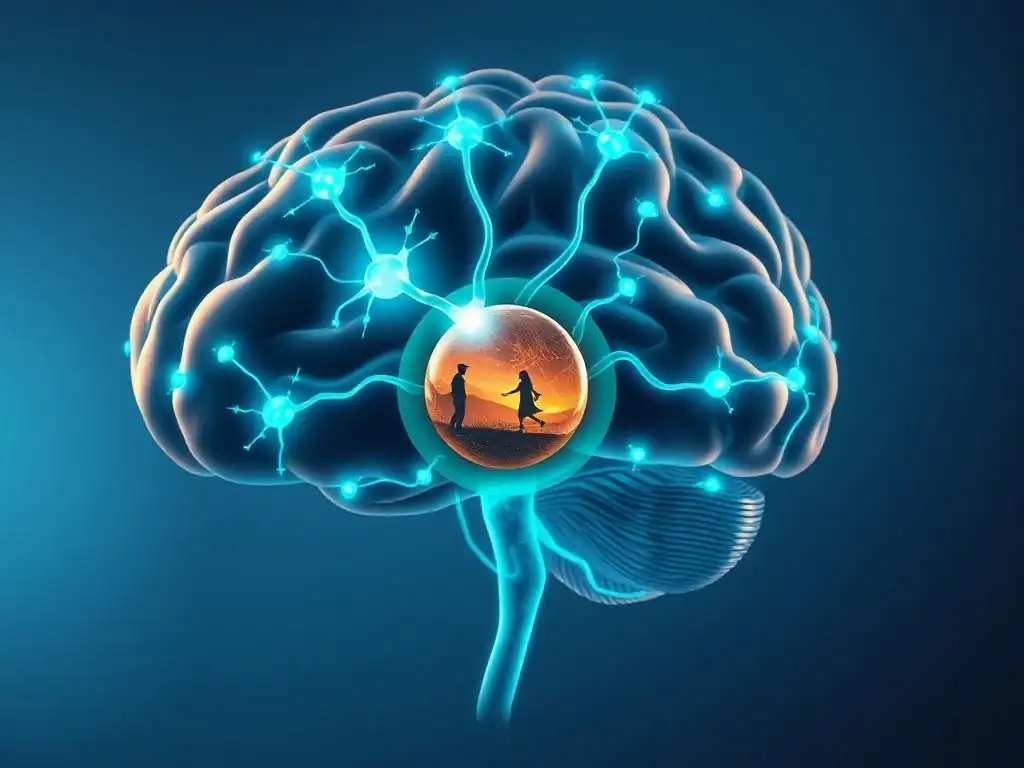
Welcome to Mind Care Guide, a safe space to explore the intricate landscape of your mental well-being.
Ever wondered why some days you feel unstoppable, driven by an inner fire, while others leave you feeling drained and unmotivated? Dive into our guide on Dopamine, Motivation, and Mental Health and discover how this powerful neurotransmitter shapes your desires, impacts your mood, and ultimately, influences your path to a healthier, happier you. Let's unlock the secrets of your reward pathway together and find ways to nurture your inner drive!
Unlocking the Reward Pathway: How Dopamine Shapes Your Desires
- Introduction: Understanding Dopamine's Role in Motivation and Mental Well-being
- What is the Dopamine Reward Pathway? A Deep Dive
- Dopamine's Influence on Motivation: Beyond Simple Pleasure
- Dopamine Imbalance and Mental Health Challenges
- Boosting Dopamine Naturally: Strategies for Enhancing Motivation and Well-being
- The Future of Dopamine Research: New Insights into Mental Health
- Maintaining a Healthy Dopamine System for Optimal Mental Health
- Conclusion: Harnessing the Power of Dopamine for a Fulfilling Life
-
Frequently Asked Questions
- How does dopamine influence motivation?
- What is the connection between dopamine and mental health challenges?
- How can I naturally boost my dopamine levels?
- What are some signs of dopamine deficiency that I should be aware of?
- Where can I find resources and support for managing dopamine-related mental health concerns?
- Final Reflection: The Dopamine Equation: Shaping Our Choices, Shaping Our Lives
- Unlock Your Potential: Boost Your Dopamine & Achieve More!
Introduction: Understanding Dopamine's Role in Motivation and Mental Well-being
The Neuroscience of Desire: A Glimpse into the Dopamine System
Dopamine, often referred to as the "feel-good" neurotransmitter, plays a pivotal role in the brain's reward system. It's not just about pleasure; dopamine is fundamentally involved in motivation, learning, and reinforcing behaviors that are essential for survival and achieving goals. This complex chemical messenger is synthesized in specific areas of the brain, primarily the ventral tegmental area (VTA) and the substantia nigra, and then released to communicate with other neurons across various brain regions. Understanding this intricate system is crucial for grasping how our desires are formed and pursued.
The journey of dopamine begins when a stimulus, whether it's a delicious meal, a social interaction, or achieving a milestone, triggers its release. This release signals to the brain that something important or rewarding has happened, or is about to happen. This signal strengthens the neural pathways associated with the action or cue that led to the reward, making us more likely to repeat that behavior in the future. This fundamental process underpins much of our goal-directed behavior and is a core component of dopamine motivation and mental health.
Dopamine and Mental Health: Why Understanding the Reward Pathway Matters
The intricate balance of dopamine activity is profoundly linked to various aspects of mental health. When the dopamine system functions optimally, it supports healthy motivation, the ability to experience pleasure, focus, and learning. However, disruptions in this system are implicated in a wide range of mental health conditions, from depression and anxiety to addiction and attention deficit hyperactivity disorder (ADHD). Low levels or reduced sensitivity to dopamine can lead to symptoms like lack of motivation, anhedonia (inability to experience pleasure), and difficulty concentrating, significantly impacting a person's well-being.
Conversely, excessive or dysregulated dopamine signaling is strongly associated with conditions like addiction, where the reward pathway is hijacked by substances or behaviors that cause an unnaturally large surge in dopamine. This can lead to compulsive seeking and use despite negative consequences. Understanding the role of dopamine in these processes provides critical insights into the mechanisms underlying these conditions and highlights the importance of maintaining a healthy dopamine balance for overall mental health.
What is the Dopamine Reward Pathway? A Deep Dive
The Key Brain Regions Involved in Dopamine Release
The core of the brain's reward pathway, often called the mesolimbic pathway, originates in the Ventral Tegmental Area (VTA). Neurons in the VTA produce dopamine and project to several key areas, including the Nucleus Accumbens (NAcc), the amygdala, and the prefrontal cortex. The substantia nigra, another dopamine-producing region, primarily projects to the striatum and is more involved in motor control, though it also plays a role in reward-related learning. These interconnected regions form a powerful circuit that processes rewards, motivates behavior, and influences decision-making.
The Nucleus Accumbens is a critical hub in this circuit, often referred to as the "pleasure center," although its function is more complex, involving motivation and action selection. When dopamine is released into the NAcc, it signals the rewarding value of a stimulus or action. The amygdala processes the emotional significance of stimuli, linking emotions to rewards, while the prefrontal cortex, particularly the medial prefrontal cortex and orbitofrontal cortex, is involved in planning, decision-making, and evaluating the long-term value of rewards. This distributed network ensures that dopamine's influence on motivation and mental health is multifaceted.
How Dopamine Transmits Signals and Creates Feelings of Pleasure
Dopamine transmits signals between neurons via synapses. When a dopamine-producing neuron is activated, it releases dopamine molecules into the synaptic cleft, the tiny gap between neurons. These molecules then bind to specific dopamine receptors on the receiving neuron, triggering a response. There are several types of dopamine receptors (D1, D2, D3, D4, D5), each with slightly different functions and distributions in the brain, contributing to the diverse effects of dopamine. The binding of dopamine to these receptors is what initiates the complex cascade of intracellular events that ultimately influence the neuron's activity.
While often associated with pleasure, dopamine's primary role is less about the feeling of pleasure itself and more about predicting and seeking rewards. Dopamine release surges not just when a reward is received, but also when a cue predicts a reward. This predictive signal drives motivation and learning, prompting us to seek out the anticipated reward. The actual feeling of pleasure (the "liking") involves other neurotransmitters and brain regions, but the drive to get the reward (the "wanting") is heavily mediated by dopamine, highlighting its critical role in dopamine motivation and mental health.
The Connection Between Reward, Motivation, and Action
The dopamine reward pathway is a sophisticated system designed to reinforce behaviors that lead to positive outcomes. When you perform an action (like studying for an exam) and receive a reward (getting a good grade), dopamine is released. This dopamine signal strengthens the neural connections associated with studying, making it more likely you will study for the next exam. This is the essence of reinforcement learning, a fundamental process driven by dopamine. The intensity and timing of the dopamine signal are crucial; unexpected rewards trigger a stronger signal than predicted ones, enhancing learning about new reward opportunities.
Furthermore, dopamine is essential for converting motivation into action. It provides the drive or 'oomph' needed to pursue a goal. Low dopamine levels are often associated with apathy and a lack of initiative, even if someone understands the potential reward. The pathway from the VTA to the NAcc is particularly important for this motivational drive. This connection underscores how dopamine directly impacts our ability to initiate and persist in goal-directed behaviors, profoundly influencing our daily activities and long-term aspirations, linking dopamine, motivation, and mental health inextricably.
Dopamine's Influence on Motivation: Beyond Simple Pleasure
Dopamine's Role in Goal-Directed Behavior and Pursuit of Rewards
Dopamine is a key player in shaping our goal-directed behavior. It doesn't just signal pleasure after a reward is received; it's critically involved in the anticipation and pursuit of that reward. Studies show that dopamine neurons fire not just when a reward is given, but also when a cue signals that a reward is coming. This anticipatory firing drives us to seek the reward, providing the motivational energy needed to overcome obstacles and persist towards a goal. This predictive coding aspect of dopamine is fundamental to complex human behaviors like planning for the future or working towards long-term achievements.
Consider the motivation to save money for a large purchase. The immediate act of saving might not be inherently pleasurable, but the anticipated reward (the purchase) drives the behavior. Dopamine is involved in maintaining this drive over time, linking the current effort (saving) to the future payoff (the purchase). Disruptions in this system can make it difficult to sustain effort towards long-term goals, a challenge often seen in conditions affecting dopamine regulation, underscoring its vital link to dopamine motivation and mental health.
How Dopamine Drives Learning and Reinforcement
Dopamine is a powerful learning signal, particularly for behaviors associated with rewards or punishments. When an action leads to a positive outcome, a burst of dopamine reinforces the neural pathways that led to that action, increasing the likelihood of repeating it.
Conversely, if an expected reward is not received, or a punishment occurs, dopamine levels may drop or fail to rise, acting as a prediction error signal that helps the brain update its understanding of which actions lead to which outcomes. This continuous process of prediction and error correction, mediated by dopamine, is how we learn to navigate our environment effectively.
This reinforcement learning mechanism is active from simple tasks like learning to ride a bike to complex cognitive processes like mastering a new skill or forming habits. For instance, the feeling of satisfaction (partially mediated by dopamine) after finally solving a difficult problem reinforces the problem-solving strategies used. This dopamine-driven learning is essential not only for acquiring new abilities but also for adapting behaviors based on experience, forming the basis of flexible and goal-oriented actions, directly impacting dopamine motivation and mental health outcomes.
The Difference Between "Liking" and "Wanting" in the Dopamine System
Neuroscience distinguishes between the "liking" aspect of pleasure (the hedonic impact, or how much you enjoy something) and the "wanting" aspect (the motivational drive or craving). While these are often experienced together, they are mediated by partially distinct brain circuits. Dopamine's primary role is in the "wanting" or motivational drive, making us crave and seek out rewards. The actual subjective experience of pleasure, the "liking," involves other neurochemicals like opioids and endocannabinoids, particularly in areas like the ventral pallidum.
This distinction is critical, especially in the context of addiction. Addictive substances or behaviors can significantly amplify the "wanting" signal mediated by dopamine, leading to intense cravings and compulsive seeking, even if the "liking" or pleasure derived from the substance diminishes over time (tolerance). Understanding this separation helps explain why individuals may continue to pursue something they no longer find particularly enjoyable, highlighting the powerful, sometimes detrimental, influence of dopamine on motivation and mental health.
Dopamine Imbalance and Mental Health Challenges
Dopamine Deficiency and its Impact on Motivation and Mood
A deficiency or reduced activity in the dopamine system is strongly associated with a range of mental health challenges, notably impacting motivation and mood. Conditions like depression, particularly subtypes characterized by anhedonia and apathy, are often linked to hypodopaminergic states – meaning lower than optimal dopamine function in certain brain circuits. Individuals may experience a profound lack of drive, difficulty initiating tasks, reduced interest in activities they once enjoyed, and a general feeling of listlessness.
Parkinson's disease, primarily known as a movement disorder, also involves the degeneration of dopamine-producing neurons in the substantia nigra and often presents with non-motor symptoms like depression, apathy, and cognitive slowing, further illustrating the impact of dopamine deficiency on motivation and mental health. While treatment for Parkinson's focuses on replacing dopamine for motor symptoms, the associated mood and motivational issues underscore the widespread influence of this neurotransmitter.
The Link Between Dopamine Dysfunction and Depression, ADHD, and Addiction
Dysregulation of dopamine signaling is a common thread running through several significant mental health conditions. In depression, impaired dopamine reward processing can contribute to anhedonia and lack of motivation. Research suggests that the brain's response to potential rewards is blunted in depressed individuals, making it harder to feel motivated to pursue them. Studies using fMRI show reduced activity in reward-related brain areas like the Nucleus Accumbens when anticipating rewards in people with depression.
For Attention Deficit Hyperactivity Disorder (ADHD), dopamine dysfunction is considered a core component. Altered dopamine transporter activity and receptor availability are thought to contribute to difficulties with focus, impulse control, and motivation. Medications for ADHD, such as stimulants like methylphenidate and amphetamines, work by increasing dopamine levels in certain brain regions, improving attention and reducing hyperactivity and impulsivity, demonstrating dopamine's critical role in dopamine motivation and mental health related to executive function.
Addiction, perhaps the most widely recognized condition linked to dopamine, involves a profound disruption of the reward pathway. Addictive substances (like cocaine or methamphetamine) or behaviors (like gambling) trigger massive, supra-physiological surges of dopamine release in the Nucleus Accumbens, far exceeding natural rewards. This overwhelms the system, leading to neuroadaptations that prioritize drug-seeking behavior above all else, creating a powerful cycle of craving and use.
Dopamine and Addiction: The Dark Side of the Reward Pathway
Addiction fundamentally alters the dopamine system, transforming the "wanting" signal into a compulsive drive. Repeated exposure to high levels of dopamine from addictive substances or behaviors leads to changes in dopamine receptors and signaling pathways. The brain becomes less sensitive to natural rewards over time, requiring higher doses or more intense behaviors to achieve a similar level of dopamine release. This tolerance drives increased substance use or engagement in the addictive behavior.
Furthermore, cues associated with the addiction (like seeing drug paraphernalia or being in a place where the behavior typically occurs) trigger strong dopamine release and intense cravings, even in the absence of the substance or behavior itself. This learned association, powerfully reinforced by dopamine, makes relapse a significant challenge for individuals in recovery. Understanding this hijacking of the dopamine reward pathway is essential for developing effective treatments for addiction, highlighting the complex interplay between dopamine, motivation, and mental health in this context.
Boosting Dopamine Naturally: Strategies for Enhancing Motivation and Well-being
Lifestyle Changes to Support Healthy Dopamine Levels
While severe dopamine imbalances often require medical intervention, several lifestyle changes can support healthy dopamine function and contribute to improved dopamine motivation and mental health. Regular physical activity is one of the most impactful. Exercise has been shown to increase dopamine levels and receptor density in the brain, leading to improved mood, focus, and motivation. Aiming for at least 150 minutes of moderate-intensity exercise per week, as recommended by many health organizations, can have significant benefits.
Other lifestyle factors include getting adequate sleep, typically 7-9 hours per night for adults. Sleep deprivation negatively impacts dopamine receptor availability and overall brain function. Engaging in creative activities, setting and achieving small goals, and listening to music that you enjoy have also been anecdotally linked to positive changes in dopamine levels and can contribute to a sense of accomplishment and well-being. Mindfulness and meditation practices may also influence dopamine pathways, promoting a more balanced state.
The Role of Diet and Exercise in Dopamine Regulation
Diet plays a crucial role in providing the building blocks for dopamine production. The amino acids tyrosine and phenylalanine are precursors to dopamine. Consuming adequate protein sources, such as lean meats, poultry, fish, eggs, dairy, legumes, and nuts, ensures the body has access to these necessary amino acids. While simply consuming these foods won't cause a massive dopamine surge, a diet rich in these nutrients supports the brain's ability to synthesize dopamine effectively.
Beyond amino acids, a balanced diet rich in antioxidants, vitamins (especially B vitamins), and minerals (like magnesium and zinc) supports overall brain health, including neurotransmitter function. Chronic inflammation and nutrient deficiencies can impair dopamine synthesis and signaling. Combining a nutrient-dense diet with regular exercise provides a powerful foundation for maintaining healthy dopamine levels, contributing positively to dopamine motivation and mental health.
The Impact of Tyrosine and Phenylalanine on Dopamine Production
As mentioned, tyrosine and phenylalanine are essential amino acid precursors for dopamine synthesis. Phenylalanine is converted into tyrosine in the body, and tyrosine is then converted into L-DOPA, which is the direct precursor to dopamine. Ensuring adequate dietary intake of these amino acids is necessary for the brain to produce sufficient dopamine. Foods high in tyrosine include cheese, beef, chicken, fish, and beans. Phenylalanine is found in similar protein-rich foods.
While supplementation with tyrosine or phenylalanine is sometimes discussed, it's generally recommended to obtain these amino acids through a balanced diet unless specifically advised by a healthcare professional. The body typically regulates neurotransmitter synthesis efficiently when provided with the necessary building blocks through food. Focusing on a protein-rich diet is a natural and effective way to support the raw material needs for dopamine production, aiding in healthy dopamine motivation and mental health.
The Future of Dopamine Research: New Insights into Mental Health
Emerging Therapies Targeting the Dopamine System
Research into the dopamine system continues to uncover new therapeutic targets for mental health conditions. Beyond traditional medications that modulate dopamine levels (like L-DOPA for Parkinson's or stimulants for ADHD), scientists are exploring more nuanced approaches. These include drugs that selectively target specific dopamine receptor subtypes, aiming for more precise effects with fewer side effects. For example, research is ongoing into compounds that modulate D1 receptors for cognitive enhancement or D3 receptors for addiction treatment.
Gene therapy and deep brain stimulation are also areas of active research, particularly for severe or treatment-resistant conditions like Parkinson's or depression. These experimental approaches aim to directly influence the activity of dopamine-producing neurons or the circuits they connect to. While still largely in the research phase for mental health applications beyond movement disorders, these emerging therapies hold promise for providing more targeted and effective interventions by directly addressing dopamine dysfunction.
Personalized Approaches to Dopamine Modulation
The understanding that individual brains differ in their dopamine system structure, function, and sensitivity is leading towards more personalized approaches in mental health treatment. Genetic variations can influence dopamine receptor density, transporter activity, and enzyme function, affecting how individuals respond to stress, rewards, and even medications. For instance, variations in the DRD2 gene (coding for the D2 dopamine receptor) have been linked to differences in reward sensitivity and vulnerability to addiction.
Future therapies may involve genetic testing or neuroimaging to understand an individual's specific dopamine profile. This could allow clinicians to select medications or non-pharmacological interventions that are most likely to be effective for that person, optimizing treatment outcomes for conditions related to dopamine motivation and mental health. Tailoring interventions based on an individual's unique neurochemistry represents a significant step forward in precision psychiatry.
Understanding Individual Differences in Dopamine Sensitivity
People vary significantly in how sensitive their dopamine systems are. Some individuals may be more sensitive to rewards, experiencing stronger motivational drives from potential payoffs, while others may have a less reactive system, requiring stronger stimuli to feel motivated. These differences are influenced by genetics, environment, and life experiences. Understanding one's own general sensitivity can be empowering, helping individuals choose environments, goals, and strategies that align with their neurobiological profile.
For someone with lower reward sensitivity, breaking down large goals into smaller, more immediately rewarding steps might be more effective for maintaining dopamine motivation. Conversely, someone with high sensitivity might need strategies to avoid overstimulation or impulsive pursuit of immediate rewards. Recognizing these individual differences is key to developing effective personal strategies for managing motivation, navigating challenges, and supporting overall dopamine-related mental health.
Maintaining a Healthy Dopamine System for Optimal Mental Health
Recognizing Signs of Dopamine Imbalance
Recognizing the signs of potential dopamine imbalance is an important step in maintaining mental well-being. Symptoms can vary depending on whether there is a deficiency or excess/dysregulation in specific pathways, but common indicators include persistent lack of motivation, apathy, anhedonia (inability to feel pleasure), fatigue, difficulty concentrating, and changes in mood (like increased irritability or sadness). On the other hand, signs of dysregulation might include impulsive behavior, excessive risk-taking, or compulsive engagement in certain activities.
It's crucial to remember that these symptoms can overlap with many other conditions, and self-diagnosis based solely on dopamine is not advisable. However, being aware of these potential links can prompt individuals to seek professional evaluation if they experience persistent or severe symptoms. Discussing these experiences with a healthcare provider is the first step towards understanding the underlying causes and getting appropriate support for dopamine motivation and mental health concerns.
Strategies for Managing Stress and Protecting Dopamine Function
Chronic stress is known to negatively impact the dopamine system. Prolonged exposure to stress hormones like cortisol can alter dopamine receptor sensitivity and impair dopamine release, contributing to reduced motivation and increased vulnerability to mood disorders. Implementing effective stress management techniques is therefore vital for protecting dopamine function and supporting mental health.
Strategies such as regular exercise, mindfulness meditation, deep breathing exercises, spending time in nature, maintaining social connections, and engaging in hobbies can help buffer the effects of stress on the brain. Prioritizing adequate sleep and maintaining a healthy diet also contribute significantly to stress resilience and support a balanced dopamine system. Proactive stress management is a cornerstone of maintaining healthy dopamine motivation and overall mental well-being.
If you suspect you are experiencing symptoms related to dopamine imbalance or any other mental health challenge, seeking professional help is essential. Psychiatrists, neurologists, psychologists, and licensed therapists can provide accurate diagnosis, guidance, and treatment. They can assess your symptoms, medical history, and potentially recommend diagnostic tests or refer you to specialists if needed.
Treatment for dopamine-related issues can involve a combination of approaches, including medication to modulate neurotransmitter levels, therapy (such as Cognitive Behavioral Therapy or motivational interviewing), and lifestyle interventions. A mental health professional can help you develop a personalized plan to address your specific needs, manage symptoms, and work towards improving your dopamine motivation and overall mental health. Remember, seeking help is a sign of strength, and effective support is available.
Conclusion: Harnessing the Power of Dopamine for a Fulfilling Life
Key Takeaways: Dopamine, Motivation, and Mental Well-being
Understanding the dopamine reward pathway reveals its profound influence on our motivation, learning, and experience of pleasure. Dopamine is not just a "pleasure chemical" but a critical driver of goal-directed behavior, reinforcement learning, and the pursuit of desires. Its intricate balance is fundamental to healthy dopamine motivation and mental health. Disruptions in this system are implicated in conditions ranging from apathy and anhedonia to severe challenges like addiction and ADHD.
Maintaining a healthy dopamine system involves a holistic approach, incorporating lifestyle factors like diet, exercise, sleep, and stress management. While professional help is crucial for addressing significant imbalances, empowering ourselves with knowledge about how dopamine works allows us to make informed choices that support our brain health and enhance our capacity for motivation and well-being.
The Importance of Understanding Your Own Dopamine System
Recognizing that your dopamine system is unique and influences your individual patterns of motivation, response to rewards, and vulnerability to certain challenges is incredibly valuable. It helps foster self-compassion and allows for the development of personalized strategies to navigate life's demands and opportunities. Instead of viewing struggles with motivation or impulse control as personal failings, understanding the potential neurobiological underpinnings can lead to more effective, evidence-based approaches for self-improvement and seeking appropriate support.
By paying attention to how different activities and habits affect your energy levels, focus, and sense of satisfaction, you can gain insight into your own dopamine dynamics. This self-awareness, combined with the knowledge of general principles regarding dopamine, motivation, and mental health, provides a powerful foundation for cultivating resilience, pursuing meaningful goals, and ultimately leading a more fulfilling life.
Frequently Asked Questions
How does dopamine influence motivation?
Dopamine is a neurotransmitter that plays a crucial role in the brain's reward system. It is released when we experience something pleasurable, driving us to repeat those behaviors. This reward pathway is key for motivation.
What is the connection between dopamine and mental health challenges?
Imbalances in dopamine levels can contribute to various mental health conditions. Low dopamine is linked to depression and lack of motivation, while excessive dopamine is associated with conditions like schizophrenia. Maintaining a healthy balance is crucial.
How can I naturally boost my dopamine levels?
Engaging in activities you enjoy, like exercise or hobbies, can naturally increase dopamine. A balanced diet rich in tyrosine (an amino acid) and adequate sleep are also helpful. Remember to consult a healthcare professional.
What are some signs of dopamine deficiency that I should be aware of?
Common signs include lack of motivation, fatigue, difficulty concentrating, and feelings of hopelessness. Loss of interest in activities you once enjoyed is also a key indicator. If you experience these, seek professional help.
Mind Care Guide offers information, support, and resources for various mental health challenges, including those related to dopamine imbalances. Consulting with a qualified therapist or psychiatrist is always recommended for personalized treatment.
Final Reflection: The Dopamine Equation: Shaping Our Choices, Shaping Our Lives
Understanding the intricacies of the dopamine reward pathway is not merely an academic exercise; it's a crucial key to unlocking a healthier and more fulfilling life. The impact of dopamine on our motivation, our choices, and ultimately, our mental well-being is undeniable, shaping everything from our daily habits to our long-term goals. Ignoring this powerful neurochemical is akin to navigating a ship without a compass – we may reach our destination eventually, but the journey will be far more arduous and uncertain.
The exploration of dopamine's role in motivation has profoundly impacted my own understanding of personal growth and mental health. It's highlighted the importance of mindful engagement, the dangers of instant gratification, and the necessity of cultivating healthy reward systems. The greatest discovery of all time is that a person can change his future by merely changing his attitude.
– Oprah Winfrey. This quote resonates deeply, as understanding our dopamine responses allows us to consciously alter our attitudes and behaviors, leading to positive change. The ongoing influence of this knowledge is evident in the growing awareness surrounding addiction, mental health disorders, and the importance of self-care practices designed to optimize dopamine function in a healthy way.
Now, consider your own relationship with dopamine. What are the rewards you seek? Are they serving you well, or are they leading you down a path of unsustainable habits and potential burnout? I urge you to reflect on your daily routines, your goals, and the sources of your motivation. By consciously shaping your environment and choices to foster healthy dopamine responses, you can cultivate a life filled with purpose, resilience, and genuine satisfaction. Take control of your reward pathway; it's your birthright to design a life driven by meaningful motivation and lasting well-being.
Unlock Your Potential: Boost Your Dopamine & Achieve More!
Thanks for taking the time to explore the fascinating world of dopamine and its influence on your desires! You've now learned how to harness this powerful neurotransmitter for positive change. Ready to put your new knowledge into practice?
- Prioritize activities that naturally boost dopamine: Think about what genuinely excites and motivates you – spending time in nature, connecting with loved ones, pursuing creative hobbies – and schedule dedicated time for them. This is your primary action step towards a more fulfilling life.
- Share this article with someone who could also benefit from understanding how to better manage their dopamine levels. Let's inspire each other!
- Try a dopamine-boosting mindfulness exercise: Even a 5-minute meditation focusing on gratitude can make a tangible difference.
So, what small step will you take today to cultivate a more dopamine-rich and fulfilling life?