
Enhance Your Therapy: How Qigong Can Complement Traditional Mental Healthcare

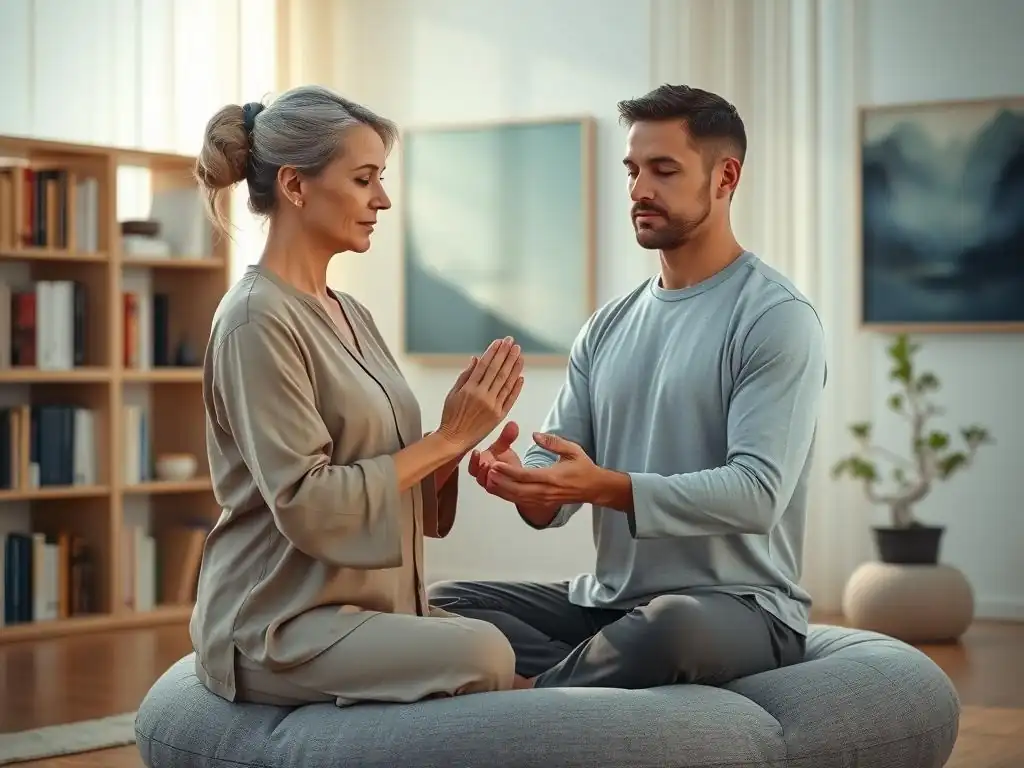
Welcome to Mind Care Guide, your compassionate companion on the path to mental well-being. Feeling overwhelmed, perhaps searching for something more to support your mental health journey? You're not alone. Discover how the ancient practice of Qigong therapy is emerging as a powerful tool, offering profound mental health benefits that can complement traditional approaches. Ready to unlock a new dimension of healing and inner peace? Let's explore.
- Enhance Mental Wellbeing: Exploring Qigong's Therapeutic Potential
- Qigong: A Holistic Approach to Mental Health
- Qigong's Benefits for Mental Health: Supporting Conventional Treatment
- Integrating Qigong into a Mental Health Strategy
- Practical Qigong Exercises for Everyday Mental Wellness
- Qigong Compared to Other Mind-Body Therapies for Mental Health
- The Science of Qigong and Mental Health
- Embarking on Your Qigong Journey: A Beginner's Guide
- Addressing Common Questions and Concerns About Qigong Therapy
- Cultivating Long-Term Mental Wellness Through Qigong
-
Frequently Asked Questions
- What is Qigong and how does it relate to mental well-being?
- How can Qigong complement traditional mental healthcare?
- What specific mental health benefits can Qigong therapy offer?
- Is Qigong therapy suitable for everyone, including those with existing mental health conditions?
- Where can I find qualified Qigong instructors or resources for learning more about Qigong therapy for mental health?
- Final Reflection: Cultivating Inner Peace Through Qigong and Therapy
- Unlock Your Inner Calm: Integrate Qigong into Your Wellness Journey
Enhance Mental Wellbeing: Exploring Qigong's Therapeutic Potential
Mental wellbeing is a cornerstone of a fulfilling life, yet navigating its complexities can be challenging. While conventional mental healthcare provides essential tools and support, many individuals seek complementary practices to deepen their healing journey and foster greater resilience. Exploring holistic modalities can offer additional pathways to emotional balance and inner peace.
This article delves into the ancient Chinese practice of Qigong, examining how its gentle movements, breathing techniques, and meditative focus can serve as a powerful complement to traditional mental health interventions. We will explore the unique Qigong therapy mental health benefits, from reducing stress and anxiety to enhancing emotional regulation and cognitive function, providing insights for those looking to enrich their mental health strategy.
Qigong: A Holistic Approach to Mental Health
Qigong, often translated as "cultivating vital energy," is a mind-body practice with roots stretching back thousands of years in China. It involves slow, deliberate movements, focused breathing, and meditative states, all designed to harmonize the body's energy (Qi) and promote overall health. Unlike vigorous exercise, Qigong emphasizes gentle flow and internal awareness.
The holistic nature of Qigong addresses the interconnectedness of physical, mental, and emotional states. Practitioners believe that blockages or imbalances in the body's energy pathways (meridians) can manifest as physical illness or emotional distress. By engaging in Qigong, individuals aim to clear these blockages, improve circulation, and restore equilibrium, thereby fostering a sense of wellbeing that extends beyond the physical realm.
Understanding Qigong: Cultivating Vital Energy for Emotional Balance
Qigong encompasses a vast array of forms and styles, but fundamentally, it focuses on integrating posture, movement, breathing, and focused intention. The practice encourages a deep connection with one's internal state, fostering self-awareness and presence. This inward focus is crucial for recognizing and processing emotions without being overwhelmed by them.
The concept of "vital energy" or Qi in Qigong relates to the subtle life force believed to animate all living things. Cultivating this energy through practice is thought to strengthen the body's natural healing abilities and stabilize the mind. Regular engagement can lead to a profound sense of calm and rootedness, providing a stable foundation from which to navigate life's emotional ups and downs. For instance, practitioners often report feeling more grounded and less reactive after even short Qigong sessions, suggesting a direct impact on emotional reactivity.
Conventional Mental Healthcare: Foundations and Limitations
Conventional mental healthcare relies on evidence-based approaches such as psychotherapy (like Cognitive Behavioral Therapy or Dialectical Behavior Therapy) and pharmacotherapy (medication) to diagnose and treat mental health conditions. These methods have proven effective for a wide range of disorders, providing critical support for individuals experiencing significant distress or impairment. Therapy offers tools for understanding thought patterns and behaviors, while medication can help regulate neurochemical imbalances.
While highly effective, conventional treatments may not address every aspect of a person's wellbeing. Some individuals may find that therapy alone doesn't fully alleviate physical tension associated with stress, or that medication provides symptom relief but doesn't necessarily cultivate a deeper sense of inner peace or resilience. This is where complementary practices like Qigong can offer valuable support, providing tools for self-regulation, stress management, and fostering a stronger mind-body connection that enhances the overall healing process.
Qigong's Benefits for Mental Health: Supporting Conventional Treatment
Integrating Qigong into a mental wellness routine can significantly enhance the effectiveness of conventional treatments. The practice offers tangible Qigong therapy mental health benefits by providing practical techniques for managing symptoms, improving emotional resilience, and promoting a sense of agency over one's wellbeing. It serves as an active form of self-care that complements passive or less embodied therapeutic modalities.
The benefits extend across various dimensions of mental health. From managing the acute symptoms of anxiety and depression to building long-term emotional stability and cognitive clarity, Qigong offers a gentle yet powerful path. It provides tools that individuals can utilize daily, empowering them to take an active role in their mental health journey and build a stronger foundation for recovery and resilience.
Reducing Anxiety and Stress Through Qigong's Gentle Movements
Chronic stress and anxiety are pervasive challenges in modern life, often contributing to or exacerbating mental health conditions. Qigong's slow, deliberate movements and focus on breath help activate the body's parasympathetic nervous system, counteracting the "fight or flight" response triggered by stress. The gentle, flowing nature of the exercises releases physical tension held in the muscles, which is often a somatic manifestation of anxiety.
Research has shown promising results regarding Qigong's impact on stress and anxiety levels. A meta-analysis published in the Journal of Psychosomatic Research in 2010, reviewing 37 studies, indicated that Qigong had significant positive effects on psychological outcomes, including reduced stress and anxiety. Participants often report feeling a sense of calm and relaxation wash over them during practice, a feeling that can extend into their daily lives, helping them manage stressful situations with greater ease.
Enhancing Emotional Regulation and Mood Stability with Qigong
Emotional dysregulation is a core feature of many mental health conditions, including mood disorders and personality disorders. Qigong practice cultivates a heightened awareness of internal states, including emotions, without judgment. This mindful approach allows individuals to observe their feelings from a place of acceptance rather than reactivity, a crucial skill for improving emotional regulation.
By promoting the smooth flow of Qi, Qigong is believed to help release stagnant emotional energy that can contribute to feelings of being stuck, irritable, or depressed. The practice encourages a more fluid and balanced emotional landscape. Studies, such as one involving college students that showed reduced depression scores after a Qigong intervention, suggest that regular practice can contribute to more stable moods and a greater capacity to process difficult emotions in a healthy way.
Improving Cognitive Function: Focus, Memory, and Clarity Through Qigong
Mental fog, difficulty concentrating, and impaired memory are common symptoms associated with stress, anxiety, depression, and other mental health challenges. Qigong requires focused attention on posture, movement, and breath, naturally training the mind to stay present. This sustained focus during practice translates into improved concentration and mental clarity in daily activities.
The gentle physical movements combined with deep breathing increase oxygen flow to the brain, which is vital for optimal cognitive function. Furthermore, by reducing stress, which is known to impair memory and cognitive performance, Qigong indirectly supports brain health. While specific data on Qigong's direct impact on cognitive function is still emerging, the practice shares mechanisms with other mind-body techniques like meditation that have shown positive effects on attention and executive function.
Qigong for Trauma: Fostering Resilience and Emotional Processing
Trauma can leave deep imprints on both the mind and body, often manifesting as chronic tension, hypervigilance, and difficulty processing emotions. Qigong's gentle, non-invasive nature makes it a suitable complementary therapy for individuals recovering from trauma. It helps individuals safely reconnect with their bodies in a way that feels empowering and grounding.
The slow, rhythmic movements can help release stored tension and facilitate a sense of safety and control within the body, which is often compromised by trauma. By promoting relaxation and activating the parasympathetic nervous system, Qigong can help regulate the heightened arousal associated with PTSD. While not a substitute for trauma-informed therapy, practices like Qigong offer valuable tools for building somatic resilience and supporting the gradual processing of traumatic experiences within a safe framework.
Integrating Qigong into a Mental Health Strategy
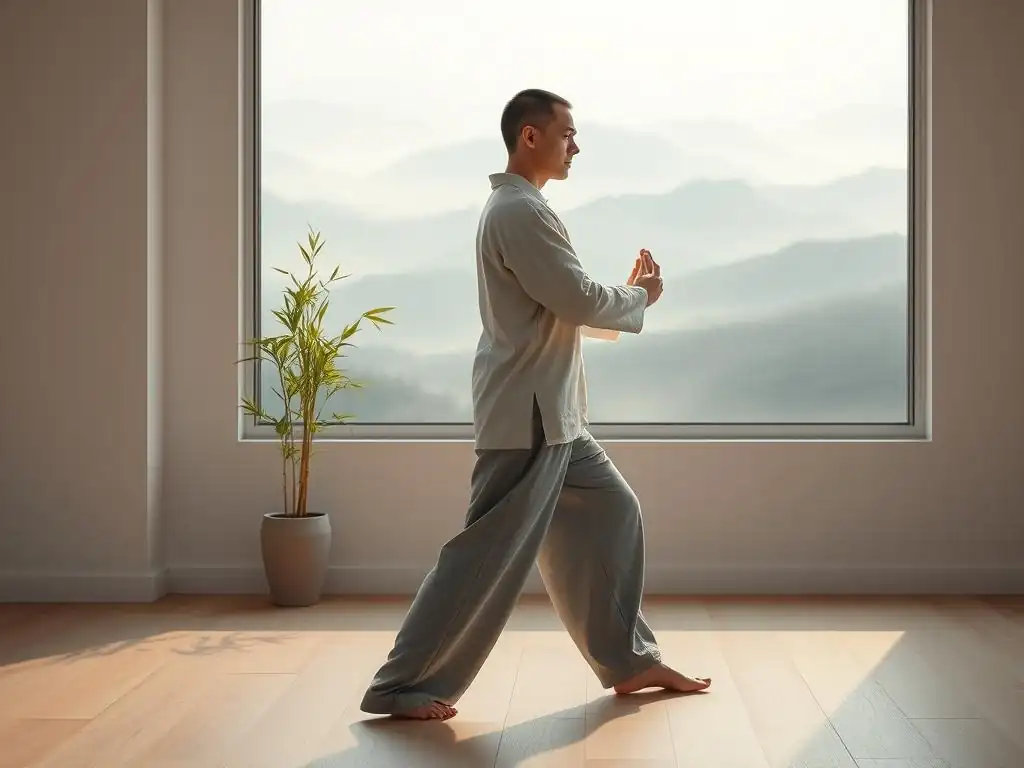
Incorporating Qigong into your mental health plan requires thoughtful consideration and integration with existing treatments. It's not about replacing conventional care but enhancing it. This involves finding appropriate guidance and ensuring the practice aligns with your specific needs and any ongoing therapeutic work.
Collaboration between Qigong instructors and mental health professionals can create a synergistic approach. A therapist might recommend Qigong as a tool for stress management or emotional regulation, while a Qigong instructor can tailor practices to support therapeutic goals, such as increasing body awareness or reducing anxiety symptoms.
Finding a Certified Qigong Instructor Specializing in Mental Wellbeing
Choosing a qualified instructor is crucial, especially when using Qigong as a complement to mental healthcare. Look for instructors with certifications from reputable organizations and, ideally, experience working with individuals facing mental health challenges. They should understand the potential sensitivities and adapt practices accordingly, offering modifications for different physical or emotional states.
An instructor specializing in mental wellbeing will often incorporate elements focused on emotional release, stress reduction, and grounding. They can provide personalized guidance, ensuring the techniques are performed safely and effectively. Don't hesitate to ask about their training, experience, and approach to working with mental health populations during an initial consultation.
Qigong Applications for Specific Mental Health Challenges [e.g., PTSD, Insomnia]
Qigong can be adapted to address specific symptoms associated with various mental health conditions. For individuals with PTSD, gentle, trauma-sensitive forms of Qigong that emphasize grounding, body awareness, and nervous system regulation can be particularly beneficial. These practices help build a sense of safety within the body, counteracting the hypervigilance often experienced.
For insomnia, a common co-occurring condition with anxiety and depression, specific Qigong exercises designed to calm the mind and relax the body before sleep can be very effective. Practices focusing on slow breathing and gentle stretching can prepare the body for rest. While not a cure, targeted Qigong practices offer practical strategies for managing specific symptoms.
Collaborating with Mental Health Professionals: A Synergistic Approach
Ideally, integrating Qigong involves open communication with your primary mental health provider – your therapist, psychiatrist, or counselor. Informing them about your interest in or practice of Qigong allows them to understand the full scope of your self-care efforts and ensure it complements your treatment plan.
Some mental health professionals are increasingly recognizing the Qigong therapy mental health benefits and may even be able to recommend instructors or resources. This collaborative approach ensures that the Qigong practice supports your therapeutic goals and that any physical or emotional responses to the practice can be discussed within the context of your overall treatment.
Practical Qigong Exercises for Everyday Mental Wellness
You don't need to be an expert to start experiencing some of the benefits of Qigong. Many simple yet powerful techniques can be incorporated into your daily routine, even for just a few minutes. These practices offer immediate tools for stress reduction, calming the nervous system, and fostering a sense of presence.
Starting with basic breathing exercises and gentle movements is a great way to build comfort and familiarity with the practice. Consistency is key – even short, regular sessions can yield significant benefits over time, helping to build resilience and maintain emotional balance throughout the day.
Diaphragmatic Breathing Techniques for Immediate Stress Reduction
Deep, diaphragmatic breathing (also known as belly breathing) is a fundamental component of Qigong and a powerful tool for calming the nervous system. Stress often leads to shallow, chest breathing. Shifting to deep belly breaths signals safety to the brain, reducing the stress response.
- Find a comfortable seated or lying position.
- Place one hand on your chest and the other on your abdomen, just below your ribs.
- Inhale slowly through your nose, feeling your abdomen rise as your diaphragm pulls air into your lungs. Your chest hand should remain relatively still.
- Exhale slowly through pursed lips, gently letting your abdomen fall.
- Repeat for several minutes, focusing on the sensation of the breath.
Practicing this for 5-10 minutes can significantly lower heart rate and blood pressure, providing immediate relief from anxiety and stress.
Spinal Cord Breathing for Calming the Nervous System
Spinal Cord Breathing is a specific Qigong technique that focuses on coordinating breath with subtle movements of the spine. It is believed to stimulate the central nervous system and promote relaxation.
- Sit upright with a straight but relaxed spine.
- On the inhale, gently arch the lower back slightly forward, expanding the chest, and lift the crown of the head slightly.
- On the exhale, gently round the lower back slightly backward, tucking the chin slightly, and allow the shoulders to relax.
- The movement is subtle, focusing on the feeling of expansion and contraction along the spine.
- Coordinate the breath and movement smoothly for 5-10 minutes.
This practice helps release tension held in the back and neck, common areas for stress accumulation, and promotes a calming rhythm that soothes the nervous system.
Gentle Flowing Movements to Release Physical and Emotional Tension
Qigong movements are often described as "flowing like water" or "moving like clouds." These gentle, continuous motions help release physical blockages and stagnant energy, which can hold onto emotional tension.
Consider a simple movement like "Raising and Lowering the Arms":
- Stand with feet shoulder-width apart, knees slightly bent.
- Let your arms hang naturally.
- Inhale and slowly raise your arms out to the sides and up in front of you, as if scooping up energy, reaching shoulder height or slightly above.
- Exhale and slowly lower your arms back down the same way, letting tension drain away.
- Repeat 5-10 times, focusing on the smooth, continuous flow and coordinating with your breath.
These types of movements help improve circulation, release muscular tension, and create a sense of ease in the body, which can positively impact emotional states.
Standing Meditation and Mindfulness Practices within Qigong
Standing meditation, or Zhan Zhuang, is a foundational Qigong practice that cultivates stillness, rootedness, and internal awareness. While seemingly simple, it is profoundly challenging and rewarding.
- Stand with feet shoulder-width apart, knees slightly bent, spine erect but relaxed.
- Imagine roots growing from your feet into the earth.
- Hold your arms in various postures (e.g., in front of your chest as if hugging a tree, or by your sides).
- Focus on your breath and observe any sensations in your body or thoughts in your mind without judgment.
- Hold for 5-15 minutes, gradually increasing the duration.
This practice builds physical stamina and mental fortitude, teaching the mind to be present amidst discomfort and cultivating a deep sense of stability, offering significant Qigong therapy mental health benefits by enhancing mindfulness and resilience.
Qigong Compared to Other Mind-Body Therapies for Mental Health
The landscape of mind-body practices is rich and varied, with many modalities offering benefits for mental health. Understanding how Qigong compares to practices like Tai Chi and MBSR can help individuals choose the approach best suited to their needs and preferences. While there are overlaps, Qigong possesses unique characteristics that make it particularly valuable for cultivating internal energy and emotional balance.
It's important to note that these practices are not mutually exclusive; some individuals may find benefit in incorporating elements from multiple disciplines. The key is finding practices that resonate and support your personal journey towards mental wellbeing.
Qigong vs. Tai Chi for Mental Health: Similarities and Differences
Tai Chi is often described as "meditation in motion" and shares many principles with Qigong, including slow, flowing movements, focused breathing, and cultivation of Qi. Both practices have documented Qigong therapy mental health benefits, including stress reduction and improved mood. Tai Chi forms are typically longer and more complex sequences of movements, often rooted in martial arts applications, although practiced for health and meditation.
Qigong, while sometimes incorporating elements of Tai Chi forms, often includes a wider variety of simpler, repetitive movements or static postures (like Zhan Zhuang). It places a stronger emphasis on specific energy cultivation techniques and internal awareness rather than the martial application of movements. For beginners or those seeking a less complex physical practice focused purely on health and energy, Qigong might feel more accessible initially.
Qigong vs. Mindfulness-Based Stress Reduction (MBSR): A Comparative Analysis
Mindfulness-Based Stress Reduction (MBSR) is an 8-week program that primarily focuses on cultivating mindfulness through seated meditation, body scans, and gentle yoga. MBSR has extensive research supporting its effectiveness in reducing stress, anxiety, and depression. Its focus is largely on cultivating present moment awareness and acceptance of thoughts and feelings.
Qigong also incorporates mindfulness, particularly in its emphasis on present-moment awareness of body sensations, breath, and energy flow. However, Qigong uniquely integrates specific physical movements and breathing techniques aimed at cultivating and balancing vital energy (Qi). While MBSR focuses on observing internal states, Qigong actively uses movement and breath to influence these states and the underlying energy system, offering a more embodied approach to mental wellness.
Unique Strengths of Qigong for Holistic Mental Wellbeing
Qigong's particular strength lies in its explicit focus on cultivating and balancing Qi, the body's vital energy. This energetic perspective offers a unique framework for understanding and addressing mental and emotional imbalances. Practitioners often report feeling more energized, vital, and connected to their internal landscape, which goes beyond simply managing symptoms.
Furthermore, Qigong's emphasis on gentle, repetitive movements and postures can be particularly grounding and calming, making it accessible for individuals who may find stillness meditation challenging initially. The integration of movement, breath, and intention provides a holistic toolset for not just stress reduction, but for building a foundation of energetic vitality that supports long-term mental resilience and overall wellbeing.
The Science of Qigong and Mental Health
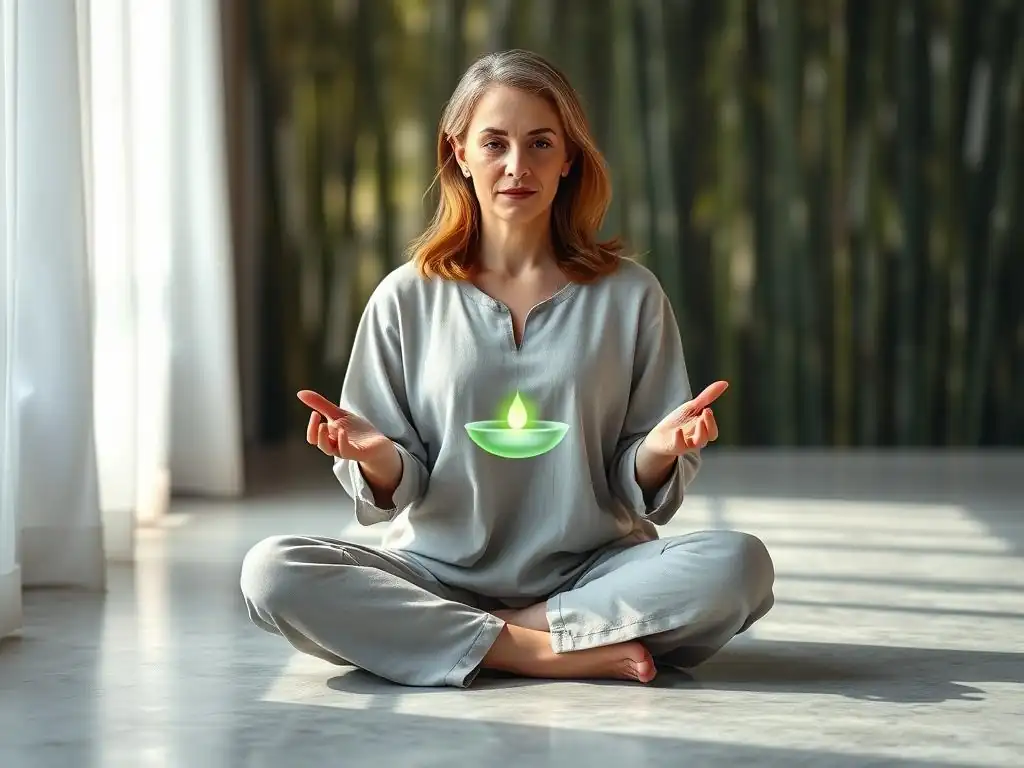
While Qigong is an ancient practice rooted in traditional Chinese philosophy, modern scientific research is increasingly exploring and validating its Qigong therapy mental health benefits. Studies are investigating its effects on physiological markers of stress, brain function, and psychological states, providing empirical support for what practitioners have experienced for centuries.
Understanding the scientific basis behind Qigong's effects can help demystify the practice and encourage its integration into mainstream healthcare discussions. Research sheds light on how these seemingly simple exercises can influence complex systems within the body and mind.
Reviewing Research on Qigong's Effects on Psychological Health
Numerous studies and meta-analyses have investigated Qigong's impact on psychological health outcomes. A systematic review published in BMC Complementary and Alternative Medicine in 2019, analyzing 13 studies, concluded that Qigong interventions showed significant positive effects on depression and anxiety symptoms in various populations, including older adults and patients with chronic illnesses.
Another study, involving individuals with moderate depression, found that a 12-week Qigong program resulted in significant reductions in depressive symptoms comparable to those achieved with conventional exercise programs. This growing body of evidence provides empirical support for the use of Qigong as a complementary approach for managing common mental health challenges.
Understanding the Energetic Basis of Mental and Emotional Equilibrium
From a Qigong perspective, mental and emotional health are intimately connected to the flow and balance of Qi throughout the body's meridian system. Stress, trauma, and unhealthy lifestyle habits can lead to Qi stagnation or depletion, manifesting as symptoms like anxiety, irritability, fatigue, or depression.
Qigong exercises are designed to clear these blockages and nourish the body's vital energy. While the concept of Qi is not directly measurable by Western scientific instruments, the practice's effects on physiological systems (like the nervous and circulatory systems) and psychological states suggest that it positively influences the complex interplay of energy and information within the body-mind system, contributing to a sense of internal equilibrium.
Qigong and the Vagus Nerve: Promoting Relaxation and Regulation
Emerging research suggests that Qigong may exert some of its calming effects by influencing the vagus nerve. The vagus nerve is a major component of the parasympathetic nervous system, playing a crucial role in regulating heart rate, digestion, and the body's stress response. Stimulating the vagus nerve promotes relaxation and reduces inflammation.
Deep, slow breathing, a cornerstone of Qigong, is known to stimulate the vagus nerve. The gentle, rhythmic movements may also contribute to this effect. By enhancing vagal tone, Qigong helps the body shift from a state of hyperarousal to one of calm and regulation, directly contributing to the Qigong therapy mental health benefits by improving resilience to stress and supporting emotional stability.
Embarking on Your Qigong Journey: A Beginner's Guide
Starting Qigong doesn't require special equipment or extensive physical fitness. It's a practice accessible to most people, regardless of age or physical condition. The key is to begin simply, be patient with yourself, and cultivate consistency.
This section offers practical advice for those new to Qigong, helping you take the first steps towards integrating this ancient practice into your life for enhanced mental wellness. Remember, the journey is as important as the destination.
Simple Qigong Practices for Daily Integration
Begin with very short sessions, perhaps just 5-10 minutes each day. Focus on foundational practices like diaphragmatic breathing, simple standing postures, or a few easy flowing movements. There are many introductory exercises available that are specifically designed for beginners.
One example is the "Inner Smile" meditation, a gentle practice focusing on cultivating positive emotions within the body. Another is "Knocking on the Door of Life," a simple twisting movement that helps release tension in the torso. Start with one or two techniques that feel comfortable and gradually expand your practice as you gain confidence.
Discovering Online and In-Person Qigong Resources
Numerous resources are available to help you learn Qigong. Online platforms offer video tutorials, guided practices, and even full courses. Look for instructors with clear teaching styles and good reviews. Many resources specifically highlight Qigong therapy mental health benefits or offer practices tailored for stress, anxiety, or sleep.
Finding an in-person class or workshop in your local area can also be highly beneficial. Learning directly from an instructor allows for personalized feedback on posture and movement, and practicing in a group can provide a sense of community and shared support on the journey towards mental wellbeing.
Setting Achievable Goals for Consistent Qigong Practice
Consistency is more important than intensity when it comes to reaping the Qigong therapy mental health benefits. Instead of aiming for long, infrequent sessions, commit to shorter, daily practices. Even 5-10 minutes each morning or evening can make a significant difference over time.
Set realistic goals, such as "Practice 5 minutes of Qigong breathing before breakfast" or "Do 10 minutes of gentle movements before bed." Track your progress in a journal or app to stay motivated. Celebrate small wins and be compassionate with yourself if you miss a day – simply return to your practice when you can.
- Set a specific time each day for Qigong.
- Start with short durations (e.g., 5-10 minutes).
- Choose 1-2 simple exercises to begin with.
- Track your practice consistency.
- Be patient and non-judgmental with yourself.
Addressing Common Questions and Concerns About Qigong Therapy
It's natural to have questions when considering a new complementary practice like Qigong, especially in the context of mental health. Understanding who can benefit, potential considerations, and dispelling common myths is important for making informed decisions.
This section aims to provide clarity on some frequently asked questions, helping you determine if Qigong is a suitable addition to your mental health toolkit and how to approach it safely and effectively.
Determining if Qigong is Suitable for Individual Needs
Qigong is generally safe and suitable for most people, including those with physical limitations or chronic health conditions, due to its gentle nature. However, it's always advisable to consult with your healthcare provider or mental health professional before starting any new practice, especially if you have a significant medical condition or are experiencing acute mental health symptoms.
An experienced Qigong instructor can also help assess your individual needs and recommend suitable forms or modifications. For instance, individuals with severe mobility issues might focus on seated Qigong forms or breathing exercises. The adaptability of Qigong makes it accessible to a wide range of individuals seeking Qigong therapy mental health benefits.
Potential Considerations and Safety Precautions
While Qigong is gentle, paying attention to your body is crucial. Avoid pushing yourself into positions that cause pain. Listen to your body's signals and modify movements as needed. If you have specific physical conditions, like balance issues or joint problems, inform your instructor so they can provide appropriate guidance.
Emotionally, Qigong can sometimes bring suppressed emotions to the surface as energy blockages are released. This is a normal part of the process, but it's important to have support systems in place, particularly if you are working through trauma or significant emotional challenges. Discussing this possibility with your therapist is recommended.
Dispelling Misconceptions Surrounding Qigong and Mental Wellness
One common misconception is that Qigong is purely mystical or requires belief in specific energetic concepts to be effective. While its roots are in traditional philosophy, the Qigong therapy mental health benefits can be understood and experienced through its impact on the nervous system, respiratory function, mindfulness, and gentle physical activity – mechanisms supported by modern science. You don't need to fully grasp the concept of "Qi" to experience reduced stress or improved mood.
Another myth is that Qigong is a quick fix. Like any therapeutic practice, the benefits are cumulative and require consistent effort. It's a tool for long-term wellness, not an overnight cure. Patience and regular practice are key to unlocking its full potential.
Cultivating Long-Term Mental Wellness Through Qigong
Integrating Qigong into your life is not just about managing current symptoms; it's about building a sustainable foundation for long-term mental health and resilience. By making Qigong a regular part of your routine, you cultivate inner resources that can help you navigate future challenges with greater ease and maintain a state of energetic and emotional balance.
The ongoing practice of Qigong fosters a deeper connection with yourself, promoting self-awareness and self-compassion – essential elements of lasting mental wellbeing. It becomes a living practice that evolves with you.
Integrating Qigong into Your Daily Life for Sustained Benefits
Finding ways to weave Qigong into the fabric of your day is key to sustained benefits. This might mean starting your morning with 15 minutes of gentle movements, taking a few minutes for diaphragmatic breathing during a stressful workday, or practicing spinal cord breathing before sleep.
Look for moments where you can pause and connect with your breath and body. Even a few conscious breaths can shift your state. The goal is to make Qigong a natural and integrated part of your routine, like brushing your teeth or eating a healthy meal, rather than a separate task.
Developing a Consistent Qigong Routine for Mental Health Maintenance
Consistency is the cornerstone of maximizing Qigong therapy mental health benefits. Aim for daily practice, even if it's brief. A consistent routine helps reinforce the positive neural pathways associated with relaxation and mindfulness and builds resilience over time.
Consider linking your Qigong practice to an existing habit, such as doing it immediately after waking up or before your evening meal. Experiment to find the time and duration that works best for you and your schedule. Remember that a short, consistent practice is far more effective than sporadic long sessions.
The Enduring Advantages of Qigong for Overall Health and Vitality
Beyond its specific Qigong therapy mental health benefits, regular practice contributes significantly to overall physical health and vitality. It improves circulation, flexibility, balance, and strength. These physical benefits create a positive feedback loop, as improved physical health often contributes to better mental health.
By cultivating vital energy and promoting harmony within the body-mind system, Qigong supports a holistic state of wellbeing. It empowers individuals with tools for self-care, stress management, and emotional resilience, offering a path towards a more balanced, peaceful, and vital life.
Frequently Asked Questions
What is Qigong and how does it relate to mental well-being?
Qigong is an ancient Chinese mind-body practice involving coordinated breathing, movement, and meditation. It aims to cultivate qi, or vital energy, which can positively impact mental health by reducing stress and promoting relaxation.
How can Qigong complement traditional mental healthcare?
Qigong is not a replacement for therapy but a complementary practice. It can enhance the benefits of traditional mental healthcare by reducing anxiety, improving mood, and fostering a greater sense of self-awareness and control.
What specific mental health benefits can Qigong therapy offer?
Qigong therapy has been shown to reduce symptoms of anxiety and depression, improve sleep quality, and enhance overall emotional regulation. It can also help individuals cope with stress and build resilience.
Is Qigong therapy suitable for everyone, including those with existing mental health conditions?
While generally safe, it's crucial to consult with both your mental health professional and a qualified Qigong instructor before starting. This ensures it's appropriate for your specific condition and that you receive safe and effective guidance.
Where can I find qualified Qigong instructors or resources for learning more about Qigong therapy for mental health?
Mind Care Guide is a great place to start for information and resources. You can also search for certified Qigong instructors in your area or explore reputable online programs focused on Qigong and mental well-being.
Final Reflection: Cultivating Inner Peace Through Qigong and Therapy
The integration of Qigong into traditional mental healthcare offers a powerful pathway towards holistic well-being, a path increasingly vital in our fast-paced, stress-laden world. The evidence presented throughout this article demonstrates that the gentle movements, mindful breathing, and meditative aspects of Qigong can significantly complement existing therapeutic approaches, providing a tangible means to manage anxiety, depression, and trauma. This isn't merely a trend; it's a recognition of the interconnectedness of mind, body, and spirit in achieving lasting mental health.
The exploration of Qigong's impact on mental health has been a deeply enriching journey, revealing the profound ways in which ancient practices can address modern challenges. It's clear that the benefits extend beyond symptom reduction; Qigong fosters self-awareness, resilience, and a deeper connection to one's inner resources. As the renowned philosopher Lao Tzu wisely stated, Knowing others is intelligence; knowing yourself is true wisdom. Mastering others is strength; mastering yourself is true power.
This quote perfectly encapsulates the transformative potential of Qigong, empowering individuals to cultivate inner strength and navigate life's complexities with greater ease and grace.
Consider, for a moment, how the gentle movements and mindful breathing techniques discussed in this article could enrich your own life. Perhaps you could incorporate a short Qigong practice into your daily routine, using it as a tool to manage stress, improve focus, or simply reconnect with your body and breath. This isn't about replacing traditional therapy; it's about augmenting it, creating a more holistic and empowering approach to mental wellness. Embrace the opportunity to explore the potential of Qigong and discover the profound peace and resilience it can unlock within you.
Unlock Your Inner Calm: Integrate Qigong into Your Wellness Journey
Thanks for exploring the powerful connection between Qigong and mental wellbeing! You've learned how this ancient practice can complement traditional therapy and boost your overall sense of calm. Now, it's time to take the next step.
- Begin your Qigong journey today: Start with a simple, guided practice – even 5 minutes a day can make a difference! Many free resources are available online.
- Share your experience: Tell us about your first Qigong session – what did you discover? We love hearing from our community!
- Explore deeper: Research local Qigong instructors or online courses for a more structured approach to learning this transformative practice.
Ready to cultivate inner peace and unlock the benefits of Qigong? What small step will you take today to incorporate this practice into your life?