
Beyond Weight Loss: How Keto May Support Brain Health and Mood


Welcome to Mind Care Guide, a sanctuary for your mental well-being.
Feeling overwhelmed by the complexities of mental health? You're not alone. Perhaps you've even heard whispers about unexpected connections – like the link between diet and mood. Intrigued by the potential of the Keto diet to influence not just your waistline, but your very brain health and mood? Dive in to explore the latest research and discover how this dietary approach might offer a surprising pathway to enhanced mental clarity and emotional balance. Let's unravel the science together, starting now...
- Beyond Weight Loss: Exploring the Keto Diet's Impact on Brain Health and Mood
- Introduction: The Keto Diet and its Potential for Mental Wellness
-
How the Keto Diet May Support Brain Health
- Fueling the Brain: Ketones as an Alternative Energy Source
- Ketones vs. Glucose: Brain Energy Efficiency and Mental Clarity
- The Keto Diet and Neuroprotection: Protecting Brain Cells
- Keto Diet's Role in Reducing Oxidative Stress in the Brain
- Inflammation and the Brain: How Keto May Help Reduce Inflammation
- Supporting Cognitive Function with Ketones
- The Keto Diet and Mood Regulation: A Deeper Dive
-
Optimizing the Keto Diet for Brain Health and Mood Enhancement
- Macronutrient Ratios: Finding the Right Balance for Mental Benefits
- Essential Fatty Acids: The Importance of Omega-3s for Brain Function on Keto
- Micronutrients and Brain Health: Vitamins and Minerals to Prioritize on Keto
- Hydration and Electrolyte Balance: Maintaining Optimal Brain Function
- Individualized Approach: Tailoring the Keto Diet to Your Specific Needs and Mental Health Goals
-
Potential Challenges and Considerations
- Keto Flu and Initial Side Effects: Managing Early Discomfort
- Long-Term Sustainability: Ensuring a Balanced and Nutrient-Rich Keto Diet
- Potential Nutrient Deficiencies: Supplementation Strategies
- Interacting with Medications: Consulting with Your Doctor
- Not a One-Size-Fits-All Approach: Individual Responses to the Keto Diet
- Keto Diet for Mental Health: Real-World Examples and Anecdotes
- Conclusion: Keto as a Potential Tool for Supporting Brain Health and Mood
-
Frequently Asked Questions
- How can the Keto diet potentially impact brain health?
- Does the Keto diet have any effect on mood?
- What are the potential risks of using the Keto diet for brain health and mood?
- Is the Keto diet a substitute for traditional mental health treatment?
- Where can I find more information and support about the Keto diet and its effects on mental well-being?
- Final Reflection: Unlocking the Ketogenic Mind
- Unlock Your Brain's Potential: Take the Next Step
Beyond Weight Loss: Exploring the Keto Diet's Impact on Brain Health and Mood
Mind Care Guide: Ketogenic Diet for Mental Well-being
The ketogenic diet, often associated with weight loss, is gaining attention in the realm of mental wellness. For those seeking holistic approaches to support their psychological state, understanding the potential links between the keto diet brain health mood connection is becoming increasingly relevant. This guide explores how shifting your metabolism into a state of ketosis might offer benefits extending far beyond just shedding pounds, potentially influencing cognitive function and emotional stability.
Navigating mental health challenges requires a multifaceted approach, and dietary strategies are emerging as a significant piece of the puzzle. As research into the gut-brain axis and metabolic psychiatry expands, the ketogenic diet presents itself as a compelling area of investigation for its potential therapeutic effects on the brain and mood. It's important to approach this topic with an informed perspective, considering both the promising possibilities and the necessary precautions when exploring the keto diet for mental health.
Introduction: The Keto Diet and its Potential for Mental Wellness
Understanding the Ketogenic Diet: A Quick Overview
The ketogenic diet is a dietary pattern characterized by very low carbohydrate intake, moderate protein consumption, and high fat intake. Typically, this involves consuming less than 50 grams of carbohydrates per day, often closer to 20-30 grams, with fats making up around 70-80% of total caloric intake, and protein around 15-20%. This drastic reduction in carbohydrates forces the body to switch from burning glucose for energy to burning fats, a metabolic state known as ketosis.
In ketosis, the liver breaks down fats into molecules called ketones (primarily beta-hydroxybutyrate, acetoacetate, and acetone), which can then be used as an alternative fuel source by various tissues, including the brain. This metabolic shift is the cornerstone of the ketogenic diet's effects, and it's this production and utilization of ketones that is hypothesized to confer benefits beyond weight management, potentially impacting the keto diet brain health mood balance.
The Emerging Link Between Keto, Brain Function, and Mood Regulation
The brain is a highly energy-demanding organ, consuming about 20% of the body's total energy expenditure despite making up only about 2% of body weight. Traditionally, glucose is considered its primary fuel. However, research, particularly in metabolic disorders like epilepsy, has long shown that the brain can efficiently utilize ketones. The emerging link explores how this alternative fuel source, along with other metabolic changes induced by the keto diet, might influence neuronal function, reduce neuroinflammation, and alter neurotransmitter levels, all of which are critical for cognitive performance and mood regulation.
Studies and anecdotal reports are beginning to suggest that the metabolic state achieved through the ketogenic diet might have therapeutic potential for various neurological and psychiatric conditions. While much of the research is still in its early stages, particularly concerning mood disorders in non-epileptic populations, the underlying mechanisms related to energy metabolism, oxidative stress, and inflammation offer plausible explanations for the observed effects on keto diet brain health mood.
How the Keto Diet May Support Brain Health
Fueling the Brain: Ketones as an Alternative Energy Source
When glucose is scarce, the liver ramps up the production of ketones from fatty acids. The primary ketone body, beta-hydroxybutyrate (BHB), can cross the blood-brain barrier efficiently and be used by neurons for energy. While glucose is the brain's preferred fuel under normal circumstances, during sustained ketosis, ketones can provide a significant portion of the brain's energy requirements, potentially up to 60-70%.
This alternative fuel source can be particularly beneficial when glucose metabolism is impaired, as seen in conditions like Alzheimer's disease. By providing a readily available and efficiently utilized energy substrate, ketones may help maintain neuronal function even when glucose uptake or utilization is suboptimal. This shift in energy metabolism is a fundamental aspect of how the keto diet brain health connection is explored in research.
Ketones vs. Glucose: Brain Energy Efficiency and Mental Clarity
Some research suggests that ketones may be a more efficient fuel source for the brain compared to glucose, potentially leading to improved energy production (ATP) per unit of oxygen consumed. This increased efficiency might translate to enhanced cognitive function and reduced "brain fog," a common complaint that can impact mood and productivity. The transition to using ketones can take time, often associated with the "keto flu," but once adapted, many individuals report greater mental clarity and sustained energy levels throughout the day.
Furthermore, BHB is not just an energy molecule; it also acts as a signaling molecule. It can influence gene expression related to energy metabolism, antioxidant defenses, and brain health. This dual role as both fuel and signal adds another layer to the potential benefits of the keto diet brain health relationship, suggesting effects that go beyond simple energy provision.
The Keto Diet and Neuroprotection: Protecting Brain Cells
The ketogenic state may offer neuroprotective benefits, helping to preserve brain cells from damage. One proposed mechanism involves the upregulation of brain-derived neurotrophic factor (BDNF). BDNF is a protein crucial for the survival, growth, and maintenance of neurons, as well as for synaptic plasticity (the brain's ability to reorganize itself by forming new neural connections).
Animal studies have shown that ketosis can increase BDNF levels in various brain regions, including the hippocampus, which is critical for learning and memory. Higher levels of BDNF are associated with improved cognitive function and resilience against neurological insults. This potential increase in neurotrophic factors is a key area of interest when considering the protective effects of the keto diet brain health implications.
Keto Diet's Role in Reducing Oxidative Stress in the Brain
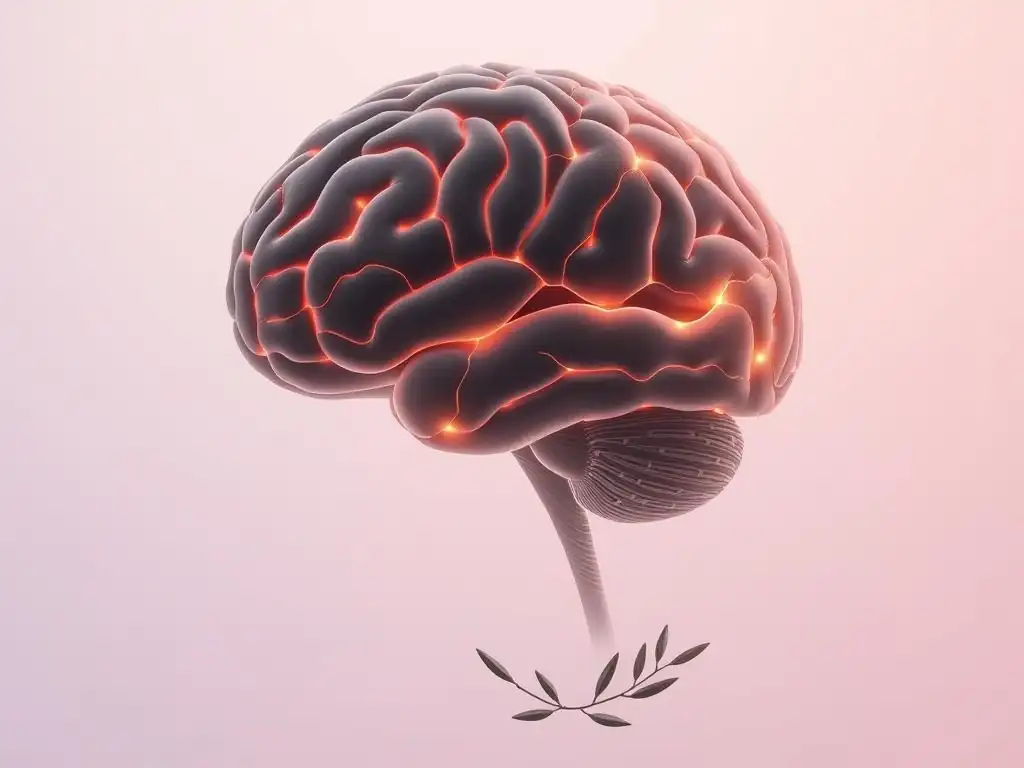
Oxidative stress, caused by an imbalance between reactive oxygen species (free radicals) and the body's ability to detoxify them, can damage brain cells and contribute to neurodegenerative diseases and mood disorders. The ketogenic diet may help mitigate oxidative stress through several pathways. Ketone metabolism generates fewer reactive oxygen species compared to glucose metabolism.
Additionally, BHB has been shown to enhance the function of the body's endogenous antioxidant systems, such as increasing levels of glutathione, a major cellular antioxidant. By reducing the overall oxidative burden on the brain, the keto diet may help protect neurons from damage and support their healthy function, contributing positively to the keto diet brain health axis.
Inflammation and the Brain: How Keto May Help Reduce Inflammation
Chronic low-grade inflammation in the brain (neuroinflammation) is implicated in a range of neurological and psychiatric conditions, including depression and cognitive decline. The ketogenic diet, particularly the ketone body BHB, has demonstrated anti-inflammatory properties. BHB can inhibit the activation of the NLRP3 inflammasome, a multi-protein complex that plays a critical role in the inflammatory response by triggering the release of pro-inflammatory cytokines like interleukin-1 beta (IL-1β) and interleukin-18 (IL-18).
By suppressing this key inflammatory pathway, the keto diet may help reduce neuroinflammation. This reduction in brain inflammation could potentially alleviate symptoms associated with mood disorders and cognitive impairment, highlighting a significant pathway through which the keto diet brain health mood connection might operate.
Supporting Cognitive Function with Ketones
Beyond providing energy, ketones, especially BHB, may directly influence cognitive processes. Some studies suggest that BHB can improve mitochondrial function – the powerhouses of cells – leading to more efficient energy production and potentially better neuronal signaling. The potential reduction in oxidative stress and inflammation also contributes to a healthier brain environment, conducive to optimal cognitive function.
Anecdotal reports from individuals following a well-formulated ketogenic diet often describe improvements in focus, concentration, and memory after the initial adaptation phase. While large-scale controlled trials specifically investigating the impact of keto on general cognitive function in healthy adults are still needed, the metabolic and cellular mechanisms suggest a plausible link between the ketogenic state and enhanced cognitive performance, adding weight to the discussion around the keto diet brain health benefits.
The Keto Diet and Mood Regulation: A Deeper Dive
The Gut-Brain Axis: How Keto May Influence Gut Health and Mood
The gut-brain axis is a bidirectional communication system linking the central nervous system with the enteric nervous system (in the gut). The gut microbiome, the trillions of microorganisms residing in the digestive tract, plays a crucial role in this axis, influencing brain function, behavior, and mood through various mechanisms, including producing neurotransmitters and short-chain fatty acids (SCFAs). Dietary changes, like adopting a ketogenic diet, can significantly alter the composition and function of the gut microbiome.
While research is ongoing, some studies suggest that the high-fat, low-carbohydrate nature of the keto diet can lead to shifts in gut bacterial populations. These shifts may influence the production of metabolites that impact brain health and mood. For instance, changes in SCFA production could affect intestinal barrier integrity, inflammation, and signaling pathways that communicate with the brain. Understanding these microbial shifts is key to exploring the full impact of the keto diet brain health mood connection.
Neurotransmitter Balance: Keto's Potential Impact on Serotonin and GABA Levels
Neurotransmitters are chemical messengers that play a vital role in regulating mood, emotions, and cognitive functions. Serotonin is often associated with feelings of well-being and happiness, while Gamma-aminobutyric acid (GABA) is the primary inhibitory neurotransmitter in the brain, promoting relaxation and reducing anxiety. Preliminary research suggests that the ketogenic diet might influence the balance of these neurotransmitters.
Some studies indicate that ketosis may increase GABAergic activity in the brain, potentially leading to a calming effect and reduced anxiety. Simultaneously, changes in amino acid availability (precursors to neurotransmitters) and metabolic pathways induced by the keto diet could theoretically impact serotonin synthesis or signaling. While direct evidence in humans regarding keto's consistent impact on serotonin levels is limited and complex, the potential modulation of key inhibitory and excitatory neurotransmitters is a compelling area of research for the keto diet brain health mood link.
Managing Mood Swings and Anxiety with Keto
Anecdotal evidence and some preliminary studies suggest that the stability of energy supply provided by ketones, compared to the fluctuations often seen with high-carbohydrate diets and subsequent blood sugar spikes and crashes, might contribute to more stable mood levels. Avoiding the rapid rises and falls in blood glucose could potentially reduce irritability, fatigue, and anxiety associated with glycemic variability.
Furthermore, the potential increase in GABAergic tone discussed earlier could contribute to a reduction in feelings of anxiety and promote a sense of calm. While the keto diet is not a guaranteed solution for mood swings or anxiety and should not replace professional treatment, exploring its impact on metabolic stability and neurotransmitter balance offers a physiological basis for the reported improvements in mood stability experienced by some individuals following the diet for keto diet brain health mood benefits.
Keto Diet and Depression: Research Findings and Considerations
The relationship between the ketogenic diet and depression is a complex and emerging area of research. While large-scale clinical trials are limited, there is growing interest in exploring keto as a potential therapeutic intervention, particularly in cases where traditional treatments may not be fully effective. Some pilot studies and case reports have shown improvements in depressive symptoms in individuals adopting a ketogenic diet, often alongside improvements in other metabolic markers.
Mechanisms proposed include the reduction of neuroinflammation, improvement in mitochondrial function, modulation of neurotransmitter systems (like GABA and glutamate), and potential positive effects on the gut microbiome, all of which are implicated in the pathophysiology of depression. However, it is crucial to note that the keto diet is a significant dietary change and its effectiveness for depression varies individually. It should be considered an adjunctive strategy and discussed thoroughly with healthcare professionals, especially when managing mental health conditions. The research into the keto diet brain health mood connection, particularly for conditions like depression, is still in its early stages.
Optimizing the Keto Diet for Brain Health and Mood Enhancement
Macronutrient Ratios: Finding the Right Balance for Mental Benefits
While the general principle of keto is low carb, moderate protein, and high fat, the precise macronutrient ratios can be adjusted based on individual goals and responses. For brain health and mood, focusing on healthy fat sources is paramount. Typical ratios aim for around 70-80% fat, 15-20% protein, and 5-10% carbohydrates.
However, some therapeutic ketogenic diets used for neurological conditions might employ stricter ratios, such as a 4:1 or 3:1 ratio (meaning 4 or 3 grams of fat for every 1 gram of protein + carbohydrates combined), which are significantly higher in fat. Finding the optimal ratio often requires experimentation and monitoring how it affects energy levels, mental clarity, and mood, ideally under the guidance of a professional familiar with the keto diet brain health mood principles.
Essential Fatty Acids: The Importance of Omega-3s for Brain Function on Keto
Not all fats are created equal, especially when it comes to brain health. Essential fatty acids, particularly omega-3 fatty acids like EPA (eicosapentaenoic acid) and DHA (docosahexaenoic acid), are crucial for brain structure and function. DHA is a major structural component of brain cell membranes, and both EPA and DHA have anti-inflammatory properties.
On a high-fat diet like keto, it's vital to prioritize sources rich in omega-3s, such as fatty fish (salmon, mackerel, sardines), flaxseeds, chia seeds, and walnuts. Ensuring adequate intake of these fats supports neuronal health, reduces inflammation, and is considered important for optimizing the keto diet brain health benefits. Supplementation with fish oil or algae-based omega-3s may also be considered if dietary intake is insufficient.
Micronutrients and Brain Health: Vitamins and Minerals to Prioritize on Keto
While focusing on macronutrients, it's easy to overlook the importance of vitamins and minerals, which are cofactors for countless enzymatic reactions in the brain and body. Restricting food groups on keto, particularly fruits and certain vegetables and grains, can potentially lead to deficiencies in certain micronutrients.
Key micronutrients important for brain health include B vitamins (especially B1, B6, B9, B12), magnesium, potassium, sodium, selenium, and zinc. Including a wide variety of keto-friendly vegetables (leafy greens, broccoli, avocado), nuts, seeds, and potentially supplementing electrolytes (sodium, potassium, magnesium) is crucial. Ensuring adequate micronutrient intake supports energy metabolism, neurotransmitter synthesis, and overall brain function, contributing to the positive effects on keto diet brain health mood.
Hydration and Electrolyte Balance: Maintaining Optimal Brain Function
Proper hydration and electrolyte balance are critical for nerve function and overall brain health, and they are particularly important on a ketogenic diet. As carbohydrate intake is significantly reduced, the body stores less glycogen. Each gram of glycogen is stored with approximately 3-4 grams of water, so when glycogen stores are depleted, the body excretes a significant amount of water and electrolytes (especially sodium, potassium, and magnesium).
This loss of electrolytes is a major contributor to the "keto flu" symptoms, including headaches, fatigue, and brain fog, which can negatively impact mood. Ensuring adequate intake of sodium (e.g., adding salt to food), potassium (found in avocados, spinach, nuts), and magnesium (found in leafy greens, seeds) is essential to maintain nerve signaling, muscle function, and prevent cognitive and mood disturbances while following the keto diet brain health mood protocol.
Individualized Approach: Tailoring the Keto Diet to Your Specific Needs and Mental Health Goals
The ketogenic diet is not a one-size-fits-all approach. Individual metabolic responses, lifestyle factors, and specific mental health goals should guide how the diet is implemented. What works for one person seeking weight loss might not be optimal for someone focusing on managing anxiety or supporting cognitive function.
Working with a registered dietitian or healthcare provider knowledgeable about therapeutic ketogenic diets is highly recommended. They can help tailor macronutrient ratios, food choices, and supplement recommendations to your unique needs, monitor your progress, and address any potential challenges. An individualized approach increases the likelihood of success and safety when using the keto diet brain health mood strategy as part of a mental wellness plan.
Potential Challenges and Considerations

Keto Flu and Initial Side Effects: Managing Early Discomfort
The transition into ketosis can be challenging and is often accompanied by symptoms collectively known as the "keto flu." These symptoms may include headache, fatigue, irritability, nausea, difficulty concentrating, and muscle cramps. These are typically temporary and subside within a few days to a couple of weeks as the body adapts to burning ketones for fuel.
Managing the keto flu often involves ensuring adequate hydration and electrolyte intake (sodium, potassium, magnesium). Gradual reduction of carbohydrates rather than an abrupt switch can sometimes ease the transition. Recognizing these potential initial side effects is important and managing them effectively can help individuals stick with the diet long enough to potentially experience the desired keto diet brain health mood benefits.
Long-Term Sustainability: Ensuring a Balanced and Nutrient-Rich Keto Diet
Adhering to a strict ketogenic diet long-term can be challenging for many people socially and practically. Furthermore, ensuring it remains nutritionally complete requires careful planning. Relying heavily on processed keto-friendly foods or excessive amounts of saturated fat without sufficient micronutrient-dense options can lead to potential health issues over time.
A sustainable, brain-supportive keto diet emphasizes whole, unprocessed foods: fatty fish, avocados, nuts, seeds, leafy greens, non-starchy vegetables, and quality protein sources. Focusing on nutrient density helps prevent deficiencies and supports overall health, making the keto diet brain health mood strategy more viable in the long run.
Potential Nutrient Deficiencies: Supplementation Strategies
As mentioned earlier, restricting food groups can increase the risk of certain nutrient deficiencies. Beyond electrolytes, individuals on a long-term keto diet may need to pay attention to getting enough B vitamins, vitamin C, vitamin K2, and certain minerals like calcium and selenium, depending on their food choices.
While aiming to get nutrients from whole foods is always best, strategic supplementation might be necessary to fill potential gaps. A high-quality multivitamin, omega-3 supplement, and potentially specific mineral supplements (like magnesium or potassium if dietary intake is insufficient) can help ensure the body and brain receive the necessary nutrients to thrive while following the keto diet brain health mood protocol.
Interacting with Medications: Consulting with Your Doctor
The ketogenic diet can significantly impact metabolism, blood sugar levels, blood pressure, and potentially the effectiveness of certain medications. This is particularly important for individuals taking medications for diabetes, high blood pressure, or psychiatric conditions.
It is absolutely crucial to consult with a healthcare provider before starting a ketogenic diet, especially if you are on any prescription medications. Your doctor can monitor your health, adjust medication dosages as needed, and ensure the diet is safe and appropriate for your specific health status. This step is non-negotiable when considering the keto diet brain health mood connection, especially in the context of existing health conditions.
Not a One-Size-Fits-All Approach: Individual Responses to the Keto Diet
It is important to reiterate that individual responses to the ketogenic diet can vary significantly. While some individuals may experience notable improvements in brain health, mood, and cognitive function, others may not see the same benefits or might even experience negative effects. Factors such as genetics, metabolic flexibility, gut microbiome composition, underlying health conditions, and adherence to the diet can all influence outcomes.
The keto diet is a powerful metabolic intervention, not a universal cure. Approaching it with realistic expectations and being attuned to your body's specific response is key. If pursuing the keto diet brain health mood benefits, listen to your body and work with professionals to determine if it is the right path for you.
Keto Diet for Mental Health: Real-World Examples and Anecdotes
While scientific research on the keto diet for mental health in diverse populations is still growing, many individuals report positive changes in their mental state after adopting a ketogenic lifestyle. For example, some people with long histories of fluctuating energy levels and mood swings report experiencing greater emotional stability and reduced irritability once they become keto-adapted, often attributing this to the absence of blood sugar rollercoasters.
Another common anecdotal report relates to cognitive function. Individuals who previously struggled with "brain fog" or difficulty concentrating often describe improved mental clarity, focus, and sustained cognitive energy throughout the day on a ketogenic diet. For instance, a person might find they can work on complex tasks for longer periods without feeling mentally fatigued, a change they had not achieved with other dietary patterns. These personal accounts, while not clinical data, contribute to the ongoing exploration of the keto diet brain health mood connection and highlight areas for future research.
Conclusion: Keto as a Potential Tool for Supporting Brain Health and Mood
The Future of Keto Research in Mental Health
The potential of the ketogenic diet as a therapeutic tool for supporting brain health and mood is a rapidly evolving area of research. Future studies are needed to conduct larger, randomized controlled trials in diverse populations to better understand the diet's efficacy for specific mood disorders like depression and anxiety, beyond its established role in epilepsy. Research is also exploring the long-term effects of keto on neurodegenerative diseases and its precise mechanisms of action on the gut-brain axis and neurotransmitter systems.
As the scientific community continues to investigate the complex interplay between metabolism, brain function, and mental wellness, the ketogenic diet remains a fascinating and promising area of study. Continued research will help refine guidelines, identify who is most likely to benefit, and integrate the findings into clinical practice regarding the keto diet brain health mood benefits.
Integrating the Keto Diet into a Holistic Mental Wellness Plan
For individuals considering the keto diet for mental health, it should be viewed as one potential tool within a broader holistic mental wellness plan, not a standalone solution. Effective mental health support typically involves a combination of strategies, which may include therapy, stress management techniques, regular physical activity, adequate sleep, social support, and potentially medication as prescribed by a healthcare professional.
The ketogenic diet can potentially complement these other approaches by addressing metabolic factors that influence brain function and mood. Integrating the keto diet brain health mood strategy means considering how dietary changes fit into the larger picture of your physical and psychological well-being and using it synergistically with other proven methods.
Important Considerations Before Starting the Keto Diet for Mental Health
Before embarking on a ketogenic diet with the goal of supporting brain health and mood, several crucial steps should be taken. First and foremost, consult with a qualified healthcare provider, especially if you have any pre-existing health conditions or are taking medications. They can help assess if the diet is appropriate and safe for you and monitor your progress.
Educate yourself thoroughly about how to implement a well-formulated, nutrient-dense ketogenic diet. Understand the potential challenges, such as the keto flu and the importance of electrolytes and micronutrients. Consider working with a registered dietitian or nutritionist experienced in therapeutic keto for personalized guidance. Approaching the keto diet brain health mood journey with careful planning, professional support, and realistic expectations is key to maximizing potential benefits while minimizing risks.
Frequently Asked Questions
How can the Keto diet potentially impact brain health?
The Keto diet may improve brain health by providing the brain with an alternative fuel source, ketone bodies, which can be more efficient than glucose. This can potentially lead to enhanced cognitive function and neuroprotection.
Does the Keto diet have any effect on mood?
Some studies suggest the Keto diet can stabilize mood by regulating blood sugar levels, which can reduce mood swings. It may also influence neurotransmitters like GABA, potentially leading to reduced anxiety and improved mood stability.
What are the potential risks of using the Keto diet for brain health and mood?
Potential risks include the "keto flu" (flu-like symptoms during the initial adaptation phase), nutrient deficiencies, and potential impact on cholesterol levels. It's crucial to consult with a healthcare professional before starting the Keto diet, especially if you have pre-existing health conditions.
Is the Keto diet a substitute for traditional mental health treatment?
No, the Keto diet is not a substitute for traditional mental health treatment. It should be considered as a potential complementary approach, and always under the guidance of healthcare professionals alongside therapies and medication as prescribed.
Where can I find more information and support about the Keto diet and its effects on mental well-being?
You can find more information on websites like Mind Care Guide and consult with registered dietitians or healthcare providers who specialize in nutritional psychiatry and the Keto diet. They can provide personalized guidance and support.
Final Reflection: Unlocking the Ketogenic Mind
The ketogenic diet, once solely associated with weight loss, is increasingly recognized for its potential to significantly impact brain health and mood. This isn't just a fleeting trend; it represents a paradigm shift in our understanding of dietary influence on cognitive function and emotional well-being. The evidence presented, from improved mitochondrial function to reduced inflammation, points to a powerful connection between the foods we consume and the health of our minds.
The exploration of this connection has been profoundly personal for me. Witnessing firsthand the positive effects of a ketogenic approach on focus, energy levels, and even emotional stability has been transformative. The brain is the most important organ in the body. It deserves the best fuel.
This simple statement encapsulates the core message of this article: optimizing brain health requires a holistic approach, and diet plays a crucial, often underestimated, role. The ongoing research in this field is incredibly exciting, promising further breakthroughs in understanding the intricate relationship between nutrition and neurological function.
The information presented here is not just for those seeking weight management; it's a call to action for anyone interested in optimizing their cognitive performance and emotional resilience. Consider this: what small changes could you make to your diet to support the health of your most precious asset – your brain? Take the time to reflect on your current eating habits, explore the potential benefits of a ketogenic approach (under the guidance of a healthcare professional), and embark on a journey towards a sharper mind and a more balanced emotional state. The potential rewards are immeasurable.
Unlock Your Brain's Potential: Take the Next Step
Thank you for taking the time to explore the fascinating connection between the ketogenic diet and brain health! We hope you gained valuable insights into how this approach can positively impact your cognitive function and mood. Now it's time to put this knowledge into action.
- Start your personalized keto journey: Begin by identifying 3 simple meals you can easily adapt to a ketogenic lifestyle. Don't feel overwhelmed – even small changes can make a big difference.
- Share your experience: Let us know in the comments section below what foods you’re excited to incorporate into your keto diet, and if you have any questions. We love hearing from our community!
- Explore our further resources: Dive deeper into keto recipes and brain health tips on our site (MindCareGuide.org).
What exciting changes are you ready to implement to support your brain's well-being today?