
Healing from Natural Disasters: Specific Therapy Needs for Survivors


Welcome to Mind Care Guide, a safe space dedicated to your mental well-being. We understand the invisible wounds that can linger long after the storm has passed. Are you searching for guidance after experiencing the profound impact of a natural disaster? This month, we delve into the specific needs of survivors with our in-depth look at trauma therapy after disasters. Discover how specialized approaches can help you navigate the complex journey of healing and reclaim your inner peace. Let's explore the path to recovery together.
Healing After Hurricane Katrina: Specific Therapy Needs for Survivors
- Understanding the Psychological Impact of Hurricane Katrina
- Trauma Therapy After Hurricane Katrina: Addressing Specific Needs
- Evidence-Based Therapies for Trauma and PTSD Following Katrina
- Addressing Unique Challenges in Katrina Trauma Therapy
- The Role of Community Support in Katrina Recovery
- Specific Considerations for Vulnerable Populations Affected by Katrina
- The Importance of Self-Care for Katrina Survivors
- Finding a Qualified Trauma Therapist After Hurricane Katrina
-
Frequently Asked Questions
- What specific mental health challenges might survivors of natural disasters face that necessitate trauma therapy?
- Why is trauma therapy often recommended after a natural disaster, as opposed to other forms of mental health support?
- What are some common therapeutic approaches used in trauma therapy for disaster survivors?
- How can I access trauma therapy resources after a natural disaster in my community?
- How long does trauma therapy typically last for someone recovering from a natural disaster?
- Final Reflection: The Enduring Strength of the Human Spirit After Disaster
- Rediscover Your Strength: Next Steps on Your Healing Journey
Understanding the Psychological Impact of Hurricane Katrina
The Immediate Mental Health Effects of the Hurricane and Flooding
The immediate aftermath of Hurricane Katrina in August 2005 was a period of profound psychological crisis for survivors. As the storm raged and floodwaters rose, millions faced life-threatening danger, witnessed unimaginable destruction, and experienced forced separation from loved ones. The acute stress response was widespread, manifesting as shock, panic, disorientation, and intense fear for personal safety and the safety of family members. Many endured days without basic necessities, trapped in dangerous conditions, or undertaking perilous journeys to safety.
This period saw a surge in symptoms indicative of acute stress disorder. Survivors reported high levels of anxiety, difficulty sleeping, intrusive thoughts or flashbacks of the event, and avoidance of reminders of the hurricane and flooding. The sheer scale of the disaster, with estimates of over 1,800 fatalities and the displacement of more than a million people across the Gulf Coast, meant that these immediate psychological impacts affected a vast and diverse population, laying the groundwork for potential long-term mental health challenges requiring focused trauma therapy after disasters.
Long-Term Psychological Consequences for Katrina Survivors: A Decade Later
Years after Hurricane Katrina, studies consistently revealed elevated rates of serious mental health conditions among survivors, highlighting the lasting impact of the trauma. Research conducted approximately 10 years post-storm indicated that a significant percentage of the affected population continued to struggle. For example, studies found that rates of Post-Traumatic Stress Disorder (PTSD) among some survivor groups remained as high as 15-25%, considerably higher than pre-disaster levels and the national average. Major depression and generalized anxiety disorder also persisted at elevated rates.
Beyond clinical diagnoses, many survivors experienced chronic grief, complicated bereavement, and substance use disorders, which often co-occurred with PTSD. The prolonged stress of displacement, economic instability, and the arduous process of rebuilding lives contributed to these enduring psychological burdens. These long-term consequences underscore the critical need for sustained access to specialized trauma therapy after disasters like Katrina, addressing not just the initial shock but the complex, evolving needs over many years.
Trauma Therapy After Hurricane Katrina: Addressing Specific Needs
Treating trauma resulting from a large-scale natural disaster like Hurricane Katrina requires a nuanced approach that goes beyond standard PTSD protocols for single-incident trauma. The experience involved not just a terrifying event (the storm), but prolonged exposure to danger (rising water, lack of resources), multiple severe losses (life, home, community, possessions), and ongoing stressors (displacement, bureaucratic hurdles, financial strain). Effective trauma therapy after disasters must address this layered complexity.
Therapists working with Katrina survivors often needed to adapt techniques to process memories involving specific sensory details of flooding, wind, and destruction, while also helping survivors cope with the cumulative impact of multiple losses and the ongoing uncertainty of their situation. Treatment plans needed to be flexible, acknowledging that survivors might still be dealing with practical crises while engaging in therapy. This tailoring ensures that the specific contours of flood and storm trauma are adequately addressed in the healing process.
The Importance of Early Intervention in the Aftermath of Hurricane Katrina
The immediate aftermath of Hurricane Katrina presented an urgent need for mental health support, and early intervention proved crucial in mitigating potential long-term psychological damage. Initiatives like psychological first aid (PFA) were deployed in shelters and temporary housing facilities to provide immediate support, comfort, and practical assistance to survivors in acute distress. Crisis counseling programs, such as FEMA's Project Hope, offered accessible, short-term support designed to help survivors understand their reactions, develop coping strategies, and connect with resources.
While the scale of the disaster made comprehensive early intervention challenging, evidence from various disaster responses suggests that providing mental health support in the initial weeks and months can help reduce the severity and chronicity of PTSD and other trauma-related conditions. Early access to crisis counseling and assessment for more intensive trauma therapy after disasters can identify those most at risk and provide timely access to evidence-based treatments, potentially altering the trajectory of recovery.
Evidence-Based Therapies for Trauma and PTSD Following Katrina

Cognitive Behavioral Therapy (CBT) for Katrina Survivors
Cognitive Behavioral Therapy (CBT) has demonstrated effectiveness in treating PTSD and related conditions following natural disasters. For Katrina survivors, CBT techniques helped address the distorted thoughts and beliefs that often arise after trauma, such as feeling permanently unsafe or blaming oneself. Through cognitive restructuring, survivors learned to identify and challenge unhelpful thought patterns, replacing them with more balanced perspectives.
Exposure therapy, a component of CBT, was also utilized, involving the gradual and safe re-exposure to trauma-related memories, thoughts, or situations that survivors had been avoiding. This process, conducted under the guidance of a trained therapist, helps reduce the emotional intensity associated with the trauma and decreases avoidance behaviors, allowing survivors to regain a sense of control and safety in their lives. CBT's focus on present-day coping skills also provided survivors with practical tools to manage ongoing stress and anxiety related to their changed circumstances.
Eye Movement Desensitization and Reprocessing (EMDR) for Trauma Resolution
Eye Movement Desensitization and Reprocessing (EMDR) therapy is another evidence-based approach used to treat PTSD and other trauma-related symptoms experienced by Katrina survivors. EMDR helps individuals process distressing trauma memories by using bilateral stimulation, such as eye movements, taps, or tones, while the person focuses on the traumatic experience. The theory is that this process facilitates the brain's natural ability to process and resolve traumatic memories that have become "stuck."
For survivors of Katrina, EMDR could be used to target specific traumatic memories, such as witnessing destruction, being trapped by floodwaters, or the fear of losing loved ones. By reprocessing these memories, the emotional charge associated with them is reduced, allowing survivors to think about the event without experiencing overwhelming distress. This form of trauma therapy after disasters can be particularly effective in helping survivors integrate their traumatic experiences into a healthier understanding of the past.
Trauma-Focused Cognitive Behavioral Therapy (TF-CBT) for Children Displaced by Katrina
Children and adolescents displaced by Hurricane Katrina faced unique challenges, including the loss of their homes, schools, friends, and familiar routines, in addition to the trauma of the storm itself. Trauma-Focused Cognitive Behavioral Therapy (TF-CBT) was a crucial intervention for this population. This evidence-based therapy is specifically designed for children who have experienced trauma and involves both the child and their caregiver.
TF-CBT utilizes components like psychoeducation about trauma, relaxation techniques, affect regulation skills, and cognitive processing to help children understand and manage their reactions. A core element is the creation of a trauma narrative, where the child safely processes their traumatic experiences with therapist support. This therapy helped young Katrina survivors articulate their fears and memories, process their grief and loss, and develop coping strategies, significantly aiding their recovery and adjustment to new environments.
Addressing Unique Challenges in Katrina Trauma Therapy
Grief and Loss After Hurricane Katrina: Therapeutic Approaches for Loss of Life and Property
The scope of loss following Hurricane Katrina was staggering, encompassing not only the tragic loss of life but also the widespread destruction of homes, businesses, cultural landmarks, and entire neighborhoods. This multifaceted loss resulted in complex grief reactions among survivors. Therapy for Katrina survivors often had to integrate approaches for complicated grief alongside trauma treatment, as the two were inextricably linked.
Therapeutic modalities addressed the profound sadness, despair, and feelings of displacement associated with losing one's past and future. Techniques helped survivors navigate the absence of loved ones and the physical spaces that held their memories and identity. Therapists facilitated the mourning process while simultaneously addressing trauma symptoms, helping survivors build new narratives and find meaning amidst the devastation, a vital component of comprehensive trauma therapy after disasters.
Coping with Displacement and Loss of Community in the Wake of Katrina
Hurricane Katrina caused one of the largest displacements in US history, scattering communities and severing social ties that were vital support systems. Survivors often found themselves in unfamiliar cities, far from family and friends, facing the daunting task of starting over. This loss of community profoundly impacted mental well-being, leading to isolation, loneliness, and a diminished sense of belonging.
Therapy played a crucial role in helping survivors process the emotional toll of displacement. Therapists assisted individuals in grieving the loss of their former lives and communities while also developing strategies for building new social connections and finding resources in their new locations. Addressing feelings of rootlessness and helping survivors re-establish a sense of identity and purpose were key therapeutic goals.
Living in the Gulf Coast region means an ongoing risk of future hurricanes and flooding. For Katrina survivors, this reality can trigger significant anxiety and fear, even years after the event. The trauma of the past makes them acutely sensitive to weather forecasts and storm warnings, sometimes leading to panic attacks, hypervigilance, and difficulty coping with normal weather events.
Therapeutic interventions for this specific challenge often involved psychoeducation about weather-related risks, developing realistic safety plans, and using cognitive and behavioral techniques to manage anxiety responses. Exposure techniques, such as gradually confronting fears related to weather reporting or preparing for potential storms in a controlled manner, helped survivors differentiate between past trauma and current reality, reducing anticipatory anxiety and enhancing their ability to cope with future threats.
The Role of Community Support in Katrina Recovery
For many Katrina survivors who were displaced, rebuilding resilience was heavily dependent on establishing new social networks in their adopted communities. Being uprooted meant losing the comfort and support of neighbors, friends, and extended family who were also part of the disaster experience. Finding or creating new connections became essential for emotional healing and practical support.
Community centers, faith-based organizations, and local non-profits in cities that received large numbers of evacuees played a vital role in helping survivors connect. These networks provided not just emotional support but also practical assistance, information, and a sense of belonging. Re-establishing social ties helped reduce feelings of isolation and provided a crucial buffer against the ongoing stresses of displacement and recovery.
Peer support groups offered a unique and powerful form of healing for Katrina survivors. Connecting with others who had lived through similar experiences provided a sense of validation and understanding that was often hard to find elsewhere. Sharing stories, fears, and challenges in a supportive group setting reduced feelings of isolation and normalized their reactions to trauma and loss.
These groups became spaces for mutual aid, offering practical advice on navigating recovery processes and emotional comfort. Facilitated by mental health professionals or trained peers, these groups fostered a sense of solidarity and collective resilience. For many, participating in peer support was a crucial complement to individual trauma therapy after disasters, reinforcing coping skills and building a stronger foundation for recovery.
Accessing Mental Health Resources After Hurricane Katrina: A Guide to Available Programs
In the wake of Hurricane Katrina, numerous programs were established to provide mental health support to survivors. The most prominent was the Crisis Counseling Program (CCP), often known by its local name, Project Hope. These programs offered free, short-term counseling and support in affected areas and host communities for evacuees. Services were often delivered in non-traditional settings like shelters, community centers, and temporary housing.
While these programs were critical, accessing them presented challenges, including logistical barriers, lack of awareness, and the stigma associated with seeking mental health help. Information on accessing resources was disseminated through state health departments, non-profit organizations like the Red Cross, and community outreach efforts. Survivors were encouraged to seek out these programs for initial support and referrals to more specialized trauma therapy after disasters if needed.
Specific Considerations for Vulnerable Populations Affected by Katrina
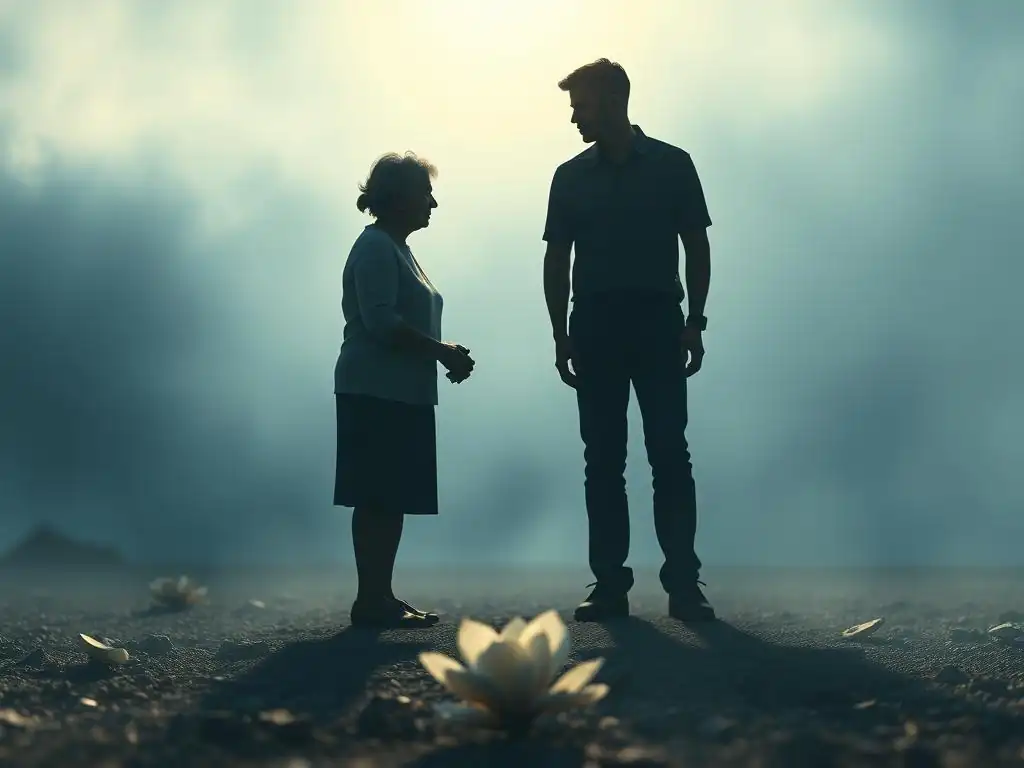
Mental Health Support for Children and Adolescents Displaced by Katrina
Children and adolescents were particularly vulnerable to the psychological impacts of Katrina, experiencing significant trauma, loss, and disruption. Beyond witnessing the storm and floods, they endured the stress of evacuation, displacement, changes in schools, and prolonged separation from friends and family. Their emotional and behavioral reactions often manifested as increased anxiety, depression, difficulty concentrating, aggression, or withdrawal.
Providing age-appropriate mental health support was essential. This included interventions like play therapy for younger children, TF-CBT for older children and adolescents, and school-based counseling programs. Efforts focused on helping children process their traumatic experiences, manage difficult emotions, re-establish routines, and reconnect with peers and supportive adults. Addressing parental stress was also key, as children's well-being is closely linked to that of their caregivers.
Supporting Older Adults and Those with Pre-existing Conditions Following Katrina
Older adults and individuals with pre-existing physical or mental health conditions faced magnified challenges during and after Hurricane Katrina. Evacuation was often more difficult for those with mobility issues or chronic illnesses. Displacement disrupted access to regular medical care, medications, and familiar support systems. Social isolation was a significant risk, especially for older adults who lost their homes and were relocated far from their communities.
Mental health support for these populations needed to be integrated with physical healthcare and social services. Therapists working with older adults often addressed themes of accumulated loss, changes in independence, and grief for their former lives. For those with pre-existing conditions, maintaining stability while processing new trauma was paramount. Outreach efforts specifically targeted these vulnerable groups to ensure they were not overlooked in the recovery process and received integrated care.
Addressing the Needs of First Responders and Volunteers in the Katrina Relief Effort
The individuals who served as first responders and volunteers during and after Hurricane Katrina also experienced significant psychological strain. Witnessing widespread death and destruction, working in dangerous and chaotic conditions, and experiencing compassion fatigue and burnout took a heavy toll. Many developed symptoms of PTSD, depression, and anxiety as a result of their exposure to trauma and the demands of the relief effort.
Providing critical incident stress debriefing (CISD) and access to ongoing mental health support was crucial for these dedicated individuals. Specialized trauma therapy after disasters was needed to help first responders process their experiences, manage stress, and prevent long-term psychological issues. Recognizing their unique contributions and sacrifices, and ensuring they had access to confidential and effective mental healthcare, was a vital part of the overall recovery effort.
The Importance of Self-Care for Katrina Survivors
For Katrina survivors, particularly those who were displaced, managing stress and anxiety was an ongoing challenge due to the uncertainty of relocation, housing, employment, and finances. Developing effective self-care strategies was not a luxury but a necessity for maintaining mental and physical health. Practical steps included establishing daily routines as quickly as possible, even in temporary settings, to create a sense of predictability.
Setting small, achievable goals helped combat feelings of overwhelm and helplessness. Staying connected with family and friends, whether through phone calls, email, or visits, provided essential emotional support. Engaging in familiar hobbies or finding new simple activities that brought a sense of pleasure or accomplishment also helped manage stress and build resilience amidst chaos and uncertainty.
Mindfulness and Relaxation Techniques for Trauma Recovery after Hurricane Katrina
Mindfulness and relaxation techniques offered valuable tools for Katrina survivors coping with trauma symptoms like hyperarousal, intrusive thoughts, and difficulty sleeping. Practices such as deep breathing exercises, progressive muscle relaxation, and guided imagery helped survivors calm their nervous systems and reduce feelings of anxiety and tension.
Mindfulness practices, which involve focusing on the present moment without judgment, helped survivors manage intrusive memories and worries about the future. By learning to observe their thoughts and feelings without being overwhelmed by them, survivors could create distance from their trauma responses. Regular practice of these techniques provided a sense of agency and control in the face of overwhelming past experiences and ongoing stressors.
Maintaining Physical Health as a Self-Care Strategy
The link between physical and mental health is well-established, and maintaining physical well-being was a critical component of self-care for Katrina survivors. Amidst displacement and disruption, prioritizing basic physical health became challenging but essential. Regular exercise, even just walking, helped reduce stress hormones and improve mood.
Eating nutritious meals, though difficult when resources were limited, provided the body with necessary fuel for coping and healing. Ensuring adequate sleep, often disrupted by trauma and anxiety, was also vital; developing sleep hygiene practices became important. By attending to their physical needs, survivors built a stronger foundation for psychological recovery and enhanced their overall capacity to cope with the long-term impacts of the disaster.
Finding a Qualified Trauma Therapist After Hurricane Katrina
How to Locate a Therapist Specializing in Trauma and PTSD in the Gulf Coast Region
Finding a qualified therapist specializing in trauma therapy after disasters like Hurricane Katrina in the affected Gulf Coast region, or in communities where survivors relocated, required utilizing specific resources. Professional organizations such as the American Psychological Association (APA), the National Association of Social Workers (NASW), and the American Psychiatric Association often provide online directories of licensed therapists searchable by specialization and location. State licensing boards for psychologists, counselors, and social workers also maintain lists of practitioners.
Additionally, local mental health associations, community mental health centers, and non-profit organizations that were involved in disaster relief efforts could often provide referrals to trauma-informed therapists. Seeking out therapists with specific training or experience working with disaster survivors or those specializing in PTSD, grief, and loss related to large-scale events was crucial for effective treatment.
When seeking trauma therapy after disasters, particularly one as complex as Hurricane Katrina, asking potential therapists specific questions is important to ensure they are a good fit. Survivors should inquire about the therapist's experience working with individuals who have experienced natural disasters, displacement, or significant loss.
Relevant questions include their training in evidence-based trauma therapies like CBT, EMDR, or TF-CBT (if seeking help for a child). It's also helpful to ask about their approach to addressing grief and complicated bereavement, as well as their understanding of the unique cultural and community factors relevant to the Gulf Coast region and the Katrina experience. Discussing their therapeutic style and what to expect in sessions can also help determine comfort and compatibility.
Information on accessing affordable therapy options and disaster relief funds
Accessing affordable mental healthcare was a significant concern for many Katrina survivors, many of whom lost their jobs, insurance, or financial stability. While initial crisis counseling was often free through programs like Project Hope, longer-term trauma therapy after disasters typically required payment. Survivors with remaining health insurance coverage needed to verify if mental health services were included and if the therapist was in-network.
Community mental health centers often provided services on a sliding scale based on income. Non-profit organizations and charitable foundations sometimes offered grants or funding specifically for mental health support for disaster survivors. Inquiring about reduced fees or payment plans directly with therapists was also an option. Information on potential financial assistance or specific disaster-related mental health funding could often be obtained through state or local health departments and disaster relief agencies.
Frequently Asked Questions
What specific mental health challenges might survivors of natural disasters face that necessitate trauma therapy?
Survivors often experience Post-Traumatic Stress Disorder (PTSD), anxiety, and depression. These can stem from direct exposure to the disaster or witnessing its aftermath. Trauma therapy helps process these experiences.
Why is trauma therapy often recommended after a natural disaster, as opposed to other forms of mental health support?
While general support is helpful, trauma therapy specifically addresses the traumatic memories and emotional wounds. It provides specialized techniques to process and integrate these experiences.
What are some common therapeutic approaches used in trauma therapy for disaster survivors?
Cognitive Behavioral Therapy (CBT) and Eye Movement Desensitization and Reprocessing (EMDR) are frequently used. These therapies help survivors manage distressing thoughts and process traumatic memories.
How can I access trauma therapy resources after a natural disaster in my community?
Contact local mental health organizations, disaster relief agencies (like the Red Cross), or search online for therapists specializing in trauma in your area. Mind Care Guide also offers helpful resources.
How long does trauma therapy typically last for someone recovering from a natural disaster?
The duration varies depending on the individual's experience and response to therapy. It can range from a few months to a year or more, focusing on long-term healing and resilience.
Final Reflection: The Enduring Strength of the Human Spirit After Disaster
The devastating impact of natural disasters extends far beyond the immediate physical destruction; the psychological wounds inflicted can linger for years, demanding specialized care and understanding. The sheer scale of trauma experienced by survivors necessitates a proactive and comprehensive approach to mental health support, going beyond simple crisis intervention. This is not merely a post-disaster concern; it's a critical ongoing need that shapes the long-term recovery and resilience of communities.
The journey to healing after a natural disaster is deeply personal, a testament to the incredible capacity of the human spirit to endure and rebuild. It's a journey I've witnessed firsthand in the stories of survivors, their resilience a constant source of both inspiration and humility. The process is not linear; it's fraught with setbacks and moments of profound grief. Yet, within the struggle, there is an undeniable strength, a determination to reclaim a sense of normalcy and hope. The oak sleeps in the acorn; the bird waits in the egg; and in the highest vision of the soul a waking angel stirs. Dreams are the seedlings of realities.
- James Allen. This quote speaks to the potential for growth and healing that lies dormant within even the most devastating experiences.
You, the reader, are now equipped with a deeper understanding of the specific therapeutic needs of disaster survivors. Consider how you can contribute to a more supportive and informed environment for those navigating this challenging path. Whether it's advocating for increased access to mental health resources, educating yourself on trauma-informed care, or simply offering a listening ear to someone in need, your actions can make a profound difference. Let us collectively work towards building more resilient communities, where healing is not just possible, but actively supported and celebrated.
Rediscover Your Strength: Next Steps on Your Healing Journey
Thanks for taking the time to learn about the unique therapeutic needs of disaster survivors. We hope this article provided valuable insights and empowered you to take positive steps forward.
Now, let's turn those insights into action:
- Prioritize your mental well-being: Identify a local mental health professional specializing in trauma-informed care. Begin exploring options today—even a simple search can be a powerful first step.
- Connect with your community: Share this article with someone who might benefit from its information. A simple act of sharing can create ripples of support and understanding.
- Consider journaling your experience: This can be a surprisingly effective way to process emotions and track your healing progress. Even five minutes a day can make a difference.
What small, yet impactful step will you take today to nurture your recovery?