
Mindful Movement: Connecting Your Body and Mind Through Exercise

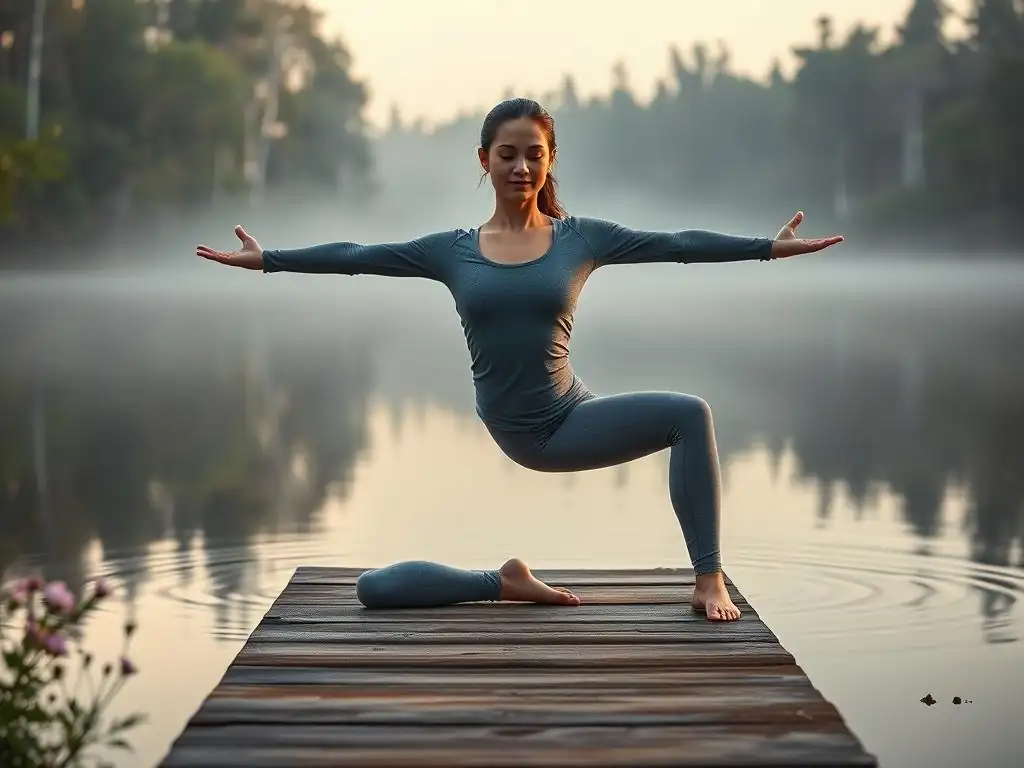
Welcome to Mind Care Guide, a space dedicated to nurturing your mental well-being.
Feeling overwhelmed by anxiety or stress? You're not alone. Discover how mindful movement reduces anxiety and stress, fostering a deeper connection between your body and mind. Explore this powerful technique and unlock a path toward greater peace and resilience. Ready to begin your journey towards a calmer, more centered you? Let's dive in...
Mindful Movement: Connecting Your Body and Mind Through Exercise
- Understanding Mindful Movement and Its Benefits for Mental Health
- Practical Mindful Movement Exercises for Anxiety Relief
- Incorporating Mindful Movement into Your Daily Routine
- The Science Behind Mindful Movement and Stress Reduction
- Advanced Techniques in Mindful Movement for Deeper Connection
- Resources for Learning More About Mindful Movement and Anxiety
- Mindful Movement vs. Other Anxiety Reduction Techniques
- The Long-Term Impact of Mindful Movement on Mental and Physical Health
-
Frequently Asked Questions
- How does mindful movement differ from regular exercise?
- Can any type of physical activity be considered mindful movement?
- How does mindful movement help reduce anxiety and stress?
- How often should I practice mindful movement to see benefits?
- Are there specific mindful movement exercises recommended for beginners?
- Final Reflection: The Transformative Power of Mindful Movement
- Unleash Your Inner Calm: Move Your Body, Still Your Mind
Understanding Mindful Movement and Its Benefits for Mental Health
What is Mindful Movement? Defining the Concept
Mindful movement is an approach to physical activity that emphasizes paying attention to the present moment. It involves engaging in exercise with a conscious awareness of bodily sensations, thoughts, and emotions without judgment. Unlike traditional exercise which might focus solely on performance metrics like speed or weight lifted, mindful movement encourages a deeper connection between the physical body and the mental state. It's about the experience of movement itself, fostering a sense of calm and presence.
This practice can take many forms, from walking and stretching to yoga and tai chi. The key is the intention behind the movement – to cultivate awareness and non-judgment. By bringing your full attention to the process, you shift focus away from distracting thoughts about the past or future, grounding yourself in the here and now. This inherent focus is why mindful movement reduces anxiety stress effectively for many individuals seeking relief.
The Link Between Mindful Movement and Reduced Anxiety
The connection between mindful movement and reduced anxiety is well-documented. When you engage in physical activity with mindfulness, you activate the parasympathetic nervous system, often referred to as the "rest and digest" system. This counteracts the "fight or flight" response triggered by anxiety. The focused attention required during mindful movement also serves as a form of active meditation, diverting mental energy from anxious rumination towards immediate sensory input.
Furthermore, regular practice of mindful movement helps to build resilience to stress. Over time, the body and mind learn to respond to stressors with greater calm and less reactivity. Studies, such as those involving participants reporting subjective stress levels before and after incorporating mindful exercise, consistently show a significant decrease in perceived anxiety symptoms. For instance, a group practicing mindful walking for 30 minutes daily might report a noticeable drop in anxiety scores on standardized psychological assessments within weeks. This demonstrates how mindful movement reduces anxiety stress not just during the activity, but also in daily life.
How Mindful Movement Differs from Traditional Exercise
While both mindful movement and traditional exercise involve physical activity, their core objectives and approaches differ significantly. Traditional exercise often prioritizes physical outcomes like cardiovascular health, muscle building, or weight loss, sometimes pushing the body to its limits. The focus can be external, on performance metrics, calories burned, or competition. The mind might wander, or the activity might be viewed as a means to an end.
Mindful movement, conversely, places the emphasis on the internal experience. The goal is not necessarily peak physical performance but rather cultivating present moment awareness, body acceptance, and emotional regulation through gentle or moderate activity. The focus is internal – on breath, sensation, and the quality of movement. While physical benefits accrue, they are often secondary to the mental and emotional gains. For someone seeking specifically how mindful movement reduces anxiety stress, this internal focus is the critical differentiator.
Exploring the Mental and Physical Benefits of Mindful Movement
The benefits of mindful movement span both the mental and physical realms, creating a synergistic effect on overall well-being. Mentally, it enhances focus, improves mood, and significantly reduces feelings of anxiety and stress. The practice of non-judgment towards oneself during movement can also boost self-compassion and body image.
Physically, mindful movement improves flexibility, balance, strength, and cardiovascular health, often in a gentler way than high-impact activities. For example, regular yoga practice can increase spinal flexibility by an average of 10-15% over several months, while tai chi has been shown to reduce fall risk in older adults by up to 47%. Combining these physical improvements with the mental calm derived from present moment awareness creates a powerful tool for managing mood disorders and enhancing life quality. It's clear that mindful movement reduces anxiety stress while simultaneously building physical resilience.
Practical Mindful Movement Exercises for Anxiety Relief
Yoga for Anxiety and Stress Reduction: A Gentle Introduction
Yoga is one of the most widely recognized forms of mindful movement, offering a blend of physical postures (asanas), breathing techniques (pranayama), and meditation. For anxiety relief, gentle styles like Hatha, Restorative, or Yin yoga are often recommended. These styles emphasize holding poses for longer durations or using props for support, allowing for deep relaxation and body awareness. A typical gentle yoga class might involve slow, deliberate movements and extended periods of stillness, encouraging participants to observe sensations without trying to change them.
The effectiveness of yoga in reducing anxiety is supported by numerous studies. For instance, research published in the Journal of Alternative and Complementary Medicine found that participants with generalized anxiety disorder who practiced yoga for 12 weeks reported a 30% reduction in anxiety symptoms compared to a control group. The focus on breathwork during yoga helps regulate the nervous system, directly counteracting the physiological symptoms of anxiety, such as rapid heart rate and shallow breathing. This makes yoga a powerful practice for understanding how mindful movement reduces anxiety stress.
Tai Chi for Enhanced Focus and Emotional Balance
Tai Chi, an ancient Chinese martial art, is practiced today primarily for its health benefits, particularly its emphasis on slow, flowing movements, deep breathing, and mental concentration. It's often described as "meditation in motion." The deliberate, continuous nature of Tai Chi forms requires focused attention, drawing the mind away from anxious thoughts and promoting a state of calm alertness. The gentle, low-impact movements are accessible to people of various fitness levels and ages.
Studies have shown Tai Chi to be effective in improving psychological well-being. A meta-analysis examining the effects of Tai Chi on mental health found significant reductions in symptoms of anxiety and depression across multiple studies. For example, a study involving college students reported that practicing Tai Chi for 8 weeks led to a 25% decrease in perceived stress levels and improved emotional regulation. The focus on smooth transitions and coordinated breath cultivates a sense of inner peace and stability, demonstrating another way mindful movement reduces anxiety stress.
Walking Meditation: Cultivating Awareness in Motion
Walking meditation is a simple yet profound form of mindful movement that can be practiced anywhere. It involves bringing your full attention to the physical sensations of walking: the lifting and placing of the feet, the gentle swing of the arms, the feeling of the ground beneath you. You can also notice the rhythm of your breath and the sights and sounds around you, observing them without getting lost in thought or judgment. This practice grounds you firmly in the present moment.
This accessible form of mindful movement is particularly effective for breaking the cycle of anxious rumination. By directing attention to the physical act of walking, you interrupt the flow of worrying thoughts. Even a short 10-15 minute walking meditation can shift your mental state. Research indicates that even moderate physical activity like walking can reduce cortisol levels (a stress hormone). When combined with mindfulness, the effect is amplified, showing that even simple mindful movement reduces anxiety stress significantly.
Mindful Stretching: Releasing Tension and Increasing Body Awareness
Mindful stretching involves moving slowly and deliberately into stretches, paying close attention to the sensations in your body. It's not about pushing yourself to the point of pain, but rather exploring your body's current range of motion with curiosity and acceptance. As you hold a stretch, you notice where tension is stored and consciously invite release with each exhale. This practice increases flexibility and range of motion but, more importantly, enhances interoceptive awareness – the ability to sense internal signals from your body.
Anxiety often manifests as physical tension, particularly in the shoulders, neck, and jaw. Mindful stretching provides a gentle way to release this stored tension while simultaneously cultivating a non-judgmental relationship with your physical self. Taking just 5-10 minutes for mindful stretching can provide immediate relief from physical discomfort and mental stress. By tuning into the body's signals and releasing physical knots, you directly address one of the key ways stress and anxiety manifest, proving that mindful movement reduces anxiety stress through physical release.
Incorporating Mindful Movement into Your Daily Routine
Setting Realistic Goals for Mindful Movement Practice
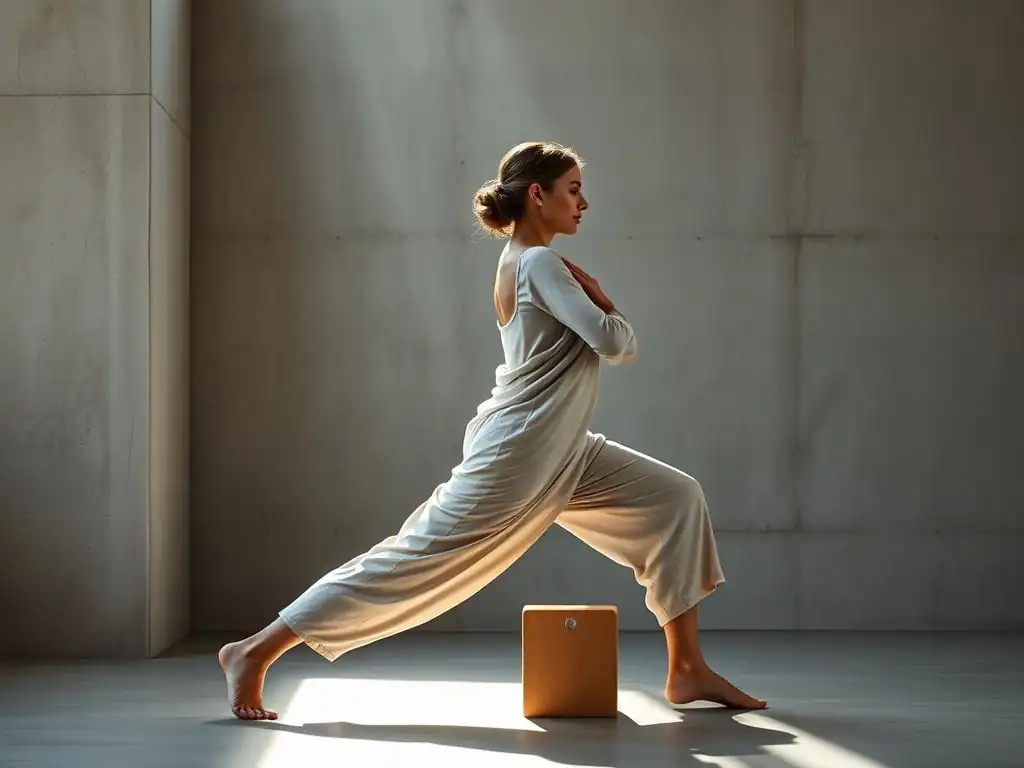
Integrating mindful movement into a busy life requires setting achievable goals. Start small. Instead of aiming for an hour of yoga daily, commit to 10-15 minutes of mindful walking during your lunch break or 5 minutes of mindful stretching before bed. Consider your current schedule and energy levels. A realistic goal is one you can consistently meet without feeling overwhelmed, fostering a sense of accomplishment rather than failure.
Think about consistency over intensity or duration initially. Practicing mindful movement for a short period daily is often more beneficial for long-term anxiety reduction than sporadic, lengthy sessions. For example, aiming for three 20-minute mindful walks per week is a solid starting point. As you build the habit and experience how mindful movement reduces anxiety stress, you can gradually increase the duration or frequency if you wish.
Creating a Dedicated Space for Mindful Exercise
While some forms of mindful movement, like walking meditation, can be done anywhere, having a dedicated space can significantly enhance your practice, especially for activities like yoga or stretching. This space doesn't need to be large; a quiet corner in a room is sufficient. The key is that it feels calm and free from distractions. Clear away clutter, turn off electronic devices, and perhaps add elements that promote relaxation, like a plant or soft lighting.
Creating a specific area signals to your mind that this is a time for focused, self-care activity. It helps establish a routine and makes it easier to transition into a mindful state. Even if your "space" is just a mat unrolled in the living room for 20 minutes, making it a consistent spot helps build the habit. This dedicated environment supports the focused attention necessary for mindful movement reduces anxiety stress effectively.
Tips for Staying Present During Mindful Movement
Staying present is the essence of mindful movement, but it's a skill that takes practice. Your mind will wander – that's completely normal. The key is not to get frustrated, but to gently notice when your mind has drifted and compassionately guide it back to the present moment, focusing on your breath, bodily sensations, or the movement itself. Think of your thoughts as clouds passing in the sky; observe them without attachment.
Utilize your senses to anchor yourself. Pay attention to the feeling of your feet on the ground during walking, the stretch in your muscles during yoga, the rhythm of your breath, or the sounds around you. If you notice tension or discomfort, breathe into it with awareness rather than tensing up or trying to push it away.
Using cues, like focusing on the inhale and exhale count, can also help maintain presence. Remember, the goal is not an empty mind, but a mind that is aware and non-judgmental of its own activity, which is precisely how mindful movement reduces anxiety stress.
Overcoming Challenges and Maintaining Consistency
Maintaining consistency with any new habit can be challenging, and mindful movement is no exception. Barriers might include lack of time, low motivation, physical limitations, or feeling like you're "not doing it right." Acknowledge these challenges without judgment. If you miss a session, don't view it as a failure; simply return to your practice as soon as you can.
Troubleshoot specific barriers. If time is an issue, look for opportunities to incorporate micro-movements – a 5-minute mindful stretch break or a 10-minute walking meditation. If motivation is low, try practicing with a friend or using guided videos. If physical limitations exist, explore adaptive forms of movement. Reflect on how mindful movement reduces anxiety stress for you personally – remembering the positive impact can be a powerful motivator to stay consistent. Be patient and compassionate with yourself; progress, not perfection, is the goal.
The Science Behind Mindful Movement and Stress Reduction
How Mindful Movement Impacts the Nervous System
Mindful movement has a profound impact on the autonomic nervous system (ANS), which controls involuntary bodily functions like heart rate, breathing, and digestion. The ANS has two main branches: the sympathetic nervous system (SNS), responsible for the "fight or flight" response during stress, and the parasympathetic nervous system (PNS), responsible for the "rest and digest" state. Anxiety and stress trigger the SNS, leading to increased heart rate, rapid breathing, and muscle tension.
Engaging in mindful movement activates the PNS. The slow, deliberate movements, combined with focused breathing and present-moment awareness, signal to the body that it is safe to relax. This activation lowers heart rate and blood pressure, slows breathing, and reduces muscle tension. Over time, regular practice can help regulate the ANS, making it less reactive to stressors and promoting a more balanced state. This physiological shift is a key mechanism by which mindful movement reduces anxiety stress.
The Role of Endorphins in Mood Enhancement Through Exercise
Exercise, including mindful movement, stimulates the release of endorphins, often referred to as the body's natural painkillers and mood elevators. These neurochemicals interact with receptors in the brain to reduce the perception of pain and trigger positive feelings. This "runner's high" effect isn't exclusive to intense cardio; even moderate activity can prompt endorphin release.
While mindful movement might not always reach the intensity levels that trigger a massive endorphin rush, the consistent, gentle stimulation contributes to a steady improvement in mood and a reduction in stress hormones like cortisol. The combination of endorphin release with the calming effect on the nervous system creates a powerful biochemical cocktail that combats anxiety and depression. This dual action is why mindful movement reduces anxiety stress so effectively, addressing both the mental and chemical aspects of distress.
Research Supporting the Effectiveness of Mindful Movement for Anxiety
A growing body of scientific research supports the effectiveness of mindful movement practices in reducing anxiety. Numerous studies have investigated the impact of yoga, Tai Chi, and walking meditation on anxiety symptoms across diverse populations, from college students to individuals with chronic health conditions. For example, a meta-analysis published in JAMA Internal Medicine in 2018 reviewed 35 studies and found strong evidence supporting the use of yoga for reducing anxiety symptoms.
Another study, specifically on Tai Chi for older adults with anxiety, demonstrated significant improvements in reported anxiety levels and sleep quality after just 12 weeks of regular practice. Research on walking meditation in urban environments has shown it can reduce stress levels and improve attention span. These studies provide robust evidence that mindful movement reduces anxiety stress, validating its role as a therapeutic tool in mental health care.
Advanced Techniques in Mindful Movement for Deeper Connection
Body Scan Meditation for Increased Self-Awareness
Body scan meditation is a practice often integrated into mindful movement or used as a preparatory step. It involves systematically bringing your attention to different parts of your body, from your toes to the crown of your head, noticing sensations without judgment. This enhances interoceptive awareness – your ability to perceive physical sensations originating inside the body. This awareness is crucial because anxiety and stress often manifest as physical tension, discomfort, or restlessness.
By regularly practicing body scans, you become more attuned to how stress is held in your body. During movement, this increased awareness allows you to notice subtle shifts in tension or energy, enabling you to adjust your movement or posture mindfully. This deeper connection to your physical state helps you recognize the early signs of anxiety or stress and respond proactively, making the practice of mindful movement reduces anxiety stress more potent.
Visualization Techniques to Enhance Mindful Movement
Visualization can be a powerful tool to complement mindful movement, deepening the mind-body connection. This involves creating mental images that support relaxation, focus, or a specific quality of movement. For instance, during a gentle stretch, you might visualize tension melting away like ice. During a walking meditation, you could imagine roots growing from your feet, grounding you to the earth, or visualize breathing in calm and exhaling stress.
Using visualization helps to engage the mind in a focused, positive way, reducing the likelihood of anxious thoughts taking over. It can enhance the feeling of flow and ease in your movement. For example, visualizing smooth, continuous energy during Tai Chi can improve the quality of the practice. By adding this mental layer, you enhance the overall experience and effectiveness, further solidifying how mindful movement reduces anxiety stress through integrated mental and physical techniques.
Mindful Breathing Exercises to Regulate Emotions During Physical Activity
Mindful breathing is a fundamental component of most mindful movement practices. It involves paying deliberate attention to the sensation of your breath – the inhale and exhale, the rise and fall of your chest or abdomen, the temperature of the air. During movement, coordinating breath with physical actions enhances focus and calms the nervous system. Techniques like diaphragmatic breathing (deep belly breathing) or alternate nostril breathing can be particularly helpful.
When anxiety arises during activity or in daily life, returning your awareness to your breath provides an immediate anchor to the present moment and helps regulate your emotional state. Slow, deep breaths activate the parasympathetic nervous system, counteracting the rapid, shallow breathing associated with anxiety. Integrating conscious breathwork throughout your mindful movement session amplifies its calming effects, making it even more effective in demonstrating how mindful movement reduces anxiety stress.
Resources for Learning More About Mindful Movement and Anxiety
Books and Articles on Mindful Movement and Mental Well-being
A wealth of literature exists for those wishing to delve deeper into mindful movement and its benefits for mental health. Key texts often explore the philosophy behind practices like yoga and meditation or provide practical guides to specific techniques. For instance, books like "Wherever You Go, There You Are" by Jon Kabat-Zinn offer foundational principles of mindfulness applicable to movement, while specific yoga or Tai Chi guides detail postures and forms.
Academic articles and reputable health websites provide research-backed information on how practices like mindful movement reduces anxiety stress. Searching databases for terms such as "mindfulness exercise anxiety," "yoga for stress," or "Tai Chi mental health benefits" can yield valuable insights and scientific evidence supporting these approaches. Many mental health organizations also publish articles explaining the link between physical activity, mindfulness, and well-being.
Online Courses and Workshops for Practicing Mindful Movement
For practical instruction, online courses and workshops offer accessible ways to learn various mindful movement techniques. Platforms like Coursera, Udemy, or specialized yoga/meditation websites host courses ranging from beginner introductions to in-depth studies of specific practices. Many offer guided sessions in yoga, Tai Chi, walking meditation, or mindful stretching that you can follow at your own pace.
These online resources can be particularly helpful for learning the correct form and understanding the mindful aspect of the movement. Some workshops focus specifically on using mindful movement reduces anxiety stress, tailoring practices to address common anxiety symptoms. While online resources offer flexibility, it's beneficial to choose instructors or platforms with credentials or positive user reviews to ensure quality guidance.
Finding Qualified Instructors for Yoga, Tai Chi, and Meditation
While online resources are convenient, learning from a qualified instructor can provide personalized guidance, corrections, and a deeper understanding of the practice. Look for instructors certified by recognized bodies in their respective fields (e.g., Yoga Alliance for yoga, specific Tai Chi associations). Experience working with individuals seeking stress or anxiety relief is also a plus.
Many studios and community centers offer classes specifically designed for stress reduction or gentle practice. Don't hesitate to ask about the instructor's background and approach. A good instructor creates a safe, supportive environment that encourages present-moment awareness and self-compassion, reinforcing the core principles that make mindful movement reduces anxiety stress effectively.
Mindful Movement vs. Other Anxiety Reduction Techniques
Comparing Mindful Movement to Cognitive Behavioral Therapy (CBT)
Cognitive Behavioral Therapy (CBT) is a widely used and effective psychotherapy that helps individuals identify and challenge negative thought patterns and behaviors contributing to anxiety. It focuses heavily on the cognitive aspect – changing how you think. Mindful movement, while also impacting thoughts, primarily works through the body and the cultivation of present-moment awareness.
While different, these approaches are highly complementary. CBT helps you understand the content of your anxious thoughts and develop strategies to reframe them, while mindful movement helps you relate differently to all thoughts, including anxious ones, by grounding you in the present and regulating your nervous system. Combining CBT with mindful movement reduces anxiety stress by addressing both the mental narratives and the physical/emotional reactivity. Neither is a substitute for the other, but together they form a powerful strategy.
Mindful Movement as a Complementary Therapy for Medication
For many individuals, medication is a necessary and effective part of managing significant anxiety or mood disorders. Mindful movement is not intended to replace prescribed medication unless advised by a healthcare professional. Instead, it serves as a valuable complementary therapy. Medication can help manage severe symptoms, creating a space for other therapeutic approaches like mindful movement to be more effective.
Integrating mindful movement alongside medication can enhance overall well-being, improve coping skills, and potentially reduce reliance on medication over time, under medical supervision. The physical and mental benefits of mindful movement reduce anxiety stress symptoms that medication might not fully address, such as muscle tension or difficulty focusing. It empowers individuals by giving them an active role in their own healing process.
The Importance of Combining Mindful Movement with a Holistic Approach to Mental Health
Mindful movement is a powerful tool, but it is most effective when viewed as part of a broader, holistic approach to mental health. This involves considering all aspects of well-being: physical health, emotional state, social connections, and environmental factors. A holistic approach might include therapy (like CBT or others), adequate sleep, a balanced diet, strong social support, and stress management techniques beyond movement.
Relying solely on one method is rarely sufficient for complex mental health challenges. By combining mindful movement with other healthy lifestyle choices and professional support when needed, you create a comprehensive strategy for managing anxiety and promoting resilience. Understanding that mindful movement reduces anxiety stress significantly, but works best in concert with other healthy habits, is key to long-term well-being.
The Long-Term Impact of Mindful Movement on Mental and Physical Health
Building Resilience Through Consistent Mindful Movement Practice
Consistent practice of mindful movement builds resilience – the ability to adapt and recover from stress, adversity, and challenges. By regularly engaging the parasympathetic nervous system and cultivating present-moment awareness, you train your body and mind to return to a state of calm more quickly after experiencing stress. This isn't about eliminating stress but changing your physiological and psychological response to it.
Over time, the repeated experience of grounding yourself through movement and breath strengthens your internal resources. You develop a greater capacity to tolerate discomfort, both physical and emotional, without being overwhelmed. This resilience is a protective factor against future episodes of anxiety and stress. The sustained practice of mindful movement reduces anxiety stress by fundamentally altering your stress response over months and years.
Maintaining a Mindful Lifestyle for Sustained Well-being
The principles of mindful movement – awareness, non-judgment, and presence – can extend beyond your exercise sessions and permeate your entire life. A mindful lifestyle involves bringing conscious attention to everyday activities, from eating and communicating to working and resting. This sustained state of awareness helps you stay connected to your needs and limits, preventing burnout and reducing the accumulation of stress.
Integrating mindfulness throughout your day reinforces the benefits gained during formal movement practice. Noticing your breath during a stressful meeting or mindfully walking to your car after work extends the calming effects. This continuous practice of presence supports sustained mental and physical well-being, demonstrating that the impact of mindful movement reduces anxiety stress goes far beyond the time spent exercising.
Embracing the Journey of Self-Discovery Through Movement and Mindfulness
Mindful movement is not just a technique for managing symptoms; it is a path of self-discovery. By paying close attention to your body and mind during movement, you gain deeper insights into your physical habits, emotional patterns, and mental tendencies. You learn where you hold tension, what thoughts trigger anxiety, and how your mood fluctuates.
This increased self-awareness empowers you to make conscious choices that support your well-being. It fosters a more compassionate relationship with yourself, accepting your limitations while recognizing your strengths. The journey of mindful movement is ongoing, offering continuous opportunities for learning, growth, and finding peace within yourself. It highlights that mindful movement reduces anxiety stress not just by alleviating symptoms, but by facilitating a deeper understanding and acceptance of oneself.
Frequently Asked Questions
How does mindful movement differ from regular exercise?
Mindful movement focuses on the present moment and the connection between your body and mind, while regular exercise often prioritizes physical goals and performance. It emphasizes awareness rather than achievement.
Can any type of physical activity be considered mindful movement?
Yes, almost any physical activity can become mindful movement if practiced with intention and awareness. This includes activities like yoga, walking, and even gardening, as long as you focus on the sensations in your body.
How does mindful movement help reduce anxiety and stress?
Mindful movement helps to ground you in the present, reducing rumination on anxious thoughts and the physical symptoms of stress. It activates the parasympathetic nervous system, promoting relaxation.
How often should I practice mindful movement to see benefits?
Even short sessions of 10-15 minutes, practiced regularly, can make a difference. Consistency is key; aim for at least 3-4 times per week to experience noticeable reductions in anxiety and stress.
Are there specific mindful movement exercises recommended for beginners?
Yoga and Tai Chi are excellent starting points, as they inherently emphasize mind-body connection. Simple mindful walking exercises, focusing on each step, can also be very effective for beginners.
Final Reflection: The Transformative Power of Mindful Movement
The connection between mindful movement and stress reduction isn't just a trend; it's a fundamental shift in how we approach our well-being. In a world increasingly dominated by anxiety and relentless pressure, prioritizing mindful movement offers a powerful antidote, a pathway to reclaiming both physical and mental health. This isn't about achieving peak physical fitness; it's about cultivating a deeper awareness of your body and its inherent wisdom.
The impact of mindful movement extends far beyond the immediate feeling of calm it provides. It's a practice that weaves itself into the fabric of our lives, influencing how we interact with our bodies, our emotions, and the world around us. It's about cultivating a more compassionate relationship with ourselves, recognizing that our physical and mental states are inextricably linked. The body is your temple. Keep it pure and clean for the soul to reside in.
This ancient wisdom rings truer than ever in our modern, often stressful lives. The integration of mindful movement into daily routines fosters a sense of self-awareness and self-compassion that ripples outwards, impacting our relationships and our overall sense of peace.
You now hold the key to unlocking a more balanced and fulfilling life. Consider how you can incorporate mindful movement into your daily routine, even in small ways. Start with a few minutes of mindful stretching, a conscious walk in nature, or a gentle yoga flow.
Listen to your body, honor its needs, and allow the practice to unfold organically. The journey towards a calmer, more centered self begins with a single, mindful step. Embrace the transformative power of movement, and watch as it cultivates a deeper connection between your body and mind, leading to a more peaceful and resilient you.
Unleash Your Inner Calm: Move Your Body, Still Your Mind
Thanks for taking the time to explore the power of mindful movement! We hope you gained valuable insights into connecting your body and mind through exercise. Now it's time to put those insights into action. Here's how:
- Prioritize a 15-minute mindful movement session today. Even a short, focused practice can make a huge difference. Try a simple body scan meditation or a gentle yoga flow. This is your primary step towards a calmer you.
- Share your experience! Tell us (or a friend!) about your mindful movement journey. What surprised you? What felt most impactful? Sharing your progress can inspire others.
- Explore a new mindful movement style. Maybe it's Tai Chi, Qigong, or even a mindful walk in nature. Branching out can deepen your connection and enjoyment.
Ready to cultivate a deeper mind-body connection? What small step will you take today to prioritize your well-being?