
Age Isn't Just a Number: How Life Changes Fuel Anxiety in Older Adults

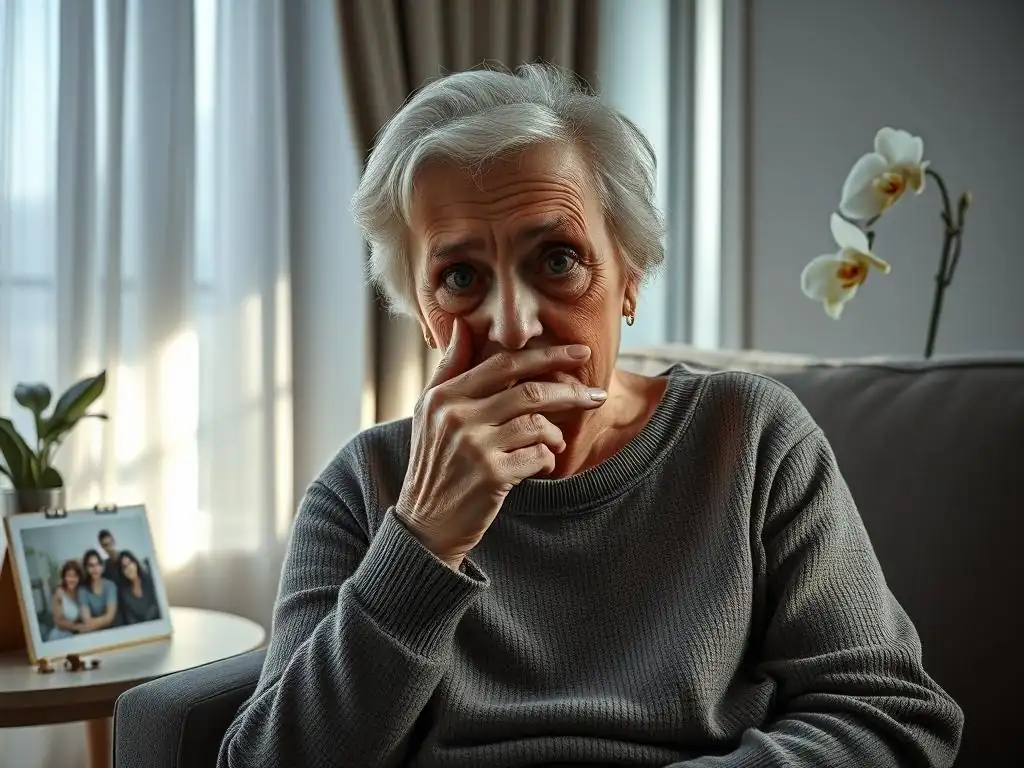
Welcome to Mind Care Guide, a space dedicated to nurturing your mental well-being. Are you finding that life's later chapters bring unexpected anxieties? You're not alone. This month, we're diving deep into anxiety in older adults, exploring the unique challenges and offering compassionate support. Curious to understand how life changes can contribute to these feelings and, more importantly, what you can do about it? Let's begin.
- Age Isn't Just a Number: How Life Changes Fuel Anxiety in Older Adults
- Understanding Anxiety in Older Adults: Beyond the Stereotypes
- The Unique Challenges: Life Transitions and Late-Life Anxiety
- Identifying Anxiety Symptoms in Older Adults: What to Look For
- Effective Strategies for Managing Anxiety in Older Adults
- Seeking Help: Resources and Support for Older Adults with Anxiety
- Creating a Supportive Environment: How to Help Loved Ones with Anxiety
- Preventing Anxiety in Older Adults: Proactive Strategies
- Conclusion: Prioritizing Mental Wellbeing in Later Life
-
Frequently Asked Questions
- What are some of the primary life changes that can contribute to anxiety in older adults?
- Why is anxiety in older adults sometimes overlooked or misdiagnosed?
- What role does social isolation play in fueling anxiety in older adults?
- What are some effective treatment options for managing anxiety in older adults?
- How can family and caregivers provide support for older adults experiencing anxiety?
- Final Reflection: Embracing the Evolving Landscape of Aging and Anxiety
- Unlock Your Calm: Embrace the Next Chapter with Confidence
Age Isn't Just a Number: How Life Changes Fuel Anxiety in Older Adults
Aging is a natural and often rewarding phase of life, but it can also bring significant transitions. While many older adults navigate these changes with resilience, for some, the cumulative impact of life events can contribute to or exacerbate feelings of anxiety. Understanding the unique factors that influence anxiety in later life is crucial for providing effective support and promoting mental well-being.
This article delves into the specific challenges faced by seniors that can heighten anxiety, exploring common triggers, symptoms, and strategies for managing this often-overlooked mental health concern. Recognizing that anxiety in older adults presents differently than in younger populations is the first step toward compassionate and effective care.
Understanding Anxiety in Older Adults: Beyond the Stereotypes
Anxiety is not an inevitable part of aging, although it is a common mental health challenge across all age groups. In older adults, anxiety can manifest in unique ways and is often linked to the distinct experiences and transitions inherent in later life. It's important to look beyond simplistic stereotypes and understand the clinical reality of anxiety disorders in this population.
Addressing anxiety in older adults requires a nuanced perspective, acknowledging both the biological aspects of aging and the profound social, emotional, and physical changes that occur. Dismissing anxious feelings as simply "worrying more because they're old" prevents individuals from receiving the help they need.
Defining Anxiety Disorders in Later Life
Anxiety disorders in older adults encompass a range of conditions, including Generalized Anxiety Disorder (GAD), panic disorder, social anxiety disorder, and specific phobias, though GAD is often cited as the most prevalent in this age group. These conditions are characterized by excessive worry, fear, or nervousness that significantly impacts daily functioning and quality of life. Unlike transient worries, clinical anxiety persists over time and is often disproportionate to the actual threat posed by a situation.
According to some research estimates, approximately 10-20% of older adults experience symptoms of an anxiety disorder, with prevalence rates potentially higher among those with chronic medical conditions or in care settings. Defining these disorders in later life involves recognizing that symptoms might be somatic (physical) rather than purely psychological, and that older adults may be less likely to report emotional distress openly due to stigma or a belief that it's a normal part of aging. Diagnosing anxiety in older adults requires careful clinical assessment, often distinguishing it from symptoms of medical conditions or depression.
Why "Anxiety in Older Adults" is a Critical Mental Health Concern
Anxiety in older adults is a critical mental health concern for several compelling reasons. It is often underdiagnosed and undertreated, leading to significant suffering and reduced quality of life. Untreated anxiety can exacerbate existing physical health problems, impair cognitive function, increase social isolation, and even heighten the risk of mortality. For example, studies have shown a link between anxiety and increased risk of cardiovascular events in older populations.
Furthermore, anxiety can severely limit an older adult's independence and participation in activities they once enjoyed. A senior with significant social anxiety might avoid family gatherings or community events, leading to increased loneliness. Someone with health anxiety might make excessive doctor visits or, conversely, avoid necessary medical care out of fear. Recognizing and addressing anxiety in older adults is therefore not just about treating a mental health condition, but about preserving physical health, cognitive function, social connection, and overall well-being in later life.
Common Misconceptions About Anxiety and Aging
One pervasive misconception is that anxiety is simply a natural or expected part of aging. While it's true that older adults face unique challenges that can trigger worry, clinical anxiety disorders are distinct from normal life concerns and require professional attention. Believing that "everyone gets more anxious as they get older" can lead to symptoms being dismissed by individuals, families, and even healthcare providers, delaying crucial diagnosis and treatment.
Another common misconception is that older adults are resistant to or cannot benefit from mental health treatment. In reality, therapies like Cognitive Behavioral Therapy (CBT) and mindfulness techniques have been shown to be highly effective in treating anxiety in older adults, often with adaptations to suit their specific needs and life experiences. Likewise, while medication use in seniors requires careful consideration due to potential interactions and side effects, appropriate pharmacological interventions can be beneficial when used judiciously under medical supervision. Challenging these misconceptions is vital to improving access to care for senior anxiety.
The Unique Challenges: Life Transitions and Late-Life Anxiety
Late life is marked by a series of significant transitions that, while sometimes anticipated, can be profoundly challenging and act as potent triggers for anxiety in older adults. These changes often involve loss – of people, health, financial stability, social roles, and independence. Navigating these shifts requires immense resilience, and when that resilience is strained, anxiety can emerge or intensify.
Understanding the specific nature of these challenges is key to recognizing the root causes of senior anxiety. These transitions are not isolated events but often overlap and interact, creating a complex landscape of potential stressors that can fuel persistent worry and fear.
Loss and Grief: The Impact on Anxiety in Older Adults
Bereavement is an almost universal experience in later life, whether it's the loss of a spouse, siblings, friends, or even pets. Grief is a natural process, but prolonged or complicated grief can significantly contribute to anxiety in older adults. The loss of a long-term partner, for instance, can mean not only emotional devastation but also the loss of a primary caregiver, financial manager, or social connector, leading to profound feelings of insecurity and fear about the future.
Research indicates that the death of a spouse is one of the most stressful life events an individual can face, and the risk of developing anxiety or depression is significantly elevated in the months and years following such a loss. For older adults, who may have fewer remaining peers or family members nearby for support, the isolation that often accompanies grief can further exacerbate feelings of anxiety, creating a difficult cycle where grief fuels anxiety, and anxiety makes coping with grief harder.
Coping with Bereavement and Reducing Anxiety
Effective coping strategies for bereavement in older adults are crucial for mitigating the risk of heightened anxiety. These strategies include allowing oneself to grieve without judgment, maintaining social connections (even if difficult initially), engaging in activities that provide comfort or distraction, and seeking professional support when grief feels overwhelming or prolonged. Support groups specifically for widows or widowers can provide a sense of community and shared understanding.
Therapeutic interventions like grief counseling or therapy can help older adults process their loss and develop healthy coping mechanisms, directly addressing the anxiety that often co-occurs with complex grief. Learning relaxation techniques, such as deep breathing or gentle meditation, can also provide immediate relief from acute anxiety symptoms during periods of intense grief. Prioritizing self-care, including adequate sleep and nutrition, further supports emotional resilience during this challenging time.
Health Concerns and Anxiety: The Cycle of Worry
Chronic health conditions become more common with age, and managing multiple illnesses, doctor appointments, medications, and physical limitations can be a significant source of anxiety in older adults. The uncertainty surrounding prognosis, fear of pain or disability, and the impact of illness on independence can fuel constant worry. A study might show, for example, that older adults with conditions like heart disease or COPD have significantly higher rates of anxiety compared to their healthy peers.
This creates a challenging cycle: health problems cause anxiety, and anxiety can, in turn, worsen physical symptoms or health outcomes. For instance, stress and anxiety can elevate blood pressure or exacerbate symptoms of irritable bowel syndrome, which are common in older populations. The fear of falling, particularly after experiencing one, can lead to reduced activity and increased isolation, paradoxically increasing the risk of falls and further anxiety.
Managing Chronic Illness and its Impact on Mental Health
Effectively managing chronic illness in older adults requires a holistic approach that includes addressing the associated mental health impact, particularly anxiety. This involves educating patients about their conditions in a clear, understandable manner to reduce fear of the unknown. Developing effective pain management strategies can alleviate a major source of worry.
Integrating mental health support into primary care settings is vital, allowing for early screening and intervention for anxiety in older adults with chronic conditions. Therapies such as health psychology or CBT adapted for chronic illness can help seniors cope with their physical limitations, manage pain-related anxiety, and improve their overall quality of life. Encouraging physical activity, within their capabilities, has also been shown to improve both physical health and reduce anxiety levels.
Financial Instability and Anxiety in Seniors
Financial concerns are a major stressor across all age groups, but they take on a particular weight for older adults, many of whom live on fixed incomes. The fear of outliving savings, rising healthcare costs (especially long-term care), unexpected expenses, or even the burden of supporting adult children can trigger significant anxiety in older adults. Estimates suggest that a substantial portion of seniors, perhaps 15-25% depending on the region and criteria, struggle to afford basic necessities, highlighting the reality of financial insecurity.
The loss of earning potential after retirement, coupled with potential economic downturns or inflation, can make managing finances feel overwhelming. Worry about becoming a financial burden on family members is also a common source of distress. This constant underlying financial stress can manifest as persistent anxiety, impacting sleep, mood, and physical health.
Addressing Financial Fears and Seeking Support
Addressing financial fears and reducing related anxiety in seniors involves practical steps and seeking appropriate support. This might include consulting with a reputable financial advisor who specializes in retirement planning, reviewing budgets, exploring available government assistance programs (like Medicare or Medicaid supplements, or housing assistance), and understanding pension or social security benefits fully.
Open communication with trusted family members about financial concerns can also alleviate some of the burden and facilitate collaborative problem-solving. Community resources often offer free or low-cost financial counseling services specifically for seniors. Empowering older adults with clear information and actionable steps regarding their finances can significantly reduce uncertainty and, consequently, alleviate financial anxiety.

Social connections are vital for mental and physical health throughout life, but maintaining these connections can become more challenging for older adults. Factors like the death of friends and family, mobility issues, chronic illness, retirement, or moving away from a familiar community can lead to increased social isolation and profound feelings of loneliness. This lack of meaningful social interaction is a significant risk factor for anxiety in older adults.
Loneliness is not just about being alone; it's the distressing feeling of lacking connection. Research has consistently shown a strong correlation between loneliness and increased rates of anxiety, depression, and even physical health problems in older populations. AARP studies, for instance, have highlighted that millions of seniors report feeling lonely, underscoring the scale of this issue and its potential impact on mental well-being, including senior anxiety.
Combating Isolation and Promoting Social Connection
Combating isolation and promoting social connection are essential strategies for reducing anxiety in older adults. Encouraging participation in community activities, senior centers, clubs, or volunteer work can provide opportunities for meaningful social interaction and a sense of belonging. Exploring transportation options or utilizing ride-sharing services can help overcome mobility barriers.
Technology can also play a role; teaching older adults how to use video calls, social media, or online communities can help them stay connected with distant family and friends. Family members and caregivers should actively involve seniors in social plans and check in regularly. Creating opportunities for intergenerational activities can also be highly beneficial, providing fresh perspectives and reducing feelings of being disconnected from the wider world.
Retirement and Loss of Purpose: Finding New Meaning
Retirement, while often anticipated as a time of relaxation, can be a significant adjustment that triggers anxiety in older adults. For many, work provides not just income but also a sense of identity, purpose, routine, and social connection. Losing these can lead to feelings of aimlessness, boredom, and a questioning of one's value, contributing to late-life anxiety.
The transition can be particularly difficult for individuals whose identity was strongly tied to their profession. Suddenly having unstructured time and a perceived lack of contribution can lead to feelings of inadequacy and worry about how to fill the days meaningfully. While some adapt easily, others struggle with the lack of routine and the feeling of being sidelined, which can fuel persistent anxiety about their future and relevance.
Redefining Identity and Purpose After Retirement
Redefining identity and finding new purpose after retirement are key to mitigating associated anxiety in older adults. This involves exploring new interests, hobbies, or activities that provide structure, engagement, and a sense of contribution. Volunteering is an excellent way to stay active, connect with others, and contribute to the community, providing a renewed sense of purpose.
Learning new skills, joining clubs related to hobbies (gardening, reading, art), or even taking on a part-time job or consulting role can help fill the void left by full-time work. Encouraging older adults to reflect on their passions and values can guide them in finding meaningful ways to spend their time. Developing a new daily or weekly routine that includes physical activity, social interaction, and engaging pursuits is vital for maintaining mental well-being and reducing anxiety associated with this life transition.
Identifying Anxiety Symptoms in Older Adults: What to Look For
Recognizing anxiety symptoms in older adults can be challenging because they may differ from symptoms seen in younger people, or they might be attributed incorrectly to physical health issues or normal aging. Older adults may also be less likely to express feelings of worry or nervousness openly, instead focusing on physical complaints. Therefore, caregivers, family members, and healthcare providers need to be attuned to subtle signs and changes in behavior.
Understanding the potential presentations of senior anxiety is the first step toward accurate identification and getting the right support. It requires looking beyond stereotypical presentations and considering the whole person and their life circumstances.
Recognizing Physical Symptoms of Anxiety in Seniors
Physical symptoms are often the primary way anxiety manifests in older adults, sometimes even overshadowing psychological symptoms. These can include:
- Increased heart rate or palpitations
- Shortness of breath or difficulty breathing
- Trembling or shaking
- Muscle tension
- Nausea or digestive problems (e.g., upset stomach, diarrhea)
- Headaches
- Fatigue or low energy
- Sleep disturbances (difficulty falling asleep, staying asleep, or restless sleep)
These symptoms can easily be mistaken for signs of medical illness, leading to extensive medical workups that don't reveal a physical cause. For example, persistent digestive issues might be treated as a physical ailment when they are, in fact, psychosomatic manifestations of anxiety in older adults. Recognizing that these physical complaints could have an underlying anxiety component is crucial for proper diagnosis.
Spotting Emotional and Behavioral Changes Associated with Anxiety
While physical symptoms are common, emotional and behavioral changes are also key indicators of anxiety in older adults, though they may be expressed differently than in younger individuals. Look for:
- Excessive worry, even about minor things
- Restlessness or feeling on edge
- Irritability or increased frustration
- Difficulty concentrating or memory problems (sometimes mistaken for dementia)
- Avoidance of social situations or activities they once enjoyed
- Increased dependency on others
- Compulsive behaviors (e.g., repeatedly checking locks, excessive cleaning)
- Expressing fears about safety, health, or finances more frequently
- Becoming easily startled or jumpy
A sudden change in an older adult's typical behavior, such as becoming withdrawn after being social, or expressing disproportionate fears about leaving the house, could be a sign of developing senior anxiety. These behavioral shifts can significantly impact their independence and social engagement.
One of the complexities in identifying anxiety in older adults is differentiating some symptoms from age-related cognitive changes or early dementia. For instance, difficulty concentrating, memory problems, and confusion can be symptoms of both anxiety and cognitive decline. However, anxiety-related cognitive issues are often linked to excessive worry that distracts the individual, and they may fluctuate more than the persistent deficits seen in dementia.
A key differentiator is the content of the worry. An anxious older adult might be preoccupied with specific fears (e.g., forgetting medication, falling, finances), while someone with dementia will exhibit more generalized memory loss and difficulty with executive functions. A thorough medical and psychological evaluation is necessary to accurately diagnose anxiety in older adults and distinguish it from cognitive disorders, ensuring the individual receives the correct treatment for their specific challenges.
Effective Strategies for Managing Anxiety in Older Adults
Fortunately, anxiety in older adults is highly treatable. A combination of therapeutic approaches, lifestyle adjustments, and potentially medication can significantly alleviate symptoms and improve quality of life. Effective management requires a personalized approach, taking into account the individual's specific symptoms, health status, life circumstances, and preferences.
Empowering older adults with tools and strategies to manage their anxiety is a crucial part of support. Treatment focuses not only on reducing symptoms but also on helping individuals regain confidence, independence, and engagement in activities they value.
Therapeutic Approaches for Anxiety Relief in Later Life
Psychotherapy is a cornerstone of anxiety treatment for older adults. Several therapeutic modalities have proven effective, often with adaptations to suit the unique needs and experiences of seniors. These approaches provide coping skills and help individuals understand and modify their anxious thought patterns and behaviors.
Access to qualified therapists who are experienced in working with older populations is important. Therapy can be delivered individually or in group settings, offering flexibility and potentially reducing feelings of isolation.
Cognitive Behavioral Therapy (CBT) for Seniors
Cognitive Behavioral Therapy (CBT) is one of the most evidence-based treatments for anxiety disorders across all age groups, including older adults. CBT helps individuals identify and challenge negative or irrational thought patterns that contribute to their anxiety. It teaches practical skills for managing worry and reducing avoidance behaviors. For example, if an older adult is anxious about falling, CBT might involve gradually increasing activity levels and challenging the thought "I will definitely fall if I go outside."
CBT for seniors is often adapted to be more structured, use larger print materials, proceed at a comfortable pace, and focus on current, age-relevant stressors like health, loss, or retirement. Studies have shown that older adults can benefit significantly from CBT, experiencing reductions in worry, improved sleep, and increased participation in social activities, making it a vital tool in managing anxiety in older adults.
Mindfulness and Relaxation Techniques for Anxiety Reduction
Mindfulness and relaxation techniques are valuable tools for managing the physical and mental symptoms of anxiety in older adults. Mindfulness involves paying attention to the present moment without judgment, which can help interrupt the cycle of anxious thoughts and worries about the past or future. Simple practices like focused breathing exercises, body scans, or mindful walking can be easily incorporated into a daily routine.
Relaxation techniques, such as progressive muscle relaxation, guided imagery, or gentle stretching, can help reduce the physical tension associated with anxiety. These techniques can lower heart rate, calm the nervous system, and promote a sense of calm. Learning and regularly practicing these techniques provides older adults with immediate coping mechanisms they can use when feeling overwhelmed by anxiety.
The Role of Medication in Treating Anxiety in Older Adults
Medication can be a useful component in the treatment plan for anxiety in older adults, particularly for more severe cases or when other treatments haven't provided sufficient relief. However, prescribing medication for seniors requires careful consideration due to potential interactions with other medications they may be taking for chronic conditions, as well as age-related changes in metabolism and increased sensitivity to side effects.
Medication should always be prescribed and monitored by a healthcare professional with experience in geriatric care. The goal is to find the lowest effective dose and minimize risks.
Understanding the Benefits and Risks of Anxiety Medications
The benefits of appropriate anxiety medication for older adults can include significant symptom reduction, allowing individuals to engage more fully in therapy and daily life. Medications like selective serotonin reuptake inhibitors (SSRIs), which are also commonly used for depression, are often a first-line choice due to a relatively favorable side effect profile compared to older anti-anxiety drugs. Certain anti-anxiety medications (like benzodiazepines) are generally used with extreme caution and for short periods in seniors due to risks of sedation, falls, cognitive impairment, and dependence.
The risks include potential side effects such as dizziness, nausea, or fatigue. There's also the risk of drug interactions, which is high in older adults taking multiple prescriptions. Cognitive side effects or increased risk of falls are particularly concerning in this population. Therefore, a thorough medical history, including all current medications and supplements, is essential before prescribing. Regular monitoring is crucial to assess effectiveness and manage any adverse effects when treating anxiety in older adults with medication.
Lifestyle Changes to Reduce Anxiety in Senior Citizens
Beyond therapy and medication, several lifestyle changes can significantly contribute to reducing anxiety in senior citizens. These are often accessible and empowering strategies that older adults can incorporate into their daily routines. Focusing on physical health, social engagement, and stress reduction can build resilience against late-life anxiety.
These lifestyle modifications work by improving overall physical and mental health, providing structure, and fostering a sense of control and well-being. They complement clinical treatments and support long-term anxiety management.
The Importance of Diet and Exercise for Mental Wellbeing
Maintaining a healthy diet and engaging in regular physical activity are crucial for mental wellbeing and can help reduce anxiety in older adults. A balanced diet rich in fruits, vegetables, whole grains, and lean proteins provides the nutrients needed for optimal brain function. Avoiding excessive caffeine and sugar can also help prevent anxiety-provoking jitters and energy crashes.
Exercise, even moderate activity like walking, gentle yoga, or swimming, releases endorphins, which have mood-boosting and stress-reducing effects. Aiming for, say, 150 minutes of moderate-intensity activity per week, as recommended for adults, can significantly lower anxiety levels. Physical activity also improves sleep, another factor linked to anxiety. Finding enjoyable ways to stay active is key for consistent engagement.
Prioritizing Sleep Hygiene for Anxiety Management
Poor sleep is both a symptom and a contributor to anxiety. Prioritizing good sleep hygiene is therefore essential for managing anxiety in older adults. This involves establishing a consistent sleep schedule, even on weekends, and creating a relaxing bedtime routine.
Other practices include ensuring the bedroom is dark, quiet, and cool, avoiding screens (phones, tablets, TV) before bed, and limiting naps during the day. While anxiety can make it hard to fall asleep, creating a calm environment and practicing relaxation techniques before bed can help. If sleep problems persist, discussing them with a doctor is important, as they could be related to anxiety or other underlying issues. Improving sleep quality can have a direct positive impact on reducing senior anxiety levels.
Seeking Help: Resources and Support for Older Adults with Anxiety
Recognizing that anxiety in older adults is a treatable condition is the first step; the next is knowing where to turn for help. Many resources and support systems are available, ranging from professional mental health services to community-based programs and the vital support of family and caregivers. Seeking help is a sign of strength and can lead to significant improvements in quality of life.
Accessing appropriate support requires navigating the healthcare system and being aware of available community resources. Overcoming potential barriers like stigma, cost, or transportation is also part of the process.
Finding a Qualified Mental Health Professional
Finding a qualified mental health professional experienced in working with older adults is crucial for effective treatment of anxiety in older adults. This could be a psychiatrist, psychologist, licensed clinical social worker, or counselor. Professionals specializing in geriatrics or late-life mental health understand the unique challenges and presentations of anxiety in this age group.
How to find one:
- Consult the older adult's primary care physician for a referral.
- Contact local mental health organizations or senior services agencies.
- Use online directories of mental health professionals, filtering by specialization or age group.
- Check with insurance providers for a list of in-network providers.
When contacting a professional, it's helpful to ask about their experience treating anxiety in older adults and their therapeutic approaches.
Support Groups and Community Resources for Seniors
Support groups and community resources offer valuable avenues for support and connection for older adults dealing with anxiety. Sharing experiences with peers facing similar challenges can reduce feelings of isolation and provide practical coping strategies. Support groups might be condition-specific (e.g., for anxiety, grief, or chronic illness) or general social groups.
Community resources like senior centers often offer a range of programs, including social activities, educational workshops on health and wellness, exercise classes, and access to counseling services. These resources provide opportunities for social engagement, learning, and emotional support, all of which are beneficial for managing anxiety in older adults. Local Area Agencies on Aging (AAA) are excellent resources for finding services available in a specific region.
Family and Caregiver Support for Managing Anxiety in Older Adults
Family members and caregivers play a critical role in supporting older adults with anxiety. Their understanding, patience, and active involvement can make a significant difference in the individual's well-being and willingness to seek or continue treatment. Support involves recognizing the symptoms, offering encouragement, and helping access resources.
Caregivers can help by:
- Validating the older adult's feelings without dismissing them.
- Encouraging them to talk about their worries when they feel ready.
- Assisting with scheduling and transportation to appointments.
- Helping them engage in enjoyable activities or social outings.
- Learning about anxiety themselves to better understand what their loved one is experiencing.
Providing support can be challenging, and caregivers should also seek support for themselves to avoid burnout. Resources exist for caregivers, including support groups and educational materials on caring for older adults with mental health conditions.
Creating a Supportive Environment: How to Help Loved Ones with Anxiety
Creating a supportive and understanding environment is paramount when helping older adults manage anxiety. This goes beyond simply offering help; it involves fostering a sense of safety, validation, and empowerment. The home environment and interactions with loved ones can either exacerbate or alleviate anxiety symptoms.
Small changes in communication and daily routines can make a significant difference in reducing stress and promoting relaxation for an older adult experiencing anxiety. It requires patience, empathy, and a willingness to learn about their specific needs and triggers.
Communicating Effectively with Anxious Seniors
Effective communication is key when interacting with an older adult who has anxiety. Avoid dismissing their worries, even if they seem irrational to you. Phrases like "Don't worry so much" or "There's nothing to be anxious about" can be invalidating and increase feelings of isolation. Instead, listen actively and empathetically.
Try phrases like: It sounds like you're feeling really worried about this.
I'm here to listen if you'd like to talk.
What can I do to help you feel safer or calmer right now?
Speak calmly and clearly, avoid rushing conversations, and be patient if they repeat themselves or have difficulty expressing their feelings. Focus on validating their emotions and collaboratively finding solutions or coping strategies rather than trying to logic them out of their feelings.
Reducing Stressors and Promoting Relaxation
Helping reduce environmental stressors and promoting relaxation are practical ways to support older adults with anxiety. Identify potential triggers in their environment or routine and see if they can be modified. This might involve simplifying complex tasks, reducing noise or clutter, or establishing predictable routines.
Encourage and participate in activities that promote relaxation, such as listening to calming music, spending time in nature (if possible), gentle stretching, or practicing breathing exercises together. Creating a quiet, comfortable space where they can retreat when feeling overwhelmed can also be beneficial. The goal is to create an atmosphere that feels safe, predictable, and calming, reducing the external pressures that might contribute to senior anxiety.
Encouraging Professional Help and Support
Perhaps the most important way to help a loved one is by encouraging them to seek professional help and supporting them through the process. Many older adults may be hesitant due to stigma, lack of awareness about available treatments, or difficulty navigating the healthcare system. Gently suggesting a conversation with their doctor about how they're feeling is a good starting point.
Offer to help them find a therapist or support group, make appointments, or provide transportation. Reassure them that seeking help is a sign of strength and that effective treatments for anxiety in older adults exist. Frame it as taking care of their overall health, just like managing a physical condition. Your encouragement can be the catalyst that helps them access the support they need to manage their anxiety effectively.
Preventing Anxiety in Older Adults: Proactive Strategies
While not all anxiety can be prevented, proactive strategies can significantly reduce the risk of developing late-life anxiety or mitigate its severity. These strategies focus on building resilience, maintaining physical and mental health, and planning for the future. Empowering older adults to take control of aspects of their lives can reduce feelings of helplessness and uncertainty, common drivers of anxiety.
Encouraging engagement in these proactive measures throughout middle age and into later life can build a strong foundation for mental well-being, helping individuals navigate the inevitable challenges of aging with greater confidence and less anxiety.
As previously discussed, social isolation is a major risk factor for anxiety in older adults. Actively building and maintaining a strong social network is a powerful preventative strategy. This involves nurturing relationships with family and friends, participating in community activities, joining clubs or groups based on interests, and seeking out opportunities for intergenerational interaction.
Having a supportive social network provides emotional support during difficult times, reduces feelings of loneliness, and offers opportunities for enjoyable activities that distract from worry. Encouraging older adults to prioritize social engagement, even when they don't feel like it, is key to building resilience against anxiety and depression.
Maintaining Physical and Mental Activity
Staying physically and mentally active is crucial for preventing anxiety in older adults. Regular physical activity not only benefits physical health but also has significant positive effects on mood and reduces stress hormones. Finding enjoyable forms of exercise that can be sustained over time is important.
Likewise, keeping the mind engaged through puzzles, reading, learning new skills, or engaging in hobbies helps maintain cognitive function and provides a sense of purpose and accomplishment. Mental stimulation can also help ward off excessive worry by focusing attention on engaging tasks. Combining physical and mental activity, such as learning a new dance or participating in a book club, can be particularly beneficial.
Planning for the Future: Financial Security and Healthcare
Uncertainty about the future, particularly regarding finances and health, is a significant source of anxiety in older adults. Proactive planning can alleviate some of this worry. This involves reviewing retirement savings, understanding pension and social security benefits, creating a budget, and considering potential future costs like healthcare or long-term care.
Discussing future healthcare wishes and preferences with family members and establishing advance directives can also provide peace of mind. While not all future challenges can be predicted, having a plan in place and understanding available resources can reduce feelings of helplessness and improve confidence in facing the years ahead, thereby helping prevent or reduce senior anxiety related to these concerns.
Conclusion: Prioritizing Mental Wellbeing in Later Life
Anxiety in older adults is a significant and often complex mental health challenge fueled by the unique transitions and stressors of later life, including loss, health issues, financial concerns, social isolation, and changes in purpose. It is not a normal part of aging and should not be dismissed. Recognizing the varied symptoms, which often present physically, is crucial for identification.
Fortunately, anxiety in older adults is highly treatable. Effective strategies include evidence-based therapies like CBT, relaxation techniques, appropriate medication when needed, and lifestyle changes such as exercise, healthy eating, and prioritizing sleep. Seeking professional help and utilizing community resources are vital steps toward recovery. Furthermore, creating a supportive environment, communicating effectively, and encouraging proactive strategies like social engagement and future planning can significantly improve outcomes and help prevent late-life anxiety. Prioritizing mental well-being is just as important as physical health in ensuring a fulfilling and independent later life.
Frequently Asked Questions
What are some of the primary life changes that can contribute to anxiety in older adults?
Significant life changes like retirement, loss of loved ones, and declining health can all trigger or exacerbate anxiety in older adults. These changes can lead to feelings of isolation, uncertainty, and loss of control.
Why is anxiety in older adults sometimes overlooked or misdiagnosed?
Anxiety symptoms can be masked by physical ailments or attributed to the aging process itself. Also, older adults might be hesitant to report mental health concerns due to stigma or lack of awareness.
Social isolation and loneliness are significant risk factors for anxiety, as they reduce social support and increase feelings of vulnerability. Lack of connection can lead to rumination and negative thought patterns.
What are some effective treatment options for managing anxiety in older adults?
Effective treatments include cognitive behavioral therapy (CBT), medication, and lifestyle modifications like exercise and mindfulness. A combination of these approaches often yields the best results.
How can family and caregivers provide support for older adults experiencing anxiety?
Family and caregivers can offer emotional support by actively listening, encouraging social engagement, and helping to access professional help. Creating a safe and supportive environment is crucial.
Final Reflection: Embracing the Evolving Landscape of Aging and Anxiety
The anxieties faced by older adults are not simply a consequence of aging; they are a complex interplay of physical changes, societal shifts, and evolving personal circumstances. This reality demands a compassionate and nuanced understanding, moving beyond simplistic assumptions and towards proactive solutions that address the unique challenges of this demographic. Ignoring this growing concern is not an option; it's a disservice to a generation that deserves support and understanding.
The impact of societal changes on older adults' mental wellbeing is profound and often overlooked. The rapid pace of technological advancement, shifting social structures, and the increasing isolation experienced by many older individuals contribute significantly to their anxiety levels. This isn't merely a matter of statistics; it's about the lived experiences of individuals grappling with change and uncertainty. Growing old is not for sissies,
as Bette Davis famously quipped, but it shouldn't be a battle fought alone. We need to foster a culture of empathy and support, recognizing that the anxieties of aging are often intertwined with a sense of loss, vulnerability, and the fear of irrelevance.
Consider the lessons learned within this article. Think about the older adults in your life – your parents, grandparents, neighbors, or even acquaintances. How can you contribute to a more supportive and understanding environment for them? Perhaps it's a simple phone call, a visit, or offering assistance with technology.
Perhaps it's advocating for better mental health resources within your community. The small acts of kindness and empathy can make a world of difference, transforming the experience of aging from a source of anxiety into a journey of resilience and continued growth. Let's work together to build a future where age is celebrated, not feared.
Unlock Your Calm: Embrace the Next Chapter with Confidence
Thanks for taking the time to explore the unique anxieties that can arise as we age. We hope you gained valuable insights into navigating this phase of life with greater ease and understanding. Now, let's take action!
- Prioritize one small self-care practice: This could be anything from a daily walk in nature to a relaxing evening bath – find something that truly resonates with you and commit to it for a week. This is your first step to building a calming routine.
- Share this article with a loved one: Starting a conversation about aging and anxiety can be incredibly powerful. Help someone else understand and find support.
- Explore a new creative outlet: Learning a new skill, whether it's painting, pottery, or writing, is a fantastic way to redirect energy and build self-esteem. Let your creativity flow!
What small step will you take today to cultivate more calm and resilience in your life?