
Comparing Ages: How Depression Looks Different in Toddlers vs. Older Kids

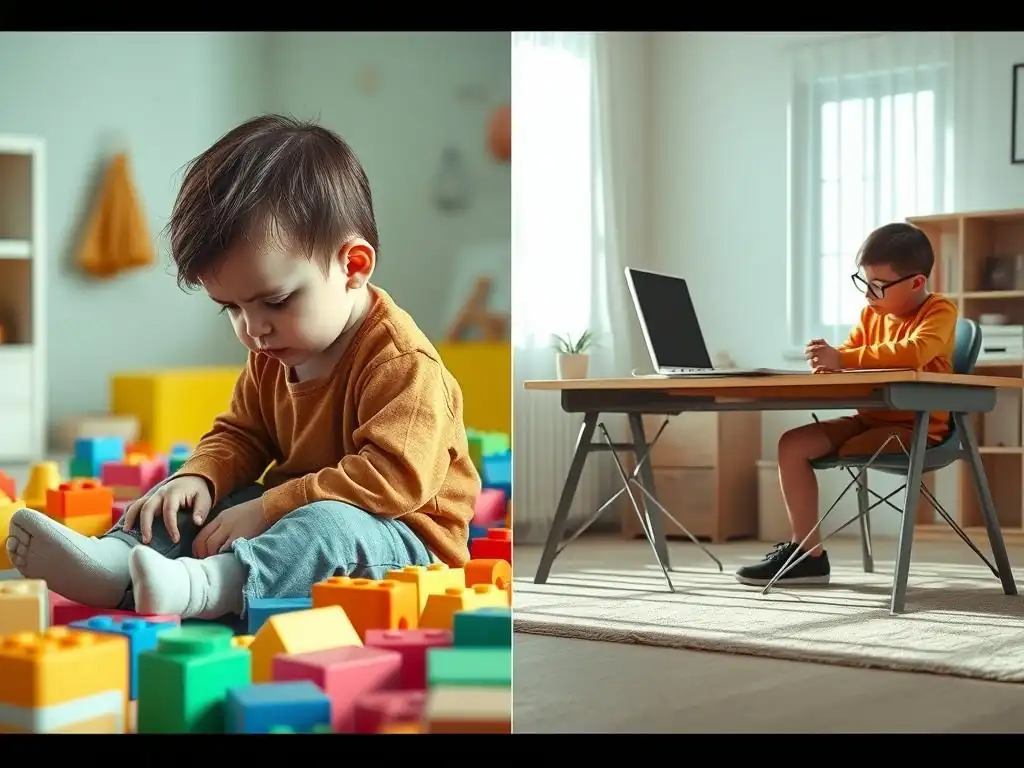
Welcome to Mind Care Guide, a supportive space dedicated to nurturing your mental well-being. Feeling unsure about a little one's mood? It can be especially confusing in the early years. Understanding the nuances of childhood depression is crucial. Dive into our insightful article, " Comparing Ages: How Depression Looks Different in Toddlers vs. Older Kids", and discover a detailed Toddler Depression Symptoms Comparison Guide that will help you navigate the complexities and seek the best possible support. Let's explore together.
Depression in Children: Age-Related Presentation and Management
- Understanding Childhood Depression: An Age-Specific Guide
- Age Matters: Recognizing Depression Differently
- Depression in Preschoolers (Ages 3-5): Identifying Early Signs
- Depression in School-Aged Children (Ages 6-12)
- Preschool vs. School-Aged Depression: A Comparative Overview
- Contributing Factors to Childhood Depression: Age-Specific Considerations
- Diagnosing Depression in Children: Assessment and Collaboration
- Treatment Strategies for Depression in Children
- Seeking Help and Support for Children with Depression
-
Frequently Asked Questions
- What are some key differences in how depression presents in toddlers compared to older children?
- Why is it important to understand the age-specific symptoms of depression?
- What are some common causes or contributing factors to depression in toddlers?
- Where can I find a detailed comparison guide of toddler depression symptoms versus those in older children?
- What resources are available for parents concerned about potential depression in their toddler?
- Final Reflection: Understanding the Evolving Face of Childhood Depression
- Unlock Your Child's Potential: Next Steps to Understanding Depression
Understanding Childhood Depression: An Age-Specific Guide
Depression is a serious mood disorder that can affect people of all ages, including children. While often associated with adults, childhood depression is a significant concern, impacting a child's emotional well-being, behavior, and development. It's crucial to understand that depression in children doesn't always look like depression in adults; its presentation can vary dramatically depending on the child's age and developmental stage.
Recognizing the signs of depression in young children, particularly toddlers and preschoolers, can be challenging because they may lack the language skills to express their feelings verbally. As children grow into the school-aged years, their symptoms may shift, becoming more recognizable to those familiar with adult depression but still distinct. This age-specific variation underscores the need for parents, educators, and caregivers to be aware of the different ways depression can manifest across childhood.
Age Matters: Recognizing Depression Differently
Understanding how age influences the expression of depression is fundamental to identifying and supporting affected children. A toddler depression symptoms comparison guide highlights the stark differences in presentation compared to older children. What might appear as simple defiance or a phase in a young child could be a sign of underlying depression, whereas in an older child, symptoms might be more internal or academic.
The developmental trajectory of a child significantly shapes how they experience and exhibit distress. Younger children tend to express emotional pain through behavior, while older children, with developing cognitive abilities, may articulate feelings or display symptoms that are more internal and aligned with typical adult depression. This variation makes a one-size-fits-all approach to recognizing childhood depression ineffective and emphasizes the importance of an age-attuned perspective.
Challenges in Diagnosing Depression Across Developmental Stages
Diagnosing depression in children presents unique hurdles, largely due to their limited capacity for self-reflection and verbal expression compared to adults. For preschoolers and young school-aged children, symptoms are often behavioral, such as irritability, aggression, or withdrawal, which can easily be misinterpreted as typical childhood tantrums, shyness, or attention problems. This overlap with normal developmental behaviors makes differential diagnosis complex.
Furthermore, symptoms of depression can fluctuate, appearing intermittently rather than consistently, which can further complicate accurate identification. Unlike adults who might report persistent low mood or loss of interest, a child might have good days interspersed with periods of distress. Gathering reliable information often requires input from multiple sources—parents, teachers, and other caregivers—each providing a piece of the puzzle, highlighting the collaborative nature of childhood mental health assessment.
Varied Manifestations of Depression Based on Age
The way depression manifests changes significantly as children progress through different developmental stages. In very young children, symptoms are predominantly expressed through observable behaviors and physical complaints, reflecting their limited verbal and cognitive abilities. They might not say "I feel sad" but instead show increased crying or difficulty sleeping.
As children enter the school-aged years (typically 6-12), their ability to verbalize thoughts and feelings increases. While behavioral symptoms like irritability or withdrawal persist, they may also begin to express feelings of sadness, hopelessness, or worthlessness. Academic problems and difficulty concentrating become more prominent, reflecting the increased cognitive demands placed upon them in a school setting. This shift from primarily behavioral to a mix of behavioral, emotional, and cognitive symptoms is a key differentiator across age groups.
Depression in Preschoolers (Ages 3-5): Identifying Early Signs
Identifying depression in preschoolers requires careful observation, as their symptoms are often subtle and expressed non-verbally. Parents and caregivers should look for persistent changes in a child's typical behavior and emotional state that last for two weeks or longer and represent a departure from their usual self. A toddler depression symptoms comparison guide specifically highlights the unique presentation in this very young age group.
Early indicators of depression in preschoolers might include a noticeable decrease in their usual energy level, changes in their sleep or eating patterns, and a general appearance of being unhappy or withdrawn. While young children naturally experience mood swings, persistent sadness or irritability that interferes with daily activities and play could signal a deeper issue requiring professional evaluation.
Key Indicators of Depression in Preschool Children
Key indicators often involve changes in behavior and physical state. Rather than expressing overt sadness, preschoolers with depression may exhibit increased irritability, anger, or aggression. They might also show a significant loss of interest in activities they previously enjoyed, including playing with toys, engaging with peers, or participating in family activities.
Other important signs include persistent physical complaints without a clear medical cause, such as frequent stomachaches or headaches. Increased clinginess or separation anxiety, even in familiar settings, can also be a symptom. These indicators, particularly when occurring together and representing a change from the child's baseline, warrant closer attention and possibly a consultation with a mental health professional experienced in early childhood.
Common Behavioral Changes in Depressed Preschoolers
Depression in preschoolers often manifests as disruptive or withdrawn behaviors. Parents might notice a child who was once active and playful becoming listless and difficult to engage, or a child who was typically easygoing becoming frequently irritable and prone to tantrums. These behavioral shifts are often the most prominent signs in this age group.
These behavioral changes can significantly impact a child's ability to learn, play, and interact with others, hindering crucial early development. Recognizing these signs is a critical first step toward seeking help and preventing potential long-term impacts on the child's well-being and future development.
Increased Irritability and Aggression
Unlike older children or adults who might express sadness, preschoolers often display depression through increased irritability and anger. They may have more frequent or intense tantrums, lash out physically, or become easily frustrated over minor issues. This can be confusing for caregivers, who might interpret it solely as behavioral problems rather than an underlying mood disorder.
This heightened irritability is a common way for young children to express internal distress they cannot articulate verbally. It's a significant departure from their typical behavior and can lead to difficulties interacting with peers and adults, further isolating the child.
Sleep and Eating Disturbances
Sleep and appetite changes are frequently observed in depressed preschoolers. A child might have difficulty falling asleep or staying asleep, experience frequent nightmares, or sleep excessively during the day. Changes in eating habits can include a loss of appetite, leading to decreased food intake and potential weight loss, or, less commonly, increased appetite.
These physical symptoms are often among the first signs noticed by parents and can have cascading effects on the child's energy levels and overall well-being. Persistent issues with sleep or eating, especially when accompanied by other behavioral changes, should be investigated.
Reduced Playfulness and Engagement
A hallmark symptom across all ages of depression, including preschoolers, is anhedonia, or the loss of interest or pleasure in activities. For a young child, this translates to a noticeable decrease in their usual playfulness. They may stop engaging with favorite toys, lose interest in playing games, or withdraw from social interactions with peers or siblings.
This reduced engagement impacts their ability to learn and develop social skills through play, which is a primary mode of learning in early childhood. Observing a child who seems consistently bored, listless, or uninterested in activities they once loved is a significant indicator.
Separation Anxiety and Clinginess
While some degree of separation anxiety is normal in preschoolers, an increase in clinginess or difficulty separating from caregivers, even in familiar and safe environments like preschool or a relative's home, can sometimes be a symptom of depression. This heightened anxiety may stem from underlying feelings of insecurity or distress.
This behavior can make transitions difficult and may be accompanied by crying, tantrums, or refusal to engage unless a specific caregiver is present. It's important to distinguish this from typical developmental separation anxiety, looking for persistence and co-occurrence with other symptoms.
Emotional Symptoms of Depression in Preschoolers
While verbal expression is limited, preschoolers do exhibit emotional signs of depression, though they may be expressed through behavior rather than words. These symptoms reflect an underlying state of unhappiness or emotional pain.
Recognizing these emotional cues requires sensitivity and careful observation of the child's overall disposition and reactions to their environment.
Frequent Crying and Sadness
Although irritability is often more prominent, some preschoolers with depression do show overt sadness or cry more frequently than usual. This sadness might appear without an obvious trigger and can seem disproportionate to the situation. They might look consistently sad or express feelings of unhappiness through simple phrases if they have the vocabulary.
Observing a child who seems persistently mournful or tearful, even when not faced with a specific stressor, is an important indicator. This visible sadness, coupled with other symptoms, strengthens the possibility of depression.
Loss of Interest in Enjoyable Activities
As mentioned behaviorally, the emotional counterpart is a lack of enjoyment or pleasure in activities that were once stimulating and fun. A depressed preschooler might seem indifferent to playtime, stories, or interaction with peers. This emotional withdrawal from enjoyable experiences is a core symptom.
This loss of interest reflects an internal state of low mood and lack of motivation. It impacts their engagement with the world around them and their ability to experience positive emotions, which is crucial for healthy development.
Depression in School-Aged Children (Ages 6-12)

As children enter the school-aged years, typically spanning elementary and middle school, the presentation of depression begins to shift. They are more capable of expressing their feelings verbally and their cognitive abilities allow for more complex emotional and thought patterns. While some behavioral symptoms persist from the preschool years, new emotional and cognitive symptoms become more prominent.
Recognizing depression in this age group involves paying attention to changes in academic performance, social interactions, and expressed feelings. It's important not to dismiss persistent sadness, irritability, or withdrawal as simply part of growing up or "tween" angst, as these can be clear indicators of depression requiring intervention.
Recognizing Depression in Elementary and Middle School Children
Identifying depression in school-aged children often involves observing changes in their school life, social interactions, and home behavior. Teachers may notice academic decline or difficulty concentrating, while parents might see increased withdrawal from family activities or changes in peer relationships. A toddler depression symptoms comparison guide highlights how different these symptoms are from the earlier years.
Children in this age range can often articulate some of their feelings, reporting sadness, boredom, or frustration, though they may still struggle to label these as "depression." Listening carefully to what they say, as well as observing their actions, is key to recognizing the signs.
Behavioral Manifestations of Depression in Older Children
Behavioral symptoms in school-aged children with depression can include acting out through disruptive behavior or, conversely, becoming significantly withdrawn. These behaviors often impact their functioning at school and at home.
Unlike the primarily irritable presentation in preschoolers, older children may show a wider range of behavioral issues, reflecting the complexities of their social and academic environment.
Academic Difficulties and Concentration Problems
Depression can significantly impair a school-aged child's ability to focus, concentrate, and retain information. This often leads to a decline in academic performance, difficulty completing homework, or decreased participation in class. Teachers are often the first to notice these changes.
This impact on concentration is a common cognitive symptom of depression and directly affects the child's success and confidence in the school setting, potentially creating a cycle of distress.
Changes in Appetite and Weight
Similar to younger children, school-aged children experiencing depression may exhibit changes in appetite. This could manifest as a decreased appetite leading to weight loss, or increased appetite and weight gain, sometimes referred to as "comfort eating." These changes can reflect the child's internal state or attempts to cope with difficult emotions.
Significant or rapid changes in eating patterns or weight that aren't related to a medical condition warrant attention and discussion with a healthcare provider.
Fatigue and Decreased Energy
Depressed school-aged children often report feeling tired or lacking energy, even after adequate sleep. They may seem lethargic, move slowly, or lack motivation to participate in activities they usually enjoy. This fatigue can contribute to academic difficulties and social withdrawal.
This persistent tiredness is more than just occasional fatigue; it's a pervasive lack of vitality that impacts daily functioning and can be a significant burden for the child.
Social Withdrawal and Peer Difficulties
As children age, peer relationships become increasingly important. Depression can lead school-aged children to withdraw from friends, avoid social activities, or experience increased conflict with peers. They may feel misunderstood, isolated, or unable to maintain relationships.
This social withdrawal can exacerbate feelings of loneliness and worthlessness, creating a challenging cycle where depression impacts social skills, which in turn worsens depression.
Emotional and Cognitive Symptoms of Depression in Older Children
With developing cognitive abilities, school-aged children are more likely to express internal emotional and cognitive symptoms associated with depression. These include feelings about themselves and their future.
These symptoms represent a deeper level of internal distress than typically seen in preschoolers and require careful listening and validation from adults.
Feelings of Worthlessness and Guilt
School-aged children with depression may develop negative self-perceptions, feeling worthless, inadequate, or guilty, often without a clear reason. They might blame themselves for problems or feel like they are a burden to others. These feelings reflect a developing capacity for abstract thought and self-evaluation.
These negative thoughts can be deeply ingrained and contribute significantly to the child's overall distress and low mood.
Hopelessness and Negative Thoughts
A sense of hopelessness about the future is a significant symptom in older children with depression. They may express pessimistic views, believe things will never get better, or feel like they have no control over their circumstances. Negative thoughts about themselves, others, and the world are common.
This pervasive negativity can impact motivation and make it difficult for the child to see solutions to problems or believe in the possibility of improvement.
Suicidal Thoughts and Ideation [Disclaimer and Resources]
In some cases, older children experiencing severe depression may have thoughts about death or suicide. This is a critical symptom requiring immediate attention. While difficult to discuss, it's important for parents and caregivers to be aware that children can experience suicidal ideation and to take any mention of these thoughts very seriously. If you suspect a child is having suicidal thoughts, seek immediate professional help from a crisis hotline, emergency room, or mental health professional. Resources are available to help.
It is crucial to create a safe space for children to talk about their feelings and to monitor for any signs of suicidal thinking or behavior.
Preschool vs. School-Aged Depression: A Comparative Overview
Comparing the symptoms of depression in preschoolers and school-aged children reveals significant differences shaped by developmental stage. While both groups experience a change from their typical baseline, the way this distress is expressed varies considerably. This toddler depression symptoms comparison guide highlights the practical implications for recognition and intervention.
Understanding these distinctions is vital for parents, educators, and clinicians to accurately identify depression and implement appropriate support strategies tailored to the child's age and needs. Misinterpreting symptoms can lead to delayed diagnosis and treatment.
Emotional and Behavioral Presentation Differences
The most striking difference lies in the primary mode of expression. Preschoolers tend to exhibit depression through behavioral symptoms, such as irritability, tantrums, physical complaints, and withdrawal from play. Overt sadness is less common or harder to identify. Their distress is often acted out rather than articulated.
In contrast, school-aged children display a mix of behavioral, emotional, and cognitive symptoms. While irritability and withdrawal can still occur, they are more likely to verbalize feelings of sadness, hopelessness, and worthlessness. Academic problems and changes in peer relationships become more prominent behavioral indicators.
Cognitive Development and its Influence on Depression Expression
A child's cognitive development plays a crucial role in how depression is experienced and expressed. Preschoolers, with limited abstract thinking and verbal skills, process emotions on a more concrete level, often resulting in physical and behavioral manifestations. They lack the capacity to articulate complex feelings like guilt or hopelessness.
Older school-aged children, with more developed language and cognitive abilities, can internalize feelings and engage in negative thought patterns. They can understand concepts like self-worth and future, making them susceptible to feelings of worthlessness and hopelessness. This cognitive capacity allows for the expression of symptoms that more closely resemble adult depression, including negative self-talk and suicidal ideation.
Contributing Factors to Childhood Depression: Age-Specific Considerations
Several factors can contribute to the development of depression in children, and the impact of these factors can vary somewhat depending on the child's age and developmental stage. While some risk factors are universal, their interaction with a child's evolving capacity to understand and cope can differ.
Understanding these contributing factors can help in identifying children who may be at higher risk and in developing targeted prevention and intervention strategies.
Genetic Vulnerability and Family History
A family history of depression or other mood disorders is a significant risk factor for childhood depression across all ages. Children with a parent or close relative who has experienced depression are statistically more likely to develop the condition themselves. Estimates suggest that having a parent with depression can increase a child's risk by roughly two to four times.
This genetic predisposition interacts with environmental factors. For instance, a child with a genetic vulnerability living in a stressful environment may be at higher risk than a child with the same vulnerability in a supportive setting. This factor is present from birth and influences susceptibility throughout childhood.
Adverse Childhood Experiences and Trauma
Adverse Childhood Experiences (ACEs), such as abuse, neglect, household dysfunction (e.g., parental substance abuse, mental illness, divorce), and trauma, are strongly linked to an increased risk of depression in children. The impact of ACEs can be profound and long-lasting.
The specific type and timing of trauma can influence its manifestation. Early trauma in the preschool years might primarily affect brain development related to emotional regulation, potentially leading to more behavioral symptoms. Trauma experienced in older childhood might interact with developing cognitive schemas, contributing to negative self-beliefs and hopelessness. Research indicates a dose-response relationship, meaning the more ACEs a child experiences, the higher their risk of depression and other health issues.
Temperament and Individual Resilience
A child's innate temperament and level of resilience also play a role. Children with challenging temperaments (e.g., highly reactive, withdrawn) or those with lower inherent resilience may be more vulnerable to depression when faced with stressors. Conversely, children with easy temperaments or high resilience may be better equipped to cope with adversity.
While temperament has an early influence, resilience can be fostered and built over time through supportive relationships and positive experiences. This means that while some children may start with a higher vulnerability, protective factors can help mitigate risk across their development.
Diagnosing Depression in Children: Assessment and Collaboration
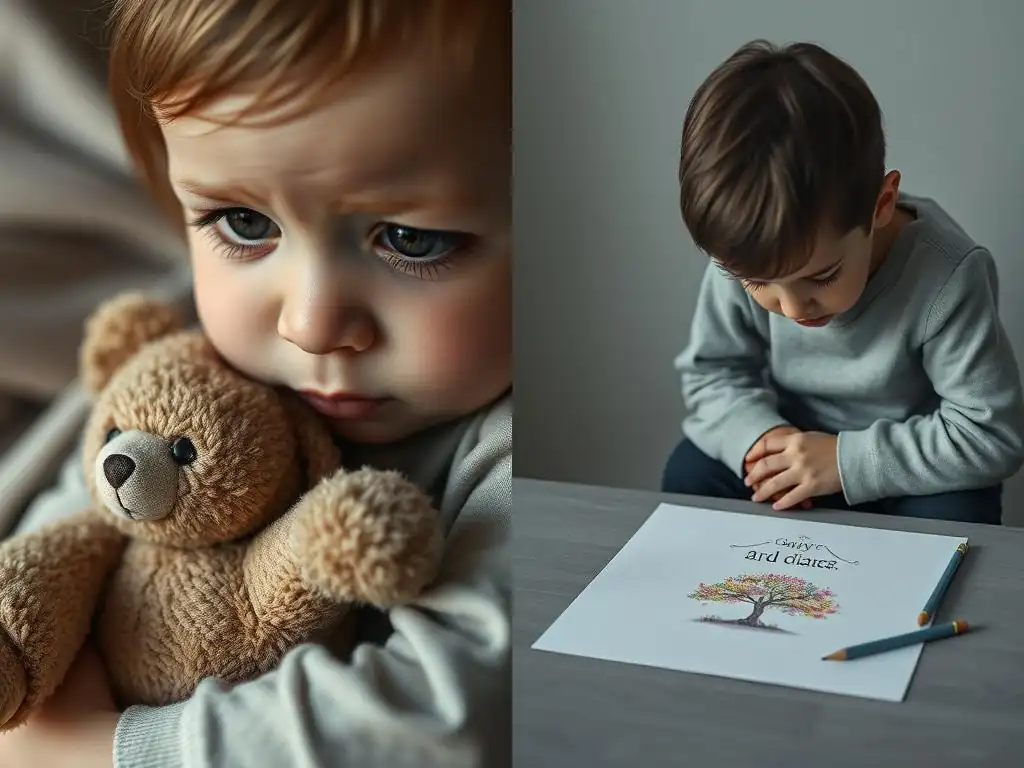
Diagnosing depression in children requires a comprehensive assessment conducted by a qualified mental health professional. Given the variability in symptom presentation across age groups and the difficulty children have in self-reporting, the diagnostic process relies heavily on information gathered from multiple sources and through age-appropriate methods.
A thorough assessment helps differentiate depression from normal developmental fluctuations, other mental health conditions, or medical issues. Collaboration between clinicians, parents, and, when appropriate, teachers is essential for an accurate diagnosis.
Age-Appropriate Assessment Methods
Assessment methods are tailored to the child's developmental stage. For preschoolers, assessment relies heavily on direct observation of the child's behavior during play and interaction, as well as detailed interviews with parents and caregivers about the child's history, behaviors, and emotional state. Standardized rating scales completed by parents or teachers can provide objective data on symptom frequency and severity.
For school-aged children, assessment may include interviews with the child themselves (using age-appropriate language and techniques), interviews with parents and teachers, behavioral observations, and standardized questionnaires or rating scales completed by the child, parents, and teachers. Play therapy techniques might still be used to help younger school-aged children express themselves.
Engaging Parents and Caregivers in the Diagnostic Process
Parents and caregivers are invaluable sources of information in diagnosing childhood depression. They typically have the most comprehensive understanding of the child's history, usual behavior, and recent changes. Clinicians rely on parental reports regarding the onset, duration, and severity of symptoms, as well as information about family history and stressors.
Engaging parents ensures a holistic view of the child's life and functioning across different settings. It also empowers parents to become active participants in the diagnostic and treatment process, which is crucial for successful outcomes.
Differentiating Depression from Typical Childhood Behaviors
One of the primary challenges in diagnosing childhood depression is distinguishing symptoms from typical developmental behaviors or transient mood swings. For instance, irritability is common in toddlers, and academic struggles can occur for various reasons in school-aged children. Clinicians look for symptoms that are persistent, pervasive across multiple settings, represent a significant change from the child's baseline functioning, and cause significant distress or impairment.
This differentiation requires a nuanced understanding of child development and psychopathology. A toddler depression symptoms comparison guide helps highlight that while preschoolers can be irritable, persistent, severe irritability paired with other symptoms like sleep/eating changes and loss of interest in play is different from a typical toddler tantrum. Similarly, occasional sadness in an older child differs from pervasive hopelessness and functional impairment.
Treatment Strategies for Depression in Children
Treatment for childhood depression is typically multimodal, involving therapeutic interventions, and in some cases, medication. The specific approach is tailored to the child's age, the severity of symptoms, and the unique needs of the child and family. Early intervention is key to improving outcomes.
Evidence-based treatments have been developed for childhood depression, with different modalities proving effective for different age groups.
Therapeutic Interventions for Preschoolers
Therapeutic interventions for preschoolers with depression often focus on the child-parent relationship and expression through play, given their limited verbal abilities. The goal is to help the child regulate emotions and for parents to understand and respond effectively to their child's needs.
These therapies often involve parents actively participating in sessions to learn strategies for supporting their child's emotional development and managing challenging behaviors.
Play Therapy
Play therapy is a common and effective intervention for young children. It allows children to express their feelings, experiences, and difficulties through play, which is their natural mode of communication. A trained play therapist uses toys and creative activities to help the child process emotions and work through challenges in a safe environment.
This non-directive approach can be particularly useful for preschoolers who cannot articulate their feelings verbally but can show them through their interactions with toys and the therapist.
Parent-Child Therapy
Parent-child therapies, such as Parent-Child Interaction Therapy (PCIT) or Child-Parent Psychotherapy (CPP), are highly effective for treating depression and other mental health issues in very young children. These therapies focus on strengthening the parent-child relationship, improving communication patterns, and helping parents understand and respond sensitively to their child's emotional cues.
By improving the parent-child bond and interaction, these therapies create a more secure and supportive environment for the child, fostering emotional regulation and reducing depressive symptoms.
Treatment Approaches for School-Aged Children
For school-aged children, therapeutic interventions often incorporate more verbal and cognitive components, reflecting their developing abilities. Individual therapy for the child is common, often alongside family therapy.
These approaches help older children understand their thoughts and feelings, develop coping skills, and improve problem-solving abilities.
Cognitive Behavioral Therapy (CBT)
Cognitive Behavioral Therapy (CBT) is a highly effective and widely used treatment for depression in school-aged children and adolescents. CBT helps children identify and challenge negative thought patterns that contribute to their depression (e.g., feelings of worthlessness, hopelessness). They learn to replace these negative thoughts with more realistic and positive ones.
CBT also teaches children behavioral strategies, such as increasing engagement in enjoyable activities, developing problem-solving skills, and improving social interactions, to help alleviate depressive symptoms. Studies consistently show its efficacy in reducing depression severity in this age group.
Family Therapy
Family therapy can be a valuable component of treatment for childhood depression across age groups, but it is particularly relevant for school-aged children as family dynamics can significantly impact their well-being. Family therapy helps improve communication within the family, resolve conflicts, and ensure the child receives adequate support from family members.
It can also help parents understand depression and learn strategies for supporting their child at home, managing challenging behaviors, and promoting a positive family environment.
Medication for Childhood Depression: Guidelines and Considerations [Disclaimer and Information]
Medication, typically antidepressants, may be considered for moderate to severe depression in school-aged children, often in combination with psychotherapy. However, medication is used cautiously in children and is not typically the first line of treatment, especially for mild depression or in very young children like preschoolers. Decisions about medication should always be made in consultation with a qualified child psychiatrist or pediatrician specializing in mental health, after a thorough evaluation. Information provided here is for awareness; always consult a healthcare professional for medical advice.
The use of antidepressants in children requires careful monitoring for side effects and effectiveness. The prescriber will weigh the potential benefits against the risks and discuss these thoroughly with the parents and, when appropriate, the child.
Seeking Help and Support for Children with Depression
Recognizing the signs of depression in a child, whether a toddler or a school-aged child, is the first critical step. The next is seeking professional help. Childhood depression is treatable, and early intervention significantly improves outcomes, helping children return to healthy developmental trajectories.
Parents and caregivers do not need to navigate this challenge alone. A network of professionals and resources is available to provide support, guidance, and effective treatment.
Finding Qualified Mental Health Professionals
Finding a mental health professional with expertise in treating children and adolescents is crucial. Look for child psychologists, child psychiatrists, licensed clinical social workers, or licensed professional counselors who specialize in pediatric mental health. They should be familiar with age-appropriate assessment and treatment methods.
You can find qualified professionals through referrals from your pediatrician, school counselors, mental health organizations, or online directories that allow filtering by specialization and age group.
Support Resources for Parents and Families
Dealing with a child's depression can be stressful for the entire family. Numerous resources are available to support parents and caregivers, including parent support groups, educational materials on childhood depression, and family therapy. Organizations dedicated to mental health often provide valuable information and connect families with resources.
Seeking support for yourself is also important, as parental stress can impact the child's well-being. Support groups or individual therapy for parents can provide coping strategies and emotional support.
Creating a Nurturing Home Environment
A supportive and nurturing home environment is a powerful protective factor for children's mental health and is vital during treatment for depression. This includes ensuring the child feels loved, safe, and understood. Maintaining consistent routines, encouraging healthy habits (sleep, nutrition, physical activity), and facilitating positive interactions can significantly benefit a child with depression.
Encourage open communication, validate their feelings, and celebrate small successes. Reducing family conflict and providing stable, predictable care helps create a foundation for healing and resilience.
Frequently Asked Questions
What are some key differences in how depression presents in toddlers compared to older children?
Toddler depression often manifests as irritability, withdrawal, and sleep disturbances, whereas older children may display more sadness or hopelessness. The expression of emotions and understanding of feelings differs significantly between the two age groups.
Why is it important to understand the age-specific symptoms of depression?
Understanding these differences allows for earlier and more accurate diagnosis. This leads to timely intervention and support, improving outcomes for children experiencing depression.
What are some common causes or contributing factors to depression in toddlers?
Factors can include traumatic experiences, family history of mental illness, or difficult early childhood environments. Early childhood adversity can significantly impact a toddler's emotional development.
Where can I find a detailed comparison guide of toddler depression symptoms versus those in older children?
Mind Care Guide offers a comprehensive "Toddler Depression Symptoms Comparison Guide" on its website. This resource provides a detailed breakdown of symptoms across different age groups.
What resources are available for parents concerned about potential depression in their toddler?
Consulting with a pediatrician or child psychologist is crucial for assessment and support. Mind Care Guide also provides information and links to relevant mental health resources.
Final Reflection: Understanding the Evolving Face of Childhood Depression
The subtle signs of depression in young children are often missed, leading to delayed treatment and prolonged suffering. This article highlighted the crucial differences in how depression manifests in toddlers versus older children, emphasizing the need for age-appropriate recognition and intervention. Failing to understand these nuances can have devastating consequences, delaying crucial support and hindering a child's healthy development.
The journey of understanding childhood mental health is a continuous one, constantly evolving as we learn more about the complexities of the developing brain. The impact of early childhood experiences on mental well-being is profound, shaping the trajectory of a child's life. The most important period of a child's life is the first five years, because that's when the foundation for the rest of their life is laid.
This quote underscores the urgency of early identification and intervention, ensuring that children receive the support they need to thrive. The societal stigma surrounding mental health, especially in children, further complicates the issue, making open conversations and increased awareness even more critical.
You, the reader, now possess a deeper understanding of the diverse ways depression can present itself in young children. Take this knowledge and use it to advocate for early screening, support families facing these challenges, and most importantly, to be vigilant in observing the children in your life. Remember, early intervention can make all the difference in a child's journey towards healing and a brighter future. Let's work together to create a society that prioritizes the mental well-being of our youngest members.
Unlock Your Child's Potential: Next Steps to Understanding Depression
Thanks for taking the time to learn about the unique ways depression manifests in children of different ages. We hope this article equipped you with valuable insights to better support your little one. Now, let's take action!
- Prioritize open communication: Engage in regular, age-appropriate conversations with your child about their feelings. Listen attentively and validate their emotions, even if you don't fully understand. This is the most crucial step in early intervention.
- Consider seeking professional guidance: If you have concerns, don't hesitate to connect with a pediatrician, therapist, or other mental health professional specializing in child development. They can offer personalized support and create a tailored plan.
- Share this knowledge: Help other parents navigate this challenging topic by sharing this article with those you know who may benefit from it. Let's build a community of support around mental health in children.
What specific strategies will you implement today to nurture your child's emotional well-being?