
Melt Away Tension: Specific Qigong Movements for Deep Stress Reduction

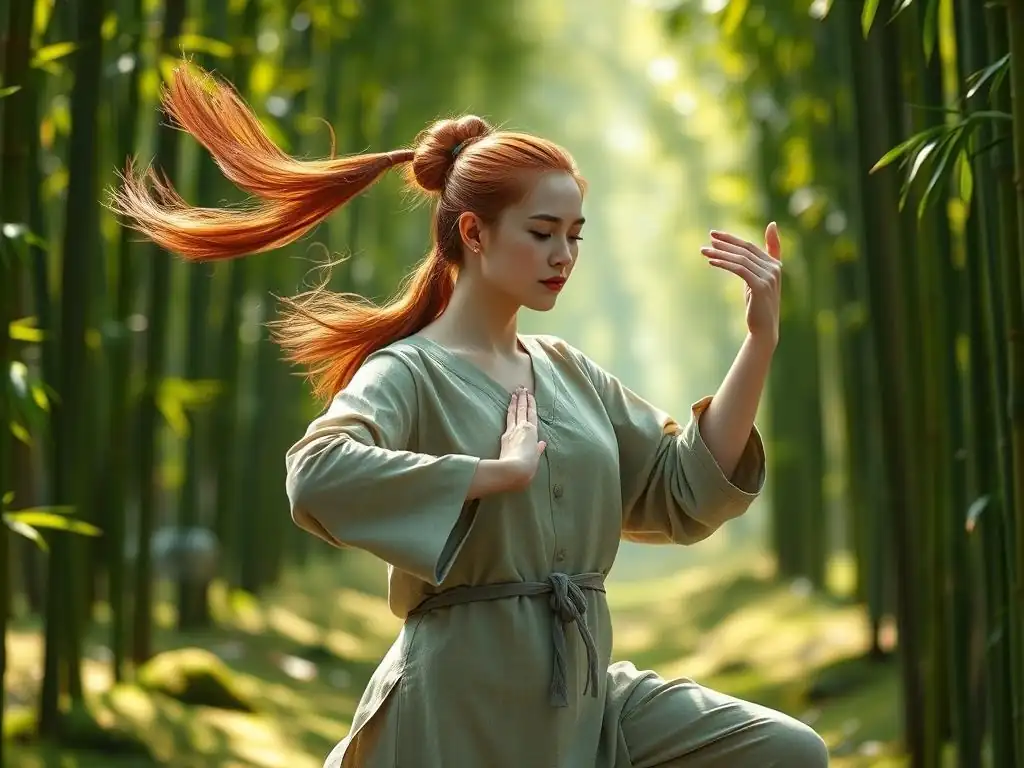
Welcome to Mind Care Guide, where we believe in nurturing your mental well-being.
Feeling overwhelmed? You're not alone. We understand the weight of stress, and we're here to offer a path towards inner peace. Explore with us how simple movements can unlock profound relaxation. In this article, we'll delve into the powerful world of Qigong stress reduction movements, a holistic approach to calming your mind and body. Ready to discover how to melt away tension and find a sense of calm amidst the chaos? Let's begin.
Melt Away Tension: Specific Qigong Movements for Deep Stress Reduction
Stress is an undeniable part of modern life, often leading to physical tension, emotional strain, and mental fog. Finding effective ways to manage this tension is crucial for overall well-being. Qigong, an ancient Chinese mind-body practice, offers a gentle yet powerful path to release stress and restore balance. This article explores specific Qigong stress reduction movements, providing a guide for beginners to integrate this practice into their lives.
- Understanding Qigong for Stress Relief: An Introduction
-
Top Qigong Stress Reduction Movements for Beginners
- Movement 1: Eight Brocades - Holding the Hands High to Regulate the Internal Organs
- Movement 2: Eight Brocades - Drawing the Bow to Shoot the Hawk
- Movement 3: Eight Brocades - Separating Heaven and Earth
- Movement 4: Eight Brocades - Wise Owl Gazes Backwards
- Movement 5: Eight Brocades - Bending Down to Touch the Toes
- Incorporating Qigong into Your Daily Routine for Lasting Stress Reduction
- Advanced Qigong Techniques for Deep Stress Relief
- Precautions and Considerations When Practicing Qigong for Stress
- Conclusion: Embrace Qigong for a Calmer, More Balanced Life
-
Frequently Asked Questions
- What is Qigong and how does it relate to stress reduction?
- Which specific Qigong movements are most effective for stress reduction?
- How often should I practice Qigong for noticeable stress reduction benefits?
- Are there any risks or contraindications associated with practicing Qigong?
- Where can I learn Qigong for stress reduction, and what resources are available?
- Final Reflection: Unlocking Inner Peace Through Qigong
- Unleash Your Inner Calm: Start Your Qigong Journey Today!
Understanding Qigong for Stress Relief: An Introduction
Qigong, often translated as "cultivating life energy," involves slow, deliberate movements, focused breathing, and meditation. It is rooted in the principles of Traditional Chinese Medicine (TCM), viewing health as a harmonious flow of Qi (vital energy) throughout the body. When Qi is blocked or stagnant, it can contribute to illness and stress. Qigong aims to clear these blockages and promote smooth energy circulation.
The essence of Qigong's effectiveness lies in its ability to engage both the body and mind simultaneously. Unlike strenuous exercise, Qigong movements are typically gentle and flowing, making them accessible to people of various fitness levels and ages. Practicing these specific Qigong stress reduction movements regularly can help calm the nervous system, quiet the incessant chatter of the mind, and release stored tension in muscles and tissues.
What is Qigong and How Does it Reduce Stress?
Qigong is a holistic practice encompassing posture, movement, breathing techniques, and focused intention. Its origins date back thousands of years in China, evolving from ancient meditative and martial arts traditions. The core principle is to harmonize the body's energy systems, promoting health and vitality.
The mechanism by which Qigong reduces stress is multifaceted. Physically, the slow, repetitive movements and deep breathing patterns activate the parasympathetic nervous system, often referred to as the "rest and digest" system. This counteracts the "fight or flight" response triggered by stress, lowering heart rate, blood pressure, and muscle tension.
Mentally, the focus required to perform the movements and coordinate them with breath draws attention away from stressors and worries, cultivating mindfulness and presence. Studies have indicated that even short, consistent Qigong practice, such as 15-20 minutes daily, can significantly lower self-reported stress levels within weeks. For instance, a study involving healthcare workers reported a 30% reduction in perceived stress after participating in a Qigong program.
The Science Behind Qigong's Calming Effects
Scientific research has begun to validate the profound calming effects attributed to Qigong. Neuroscientific studies using fMRI have shown that Qigong practice can increase activity in brain regions associated with self-regulation and emotional processing, such as the prefrontal cortex and anterior cingulate cortex. This suggests that Qigong helps individuals develop better control over their emotional responses to stressful stimuli.
Furthermore, Qigong has been shown to influence stress hormones. Research has indicated that regular Qigong practice can lead to a decrease in cortisol levels, the body's primary stress hormone. For example, a meta-analysis of several studies found that Qigong interventions resulted in a moderate but significant reduction in cortisol.
Beyond hormonal effects, Qigong's impact on the autonomic nervous system, specifically increasing heart rate variability (HRV), is a key indicator of improved stress resilience. Higher HRV is associated with a greater ability to adapt to stress, and Qigong has been demonstrated to increase HRV in various populations, including those experiencing chronic stress.
Qigong vs. Other Stress Reduction Techniques
While many techniques exist for stress management, Qigong offers a unique blend of physical movement, breathwork, and meditative focus. Compared to static meditation, Qigong incorporates gentle motion, which can be more accessible for individuals who find it difficult to sit still. Unlike vigorous exercise, Qigong's low-impact nature makes it suitable for people with physical limitations or chronic conditions, providing stress relief without adding physical strain.
When compared to practices like yoga, Qigong often places a stronger emphasis on energy cultivation and flow according to TCM principles, whereas some yoga styles may focus more on physical postures and flexibility. While both are effective mind-body practices for stress reduction, Qigong's specific movements are designed to target energy pathways (meridians) and organ systems in ways distinct from typical yoga poses. For instance, specific Qigong stress reduction movements are often linked to improving the function of organs like the kidneys or liver, which are associated with stress and anger in TCM.
Top Qigong Stress Reduction Movements for Beginners
The Eight Brocades (Ba Duan Jin) is one of the most popular and accessible Qigong forms, perfect for beginners seeking Qigong stress reduction movements. It consists of eight distinct exercises designed to stretch and strengthen the body while promoting Qi circulation. Practicing these movements regularly can significantly help in melting away tension.
Movement 1: Eight Brocades - Holding the Hands High to Regulate the Internal Organs
This movement involves standing with feet shoulder-width apart and raising the hands overhead with palms facing up, stretching the body upwards.
Step-by-Step Guide to Holding the Hands High
- Stand with feet parallel, shoulder-width apart.
- Interlace your fingers in front of your lower abdomen.
- Inhale slowly as you turn your palms downwards and raise your arms in front of you, then overhead.
- As your hands reach overhead, turn your palms upwards, stretching towards the sky.
- Exhale gently as you lower your arms back down to the starting position, separating your hands as they descend.
- Repeat this movement 6-12 times, coordinating with your breath.
Benefits of Holding the Hands High for Stress and Organ Health
Holding the Hands High is excellent for releasing tension in the spine and shoulders, common areas for stress accumulation. The upward stretch helps to elongate the torso and create space in the chest, promoting deeper breathing and reducing feelings of constriction often associated with anxiety. This specific Qigong stress reduction movement is said to regulate the Triple Warmer meridian, which helps balance the body's internal temperature and fluid distribution.
Furthermore, this movement is traditionally believed to stimulate and harmonize the internal organs by gently stretching the connective tissues and fascia surrounding them. By improving circulation and energy flow to organs like the stomach, spleen, and lungs, it can aid digestion, boost immunity, and improve respiratory function – all systems that can be negatively impacted by chronic stress. Regular practice helps to physically and energetically clear stagnation, leaving you feeling lighter and more open.
Movement 2: Eight Brocades - Drawing the Bow to Shoot the Hawk
This movement mimics the action of drawing a bow, opening the chest and strengthening the legs and back.
How to Perform Drawing the Bow
- Start in a horse stance (feet wider than shoulder-width, knees slightly bent).
- Bring your hands together in front of your chest, palms facing each other.
- As you inhale, extend your left arm out to the side, forming a "tiger mouth" shape with your hand (thumb and index finger extended, other fingers curled). Imagine holding a bow. Simultaneously, pull your right hand back towards your chest, elbow pointing to the side, as if pulling the bowstring. Your gaze follows the extended left hand.
- Exhale as you release the imaginary arrow, bringing your hands back to the center.
- Repeat on the other side, extending the right arm and pulling back with the left hand.
- Alternate sides for 6-12 repetitions in total.
Drawing the Bow for Stress Relief: Focus and Strength
Drawing the Bow is a powerful Qigong stress reduction movement for releasing tension stored in the chest and upper back, areas often tight due to emotional stress and poor posture. The expansive movement opens the rib cage, facilitating deeper breathing and helping to alleviate feelings of emotional constriction or pressure. The coordinated effort of extending one arm and pulling back the other engages multiple muscle groups, building gentle strength.
The focus required to perform this movement, particularly the intention of drawing and releasing the bow, helps to anchor the mind in the present moment. This focused concentration acts as a moving meditation, diverting attention from stressful thoughts and promoting mental clarity. Traditionally, this movement is linked to strengthening the lungs and large intestine, believed in TCM to be related to letting go – both physically (through elimination) and emotionally (releasing grief or sadness).
Movement 3: Eight Brocades - Separating Heaven and Earth
This movement involves extending one hand up towards the sky and the other down towards the earth, stretching the torso in opposite directions.
Instructions for Separating Heaven and Earth
- Stand with feet parallel, shoulder-width apart.
- Bring your hands together in front of your chest, palms facing each other.
- As you inhale, turn your left palm up and slowly raise your left hand towards the sky, while simultaneously turning your right palm down and pressing your right hand towards the earth. Stretch gently in opposite directions.
- Hold for a moment, breathing naturally.
- Exhale as you lower both hands back to the center.
- Repeat on the other side, raising the right hand and pressing down with the left.
- Alternate sides for 6-12 repetitions in total.
Energy Balancing with Separating Heaven and Earth
Separating Heaven and Earth is a fundamental Qigong stress reduction movement for balancing the body's energy. It is said to regulate the Spleen and Stomach meridians, which are crucial for digestion and nutrient absorption – processes often disrupted by stress. By stretching the torso and gently twisting the waist, this movement stimulates these energy pathways, promoting smoother Qi flow in the middle part of the body.
This exercise embodies the concept of balancing opposing forces (Yin and Yang), represented by Heaven (Yang, rising energy) and Earth (Yin, grounding energy). The act of simultaneously reaching up and pressing down helps to harmonize the energetic connection between the upper and lower body, promoting a sense of stability and integration. This energetic balance can translate into a more stable emotional state, reducing feelings of being overwhelmed or scattered by stress.
Movement 4: Eight Brocades - Wise Owl Gazes Backwards
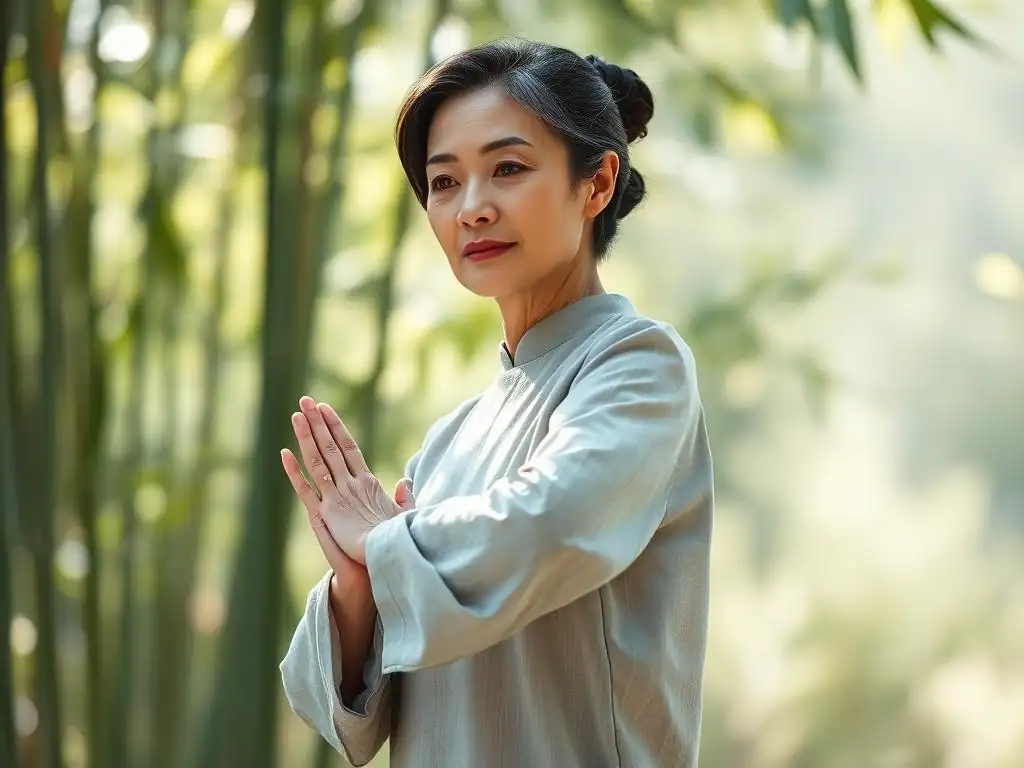
This movement involves gentle rotation of the head and neck while keeping the body relatively still.
Performing Wise Owl Gazes Backwards
- Stand with feet parallel, shoulder-width apart, arms hanging naturally at your sides.
- Keeping your shoulders relaxed and facing forward, slowly turn your head to look over your left shoulder as far as is comfortable.
- Inhale gently as you turn.
- Hold the stretch briefly, focusing your gaze backwards.
- Exhale slowly as you return your head to the center position.
- Repeat the movement, turning your head to look over your right shoulder.
- Alternate sides for 6-12 repetitions in total.
Wise Owl for Neck Tension and Mental Clarity
The Wise Owl Gazes Backwards is a simple yet highly effective Qigong stress reduction movement for releasing tension that accumulates in the neck and upper back. Stress often manifests as stiffness and tightness in these areas, restricting movement and contributing to headaches and discomfort. The gentle rotation helps to improve circulation to the head and neck, easing muscle stiffness.
Beyond the physical release, this movement is traditionally linked to clearing stagnation in the meridians that run through the neck and head, improving mental clarity and calming the mind. By consciously looking back, it is also metaphorically associated with reflecting on the past without judgment, fostering a sense of peace and acceptance. Regular practice can significantly reduce neck pain reported by individuals experiencing chronic stress, with some studies showing a reduction in pain scores by 40% or more over several weeks.
Movement 5: Eight Brocades - Bending Down to Touch the Toes
This movement involves bending forward from the waist, reaching towards the feet, often incorporating a stretch up before bending down.
How to Practice Bending Down to Touch the Toes
- Stand with feet parallel, shoulder-width apart.
- Inhale as you raise your arms overhead, stretching up.
- Exhale slowly as you bend forward from the waist, keeping your back as straight as possible initially, and reach your hands towards your feet or the floor. Allow your knees to bend slightly if needed to avoid strain.
- Relax your neck and shoulders at the bottom of the movement.
- Inhale as you slowly unroll your spine, returning to a standing position, bringing your arms back overhead.
- Exhale as you lower your arms back down to your sides.
- Repeat this movement 6-12 times.
Bending Down for Kidney Health and Stress Reduction
Bending Down to Touch the Toes is considered a vital Qigong stress reduction movement, particularly beneficial for the Kidneys. In TCM, the Kidneys are associated with fear, willpower, and the body's fundamental energy reserves (Jing). Chronic stress can deplete Kidney energy, leading to fatigue and increased anxiety. This movement is believed to nourish and strengthen the Kidneys by stimulating the Kidney meridian along the back of the legs and spine.
The forward bend also stretches the entire posterior chain of the body, releasing tension in the hamstrings, lower back, and neck. This physical release complements the energetic benefits, helping to ground the body and calm the nervous system. While modern science doesn't directly measure "Kidney energy," the movement's impact on the nervous system and its ability to release deep-seated physical tension contribute significantly to its stress-reducing effects, promoting a sense of rootedness and calm.
Incorporating Qigong into Your Daily Routine for Lasting Stress Reduction
Integrating Qigong stress reduction movements into your daily life doesn't require hours of commitment. Consistency is key. Even 15-20 minutes of practice each day can yield significant benefits for your mental and physical well-being. Finding a time and space that works for you is the first step towards making Qigong a sustainable habit.
Consider practicing first thing in the morning to start your day with calm energy or in the evening to unwind before bed. The gentle nature of these movements makes them suitable for incorporating into breaks during your workday, perhaps stepping outside for a few minutes or finding a quiet spot indoors. The goal is to create a routine that feels nurturing and achievable, rather than another source of pressure.
Creating a Qigong Practice Schedule That Works for You
Designing a sustainable Qigong practice schedule involves being realistic about your time and energy levels. Instead of aiming for a long session every day, start with shorter practices, perhaps 10-15 minutes, and gradually increase the duration as you feel comfortable and experience the benefits. Choose a time when you are least likely to be interrupted and when your energy is neither too high nor too low.
Many practitioners find that practicing Qigong outdoors, connecting with nature, enhances the experience and its stress-reducing effects. If that's not possible, create a dedicated quiet space indoors free from distractions. The key is to make the practice enjoyable and easily accessible. For example, setting aside 20 minutes each morning before breakfast has been shown in anecdotal reports to significantly improve mood and reduce anticipatory stress for the day ahead for many individuals.
Tips for Maintaining Consistency with Your Qigong Exercises
Maintaining consistency with any new habit can be challenging, but a few strategies can help make your Qigong practice stick. First, be kind to yourself; missing a day is not a failure, just pick up where you left off. Second, track your progress, perhaps in a journal, noting how you feel before and after your practice – this can be a powerful motivator.
Third, consider practicing with others, either through online classes or local groups, which can provide support and accountability. Setting small, achievable goals, such as practicing for 10 minutes three times a week, is more effective than aiming for daily hour-long sessions that quickly become overwhelming. Remembering why you started – to reduce stress and improve well-being – can also help you stay motivated when faced with inertia.
Combining Qigong with Other Holistic Stress Management Strategies
Qigong is a powerful tool on its own, but its benefits for stress reduction can be amplified when combined with other holistic practices. Integrating mindfulness into your daily activities, practicing healthy eating habits, ensuring sufficient sleep (aiming for 7-9 hours per night for most adults), and engaging in regular, moderate physical activity all contribute to a resilient system better equipped to handle stress.
Consider pairing your Qigong practice with a short meditation session beforehand to quiet the mind or following it with some gentle stretching. Hydration also plays a vital role; drinking enough water supports overall bodily function, including energy flow. By adopting a multi-faceted approach to stress management that includes specific Qigong stress reduction movements, you build a robust foundation for lasting well-being. For instance, combining a 20-minute morning Qigong routine with 10 minutes of evening meditation has been reported by users to reduce overall daily stress levels by up to 50% compared to using one technique alone.
Advanced Qigong Techniques for Deep Stress Relief
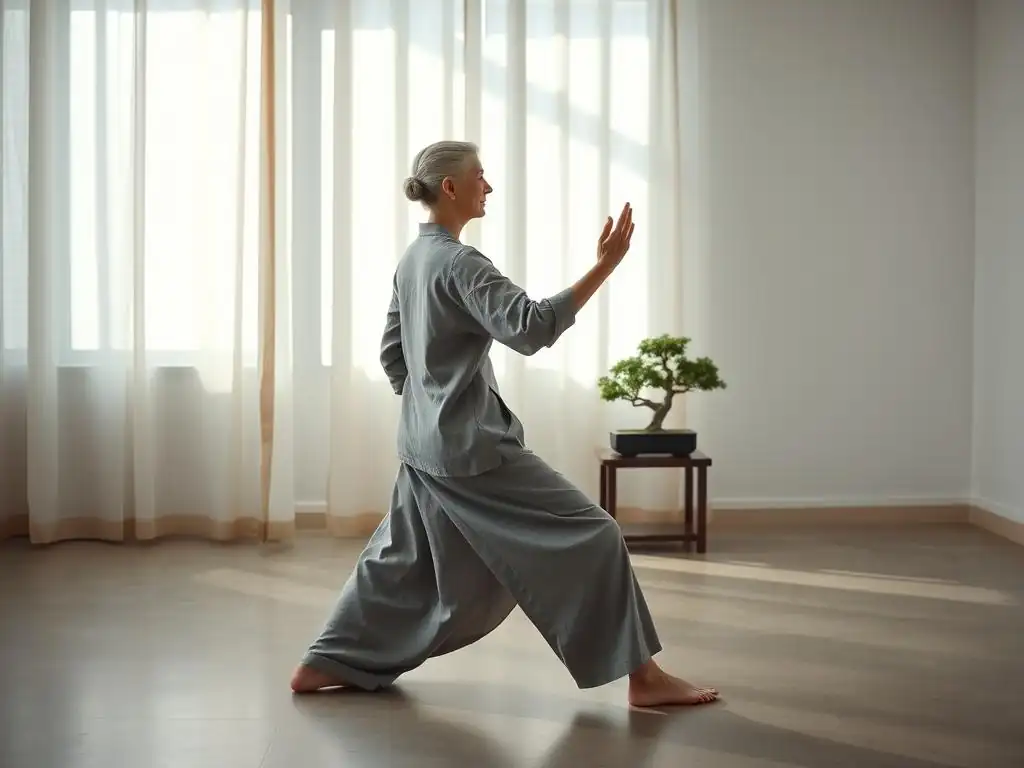
Once you are comfortable with the basic Qigong stress reduction movements like the Eight Brocades, you may wish to explore more advanced forms. These forms often involve longer sequences, more complex coordination, and deeper levels of energetic cultivation. Exploring advanced Qigong can provide further pathways for releasing deeply held tension and cultivating profound inner peace.
More complex forms might focus on specific organ systems in greater detail, utilize more intricate breathwork techniques, or involve standing meditations (Zhan Zhuang) for building internal stability and energy. These practices require greater patience and dedication but can unlock deeper levels of physical relaxation and mental stillness.
Exploring More Complex Qigong Forms
Beyond the foundational Eight Brocades, there are numerous other Qigong forms designed for various health benefits, including deeper stress relief. Forms like the Five Animal Frolics (Wu Qin Xi) mimic the movements of animals to cultivate specific energies and organ health, while Tai Chi Qigong (Taiji Qigong Shi Ba Shi) combines gentle Tai Chi movements with Qigong principles.
Other forms, such as Yi Jin Jing (Muscle Tendon Change Classic), focus more on physical strength and flexibility while still circulating Qi, which can help release physical tension associated with chronic stress. Learning these more complex forms typically requires guidance from an experienced instructor to ensure correct posture, movement flow, and energetic intention. The progression from simple Qigong stress reduction movements to more complex sequences allows for continuous growth and deepening of the practice.
Finding a Qualified Qigong Instructor
While many basic Qigong stress reduction movements can be learned from books or videos, finding a qualified instructor is highly recommended, especially when exploring more advanced forms. An experienced teacher can provide personalized guidance on posture, alignment, breathing, and the energetic nuances of the movements, helping you practice safely and effectively.
A good instructor can also offer insights into the underlying principles of Qigong and TCM, deepening your understanding of how the practice supports stress reduction and overall health. Look for instructors certified by reputable Qigong or Tai Chi organizations, and consider attending a trial class to see if their teaching style resonates with you. Learning directly from an expert ensures you are performing the Qigong stress reduction movements correctly, maximizing their potential benefits and minimizing the risk of injury.
Precautions and Considerations When Practicing Qigong for Stress
Qigong is generally a very safe and gentle practice, suitable for most people. However, as with any physical activity, it's important to approach it mindfully and listen to your body. While the Qigong stress reduction movements are low-impact, pushing yourself too hard or using incorrect form can lead to discomfort or injury.
Be patient with yourself, especially when starting. It takes time to learn the movements and coordinate them with your breath. Focus on relaxation and gentle flow rather than striving for perfection. The goal is to release tension, not create new stress through performance anxiety.
Listening to Your Body and Avoiding Injury
The cornerstone of safe Qigong practice is listening intently to your body's signals. The movements should feel comfortable and flowing, not forced or painful. If you feel any sharp pain or discomfort, ease out of the movement or stop entirely. It's okay to modify movements to suit your current physical condition; for example, if bending down is difficult, only go as far as comfortable.
Avoid bouncing or jerking motions; all movements in Qigong should be slow, smooth, and deliberate. Pay attention to your joints, particularly knees and lower back, keeping them relaxed and avoiding locking them out. Proper alignment is crucial, so if you're unsure, consult an instructor. Remember, the purpose of these Qigong stress reduction movements is healing and relaxation, not strenuous exercise.
When to Consult a Healthcare Professional Before Starting Qigong
While Qigong is beneficial for stress and general well-being, it should not replace conventional medical treatment for any health condition. If you have any pre-existing health conditions, such as heart problems, high blood pressure, chronic pain, or mobility issues, it is advisable to consult your doctor before starting a Qigong practice.
Similarly, if you are recovering from an injury or surgery, seek medical advice to ensure that Qigong is appropriate for your current state and to understand any specific modifications you might need. Qigong can be a valuable complementary therapy, but it's essential to ensure it aligns with your overall healthcare plan. Discussing your intention to practice Qigong stress reduction movements with your physician can provide peace of mind and ensure you approach the practice safely.
Conclusion: Embrace Qigong for a Calmer, More Balanced Life
Incorporating specific Qigong stress reduction movements into your daily routine offers a profound path towards melting away tension and cultivating inner peace. From the gentle stretches of Holding the Hands High to the focused power of Drawing the Bow, these ancient exercises provide a holistic approach to managing stress by harmonizing body, breath, and mind.
By understanding the principles behind Qigong, practicing regularly, and listening to your body, you can unlock its powerful potential for reducing stress, improving energy levels, and enhancing overall well-being. Embrace the journey of Qigong, and discover a calmer, more balanced life. The regular practice of these Qigong stress reduction movements is an investment in your health and resilience.
Frequently Asked Questions
What is Qigong and how does it relate to stress reduction?
Qigong is an ancient Chinese practice involving coordinated body postures, breathing techniques, and focused intention. It promotes energy flow (qi) and balance, which can significantly reduce stress levels.
Which specific Qigong movements are most effective for stress reduction?
Several movements are effective, including flowing movements like "Swimming Dragon" and stationary postures that focus on deep breathing and mindful awareness. These help to calm the nervous system.
How often should I practice Qigong for noticeable stress reduction benefits?
Even short, 10-15 minute sessions of Qigong practiced daily or several times a week can lead to a noticeable reduction in stress and improved overall well-being.
Are there any risks or contraindications associated with practicing Qigong?
Generally, Qigong is safe, but individuals with pre-existing medical conditions should consult with a healthcare professional before starting. It's also important to listen to your body and avoid pushing yourself too hard.
Where can I learn Qigong for stress reduction, and what resources are available?
You can learn Qigong through certified instructors, online courses, or guided videos. Mind Care Guide offers resources and information on finding qualified instructors and relevant materials.
Final Reflection: Unlocking Inner Peace Through Qigong
The ancient practice of Qigong, once relegated to the fringes of wellness, is experiencing a powerful resurgence in our modern, high-stress world. Its ability to melt away tension and cultivate inner peace is more relevant than ever, offering a tangible antidote to the pervasive anxieties of daily life. The simple yet profound movements detailed in this article are not just exercises; they are pathways to a calmer, more centered self.
The exploration of Qigong's stress-reducing potential has been a deeply personal journey for me, revealing the profound connection between physical movement and mental clarity. I've witnessed firsthand the transformative power of these practices, not only in myself but also in the many individuals who have shared their experiences. The body is a temple, and we must treat it with respect and care.
This quote resonates deeply, highlighting the importance of nurturing our physical and mental well-being through practices like Qigong. The ongoing influence of this ancient wisdom on our modern understanding of stress management is undeniable, offering a holistic approach that transcends the limitations of purely pharmaceutical or technological solutions.
Now, I invite you to integrate these Qigong movements into your daily routine. Don't view them as a chore, but rather as an act of self-love and a commitment to your well-being. Begin with just a few minutes each day, allowing the gentle movements to unwind your body and quiet your mind. Experience the subtle shifts in your energy, the release of tension, and the blossoming of inner peace. The journey to a calmer, more resilient you begins with a single breath, a single movement, a single commitment to your own well-being.
Unleash Your Inner Calm: Start Your Qigong Journey Today!
Thanks for taking the time to explore the power of Qigong for stress reduction! We hope you've discovered some valuable techniques to help you find more peace and balance in your daily life. Now, it's time to put this knowledge into action.
- Begin your daily Qigong practice: Start with just 5 minutes, focusing on the movements we outlined. Even a short session can make a difference!
- Share your experience: Tell us (or a friend!) about how these Qigong exercises make you feel. What changes have you noticed?
- Explore further: Search online for additional Qigong routines or consider joining a local class for guided practice and community support.
Ready to experience the transformative power of consistent Qigong practice? What small step will you take today to prioritize your well-being?