
Finding Joy Again: Steps Towards Recovery from Early Childhood Depression


Welcome to Mind Care Guide, a safe space dedicated to nurturing your mental well-being.
Have you ever felt like joy was a distant memory, especially since childhood? You're not alone. We understand the unique challenges of recovering from childhood depression, and are here to guide you. This article offers practical steps towards rediscovering that spark within. Let's embark on this journey together and explore how to find joy again. Curious to learn more about how to start your recovery?
Nurturing Resilience: Supporting Children Through Loss and Grief
Grief is a natural and necessary response to loss, but for children, navigating its complexities can be particularly challenging. Understanding how grief manifests in young people and providing appropriate support is crucial for their emotional well-being and future resilience. This guide aims to help parents and caregivers support children through difficult times of loss.
- Understanding Childhood Grief and Its Impact
- Practical Steps for Supporting Grieving Children
- Therapeutic Approaches for Childhood Grief
- Supporting Children Through Specific Types of Loss
- Helping Children Remember and Honor Loved Ones
- Resources for Parents and Caregivers Supporting Grieving Children
- Conclusion: Fostering Resilience and Healing After Loss
-
Frequently Asked Questions
- What are some of the early signs of childhood depression that parents should be aware of?
- How can therapy help a child who is recovering from childhood depression?
- What role does family support play in a child's recovery from depression?
- What are some practical steps a parent can take to help their child rediscover joy after experiencing childhood depression?
- How long does it typically take for a child to recover from childhood depression?
- Final Reflection: Reclaiming Joy: A Journey of Healing and Hope
- Rediscover Your Joy: Take the Next Step Towards Healing
Understanding Childhood Grief and Its Impact
Grief in children can look very different from grief in adults. It often comes in waves, and children may move in and out of grieving behaviors, sometimes appearing unaffected and at other times deeply distressed. Recognizing these unique patterns is the first step in providing effective support.
Recognizing the Signs of Grief in Children
The signs of grief in children are varied and often depend on their age and developmental stage. Younger children might exhibit behavioral changes like increased clinginess, regression to earlier behaviors (such as thumb-sucking or bedwetting), or more frequent tantrums. They may also complain of physical ailments like stomachaches or headaches with no apparent medical cause. For instance, a 5-year-old who has lost a grandparent might suddenly refuse to sleep alone after previously doing so for years, showing increased anxiety around separation.
Older children and adolescents might display grief through withdrawal from social activities, irritability, difficulty concentrating in school, or changes in eating and sleeping patterns. A 13-year-old grieving the loss of a friend might become withdrawn, spend excessive time alone in their room, and see a noticeable drop in their grades.
Some children may express anger or guilt, while others might become overly responsible or try to suppress their emotions entirely, making it harder to recognize their internal struggle. Studies suggest that behavioral issues are common indicators, with one analysis finding that roughly 30% of grieving children experience significant behavioral problems in the year following a loss.
The Long-Term Effects of Untreated Grief
When childhood grief is not adequately addressed, it can have significant and lasting impacts on a child's development. Untreated grief is associated with an increased risk of mental health issues later in life, including anxiety disorders, depression, and substance abuse. For example, research indicates that children who experience the death of a parent and do not receive support are at a considerably higher risk – potentially 2-3 times higher than their peers – of developing clinical depression or anxiety in adolescence or adulthood.
Beyond mental health, unresolved grief can also affect academic performance and social relationships. A child struggling with internal pain may find it hard to focus in class, leading to academic decline. They might also have difficulty forming or maintaining friendships if their grief manifests as irritability, withdrawal, or difficulty trusting others. Over time, this can hinder their ability to form healthy attachments and cope with future life challenges, potentially impacting their overall sense of well-being and capacity for joy.
Why Addressing Grief is Crucial for Healthy Development
Addressing grief is not about "fixing" the child or making them forget their loss; it's about helping them integrate the experience into their lives in a healthy way. Grief is a natural process of adapting to change and loss, and support helps children navigate this process without becoming overwhelmed or stuck. It teaches them that difficult emotions are manageable and that they are not alone in their pain.
Supporting a child through grief fosters emotional resilience. By learning to identify, express, and cope with painful feelings in a safe environment, children develop vital emotional regulation skills. This process reinforces secure attachment relationships with surviving caregivers and helps the child maintain a sense of safety and predictability in a world that suddenly feels unstable. Ultimately, healthy grieving allows children to continue their developmental journey, build strong relationships, and eventually find a renewed sense of hope and engagement with life.
Practical Steps for Supporting Grieving Children
Supporting a grieving child requires patience, empathy, and consistency. There are practical steps caregivers can take to create an environment where children feel safe to express their feelings and begin to heal.
Step 1: Creating a Safe and Supportive Environment
Providing a sense of safety is paramount when a child is grieving. Loss can shake a child's sense of security, so re-establishing stability and emotional safety is the foundation of support.
Providing a Space for Open Communication
Encourage your child to talk about their feelings and memories, but without pressure. Let them know it's okay to feel sad, angry, confused, or any other emotion. Create moments for quiet conversation, perhaps during a shared activity like drawing or walking. Listen actively without judgment, allowing for silence if needed. For instance, simply saying, "I'm here if you want to talk about Grandma," opens the door without demanding they speak immediately. Consistency in offering this space is key, as a child's willingness to talk may vary greatly from day to day.
This open communication extends to answering their questions honestly, even the difficult ones about death. Use simple, clear language appropriate for their age, avoiding euphemisms that can confuse children. Reassure them that their feelings are valid and that you will help them through this. Acknowledging their pain by saying, "It sounds like you're really missing [person/pet]," shows empathy and validates their experience, building trust and encouraging further sharing.
Validating Feelings and Emotions
Children need to know that whatever they are feeling is okay. Avoid minimizing their pain or telling them how they should feel. Phrases like "You need to be strong now" or "Don't cry" can be harmful. Instead, acknowledge their specific feelings: "It makes sense that you're angry that this happened," or "It's okay to feel really sad right now." This validation helps children understand their emotional landscape and gives them permission to grieve authentically.
Validation also involves accepting that a child's grief may not look like an adult's. They might swing between tears and play very quickly. This is normal. Allowing them to move through these different states without judgment supports their natural coping mechanisms. Remind them that there is no "right" way to grieve and that their feelings are a natural response to a difficult situation, reinforcing that their emotional experience is valid and accepted.
Step 2: Acknowledging and Explaining the Loss
Honesty and clarity about the loss are essential, even though it can be difficult. Children need accurate information to process what has happened.
Using Age-Appropriate Language
When explaining death or separation, tailor your language to the child's developmental level. For a preschooler, simple, concrete terms are best: "[Person/Pet]'s body stopped working, and they won't be alive anymore." Avoid abstract concepts like "passed away" or "gone to sleep," which can be confusing or frightening. For older children, you can provide more detail about illness or circumstances, answering their questions directly but gently. A 10-year-old can understand a basic explanation of a disease, while a teenager might grasp more complex concepts related to life and death.
It's helpful to use clear terms like "death" or "died" rather than euphemisms, which can lead to misunderstandings. For example, saying someone "went on a long trip" might make a child fear trips or expect the person to return. Be prepared for repetitive questions, as children often process information by asking the same things multiple times. Patience and consistent, simple explanations are key to helping them understand the reality of the loss without causing undue fear or confusion.
Addressing Questions and Concerns
Children will have questions, some of which may seem unexpected or difficult to answer. Respond honestly and simply. If you don't know the answer, it's okay to say so. Questions about what happens after death can be answered according to your family's beliefs, whether religious, spiritual, or philosophical, making it clear that these are beliefs. For instance, "Some people believe that when someone dies, their spirit goes to heaven. That's what our family believes."
Be prepared for questions related to their own safety or responsibility. A child might ask, "Will I die?" or "Did I do something to make this happen?" Reassure them about their safety and make it absolutely clear that they are not to blame for the loss. For a child grieving a parent, this reassurance is particularly vital. Addressing these concerns directly helps alleviate anxiety and guilt, which are common in grieving children.
Step 3: Encouraging Healthy Expression of Grief
Grief isn't just processed through talking. Children often express their emotions through action and creativity. Providing outlets for this expression is vital.
Facilitating Creative Outlets
Creative activities offer a non-verbal way for children to process complex feelings they may not be able to articulate. Provide access to art supplies like paper, crayons, paint, or clay and encourage them to draw or create whatever they feel like. A child might draw pictures of their loved one, pictures of their sadness, or even abstract images that represent their feelings. Similarly, music can be a powerful outlet; encourage them to listen to or play music that resonates with their mood.
Journaling or writing stories can also be beneficial for older children. Even simple activities like building with blocks or playing with action figures can allow a child to act out scenarios related to the loss in a safe, symbolic way. The goal is not to analyze their creations but to provide a means for expression and release, allowing them to externalize some of the internal turmoil they are experiencing.
Utilizing Play and Storytelling
Play is a child's natural language, and it is a crucial tool for processing difficult experiences, including grief. Through play, children can act out scenarios, explore their feelings, and regain a sense of control. Provide opportunities for free play, allowing them to direct the activity. They might incorporate themes of loss, separation, or reunion into their games. For example, a child might use dolls to reenact a hospital visit or a funeral.
Reading books about grief and loss together can also be incredibly helpful. Stories provide a safe distance to explore difficult emotions and situations, showing children that they are not alone and offering language to describe their own experiences. Discussing the characters' feelings and experiences can open conversations about their own. Similarly, telling stories about the person or pet who died keeps their memory alive and provides comfort.
Step 4: Maintaining Routines and Providing Stability
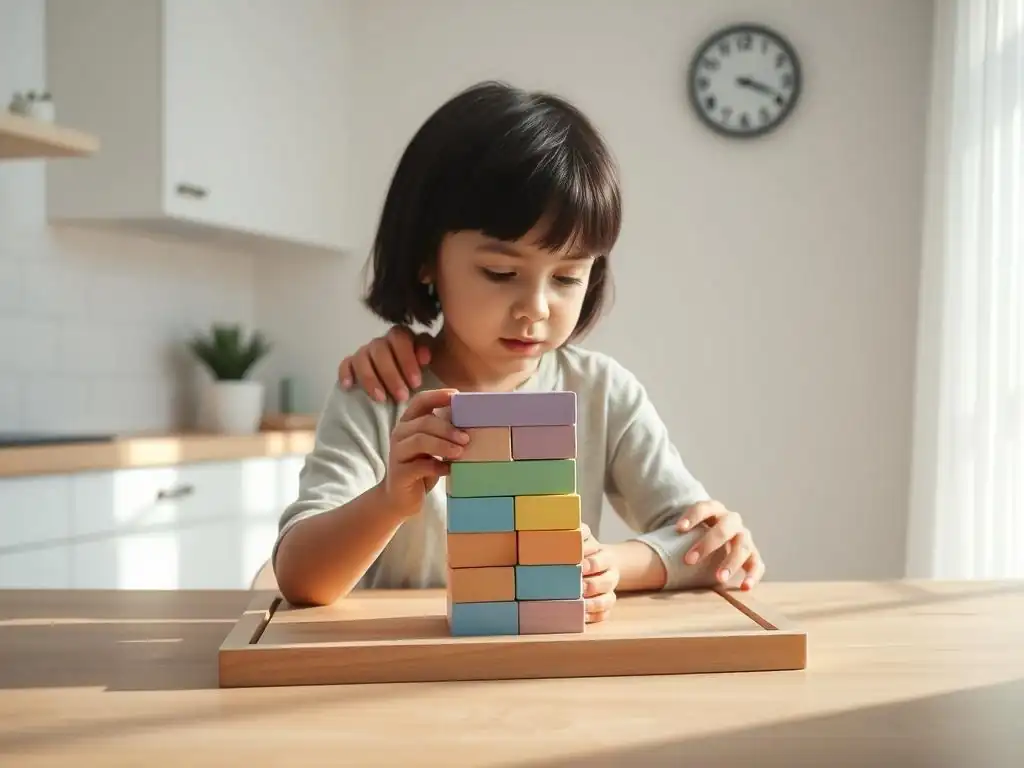
In times of loss, maintaining a sense of normalcy and predictability is incredibly important for a child's sense of security. Grief disrupts life, but routines provide an anchor.
Establishing Predictable Schedules
Stick as closely as possible to the child's regular schedule for meals, bedtime, school, and activities. Predictable routines help children feel safe and grounded when their world feels chaotic. Knowing what to expect each day reduces anxiety and provides a sense of control. For a child whose schedule has been significantly disrupted by illness or death in the family, re-establishing these routines as quickly and gently as possible is a priority.
This includes consistent boundaries and expectations. While it's natural to want to be lenient with a grieving child, maintaining appropriate rules helps them feel secure and know that the structure of their life is still in place. Minor adjustments may be necessary, but the overall framework of their daily life should remain as consistent as possible, offering a comforting rhythm during a difficult time.
Minimizing Disruptions
Beyond daily schedules, try to minimize other major changes in the child's life shortly after a significant loss. If possible, avoid moving homes, changing schools, or making other significant transitions that could add further stress. While some disruptions are unavoidable, being mindful of the cumulative impact of changes on a grieving child is important.
Major holidays or anniversaries related to the loss can be particularly challenging. Plan ahead for these times, acknowledging that they may bring up difficult emotions. Discuss with your child how they might want to spend these days, perhaps incorporating rituals to honor the person who died, which can provide a sense of purpose and connection rather than just focusing on the absence. Maintaining stability helps the child focus on processing their grief rather than constantly adapting to new external circumstances.
Step 5: Seeking Professional Support When Needed
While many children navigate grief with the support of loving caregivers, sometimes the pain is too overwhelming, or the grief becomes complicated. Knowing when to seek professional help is crucial.
Identifying When Therapeutic Intervention is Necessary
Certain signs suggest that a child may need more support than family and friends can provide. These include persistent and intense sadness that doesn't lessen over time, significant withdrawal from peers and activities, difficulty functioning at school or home, prolonged sleep or appetite disturbances, expressions of hopelessness or suicidal thoughts (even in young children, though this may manifest differently), or engaging in risky behaviors.
If these symptoms are severe or last for more than several months, it's a strong indicator that professional help is needed. For instance, if a child is still experiencing daily, intense crying spells and refusing to go to school six months after a loss, professional intervention is likely beneficial.
Other warning signs include excessive guilt or self-blame related to the death, chronic physical complaints, or a complete lack of emotional response (which can indicate suppressed grief). If a child's grief seems stuck, meaning they are unable to move forward or integrate the loss into their life after a significant period (e.g., a year or more), a therapist specializing in childhood grief can provide targeted support to help them process their emotions and develop coping strategies.
Finding Qualified Child Grief Counselors
If you determine that professional support is needed, look for therapists or counselors who specialize in working with children and have experience with grief and trauma. Pediatric psychologists, licensed clinical social workers, or licensed professional counselors are good options. You can find qualified professionals through referrals from your pediatrician, school counselors, or mental health organizations. Many hospice organizations also offer grief support services for families, including children.
When choosing a therapist, consider their approach (e.g., play therapy, art therapy, CBT, which are often effective with children) and ensure they are a good fit for your child's personality and needs. Don't hesitate to ask about their experience with childhood grief and their therapeutic methods. A therapist can provide a safe space for the child to process their feelings, teach them healthy coping skills, and support the family unit through the grieving process.
Therapeutic Approaches for Childhood Grief
Therapy provides specialized tools and techniques to help children process grief in ways that are developmentally appropriate and effective. Several therapeutic modalities are commonly used.
Play Therapy for Grief
Play therapy is a particularly effective approach for young children because it utilizes their natural mode of communication: play. In a safe and structured environment, a trained play therapist observes and interacts with the child as they play, using toys and materials to help the child express feelings, thoughts, and experiences they might not be able to verbalize. For a grieving child, play can involve acting out the loss, exploring fears related to death, or working through confusing circumstances surrounding the death.
Through play, children can externalize their internal struggles, gain a sense of mastery over overwhelming feelings, and practice coping skills. For example, a child might use dolls to repeatedly enact a goodbye scene, helping them process the finality of the loss. Research consistently shows that play therapy can significantly reduce symptoms of grief and trauma in children, improving their emotional regulation and overall adjustment following a loss. It allows them to process the event at their own pace, using symbolic language that feels safe and understandable to them.
Art Therapy for Emotional Expression
Art therapy provides another powerful non-verbal avenue for children to express complex emotions associated with grief. For children who struggle to talk about their feelings, creating art can be a way to release tension, explore their inner world, and communicate experiences that are too painful or confusing to put into words. An art therapist guides the child in using various art materials – drawing, painting, sculpting, collage – to externalize their feelings about the loss.
A child might draw a picture of their sadness as a dark cloud, or create a sculpture representing the person who died. The process of creating the art, as well as the finished product, can provide insights into the child's emotional state and serve as a starting point for discussion with the therapist. Art therapy has been shown to be beneficial in reducing anxiety and depression in grieving children, providing a safe and creative space to process their pain and begin to heal through self-expression.
Cognitive Behavioral Therapy (CBT) for Coping Strategies
Cognitive Behavioral Therapy (CBT), adapted for children, can be very helpful for older children and adolescents who are experiencing specific difficulties related to grief, such as excessive guilt, anxiety, or negative thought patterns. CBT focuses on identifying and challenging unhelpful thoughts (cognitions) and changing problematic behaviors associated with grief. For instance, a child who feels guilty about something they said to the person who died might work with a therapist to identify this thought ("It's my fault they died") and replace it with a more realistic one ("I couldn't have prevented this").
The behavioral component of CBT helps children develop practical coping strategies for managing difficult emotions and situations related to grief. This might include relaxation techniques for anxiety, problem-solving skills for dealing with changes resulting from the loss, or gradually re-engaging in activities they previously enjoyed but stopped doing due to sadness. Studies show that CBT can be effective in reducing symptoms of complicated grief and associated issues like anxiety and depression in adolescents, helping them build resilience and develop healthier ways of processing their loss.
Supporting Children Through Specific Types of Loss
While the principles of supporting grieving children are universal, different types of loss present unique challenges and require specific considerations.
Supporting Children Through the Death of a Parent
The death of a parent is one of the most profound losses a child can experience. It impacts every aspect of their life, from daily care and emotional security to financial stability and future aspirations. Children grieving a parent face the loss of a primary attachment figure, a source of unconditional love and support, and often a sense of safety and predictability. They may also experience secondary losses, such as moving homes, changing schools, or reduced financial resources.
Supporting a child through parental death requires significant support for the surviving parent or caregiver as well, as their own grief will impact their ability to support the child. Open communication about the deceased parent, maintaining rituals and memories, and ensuring continuity in the child's life where possible are crucial. Professional grief counseling is often highly recommended for children who have lost a parent, as the complexities of this loss can be overwhelming without specialized support.
Supporting Children Through the Death of a Sibling
The death of a sibling is a devastating loss that affects the entire family system. Children grieving a sibling lose a unique peer relationship – a playmate, confidant, rival, and companion all rolled into one. They may experience survivor's guilt, feel neglected as parents are consumed by their own grief, or struggle with changes in family dynamics and roles. The intensity of parental grief can sometimes make it difficult for them to fully attend to the grieving needs of their surviving children.
It's important to acknowledge the sibling's unique pain and the complexity of their relationship with the deceased sibling. Encourage them to share memories, both good and bad, and validate their feelings of anger, sadness, or even relief if the sibling was ill for a long time. Family grief counseling can be particularly helpful in these situations, providing a space for each family member to grieve individually while also supporting the family unit in healing together and finding new ways to connect and remember the deceased sibling.
Supporting Children Through the Death of a Grandparent
For many children, the death of a grandparent is their first significant experience with death. Grandparents often play a cherished role in a child's life, offering unconditional love, unique traditions, and a connection to family history. While perhaps less disruptive to daily life than the loss of a parent or sibling, the death of a grandparent still represents a significant emotional loss and can bring up complex feelings.
Support involves acknowledging the importance of the grandparent's role in the child's life, allowing them to participate in rituals like funerals or memorial services if they wish (with preparation), and keeping the grandparent's memory alive through stories and activities they shared. It's also important to be mindful that the child's own parents are also grieving the loss of their parent, which can impact their capacity to support the child. Supporting the parents' grief journey is also indirectly supporting the child.
Supporting Children Through Pet Loss
The death of a family pet can be a child's first experience with death and grief. For many children, a pet is a beloved companion, a source of comfort, and a member of the family. The grief experienced over the loss of a pet is real and should be validated, not dismissed. Children may feel intense sadness, guilt (especially if they feel responsible for the pet's care), or anger.
Support involves acknowledging the child's sadness and allowing them to grieve openly. Explain the pet's death in simple, clear terms. Include the child in family discussions about the pet's illness, death, or memorialization if appropriate. Creating a small memorial, burying the pet, or creating a memory book can help children process the loss and say goodbye. It's crucial for adults to take a child's grief over a pet seriously, as dismissing it can teach them that their feelings are not important.
Helping Children Remember and Honor Loved Ones
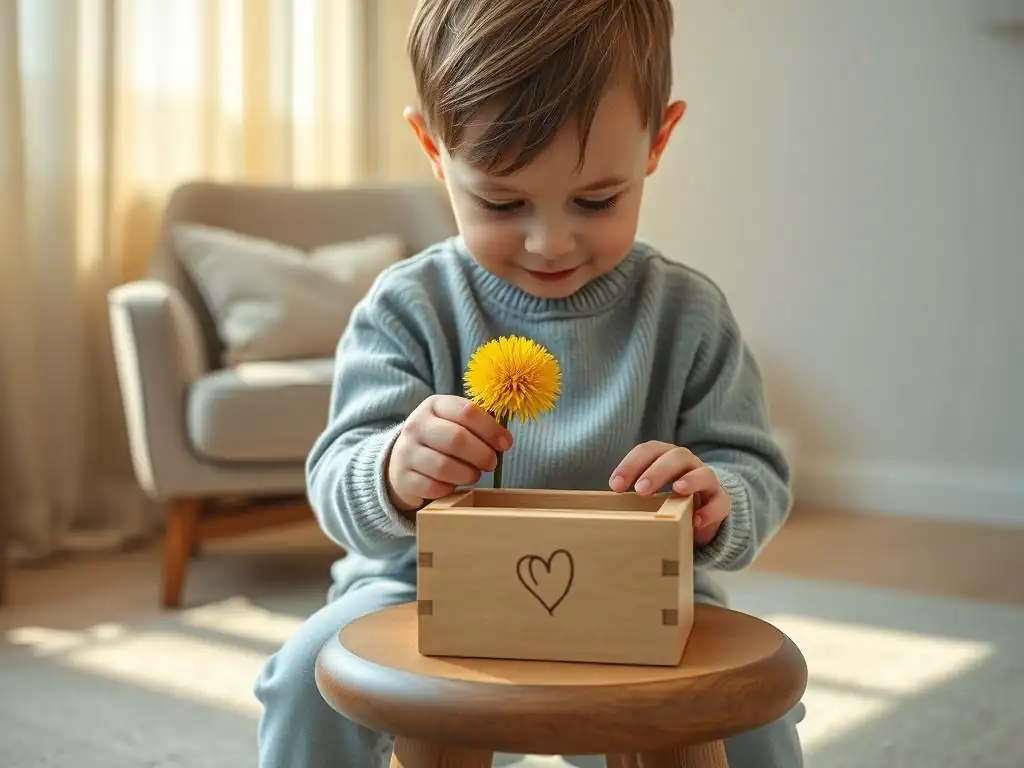
Grief is not about forgetting; it's about finding ways to remember and maintain a connection to the person who died while continuing to live. Helping children honor their loved ones is a vital part of the healing process.
Creating Memory Boxes and Scrapbooks
Creating a memory box or scrapbook is a tangible and active way for children to remember and feel connected to the person who died. A memory box can hold items that belonged to the loved one or things that remind the child of them, such as photographs, a favorite scarf, letters, or small trinkets. The process of selecting items and decorating the box can be a comforting activity.
Similarly, creating a scrapbook or photo album allows children to gather pictures, draw pictures, or write down memories and stories about the person. This activity provides a structured way to revisit happy times and keep the person's story alive. These memory projects serve as precious keepsakes and provide a concrete way for children to feel close to their loved one whenever they need to. This hands-on approach can be particularly soothing and grounding during waves of grief.
Participating in Rituals and Traditions
Rituals and traditions provide comfort, structure, and a sense of continuity, which are especially important during times of loss. Participating in funerals, memorial services, or cultural mourning rituals can help children understand the reality of the death and say goodbye in a structured way. Preparing children for what to expect at these events is essential.
Beyond formal services, creating new family rituals or continuing existing ones that honor the person's memory can be incredibly healing. This might involve celebrating the person's birthday or anniversary with a special activity, visiting a favorite place, or continuing a tradition they started, like baking a specific cookie during the holidays. These shared activities provide opportunities to talk about the person, share stories, and feel connected as a family while keeping the loved one's spirit present.
Talking about the person who died is one of the most powerful ways to keep their memory alive and help children feel connected. Encourage children to share their favorite stories and memories, no matter how small or seemingly insignificant. Share your own memories as well, both happy and poignant. Looking at photos or videos together can also prompt storytelling and reminiscing.
Creating opportunities for family members to share stories regularly, perhaps at dinner time or during special occasions, normalizes talking about the deceased and ensures their legacy continues. This helps children understand the impact the person had on others and reinforces that the person was loved and will not be forgotten. This ongoing narrative helps integrate the loss into the family story in a healthy way, providing comfort and strengthening family bonds.
Resources for Parents and Caregivers Supporting Grieving Children
Navigating childhood grief can be challenging for parents and caregivers. Fortunately, numerous resources are available to provide information, support, and guidance.
Books and Websites on Childhood Grief
There are many excellent books written for both children and adults about grief and loss. Books for children, often using simple language and illustrations, can help them understand death and normalize their feelings. Examples include books about losing a grandparent, a parent, a sibling, or a pet. Reading these together can open up conversations. Books for adults provide insights into how children grieve at different ages and offer practical strategies for support.
Numerous reputable websites offer valuable information, articles, and advice on childhood grief. Organizations dedicated to grief support, children's hospitals, and mental health associations often have extensive online resources. These websites can provide guidance on explaining death, recognizing grief symptoms, finding support groups, and accessing professional help. Exploring these resources can help caregivers feel more prepared and less alone in supporting their child.
Support Groups for Grieving Families
Connecting with other families who have experienced loss can be incredibly beneficial. Support groups, whether for grieving children specifically or for grieving families, provide a safe space to share experiences, receive validation, and learn coping strategies from peers. Children's grief support groups often use age-appropriate activities, like art or play, to help children process their feelings alongside others who understand.
For parents and caregivers, support groups offer a place to share the unique challenges of parenting while grieving and supporting a grieving child. Hearing from others who have navigated similar situations can provide comfort, practical advice, and a sense of community. Many communities have local grief support centers, often affiliated with hospices or non-profit organizations, that offer free or low-cost support groups. Online support groups are also available for those who cannot attend in person.
Local Grief Counseling Services
Accessing professional grief counseling is a critical resource when a child's grief is complicated, persistent, or significantly impacting their functioning. Local mental health clinics, private therapy practices, and specialized grief centers offer counseling services for children and families. School counselors can also be a first point of contact and may provide short-term support or referrals.
When seeking local services, look for therapists specializing in child and adolescent therapy and grief work. Don't hesitate to ask about their qualifications, experience, and therapeutic approach. Your pediatrician or family doctor can also provide referrals to mental health professionals in your area. Investing in professional support can provide children with the specialized tools they need to process their loss healthily and foster long-term emotional well-being.
Conclusion: Fostering Resilience and Healing After Loss
Supporting a child through loss and grief is a challenging but vital task. By understanding the unique ways children grieve, creating a safe and supportive environment, providing clear and honest communication, encouraging healthy expression, maintaining stability, and seeking professional help when needed, caregivers can help children navigate their pain.
Fostering resilience in the face of loss allows children to process their experiences, adapt to change, and continue on a path toward healthy development and future well-being. While the pain of loss never fully disappears, with love, patience, and appropriate support, children can learn to carry their grief while still finding moments of peace, connection, and eventually, a renewed sense of joy in life.
Frequently Asked Questions
What are some of the early signs of childhood depression that parents should be aware of?
Changes in sleep patterns, persistent sadness or irritability, and a loss of interest in activities they once enjoyed are key early signs.
How can therapy help a child who is recovering from childhood depression?
Therapy, especially play therapy for younger children and cognitive behavioral therapy (CBT) for older children, provides tools and strategies for coping with negative thoughts and feelings. It also helps build resilience.
What role does family support play in a child's recovery from depression?
A supportive and understanding family environment is crucial. Open communication, unconditional love, and a safe space to express emotions significantly contribute to the recovery process.
What are some practical steps a parent can take to help their child rediscover joy after experiencing childhood depression?
Encourage engagement in enjoyable activities, promote healthy lifestyle choices (diet, exercise, sleep), and celebrate small achievements.
How long does it typically take for a child to recover from childhood depression?
The recovery timeline varies greatly. It depends on the severity of the depression, the effectiveness of treatment, and the availability of support systems. Consistent effort and patience are key.
Final Reflection: Reclaiming Joy: A Journey of Healing and Hope
The scars of early childhood depression may fade, but their impact lingers. Finding joy again is not a destination, but a continuous journey of self-discovery and resilience. This article explored practical steps towards recovery, emphasizing the importance of self-compassion, professional support, and the cultivation of positive coping mechanisms. These tools are not merely helpful suggestions; they are vital components in building a life filled with genuine happiness and well-being.
The pervasive nature of childhood trauma and its long-term effects on mental health cannot be overstated. It has profoundly shaped my understanding of the human spirit's capacity for healing and growth. The oak sleeps in the acorn; the bird waits in the egg; and in the highest vision of the soul a waking angel stirs. Dreams are the seedlings of realities.
This quote speaks to the inherent potential for healing and the importance of nurturing that potential, even in the face of immense adversity. Understanding the lasting impact of early childhood depression allows us to approach recovery with empathy and a commitment to fostering environments that prioritize mental well-being for children.
Now, consider your own journey. Perhaps you've experienced similar struggles, or perhaps you know someone who has. Take a moment to reflect on the resilience you possess, the strength you've already shown, and the potential for joy that still lies ahead. Remember that seeking help is a sign of strength, not weakness. Embrace self-compassion, nurture your inner child, and actively cultivate joy in your life. The path to recovery may be challenging, but the rewards – a life filled with purpose, connection, and genuine happiness – are immeasurable.
Rediscover Your Joy: Take the Next Step Towards Healing
Thanks for taking the time to explore the path to recovery from early childhood depression. We hope this article provided valuable insights and a renewed sense of hope. Now, it's time to put that knowledge into action!
- Prioritize self-care: Schedule time each day, even just 15 minutes, for activities that bring you joy – whether that's listening to music, spending time in nature, or pursuing a creative hobby. This is your crucial first step.
- Connect with support: Reach out to a trusted friend, family member, or therapist. Sharing your journey can be incredibly powerful. Consider joining a support group—it's a great way to connect with others who understand.
- Try a mindful exercise: Explore a simple mindfulness technique like deep breathing or a body scan to help manage challenging emotions. You might be surprised how effective a few minutes of focused attention can be.
What small act of self-care will you prioritize today to nurture your journey towards healing?