
Eat Your Way to Calm: Foods Scientifically Proven to Reduce Anxiety

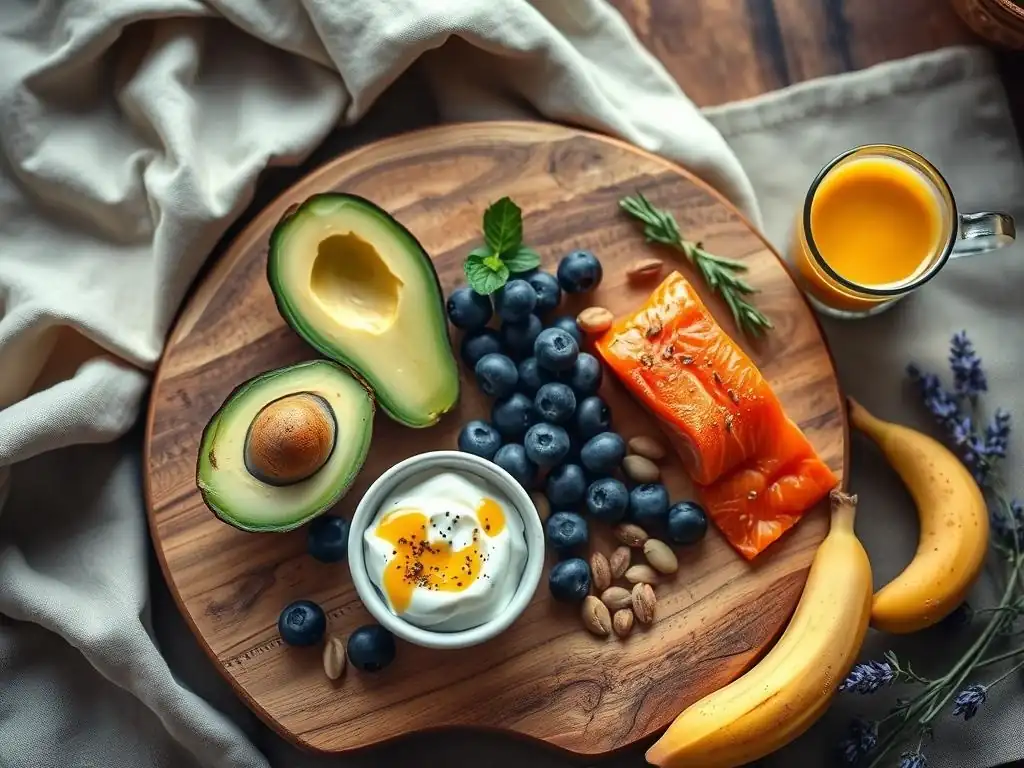
Welcome to Mind Care Guide, your sanctuary for cultivating inner peace.
Feeling overwhelmed? You're not alone. We understand the weight anxiety can carry. That's why we're dedicated to providing you with practical tools and compassionate guidance to navigate your mental well-being. Ever wondered if your diet could be a secret weapon against anxiety? Delve into our latest article, " Eat Your Way to Calm: Foods Scientifically Proven to Reduce Anxiety," and discover how nourishing your body can naturally soothe your mind. Let's explore together the power of food to unlock a calmer, more centered you.
Eat Your Way to Calm: Foods Scientifically Proven to Reduce Anxiety
- Introduction: The Connection Between Food and Anxiety Relief
-
Foods That Reduce Anxiety Naturally: Your Anti-Anxiety Grocery List
- Leafy Greens: Boosting Mood with Folate and Magnesium
- Fatty Fish: Omega-3s for a Calmer Mind
- Probiotic-Rich Foods: Cultivating a Healthy Gut for Anxiety Relief
- Nuts and Seeds: Natural Sources of Anxiety-Reducing Minerals
- Dark Chocolate: A Treat That Can Help Reduce Anxiety
- Complex Carbohydrates: Stabilizing Blood Sugar for Reduced Anxiety
- Berries: Antioxidants for Stress Reduction and Improved Mood
- The Science Behind Anxiety-Reducing Foods: How They Work
- Creating an Anti-Anxiety Diet: Practical Tips and Meal Ideas
- Beyond Diet: Holistic Approaches to Anxiety Management
- Conclusion: Embracing a Nutritional Approach to Anxiety Relief
- Frequently Asked Questions
- Final Reflection: Cultivating Calm Through Conscious Eating
- Unlock Your Inner Calm: Start Eating Your Way to Serenity Today!
Introduction: The Connection Between Food and Anxiety Relief
Exploring the Gut-Brain Axis and its Impact on Mental Well-being
The intricate relationship between our gut and our brain, often referred to as the gut-brain axis, is a fascinating area of research that sheds light on how our diet impacts mental health. This bidirectional communication system links the central nervous system with the enteric nervous system, which governs the gastrointestinal tract. Trillions of microorganisms, known as the gut microbiota, reside in our digestive system and play a critical role in this connection.
They produce various neuroactive compounds, including neurotransmitters like serotonin and GABA, which can influence mood, stress responses, and anxiety levels. For instance, approximately 90% of the body's serotonin, a key neurotransmitter associated with mood regulation, is produced in the gut.
Disruptions to the gut microbiota composition, often caused by poor diet, stress, or antibiotic use, can negatively impact this axis. An imbalance, known as dysbiosis, can lead to increased inflammation and altered neurotransmitter production, potentially exacerbating anxiety symptoms. Research, including studies published in journals like Translational Psychiatry, has shown that modulating the gut microbiota through diet, particularly by consuming foods rich in probiotics and prebiotics, can positively influence mood and reduce anxiety. This highlights why focusing on foods reduce anxiety naturally is a valuable strategy for supporting mental wellness.
Understanding How Nutrition Plays a Role in Managing Anxiety Symptoms
Nutrition is far more than just fuel for the body; it provides the essential building blocks and regulatory compounds necessary for optimal brain function and emotional regulation. Deficiencies in certain vitamins and minerals, as well as unstable blood sugar levels caused by poor dietary choices, can significantly contribute to feelings of anxiety, irritability, and fatigue. For example, low levels of magnesium, B vitamins, and omega-3 fatty acids have all been linked in observational studies to a higher prevalence of anxiety and depression.
A diet high in processed foods, sugar, and unhealthy fats can trigger systemic inflammation and disrupt the delicate balance of neurotransmitters, potentially worsening anxiety. Conversely, incorporating nutrient-dense foods that help reduce anxiety naturally can support the synthesis of calming neurotransmitters, reduce inflammatory responses, and provide stable energy, all of which contribute to a calmer state of mind. This understanding forms the basis for exploring specific foods that offer natural anxiety relief foods.
Foods That Reduce Anxiety Naturally: Your Anti-Anxiety Grocery List
Leafy Greens: Boosting Mood with Folate and Magnesium
Leafy greens are nutritional powerhouses, packed with vitamins, minerals, and antioxidants that are vital for brain health. Two key nutrients abundant in these vegetables are folate (Vitamin B9) and magnesium. Folate is essential for the synthesis of neurotransmitters like dopamine and serotonin, which play crucial roles in mood regulation. Studies have indicated an association between low folate levels and increased risk of depression and anxiety.
Magnesium, often called "nature's tranquilizer," is another critical mineral found generously in leafy greens. It's involved in over 300 biochemical reactions in the body, including nerve function and stress response. Magnesium helps regulate the body's stress response system, and deficiency has been linked to heightened anxiety and stress. A diet incorporating these greens provides a natural way to ensure adequate intake of these anxiety-reducing nutrients.
Spinach, Kale, and Romaine Lettuce: Key Nutrients for Anxiety Reduction
Spinach is particularly rich in magnesium, providing roughly 24mg per cup when cooked, which is about 6% of the daily recommended intake for adults. It also offers a good source of folate. Kale is another excellent source of magnesium and folate, alongside various antioxidants. Romaine lettuce, while lighter, still contributes valuable folate and magnesium. Regularly including these greens in salads, smoothies, or cooked dishes is a simple step towards a diet to reduce anxiety.
Incorporating these leafy greens can contribute significantly to meeting your daily needs for these vital nutrients. For example, adding a cup of cooked spinach to your meal can provide a substantial portion of your magnesium requirement, helping to support nerve function and potentially ease anxiety symptoms. Making these greens a staple in your diet is a practical approach to leveraging foods reduce anxiety naturally.
Fatty Fish: Omega-3s for a Calmer Mind
Fatty fish are renowned for their high content of omega-3 fatty acids, particularly EPA (eicosapentaenoic acid) and DHA (docosahexaenoic acid). These polyunsaturated fats are essential for brain structure and function. They play a critical role in reducing inflammation throughout the body, including in the brain, which is increasingly linked to mood disorders like anxiety and depression.
Research has consistently shown that higher consumption of omega-3 fatty acids is associated with lower rates of anxiety. Omega-3s influence neurotransmitter pathways and can help regulate stress hormones like cortisol. A meta-analysis published in JAMA Network Open in 2018, analyzing 19 clinical trials, suggested that omega-3 supplementation might be beneficial for individuals with diagnosed anxiety. Including fatty fish in your diet several times a week is a delicious way to incorporate foods reduce anxiety naturally.
Salmon, Mackerel, and Herring: The Brain-Boosting Benefits of Omega-3 Fatty Acids
Salmon is one of the most popular sources of omega-3s, with a 3-ounce serving of wild salmon providing over 1,200mg of combined EPA and DHA. Mackerel and herring are also excellent sources, often providing similar or even higher amounts depending on the type and preparation. The American Heart Association recommends eating fatty fish at least two times a week.
These fish provide the specific types of omega-3s (EPA and DHA) that are most readily used by the brain. Regular consumption supports the fluidity of cell membranes in the brain, improves communication between brain cells, and helps dampen inflammatory responses that can contribute to anxiety. Making these fatty fish a regular part of your meals supports a diet to reduce anxiety effectively.
Probiotic-Rich Foods: Cultivating a Healthy Gut for Anxiety Relief
The gut-brain axis highlights the importance of a healthy gut microbiome for mental well-being. Probiotic-rich foods contain beneficial bacteria that can help restore balance to the gut flora. A balanced gut microbiome has been linked to improved mood and reduced anxiety symptoms through its influence on neurotransmitter production and inflammation.
Studies have investigated the impact of probiotics on anxiety. For example, a review of studies found that supplementing with certain probiotic strains could lead to a significant reduction in anxiety scores in some individuals. While research is ongoing, the evidence suggests that supporting gut health through diet is a promising strategy for natural anxiety relief foods.
Yogurt, Kefir, and Sauerkraut: How Probiotics Impact Mental Health
Yogurt with live and active cultures, kefir (a fermented milk drink), and fermented vegetables like sauerkraut and kimchi are excellent sources of probiotics. A typical serving of yogurt can contain billions of colony-forming units (CFUs) of various beneficial bacteria like Lactobacillus and Bifidobacterium. Kefir often contains an even wider variety of bacteria and yeasts.
Consuming these foods regularly can help diversify and strengthen the gut microbiome. This, in turn, supports the production of beneficial compounds, reduces gut inflammation, and positively influences the gut-brain communication pathways. Including these fermented foods is a direct way to leverage the power of the gut to help manage anxiety through foods reduce anxiety naturally.
Nuts and Seeds: Natural Sources of Anxiety-Reducing Minerals
Nuts and seeds are convenient and nutrient-dense snacks that offer several minerals crucial for mental health, particularly magnesium and zinc. As mentioned earlier, magnesium plays a key role in regulating the stress response. Zinc is another vital mineral involved in neurotransmitter function and immune health; deficiency has been associated with increased anxiety.
Beyond magnesium and zinc, nuts and seeds also provide healthy fats, fiber, and antioxidants, all contributing to overall well-being and stable energy levels, which can help prevent anxiety spikes. A handful of nuts or seeds can be a simple yet effective addition to a diet aimed at natural anxiety relief foods.
Almonds, Walnuts, and Chia Seeds: Magnesium and Zinc for Calmness
Almonds are a good source of magnesium, providing about 76mg per ounce (around 20-25% of the daily recommended intake). They also offer zinc and healthy fats. Walnuts are notable for their omega-3 content (though primarily ALA, which needs to be converted to EPA/DHA) and magnesium. Chia seeds are tiny powerhouses, rich in magnesium, zinc, and omega-3s (ALA).
Incorporating these nuts and seeds into your daily routine—whether sprinkled on yogurt, added to salads, or enjoyed as a snack—helps ensure adequate intake of these calming minerals. This supports nerve function and stress regulation, contributing to a calmer state of mind and making them excellent foods reduce anxiety naturally.
Dark Chocolate: A Treat That Can Help Reduce Anxiety

Good news for chocolate lovers: dark chocolate, in moderation, can offer some benefits for anxiety. High-quality dark chocolate (typically 70% cocoa or higher) contains flavonoids, which are powerful antioxidants. These compounds have been shown to improve blood flow to the brain and may have positive effects on mood and cognitive function.
Furthermore, dark chocolate contains small amounts of compounds like tryptophan (a precursor to serotonin) and magnesium. Some studies have even suggested that eating dark chocolate can reduce levels of stress hormones like cortisol. While not a cure, a small piece of dark chocolate can be a comforting addition to a diet to reduce anxiety.
The Science Behind Dark Chocolate's Mood-Boosting Effects
The potential anxiety-reducing effects of dark chocolate are likely multifaceted. The flavonoids act as antioxidants and anti-inflammatories. A study published in the Journal of Proteome Research found that eating a small amount of dark chocolate daily for two weeks reduced stress hormones and metabolites in people reporting high stress levels.
The presence of compounds like phenylethylamine, which can trigger the release of endorphins, also contributes to its mood-lifting properties. However, it's crucial to choose dark varieties with lower sugar content and consume it sparingly as part of an overall healthy diet, rather than relying on it as a primary strategy for natural anxiety relief foods.
Complex Carbohydrates: Stabilizing Blood Sugar for Reduced Anxiety
Complex carbohydrates, such as whole grains, legumes, and vegetables, are digested slowly, providing a steady release of glucose into the bloodstream. This helps maintain stable blood sugar levels, which is crucial for managing anxiety. Spikes and crashes in blood sugar can lead to irritability, nervousness, and symptoms that mimic or worsen anxiety.
Furthermore, complex carbohydrates are often good sources of tryptophan, an amino acid that the brain uses to produce serotonin. A diet rich in these foods supports consistent energy and neurotransmitter production, contributing to a more stable mood and helping to prevent anxiety triggered by blood sugar fluctuations.
Oatmeal, Quinoa, and Brown Rice: Maintaining Stable Energy Levels
Oatmeal is an excellent complex carbohydrate, particularly when made from rolled or steel-cut oats, which are digested slowly. A serving provides fiber and helps you feel full and energized for hours. Quinoa is a complete protein and a complex carb, offering fiber, magnesium, and B vitamins. Brown rice, compared to white rice, retains its bran and germ, providing more fiber, vitamins, and minerals.
Incorporating these foods into meals helps regulate blood sugar throughout the day. For instance, starting your day with oatmeal can prevent the mid-morning crash that might trigger anxiety. Choosing brown rice or quinoa over refined grains supports sustained energy and nutrient intake, making them essential components of a diet to reduce anxiety.
Berries: Antioxidants for Stress Reduction and Improved Mood
Berries are packed with antioxidants, including anthocyanins and flavonoids, which protect the body's cells from damage caused by oxidative stress. Chronic stress and anxiety can increase oxidative stress and inflammation in the brain. Antioxidants help combat this process, potentially mitigating the negative impact of stress on mental health.
Studies have shown that diets high in antioxidants are associated with a lower risk of mood disorders. The vibrant colors of berries are often indicators of their rich antioxidant content. Including a variety of berries in your diet is a delicious way to support brain health and enhance the effects of other foods reduce anxiety naturally.
Blueberries, Strawberries, and Raspberries: Fighting Oxidative Stress
Blueberries are particularly noted for their high levels of anthocyanins, powerful antioxidants linked to improved cognitive function and mood. A study from the University of Reading found that consuming blueberries daily improved mood in young adults. Strawberries are rich in Vitamin C, another antioxidant that has been studied for its role in stress reduction. Raspberries provide fiber and various antioxidants.
Adding a cup of mixed berries to your breakfast, snacks, or desserts provides a potent dose of these protective compounds. Their ability to combat oxidative stress and inflammation supports overall brain health and resilience against anxiety, making them valuable natural anxiety relief foods.
The Science Behind Anxiety-Reducing Foods: How They Work
Understanding the Role of Neurotransmitters in Anxiety
Neurotransmitters are chemical messengers that transmit signals between nerve cells in the brain. Imbalances or dysfunctions in certain neurotransmitter systems are strongly linked to anxiety disorders. For example, low levels of serotonin are often associated with both depression and anxiety. GABA (gamma-aminobutyric acid) is the brain's primary inhibitory neurotransmitter, helping to calm nerve activity; insufficient GABA activity is implicated in anxiety.
Dietary choices significantly influence the production, release, and function of these neurotransmitters. Nutrients like amino acids (the building blocks of proteins), vitamins (especially B vitamins), and minerals (like magnesium and zinc) are essential cofactors in the synthesis and regulation of neurotransmitters. Therefore, consuming nutrient-rich foods supports the proper functioning of these crucial brain chemicals, contributing to natural anxiety relief foods.
Serotonin, Dopamine, and GABA: The Brain's Chemical Messengers
Serotonin, often dubbed the "feel-good" neurotransmitter, is synthesized from the amino acid tryptophan. Foods rich in tryptophan, combined with complex carbohydrates, can help its uptake into the brain. Dopamine is involved in motivation, reward, and pleasure; imbalances can affect mood and stress responses. GABA helps inhibit nerve cell activity, promoting relaxation and reducing feelings of fear and anxiety.
Many foods that reduce anxiety naturally provide the necessary precursors and cofactors for the synthesis and optimal function of these neurotransmitters. For instance, magnesium helps activate GABA receptors, enhancing its calming effect. B vitamins are crucial for the synthesis of all these neurotransmitters. A balanced diet ensures the brain has the resources it needs to maintain healthy levels and activity of these vital chemical messengers.
The Impact of Inflammation on Anxiety Levels
Chronic low-grade inflammation in the body and brain is increasingly recognized as a contributing factor to mental health issues, including anxiety and depression. Inflammatory molecules, such as cytokines, can interfere with neurotransmitter function and damage brain cells, altering mood and behavior. Stress itself can also trigger inflammatory responses, creating a vicious cycle.
Adopting an anti-inflammatory diet can help reduce systemic inflammation and its negative impact on the brain. Many foods reduce anxiety naturally, such as fatty fish, berries, leafy greens, and nuts, are also powerful anti-inflammatory agents. By reducing inflammation, these foods can help protect brain health and alleviate anxiety symptoms.
Anti-Inflammatory Foods for Mental Well-being
Foods rich in omega-3 fatty acids (like salmon), antioxidants (like berries and dark chocolate), and certain phytochemicals found in vegetables and fruits have potent anti-inflammatory properties. For example, curcumin in turmeric, often used in cooking, is a well-known anti-inflammatory compound. Including a wide variety of colorful plants and healthy fats is key to an anti-inflammatory diet.
Focusing on these anti-inflammatory foods not only supports physical health but also provides a foundational strategy for managing anxiety. By calming inflammatory pathways, these dietary choices help create a more stable and resilient environment for brain function, supporting overall mental well-being and reinforcing the benefits of a diet to reduce anxiety.
Micronutrients and Their Effect on Mental Health
Beyond macronutrients (proteins, fats, carbohydrates), various micronutrients—vitamins and minerals—are essential for countless processes in the body, including those vital for brain health and mental state. Deficiencies in specific micronutrients are frequently observed in individuals experiencing anxiety and other mood disorders.
Ensuring adequate intake of these essential vitamins and minerals through diet or targeted supplementation (under guidance) is a fundamental aspect of supporting mental health. These micronutrients act as cofactors for enzyme reactions, aid in neurotransmitter synthesis, protect against oxidative damage, and regulate stress responses.
Vitamin D, B Vitamins, and Magnesium: Essential Nutrients for Anxiety Management
Vitamin D receptors are found throughout the brain, including areas associated with mood and behavior. Low levels of Vitamin D have been correlated with increased anxiety and depression in various studies. While sun exposure is a primary source, dietary sources include fatty fish and fortified foods. The B vitamins, particularly B6, B9 (folate), and B12, are critical for neurotransmitter synthesis and energy metabolism; deficiencies can lead to fatigue, irritability, and anxiety. Magnesium, as previously discussed, is vital for nerve function and stress regulation.
Ensuring sufficient intake of these key micronutrients is crucial for supporting the brain's ability to cope with stress and regulate mood. Including foods rich in these nutrients—like leafy greens (magnesium, folate), fatty fish (Vitamin D, B vitamins), nuts/seeds (magnesium, B vitamins), and fortified cereals (B vitamins, Vitamin D)—is a targeted approach within a diet to reduce anxiety.
Creating an Anti-Anxiety Diet: Practical Tips and Meal Ideas
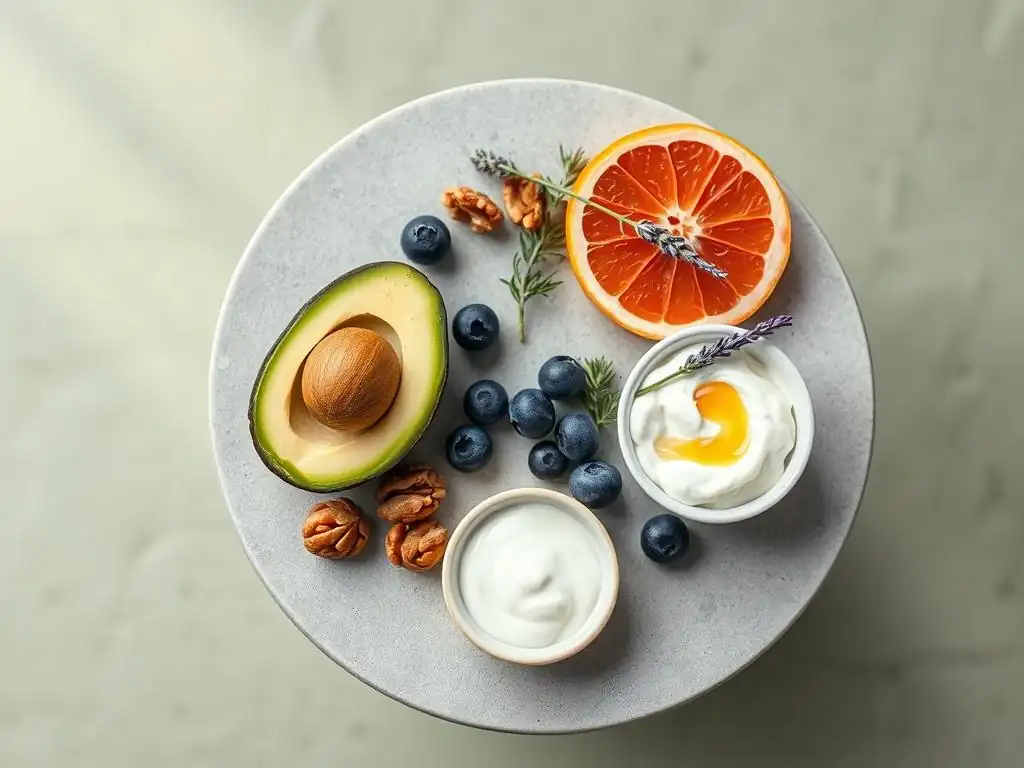
Incorporating Anxiety-Reducing Foods into Your Daily Meals
Integrating foods reduce anxiety naturally doesn't have to be complicated. It's about making conscious choices to include nutrient-dense options throughout your day. Planning meals and snacks can help ensure you consistently consume foods that support mental well-being. Think about how you can swap out processed items for whole, nutrient-rich alternatives.
Consistency is key. A single meal won't cure anxiety, but adopting a pattern of eating that prioritizes these foods over time can have a cumulative positive effect on your mood and resilience to stress. Focus on making sustainable changes rather than drastic overhauls.
Breakfast: Oatmeal with Berries and Nuts; Lunch: Salmon Salad with Leafy Greens; Dinner: Chicken Breast with Quinoa and Roasted Vegetables
- Breakfast: Start your day with a bowl of slow-cooked oatmeal (complex carb for stable energy). Top it with a handful of mixed berries (antioxidants) and a sprinkle of walnuts or chia seeds (omega-3s, magnesium). This combination provides sustained energy and key nutrients from the start.
- Lunch: Prepare a salad with dark leafy greens like spinach or kale (magnesium, folate) as the base. Add grilled or canned salmon (omega-3s) or chickpeas (complex carbs, protein, magnesium) for protein. Include other colorful vegetables and dress with olive oil and lemon juice.
- Dinner: Choose lean protein like chicken breast or lentils. Serve with a side of quinoa or brown rice (complex carbs, magnesium) and a generous portion of roasted vegetables like broccoli or sweet potatoes (vitamins, minerals, fiber).
These meal ideas illustrate how easily you can combine several natural anxiety relief foods into balanced and satisfying dishes. They prioritize whole foods that provide stable energy and essential nutrients.
Hydration for Mental Clarity and Reduced Anxiety
Often overlooked, proper hydration is fundamental for both physical and mental health. Dehydration, even mild, can manifest as fatigue, irritability, difficulty concentrating, and can exacerbate feelings of anxiety. Water is essential for optimal brain function, including the synthesis of neurotransmitters and the regulation of stress hormones.
Aiming to drink adequate water throughout the day is a simple yet effective strategy. The general recommendation is around 8 cups (64 ounces), but individual needs vary based on activity level, climate, and overall health. Don't wait until you're thirsty to drink; thirst is a sign that you are already becoming dehydrated.
The Importance of Water and Herbal Teas
Water is the best choice for hydration. Keeping a water bottle with you and sipping regularly is a good habit. Herbal teas, such as chamomile or peppermint, can also contribute to hydration and offer additional calming properties. Chamomile, for instance, contains apigenin, an antioxidant that may bind to certain receptors in the brain that help reduce anxiety.
Limiting sugary drinks, excessive caffeine, and alcohol is also important for hydration and anxiety management, as these can have dehydrating effects or stimulate the nervous system in ways that increase anxiety. Prioritizing plain water and calming herbal teas supports both hydration and a calmer mental state.
Limiting Processed Foods, Sugar, and Caffeine for Better Mental Health
While focusing on foods reduce anxiety naturally is important, equally crucial is minimizing the intake of foods and substances that can worsen anxiety. Processed foods are often high in unhealthy fats, sugar, and sodium, and low in essential nutrients. These can contribute to inflammation, blood sugar dysregulation, and gut imbalances.
Refined sugar causes rapid spikes and crashes in blood sugar, leading to mood swings and anxiety. Excessive caffeine is a stimulant that can trigger the body's stress response, increasing heart rate and nervousness, making it difficult to relax. Alcohol can initially feel calming but disrupts sleep and brain chemistry, often leading to increased anxiety hours later.
Foods to Avoid to Minimize Anxiety Symptoms
- Refined Sugars: Candies, sugary drinks, pastries, and many processed snacks. These cause blood sugar volatility.
- Excessive Caffeine: Large amounts of coffee, energy drinks, and some teas. Monitor your personal tolerance.
- Processed Foods: Packaged snacks, fast food, pre-made meals high in additives, unhealthy fats, and sodium.
- Excessive Alcohol: While it might seem to relieve stress temporarily, it negatively impacts sleep and brain chemistry, worsening anxiety in the long run.
- Refined Grains: White bread, white pasta, white rice (when consumed in large quantities without fiber).
By consciously reducing or eliminating these items, you remove common triggers for anxiety symptoms and make space for the beneficial foods that help reduce anxiety naturally. This dual approach of adding good foods and removing detrimental ones is highly effective.
Beyond Diet: Holistic Approaches to Anxiety Management
Combining Nutrition with Other Self-Care Practices
While focusing on foods reduce anxiety naturally is a powerful strategy, it is most effective when integrated into a broader holistic approach to mental well-being. Diet is one pillar among several that support a calm and balanced mind. Addressing anxiety often requires a multi-faceted approach that nourishes the body and mind.
Combining nutritional strategies with other self-care practices creates a synergistic effect, enhancing the overall ability to manage anxiety. This integrated approach acknowledges that mental health is influenced by a complex interplay of biological, psychological, and lifestyle factors.
Exercise, Mindfulness, and Sleep for Comprehensive Anxiety Relief
- Exercise: Regular physical activity is a potent anxiety reducer. It releases endorphins, natural mood boosters, and helps reduce stress hormones like cortisol. Aim for at least 30 minutes of moderate-intensity exercise most days of the week.
- Mindfulness and Meditation: Practices like mindfulness meditation can train the mind to observe anxious thoughts without judgment, reducing their power. Even a few minutes daily can help calm the nervous system.
- Sleep: Adequate, quality sleep is crucial for emotional regulation. Lack of sleep can significantly worsen anxiety symptoms. Aim for 7-9 hours per night and establish a consistent sleep routine.
Integrating these practices alongside a diet to reduce anxiety provides a robust framework for managing anxiety symptoms and promoting long-term mental resilience.
When to Seek Professional Help for Anxiety
While dietary changes and self-care practices can significantly help manage mild to moderate anxiety, it's important to recognize when professional support is needed. Anxiety is a real and treatable condition, and there is no shame in seeking help from a qualified mental health professional.
If your anxiety is persistent, overwhelming, interfering with your daily life, work, relationships, or sleep, or if you experience panic attacks or significant social avoidance, it's time to consult a doctor or therapist. They can provide diagnosis, therapy (like CBT or exposure therapy), and potentially medication if appropriate.
Persistent Worry, Panic Attacks, and Social Avoidance That Require Medical Attention
- Persistent, Excessive Worry: Worrying excessively about various things for months, even when there is little or no reason to worry.
- Panic Attacks: Sudden episodes of intense fear that trigger severe physical reactions when there is no real danger or apparent cause (e.g., rapid heart rate, sweating, trembling, shortness of breath, feeling of losing control).
- Significant Social Avoidance: Avoiding social situations or interactions due to intense fear or worry about being judged, embarrassed, or humiliated.
- Anxiety Interfering with Daily Life: When anxiety makes it difficult to function at work, school, or in social situations.
- Physical Symptoms: Chronic fatigue, muscle tension, sleep problems, or gastrointestinal issues that you suspect are related to anxiety.
These are signs that your anxiety may require professional intervention. A healthcare provider can assess your symptoms and develop a comprehensive treatment plan that may include therapy, medication, and lifestyle recommendations, including dietary adjustments using foods reduce anxiety naturally as part of a broader strategy.
Conclusion: Embracing a Nutritional Approach to Anxiety Relief
The Power of Food in Supporting Mental Well-being
The growing body of scientific evidence underscores the profound connection between what we eat and how we feel. Food is not merely calories; it's information for our bodies and brains. By making conscious choices about our diet, we can actively influence our brain chemistry, reduce inflammation, support a healthy gut, and stabilize energy levels—all factors critical for managing anxiety. Embracing a nutritional approach centered around foods reduce anxiety naturally is an empowering step towards taking control of your mental health.
Integrating nutrient-dense foods rich in omega-3s, magnesium, B vitamins, antioxidants, and probiotics provides the brain with the building blocks it needs to function optimally and regulate stress responses. While diet is not a magic bullet, it is a foundational element in a holistic strategy for anxiety relief.
Long-Term Strategies for Maintaining a Calm and Balanced Mind Through Diet
Sustaining the benefits of a diet to reduce anxiety requires consistency and a long-term perspective. It's about building healthy eating habits that become a natural part of your lifestyle, rather than following a restrictive short-term plan. Focus on variety, balance, and enjoying your food while prioritizing nutrient-rich options.
Continue to prioritize whole, unprocessed foods, stay hydrated, and be mindful of how different foods affect your mood and energy levels. Combine these dietary strategies with regular physical activity, sufficient sleep, and stress-management techniques like mindfulness. By consistently nourishing your body and mind with natural anxiety relief foods and healthy habits, you build resilience and support a calm and balanced state of mind for the long haul.
Frequently Asked Questions
What types of food are most effective at reducing anxiety?
Certain foods rich in magnesium, omega-3 fatty acids, and antioxidants are known to reduce anxiety. Examples include leafy greens, fatty fish, and berries, all contributing to improved mood regulation.
How quickly can dietary changes impact anxiety levels?
While not an immediate fix, consistent dietary changes can lead to noticeable improvements in anxiety levels within a few weeks to months. Combining dietary adjustments with other stress management techniques is key.
Are there any foods I should avoid to minimize anxiety?
Yes, limiting or avoiding processed foods, excessive caffeine, and added sugars is crucial. These substances can exacerbate anxiety symptoms and negatively impact overall mental well-being.
Can food allergies or intolerances contribute to anxiety?
Absolutely, undiagnosed food allergies or intolerances can trigger inflammation and digestive issues, potentially contributing to increased anxiety. Consider consulting with a healthcare professional for allergy testing.
Is it possible to completely eliminate anxiety through diet alone?
While diet plays a significant role, it's rarely a sole solution. A holistic approach encompassing therapy, exercise, and mindfulness practices alongside a balanced diet is recommended for comprehensive anxiety management.
Final Reflection: Cultivating Calm Through Conscious Eating
The pursuit of natural anxiety relief is more relevant than ever in our fast-paced world. The overwhelming pressures of modern life leave many seeking solace, and the simple act of choosing the right foods can be a powerful tool in managing stress and fostering a sense of inner peace. This isn't about quick fixes, but about building a sustainable relationship with food that supports your mental wellbeing.
The impact of diet on mental health is a growing area of research, and the information presented in this article only scratches the surface of this complex relationship. The connection between gut health and brain function is increasingly understood, highlighting the profound influence of what we consume on our emotional state. You are what you eat
is more than just a cliché; it's a fundamental truth that underscores the power of mindful nutrition. This article aims to empower readers to take control of their anxiety through conscious food choices, recognizing that this is a journey, not a destination.
Now, consider your own relationship with food. Are you nourishing your body and mind with the ingredients that support your emotional wellbeing? I invite you to reflect on your daily diet, identify potential areas for improvement, and experiment with incorporating some of the anxiety-reducing foods discussed. Make small, sustainable changes, and observe the impact on your overall sense of calm and well-being. The journey to a calmer, healthier you begins with one mindful bite at a time.
Unlock Your Inner Calm: Start Eating Your Way to Serenity Today!
Thanks for taking the time to explore the science-backed ways to soothe anxiety through diet! We hope you found some valuable insights to help you on your journey to better mental well-being. Now, let's put that knowledge into action.
- Prioritize your calming foods: Start incorporating at least three of the anxiety-reducing foods mentioned in the article into your daily diet this week. Notice how you feel – even small changes can make a big difference!
- Share your experience: Tell us (and others!) about your favorite calming food and how it's been working for you. Share your thoughts in the comments below.
- Experiment and discover: Try a new recipe featuring one of the highlighted ingredients. Could this new culinary adventure become your next anxiety-busting secret weapon?
What delicious discovery will you make on your path to a calmer you?