
Exploring Different Types of Meditation for Stress Relief

Welcome to Mind Care Guide, your sanctuary for navigating the complexities of mental well-being.
Feeling overwhelmed? You're not alone. In a world that constantly demands our attention, finding moments of peace can feel impossible. But what if there was a simple, accessible tool to reclaim your calm? Let's explore the transformative power of Meditation for stress reduction. Discover how different meditation techniques can unlock a deeper sense of inner peace and resilience, starting today.
Exploring Different Types of Meditation for Stress Relief
- Introduction: Finding Calm Through Meditation for Stress Reduction
- Understanding the Core Principles of Meditation
-
Types of Meditation Techniques for Stress Relief
- Mindfulness Meditation: Cultivating Present Moment Awareness
- Samatha-Vipassana Meditation: Balancing Tranquility and Insight
- Transcendental Meditation (TM): Utilizing Mantras for Deep Relaxation
- Guided Meditation: Relaxing with Visualization and Narratives
- Yoga and Movement Meditation: Combining Physical and Mental Wellness
- Walking Meditation: Finding Calm in Movement
- Loving-Kindness Meditation (Metta): Cultivating Compassion and Reducing Stress
- Choosing the Right Meditation Technique for Your Needs
- Tips for a Successful Meditation Practice
- The Long-Term Benefits of Meditation for Stress Management
- Conclusion: Embrace Meditation as a Powerful Tool for Stress Relief
-
Frequently Asked Questions
- What is meditation and how does it help with stress reduction?
- What are some different types of meditation suitable for stress relief?
- How often should I meditate to experience the benefits of stress reduction?
- Are there any potential drawbacks or risks associated with meditation?
- Where can I find resources to learn more about meditation for stress reduction?
- Final Reflection: Finding Your Calm in a Chaotic World
- Unlock Your Inner Calm: Start Your Meditation Journey Today!
Introduction: Finding Calm Through Meditation for Stress Reduction
Understanding the Connection Between Stress and Mental Well-being
Stress is an inherent part of the human experience, but chronic stress can significantly impact mental well-being. When faced with stressors, the body activates its "fight or flight" response, releasing hormones like cortisol and adrenaline. While useful for short-term threats, prolonged exposure to these hormones can lead to a host of issues, including anxiety, depression, difficulty concentrating, and impaired emotional regulation. The constant state of alert taxes both the mind and body, making it challenging to find peace and clarity.
Moreover, persistent stress can exacerbate existing mental health conditions and make individuals more vulnerable to developing new ones. It disrupts sleep patterns, affects appetite, and can lead to social withdrawal, creating a cycle that further fuels stress and mental distress. Finding effective strategies for managing stress is therefore not just about comfort, but is a crucial component of maintaining overall mental health and building resilience against life's challenges. This is where practices like meditation for stress reduction become invaluable tools.
Why Meditation is an Effective Stress Management Tool
Meditation offers a powerful antidote to the physiological and psychological effects of stress. By engaging in regular meditation, individuals can learn to calm the nervous system, reduce the production of stress hormones, and cultivate a greater sense of presence and control. Unlike temporary distractions, meditation addresses the root causes of stress by changing how we relate to our thoughts and feelings, fostering a sense of inner stability regardless of external circumstances.
Scientific studies have increasingly validated the efficacy of meditation for stress reduction. Research, including work supported by institutions like the National Institutes of Health, suggests that regular meditation practice can lead to measurable changes in brain structure and function, particularly in areas related to stress, anxiety, and emotional regulation.
For instance, the amygdala, the brain's fear center, has been observed to show reduced activity in experienced meditators. This neurobiological impact translates into practical benefits like decreased feelings of overwhelm, improved emotional resilience, and a greater capacity to respond thoughtfully rather than react impulsively to stressors, making meditation a cornerstone technique for managing stress effectively.
Understanding the Core Principles of Meditation
The Role of Mindfulness in Meditation
Mindfulness is a fundamental principle underlying many meditation practices and is essentially the practice of paying attention, on purpose, to the present moment, without judgment. It involves observing thoughts, feelings, bodily sensations, and the surrounding environment as they arise, acknowledging them without getting carried away or trying to change them. This non-judgmental awareness is key to breaking the cycle of stress, which often involves rumination on the past or worry about the future.
By cultivating mindfulness through meditation, individuals develop the ability to notice stressful thoughts or physical tension without immediately reacting to them. This creates space between the stimulus (stressor) and the response, allowing for a more conscious and less reactive approach. Regular mindfulness practice helps to train the mind to stay grounded in the present, reducing the time spent caught up in stressful mental narratives and fostering a greater sense of calm and acceptance.
The Importance of Breath Control and Focus
Breath control, often referred to as pranayama in yoga traditions, and focus are vital components in many meditation techniques aimed at stress reduction. The breath is intimately connected to the nervous system; slow, deep, and conscious breathing activates the parasympathetic nervous system, which promotes relaxation and counteracts the stress response. Conversely, shallow, rapid breathing is often a symptom and perpetuator of anxiety and stress. Learning to regulate the breath provides an immediate tool for calming the mind and body.
Focus, or concentration, is equally important. Meditation trains the mind to focus its attention, often on the breath, a mantra, or bodily sensations. This practice helps to quiet the incessant mental chatter that often fuels stress. While the mind will inevitably wander, the practice involves gently bringing the focus back without self-criticism. This repeated act of returning attention strengthens the 'muscle' of concentration and helps to cultivate mental clarity and stillness, which are essential for managing stress effectively.
Types of Meditation Techniques for Stress Relief
Mindfulness Meditation: Cultivating Present Moment Awareness
Mindfulness meditation, popularized in the West through programs like MBSR, is one of the most widely practiced forms of meditation for stress reduction. It involves sitting quietly and bringing attention to the breath, or to whatever is happening in the present moment – thoughts, sounds, physical sensations – without judgment. The goal is not to empty the mind, but to observe its contents with a sense of detached awareness, learning to recognize thought patterns without getting entangled in them.
This practice directly counteracts the tendency of the mind to dwell on stressors. By anchoring attention in the present, mindfulness meditation helps to interrupt the cycle of worry and rumination. Regular practice, even for just 10-15 minutes daily, has been shown in numerous studies to reduce perceived stress levels and improve emotional regulation.
For example, a 2014 meta-analysis published in JAMA Internal Medicine reviewed 47 trials and concluded that mindfulness meditation programs had moderate evidence of improving anxiety and depression symptoms and low evidence of improving stress/distress, though other studies have shown more significant impacts specifically on stress markers like cortisol. The benefit lies in building a sustained capacity to approach life's challenges with greater calm and clarity.
Benefits of Mindfulness Meditation for Anxiety and Stress
Mindfulness meditation offers significant benefits for individuals struggling with anxiety and stress. By regularly practicing present moment awareness, people learn to recognize the early signs of rising anxiety or stress in their body and mind, allowing them to intervene before becoming overwhelmed. This increased self-awareness is crucial for developing effective coping strategies.
Research consistently shows the positive impact. A study involving participants attending an 8-week MBSR program, for instance, reported significant reductions in self-reported stress, anxiety, and depression scores compared to control groups. Brain imaging studies have also indicated that mindfulness practice can lead to decreased gray matter density in the amygdala (associated with fear and stress) and increased density in areas related to attention and self-awareness, such as the prefrontal cortex. These neurological changes underpin the observed improvements in emotional reactivity and stress resilience, making mindfulness meditation a robust tool for managing these challenges.
How to Practice Mindfulness Meditation: A Step-by-Step Guide
Practicing mindfulness meditation for stress reduction can be done anywhere, anytime. Here's a simple guide to get started:
- Find a comfortable posture: Sit on a cushion on the floor or on a chair, with your spine relatively straight but relaxed. Your hands can rest on your lap or knees.
- Close your eyes or soften your gaze: If comfortable, gently close your eyes. If not, lower your gaze to a spot on the floor a few feet in front of you.
- Bring attention to your breath: Notice the physical sensation of breathing. Feel the air entering and leaving your nostrils, or the rise and fall of your abdomen or chest. There's no need to control the breath, just observe it as it naturally is.
- Observe thoughts without judgment: Your mind will wander. When you notice your thoughts have drifted, simply acknowledge where your mind went without judgment (e.g., "thinking about my to-do list") and gently guide your attention back to your breath.
- Expand awareness (optional): After anchoring on the breath for a few minutes, you can gently expand your awareness to include bodily sensations, sounds, or even emotions, observing them with the same non-judgmental attention.
- End the practice: After your chosen time (start with 5-10 minutes), gently bring your attention back to your body seated in the room. Wiggle your fingers and toes, and when ready, slowly open your eyes.
Samatha-Vipassana Meditation: Balancing Tranquility and Insight
Samatha-Vipassana meditation is a foundational Buddhist meditation practice that combines two distinct yet complementary approaches: Samatha (calm abiding or tranquility) and Vipassana (insight). Samatha practice aims to quiet the mind and develop deep concentration, often by focusing intently on a single object like the breath. This creates a state of mental stability and peacefulness. Vipassana practice, on the other hand, involves observing the nature of reality, including one's own thoughts, feelings, and experiences, with clear awareness and insight, understanding their impermanent and interconnected nature.
These two aspects are often practiced sequentially or interwoven. One might begin with Samatha to settle the mind, making it more receptive to Vipassana. The tranquility achieved through Samatha provides a stable base from which to gain insight through Vipassana. This combined approach offers a powerful path for managing stress by first calming the nervous system and then developing a deeper understanding of the transient nature of stressful thoughts and feelings, which reduces their power over us. It's a holistic approach that fosters both peace and wisdom.
Combining Calming and Insightful Practices
The power of Samatha-Vipassana lies in its dual focus. Samatha works directly on the agitated state often associated with stress by cultivating concentration and reducing mental wandering. By focusing intently on an object, the mind becomes less reactive to external stimuli and internal distractions. This practice can lead to states of deep calm and absorption, effectively providing a respite from the pressures of daily life.
Vipassana then builds upon this calm by introducing an investigative element. With a settled mind, one can observe the arising and passing of thoughts, emotions, and sensations related to stress with greater clarity. This observation helps to de-personalize these experiences, recognizing them as temporary mental phenomena rather than absolute truths or personal failures.
For example, observing a wave of anxiety as simply a collection of physical sensations and thoughts, without identifying with it, diminishes its intensity. This insight practice gradually erodes the habitual patterns of reacting to stress with aversion or fear, fostering a more balanced and accepting relationship with difficult experiences.
Practical Application of Samatha-Vipassana for Stress Management
Applying Samatha-Vipassana for stress management involves dedicating time to both calming concentration and insightful observation. A typical session might begin with 10-15 minutes of Samatha practice, focusing solely on the breath to quiet the mind. During this phase, the goal is to return attention to the breath every time the mind wanders, building concentration.
Following the Samatha phase, the practice shifts to Vipassana. Here, the meditator broadens their awareness to observe whatever arises in the present moment – bodily sensations, emotions, thoughts, sounds – noting them gently without judgment or analysis. For instance, if stress manifests as tightness in the shoulders and racing thoughts, the practitioner would simply observe these phenomena, perhaps labeling them internally ("tightness," "thinking") and noticing their transient nature. This dual practice, moving from focused calm to open, insightful awareness, provides a comprehensive method for navigating the complexities of stress with greater equanimity and understanding.
Transcendental Meditation (TM): Utilizing Mantras for Deep Relaxation
Transcendental Meditation (TM) is a specific form of mantra meditation practiced for 15-20 minutes twice a day, sitting comfortably with eyes closed. Unlike some other forms of meditation that emphasize observing thoughts, TM involves the silent repetition of a specific, personalized mantra. The purpose of the mantra is not to focus intently or concentrate, but rather to allow the mind to settle down effortlessly and "transcend" or go beyond the level of active thinking to a state of deep rest and relaxation.
The technique is taught through a structured course by certified instructors who provide the mantra and guidance. The ease and automatic nature of the process are key aspects highlighted by practitioners. The goal is to access a state of "restful alertness," where the body is deeply relaxed, yet the mind remains clear and aware, just without the usual mental chatter. This state is reported to be profoundly refreshing and effective in dissolving accumulated stress and fatigue.
The Science Behind Transcendental Meditation and Stress
Transcendental Meditation has been the subject of extensive research regarding its effects on stress and overall health. Studies have consistently shown that regular TM practice can lead to significant reductions in physiological markers of stress. For example, research has indicated decreases in cortisol levels, the primary stress hormone. A meta-analysis published in the American Journal of Hypertension in 2014, reviewing studies on TM and cardiovascular risk, found that TM practice was associated with significant reductions in blood pressure, a key indicator influenced by chronic stress.
Furthermore, studies using EEG have shown unique brainwave patterns during TM practice, characterized by increased alpha coherence, suggesting a state of relaxed alertness. Functional MRI studies have also shown changes in brain activity patterns consistent with reduced stress reactivity. Organizations like the American Heart Association have noted TM as a potentially useful adjunct for lowering blood pressure. These findings provide a scientific basis for TM's reported effectiveness in providing deep rest and reducing the burden of stress on the mind and body.
Learning TM: Finding Certified Instructors and Resources
Transcendental Meditation is taught exclusively by certified instructors who have undergone rigorous training. It is not learned from books or online resources alone. The standard course typically involves four consecutive days of instruction, followed by several weeks of follow-up sessions to ensure correct practice.
To learn TM, you need to find a certified TM teacher. The official Transcendental Meditation organization maintains a global network of centers and instructors. You can typically find contact information for centers in your area through their official websites. While the course involves a fee, which can vary, the instruction provides the personalized mantra and the necessary guidance to practice the technique effectively for life. Seeking out these authorized channels is essential for learning TM correctly and experiencing its full potential benefits for stress reduction and well-being.
Guided Meditation: Relaxing with Visualization and Narratives
Guided meditation involves being led through a meditation practice by a teacher, therapist, or recorded audio. This can take many forms, from simple instructions to focus on the breath to elaborate visualizations or narrative journeys. Guided meditations are particularly helpful for beginners who may find it challenging to quiet their minds or know where to direct their attention. The voice of the guide provides an anchor and structure to the practice.
These sessions often incorporate techniques like progressive muscle relaxation, visualization of peaceful scenes, or affirmations. The guide's voice and the content of the meditation help to soothe the nervous system and direct the mind away from stressful thoughts. This makes guided meditation a very accessible and often immediately calming form of meditation for stress reduction.
Benefits of Guided Meditation for Emotional Well-being
Guided meditation can be particularly beneficial for emotional well-being, offering a structured way to process feelings and cultivate positive states. Many guided sessions focus on themes like self-compassion, releasing anxiety, or cultivating gratitude, directly addressing emotional challenges. The narrative aspect can help individuals explore their inner landscape in a safe and supportive way.
For someone struggling with specific stressors, a guided meditation tailored to that issue (e.g., a "meditation for sleep" or "meditation for overcoming fear") can provide targeted support. Research from institutions like UCLA's Mindfulness Awareness Research Center has explored the benefits of guided meditation, showing positive impacts on mood, anxiety, and emotional reactivity. The external guidance can help bypass internal resistance or self-criticism, making it easier to access states of relaxation and emotional release, thus significantly aiding stress relief.
Resources for Finding Effective Guided Meditations
Finding effective guided meditations is easier than ever, thanks to a wide array of resources available. Many meditation apps (though specific apps cannot be named due to constraints) offer extensive libraries of guided sessions catering to different needs, lengths, and experience levels. These apps often have categories specifically for stress, anxiety, sleep, and focus.
Beyond apps, numerous websites and platforms host guided meditations, often provided by experienced teachers or mental health professionals. Some organizations dedicated to mindfulness or specific meditation traditions also offer recordings. When choosing a guided meditation, consider the guide's voice (do you find it soothing? ), the length of the session, and the specific theme or technique used (e.g., body scan, visualization, breath focus). Experimenting with different guides and styles is recommended to find what resonates most effectively for your personal stress reduction journey.
Yoga and Movement Meditation: Combining Physical and Mental Wellness
Yoga, in its various forms, can be considered a type of movement meditation. It combines physical postures (asanas), breath control (pranayama), and meditation or relaxation. While often seen as primarily a physical exercise, the practice of moving through poses with awareness of the breath and body cultivates a meditative state. The focus required to hold poses and coordinate movement with breath brings the mind into the present moment, similar to seated meditation.
This integration of physical movement and mental focus makes yoga a powerful tool for stress reduction. Physical activity itself helps to release tension and reduce stress hormones, while the meditative aspect calms the mind and enhances body awareness. Different styles of yoga offer varying levels of intensity and focus, allowing individuals to choose a practice that best suits their physical condition and stress levels.
The Connection Between Yoga, Meditation, and Stress Reduction
The deep connection between yoga, meditation, and stress reduction lies in their combined impact on the nervous system and stress response. Physical postures in yoga help release muscular tension often held as a result of stress. The controlled breathing techniques regulate the autonomic nervous system, shifting it from a sympathetic "fight or flight" state to a parasympathetic "rest and digest" state. This physiological shift directly counteracts the stress response.
Furthermore, the mindfulness cultivated while moving through poses trains the mind to stay present and non-reactive. Instead of getting lost in stressful thoughts, the practitioner is grounded in the sensations of their body and the rhythm of their breath. Studies have shown that regular yoga practice can lead to reduced self-reported stress, anxiety, and depression. For instance, research involving adults with moderate depression found that participation in a yoga program led to significant improvements in mood and reduced anxiety levels, demonstrating its efficacy as a combined physical and meditative approach to managing stress.
Types of Yoga Suitable for Stress Relief: Hatha, Yin, Restorative
Several styles of yoga are particularly well-suited for stress relief, each offering a slightly different approach:
- Hatha Yoga: Often considered a foundational style, Hatha yoga typically involves holding postures for several breaths, with a focus on alignment and breath awareness. It provides a balanced practice of gentle movement and stillness, making it accessible and calming for beginners and effective for releasing physical tension.
- Yin Yoga: This style involves holding passive stretches for longer periods (typically 3-5 minutes or more), targeting the deep connective tissues like fascia, ligaments, and joints. The long holds require patience and cultivate mindfulness, making it deeply relaxing and effective for releasing chronic physical and emotional tension stored in the body.
- Restorative Yoga: Focused on deep relaxation and healing, Restorative yoga uses props like blankets, bolsters, and blocks to support the body fully in gentle poses. The aim is to facilitate complete relaxation and ease, allowing the nervous system to settle deeply. It is often described as active relaxation and is profoundly effective for reducing stress and fatigue.
Choosing a style that resonates with your current needs and physical state is key to leveraging yoga as a meditation for stress reduction.
Walking Meditation: Finding Calm in Movement
Walking meditation is a practice that brings mindfulness to the simple act of walking. Instead of rushing from one place to another, the focus is placed on the sensation of walking itself – the feeling of the feet touching the ground, the movement of the legs, the rhythm of the breath, and the surrounding environment. It's a way to integrate meditation into daily life, transforming a mundane activity into an opportunity for presence and stress relief.
This form of meditation can be practiced indoors or outdoors, in a straight line or a circle, for a few minutes or longer periods. It's particularly beneficial for those who find it difficult to sit still or prefer to meditate while active. By focusing attention on the physical experience of walking, the mind is less likely to get caught up in stressful thoughts or worries, providing a mobile form of meditation for stress reduction.
How to Practice Walking Meditation for Stress Relief
Practicing walking meditation is straightforward and requires no special equipment. Here's a basic approach:
- Find a quiet space: Choose a place where you can walk undisturbed, whether it's a room, a hallway, a garden path, or a quiet park.
- Set your pace: Walk at a slower pace than usual, allowing yourself to fully feel each step.
- Bring awareness to your feet: Begin by noticing the sensations in your feet as you walk. Feel the lift, the forward movement, the placement, and the contact with the ground. You can break it down further: lifting the heel, lifting the sole, moving forward, placing the heel, placing the sole, shifting weight.
- Expand your focus: Once you're grounded in the sensation of walking, you can gently expand your awareness to include your breath, the movement of your arms and legs, or the sights and sounds around you, observing them without judgment.
- When the mind wanders: Just like in seated meditation, your mind will drift. When you notice you're thinking about something else, gently acknowledge it and guide your attention back to the physical sensations of walking.
- End gently: When you decide to finish, stop walking, take a moment to stand still and notice your body, and then resume your normal activity.
The Benefits of Combining Physical Activity with Mindfulness
Combining physical activity like walking with mindfulness offers unique benefits for stress reduction. Physical activity is known to release endorphins, which have mood-boosting and stress-reducing effects. When this is combined with the present-moment awareness cultivated through mindfulness, the benefits are amplified. The rhythmic nature of walking can be inherently calming, and focusing on it provides a steady anchor for attention.
For individuals who find it challenging to sit still for meditation due to restlessness or anxiety, walking meditation provides a moving alternative that can feel more accessible. It helps to release pent-up physical energy associated with stress while simultaneously calming the mind. Studies have suggested that incorporating mindful movement into daily routines can improve mood, reduce stress, and enhance overall psychological well-being, making walking meditation a practical and effective way to integrate meditation for stress reduction into everyday life.
Loving-Kindness Meditation (Metta): Cultivating Compassion and Reducing Stress
Loving-Kindness Meditation, known as Metta meditation, is a practice focused on cultivating feelings of warmth, friendliness, and compassion towards oneself and others. Unlike practices that focus on observation or concentration, Metta actively directs positive emotions outwards. It typically involves silently repeating phrases that express goodwill, such as "May I be happy," "May I be healthy," "May I be free from suffering." These phrases are first directed towards oneself, then towards loved ones, neutral persons, difficult persons, and finally towards all beings.
The practice is rooted in the understanding that cultivating positive emotions can counteract negative states like anger, resentment, and fear, which are often contributors to stress. By intentionally generating feelings of kindness and compassion, practitioners can shift their internal emotional landscape, fostering a greater sense of connection and reducing feelings of isolation that can exacerbate stress.
Extending Loving-Kindness to Yourself and Others
A core principle of Metta meditation is the sequential extension of loving-kindness, starting with oneself. Many people find it difficult to direct kindness inwards, yet cultivating self-compassion is crucial for mental well-being and stress reduction. Stress can often be accompanied by self-criticism and feelings of inadequacy. By repeating phrases like "May I be safe, may I be happy, may I be healthy, may I live with ease," practitioners actively counter these negative internal narratives, building a foundation of self-acceptance and kindness.
Once kindness towards oneself is established or being cultivated, the practice extends outwards. Sending well wishes to loved ones is often easier and helps build momentum. Gradually extending this feeling to neutral acquaintances and then to individuals with whom one has difficulty can be challenging but profoundly transformative. This outward focus helps to dissolve interpersonal stress and conflict, which are significant sources of stress for many people. Research has shown that cultivating positive emotions through practices like Metta can increase feelings of social connection and reduce feelings of loneliness, both of which are protective factors against stress.
The Impact of Metta Meditation on Stress and Anxiety
Metta meditation has a significant impact on stress and anxiety by directly targeting the emotional states that underpin them. While many meditation techniques help manage the reaction to stress, Metta focuses on cultivating positive emotional resources that can buffer against stress in the first place. By fostering feelings of warmth and connection, it reduces the sense of threat and isolation that often accompanies anxiety and stress.
Studies have explored the effects of Metta practice. Research from institutions like Stanford University has indicated that cultivating compassion through practices like Metta can lead to increased positive emotions and reduced negative emotions like anxiety and depression. Participants in Metta programs have reported feeling more hopeful, peaceful, and connected. The practice also helps to reduce worry about others and interpersonal conflict, common sources of stress. By softening the heart and fostering a sense of universal connection, Metta meditation provides a powerful emotional pathway to managing stress and enhancing overall psychological resilience.
Choosing the Right Meditation Technique for Your Needs
Factors to Consider When Selecting a Meditation Style
Selecting the most effective meditation for stress reduction is a personal journey. Several factors should guide your choice:
- Your goals: Are you primarily seeking deep relaxation, better focus, emotional balance, or a way to integrate mindfulness into movement? Different techniques emphasize different outcomes.
- Your personality and preferences: Do you prefer structure (like TM or guided meditation) or a more open approach (like mindfulness)? Are you comfortable sitting still, or would you benefit from movement (like walking meditation or yoga)?
- Your current stress levels and mental state: If you are experiencing high anxiety, a very simple, anchored practice like breath focus or a calming guided meditation might be easier to start with than a practice that requires intense concentration or introspection.
- What feels accessible: Consider your physical ability, time constraints, and access to resources (like certified teachers for TM or quiet walking paths).
Taking these factors into account will help you narrow down the options and find a practice that feels manageable and appealing.
Time Commitment and Experience Level
Consider how much time you realistically can commit to a daily or regular practice. Some techniques, like TM, recommend specific durations (20 minutes twice daily), while others can be practiced for just a few minutes at a time. Starting small, even 5-10 minutes a day, with a simple technique like breath-focused mindfulness or a short guided meditation, is often more sustainable than aiming for long sessions immediately.
Your experience level also matters. Beginners might find guided meditations or simpler techniques like focusing on the breath or body sensations easier to start with than more complex practices like Vipassana or concentrated Samatha, which can require more sustained effort. However, the most important factor is finding a technique you will practice consistently, as regularity is key to experiencing the long-term benefits of meditation for stress reduction.
Personal Preferences and Goals
Ultimately, personal preference plays a significant role in sticking with a meditation practice. Explore different styles to see what resonates with you. Do you find the structure of repeating a mantra appealing? Are you drawn to the physical aspect of yoga? Does the idea of cultivating positive emotions through Metta feel right?
Align your choice with your primary goals for stress reduction. If your stress manifests as physical tension, yoga or a body scan meditation might be particularly helpful. If your stress is driven by anxious thoughts, mindfulness or TM might help quiet the mental chatter. If interpersonal conflicts are a major stressor, Metta could be very beneficial. Be open to trying a few different approaches to see which one feels most supportive and effective for your unique needs.
Experimenting with Different Meditation Practices
Given the variety of techniques available, experimenting is highly recommended. What works wonderfully for one person might not resonate with another. Don't feel pressured to stick with the first technique you try if it doesn't feel right.
Try practicing a few different styles for a week or two each. For example, spend a week focusing on mindfulness of breath, the next week trying a few guided meditations, and the following week incorporating some gentle yoga or walking meditation. Pay attention to how you feel during and after each practice. Which ones felt more accessible? Which ones left you feeling calmer or more centered? This process of exploration will help you discover the meditation techniques that are most effective for you in managing and reducing stress.
Tips for a Successful Meditation Practice
Creating a Dedicated Meditation Space
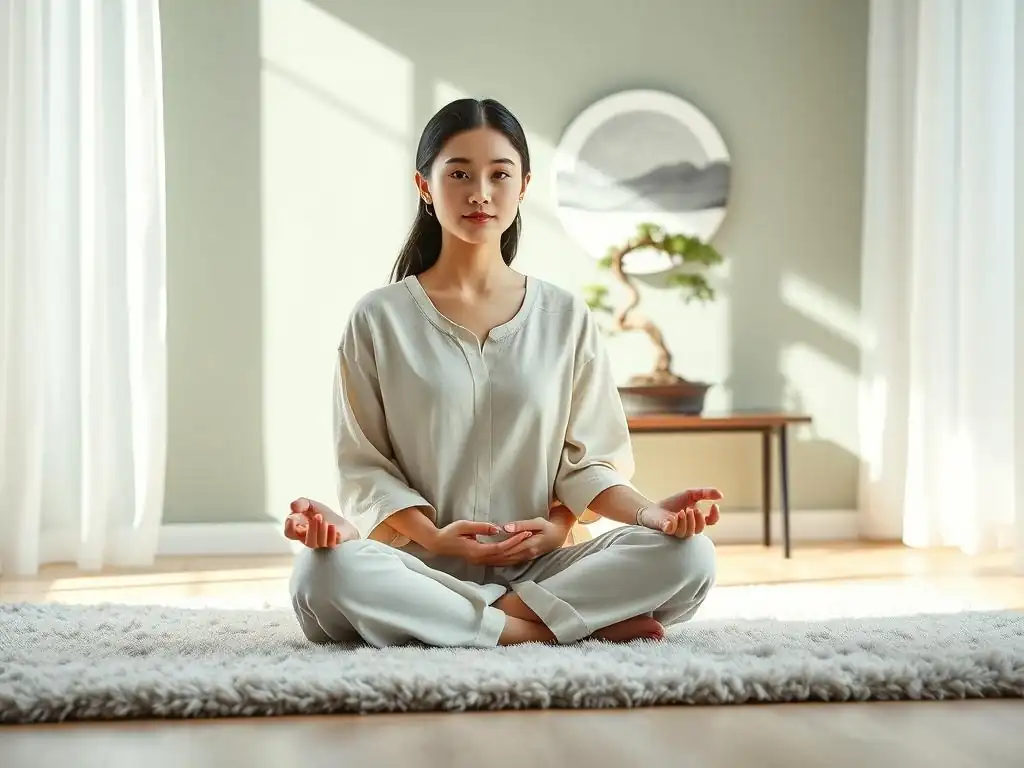
While you can meditate anywhere, creating a dedicated space, even a small corner, can significantly support a consistent practice. This doesn't need to be elaborate; it could be simply a comfortable cushion in a quiet room or a specific chair. The key is to make it a place associated with calm and introspection, free from distractions if possible.
Having a designated spot helps signal to your mind that it's time to transition into a meditative state. Ensure it's comfortable, perhaps with stable seating and a temperature that is neither too hot nor too cold. Minimizing visual clutter can also help reduce external distractions. While not strictly necessary, creating this sanctuary can make it easier to settle into your practice and deepen your experience of meditation for stress reduction.
Establishing a Consistent Meditation Routine
Consistency is more important than duration when it comes to reaping the benefits of meditation for stress reduction. Aim to meditate at the same time each day, if possible, to build a routine. Morning is a popular time as it can set a calm tone for the day, but evening meditation can also be beneficial for unwinding before sleep.
Start small – even 5-10 minutes daily is effective. As you become more comfortable, you can gradually increase the duration. Treat your meditation time as non-negotiable, like brushing your teeth. Missing a day is not a failure, just return to the practice the next day. Building this routine helps integrate meditation into your lifestyle, making it a reliable tool for managing daily stress.
Overcoming Common Challenges in Meditation
Beginning or maintaining a meditation practice can come with challenges. Recognizing these common hurdles can help you navigate them effectively.
Dealing with Distractions and Wandering Thoughts
One of the most common challenges is dealing with distractions and the mind's tendency to wander, especially when practicing meditation for stress reduction, as stressful thoughts can be particularly persistent. It's important to understand that a wandering mind is normal, not a sign of failure. The practice isn't about stopping thoughts, but about noticing when they arise and gently bringing your attention back to your chosen anchor (breath, mantra, body sensation).
When you notice your mind has wandered, simply acknowledge the thought without judgment ("Ah, thinking about dinner") and kindly redirect your attention. Think of it as gently training a puppy – you don't scold it for wandering, you just gently guide it back. This repeated act of returning is the core of the practice and strengthens your capacity for focus and present-moment awareness, which directly helps in managing stress.
Staying Motivated and Committed
Maintaining motivation can be difficult, especially when you don't immediately feel profound results or when life gets busy. Remember why you started meditating – likely for stress reduction and improved well-being. Reconnecting with this intention can be a powerful motivator.
Tracking your practice (even just marking it on a calendar) can provide a sense of accomplishment. Joining a meditation group or finding a meditation buddy can offer support and accountability. Be patient and compassionate with yourself; progress in meditation is often subtle and non-linear. Celebrate small successes and remember that even short, imperfect meditations are beneficial. Viewing meditation as self-care rather than a chore can help foster commitment and make it a sustainable part of your stress management strategy.
The Long-Term Benefits of Meditation for Stress Management
Consistent meditation practice yields significant long-term benefits for stress management and overall well-being that extend far beyond the meditation cushion. These benefits accumulate over time, building resilience and improving quality of life.
Improved Emotional Regulation and Resilience
One of the most profound long-term benefits is improved emotional regulation and increased resilience to stress. Regular meditation trains the mind to observe emotions without being overwhelmed by them. This allows individuals to respond to challenging situations with greater calm and less reactivity. Instead of being swept away by anger, fear, or anxiety, meditators develop the capacity to acknowledge these feelings and choose a more constructive response.
Research indicates that long-term meditators show reduced activity in the amygdala and increased connectivity between the amygdala and the prefrontal cortex, which is involved in executive functions like decision-making and emotional control. This neurological change translates into a greater ability to bounce back from stressful experiences and maintain emotional balance in the face of adversity, significantly enhancing stress reduction capabilities.
Enhanced Cognitive Function and Focus
Beyond emotional benefits, meditation also enhances cognitive function, including improved focus, attention, and memory. The practice of repeatedly bringing the mind back to an anchor strengthens the neural pathways associated with attention control. This improved focus translates directly to daily tasks, making individuals more productive and less prone to the mental fog often induced by stress.
Studies have shown that regular meditation can lead to increased gray matter density in areas of the brain related to learning and memory, such as the hippocampus. Improved focus and reduced mental clutter also contribute to better problem-solving abilities and clearer thinking. These cognitive enhancements provide a valuable counterpoint to the detrimental effects of chronic stress on brain function, making meditation a powerful tool not just for stress relief, but for cognitive vitality.
Better Sleep Quality and Overall Well-being
Chronic stress is a major disruptor of sleep, leading to insomnia and poor sleep quality, which in turn exacerbates stress and negatively impacts overall health. Meditation has been shown to significantly improve sleep quality by calming the nervous system and reducing the racing thoughts that often interfere with falling and staying asleep.
Regular meditation contributes to overall well-being by fostering a greater sense of peace, contentment, and self-awareness. It can reduce feelings of isolation and increase feelings of compassion towards oneself and others. By addressing the root causes of stress and building mental and emotional resilience, meditation supports a holistic state of health. Individuals who practice meditation consistently often report feeling more present, more connected, and better equipped to handle life's challenges, leading to a sustained improvement in their quality of life and a profound reduction in the burden of stress.
Conclusion: Embrace Meditation as a Powerful Tool for Stress Relief
Navigating the complexities of modern life often means encountering stress, but it doesn't have to mean being overwhelmed by it. As we've explored, meditation offers a diverse and powerful set of tools for managing stress and cultivating inner peace. From the foundational awareness of mindfulness to the deep rest of TM, the emotional cultivation of Metta, or the integrated movement of yoga and walking meditation, there is a practice suitable for nearly everyone.
The key is finding a technique that resonates with you and committing to a consistent, even if short, practice. By dedicating time to meditation for stress reduction, you are investing in your mental and physical health, building resilience, improving emotional regulation, and enhancing overall well-being. Embrace the journey of exploring different meditation styles, be patient with yourself, and integrate this ancient practice into your modern life. The profound benefits of a calmer mind and a more resilient spirit are well within your reach.
Frequently Asked Questions
What is meditation and how does it help with stress reduction?
Meditation is a practice of training your mind to focus and redirect thoughts. It helps with stress reduction by promoting relaxation and reducing activity in the stress-response system.
What are some different types of meditation suitable for stress relief?
There are many types, including mindfulness meditation, guided meditation, transcendental meditation, and yoga. Each offers a unique approach to achieving inner peace and reducing stress levels.
How often should I meditate to experience the benefits of stress reduction?
Consistency is key. Even short, daily sessions of 5-10 minutes can lead to noticeable improvements in stress management and overall well-being.
Are there any potential drawbacks or risks associated with meditation?
While rare, some individuals may experience increased anxiety or discomfort during meditation, especially in the beginning. It's important to listen to your body and adjust your practice accordingly.
Where can I find resources to learn more about meditation for stress reduction?
Mind Care Guide offers a wealth of information, including articles, guided meditations, and resources to help you begin and maintain your meditation practice.
Final Reflection: Finding Your Calm in a Chaotic World
The pervasive stress of modern life demands effective coping mechanisms, and the ancient practice of meditation offers a powerful antidote. This exploration of various meditation techniques reveals a rich tapestry of approaches, each capable of significantly reducing stress and improving overall well-being. From the mindful awareness of Vipassanā to the focused concentration of Samatha, the path to inner peace is surprisingly diverse and accessible.
The impact of meditation extends far beyond individual stress relief; it's a ripple effect influencing our relationships, productivity, and even our collective societal health. The ability to cultivate inner calm translates into greater empathy, improved communication, and a more resilient approach to life's challenges. As Thich Nhat Hanh wisely stated, Peace is not something you can find. Peace is something you create.
This resonates deeply with the transformative power of consistent meditation practice, shaping not only our internal landscape but also contributing to a more peaceful world.
Now, consider your own journey toward stress reduction. Which meditation style resonated most with you? What small step can you take today to integrate this practice into your daily life? Perhaps it's five minutes of mindful breathing before bed, or a guided meditation during your lunch break. Remember, the journey to inner peace is a personal one, and even small, consistent efforts can yield profound and lasting benefits. Embrace the opportunity to cultivate your own calm amidst the storm, and discover the transformative power of meditation for yourself.
Unlock Your Inner Calm: Start Your Meditation Journey Today!
Thank you for taking the time to explore the world of meditation with Mind Care Guide! We hope you found valuable insights into different techniques for stress relief. Now it's time to put your newfound knowledge into practice.
Here are a few ways to begin your personal meditation journey:
- Begin a daily meditation practice: Even 5 minutes a day can make a significant difference. Start with a guided meditation focusing on your breath or a technique discussed in the article. Consistency is key!
- Share your experience: Tell a friend or family member about your experience with meditation. Sharing your journey can strengthen your commitment and inspire others.
- Explore different meditation styles: Try experimenting with the techniques mentioned, or discover new styles through online resources or local meditation groups. What resonates most with you?
Ready to discover which meditation technique best suits your needs and lifestyle? What small step will you take today to prioritize your mental well-being?