
The Connection to Something Greater: How Spirituality Provides Meaning


Welcome to Mind Care Guide, a safe space dedicated to nurturing your mental well-being. Feeling lost or disconnected? Perhaps the answer lies in exploring a deeper sense of purpose. This week, we delve into finding meaning through spirituality and how connecting with something greater than ourselves can profoundly impact our mental health. Curious to discover how spirituality can help you navigate life's challenges and cultivate inner peace? Let's begin.
The Connection to Something Greater: How Spirituality Provides Meaning
- Understanding Spirituality and Its Role in Mental Well-being
- Exploring Different Spiritual Paths for Finding Meaning
- The Benefits of Finding Meaning Through Spirituality
- Practical Tips for Cultivating Spirituality and Finding Meaning
- Overcoming Challenges in Finding Meaning Through Spirituality
- The Intersection of Spirituality and Mental Health Treatment
- Conclusion: Embracing Spirituality for a Meaningful Life
-
Frequently Asked Questions
- What role does spirituality play in finding meaning in life?
- How can I explore my own spirituality, even if I'm not religious?
- Can spirituality help with mental health challenges like anxiety or depression?
- What are some practical ways to integrate spirituality into my daily routine?
- Is there a difference between spirituality and religion, and how does that affect finding meaning?
- Final Reflection: Echoes of the Divine in a Secular World
- Ignite Your Inner Spark: Discover Deeper Meaning
Understanding Spirituality and Its Role in Mental Well-being
Defining Spirituality: Beyond Religion
Spirituality is a broad and deeply personal concept that often involves a sense of connection to something larger than oneself. While it can certainly include organized religion, spirituality extends beyond specific doctrines, rituals, or institutions. It encompasses an individual's search for meaning, purpose, and transcendent value in life. This search can manifest in various ways, from a belief in a higher power or universal energy to a profound connection with nature or humanity as a whole. It's about exploring one's inner life, values, and the fundamental questions of existence, often leading to a sense of awe, peace, and belonging.
Unlike religion, which typically involves shared beliefs, practices, and community structures, spirituality is often more individualized. It's about the internal journey of discovery and understanding one's place in the cosmos. For many, spirituality is about cultivating inner peace, practicing compassion, and living in alignment with one's deepest values.
This personal exploration can be a powerful pathway to finding meaning through spirituality, offering comfort and guidance, especially during challenging times. Research, such as studies published in the Journal of Religion and Health, frequently highlights that individuals who identify as spiritual, regardless of religious affiliation, report higher levels of life satisfaction and well-being.
The Importance of Meaning and Purpose in Life
Having a sense of meaning and purpose is fundamental to human psychological well-being. It provides direction, motivation, and a framework for understanding our experiences, both positive and negative. When we feel our lives have significance, we are better equipped to navigate difficulties, persevere through challenges, and find joy in daily living.
Conversely, a lack of meaning or purpose can contribute to feelings of emptiness, despair, and even mental health issues like depression and anxiety. Viktor Frankl, a neurologist and psychiatrist who survived the Holocaust, famously wrote in "Man's Search for Meaning" that the primary motivational force in humans is the search for meaning.
Studies consistently show a strong correlation between a sense of purpose and positive mental health outcomes. For example, findings from longitudinal studies, like those tracked over decades with thousands of participants, suggest that individuals who report a strong sense of purpose tend to live longer, healthier lives and have a reduced risk of developing cognitive decline and mental health conditions in later life.
This underscores just how vital finding meaning through spirituality or other avenues is for overall health. It provides a reason to get up in the morning and a perspective that elevates us beyond mere survival, connecting us to something enduring and significant.
Spirituality as a Source of Meaning: A Pathway to Well-being
Spirituality offers a powerful and often accessible avenue for finding meaning and purpose in life. By connecting to something greater than the self – be it a divine entity, the universe, or the interconnectedness of all living things – individuals can find a framework for understanding their existence and challenges. This connection can provide comfort, hope, and a sense of belonging.
Many spiritual paths emphasize values like love, compassion, forgiveness, and service, which can give life a profound sense of direction and significance. Engaging in spiritual practices, such as prayer, meditation, or reflection, can foster introspection and a deeper understanding of one's values and purpose.
Finding meaning through spirituality can also help individuals contextualize suffering and adversity. Rather than seeing difficulties as random or meaningless, a spiritual perspective might view them as opportunities for growth, learning, or purification. This reframing can significantly impact resilience and coping abilities.
For instance, research involving individuals facing chronic illness often shows that those who draw strength from their spiritual beliefs report lower levels of distress and higher levels of acceptance and peace. This demonstrates how a spiritual outlook can transform the experience of hardship, imbuing it with potential meaning and reinforcing a sense of purpose even in the face of pain.
Exploring Different Spiritual Paths for Finding Meaning
Nature and Connection: Finding Meaning in the Natural World
For many, finding meaning through spirituality doesn't require dogma or organized religion; it's found in the profound connection with the natural world. Spending time in nature – hiking in mountains, walking by the ocean, or simply observing the intricate details of a garden – can evoke feelings of awe, wonder, and interconnectedness. This connection can provide a sense of perspective, reminding us of our place within a vast and complex ecosystem.
The beauty and power of nature can inspire reverence and a feeling of being part of something much larger and more enduring than our individual lives. This experience can be deeply spiritual, fostering peace and a sense of belonging.
Ecotherapy and nature-based interventions are increasingly recognized for their mental health benefits. Studies indicate that spending as little as 20-30 minutes in nature can significantly reduce stress hormone levels, such as cortisol. Furthermore, engaging with the natural world encourages mindfulness and presence, pulling us away from anxieties about the past or future and grounding us in the present moment. This focus on the here and now, coupled with the vastness and beauty of the environment, can facilitate introspection and a deeper appreciation for life, contributing significantly to finding meaning through spirituality in a non-traditional sense.
Mindfulness and Meditation: Cultivating Inner Peace and Purpose
Mindfulness and meditation are spiritual practices that focus on cultivating awareness and presence in the present moment without judgment. While often practiced in secular contexts for stress reduction, their roots are deeply spiritual, originating in various contemplative traditions. These practices can help quiet the noise of everyday life, allowing individuals to connect with their inner selves, values, and intuition. By observing thoughts and emotions without getting swept away by them, one can gain clarity on what truly matters, making it easier to identify and align with one's purpose.
Regular meditation has been shown in numerous studies to alter brain structure and function, leading to increased self-awareness, emotional regulation, and compassion. For example, research using fMRI scans has indicated that long-term meditators show increased gray matter in areas associated with self-awareness and compassion, such as the insula and hippocampus. This enhanced inner awareness is crucial for finding meaning through spirituality, as it allows for a deeper exploration of one's core beliefs, motivations, and aspirations, paving the way for a more purposeful and fulfilling life.
Compassion and Service: Connecting with Humanity and Finding Meaning
Many spiritual traditions emphasize the importance of compassion, empathy, and service to others as pathways to finding meaning. When we extend kindness and help those in need, we connect with our shared humanity and contribute to something larger than ourselves. Acts of compassion can foster a sense of purpose and fulfillment that is deeply rewarding. Volunteering, supporting a cause, or simply being kind to those around us can create a ripple effect of positivity, strengthening our connection to the world and giving our lives greater significance.
Research consistently shows that engaging in altruistic behavior has significant benefits for the giver's well-being. Studies have found that volunteering can reduce symptoms of depression and anxiety, lower blood pressure, and even increase longevity. For example, a study published in the journal Health Psychology found that adults over 50 who volunteered regularly were less likely to develop high blood pressure over a four-year period compared to non-volunteers. This highlights how focusing outward and serving others is a powerful method for finding meaning through spirituality and improving overall mental and physical health.
Creative Expression: Spirituality and the Meaning of Art
Creative expression, whether through art, music, writing, dance, or other forms, can be a profoundly spiritual act and a means of finding meaning. The process of creating allows individuals to tap into their intuition, emotions, and connection to the universal flow of inspiration. It can be a way to process experiences, explore deep questions, and communicate insights that are difficult to articulate through words alone. For many artists, the act of creation itself is a spiritual practice, a way to connect with something transcendent and bring new forms of beauty or understanding into the world.
Engaging in creative activities has been shown to boost mood, reduce stress, and enhance self-esteem. Art therapy, for instance, is used in clinical settings to help individuals explore complex emotions and experiences. Furthermore, the act of creating something that resonates with others or expresses a personal truth can provide a deep sense of purpose and validation. Whether it's writing poetry that captures a shared human experience or painting a landscape that evokes a feeling of awe, creative expression offers a unique pathway to finding meaning through spirituality, allowing the inner world to connect with and enrich the outer world.
The Benefits of Finding Meaning Through Spirituality
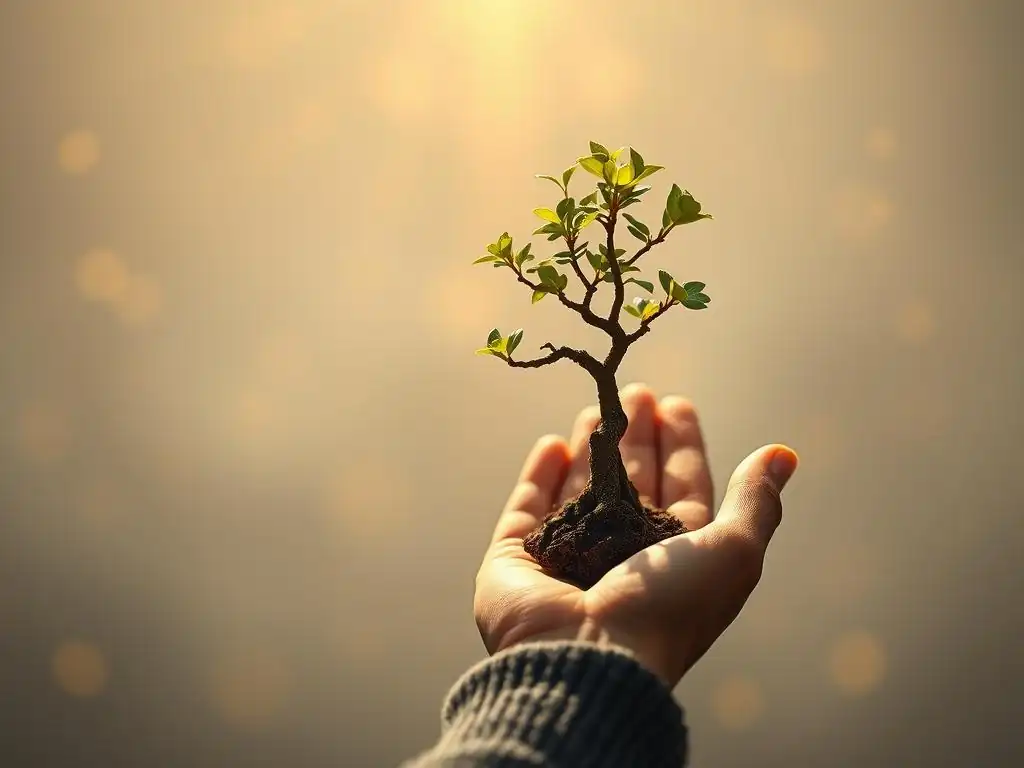
Reduced Stress and Anxiety: The Calming Effect of Spiritual Practices
Engaging in spiritual practices can have a significant calming effect on the mind and body, leading to reduced stress and anxiety. Practices like meditation, prayer, contemplative walks, or mindful breathing can activate the body's relaxation response, lowering heart rate, blood pressure, and stress hormone levels. By shifting focus away from worries and toward a sense of presence or connection to something greater, these practices help quiet the incessant chatter of the mind and foster a sense of peace and equanimity.
Scientific studies support the stress-reducing benefits of spiritual and contemplative practices. For example, research on mindfulness meditation consistently shows its effectiveness in reducing symptoms of generalized anxiety disorder and panic disorder. A meta-analysis published in JAMA Internal Medicine found that mindfulness programs had moderate evidence of improving anxiety and depression symptoms. This underscores how finding meaning through spirituality, often facilitated by regular practice, provides practical tools for managing daily stressors and fostering a calmer state of being.
Enhanced Resilience: Coping with Challenges Through Faith and Meaning
A strong spiritual foundation can significantly enhance an individual's resilience, or the ability to bounce back from adversity. When faced with challenges, loss, or trauma, a spiritual perspective can provide a framework for understanding suffering, finding hope, and maintaining a sense of purpose. Belief in a higher power, a benevolent universe, or simply the inherent meaningfulness of life can offer comfort and strength during difficult times. Spiritual communities also provide social support, which is a critical factor in resilience.
Research on coping mechanisms consistently shows that individuals who utilize spiritual coping strategies report better psychological outcomes when facing stressful life events. For instance, studies on individuals recovering from serious illness or bereavement often find that those who rely on their faith or spiritual beliefs experience less depression and greater post-traumatic growth. This demonstrates the protective power of finding meaning through spirituality; it equips individuals with internal and external resources to navigate life's inevitable hardships with greater strength and grace.
Improved Relationships: Connecting with Others on a Deeper Level
Spirituality often fosters qualities that are essential for healthy relationships, such as compassion, empathy, forgiveness, and humility. Many spiritual paths emphasize the interconnectedness of all beings, encouraging a view of others with kindness and understanding. Engaging in spiritual practices, especially within a community setting, can also provide opportunities to connect with like-minded individuals, building supportive relationships based on shared values and mutual respect.
Furthermore, finding meaning through spirituality can improve personal relationships by promoting better communication and conflict resolution skills. A focus on forgiveness, patience, and seeing the inherent worth in others, often cultivated through spiritual practice, can help navigate disagreements with greater understanding and less reactivity. Studies on couples who share spiritual or religious practices often report higher levels of relationship satisfaction and stability, suggesting that a shared spiritual journey can deepen connection and foster stronger bonds.
Increased Self-Awareness: Discovering Your Authentic Self Through Spirituality
The journey of finding meaning through spirituality is inherently one of self-discovery. Spiritual practices like meditation, journaling, and contemplative prayer encourage introspection and reflection, allowing individuals to explore their thoughts, emotions, values, and beliefs on a deeper level. This increased self-awareness is crucial for understanding who you are, what motivates you, and what truly matters in your life. It helps differentiate between societal expectations or external pressures and one's authentic desires and purpose.
Developing self-awareness through spirituality allows individuals to live more intentionally and in alignment with their core values. This congruence between inner beliefs and outward actions contributes significantly to overall well-being and life satisfaction. As individuals gain a clearer understanding of their authentic selves, they are better equipped to make choices that support their growth and fulfillment, reinforcing the sense of purpose gained from their spiritual exploration. For example, someone who discovers a deep spiritual value in environmental stewardship might find meaning by dedicating their life to conservation efforts.
Practical Tips for Cultivating Spirituality and Finding Meaning
Start with Introspection: Exploring Your Values and Beliefs
The first step in finding meaning through spirituality is often an inward turn. Take time to reflect on what truly matters to you. What are your core values? What beliefs guide your life? What questions do you have about existence, purpose, or the nature of reality?
- Consider using journaling prompts like:
- What experiences make you feel most alive or connected?
- What qualities do you admire most in others?
- If you had unlimited time and resources, what would you dedicate yourself to?
- What gives you a sense of awe or wonder?
- Dedicate quiet time each day or week for reflection without distractions.
This process of introspection is foundational. Understanding your existing inner landscape is essential before you can begin to cultivate or explore new spiritual dimensions. It helps clarify what you are searching for and what kind of meaning resonates most deeply with you.
Engage in Spiritual Practices: Prayer, Yoga, Journaling, and Nature Walks
Once you have a sense of your inner landscape, explore various spiritual practices. These are activities that help you connect with your inner self, a higher power, nature, or humanity. Experiment to find what resonates with you.
- Prayer or Contemplation: Spend time in quiet communion, however you define it.
- Meditation or Mindfulness: Practice focusing on the present moment.
- Yoga or Tai Chi: Use movement to connect mind and body.
- Journaling: Write down thoughts, feelings, and reflections.
- Nature Walks: Spend time outdoors, observing and connecting with the natural world.
- Reading Sacred Texts or Inspirational Literature: Explore wisdom from various traditions.
Consistency is key. Even a few minutes each day dedicated to a chosen practice can make a significant difference in fostering a sense of presence and opening pathways to finding meaning through spirituality.
While spirituality is personal, connecting with others on a similar path can be incredibly supportive and enriching. Sharing experiences, insights, and challenges with others can deepen your understanding and provide a sense of belonging.
- Explore local spiritual or religious communities if that aligns with your beliefs.
- Look for groups focused on practices like meditation, yoga, or nature appreciation.
- Join online forums or communities dedicated to spiritual growth or specific spiritual traditions.
- Engage in volunteer work or community service, connecting through shared action and purpose.
Finding a community provides not just social support but also opportunities for shared rituals, learning, and collective reflection, all of which can enhance the experience of finding meaning through spirituality. Shared purpose and connection amplify individual journeys.
Seek Guidance: Spiritual Leaders, Mentors, or Religious Texts
Sometimes, guidance from someone with more experience or wisdom can be invaluable on a spiritual journey. This guidance can come from various sources, depending on your path.
- Talk to a spiritual leader (e.g., minister, rabbi, imam, priest, monk).
- Find a mentor whose spiritual journey you admire.
- Read sacred texts, philosophical works, or books by spiritual teachers.
- Consider working with a therapist or counselor who integrates spiritual perspectives.
Seeking guidance is not about being told what to believe, but about receiving support, gaining new perspectives, and learning from the wisdom of others who have walked similar paths. This can help clarify doubts and provide direction in the process of finding meaning through spirituality.
Overcoming Challenges in Finding Meaning Through Spirituality

It is entirely normal to experience doubts and skepticism on a spiritual journey. Questioning beliefs, feeling uncertain about the path, or struggling with the concept of something "greater" are common experiences. These doubts are not necessarily roadblocks but can be opportunities for deeper exploration and refining your understanding.
Rather than suppressing doubts, try to approach them with curiosity. Explore the reasons behind your skepticism. Read different perspectives, talk to others, and reflect on your own experiences. Sometimes, finding meaning through spirituality involves embracing uncertainty rather than demanding absolute answers. Many spiritual traditions acknowledge that faith is not the absence of doubt, but the courage to move forward despite it. Engaging with doubts honestly can lead to a more robust and authentic spiritual path.
Time Constraints: Integrating Spirituality into a Busy Life
Finding time for spiritual practices can be a significant challenge in a fast-paced world. Busy schedules, work commitments, and family responsibilities often leave little room for quiet reflection or dedicated practice. However, integrating spirituality doesn't necessarily require large blocks of time.
Look for ways to weave spiritual moments into your daily routine. This could be five minutes of mindful breathing before starting your day, a few minutes of reflection during your commute, a prayer before meals, or a short walk in nature during your lunch break. Consider stacking habits – for instance, combining your morning coffee with journaling. The key is consistency, even in small increments. Finding meaning through spirituality is a continuous process, not a destination, and small, regular engagements can build momentum and deepen your connection over time.
Finding the Right Path: Exploring Different Spiritual Options
The vast array of spiritual paths and practices can feel overwhelming when you're first starting to explore. How do you know which one is "right" for you? There is no single answer, and what resonates at one point in your life might change later.
Approach this exploration with an open mind and a willingness to experiment. Read about different religions, philosophies, and spiritual traditions. Attend introductory sessions or services if they feel accessible. Try different practices – meditation, yoga, contemplative prayer, nature connection – and see how they feel. The "right" path is one that resonates with your inner values, helps you cultivate peace and purpose, and supports your growth. It's okay to sample different approaches and adapt elements that feel authentic to you on your journey of finding meaning through spirituality.
The Intersection of Spirituality and Mental Health Treatment
Spirituality as a Complement to Traditional Therapies
Spirituality can serve as a valuable complement to traditional mental health treatments such as psychotherapy and medication. While therapy addresses psychological and behavioral patterns, spirituality can provide a broader framework for understanding suffering, finding hope, and connecting with internal and external resources. For many individuals, their spiritual beliefs and practices are already integral coping mechanisms, and integrating these into therapy can enhance the treatment process.
Mental health professionals are increasingly recognizing the importance of addressing a client's spiritual or religious beliefs as part of comprehensive care. Assessment might include asking about a client's faith, spiritual practices, and how they use them to cope. Incorporating spiritual themes or resources, when appropriate and desired by the client, can strengthen the therapeutic alliance and provide additional pathways for healing and finding meaning through spirituality, especially for those whose beliefs are central to their identity and worldview.
Working with a Spiritual Counselor or Therapist
For individuals whose spiritual journey is closely tied to their mental health concerns, working with a therapist or counselor who has training in integrating spirituality can be particularly beneficial. These professionals are equipped to understand the nuances of spiritual and religious experiences and how they intersect with psychological well-being.
A spiritual counselor might help clients explore questions of faith, doubt, guilt, or existential meaning within the context of their mental health challenges. They can assist in identifying how spiritual beliefs might be a source of strength or, conversely, contributing to distress (e.g., spiritual struggles or trauma). This specialized support can provide a safe space to explore the complex interplay between one's inner life and mental health, facilitating a more integrated approach to healing and finding meaning through spirituality.
Integrating Mindfulness-Based Cognitive Therapy (MBCT)
Mindfulness-Based Cognitive Therapy (MBCT) is an evidence-based therapeutic approach that integrates elements of Cognitive Behavioral Therapy (CBT) with mindfulness practices. While often presented in a secular format, MBCT's foundation in mindfulness connects directly to contemplative spiritual traditions. It teaches individuals to become more aware of their thoughts and feelings without judgment, helping them to recognize negative thought patterns that can contribute to depression and anxiety.
By cultivating present-moment awareness, MBCT helps individuals step out of automatic reactions and rumination, fostering a greater sense of control and peace. This practice aligns with the core principles of many spiritual paths that emphasize presence and non-attachment. For someone interested in finding meaning through spirituality, MBCT can provide practical, structured techniques for cultivating the inner stillness and awareness necessary for deeper spiritual exploration and improved mental well-being. Studies have shown MBCT to be particularly effective in preventing relapse in individuals with recurrent depression.
Conclusion: Embracing Spirituality for a Meaningful Life
The Journey of Finding Meaning is a Lifelong Pursuit
Finding meaning through spirituality is not a destination to be reached but a continuous journey of exploration, growth, and discovery. It involves ongoing introspection, practice, and a willingness to adapt as life circumstances change. The questions we ask about purpose, connection, and the transcendent may evolve over time, and our spiritual path should allow for this evolution.
Embracing this journey means committing to regular check-ins with yourself, continuing to learn and explore different practices or perspectives, and being patient with periods of doubt or uncertainty. It's about cultivating a way of being that is open, curious, and connected to something larger than oneself, recognizing that deeper understanding and a richer sense of meaning unfold gradually over a lifetime.
Spirituality as a Foundation for Lasting Well-being
Ultimately, spirituality offers a powerful foundation for lasting mental and emotional well-being. By providing a framework for finding meaning and purpose, enhancing resilience, reducing stress, improving relationships, and increasing self-awareness, spirituality supports holistic health. It connects us to our inner selves, to others, and to the vastness of existence, fostering a sense of belonging and significance that transcends temporary circumstances.
Whether through organized religion, a connection with nature, contemplative practices, or acts of service, finding meaning through spirituality enriches life and equips us to navigate its complexities with greater peace, strength, and a profound sense of purpose. Integrating spirituality into our lives can lead to a more fulfilling, resilient, and meaningful existence, contributing significantly to our overall mental and emotional health.
Frequently Asked Questions
What role does spirituality play in finding meaning in life?
Spirituality can provide a sense of connection to something larger than oneself, offering purpose and meaning beyond everyday experiences. It often involves a search for transcendence and deeper understanding.
How can I explore my own spirituality, even if I'm not religious?
Exploring spirituality doesn't require religious affiliation. It can involve practices like mindfulness, meditation, nature walks, or engaging in activities that bring you a sense of awe and connection.
Can spirituality help with mental health challenges like anxiety or depression?
Yes, spirituality can be a valuable coping mechanism. It can offer hope, resilience, and a sense of community, which can be beneficial in managing symptoms of anxiety and depression.
What are some practical ways to integrate spirituality into my daily routine?
Integrating spirituality can be as simple as practicing gratitude, spending time in nature, or engaging in acts of kindness. Regular meditation or prayer can also be helpful.
Is there a difference between spirituality and religion, and how does that affect finding meaning?
While religion often involves organized beliefs and practices, spirituality is a more personal and individual search for meaning. You can find meaning through either or both, depending on your personal beliefs and values.
Final Reflection: Echoes of the Divine in a Secular World
The search for meaning is a universal human experience, and in an increasingly secular world, the yearning for something greater than ourselves remains profoundly relevant. This inherent need, explored throughout this article, points to a fundamental truth: we are wired for connection, for purpose, for a sense of belonging that transcends the purely material. The spiritual path, in its myriad forms, offers a powerful framework for answering this deeply human call.
The impact of spirituality on the cultural and social landscape is undeniable, weaving its way through art, music, literature, and countless acts of kindness and compassion. It shapes our values, influences our choices, and provides a moral compass in a world often characterized by uncertainty.
As the poet Rumi eloquently stated, >“Out beyond ideas of wrongdoing and rightdoing, there is a field. I’ll meet you there.” This "field" represents the boundless space of spiritual experience, a place where we can connect with something larger than ourselves and find solace, strength, and a deeper understanding of our place in the universe.
Now, consider your own life. What echoes of the divine resonate within you? What practices, beliefs, or connections nurture your sense of purpose and belonging? I invite you to embark on a journey of self-discovery, exploring the spiritual landscape that speaks most deeply to your soul. Whether it's through prayer, meditation, nature, art, or community service, the path to meaning is uniquely yours to forge. Embrace the quest, and allow the connection to something greater to illuminate your life with joy, purpose, and lasting peace.
Ignite Your Inner Spark: Discover Deeper Meaning
Thanks for taking the time to explore the powerful connection between spirituality and a meaningful life. We hope you found new perspectives and inspiration within this article. Now, it's time to take that inspiration and turn it into action!
- Embrace a mindful practice: Start small! Dedicate just five minutes each day to meditation, journaling, or simply being present in nature. This is your first step towards cultivating inner peace and deeper connection.
- Connect with like-minded individuals: Share your thoughts and experiences in the comments below. Building a supportive community can enhance your journey towards spiritual growth.
- Explore a new spiritual practice: Try a different form of yoga, listen to inspiring podcasts, or delve into a new spiritual text. The possibilities are endless!
What small step will you take today to nurture your spiritual well-being and discover a richer, more meaningful life?