
Gifts for the Quiet Moments: Ideas for Solace and Reflection in Depression


Welcome to Mind Care Guide, a sanctuary dedicated to nurturing your mental well-being. We understand that navigating mental health challenges can feel overwhelming, and we're here to offer support and resources every step of the way.
Perhaps you, or someone you care about, are seeking comfort and peace amidst the shadows of depression. Our latest article delves into thoughtful ways to offer support through tangible gestures. Are you looking for finding solace depression gifts that truly resonate? Discover a curated selection of ideas designed to encourage reflection, promote self-care, and bring moments of quiet joy—and perhaps, a little light—into the lives of those who need it most. Keep reading to explore gifts that speak volumes, offering comfort and understanding when words fall short.
Gifts for the Quiet Moments: Ideas for Solace and Reflection in Depression
- Finding Solace: Depression Gifts that Promote Reflection and Calm
- Understanding the Need: Why Gifts for Solace are Important in Depression Recovery
-
Curated Gift Ideas for Finding Solace Depression
- 1. Weighted Blankets: A Gentle Embrace for Anxious Thoughts
- 2. Aromatherapy Diffusers & Essential Oils: Soothing Scents for a Calmer Mind
- 3. Mindfulness Journals: Guiding Thoughts and Emotions Through Writing
- 4. Noise-Canceling Headphones: Creating a Sanctuary of Silence
- 5. Indoor Plants: Nurturing Life, Nurturing Self
- 6. High-Quality Teas and Tea Sets: A Ritual of Comfort and Warmth
- 7. Adult Coloring Books and Art Supplies: Unleashing Creativity for Stress Relief
- Selecting the Right Gift: Considerations for Individual Needs
- Beyond the Gift: Supporting Someone Through Depression
- Conclusion: Finding Solace and Hope Through Thoughtful Gestures
-
Frequently Asked Questions
- What kind of gifts are most helpful for someone experiencing depression?
- Why focus on "solace and reflection" when choosing gifts for someone with depression?
- Can a physical gift really help someone struggling with depression?
- Are there any types of gifts that should be avoided when someone is depressed?
- Where can I find more resources and support for understanding and helping someone with depression?
- Final Reflection: Cultivating Inner Peace Amidst the Storm
- Unwind and Rediscover Your Inner Peace
Finding Solace: Depression Gifts that Promote Reflection and Calm
Living with depression often means navigating challenging emotional landscapes, where quiet moments can sometimes feel overwhelming rather than peaceful. For those supporting someone through this journey, finding thoughtful ways to offer comfort and encourage moments of reflection can be profoundly impactful. Gifts for finding solace in depression are not about "fixing" the condition, but about providing tools and sensory experiences that can gently guide an individual towards calm, presence, and self-compassion during difficult times. These are items designed to create a small sanctuary, promote mindfulness, or simply offer a tangible sense of being cared for.
The focus when selecting these depression solace gifts is on promoting inner peace and providing a sense of comfort. Unlike gifts aimed at cheering someone up with temporary distractions, gifts for solace are intended to support deeper emotional processing and relaxation. They recognize that the path through depression often involves quiet introspection, and they offer gentle aids for that process. Whether through tactile comfort, soothing scents, or tools for expressive reflection, these gifts acknowledge the struggle and offer a quiet hand of support.
Understanding the Need: Why Gifts for Solace are Important in Depression Recovery
The Struggle with Quiet: How Depression Impacts Reflection
Depression significantly impacts cognitive function and emotional regulation, often turning moments of solitude and quiet reflection into difficult experiences. Instead of finding peace, individuals may grapple with persistent negative thought loops, rumination, and an inability to concentrate. Studies have shown that depression can impair executive functions, including attention and working memory, making focused introspection or mindfulness practices incredibly challenging. For example, research published in journals like Cognition and Emotion highlights how depressive rumination keeps individuals trapped in cycles of negative self-focus, preventing productive reflection or the ability to simply 'be' in a quiet space without distress.
Furthermore, depression can heighten sensory sensitivities or lead to emotional numbness, making it hard to engage with the world in a way that typically brings comfort. The quiet mind that others might seek for relaxation can become a noisy, critical internal environment. Many individuals report feeling overwhelmed by their own thoughts when left alone, making traditional methods of finding solace seem unattainable. This underscores the need for external aids and gentle invitations to engage with quietude in a supportive, non-demanding way.
The Power of Comfort: How Gifts Can Facilitate Solace and Mindfulness
Thoughtful gifts can serve as powerful, tangible anchors for individuals struggling to find comfort within themselves. By providing sensory input, promoting calming activities, or creating a soothing environment, these gifts can gently interrupt negative patterns and facilitate moments of mindfulness and ease. For instance, a soft, weighted blanket can provide deep pressure stimulation, which is known to activate the parasympathetic nervous system, potentially reducing feelings of anxiety and promoting relaxation. While not a cure, this physical comfort can make quiet moments feel less threatening.
Moreover, gifts that encourage simple, repetitive actions or sensory engagement – like journaling, coloring, or using aromatherapy – can help ground an individual in the present moment. These activities require just enough focus to redirect attention away from distressing thoughts without being overwhelming. They offer a low-pressure way to engage with introspection or simply experience a moment of calm. Receiving such a gift also sends a powerful message of care and understanding, reminding the person that they are not alone and that their need for comfort is acknowledged and supported.
Curated Gift Ideas for Finding Solace Depression

1. Weighted Blankets: A Gentle Embrace for Anxious Thoughts
Weighted blankets are designed to provide deep pressure stimulation, a therapeutic technique thought to mimic the feeling of being held or hugged. This pressure can help calm the nervous system, potentially leading to reduced feelings of anxiety and stress, which are often co-occurring symptoms of depression. While individual results vary, many users report feeling a sense of security and comfort when using a weighted blanket, describing it as a gentle, constant hug.
The weight of the blanket is typically recommended to be about 10% of the user's body weight, although personal preference plays a significant role. Common weights range from 5 pounds for children to 20 pounds or more for adults. While large-scale clinical trials specifically on depression are ongoing, preliminary studies and anecdotal evidence suggest that the calming effect may help improve sleep quality and provide a sense of grounding during moments of overwhelm or restlessness, making quiet time feel more manageable and less anxiety-inducing.
2. Aromatherapy Diffusers & Essential Oils: Soothing Scents for a Calmer Mind
Aromatherapy utilizes the sense of smell to influence mood and well-being, and a diffuser paired with calming essential oils can create a soothing environment conducive to finding solace. Certain scents are traditionally associated with relaxation and stress reduction. For example, lavender is widely used for its purported calming properties, often linked to improved sleep and reduced anxiety. Bergamot is another citrus oil sometimes used to uplift mood and reduce stress levels.
Using a diffuser allows the gentle dispersion of these scents, creating a subtle, non-intrusive atmosphere of calm in a personal space. This can be particularly helpful during quiet moments or when preparing for sleep. While the scientific evidence for the direct impact of essential oils on depression is still developing, the act of engaging with pleasant, soothing aromas can be a simple yet effective form of sensory self-care, providing a small escape and a focus for mindfulness.
3. Mindfulness Journals: Guiding Thoughts and Emotions Through Writing
Journaling is a well-established therapeutic tool that can help individuals process emotions, gain perspective on their thoughts, and track their moods. A mindfulness journal specifically encourages reflection on the present moment, gratitude, self-compassion, and emotional awareness. Unlike traditional diaries, these journals often include prompts that guide the user towards positive or neutral observations and feelings, making the task less daunting when motivation is low.
The physical act of writing can be grounding, offering a structured way to externalize internal struggles. Spending even a few minutes writing can provide a sense of control over overwhelming thoughts and offer insights into emotional patterns. Some journals include sections for setting intentions, noting small joys, or practicing gratitude, which can gently shift focus away from negativity and towards aspects of life that still hold meaning, aiding in the process of finding solace.
4. Noise-Canceling Headphones: Creating a Sanctuary of Silence
For someone experiencing depression, the external world can sometimes feel overwhelmingly loud or chaotic. Sensitivity to noise is not uncommon, and even everyday sounds can be irritating or distracting, making it difficult to find peace or focus. Noise-canceling headphones offer a simple yet effective way to create a personal sanctuary of silence, providing respite from external stimuli.
These headphones use active noise control to reduce ambient sounds, allowing the wearer to experience quiet or listen to calming music, guided meditations, or podcasts without distraction. This can be invaluable during moments when the individual needs to retreat, rest, or engage in a quiet activity without being overwhelmed by their surroundings. They provide a boundary between the inner world and the external environment, facilitating a sense of control and peace in quiet moments.
5. Indoor Plants: Nurturing Life, Nurturing Self
Caring for indoor plants can offer a gentle way to connect with nature and find a sense of purpose and accomplishment, even when confined to home. This practice, sometimes referred to as horticultural therapy, has been shown in various studies to reduce stress, improve mood, and provide a sense of responsibility that can be beneficial during depression. Nurturing a living thing can provide a tangible reminder of growth and resilience.
Choosing low-maintenance plants like snake plants, ZZ plants, or Pothos can make this gift accessible even when energy levels are low. The simple acts of watering, observing new growth, or repotting can be grounding and provide small, achievable tasks that combat feelings of helplessness. Having living greenery in the home also contributes to a more calming and visually appealing environment, enhancing the overall sense of solace in one's personal space.
6. High-Quality Teas and Tea Sets: A Ritual of Comfort and Warmth
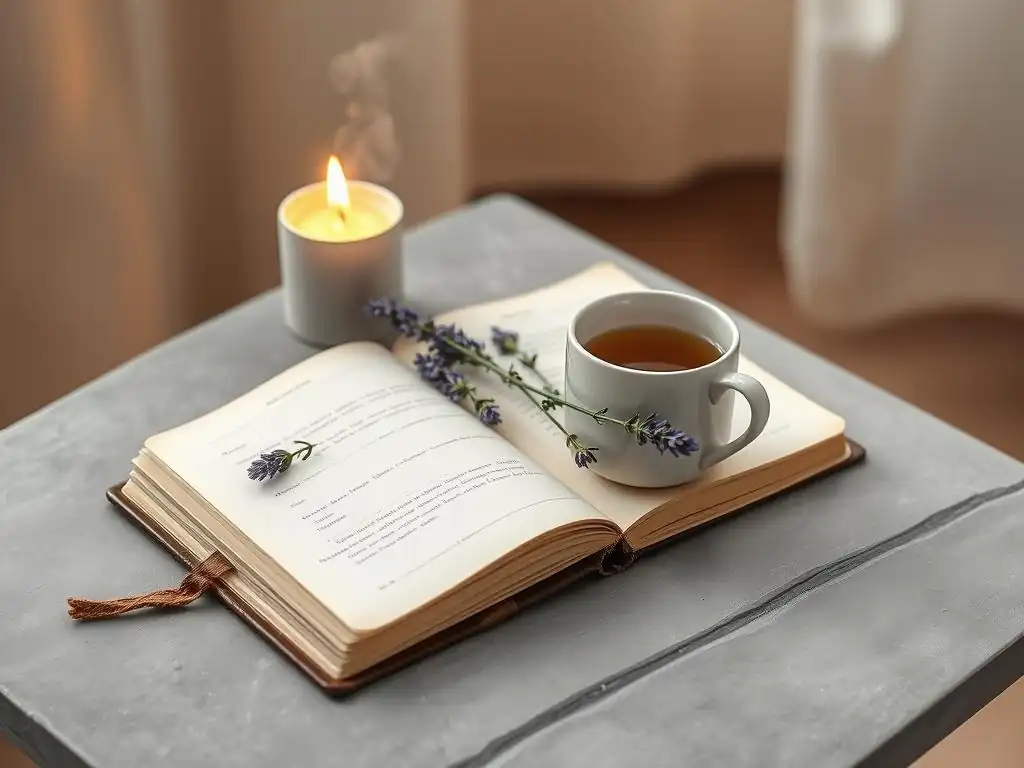
The simple ritual of preparing and drinking a warm cup of tea can be incredibly comforting and grounding. It provides a structured moment of pause in the day, engaging the senses through warmth, aroma, and taste. Offering a selection of high-quality, soothing teas, such as chamomile, valerian root, or calming herbal blends, can encourage this practice.
Pairing the teas with a beautiful, simple tea set elevates the experience from just drinking a beverage to engaging in a mindful ritual. The process of choosing the tea, heating the water, steeping the leaves, and slowly savoring the drink can become a small meditation, a moment dedicated entirely to self-care and quiet reflection. This ritual can provide a sense of normalcy and comfort during times when finding solace feels distant.
7. Adult Coloring Books and Art Supplies: Unleashing Creativity for Stress Relief
Engaging in creative activities like coloring or simple drawing can be a form of active meditation, helping to quiet a busy mind and reduce stress. Adult coloring books, with their intricate patterns, provide a focused, low-pressure way to engage in creative expression without the need for artistic skill or complex decision-making. The repetitive motion and focus on color and form can be deeply calming.
Providing a high-quality coloring book along with a nice set of colored pencils or markers encourages this relaxing activity. It offers a non-verbal outlet for emotions and a way to enter a state of flow, where one becomes completely absorbed in the task at hand. This can provide a welcome distraction from negative thoughts and a sense of accomplishment upon completing a page, fostering moments of peace and quiet concentration.
Selecting the Right Gift: Considerations for Individual Needs
Understanding the Recipient's Preferences
Choosing the right gift for finding solace in depression requires careful consideration of the individual's personality, current state, and preferences. What brings one person comfort might not resonate with another. For example, someone who is sensitive to smells might not appreciate aromatherapy, while someone who finds noise overwhelming might greatly benefit from noise-canceling headphones. It's helpful to think about what activities they used to enjoy, what environments make them feel calm, or what sensory experiences they find soothing.
Subtly asking questions or observing their reactions to different things can provide clues. A gift that acknowledges their unique struggles and preferences demonstrates a deeper level of care and understanding than a generic item. The goal is to provide something that genuinely supports their personal journey towards finding solace, not just something that is generally considered relaxing.
Respecting Boundaries: Avoiding Gifts that Could Be Triggering
It is crucial to be mindful of potential triggers when selecting gifts for someone with depression. Avoid gifts that might inadvertently create pressure, evoke negative memories, or feel overwhelming. For instance, a gift certificate for a social activity might feel like a burden if they are struggling with social withdrawal. Similarly, items related to past hobbies they can no longer engage in might evoke feelings of loss or sadness.
The intention behind finding solace depression gifts is comfort and support, not obligation. Gifts that require significant effort, complex assembly, or immediate use might add to their stress rather than alleviate it. Prioritize items that are simple, can be used at their own pace and on their own terms, and are inherently comforting or conducive to quiet reflection without demanding performance or social interaction.
Beyond the Gift: Supporting Someone Through Depression
Encouraging Professional Help
While thoughtful gifts can provide comfort and support in the journey towards finding solace, it is essential to remember that they are not a substitute for professional medical or therapeutic help. Depression is a serious medical condition that often requires intervention from doctors, therapists, or counselors. Encouraging the person to seek or continue with professional treatment is one of the most important forms of support you can offer.
You can offer practical help, such as assisting them in finding a therapist, accompanying them to appointments, or simply reminding them gently about scheduled sessions. Positioning gifts for solace as complementary tools that can aid in their recovery journey, alongside professional guidance, reinforces the importance of seeking expert care while still offering personal comfort.
Offering Ongoing Support
A single gift, no matter how thoughtful, is just one gesture. Supporting someone through depression requires ongoing presence, patience, and understanding. This involves being a consistent source of emotional support, listening without judgment, and offering practical assistance with daily tasks that may feel overwhelming to them, such as grocery shopping, cleaning, or making meals.
Simply being present, offering a listening ear, or sitting with them in quiet solidarity can be more valuable than any material gift. Remind them that they are not alone and that you are there for them, even during the most difficult moments. Consistent, empathetic support reinforces the message that they are cared for and provides a foundation upon which they can build their path towards healing and finding solace.
Conclusion: Finding Solace and Hope Through Thoughtful Gestures
Frequently Asked Questions
What kind of gifts are most helpful for someone experiencing depression?
The best gifts are those that encourage self-care, relaxation, and gentle engagement. Practical items that promote comfort or provide a calming activity are often well-received.
Why focus on "solace and reflection" when choosing gifts for someone with depression?
Depression can be a time of intense emotional turmoil, so gifts that foster inner peace and allow for quiet reflection can be particularly beneficial. These can help them navigate difficult feelings.
Can a physical gift really help someone struggling with depression?
Yes, a thoughtful gift can be a tangible reminder that someone cares and is thinking of them. It can provide a small boost of positivity and a temporary distraction from negative thoughts.
Are there any types of gifts that should be avoided when someone is depressed?
Avoid gifts that might create additional pressure or require significant effort, like complicated projects or items that emphasize social interaction if they are isolating.
Where can I find more resources and support for understanding and helping someone with depression?
Mind Care Guide offers a comprehensive guide to mental well-being, providing information, support, and resources for various mental health challenges, including depression.
Final Reflection: Cultivating Inner Peace Amidst the Storm
The search for solace during depression is a universal human experience, and the gifts we give ourselves—or receive from others—can be powerful tools in navigating this challenging journey. Finding moments of peace and quiet amidst the storm of depression is not a luxury, but a vital necessity for healing and recovery. The ideas explored in this article, from calming teas to inspiring journals, are not mere suggestions, but potential pathways towards a brighter future.
The impact of depression extends far beyond the individual, rippling outwards to touch families, communities, and society as a whole. The ongoing stigma surrounding mental health prevents many from seeking help, and understanding the importance of self-care, even in small ways, is crucial for fostering a culture of support and compassion. The cure for boredom is curiosity. There is no cure for depression.
– This quote highlights the active role we must play in our own well-being, emphasizing that while there is no single "cure," there are many avenues for finding solace and managing the symptoms of depression.
Now, consider your own quiet moments. What small acts of self-care resonate most deeply with you? What gifts, tangible or intangible, can you offer yourself to nurture your inner peace?
Perhaps it's a quiet cup of tea, a walk in nature, or simply allowing yourself the space to breathe and be. Embrace these moments, for they are the seeds of resilience, the building blocks of a journey towards healing and a life filled with meaning and purpose. Take the time to explore the suggestions in this article, and discover the gifts that can help you find your own path to solace.
Unwind and Rediscover Your Inner Peace
Thanks for taking the time to explore ways to find solace and reflection during challenging times. We hope this article provided you with some helpful ideas for nurturing your well-being. Now, let's take those insights and turn them into action:
- Prioritize one self-care activity from the article this week. Even 15 minutes dedicated to mindfulness or a calming hobby can make a difference. Choose the one that most resonates with you and commit to it.
- Share this article with a loved one who might also benefit from these suggestions. Sometimes, knowing you're not alone can be incredibly comforting.
- Leave a comment below and share your favorite quiet moment activity – let's inspire each other!
What small step will you take today to cultivate more peace and calm in your life?