
The Comfort of Bedding: Gifts for Creating a Sleep Sanctuary

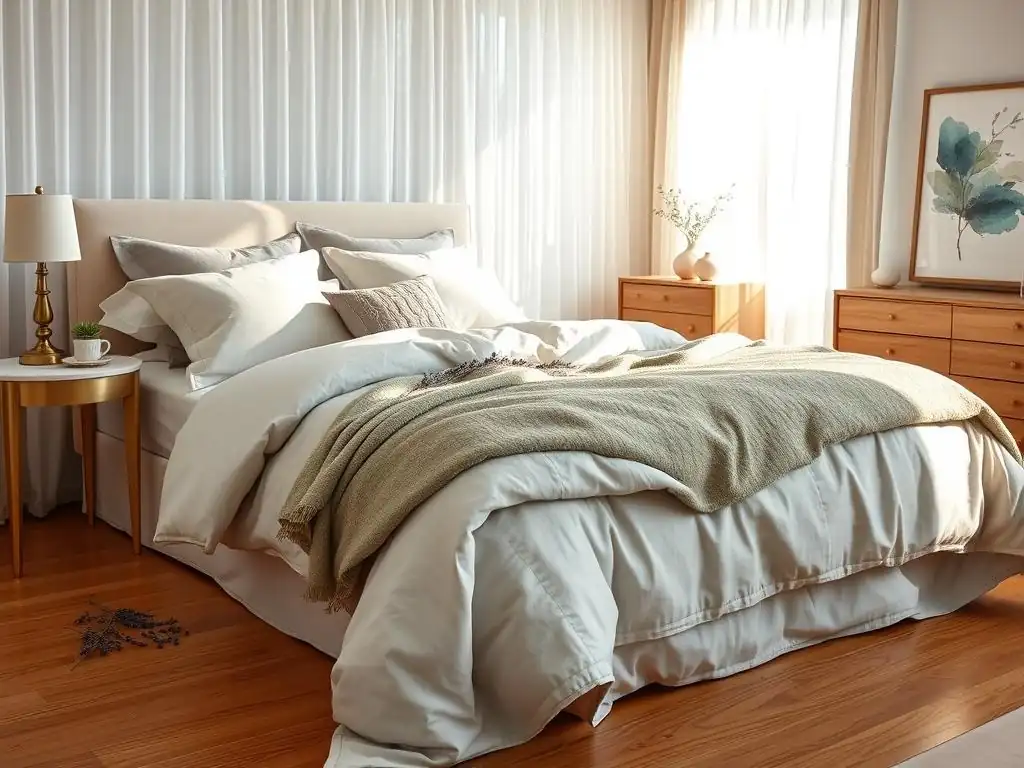
Welcome to Mind Care Guide, where we understand the profound connection between your environment and your mental well-being. Are you struggling to find restful sleep? We believe a truly calming sanctuary is within reach. This month, we delve into creating a calming sleep space with thoughtful gifts designed to nurture relaxation and promote deeper, more restorative sleep. Curious to discover how a few simple changes can transform your bedroom into a haven of peace? Let's explore the possibilities together...
The Comfort of Bedding: Gifts for Creating a Sleep Sanctuary
- Introduction: Transforming Your Bedroom into a Calming Sleep Space for Mental Well-being
- Understanding the Key Elements for Creating a Calming Sleep Space
-
Choosing the Best Bedding Based on Specific Needs: A Buying Guide
- For Anxious Sleepers: Creating a Calming Sleep Space with Weighted Blankets and Sensory-Friendly Fabrics
- For Hot Sleepers: Cooling Bedding Options for a Refreshing Sleep Sanctuary
- For Sensitive Skin: Hypoallergenic Bedding for a Healthy and Comfortable Sleep
- For Budget-Conscious Shoppers: Affordable Options for Creating a Calming Sleep Space
- Real-Life Examples: Transforming Bedrooms into Sleep Sanctuaries
- Conclusion: Investing in Bedding for a Better Night's Sleep and Improved Mental Well-being
-
Frequently Asked Questions
- How can new bedding contribute to better sleep?
- What types of bedding are recommended for creating a calming sleep space?
- Beyond comfort, how does bedding help with mental well-being?
- What are some budget-friendly options for upgrading my sleep space with bedding?
- How often should I replace my bedding to maintain a calming sleep space?
- Final Reflection: Weaving a Tapestry of Tranquility
- Transform Your Sleep Sanctuary Today!
Introduction: Transforming Your Bedroom into a Calming Sleep Space for Mental Well-being
The bedroom is more than just a place to sleep; it's a personal retreat, a sanctuary from the demands of the day. For individuals navigating mental health challenges, or simply seeking to improve their overall well-being, creating a calming sleep space is not a luxury, but a vital component of a healthy routine. The quality of our sleep profoundly impacts our mood, cognitive function, and emotional resilience.
Thoughtfully chosen bedding plays a significant role in fostering an environment conducive to rest, transforming a standard bedroom into a haven designed for optimal sleep and mental peace. Investing in comfortable and supportive bedding is a tangible step towards prioritizing sleep health and, by extension, enhancing mental well-being.
This article explores how the right bedding can contribute to creating a calming sleep space, offering insights and suggestions for selecting items that promote comfort, support, and a sense of tranquility. We'll look at the foundational elements like mattresses and pillows, delve into the sensory experience of sheets and blankets, and even consider specific needs like anxiety or temperature regulation. Whether you're looking to upgrade your own sleep environment or searching for a thoughtful gift for someone you care about, understanding the impact of bedding on sleep quality is the first step towards cultivating a true sleep sanctuary.
Understanding the Key Elements for Creating a Calming Sleep Space
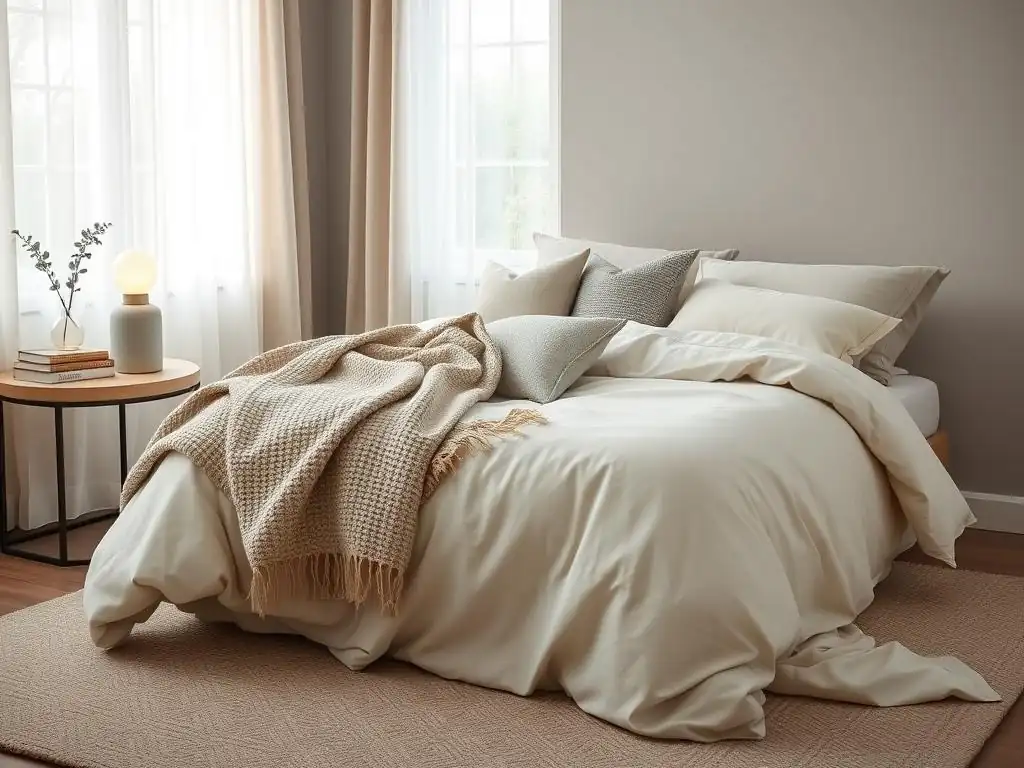
Achieving a truly restful sleep environment involves considering several intertwined elements, each contributing to the overall comfort, support, and sensory experience of the space. Beyond just aesthetics, the functional properties of bedding materials, construction, and feel are paramount in influencing how quickly we fall asleep, how deeply we stay asleep, and how refreshed we feel upon waking. From the underlying support structure to the layers that touch our skin, every component plays a part in the symphony of sleep.
Successfully creating a calming sleep space hinges on a holistic approach. It's about selecting components that work in harmony to meet individual needs, whether those relate to physical support, temperature regulation, or sensory preferences. Understanding the role of each bedding element allows for informed choices that directly address potential sleep disruptors and enhance the restorative power of the night.
The Foundation: Choosing the Right Mattress for Restful Sleep
The mattress is arguably the most critical component in creating a calming sleep space. It provides the primary support structure for your body throughout the night, influencing spinal alignment and pressure point relief. A mattress that is too soft can cause the spine to sag, while one that is too firm can create uncomfortable pressure points on hips and shoulders.
Research suggests that replacing an old, uncomfortable mattress can improve sleep quality and reduce back pain by a significant margin, sometimes up to 60-70% according to studies tracking individuals before and after mattress upgrades. For example, a study published in the Journal of Chiropractic Science found that participants sleeping on a new mattress reported statistically significant improvements in sleep comfort and quality, as well as a reduction in back stiffness and pain.
Choosing the right mattress involves considering factors like sleeping position (side sleepers often need more cushioning, back and stomach sleepers more firmness), body weight, and personal preference regarding materials (innerspring, memory foam, latex, hybrid). Many mattress companies now offer generous trial periods, often 100 nights or more, allowing individuals to test the mattress in their own home environment before committing. This trial period is crucial for ensuring the mattress truly contributes to creating a calming sleep space tailored to your unique needs and preferences, as comfort is subjective and takes time to assess properly.
Layering Comfort: Selecting the Perfect Sheets for a Soothing Sleep Experience
Sheets are the layer that directly touches the skin, making their feel, breathability, and temperature regulation properties essential for creating a calming sleep space. The material and weave significantly impact the sleeping experience. Cotton, particularly long-staple varieties like Egyptian or Pima, is popular for its softness, durability, and breathability. Linen sheets are known for their cooling properties and become softer with each wash, though they can be more expensive. Bamboo-derived fabrics are often praised for their silky feel and moisture-wicking capabilities, beneficial for those who tend to overheat.
Thread count, while often marketed as the primary indicator of quality, is just one factor. A high thread count (e.g., 800+) doesn't automatically mean better sheets; the quality of the fiber is more important than the sheer number of threads per square inch. Sheets with a thread count between 300 and 500, made from high-quality single-ply yarns, often offer an excellent balance of softness, durability, and breathability.
For instance, percale weaves (a crisp, cool feel, often 200-400 thread count) are great for hot sleepers, while sateen weaves (a smoother, silkier feel, often 300-600 thread count) are preferred by those seeking a luxurious drape. Choosing sheets that feel pleasant against the skin and help regulate body temperature is key to enhancing the sensory comfort necessary for creating a calming sleep space.
The Cloud Above: Finding the Right Pillow for Optimal Sleep Posture
Just as the mattress supports the body, the pillow supports the head and neck, maintaining proper spinal alignment and preventing strain. The right pillow is crucial for creating a calming sleep space because neck discomfort can significantly disrupt sleep. Pillow loft (height) and firmness should ideally match your sleeping position and body size.
Side sleepers typically need a firmer, higher loft pillow to fill the space between their shoulder and head, keeping the neck aligned with the spine. Back sleepers generally require a medium loft pillow that supports the natural curve of the neck without pushing the head too far forward. Stomach sleepers, though this position is often discouraged for spinal health, need a very soft, low loft pillow or no pillow at all to avoid craning the neck.
Pillow fillings also offer varied support and feel. Down and feather pillows are soft and moldable but may not offer sufficient support for some. Memory foam pillows contour to the shape of the head and neck, providing excellent support, while latex pillows offer responsive support and tend to be more breathable. Synthetic fills are often hypoallergenic and budget-friendly but may flatten over time. Many people find that using a pillow specifically designed for their dominant sleeping position improves comfort and reduces morning stiffness, contributing significantly to creating a calming sleep space where the body can truly relax.
The Finishing Touch: Duvets, Comforters, and Blankets for a Cozy Sleep Sanctuary
Duvets, comforters, and blankets add layers of warmth, texture, and visual appeal, completing the process of creating a calming sleep space. They provide the cozy enclosure that many find comforting and secure. The choice of duvet or comforter depends on personal temperature preference and the climate. Fill materials like down, synthetic down alternatives, wool, or cotton offer different levels of insulation and weight. Down is known for its excellent warmth-to-weight ratio and breathability, while synthetic fills are often hypoallergenic and easier to care for.
The tog rating of a duvet indicates its thermal insulation; a higher tog (e.g., 10.5 or 13.5) is warmer for winter, while a lower tog (e.g., 4.5 or 7.5) is suitable for summer or warmer climates. Adding extra blankets, such as a soft throw or a weighted blanket (discussed later), provides additional layers for warmth or comfort as needed.
The weight and texture of these top layers contribute significantly to the sensory experience of the bed, helping to create a feeling of being nestled and secure, which is vital for creating a calming sleep space that promotes relaxation and deep rest.
Choosing the Best Bedding Based on Specific Needs: A Buying Guide
Selecting bedding isn't a one-size-fits-all process. Different individuals have different needs, preferences, and challenges that influence their sleep. Tailoring your bedding choices to address these specific factors can significantly enhance the effectiveness of creating a calming sleep space. This section provides guidance on choosing bedding components based on common sleep-related issues or preferences.
Considering individual needs ensures that the bedding actively supports, rather than hinders, restful sleep. Whether dealing with anxiety, temperature sensitivity, or allergies, there are specific bedding options designed to mitigate these issues and contribute to a more comfortable and restorative night.
For Anxious Sleepers: Creating a Calming Sleep Space with Weighted Blankets and Sensory-Friendly Fabrics
Anxiety can manifest physically, making it difficult to relax and fall asleep. For anxious sleepers, creating a calming sleep space involves incorporating elements that provide a sense of security and gentle pressure. Weighted blankets have gained popularity for their potential to reduce anxiety by providing deep pressure stimulation, similar to a comforting hug.
These blankets typically weigh between 5 and 30 pounds, with recommendations often suggesting a weight that is roughly 7-12% of the user's body weight. Studies and anecdotal evidence suggest that the gentle, even pressure can help calm the nervous system, lowering heart rate and breathing, and promoting feelings of safety. For instance, an occupational therapy study published in the Journal of Occupational Therapy in Mental Health found that weighted blankets helped reduce anxiety in participants.
Beyond weighted blankets, the texture of bedding can also play a role in creating a calming sleep space for those with sensory sensitivities often associated with anxiety. Choosing sheets and duvet covers made from ultra-soft, smooth, or familiar materials can minimize tactile distractions. Fabrics like brushed cotton, bamboo sateen, or certain microfibers might be preferred over crisp percale or potentially scratchy linen, depending on individual preference. The goal is to eliminate any sensory irritants that could heighten awareness and make relaxation more challenging, focusing instead on materials that feel inherently soothing and comfortable.
For Hot Sleepers: Cooling Bedding Options for a Refreshing Sleep Sanctuary
Overheating during the night is a common sleep disruptor, leading to restlessness and discomfort. For those who tend to sleep hot, creating a calming sleep space requires bedding materials that are highly breathable and wick away moisture. Natural fibers like cotton, linen, and bamboo are excellent choices as they allow air to circulate more freely than many synthetics. Percale cotton sheets, with their crisp, plain weave, are particularly effective at feeling cool to the touch. Linen is another top contender, known for its exceptional breathability and ability to absorb and release moisture quickly.
Innovative cooling technologies are also being integrated into bedding. Some sheets, mattress pads, and pillows are made with phase change materials (PCMs) or gel infusions designed to absorb and dissipate heat. For example, Tencel™ Lyocell, a fabric derived from wood pulp, is highly regarded for its moisture-wicking properties, absorbing about 50% more moisture than cotton and releasing it quickly, which helps regulate body temperature throughout the night. Opting for lighter tog duvets or using layers that can be easily adjusted during the night also contributes significantly to creating a calming sleep space that remains comfortably cool.
For Sensitive Skin: Hypoallergenic Bedding for a Healthy and Comfortable Sleep
Individuals with sensitive skin, allergies, or conditions like eczema can find that certain bedding materials exacerbate their symptoms, making sleep uncomfortable. Creating a calming sleep space for sensitive skin involves selecting hypoallergenic materials that are free from harsh chemicals, dyes, and potential irritants, and that resist common allergens like dust mites and mold. Cotton, especially organic cotton certified by standards like GOTS (Global Organic Textile Standard), is a popular choice as it is grown without synthetic pesticides and processed with fewer chemicals. Bamboo-derived fabrics are naturally hypoallergenic and often resistant to dust mites and mildew.
Look for bedding specifically labeled "hypoallergenic" or "allergy-friendly." These products are often made from tightly woven materials that create a barrier against dust mites, a common allergen that thrives in bedding. Using zippered, allergen-proof covers for mattresses and pillows is also highly recommended.
For example, studies have shown that using dust mite impermeable covers on bedding can significantly reduce exposure to dust mite allergens, potentially improving symptoms for individuals with dust mite allergies. Choosing bedding made from natural, untreated fibers or certified hypoallergenic synthetics is key to creating a calming sleep space that is both comfortable and healthy for sensitive individuals.
For Budget-Conscious Shoppers: Affordable Options for Creating a Calming Sleep Space
While premium bedding can be a significant investment, it is absolutely possible to achieve the goal of creating a calming sleep space without breaking the bank. Smart shopping involves prioritizing key items and looking for value. Instead of investing in the most expensive mattress immediately, consider a high-quality mattress topper, which can dramatically improve the comfort and support of an existing mattress for a fraction of the cost. For example, a good memory foam or latex mattress topper can range from $50 to $200, offering a noticeable difference in feel and pressure relief.
When it comes to sheets, while thread count isn't everything, you can find good quality cotton or microfiber sheets in the 200-400 thread count range that are soft and durable for $30-$80 per set during sales. Look for durable materials like long-staple cotton which lasts longer, offering better value over time. Retailers often have sales during holiday weekends or specific times of the year.
Focusing on the essentials first – a comfortable pillow and a set of sheets you love – can make a big difference in creating a calming sleep space on a budget. Mixing and matching affordable pieces and waiting for sales allows you to build your sleep sanctuary over time without financial strain.
Real-Life Examples: Transforming Bedrooms into Sleep Sanctuaries
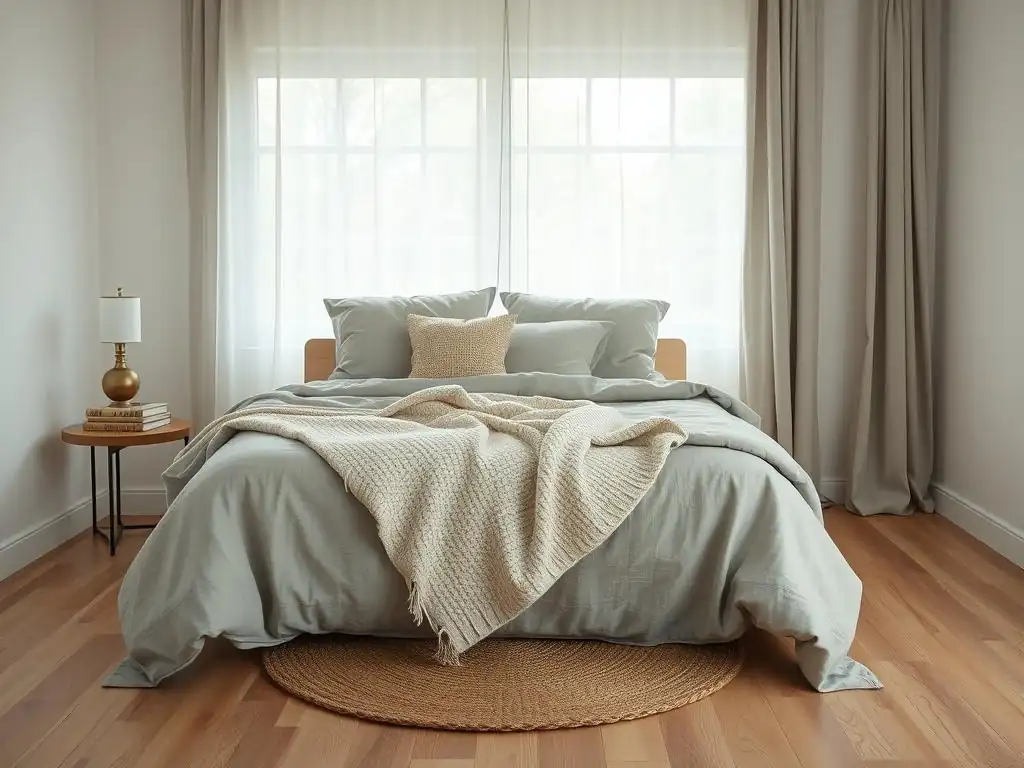
The principles of creating a calming sleep space through thoughtful bedding choices are applied by individuals every day, often with significant positive impacts on their sleep and mental well-being. Consider the case of Sarah, who struggled with insomnia linked to anxiety.
By incorporating a weighted blanket (a 15 lb blanket for her frame), switching to soft, bamboo-derived sheets, and using a body pillow for added comfort and security, she reported a noticeable reduction in the time it took her to fall asleep, from often over an hour to typically under 30 minutes within a few weeks. The sensory elements of the bedding provided a consistent, calming input that helped quiet her racing thoughts.
Another example is Mark, who experienced chronic back pain that disrupted his sleep nightly. After researching and investing in a medium-firm hybrid mattress tailored to his back-sleeping position and a supportive memory foam pillow with a specific neck contour, he saw a dramatic improvement. He reported waking up with significantly less stiffness and was able to sleep for longer stretches without waking from discomfort.
While the mattress was a larger investment ($1500-$2000 range), the improvement in his quality of life and reduction in pain made it worthwhile. These examples highlight how targeted bedding choices, based on specific needs, can be instrumental in creating a calming sleep space that truly supports restorative rest and improves daily functioning and mood.
Conclusion: Investing in Bedding for a Better Night's Sleep and Improved Mental Well-being
The journey towards improved mental well-being often involves addressing foundational aspects of health, and sleep is undeniably one of the most critical. As we've explored, the bedding we choose has a profound impact on our ability to rest deeply and comfortably.
From the supportive base of the mattress to the soothing feel of sheets and the comforting weight of blankets, each element contributes to the creation of a personal sleep sanctuary. Creating a calming sleep space is an active process of tailoring your environment to meet your unique physical and emotional needs, fostering relaxation and preparing the mind and body for restorative sleep.
Investing in quality bedding is not merely a purchase; it's an investment in your health and happiness. By prioritizing comfort, support, and sensory experience, you are actively working towards better sleep quality, which in turn can lead to improved mood, enhanced cognitive function, and greater resilience in managing daily stressors.
Whether you are seeking solutions for specific sleep challenges or simply wish to elevate your nightly routine, focusing on the comfort of your bedding is a powerful step towards creating a calming sleep space that nurtures your mental and physical well-being. May your nights be restful and your sleep sanctuary bring you peace.
Frequently Asked Questions
How can new bedding contribute to better sleep?
New bedding, such as a comfortable mattress topper or soft sheets, can significantly impact sleep quality by enhancing physical comfort and promoting relaxation. This contributes to a more calming sleep space.
What types of bedding are recommended for creating a calming sleep space?
Consider bedding made from natural materials like cotton or linen, known for their breathability and softness. A weighted blanket can also provide a sense of security and reduce anxiety, creating a sleep sanctuary.
Beyond comfort, how does bedding help with mental well-being?
The act of creating a comfortable and inviting bed can be a form of self-care, reducing stress and promoting a sense of well-being. Investing in quality bedding is an investment in your mental health.
What are some budget-friendly options for upgrading my sleep space with bedding?
Instead of replacing everything at once, focus on individual items like pillowcases or a new duvet cover. Consider shopping during sales or looking for discounted options on quality bedding.
How often should I replace my bedding to maintain a calming sleep space?
While lifespan varies, aim to replace pillows every 1-2 years and mattresses every 7-10 years. Regularly washing and caring for your bedding helps extend its lifespan and maintain a fresh, clean sleep environment.
Final Reflection: Weaving a Tapestry of Tranquility
The pursuit of a truly restful night's sleep is no longer a luxury; it's a necessity in our increasingly frenetic world. Creating a calming sleep space isn't just about aesthetics; it's about investing in your mental and physical well-being, a fundamental pillar of a healthy and productive life. The choices we make regarding our bedding – from the softness of our sheets to the weight of our blankets – directly impact the quality of our rest and, consequently, the quality of our lives.
The journey towards a sleep sanctuary is deeply personal, a process of self-discovery and mindful curation. It's about understanding your own needs and preferences, and selecting items that resonate with your individual sense of comfort and peace. This process transcends mere consumerism; it's an act of self-care, a commitment to prioritizing your well-being. Sleep is the golden chain that ties health and our bodies together.
– Thomas Dekker. This quote perfectly encapsulates the profound connection between sleep and overall well-being, a connection that is often overlooked in our busy lives.
Consider the impact of your sleep environment. What small changes could you make today to cultivate a more peaceful and restorative sleep experience? Perhaps it's investing in a higher thread-count sheet set, adding a calming essential oil diffuser, or simply dimming the lights an hour before bed. Take this opportunity to reflect on your current sleep sanctuary and identify areas for improvement. Start small, make conscious choices, and gradually weave a tapestry of tranquility around your bed, transforming your bedroom into a haven of peace and rejuvenation. Your body and mind will thank you for it.
Transform Your Sleep Sanctuary Today!
Thank you for exploring the world of bedding with us! You've gained valuable insights into how the right gifts can help you create your very own sleep sanctuary. Now, it’s time to take action and turn those ideas into reality.
Here’s how you can start enhancing your sleep environment:
- Invest in a luxurious comforter or set of sheets that speaks to your style and comfort needs; your best rest awaits!
- Consider adding calming scents to your sanctuary with scented candles or essential oils; they can create a soothing atmosphere for relaxation.
- Share your ideas with friends or family who also seek a restful night's sleep—it's always better to work on wellness together!
What will you do first to elevate your sleep experience?