
Creating Safe Spaces: Fostering Open Conversations About Mood Disorders

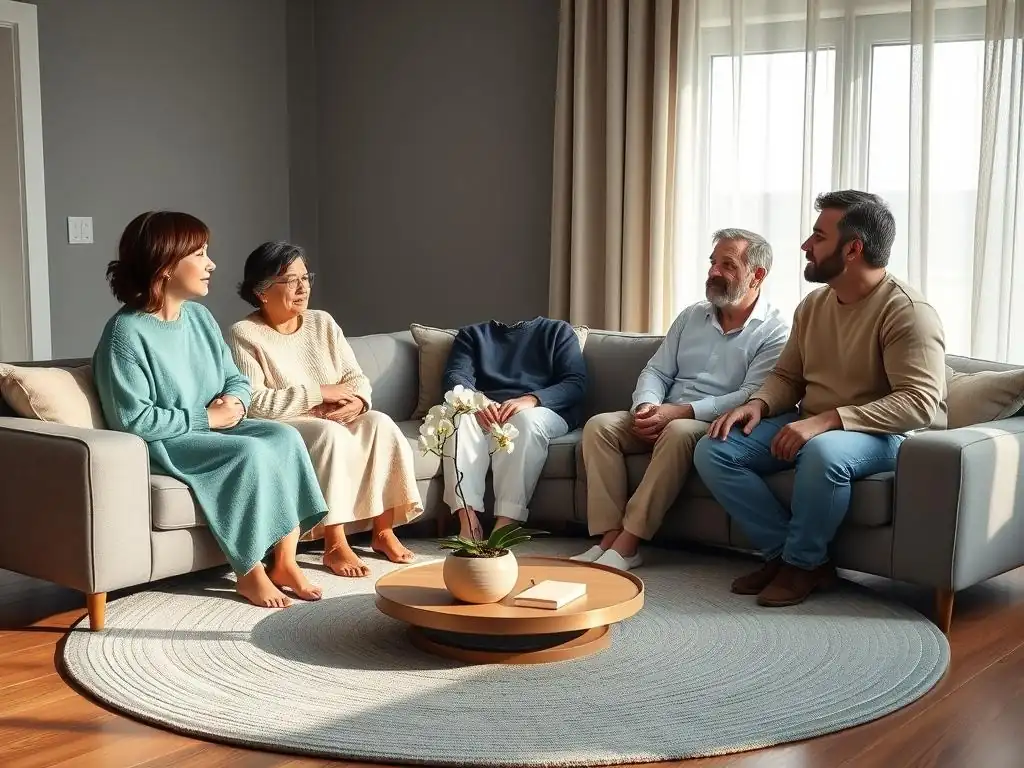
Welcome to Mind Care Guide, your compassionate companion on the journey to mental well-being.
Feeling lost or uncertain about how to approach sensitive conversations about mood? You're not alone. This guide delves into the crucial topic of creating safe mood conversations, providing practical tools and insights to help you navigate these delicate interactions with empathy and understanding. Discover how to foster genuine connection and support for yourself and others, and unlock the power of open dialogue. Read on to learn more and begin building a more supportive world, one conversation at a time...
Fostering Open Conversations About Bipolar Disorder: Creating Safe Spaces
- Introduction: The Importance of Safe Conversations About Bipolar Disorder
- Defining a "Safe Space" for Bipolar Disorder Discussions
- Practical Steps to Creating Safe Conversations About Bipolar Disorder
- Overcoming Barriers to Open Dialogue About Bipolar Disorder
- The Role of Support Groups and Online Communities
- Creating Safe Spaces in Different Environments
- Resources for Further Learning and Support
- Conclusion: Building a More Empathetic World Through Safe Conversations
-
Frequently Asked Questions
- How can I start a conversation about mood disorders in a safe and supportive way?
- What language should I avoid when discussing mood disorders?
- How can I support someone who opens up to me about their mood disorder?
- What if I'm not sure how to respond to someone sharing their experiences with a mood disorder?
- What resources are available for learning more about mood disorders and creating safe mood conversations?
- Final Reflection: Cultivating Empathy, Harvesting Hope
- Unleash Your Inner Advocate: Start a Meaningful Conversation Today
Introduction: The Importance of Safe Conversations About Bipolar Disorder
Bipolar disorder is a complex mental health condition characterized by significant shifts in mood, energy, activity levels, and the ability to carry out daily tasks. These mood episodes can range from periods of extreme highs (mania or hypomania) to extreme lows (depression). Navigating life with bipolar disorder, or supporting someone who does, is often compounded by societal stigma, misinformation, and a general reluctance to discuss mental health openly. This silence can lead to isolation, delayed diagnosis, and challenges in accessing and adhering to effective treatment.
Creating safe spaces for open and honest conversations about bipolar disorder is not merely helpful; it is essential for well-being and recovery. When individuals feel safe to share their experiences, fears, and challenges without fear of judgment, it fosters a sense of belonging and validation. These supportive environments encourage help-seeking behaviors, improve communication within families and communities, and ultimately contribute to breaking down the barriers imposed by stigma. Fostering dialogue is a critical step in ensuring that people affected by bipolar disorder receive the understanding and support they need to live full and meaningful lives.
Understanding the Stigma Surrounding Bipolar Disorder
Stigma surrounding bipolar disorder manifests in various forms, including prejudice, discrimination, and negative stereotypes. Public stigma often portrays individuals with bipolar disorder as unpredictable, dangerous, or incapable, leading to social exclusion and employment difficulties. Studies suggest that a significant percentage of people with the condition report experiencing discrimination, which can impact areas from relationships to job prospects. This external judgment can be deeply damaging, creating significant hurdles for individuals trying to manage their illness and participate fully in society.
Beyond public perception, many individuals also internalize these negative beliefs, leading to self-stigma. This involves adopting societal stereotypes about mental illness and applying them to oneself, resulting in feelings of shame, worthlessness, and hopelessness. Self-stigma can prevent individuals from seeking help, adhering to treatment plans, or even acknowledging their diagnosis. For example, someone might avoid discussing their mood episodes with a doctor or family member out of fear of being seen as weak or unstable. Overcoming both public and self-stigma is crucial for promoting recovery and encouraging individuals to engage in creating safe mood conversations.
Why Safe Spaces Matter for Mental Well-being in the Context of Bipolar Disorder
Safe spaces provide an antidote to the isolation and shame fueled by stigma. They offer environments where individuals can share their experiences without fear of negative repercussions, fostering trust and psychological safety. For someone managing the often-unpredictable nature of bipolar disorder, having a reliable outlet to discuss symptoms, treatment challenges, and emotional states is invaluable. These spaces validate their reality and remind them they are not alone in their struggles.
The presence of safe spaces directly correlates with improved mental well-being and better treatment outcomes. Research indicates that social support is a significant factor in recovery from bipolar disorder. When individuals feel understood and supported, they are more likely to seek and stay in therapy, take medication as prescribed, and develop effective coping strategies. A safe conversation environment reduces stress, builds resilience, and empowers individuals to navigate the complexities of their condition with greater confidence and hope. It transforms the experience from a hidden burden into a shared challenge met with empathy and understanding.
Defining a "Safe Space" for Bipolar Disorder Discussions
A "safe space" for discussing bipolar disorder is more than just a physical location; it is an atmosphere built on trust, respect, and non-judgment. It's an environment where individuals feel emotionally secure enough to be vulnerable about their experiences, knowing they will be met with empathy rather than criticism or dismissal. This kind of space is crucial because discussing the fluctuations of mood, the intensity of episodes, or the side effects of medication requires a level of honesty and openness that is only possible when safety is guaranteed.
In the context of bipolar disorder, a safe space acknowledges the unique challenges of the condition, such as the potential for impaired judgment during mania or the debilitating effects of depression. It recognizes that behaviors during episodes are symptoms of an illness, not character flaws. The focus is on listening, understanding, and supporting the person, rather than judging their actions or trying to "fix" them. It's a space where the individual's experience is centered and validated.
Key Characteristics of a Supportive and Non-Judgmental Environment Specific to Bipolar Disorder
A truly supportive environment for discussing bipolar disorder possesses several key characteristics. Firstly, it is non-judgmental. This means avoiding blame, criticism, or simplistic explanations for complex behaviors or mood states. Instead of saying, "Why can't you just snap out of it?" a supportive response focuses on empathy: "That sounds incredibly difficult; how are you feeling?" Secondly, confidentiality is paramount. Trust is built when individuals know their personal information and experiences will be kept private, fostering the confidence needed for creating safe mood conversations.
Thirdly, empathy is foundational. This involves actively trying to understand the world from the perspective of the person with bipolar disorder, recognizing the profound impact of mood swings and cognitive changes. Active listening, patience, and a willingness to learn are vital. Finally, a supportive space respects boundaries and the individual's autonomy. It recognizes that the person with bipolar disorder is the expert on their own experience and allows them to share at their own pace and comfort level, without pressure or coercion. These elements combine to create an atmosphere where vulnerability is met with compassion.
Psychological Safety: The Foundation for Open Dialogue About Bipolar Disorder
Psychological safety refers to a shared belief that the environment is safe for interpersonal risk-taking. In the context of bipolar disorder discussions, this means feeling safe to express thoughts, feelings, and concerns about one's condition or the condition of a loved one without fear of negative consequences, such as ridicule, rejection, or punishment. When psychological safety is present, individuals are more likely to be open about their symptoms, challenges with treatment adherence, or moments of distress, which is critical for effective management and support.
Conversely, the absence of psychological safety creates a climate of fear and silence. If someone fears being labeled "difficult," "unstable," or "attention-seeking" for discussing their experiences with bipolar disorder, they are likely to withdraw. This silence can lead to missed opportunities for intervention during escalating episodes, prevent individuals from voicing medication side effects, or leave them feeling isolated and misunderstood. Establishing psychological safety is the essential first step in enabling the kind of open, vulnerable dialogue necessary for creating safe mood conversations around bipolar disorder and promoting recovery.
Practical Steps to Creating Safe Conversations About Bipolar Disorder
Creating safe spaces and fostering open conversations about bipolar disorder requires conscious effort and practice. It involves cultivating specific skills and adopting helpful attitudes. These steps are applicable whether you are a family member, friend, colleague, or peer supporter. The goal is to build an environment where communication flows freely and support is readily available, helping to chip away at the isolation often associated with the condition.
Taking practical steps means moving beyond good intentions to concrete actions. It involves being mindful of how we listen, the language we use, the boundaries we set, and the knowledge we possess. By focusing on these actionable areas, anyone can contribute to creating a safer and more supportive environment for discussing bipolar disorder, thereby strengthening relationships and improving outcomes for those affected.
1. Active Listening: A Cornerstone of Empathy
Active listening is a communication technique that involves fully concentrating on, understanding, responding to, and remembering what is being said. It goes beyond simply hearing words; it's about grasping the full message, including the underlying emotions and context. For discussions about bipolar disorder, active listening is paramount because experiences during mood episodes can be intense, confusing, or difficult for the person to articulate clearly. Showing you are truly listening validates their experience and encourages them to share more deeply.
Techniques include making eye contact, nodding to show understanding, using encouraging phrases like "I see" or "Tell me more," and avoiding interruptions. It also involves observing non-verbal cues, which can often convey as much or more than words, particularly when someone is struggling to express themselves verbally. Mastering active listening is a fundamental skill for anyone hoping to participate in creating safe mood conversations, demonstrating respect and genuine care for the speaker's well-being.
Focusing on Understanding, Not Fixing, in the Context of Bipolar Disorder
A common pitfall in conversations about mental health is the urge to immediately offer solutions or advice. While well-intentioned, this can invalidate the speaker's feelings and shut down communication. When someone is sharing about the challenges of bipolar disorder – perhaps describing a depressive low or the aftermath of a manic episode – they often need to feel heard and understood more than they need immediate answers. Focusing on understanding means being present with their experience, acknowledging their pain or confusion, and validating their emotions without trying to minimize or solve their problems for them.
Phrases like "That sounds incredibly difficult" or "I hear how challenging that is for you" are far more helpful than "Have you tried exercising?" or "You just need to think positively." Bipolar disorder is a complex illness requiring professional treatment; it cannot be 'fixed' by simple advice. Your role in a safe conversation is to provide empathetic presence and understanding, creating a space where the person feels safe to explore their feelings and challenges without pressure to instantly find solutions.
Non-Verbal Cues: Showing You Care
Non-verbal communication plays a significant role in creating a safe and receptive atmosphere for discussing sensitive topics like bipolar disorder. Your body language can signal whether you are truly engaged and empathetic or distracted and uncomfortable. Maintaining appropriate eye contact (without staring) indicates that you are paying attention and are present in the conversation. An open posture, such as uncrossing your arms and leaning slightly forward, suggests receptiveness and warmth.
Other important cues include nodding occasionally to show you are following along, using gentle facial expressions that match the tone of the conversation (e.g., a concerned look when discussing difficulties), and minimizing distractions like looking at your phone. These non-verbal signals reinforce your verbal message of support and empathy, helping the other person feel safe and encouraged to share their experiences with bipolar disorder openly. They communicate, "I am here with you, and I care."
2. Using Empathetic Language and Avoiding Stigmatizing Terms
The language we use profoundly impacts the safety and effectiveness of conversations about bipolar disorder. Empathetic language fosters connection and understanding, while stigmatizing terms perpetuate harmful stereotypes and shame. Choosing words carefully is an active way of showing respect and validating the individual's experience, contributing directly to creating safe mood conversations. It requires awareness and a willingness to learn and adapt our vocabulary.
Avoiding casual use of clinical terms or using derogatory slang associated with mental illness is crucial. For example, using "bipolar" as an adjective to describe unpredictable weather or a change of plans trivializes the severity of the condition. Instead, focus on describing behaviors or situations accurately without resorting to diagnostic labels in a dismissive way. The goal is to communicate in a way that is both accurate and compassionate, recognizing the person behind the diagnosis.
Examples of Helpful and Harmful Language Related to Bipolar Disorder
Harmful language often reduces a person to their illness or dismisses their experiences. Examples include:
- "He's so bipolar today." (Uses the diagnosis as an adjective and trivializes mood swings).
- "She's just being dramatic/crazy." (Dismisses genuine symptoms as character flaws).
- "You need to stop being so manic." (Places blame on the person for symptoms they may not be able to control).
- "Are you off your meds?" (Intrusive, judgmental, and assumes non-adherence is the cause of current behavior).
Helpful language focuses on the person and their experience, using respectful and descriptive terms:
- "He seems to be experiencing a difficult mood swing." (Describes the situation without labeling the person).
- "She appears to be going through a challenging time." (Validates the struggle without judgment).
- "It looks like you might be in a manic phase; how can I support you?" (Identifies a potential state with an offer of help).
- "How are you feeling today?" or "Is there anything you need?" (Open-ended questions focusing on support).
Using helpful language demonstrates empathy and understanding, reinforcing the safety of the conversation space.
Person-First Language: Prioritizing the Individual
Person-first language is a linguistic approach that emphasizes the individual, not their diagnosis. Instead of saying "a bipolar person," you say "a person with bipolar disorder." This simple shift in wording highlights that the condition is something the person has, not who they are. While some individuals within the mental health community prefer identity-first language (e.g., "I am bipolar"), person-first language is generally recommended in broader communication as it helps combat the tendency to define individuals solely by their illness.
Using person-first language consistently when discussing bipolar disorder with others, or when referring to the condition in general, reinforces the dignity and individuality of those affected. It subtly yet powerfully shifts the focus from the illness to the human being experiencing it, contributing to a more respectful and less stigmatizing environment. This practice is a cornerstone of creating safe mood conversations that prioritize the well-being and identity of the individual.
3. Sharing Your Own Experiences (Wisely)
Sharing your own experiences, whether you also live with a mental health condition or have faced different challenges, can be a powerful tool for building connection and trust in a safe space. When done appropriately, it can show solidarity, reduce feelings of isolation for the other person, and normalize the experience of struggle. It can demonstrate that it is okay to be vulnerable and that recovery or management is possible. For instance, someone who has successfully managed their bipolar disorder for years might share a brief, relevant anecdote about a coping strategy that worked for them.
However, this must be done with careful consideration. The purpose of sharing should always be to support the other person, not to redirect the conversation to yourself or seek your own therapy session. Your experience should serve as a bridge to understanding, not a spotlight on your own life. Sharing wisely means being mindful of the other person's needs in that moment and ensuring your contribution adds value to their conversation.
Authenticity vs. Oversharing: Finding the Right Balance
Authenticity involves being genuine and open about your own relevant experiences or feelings in a way that builds connection. Oversharing, on the other hand, involves disclosing too much personal information, often inappropriately detailed or lengthy, which can burden the listener or shift the focus away from their needs. When creating safe mood conversations about bipolar disorder, finding the balance is key. Sharing a brief, relevant struggle with managing medication side effects might be authentic and helpful for someone facing similar issues.
Conversely, launching into a long, detailed account of your own psychiatric history that doesn't directly relate to the other person's immediate concern is oversharing. Before sharing, ask yourself: Is this relevant to their situation? Is it likely to make them feel more understood or less alone? Am I sharing this for their benefit or my own? Keeping your sharing concise, focused, and clearly linked to the other person's experience helps maintain the integrity of the safe space and keeps the focus where it belongs – on their journey.
Setting Boundaries and Protecting Your Own Mental Health
Engaging in supportive conversations, especially about challenging topics like bipolar disorder, can be emotionally demanding. It is crucial to set boundaries to protect your own mental health. This means recognizing your capacity and limitations. You are not required to be available 24/7, nor are you solely responsible for someone else's well-being. It's okay to say you need to pause a conversation, or that you are not the right person to help with a particular issue and suggest seeking professional support.
Setting boundaries also involves managing the emotional intensity. If a conversation becomes overwhelming, it's acceptable to take a break. Protecting yourself ensures that you can continue to offer support sustainably without risking burnout. Remember, creating safe mood conversations is a valuable contribution, but it should not come at the expense of your own health. Knowing when and how to disengage or direct someone to other resources is a sign of responsible support.
4. Educating Yourself About Bipolar Disorder

Knowledge is a powerful tool in combating stigma and fostering empathy. Taking the time to educate yourself about bipolar disorder demonstrates genuine care and equips you to engage in conversations from an informed perspective. Understanding the basic facts about the condition helps you interpret behaviors accurately, avoid perpetuating myths, and offer more relevant support. It allows you to see the person and their struggles through a lens of understanding rather than ignorance or fear.
Reliable sources of information include reputable mental health organizations, academic journals, books written by mental health professionals, and accounts from individuals with lived experience. Self-education is an ongoing process, as research and understanding of bipolar disorder continue to evolve. Committing to learning is a fundamental step in being a truly supportive ally and effectively contributing to creating safe mood conversations.
Understanding the Nuances of Bipolar I, Bipolar II, and Cyclothymia
Bipolar disorder is not a single condition; it exists on a spectrum. Understanding the main types – Bipolar I, Bipolar II, and Cyclothymia – is crucial for appreciating the varied experiences of individuals living with the illness. Bipolar I Disorder is characterized by the occurrence of at least one manic episode, which may be preceded or followed by hypomanic or major depressive episodes. Mania in Bipolar I is often severe and may require hospitalization.
Bipolar II Disorder involves a history of at least one major depressive episode and at least one hypomanic episode, but never a full manic episode. Hypomania is a less severe form of mania.
Cyclothymic Disorder is a milder but longer-lasting form, involving numerous periods of hypomanic symptoms and depressive symptoms that don't meet the criteria for full episodes, persisting for at least two years. Recognizing these differences helps you understand the specific challenges someone might face (e.g., the intensity of mania in Bipolar I vs. the predominance of depression in Bipolar II) and tailor your support and conversations more effectively.
Dispelling Myths and Misconceptions About Bipolar Disorder
Numerous myths and misconceptions surround bipolar disorder, often fueled by media portrayals and lack of accurate information. Challenging these myths is essential for creating safe mood conversations and reducing stigma. A common myth is that bipolar disorder is just frequent mood swings that anyone experiences; in reality, the shifts are extreme, persistent, and significantly impair functioning. Another misconception is that people with bipolar disorder are always either manic or depressed; many individuals experience periods of stable mood (euthymia) between episodes.
Other myths include the idea that bipolar disorder is untreatable (it is highly manageable with medication, therapy, and lifestyle adjustments) or that it's a sign of weakness (it is a complex neurobiological illness). By educating yourself and gently correcting misinformation when you encounter it, you help foster a more accurate and compassionate understanding of the condition. This proactive approach contributes significantly to building a culture where creating safe mood conversations is possible and stigma is challenged.
5. Respecting Boundaries and Confidentiality
Respecting the boundaries set by the person you are supporting is fundamental to creating a safe space. This means understanding that they may not always be ready or willing to talk, or that there are certain topics they prefer not to discuss. Pushing someone to open up before they are ready can feel invasive and unsafe. Pay attention to their cues – verbal and non-verbal – and respect their limits. Support is about being available and present on their terms, not forcing interaction.
Confidentiality is equally critical. What is shared in confidence within a safe conversation space must remain private. Breaking confidentiality erodes trust instantly and can have serious consequences for the individual, potentially leading to further isolation or fear of sharing in the future. The only exception is when there is a clear and imminent risk of harm to the person or others, in which case professional help or emergency services should be contacted, while still respecting privacy as much as possible.
Knowing When to Offer Support and When to Step Back
Offering support is about being a resource and a listener. Stepping back is about recognizing when your involvement might be unhelpful or when the individual needs space or professional help. Knowing the difference is key to maintaining a healthy dynamic within a safe space. Offer support by being available, listening without judgment, and offering practical help if appropriate (e.g., helping with a task during a depressive episode, offering a calming presence during anxiety).
Step back when the person indicates they need solitude, when your presence seems to be causing stress, or when the issues discussed are beyond your capacity to support and require professional intervention (like suicidal ideation or severe manic behavior). It's okay to say, "I'm here for you, but it sounds like this is incredibly challenging, and maybe talking to a therapist could also help." Respecting the need for space or professional help is not abandoning someone; it's recognizing the most appropriate form of support.
The Importance of Privacy and Trust
Trust is the bedrock upon which safe spaces are built. For someone to feel comfortable sharing the intimate and often vulnerable details of living with bipolar disorder, they must trust that their privacy will be protected. This means not gossiping about their condition, not sharing their struggles with others without their explicit consent, and not using their shared information against them. Every time confidentiality is upheld, trust is reinforced.
Conversely, a breach of trust, even a seemingly small one like sharing a detail with a mutual acquaintance, can shatter the sense of safety and make it incredibly difficult for the person to open up again in the future. Maintaining strict confidentiality demonstrates respect for the individual's dignity and autonomy. It signals that the safe space is a sanctuary for honest communication, making it possible for individuals to engage in creating safe mood conversations without fear of exposure or judgment.
Overcoming Barriers to Open Dialogue About Bipolar Disorder
Despite best efforts to create safe spaces, barriers to open dialogue about bipolar disorder persist. These barriers are often rooted in societal stigma, personal fears, and the inherent challenges of the condition itself. Addressing these obstacles requires proactive strategies, patience, and a commitment to challenging ingrained attitudes. Overcoming these hurdles is essential for fostering a culture where discussing mental health, specifically bipolar disorder, is normalized and supported.
It's important to recognize that overcoming these barriers is a process, not a one-time event. It involves continuous effort from individuals, families, communities, and society at large. By identifying common barriers and developing strategies to navigate them, we can make significant progress in making creating safe mood conversations more accessible and less daunting for everyone involved.
Addressing Fear of Judgment and Discrimination
Fear of judgment and discrimination is perhaps the most significant barrier to open dialogue for individuals with bipolar disorder. This fear is legitimate, stemming from real experiences of stigma in various areas of life, including employment, relationships, and healthcare. To address this, allies can actively work to counter judgmental attitudes and discriminatory behaviors in their own spheres of influence. This might involve speaking up when someone makes a stigmatizing comment or advocating for inclusive policies in workplaces or schools.
For the individual experiencing the fear, finding trusted allies and practicing selective disclosure can be helpful. Starting by opening up to one or two people who have demonstrated empathy and understanding can build confidence. Support groups provide a space where this fear is often lessened due to shared experiences. Ultimately, reducing the actual incidence of judgment and discrimination through education and advocacy is the most effective way to diminish this fear and empower individuals to engage in creating safe mood conversations.
Conversations about bipolar disorder can sometimes be difficult, particularly during or after mood episodes, or when discussing challenging topics like treatment adherence, hospitalization, or the impact of the illness on relationships. Navigating these conversations requires sensitivity, patience, and a focus on the present moment. If someone is in the midst of an episode, it might not be the right time for an in-depth discussion about their diagnosis; a focus on safety and immediate needs is more appropriate.
When discussing sensitive topics, use "I" statements to express your feelings or concerns without placing blame (e.g., "I feel worried when I see you struggling" instead of "You make me worry"). Be prepared for emotional responses and try to remain calm and empathetic. If the conversation becomes too intense or unproductive, it's okay to suggest taking a break and revisiting the topic later. Approaching difficult conversations with compassion and a focus on support, rather than confrontation, helps maintain the safety of the space.
Challenging Stigma in Everyday Interactions
Challenging stigma is not limited to formal settings; it happens in everyday interactions. This involves recognizing and addressing stigmatizing language or attitudes whenever they occur. This could be correcting a friend who uses "bipolar" casually, explaining to a colleague that mental health conditions are medical illnesses, or simply sharing accurate information about bipolar disorder when the opportunity arises. Every small act of challenging stigma contributes to a larger cultural shift.
Modeling empathetic behavior is also a powerful form of challenging stigma. By consistently treating individuals with mental health conditions with respect, understanding, and compassion, you demonstrate what a supportive attitude looks like. Normalizing discussions about mental well-being in general also helps pave the way for more specific conversations about conditions like bipolar disorder. Through consistent, conscious effort in our daily lives, we can collectively work towards creating safe mood conversations as the norm, not the exception.
The Role of Support Groups and Online Communities
Support groups and online communities play a vital role in creating safe spaces specifically for individuals affected by bipolar disorder and their loved ones. These forums offer a unique blend of shared experience, practical advice, and emotional validation that can be profoundly helpful. They provide a sense of belonging and reduce the isolation that often accompanies mental health conditions, making them essential components in the network of support for many people.
These communities are often self-governed by principles of respect, confidentiality, and non-judgment, embodying the core characteristics of a safe space. They offer opportunities to connect with others who truly understand the lived experience of bipolar disorder, which can be incredibly validating and empowering.
Finding Safe and Supportive Networks
Finding the right support network is a personal journey. Options include in-person support groups facilitated by mental health organizations, peer-led groups, and a wide array of online forums and social media communities. Reputable organizations like the Depression and Bipolar Support Alliance (DBSA) or the National Alliance on Mental Illness (NAMI) often host or can recommend local support groups. Online communities offer accessibility and anonymity, which can be helpful for those who face geographical barriers or prefer a less face-to-face interaction initially.
When seeking a safe network, look for communities with clear guidelines on respectful communication, confidentiality, and non-judgment. A safe online community, for instance, will have moderators who enforce these rules and ensure discussions remain supportive. Exploring a few different options might be necessary to find the best fit, but the effort is well worth it for the sense of connection and understanding gained, which is fundamental for creating safe mood conversations.
The Benefits of Peer Support
Peer support, connecting with others who have similar lived experiences, offers distinct benefits. For individuals with bipolar disorder, talking with someone who understands the nuances of mood swings, the side effects of specific medications, or the challenges of navigating the healthcare system can be incredibly validating. Peer support reduces feelings of being alone or misunderstood. It provides a sense of shared identity and collective strength.
Furthermore, peers can offer practical strategies and insights gained from their own journeys with bipolar disorder that professionals might not have. They can provide hope by demonstrating that recovery and stable management are possible. For families and friends, connecting with other caregivers facing similar challenges offers emotional support, coping strategies, and a reminder that they are not alone in their efforts to support their loved ones while creating safe mood conversations.
Creating Safe Spaces in Different Environments

Creating safe spaces for discussions about bipolar disorder isn't confined to therapy rooms or support groups; it needs to extend into the various environments where people live, work, and learn. Integrating principles of mental health awareness, empathy, and support into families, workplaces, and schools is crucial for dismantling stigma and ensuring that individuals feel safe and supported wherever they are. Each environment presents unique challenges and opportunities for fostering open dialogue.
Making these environments safer requires intentional effort, policies, and cultural shifts. It involves educating people, promoting understanding, and establishing clear pathways for support and communication. By focusing on these different settings, we can build a more comprehensive network of safe spaces that normalize discussions about bipolar disorder and mental health in general.
At Home: Fostering Open Communication Within Families
The home should ideally be the primary safe space for individuals, especially those managing a condition like bipolar disorder. Fostering open communication within families is vital but can be challenging due to emotional intensity, misunderstandings, and the impact of mood episodes on family dynamics. Establishing regular, calm family meetings can provide a structured time for check-ins and discussions about how everyone is feeling and what support is needed.
Educating all family members about bipolar disorder is crucial – understanding the symptoms, treatment options, and triggers can reduce fear and blame. Developing a family plan for how to handle episodes can provide a sense of security and reduce chaos during difficult times. Most importantly, cultivating an atmosphere of unconditional love, patience, and non-judgment allows family members to feel safe expressing their struggles and seeking help, making the home a true sanctuary for creating safe mood conversations.
At Work: Promoting Mental Health Awareness and Support
Workplaces can be particularly challenging environments for individuals with mental health conditions due to fear of professional repercussions and lack of understanding. Promoting mental health awareness at work involves education campaigns, training for managers on recognizing signs of distress and offering support, and clearly communicating policies around mental health leave and accommodations. Creating an environment where employees feel comfortable discussing mental well-being without fear of discrimination is key.
Leadership plays a significant role; when leaders are open about mental health, it signals that it's a legitimate health issue. Employee resource groups focused on mental health can provide peer support and advocacy. Establishing clear, accessible pathways for seeking help through employee assistance programs or HR demonstrates a commitment to supporting mental health. A workplace that actively promotes mental well-being becomes a safer space for employees with bipolar disorder to manage their condition and thrive.
In Schools: Educating Students and Staff About Bipolar Disorder
Schools are critical environments for early identification and support for young people who may be developing bipolar disorder or other mental health conditions. Educating both students and staff about mental health is essential for reducing stigma and fostering a supportive environment. This can involve incorporating age-appropriate mental health literacy into the curriculum and training teachers, counselors, and administrators to recognize signs of distress and respond effectively and empathetically.
Providing access to school counseling services and connecting students with community mental health resources are vital components of creating a safe school environment. Anti-bullying programs should explicitly address stigma related to mental health. By fostering an atmosphere of understanding, acceptance, and support, schools can become safe spaces where young people feel comfortable seeking help and discussing their mental health challenges, including those related to bipolar disorder.
Resources for Further Learning and Support
Continuing to learn and seeking support are ongoing processes for individuals affected by bipolar disorder and those who support them. Accessing reliable resources provides accurate information, practical tools, and connections to supportive communities. While this article provides a foundation, numerous organizations and materials offer more in-depth knowledge and assistance. These resources are invaluable in empowering individuals and their allies to navigate the complexities of bipolar disorder and enhance their ability to participate in creating safe mood conversations.
Utilizing these resources can lead to a deeper understanding of the condition, improved coping strategies, and a stronger support network. They offer pathways to professional help, peer support, and continuous education, all of which contribute to better management and overall well-being.
Mental Health Organizations and Helplines Specializing in Bipolar Disorder
Numerous national and international mental health organizations provide extensive information, support services, and referrals specifically related to bipolar disorder. Organizations like the Depression and Bipolar Support Alliance (DBSA), the National Alliance on Mental Illness (NAMI), and the International Bipolar Foundation (IBPF) offer valuable resources including educational materials, support group directories, and advocacy initiatives. These organizations are often excellent starting points for finding accurate information and connecting with others.
Crisis helplines and warmlines (non-crisis support lines) are also available and can provide immediate support during difficult moments. While not specifically for bipolar disorder, they are staffed by trained individuals who can listen and offer guidance or connect you with appropriate resources. Seeking out organizations dedicated to bipolar disorder ensures access to specialized knowledge and communities focused on creating safe mood conversations within that specific context.
Recommended Books and Articles on Bipolar Disorder
Reading books and articles from reputable sources can significantly deepen understanding of bipolar disorder from clinical, research, and lived experience perspectives. Books by mental health professionals, such as those by Kay Redfield Jamison (who also has bipolar disorder), offer insights into the science and experience of the condition. Memoirs by individuals living with bipolar disorder can provide powerful personal accounts that foster empathy and understanding.
Academic articles and publications from research institutions offer the latest findings on treatment, causes, and management strategies. When choosing reading material, look for authors with relevant expertise or verified lived experience. Engaging with diverse perspectives through reading is a valuable way to expand your knowledge and improve your ability to engage in informed and empathetic conversations about bipolar disorder.
Conclusion: Building a More Empathetic World Through Safe Conversations
Creating safe spaces and fostering open conversations about bipolar disorder is a powerful act of empathy and an essential strategy for combating stigma. When we commit to listening without judgment, using compassionate language, educating ourselves, and respecting boundaries, we build environments where individuals feel safe to be vulnerable about their mental health journeys. These safe conversations chip away at the isolation and shame that too often accompany bipolar disorder, paving the way for better support, understanding, and recovery.
Every safe conversation, whether between family members, friends, colleagues, or within support groups, contributes to a larger cultural shift. It helps normalize discussions about mental health, reduces fear, and builds bridges of understanding. It moves us closer to a world where a diagnosis of bipolar disorder is met with support and compassion, not stigma and silence.
The Power of Open Dialogue in Reducing Stigma
Stigma thrives in silence and ignorance. Open dialogue is its antithesis. By talking openly and honestly about bipolar disorder, sharing accurate information, and listening to lived experiences, we challenge the misconceptions and stereotypes that fuel stigma. Safe conversations demonstrate that individuals with bipolar disorder are not defined by their illness; they are complex human beings with unique strengths, challenges, and stories.
When individuals feel safe enough to share their experiences, they humanize the condition for others. When allies speak up and challenge stigma, they create a ripple effect of awareness and acceptance. This continuous process of open communication and education is fundamental to dismantling the systemic and interpersonal barriers that prevent people from seeking help and living openly with bipolar disorder. Creating safe mood conversations is an active form of anti-stigma work.
Continuing the Conversation: A Call to Action
The work of creating safe spaces and fostering open conversations is ongoing. It requires sustained effort and commitment from everyone. Whether you are living with bipolar disorder, supporting a loved one, or simply an ally for mental health, you have a role to play. Educate yourself and others, practice active listening and empathetic language, challenge stigma when you encounter it, and seek out or help create safe spaces in your own community.
Let us commit to continuing the conversation, making it a priority in our homes, workplaces, schools, and communities. By doing so, we not only support individuals currently navigating bipolar disorder but also build a more compassionate and understanding world for future generations. The power to reduce stigma and enhance well-being lies in our willingness to talk, listen, and connect with empathy within the safe spaces we create together.
Frequently Asked Questions
How can I start a conversation about mood disorders in a safe and supportive way?
Begin by choosing a private and comfortable setting. Listen more than you speak, and emphasize empathy and understanding.
What language should I avoid when discussing mood disorders?
Avoid using stigmatizing or judgmental language like "crazy" or "just snap out of it." Focus on respectful and sensitive phrasing.
How can I support someone who opens up to me about their mood disorder?
Offer unconditional support and validation. Encourage them to seek professional help and remind them they are not alone.
What if I'm not sure how to respond to someone sharing their experiences with a mood disorder?
It's okay to say you're unsure but want to learn. Offer to listen without judgment and ask how you can best support them during this time.
What resources are available for learning more about mood disorders and creating safe mood conversations?
Mind Care Guide offers comprehensive information and resources on various mental health challenges. Look for local support groups and mental health organizations for further assistance.
Final Reflection: Cultivating Empathy, Harvesting Hope
The urgent need to create safe spaces for conversations about mood disorders remains paramount in today's world. The stigma surrounding mental health continues to silence individuals, hindering access to support and perpetuating a cycle of suffering. Open and honest dialogue is not merely beneficial; it's a lifeline for those struggling and a crucial step towards building a more compassionate and understanding society.
The impact of fostering these open conversations is profound and far-reaching. It's about shifting cultural narratives, challenging ingrained prejudices, and empowering individuals to seek help without fear of judgment. This work is deeply personal to me, as I've witnessed firsthand the transformative power of supportive communities. The greatest glory in living lies not in never falling, but in rising every time we fall.
- Nelson Mandela. This quote resonates deeply because recovery from mood disorders is a journey, not a destination, and safe spaces are essential for those rises.
Now, consider your own role in this vital conversation. What steps can you take to create a more empathetic environment in your own life, your workplace, or your community? Perhaps it's simply listening without judgment, offering a kind word, or sharing your own experiences to break down the barriers of silence. Let's collectively work towards a future where open conversations about mood disorders are the norm, not the exception, and where everyone feels safe, supported, and empowered to thrive.
Unleash Your Inner Advocate: Start a Meaningful Conversation Today
Thanks for taking the time to learn about fostering open conversations around mood disorders. You've gained valuable insights into creating safe and supportive spaces for yourself and others. Now it's time to put that knowledge into action!
- Start a conversation: Reach out to someone you care about who might be struggling and simply let them know you're there to listen without judgment. This small gesture can make a world of difference.
- Share this article: Spread awareness by sharing this article on your social media platforms – let’s build a supportive community together!
- Consider joining or starting a local support group: Connecting with others who understand can be incredibly powerful.
What steps will you take today to help build a more compassionate and understanding world around mental health?