
School Struggles: Depression's Toll on a Child's Learning and Social Life


Welcome to Mind Care Guide, a safe space where we understand the complexities of mental well-being. Are you concerned about a child's struggles in school? It's more common than you might think. Let's delve into the often-overlooked connection between school depression impact learning and how it can silently shape a child's academic performance and social interactions. What unseen barriers might they be facing, and how can we help them thrive? Let's explore the answers together...
- School Struggles: Understanding Depression's Impact on a Child's Learning and Social Life (Mind Care Guide)
- The Alarming Reality: How Depression Affects a Child's School Life
- School Depression Impact Learning: Specific Challenges Faced by Depressed Children
- Social Isolation and Depression in Children: A Vicious Cycle
- Identifying Depression in Children: Recognizing the Signs and Symptoms
- Addressing School Depression: A Multifaceted Approach
- Creating a Supportive School Environment for Children with Depression
- Building Resilience: Helping Children Cope with Depression and Thrive
- The Long-Term Effects of Untreated School Depression: Why Early Intervention Matters
- Resources for Parents and Educators: Seeking Help and Support
- Conclusion: Empowering Children to Overcome School Depression and Thrive.
-
Frequently Asked Questions
- What is the main connection between school depression and a child's ability to learn?
- How does school depression affect a child's social interactions and overall well-being within the school environment?
- What are some of the key signs that a child might be experiencing school depression that parents and educators should be aware of?
- What resources are available to help children struggling with school depression and its impact on their learning?
- How can parents and educators work together to create a more supportive environment for children experiencing school depression, minimizing its impact on learning?
- Final Reflection: The Silent Struggle in the Schoolyard
- Ignite Your Child's Potential: Steps to Support Their Wellbeing
Introduction: Recognizing the Link Between Childhood Depression and Academic Performance
Depression is a serious mood disorder that can affect people of all ages, including children. While often recognized in adults, its presence in school-aged children is a significant concern, profoundly impacting their daily lives, particularly within the school environment. The academic setting, demanding focus, participation, and social interaction, becomes a challenging landscape for a child grappling with the weight of depressive symptoms. This often creates a complex interplay where depression directly interferes with a child's ability to learn and thrive academically.
The connection between a child's mental state and their performance in school is undeniable. When a child is experiencing persistent sadness, loss of interest, or feelings of hopelessness – key symptoms of depression – their capacity to engage with learning material diminishes significantly. This link between childhood depression and academic performance is a critical area of focus for parents, educators, and mental health professionals alike, as understanding this relationship is the first step toward providing effective support and intervention. Addressing school depression impact learning is crucial for a child's current well-being and future success.
The Alarming Reality: How Depression Affects a Child's School Life
Early Onset Depression: A Growing Concern Among School-Aged Children
Early onset depression, referring to depressive episodes occurring in children before puberty, is increasingly recognized as a significant public health issue. While precise prevalence rates vary across studies and age groups, research suggests that approximately 2% of children aged 6-12 may experience a depressive episode in any given year. This figure, though seemingly small, represents hundreds of thousands of children nationwide struggling with a debilitating condition during critical developmental years. The symptoms might present differently than in adults, often including irritability, somatic complaints, and behavioral problems alongside sadness.
The impact of depression starting at such a young age is particularly concerning because it interferes with foundational stages of cognitive and social development. A child dealing with depression during elementary or middle school may miss crucial opportunities to build strong academic skills, develop healthy peer relationships, and establish positive self-esteem. Untreated early onset depression can persist into adolescence and adulthood, increasing the risk of future mental health challenges, substance abuse, and academic difficulties. Recognizing and addressing this early form of school depression impact learning and development is paramount.
The Ripple Effect: Understanding the Broad Impact of Depression
Depression in children is rarely confined to just one area of life; it creates a ripple effect that touches nearly every aspect of their existence. While academic struggles are a primary concern, the disorder also significantly impairs a child's social functioning, family relationships, and overall emotional well-being. A child who is depressed may withdraw from friends, lose interest in hobbies they once enjoyed, and struggle to communicate their feelings effectively, leading to isolation and further distress.
Beyond the emotional and social toll, depression can manifest physically, leading to fatigue, changes in appetite, and sleep disturbances, all of which further compromise a child's ability to function normally in school and at home. This pervasive impact underscores why depression is not just a passing mood but a serious illness requiring comprehensive support. The way school depression impact learning is just one facet of a much broader challenge facing the child and their support system.
School Depression Impact Learning: Specific Challenges Faced by Depressed Children
Cognitive Impairment: How Depression Affects Concentration and Memory
One of the most direct ways school depression impact learning is through cognitive impairment. Depression can significantly affect a child's ability to concentrate, focus attention, and retain information. Studies using cognitive assessments have shown that children experiencing depression often exhibit deficits in areas like working memory, processing speed, and executive functions – skills essential for organizing tasks, problem-solving, and managing time effectively. For instance, a child might struggle to follow multi-step instructions in class or remember details from a lecture, even if they understood the material initially.
These cognitive difficulties make keeping up with schoolwork incredibly challenging. A child might stare blankly at a textbook, unable to absorb the information, or forget assignments shortly after they are given. The mental effort required to perform basic academic tasks feels overwhelming, leading to frustration and a sense of inadequacy. This constant struggle with focus and memory directly hinders their ability to learn new concepts and perform well on tests, contributing significantly to the academic decline often seen in depressed children.
Motivation and Attendance: The Cycle of Apathy and Absenteeism
Depression is characterized by a profound loss of interest or pleasure in activities that were once enjoyable, a symptom known as anhedonia. This pervasive apathy extends to schoolwork and participation. A child who was once enthusiastic about learning or school activities may suddenly become withdrawn, unmotivated, and uninterested in attending classes. The effort required to get ready for school, participate in lessons, and complete assignments feels insurmountable when battling feelings of hopelessness and low energy.
This lack of motivation often leads to increased absenteeism. A child may feign illness to avoid school or simply refuse to go. Chronic absenteeism further exacerbates academic problems, as missed lessons mean falling behind on material and assignments. The cycle continues: falling behind reinforces feelings of failure and hopelessness, which in turn deepens the depression and further reduces motivation and attendance. Addressing school depression impact learning often requires breaking this pattern of apathy and absenteeism.
Academic Performance Decline: Recognizing the Signs of Learning Difficulties Due to Depression
The cumulative effect of cognitive impairment, lack of motivation, and absenteeism is a noticeable decline in academic performance. This decline can manifest in various ways: grades may drop significantly, homework assignments might be incomplete or not turned in at all, and participation in class discussions may cease. A child who previously excelled may suddenly struggle with subjects they once found easy.
Educators and parents should be alert to these changes, as they can be key indicators that a child is struggling with more than just typical academic challenges. For example, a student known for neat handwriting might start turning in messy work, or a child who always completed extra credit might stop doing even the required assignments. Recognizing these shifts as potential signs of school depression impact learning is vital for timely intervention.
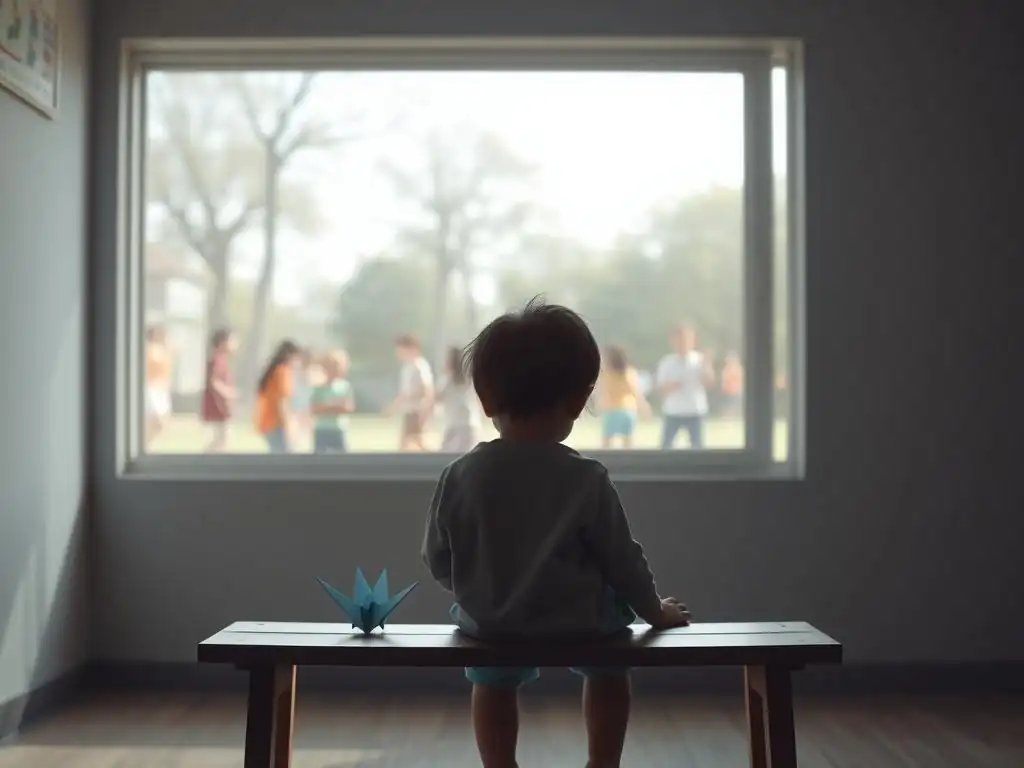
Depression often causes children to withdraw from social interactions, making it difficult to maintain existing friendships or form new ones. They may feel too fatigued, irritable, or emotionally numb to engage with peers. Activities that once provided social connection, like playing during recess or joining clubs, become overwhelming or unappealing. This social withdrawal can be misinterpreted by peers as aloofness or disinterest, leading to further distance.
This difficulty with social engagement creates a painful cycle. As the child withdraws, they become more isolated, which can intensify feelings of loneliness and sadness, thereby worsening the depression. This isolation also deprives them of the positive social support that could otherwise help mitigate depressive symptoms.
Bullying and Peer Rejection: The Exacerbation of Depressive Symptoms
Children struggling with depression are often more vulnerable to bullying and peer rejection. Their withdrawal, sadness, or irritability can make them targets. Studies suggest that children who are bullied are significantly more likely to experience depression, and conversely, children who are already depressed may be more likely to be bullied or rejected by their peer group. For example, one large study found that bullied children were roughly twice as likely to report symptoms of depression compared to their non-bullied peers.
Experiencing bullying or rejection is incredibly damaging to a child's self-esteem and sense of belonging. It validates their feelings of worthlessness and hopelessness, severely exacerbating depressive symptoms. The school environment, which should be a place of safety and connection, can become a source of significant trauma and distress for a depressed child facing peer cruelty. This interaction between bullying and depression highlights another critical aspect of how school depression impact learning and overall well-being.
Impact on Relationships with Teachers and Classmates
Depression can also strain a child's relationships with teachers and other school staff. A teacher might misinterpret a child's lack of participation, incomplete work, or irritability as defiance, laziness, or disrespect rather than symptoms of an underlying mood disorder. This misunderstanding can lead to disciplinary issues or a lack of empathy, further alienating the child.
Similarly, relationships with classmates can suffer. Peers may not understand why the child is withdrawn, quiet, or easily upset. They might exclude the child from activities or conversations, reinforcing the child's sense of isolation. Positive interactions with teachers and peers are vital for a child's sense of school connectedness and belonging, and depression erodes these crucial connections, worsening the school depression impact learning and social development.
Identifying Depression in Children: Recognizing the Signs and Symptoms
Emotional Symptoms: Sadness, Irritability, and Hopelessness
Identifying depression in children can be challenging because they may not express their feelings in the same way adults do. Persistent sadness is a key symptom, but in children, irritability is often more prominent than overt sadness. They might be easily frustrated, quick to anger, or display temper tantrums that are out of character. Feelings of hopelessness or worthlessness are also common, leading the child to believe things won't get better or that they are inherently bad.
Other emotional signs include a loss of interest or pleasure in activities they once enjoyed (anhedonia), excessive guilt, or difficulty experiencing positive emotions. A child might stop playing with their favorite toys, refuse to participate in sports or hobbies, or show no excitement for special events. Observing sustained changes in a child's emotional state, particularly if they last for two weeks or more, is crucial.
Behavioral Changes: Changes in Sleep, Appetite, and Activity Levels
Depression often manifests through noticeable changes in behavior. Sleep patterns can be significantly disrupted; a child might experience insomnia (difficulty falling or staying asleep), hypersomnia (sleeping excessively), or disturbed sleep with frequent nightmares. Appetite and weight can also change; some children lose their appetite and lose weight, while others may overeat and gain weight.
Activity levels typically decrease. Children may seem lethargic, have low energy, and appear restless or agitated. They might struggle to complete tasks, even simple ones, due to fatigue or lack of motivation. Some children may also exhibit increased clinginess or separation anxiety, particularly in younger age groups.
Physical Symptoms: Unexplained Aches and Pains
It is common for depression in children to present with physical complaints that have no underlying medical cause. These somatic symptoms can include frequent headaches, stomach aches, nausea, or general fatigue. A child might repeatedly complain of feeling unwell, leading to missed school days.
These physical symptoms are real manifestations of the stress and emotional distress caused by depression. They are not being faked. Recognizing that these unexplained physical complaints, especially when combined with emotional or behavioral changes, could be indicators of depression is vital for appropriate diagnosis and intervention. Addressing these symptoms is part of managing the overall school depression impact learning and health.
Addressing School Depression: A Multifaceted Approach
The Role of Parents: Providing Support and Seeking Professional Help
Parents are on the front lines in recognizing and addressing school depression. Their role is paramount, involving close observation of their child's behavior and emotional state, open communication, and providing unwavering emotional support. Creating a safe, understanding home environment where a child feels comfortable sharing their feelings is crucial. This means listening without judgment and validating their experiences, even if the symptoms seem confusing or frustrating.
Crucially, parents must take the lead in seeking professional help. Consulting a pediatrician is often the first step; they can rule out physical causes for symptoms and provide referrals to mental health professionals such as child psychologists, psychiatrists, or licensed clinical social workers. Early intervention is key to mitigating the negative impact of depression on a child's development and academic future.
The Importance of Teachers and School Counselors: Early Detection and Intervention
Teachers and school counselors play a vital role in the early detection and intervention of childhood depression, as they spend a significant amount of time with children and are often the first to notice changes in behavior, academic performance, or social interaction within the school setting. Educators can observe a child's engagement (or lack thereof) in class, interactions with peers, and changes in homework completion or attendance. School counselors are trained mental health professionals who can provide initial support, conduct assessments, and connect families with appropriate resources.
Schools can implement training for staff on recognizing the signs of mental health issues in children. Establishing clear protocols for reporting concerns and providing access to school-based mental health services can significantly reduce the time it takes for a child to receive help. A collaborative approach between parents and school staff is most effective in supporting a child struggling with school depression impact learning and well-being.
Cognitive Behavioral Therapy (CBT) for Children: A Powerful Therapeutic Tool
Cognitive Behavioral Therapy (CBT) is one of the most effective and widely used therapeutic approaches for treating depression in children and adolescents. CBT helps children identify negative thought patterns (cognitions) and unhelpful behaviors that contribute to their depression. For example, a child might learn to challenge thoughts like "I'm a failure" or "Nobody likes me" and replace them with more realistic and positive self-talk.
Through structured sessions, often involving age-appropriate activities and materials, children learn problem-solving skills, coping strategies for difficult emotions, and how to gradually re-engage in enjoyable activities. Research consistently shows that CBT is effective in reducing depressive symptoms in children, with many studies reporting significant improvements in mood and functioning within 12-20 sessions.
Medication for Childhood Depression: When is it Necessary?
Medication, typically in the form of selective serotonin reuptake inhibitors (SSRIs), may be considered as part of a comprehensive treatment plan for moderate to severe childhood depression, especially when therapy alone is not sufficient. Decisions about medication should always be made by a qualified child psychiatrist or pediatrician with expertise in pediatric mental health, in close consultation with the child's parents and potentially the therapist.
Medication is generally not the first line of treatment for mild depression in children but can be a crucial tool for alleviating severe symptoms that significantly impair functioning. It's essential to carefully monitor children on antidepressant medication for potential side effects and changes in behavior, and medication is most effective when used in conjunction with therapy, such as CBT.
Creating a Supportive School Environment for Children with Depression
Implementing Anti-Bullying Programs: Fostering a Culture of Respect
Creating a school environment that actively prevents bullying is fundamental to supporting children's mental health, particularly those vulnerable to or experiencing depression. Robust anti-bullying programs that educate students about the impact of bullying, promote empathy, and establish clear reporting mechanisms and consequences can significantly reduce instances of peer victimization. For instance, schools that implement comprehensive programs have reported reductions in bullying incidents by 20-30%.
A school culture that explicitly values kindness, respect, and inclusion helps to protect vulnerable students. When children feel safe from harassment and rejection, they are better able to focus on learning and social development. Addressing bullying directly mitigates a major stressor that can exacerbate school depression impact learning and emotional health.
Promoting Mental Health Awareness: Educating Students and Staff
Increasing mental health literacy among students and staff helps to reduce the stigma associated with mental illness and encourages help-seeking behavior. Schools can integrate age-appropriate mental health education into the curriculum, teaching students about common mental health conditions, coping strategies, and the importance of seeking help for themselves or their peers. This education can normalize conversations around mental health and empower students to recognize signs of struggle.
Educating teachers and staff on recognizing mental health symptoms and knowing how to respond appropriately is equally important. Professional development workshops can equip educators with the knowledge and skills to identify students who may be struggling and understand how to support them or connect them with school-based resources. A school community that is informed and aware is better equipped to support the mental well-being of all its students.
Providing Accommodations for Students with Depression
Students with depression may require specific accommodations within the school setting to help them manage their symptoms and succeed academically. These accommodations, often outlined in a support plan developed collaboratively with parents, educators, and mental health professionals, can be tailored to the individual child's needs. Examples might include flexible deadlines for assignments, reduced workload, permission to take short breaks outside the classroom, or access to a quiet space when feeling overwhelmed.
Other accommodations could involve preferential seating to minimize distractions, modified test formats, or check-ins with a school counselor or designated staff member. Providing these supports acknowledges that depression is a legitimate health issue impacting a child's ability to function and demonstrates the school's commitment to helping them navigate their challenges. These adjustments directly address how school depression impact learning by providing necessary flexibility and support.
Building Resilience: Helping Children Cope with Depression and Thrive

Teaching Coping Mechanisms: Stress Management and Problem-Solving Skills
Equipping children with effective coping mechanisms is vital for managing depressive symptoms and building long-term resilience. This involves teaching healthy ways to deal with stress, difficult emotions, and challenging situations. Techniques such as deep breathing exercises, mindfulness, journaling, or engaging in calming activities like drawing or listening to music can help children regulate their emotions when feeling overwhelmed.
Developing problem-solving skills empowers children to tackle challenges rather than feeling helpless. This can involve breaking down problems into smaller steps, brainstorming solutions, and evaluating the potential outcomes. Learning these skills helps children feel more in control of their lives and less susceptible to feeling defeated by difficulties, including those related to school depression impact learning.
Encouraging Positive Self-Talk: Building Self-Esteem and Confidence
Depression often involves negative self-talk and feelings of worthlessness. Helping children challenge these negative thoughts and cultivate more positive self-talk is crucial for building self-esteem and confidence. This can involve identifying automatic negative thoughts and replacing them with more realistic and compassionate internal dialogue. For example, changing "I'm stupid because I got a bad grade" to "I didn't do well on this test, but I can study harder next time, and that doesn't mean I'm stupid."
Parents and educators can model positive self-talk and provide specific, genuine praise for effort and progress, not just outcomes. Focusing on a child's strengths and celebrating small successes helps to counter the pervasive negativity associated with depression and reinforces a more positive self-image.
Promoting Healthy Lifestyle Choices: Nutrition, Exercise, and Sleep
A healthy lifestyle forms a crucial foundation for mental well-being and can significantly impact the severity and management of depressive symptoms. Ensuring children get enough quality sleep is paramount, as sleep disturbances are closely linked to depression. Establishing a regular sleep schedule and creating a calming bedtime routine can help.
Regular physical activity has been shown to have antidepressant effects, releasing endorphins and reducing stress. Encouraging children to engage in enjoyable physical activities, whether it's playing sports, dancing, or simply playing outdoors, is beneficial. Good nutrition also plays a role; promoting a balanced diet rich in fruits, vegetables, and whole grains can support overall brain health. These healthy habits provide children with tools to manage their mood and energy levels, indirectly helping to mitigate the school depression impact learning and daily function.
The Long-Term Effects of Untreated School Depression: Why Early Intervention Matters
Increased Risk of Mental Health Issues in Adulthood
Untreated depression in childhood is a significant risk factor for developing recurrent depressive episodes and other mental health disorders in adulthood. Children who experience depression early in life are estimated to be four times more likely to experience another depressive episode within five years. They also face an increased risk of developing anxiety disorders, substance use disorders, and bipolar disorder later in life.
Failing to address childhood depression allows the negative patterns of thinking and behavior to become more deeply ingrained, potentially leading to chronic mental health challenges that are harder to treat in adulthood. This highlights the critical window of opportunity during childhood and adolescence to intervene effectively.
Impact on Future Academic and Career Success
The academic difficulties experienced by children with untreated school depression can have lasting consequences on their educational attainment and future career prospects. Chronic absenteeism, cognitive impairment, and lack of motivation can lead to falling behind academically, lower graduation rates, and reduced opportunities for higher education.
Furthermore, the social difficulties and lack of confidence stemming from untreated depression can impact a child's ability to thrive in college or the workplace, which often require strong interpersonal skills, teamwork, and resilience. Addressing school depression impact learning early is not just about helping a child in the present; it's an investment in their future potential and success.
The Importance of Breaking the Stigma Surrounding Mental Health
The stigma surrounding mental health remains a significant barrier to children and families seeking help for depression. Fear of being judged, labeled, or discriminated against can prevent parents from recognizing the signs or seeking professional support. Children may also internalize this stigma, feeling ashamed or embarrassed about their struggles, making them reluctant to talk about how they feel.
Breaking down this stigma through education, open conversations, and promoting a culture of acceptance is essential. When mental health is viewed with the same importance and urgency as physical health, families are more likely to seek help promptly, leading to earlier diagnosis and intervention. Reducing stigma is a vital step in ensuring that children affected by school depression impact learning and well-being receive the support they desperately need.
Resources for Parents and Educators: Seeking Help and Support
Mental Health Organizations
Numerous national and local mental health organizations offer valuable resources, information, and support for parents and educators concerned about childhood depression. Organizations like the National Alliance on Mental Illness (NAMI), the Depression and Bipolar Support Alliance (DBSA), and the American Academy of Child and Adolescent Psychiatry (AACAP) provide educational materials, helplines, and guidance on finding mental health professionals specializing in children.
These organizations often have websites with extensive information on symptoms, treatment options, and how to support a child with depression. They can be a first point of contact for parents seeking to understand their child's condition better and navigate the healthcare system.
Online Resources and Support Groups
The internet offers a wealth of online resources, including websites, blogs, and forums dedicated to childhood mental health. Many reputable mental health organizations provide online articles, webinars, and toolkits for parents and educators. Online support groups can offer a sense of community and shared experience for parents dealing with a child's depression, providing emotional support and practical advice from others facing similar challenges.
However, it is crucial to exercise caution and verify the credibility of online sources, opting for information from established mental health organizations or government health agencies. Online resources should complement, not replace, professional medical and psychological care.
Books and Articles on Childhood Depression
A wide range of books and articles are available for parents and educators seeking in-depth information on childhood depression. These resources can provide detailed explanations of symptoms, causes, treatment approaches, and practical strategies for supporting a child at home and school. Books written by mental health professionals often offer evidence-based guidance and relatable examples.
Reading about the experiences of other families or gaining a deeper understanding of the science behind childhood depression can empower parents and educators to feel more prepared and confident in their ability to help.
Conclusion: Empowering Children to Overcome School Depression and Thrive.
School depression impact learning, social life, and overall well-being in profound ways. Recognizing the signs early, understanding the specific challenges depressed children face in the academic and social realms, and implementing a comprehensive, multifaceted approach are crucial steps toward recovery. This requires collaboration between parents, educators, mental health professionals, and the community.
By providing timely and appropriate treatment, creating supportive environments at home and school, teaching coping skills, and promoting overall well-being, we can empower children to navigate their depressive symptoms. Addressing school depression impact learning is not just about improving grades; it's about helping children regain their sense of self, rebuild relationships, and rediscover the joy in learning and life, enabling them to overcome challenges and thrive both now and in the future.
Frequently Asked Questions
What is the main connection between school depression and a child's ability to learn?
School depression can significantly impact cognitive functions like concentration and memory, making it harder for children to absorb and retain information, thus affecting their academic performance.
School depression often leads to social withdrawal and isolation, making it difficult for children to build and maintain relationships with peers. This can contribute to a decline in overall well-being.
What are some of the key signs that a child might be experiencing school depression that parents and educators should be aware of?
Watch for persistent sadness or irritability, loss of interest in activities, changes in sleep or appetite, and a decline in academic performance. These can be indicators of school depression.
What resources are available to help children struggling with school depression and its impact on their learning?
Schools often offer counseling services, and parents can seek help from mental health professionals. Online resources like Mind Care Guide also provide information and support for school depression.
How can parents and educators work together to create a more supportive environment for children experiencing school depression, minimizing its impact on learning?
Open communication and collaboration are crucial. Parents and educators can develop strategies to address the child's needs and create a safe and supportive learning environment, reducing the school depression impact learning.
Final Reflection: The Silent Struggle in the Schoolyard
The pervasive impact of depression on children's academic performance and social well-being is not merely a statistic; it's a crisis unfolding daily in classrooms across the globe. This article has explored the multifaceted ways depression manifests in school-aged children, hindering their learning, damaging their relationships, and ultimately impacting their future prospects. We've examined the subtle signs, the devastating consequences, and the crucial need for early intervention and support.
The weight of untreated childhood depression is a burden far heavier than any textbook. It silently steals joy, diminishes potential, and isolates young minds at a time when connection and growth are paramount. The future belongs to those who believe in the beauty of their dreams.
- Eleanor Roosevelt. This quote, while seemingly optimistic, highlights the stark reality: children struggling with depression are robbed of the ability to even dream, let alone pursue those dreams. The societal cost of ignoring this silent epidemic is immeasurable, impacting not only the individual child but also their families and communities.
You, the reader, now hold the knowledge to recognize the signs and understand the profound consequences of untreated childhood depression. Take a moment to reflect on the children in your life – your own, your students, your neighbors. Are there subtle signs you might have missed? Are there opportunities for greater understanding and support? Reach out, learn more, and be a part of the solution. Let's work together to create a school environment where every child feels seen, heard, and supported, allowing them to thrive academically and socially, and to embrace the beauty of their dreams.
Ignite Your Child's Potential: Steps to Support Their Wellbeing
Thank you for taking the time to learn more about the impact of depression on children's lives. We hope this article provided valuable insights and empowered you to understand this important issue better. Now, let's take action!
- Prioritize open communication: Start a conversation with your child today. Create a safe space for them to share their feelings and experiences without judgment. Even a simple "How was your day?" can make a difference.
- Explore professional support: Research local resources and consider connecting with a child psychologist or therapist specializing in depression. Early intervention is key.
- Share this article: Help raise awareness by sharing this article with other parents, educators, or anyone who might benefit from understanding the challenges children face.
What specific step will you take today to support your child's mental and emotional wellbeing?