
Stormy Weather Calm: Coping with Astraphobia (Fear of Thunder and Lightning)

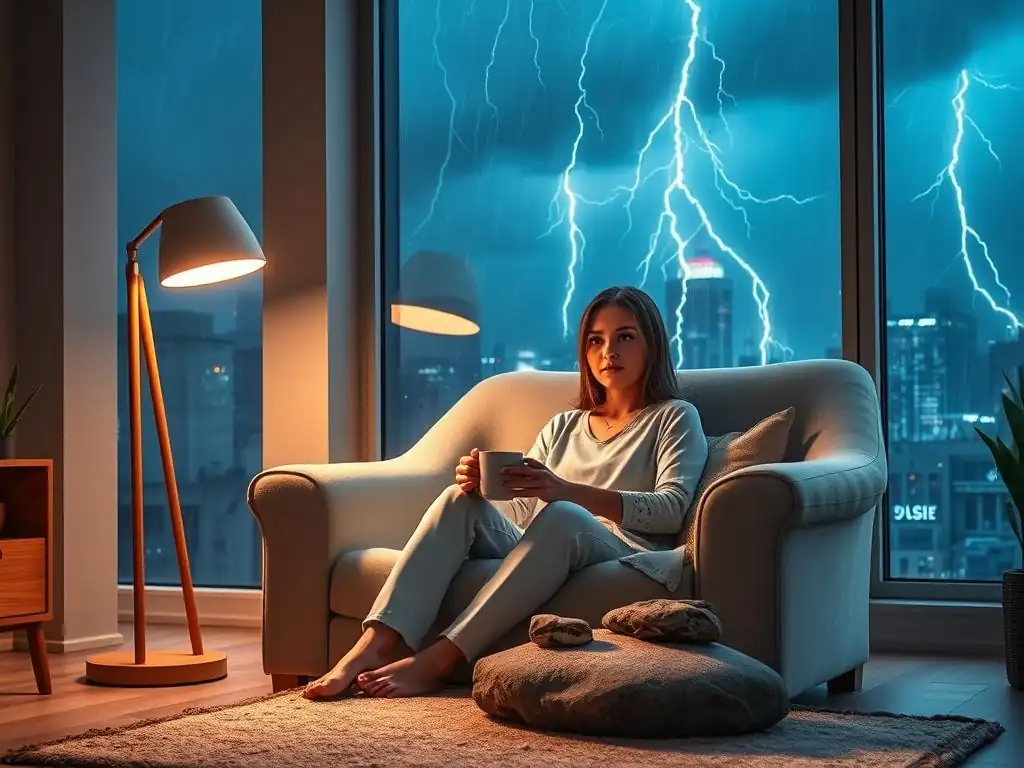
Welcome to Mind Care Guide, a sanctuary for your mental well-being.
Feeling overwhelmed by the approaching storm? Many understand the intense anxiety that accompanies astraphobia, the fear of thunder and lightning. This isn't just a dislike of bad weather; it's a deeply rooted fear that can significantly impact your life. But there's hope. Let's explore effective strategies for coping with astraphobia symptoms together, empowering you to weather any storm with greater calm and control. Are you ready to take the first step towards a brighter, less fearful forecast?
Stormy Weather Calm: Coping with Astraphobia (Fear of Thunder and Lightning)
- Understanding Astraphobia: The Intense Fear of Thunder and Lightning
- Recognizing the Signs and Symptoms of Astraphobia
- Coping with Astraphobia Symptoms: Practical Strategies and Techniques
- Long-Term Management of Astraphobia: Seeking Professional Help
- Supporting Someone with Astraphobia: Tips for Loved Ones
- Preventing Astraphobia: Early Intervention and Education
- Astraphobia Resources: Further Information and Support
- Frequently Asked Questions
- Final Reflection: Finding Calm Amidst the Storm
- Conquer Your Storms: Take Control of Your Astraphobia
Understanding Astraphobia: The Intense Fear of Thunder and Lightning
Defining Astraphobia: More Than Just Discomfort
Astraphobia is classified as a specific phobia, representing an intense, irrational fear of thunder and lightning (or storms in general). This isn't merely a mild dislike or fleeting nervousness when a storm approaches; it's a debilitating anxiety that can significantly impact a person's life. Individuals with astraphobia often experience profound distress and panic symptoms triggered by the sounds of thunder, flashes of lightning, or even just dark, cloudy skies. This fear is disproportionate to the actual threat posed by the weather event and can lead to avoidance behaviors that limit activities and social interactions.
Unlike someone who might feel a bit uneasy during a severe storm, a person with astraphobia might experience panic attacks hours before a predicted storm arrives, just from seeing the forecast. The anticipation itself can be overwhelming, leading to sleepless nights or constant monitoring of weather reports. The fear is persistent, often lasting for months or years, and isn't easily reasoned away. It's a deep-seated emotional response that feels uncontrollable to the individual experiencing it.
Differentiating Astraphobia from Normal Weather Anxiety
While many people feel a natural sense of caution or even slight apprehension during a powerful thunderstorm, this is distinct from astraphobia. Normal weather anxiety is typically proportional to the actual risk involved – for instance, feeling nervous during a tornado warning or a severe hailstorm. This anxiety usually subsides once the storm passes and doesn't lead to significant life disruption or panic attacks triggered by less severe weather. It's a rational response to potential danger.
Astraphobia, conversely, involves an exaggerated and irrational fear that persists even when the storm is distant or poses little threat. A mild rumble of thunder or a distant flash can trigger intense panic. The individual might go to extreme lengths to avoid storms, such as canceling plans, refusing to leave the house, or even relocating to areas with less frequent storms. This level of avoidance and distress goes far beyond typical caution and marks the presence of a clinical phobia requiring strategies for coping with astraphobia symptoms.
The Psychological Roots of Astraphobia: Past Traumatic Experiences and Observational Learning
The development of astraphobia can often be traced back to specific psychological factors. One common origin is a past traumatic experience related to a storm. This might involve being in a dangerous situation during severe weather, such as a house being struck by lightning, experiencing flooding, or being caught in a frightening storm as a child. Even a single, highly distressing event can create a lasting association between storms and intense fear, leading to the phobia. The brain essentially learns to perceive storms as inherently dangerous, triggering a fight-or-flight response.
Another significant factor is observational learning. Children, in particular, can develop astraphobia by observing the fearful reactions of adults around them, such as parents or caregivers who exhibit intense anxiety or panic during storms. If a child repeatedly sees a parent hide, cry, or become extremely agitated during thunder and lightning, they may internalize this fear response and develop their own phobia. This learned behavior can be just as potent as a direct traumatic experience in shaping a person's response to storms.
Recognizing the Signs and Symptoms of Astraphobia
Identifying astraphobia involves recognizing a cluster of physical, emotional, and behavioral symptoms that occur in response to storms or the anticipation of storms. These signs can vary in intensity but often follow a predictable pattern when triggered by thunder and lightning. Understanding these symptoms is the first step toward effective coping with astraphobia symptoms.
Physical Symptoms of Astraphobia: Heart Palpitations, Sweating, and More
When faced with thunder and lightning, individuals with astraphobia often experience a range of intense physical symptoms characteristic of the body's panic response. These can include a racing heart or palpitations, feeling short of breath or suffocated, excessive sweating, trembling or shaking, and nausea or stomach discomfort. Some may also experience dizziness, lightheadedness, or even a feeling of detachment from reality (derealization or depersonalization).
These physical manifestations are not merely psychological; they are real physiological reactions triggered by the brain's fear centers. The body prepares for perceived danger, releasing adrenaline and other stress hormones. A person might feel a sudden urge to flee, or their muscles might tense up painfully. These symptoms can be overwhelming and contribute significantly to the distress associated with the phobia, making effective coping with astraphobia symptoms essential for managing this response.
Emotional and Behavioral Symptoms: Seeking Shelter and Constant Monitoring
Beyond the physical, astraphobia manifests through significant emotional and behavioral changes. Emotionally, individuals experience intense fear, dread, and a sense of impending doom when a storm is near or predicted. They might feel helpless, out of control, and profoundly anxious. These emotions can be consuming, dominating their thoughts and feelings during stormy periods.
Behaviorally, the fear often leads to avoidance and safety-seeking behaviors. This can include constantly checking weather forecasts, canceling outdoor plans, refusing to leave the house, or seeking specific "safe" places during a storm, such as basements, closets, or windowless rooms. Some might feel an overwhelming urge to be with others and may refuse to be alone during thunder and lightning. This constant monitoring and avoidance can severely restrict their life and activities, highlighting the need for strategies focused on coping with astraphobia symptoms.
Identifying Astraphobia in Children: Clinging Behavior, Crying, and Refusal to Go Outside
Astraphobia is relatively common in young children, although it often resolves as they grow older. However, persistent and intense fear in children can indicate astraphobia. Symptoms in children might present differently than in adults. They may become unusually clingy, refusing to be separated from a parent or caregiver when a storm is approaching or occurring. Intense crying, screaming, or tantrums are common reactions to thunder and lightning.
Children with astraphobia might also try to hide under furniture, in closets, or bury their heads under blankets. They might refuse to go outside if there's even a slight chance of rain or thunder. Sleep disturbances are also frequent, as the fear can make them afraid to be alone in their rooms during the night if a storm is possible. Recognizing these specific behaviors in children is crucial for early intervention and teaching them age-appropriate ways of coping with astraphobia symptoms.
Coping with Astraphobia Symptoms: Practical Strategies and Techniques

Effectively coping with astraphobia symptoms involves a combination of immediate strategies to manage distress during a storm and longer-term techniques to reduce the overall intensity of the fear. These practical methods empower individuals to regain a sense of control and reduce the impact of thunder and lightning on their lives.
Creating a Safe Space During Storms: Your Thunderstorm Sanctuary
One immediate strategy for coping with astraphobia symptoms is to prepare and retreat to a designated "safe space" when a storm approaches. This space should be a room that feels secure and comforting, ideally one with few or no windows, like a basement, an interior room, or even a well-insulated closet. The goal is to minimize exposure to the triggers (sights and sounds of the storm) while creating an environment that promotes calm.
Personalize this sanctuary to make it as soothing as possible. Stock it with comforting items such as soft blankets, pillows, favorite books, calming music, or activities that provide distraction. Having this space prepared in advance reduces anxiety about where to go when a storm hits and provides a predictable, secure retreat. Knowing you have a safe place to go can significantly reduce anticipatory anxiety related to thunder and lightning.
Relaxation Techniques for Astraphobia: Calming Your Anxious Mind
Learning and practicing relaxation techniques is a cornerstone of coping with astraphobia symptoms. These techniques help activate the body's natural relaxation response, counteracting the physiological symptoms of panic and anxiety triggered by storms. Regular practice, even when there's no storm, makes these techniques more effective when they are needed most.
Deep Breathing Exercises for Thunderstorm Anxiety
Simple deep breathing can be incredibly powerful in calming the nervous system. When anxiety spikes during a storm, breathing often becomes shallow and rapid, exacerbating panic. Focusing on deep, slow breaths helps regulate the heart rate and promotes relaxation.
- Find a comfortable position.
- Close your eyes or soften your gaze.
- Inhale slowly and deeply through your nose, counting to four. Feel your abdomen rise.
- Hold the breath for a count of two.
- Exhale slowly and completely through your mouth, counting to six. Let go of tension.
- Pause briefly before the next inhale.
- Repeat this pattern for several minutes, focusing solely on your breath.
Practicing this technique for just 5-10 minutes when you feel triggered can significantly reduce the intensity of physical anxiety symptoms associated with thunder and lightning.
Progressive Muscle Relaxation for Astraphobia Relief
Progressive Muscle Relaxation (PMR) involves tensing and then releasing different muscle groups in the body. This process helps you become more aware of physical tension and learn how to release it, reducing overall anxiety and stress.
- Find a quiet place where you can sit or lie down comfortably.
- Start with your feet. Tense the muscles in your feet tightly for about 5-10 seconds. Notice the sensation of tension.
- Release the tension completely and notice the feeling of relaxation. Rest for 15-20 seconds.
- Move up your body, tensing and releasing each muscle group: calves, thighs, buttocks, abdomen, chest, back, hands, arms, shoulders, neck, and face.
- Pay attention to the contrast between tension and relaxation in each area.
- Finish by taking a few deep breaths and noticing the overall feeling of calm in your body.
Using PMR during a storm or when anticipating one can help counteract the physical tightening and shaking often experienced as part of coping with astraphobia symptoms.
Mindfulness Meditation for Weather-Related Fears
Mindfulness involves paying attention to the present moment without judgment. For astraphobia, this means acknowledging the storm, the sounds, and your feelings without getting swept away by panic. It's about observing the experience rather than being consumed by it.
- Sit comfortably and bring your attention to your breath.
- Notice the sounds of the storm if they are present. Acknowledge them without labeling them as "good" or "bad."
- Notice physical sensations in your body. Are your shoulders tense? Is your stomach tight? Simply observe these sensations without trying to change them immediately.
- Notice your thoughts and emotions. Are you thinking "This is terrible"? Are you feeling fear? Acknowledge these thoughts and feelings as mental events, not absolute truths.
- Gently redirect your attention back to your breath or body sensations whenever your mind wanders.
- Continue observing the present moment with gentle curiosity and acceptance.
Mindfulness helps build tolerance for uncomfortable sensations and sounds, gradually reducing their power to trigger intense fear and improving your ability to cope with astraphobia symptoms.
Distraction Techniques: Diverting Your Attention from the Storm
When the sounds of thunder and lightning become overwhelming, engaging in activities that fully occupy your attention can be an effective short-term strategy for coping with astraphobia symptoms. The goal is to shift your focus away from the storm and onto something engaging and positive.
Engaging Activities: Playing Board Games, Watching Movies, Creative Writing
Choose activities that require concentration and immerse you in something other than the weather. Playing a complex board game or putting together a challenging puzzle with family or friends can effectively distract you. Watching a favorite movie or binge-watching a compelling series can also occupy your mind. Creative activities like writing a story, drawing, painting, or crafting can be absorbing and therapeutic during a storm.
The key is to choose something you genuinely enjoy and that holds your attention. Having a list of pre-planned activities ready for when a storm hits can be very helpful. This proactive approach reduces the time spent dwelling on the fear and redirects energy towards a positive experience, aiding in coping with astraphobia symptoms.
The Power of Music and Audiobooks During a Storm
Sound can be a significant trigger for astraphobia, but it can also be a powerful tool for managing it. Listening to music, especially calming or upbeat tunes, can help drown out the sounds of thunder and create a more pleasant auditory environment. Curating a playlist of your favorite comforting or distracting songs specifically for storm events can be very beneficial.
Audiobooks or engaging podcasts can also be excellent distractions. Following a narrative or listening to an interesting discussion requires focus and can effectively divert your attention from the storm outside. Using noise-canceling headphones can further enhance the effectiveness of this technique by minimizing the intrusive sounds of thunder and rain.
Cognitive Restructuring: Challenging Negative Thoughts About Thunder and Lightning
Cognitive restructuring is a technique used in therapy, particularly CBT, but can also be practiced independently as part of coping with astraphobia symptoms. It involves identifying and challenging the irrational thoughts that fuel the fear of storms and replacing them with more realistic and helpful perspectives.
Identifying and Replacing Fearful Thoughts
The first step is to become aware of the specific thoughts that arise when you think about or experience a storm. These might be catastrophic thoughts like "The lightning will strike my house," "The storm is going to hurt me," or "I can't handle this." Write these thoughts down to see them clearly.
Next, challenge the evidence for these thoughts. How likely is it that lightning will strike your house? What safety measures are in place? Have you survived previous storms? Replace the fearful thought with a more realistic one, such as "Storms are natural weather events," "While lightning is dangerous, the risk of being struck is very low, especially indoors," or "I have coped with storms before, and I can use my strategies now." This process of challenging and replacing helps weaken the connection between storms and irrational fear.
Understanding the Science Behind Thunderstorms
Gaining factual knowledge about thunderstorms can help demystify them and reduce the fear driven by the unknown or misconceptions. Learning about how thunder is simply the sound wave produced by rapidly expanding air heated by lightning, or that lightning is a natural electrical discharge, can help frame these phenomena as natural processes rather than malevolent threats.
Understanding the science can make the events feel less random and terrifying. Reading articles or watching documentaries about weather patterns (perhaps not during a storm initially) can build knowledge that counters the irrational fear. This intellectual understanding supports the emotional work of coping with astraphobia symptoms.
Long-Term Management of Astraphobia: Seeking Professional Help
While self-help strategies are valuable for coping with astraphobia symptoms in the moment, long-term management and overcoming the phobia often require professional intervention. Therapies like CBT and exposure therapy are highly effective in addressing the root causes of the fear and building lasting resilience.
When to Consider Therapy for Astraphobia
It's time to consider seeking professional help if astraphobia significantly impacts your quality of life. This includes if you frequently cancel plans, avoid leaving your home during certain seasons, experience panic attacks regularly, have difficulty sleeping due to weather anxiety, or if the fear is causing significant distress in your relationships or work.
Therapy provides structured support and evidence-based techniques tailored to your specific needs. A mental health professional can help you understand the origins of your fear, develop more effective coping mechanisms, and gradually confront the phobia in a safe and controlled environment. Don't hesitate to reach out if self-guided strategies aren't providing sufficient relief.
Cognitive Behavioral Therapy (CBT) for Overcoming Fear of Thunder
Cognitive Behavioral Therapy (CBT) is one of the most effective treatments for specific phobias like astraphobia. CBT helps individuals identify and change the negative thought patterns and behaviors that maintain the phobia. A therapist works with you to challenge irrational beliefs about storms (cognitive restructuring) and develop healthier coping responses.
Through CBT, you might learn relaxation techniques, problem-solving skills, and how to gradually face your fears (often through exposure therapy, which is sometimes a component of CBT). Studies have shown that CBT can significantly reduce the intensity of phobic reactions and improve a person's ability to function during storms. It provides practical tools for coping with astraphobia symptoms and altering the underlying fear response.
Exposure Therapy for Astraphobia: Gradually Facing Your Fears
Exposure therapy is a core component in the treatment of many phobias, including astraphobia. It involves gradually and safely exposing the individual to the feared object or situation – in this case, thunder and lightning – in a controlled environment. The process starts with less anxiety-provoking stimuli and slowly progresses to more intense ones.
This might begin with looking at pictures of storms, listening to recordings of rain or distant thunder, watching videos of thunderstorms, and eventually experiencing a real storm while using coping strategies. Virtual reality (VR) exposure therapy is also becoming a viable option, allowing individuals to experience realistic storm simulations in a therapist's office. The goal is to learn that you can experience the trigger without the catastrophic outcome you fear and that your anxiety will decrease over time with repeated exposure, ultimately improving your ability to cope with astraphobia symptoms.
Medication Options for Severe Astraphobia: Anti-Anxiety Medications and Beta-Blockers
In some cases, particularly when astraphobia symptoms are severe and significantly impairing, medication may be used as a short-term aid, often in conjunction with therapy. Anti-anxiety medications, such as benzodiazepines, can provide temporary relief from acute panic and anxiety during a storm. However, these are typically prescribed for short durations due to the risk of dependence.
Beta-blockers are another option that can help manage the physical symptoms of anxiety, such as rapid heart rate and trembling. They work by blocking the effects of adrenaline. Medication does not "cure" the phobia but can make it easier for individuals to engage in therapy, such as exposure therapy, by reducing the intensity of the physical fear response. Any medication use should be discussed thoroughly with a prescribing doctor, considering potential side effects and interactions.
Supporting Someone with Astraphobia: Tips for Loved Ones

Living with or supporting someone who experiences astraphobia can be challenging. Loved ones play a crucial role in providing understanding, comfort, and encouragement. Knowing how to respond during a storm and how to support their journey towards overcoming the phobia is essential.
Understanding and Empathy: Creating a Supportive Environment
The most important thing a loved one can offer is understanding and empathy. Recognize that astraphobia is a real and debilitating condition, not just foolishness or an overreaction. Avoid dismissing their fears or telling them to "just get over it." Their panic is real to them, even if the perceived threat is irrational.
Create an environment where they feel safe expressing their fears without judgment. Listen actively and validate their feelings by saying things like, "I can see how scary this is for you." Knowing they are understood and supported can significantly reduce feelings of isolation and shame associated with the phobia, creating a foundation for effective coping with astraphobia symptoms.
Practical Ways to Help During a Storm: Providing a Calm Presence and Engaging in Conversation
During a storm, your calm presence can be incredibly grounding for someone with astraphobia. Stay with them if they wish, but avoid hovering in a way that might increase their anxiety. Speak in a calm, reassuring voice. Avoid panicked reactions yourself, even if the storm is severe.
Engage them in distracting activities. Suggest playing a game, watching a lighthearted movie, or simply talking about unrelated topics. Help them implement their coping strategies, such as practicing deep breathing or going to their designated safe space. Do not force them to face the storm or ridicule their fear; instead, focus on helping them manage their distress in that moment.
Encouraging Professional Help: When and How to Suggest Therapy
If you observe that astraphobia is consistently interfering with their life and happiness, gently suggest seeking professional help. Frame it as a positive step towards feeling better and regaining control, rather than implying there is something wrong with them. You might say, "I've noticed how much storms affect you, and it makes me sad to see you struggle. Would you consider talking to a therapist who specializes in phobias? There are really effective ways to learn coping with astraphobia symptoms and feel less afraid."
Offer to help them research therapists or even accompany them to an initial appointment if they are comfortable. Emphasize that therapy is a sign of strength and a path to long-term relief, empowering them to manage their fear more effectively.
Preventing Astraphobia: Early Intervention and Education
While not all cases of astraphobia can be prevented, particularly those linked to unavoidable traumatic events, early intervention and education can play a role in reducing the risk, especially in children, and in addressing early signs of weather anxiety before they develop into a full-blown phobia.
Educating Children About Weather: Reducing Fear Through Knowledge
For children, fear often stems from the unknown. Educating them about weather in an age-appropriate and non-frightening way can help demystify storms. Teach them that thunder and lightning are natural phenomena. Explain (simply) how they occur. You can read children's books about weather, look at weather charts, or even engage in safe, supervised activities like observing rain from a window (when calm).
Focus on the fascinating aspects of weather rather than solely the potential dangers. Teach them about safety rules during storms (like staying indoors) in a calm, instructive manner, rather than presenting them as terrifying threats. This foundational knowledge can help prevent the development of irrational fears by promoting understanding and respect for weather rather than intense dread.
Addressing Early Signs of Weather Anxiety: Teaching Coping Mechanisms and Positive Self-Talk
If a child shows early signs of anxiety about weather – perhaps becoming clingy when it rains or expressing fear of thunder – address it promptly and empathetically. Avoid dismissing their feelings. Instead, validate their fear ("I know that sound can be loud and surprising") and immediately introduce simple coping mechanisms.
Teach them basic deep breathing, show them how to find a cozy, safe spot during loud noises, or engage them in a distracting game. Encourage positive self-talk, like repeating "I am safe inside" or "The storm will pass." By teaching children these strategies early on, you equip them with tools for coping with astraphobia symptoms before the anxiety escalates into a debilitating phobia. Early intervention significantly improves the chances of preventing the phobia from taking root.
Astraphobia Resources: Further Information and Support
Accessing additional resources can be invaluable for individuals coping with astraphobia symptoms and their loved ones. These resources provide further information, self-help guides, and avenues for finding professional support or connecting with others who understand.
Online Resources for Astraphobia Sufferers
Many reputable mental health websites and organizations offer detailed information on specific phobias, including astraphobia. These resources often provide articles explaining the condition, self-assessment tools, and directories for finding therapists. Websites focused on anxiety disorders can be particularly helpful.
Online forums or communities dedicated to anxiety or specific phobias can also offer peer support, allowing individuals to share experiences and coping strategies with others facing similar challenges. While not a substitute for professional help, connecting with others can reduce feelings of isolation.
Books and Articles on Overcoming Phobias
Numerous self-help books and articles provide in-depth guidance on understanding and overcoming phobias. Many utilize principles from CBT and exposure therapy, offering step-by-step exercises for challenging fearful thoughts and gradually facing triggers.
Look for resources written by mental health professionals specializing in anxiety disorders. These materials can supplement therapeutic work or provide valuable insights for those exploring self-help methods for coping with astraphobia symptoms.
Support Groups for People with Anxiety Disorders
Joining a local or online support group for anxiety disorders can provide ongoing encouragement and a sense of community. While not specific to astraphobia, these groups offer a space to share experiences with anxiety in general and learn from how others manage their symptoms.
Hearing from others who have successfully managed or overcome their phobias can be incredibly inspiring and provide practical tips for daily coping. Support groups emphasize shared understanding and mutual encouragement in the journey towards better mental well-being.
Frequently Asked Questions
What exactly is astraphobia, and how common is it?
Astraphobia is a specific phobia characterized by an irrational fear of thunder and lightning. While exact prevalence is hard to pinpoint, it's estimated that a significant percentage of the population experiences it to some degree, especially children.
What are some common symptoms of astraphobia?
Common symptoms include anxiety, panic attacks, and obsessive thoughts related to storms. Individuals may also exhibit physical symptoms like trembling, sweating, and rapid heartbeat.
How does astraphobia differ from simply disliking storms?
A simple dislike of storms doesn't significantly impact daily life. Astraphobia, on the other hand, involves intense fear and anxiety that can disrupt normal functioning and lead to avoidance behaviors.
What are some effective coping mechanisms for managing astraphobia symptoms?
Effective coping mechanisms include cognitive behavioral therapy (CBT), relaxation techniques like deep breathing, and creating a safe and comforting environment during storms.
When should someone seek professional help for astraphobia?
If astraphobia is significantly impacting daily life, causing severe distress, or leading to avoidance behaviors that limit activities, seeking professional help from a therapist or counselor is recommended.
Final Reflection: Finding Calm Amidst the Storm
The fear of thunderstorms, astraphobia, affects millions, impacting their daily lives and well-being far beyond the immediate rumble of thunder. This pervasive anxiety, often dismissed as a minor quirk, deserves serious consideration, as its effects can be debilitating, leading to isolation, missed opportunities, and significant emotional distress. Understanding the root causes, developing coping mechanisms, and seeking professional help when needed are crucial steps towards reclaiming a sense of peace and control.
Astraphobia's influence extends beyond individual suffering; it shapes our collective understanding of anxiety and fear. It highlights the need for greater empathy and understanding for those struggling with phobias, often invisible struggles that significantly impact quality of life. The societal pressure to "just get over it" only exacerbates the problem. The greatest barrier to overcoming fear is fear itself.
This quote, while often attributed to various sources, speaks volumes about the internal struggle faced by those with astraphobia, and the importance of fostering a supportive environment.
Now, consider your own relationship with fear. What anxieties hold you back? Perhaps it's not a fear of storms, but something else entirely. This article serves as a reminder that even the most daunting fears can be managed, and that seeking help is a sign of strength, not weakness. Take a moment to reflect on your own coping mechanisms, and remember that you are not alone in facing your challenges. Embrace the journey towards a calmer, more peaceful existence, one thunderstorm at a time.
Conquer Your Storms: Take Control of Your Astraphobia
Thanks for taking the time to learn more about managing your astraphobia. You've gained valuable insights into understanding and overcoming your fear – that's a huge step! Now let's put that knowledge into action.
- Prioritize your personalized coping plan: Start by selecting one technique from the article that resonates most strongly with you and dedicate time this week to practicing it consistently. This could be deep breathing exercises, cognitive reframing, or a specific relaxation technique.
- Share your progress (or challenges): Connect with our supportive Mind Care Guide community – even sharing your small victories can be incredibly encouraging, and hearing from others may inspire new strategies.
- Explore additional resources: Discover further helpful techniques for managing anxiety by exploring related articles on our website.
Ready to face your next thunderstorm with newfound calm and confidence? What small step will you take today to build your resilience against astraphobia?