
Escaping the Noise: Your Guide to Finding Solitude on a Solo Trip

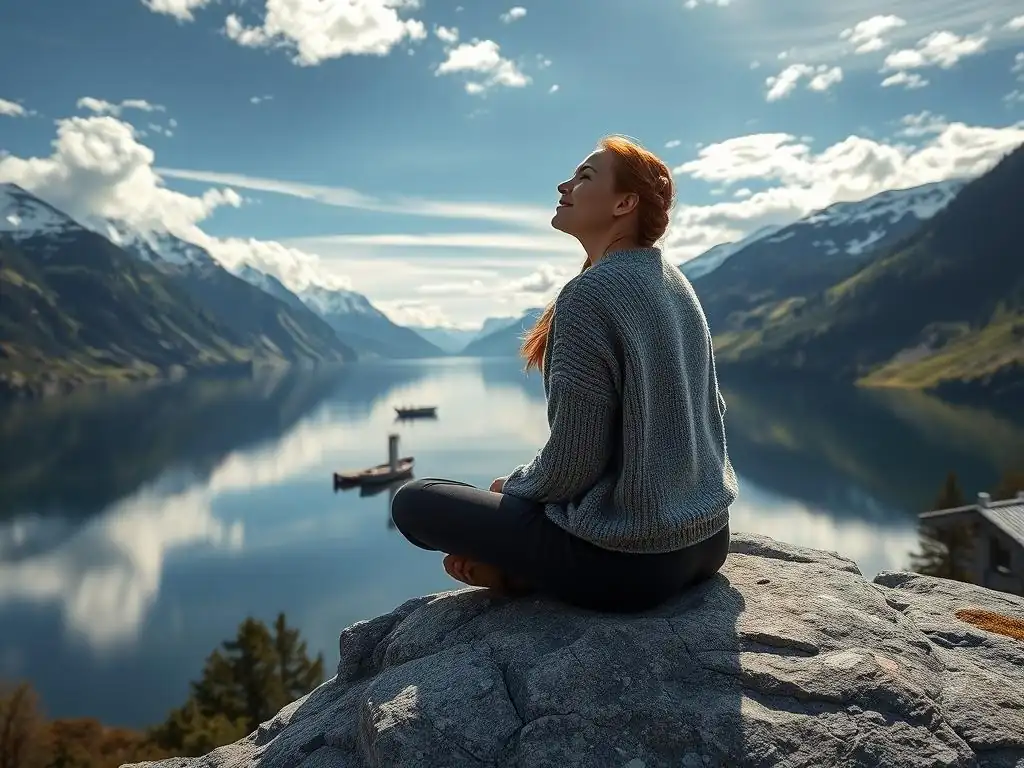
Welcome to Mind Care Guide.
Feeling overwhelmed? Like the world is just too loud? You're not alone. We understand the need to disconnect and recharge. This week, we're diving deep into how a solo trip can be a powerful tool for mental well-being, unlocking the profound solo trip solitude benefits that can help you rediscover yourself. Ready to escape the noise and find your inner peace? Let's begin.
Escaping the Noise: Your Guide to Finding Solitude on a Solo Trip
- Discovering the Profound Solo Trip Solitude Benefits for Mental Well-being
- Planning Your Solitude-Focused Solo Trip: A Step-by-Step Guide
- Maximizing the Benefits of Solitude on Your Trip
- Post-Trip Integration: Maintaining Solitude Benefits in Your Daily Life
-
Frequently Asked Questions
- How can a solo trip help improve my mental well-being?
- What are the key "solitude benefits" one might experience on a solo trip?
- Is it possible to feel lonely on a solo trip, and how can I manage that?
- How can I plan a solo trip that specifically promotes mental well-being and solitude?
- What resources does Mind Care Guide offer to further explore the benefits of solitude and mental well-being?
- Final Reflection: The Quiet Revolution of Solo Travel
- Unleash Your Inner Explorer: Embrace the Quiet
Discovering the Profound Solo Trip Solitude Benefits for Mental Well-being
Unveiling the Power of Solitude: Why Solo Travel Enhances Mental Health
Solo travel offers a unique opportunity to step away from the constant demands and stimuli of daily life, providing a pathway to genuine solitude. This deliberate disconnection is profoundly beneficial for mental health, acting as a powerful stress reducer. By removing yourself from familiar pressures – work deadlines, social obligations, family needs – you create space for your mind to quiet down.
Studies have indicated that even short periods of solitude can decrease cortisol levels, the body's primary stress hormone, leading to a calmer state of mind. The absence of external noise allows internal thoughts and feelings to surface, fostering a deeper connection with oneself and facilitating self-reflection without interruption.
Furthermore, embracing a solo trip is a significant step towards building emotional resilience and independence. Navigating unfamiliar environments, solving unexpected challenges on your own, and making all decisions independently strengthens your self-reliance. This process validates your capabilities and builds confidence in your ability to handle life's uncertainties.
The quiet moments of a solo trip solitude experience allow for introspection, helping you to process emotions, gain clarity on personal goals, and cultivate a stronger sense of self-awareness. These solo trip solitude benefits extend far beyond the duration of the journey, equipping you with valuable skills and a refreshed perspective for navigating everyday life.
Planning Your Solitude-Focused Solo Trip: A Step-by-Step Guide

Defining Your "Solitude Style": Understanding Your Needs for a Peaceful Journey
Before booking your flight or packing your bags, it's crucial to understand what kind of solitude you seek. Are you envisioning complete isolation, perhaps in a remote cabin with no internet, or are you looking for mindful moments of peace within a new, potentially bustling environment? Reflect honestly on your comfort level with being completely alone. Some individuals thrive on total disconnection, while others prefer the feeling of being present in a new place, enjoying moments of quiet observation without the pressure of social interaction. Understanding this preference will significantly influence your destination choice and itinerary.
Consider the activities that genuinely bring you peace and introspection. For some, this might involve structured practices like daily yoga or meditation sessions. For others, it could be unstructured time spent journaling, reading, or simply observing nature. Identifying these activities helps shape your trip's purpose and ensures your itinerary supports your goal of finding solitude.
For example, if journaling is key, ensure you have ample uninterrupted time blocked out. If mindful movement is your focus, look for destinations offering accessible trails or quiet spaces for personal practice. This self-awareness is the first step in designing a solo trip that truly caters to your mental well-being needs.
Choosing the Right Destination: Locations that Foster Tranquility and Reflection
Selecting a destination that aligns with your "solitude style" is paramount. For those seeking unparalleled quiet and deep immersion in nature, remote retreats are ideal. Consider a place like Sheldon Chalet in Alaska, located high on Denali, accessible only by helicopter. Here, the silence is profound, broken only by the sounds of wind and wildlife, offering an environment where forced disconnection leads to deep introspection. The sheer isolation ensures minimal external noise and maximum opportunity for inner peace.
Alternatively, if your solitude style involves structured mindfulness practices within a supportive, quiet community, monasteries or spiritual centers can be perfect. New Camaldoli Hermitage in Big Sur, California, for instance, offers guest stays where you can participate in daily prayers, enjoy silent meals, and spend hours walking the grounds or meditating in your hermitage. While not complete isolation, it provides a framework for quiet contemplation and allows you to benefit from a schedule centered around peace.
For a balance of nature and privacy with modern comforts, secluded coastal getaways are excellent. Renting a private cabin on the Mendocino Coast through platforms like Airbnb offers the soothing rhythm of ocean waves, opportunities for long, mindful walks on quiet beaches, and the privacy to simply be without external demands.
Packing for Peace: Essential Items to Enhance Your Solitude Experience
Packing mindfully means bringing items that support your goal of finding solitude and enhancing your mental well-being. High-quality noise-canceling headphones are invaluable for creating personal pockets of quiet, whether on a plane, in a busy airport, or even in your accommodation. Models like the Sony WH-1000XM5 Headphones are renowned for their ability to effectively minimize distractions, allowing you to listen to calming music, guided meditations, or simply enjoy silence, maximizing your solo trip solitude benefits.
Beyond physical items, consider digital tools that aid mindfulness rather than distract. A subscription to a mindfulness app like Calm offers a vast library of guided meditations, sleep stories, and calming music, providing structured support for cultivating inner peace anywhere you are.
Don't underestimate the power of traditional tools for self-reflection; a dedicated journal and a comfortable pen, like a Leuchtturm1917 Medium Size Notebook, provide a tangible space to process thoughts, feelings, and observations without the glow of a screen. Finally, bring a book that inspires introspection, such as "Wherever You Go, There You Are" by Jon Kabat-Zinn, offering timeless wisdom on mindfulness and presence that resonates deeply during a solo journey focused on solitude.
Maximizing the Benefits of Solitude on Your Trip
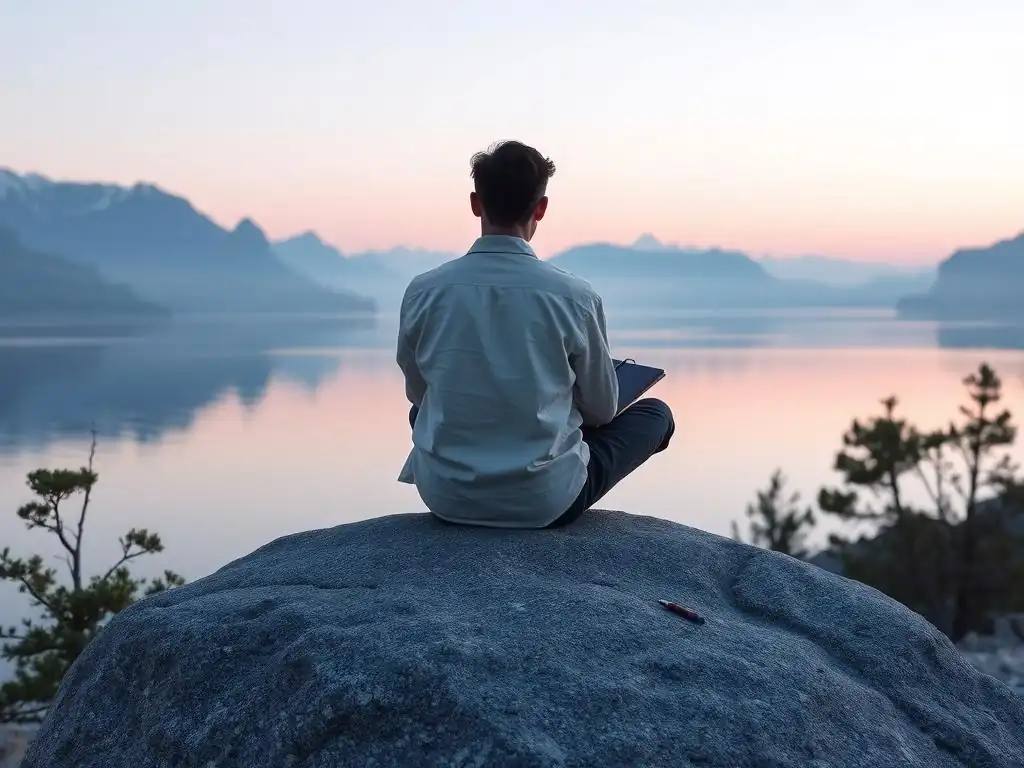
Creating a Digital Detox: Disconnecting to Reconnect with Yourself
One of the most powerful ways to unlock the full solo trip solitude benefits is by implementing a digital detox. Our devices are constant conduits of external noise, from notifications pinging to the endless scroll of social media. Setting clear boundaries with technology is essential. This might involve limiting screen time to a specific hour each day, turning off non-essential notifications entirely, or even deleting distracting apps before you leave. Tools like the Freedom app can be helpful by allowing you to block specific websites and applications for set periods, creating a deliberate barrier to digital distraction.
Embracing a digital detox allows you to fully immerse yourself in the present moment. Without the constant urge to check your phone or document every experience for an external audience, you become more attuned to your surroundings and your internal state. This disconnection fosters deeper self-reflection and allows for genuine rest and rejuvenation. The quiet space created by unplugging enables you to listen to your own thoughts and feelings, fostering a stronger sense of self and enhancing the profound benefits of solitude.
Engaging in Mindful Activities: Cultivating Inner Peace and Self-Awareness
A solo trip provides the perfect environment to cultivate inner peace and self-awareness through mindful activities. Dedicate time each day to practice meditation, even if it's just for 10-15 minutes. Find a quiet spot, focus on your breath, and simply observe your thoughts without judgment. This practice trains your mind to be present and can significantly reduce anxiety and enhance calm. The solitude of a solo trip makes it easier to establish or deepen a consistent meditation practice away from daily interruptions.
Spend time in nature and engage your senses. Take slow, deliberate walks, paying close attention to the sights, sounds, smells, and textures around you – the rustling leaves, the feel of the breeze, the scent of pine or salt air. This form of mindful walking grounds you in the present and reduces rumination.
Journaling is another powerful tool; dedicate time each day to write down your thoughts, feelings, and experiences. This externalization can provide clarity, help process emotions, and offer insights into your inner world that are often obscured by the busyness of everyday life. These practices amplify the solo trip solitude benefits, fostering a deeper connection with yourself.
Overcoming Challenges and Embracing the Unexpected
While the goal is finding solitude, solo travel can sometimes bring moments of loneliness or discomfort, especially when navigating unfamiliar situations. It's important to acknowledge these feelings if they arise, rather than suppress them. Recognize that loneliness is a temporary emotion and part of the human experience. Find healthy ways to cope, such as writing about it in your journal, listening to comforting music, or reminding yourself of the purpose of your trip – to experience the solo trip solitude benefits and strengthen your relationship with yourself.
Embracing the unknown is a key part of the solo travel experience. Things may not always go according to plan, and navigating unfamiliar places or unexpected changes can be challenging. Trust your instincts and problem-solving skills; each successfully navigated challenge builds confidence and resilience.
For safety in remote areas, consider carrying a satellite communicator like the Garmin inReach Mini 2. While the goal is solitude, knowing you have a reliable way to contact help in an emergency provides peace of mind and allows you to relax into your experience without undue worry. This preparedness helps you stay present and focused on the positive aspects of your solo journey.
Post-Trip Integration: Maintaining Solitude Benefits in Your Daily Life
Creating a Mindful Morning Routine: Starting Your Day with Intention
The solo trip solitude benefits don't have to end when you return home. Integrating elements of your trip into your daily life is crucial for maintaining mental well-being. Start by creating a mindful morning routine. Instead of immediately grabbing your phone, dedicate the first 15-30 minutes of your day to activities that promote peace and self-reflection, such as meditation, journaling, or a short yoga session. Limiting screen time in the morning allows you to set a calm and intentional tone for the day ahead.
Consider using tools that support a gentle awakening and mindful start. A Philips Wake-Up Light alarm clock simulates a sunrise, gradually filling your room with light and waking you naturally, a stark contrast to the jarring sound of a traditional alarm. This can help reduce morning stress and make it easier to ease into your mindful practices. Consistency is key; even a brief period of solitude and reflection each morning can significantly impact your overall stress levels and state of mind, helping to preserve the tranquility gained during your solo trip.
Scheduling Regular "Solitude Breaks": Prioritizing Time for Yourself
Just as you scheduled time for solitude on your trip, it's vital to prioritize regular "solitude breaks" in your everyday life. Block out time in your calendar for activities that promote relaxation and self-reflection, whether it's an hour for reading without interruption, a quiet walk in a local park, or simply sitting in silence. Treat these breaks with the same importance as any other appointment. This deliberate scheduling ensures that moments of peace don't get pushed aside by the demands of work and social life.
Create a dedicated space in your home, if possible, that serves as your sanctuary for solitude and mindfulness. This doesn't need to be large; a comfortable chair in a quiet corner, a meditation cushion, or simply a tidy desk can suffice. Make this space inviting and conducive to relaxation. Using an Aroma diffuser with calming essential oils, like lavender, can further enhance the atmosphere, creating a peaceful environment that signals it's time to unwind and reconnect with yourself. These regular breaks are essential for sustaining the solo trip solitude benefits and preventing burnout.
Embracing the Ongoing Journey of Self-Discovery
Finding solitude is not a one-time event but an ongoing journey of self-discovery. Recognize the immense value that quiet time and introspection bring to maintaining your mental well-being. The insights gained and the sense of peace cultivated during your solo trip are resources you can continue to tap into. Make a conscious effort to continue exploring new ways to cultivate inner peace and self-awareness, whether through new meditation techniques, different forms of journaling, or exploring local nature spots.
Consider planning future opportunities to reconnect with solitude. This could be a weekend getaway alone, a day trip dedicated to quiet reflection, or even considering future solo wellness retreats. Platforms like BookRetreats.com offer various options for structured solo experiences focused on mindfulness, yoga, or meditation, providing environments specifically designed for finding peace and deepening your connection with yourself. Embracing the power of solitude as a continuous practice is a gift you give to yourself, fostering resilience, clarity, and lasting mental wellness.
Frequently Asked Questions
How can a solo trip help improve my mental well-being?
Solo trips offer a chance to escape daily stressors and connect with yourself. This can lead to reduced anxiety and a greater sense of self-awareness.
What are the key "solitude benefits" one might experience on a solo trip?
Benefits include increased self-reliance and confidence, improved problem-solving skills, and a deeper understanding of your own needs and desires.
Is it possible to feel lonely on a solo trip, and how can I manage that?
Yes, loneliness can occur. Combat it by setting realistic expectations, engaging in mindful activities, and preparing for moments of solitude.
How can I plan a solo trip that specifically promotes mental well-being and solitude?
Choose destinations that offer peace and quiet, prioritize activities that encourage self-reflection, and limit your use of technology to stay present.
What resources does Mind Care Guide offer to further explore the benefits of solitude and mental well-being?
Mind Care Guide provides articles, guides, and support resources on various mental health topics, including mindfulness techniques and stress management strategies.
Final Reflection: The Quiet Revolution of Solo Travel
The pursuit of solitude, once a luxury, is now a vital necessity in our relentlessly connected world. Finding moments of genuine peace and self-reflection is increasingly challenging, yet the benefits are profound and transformative. This guide has explored the practical and emotional advantages of embracing solo travel as a pathway to rediscovering yourself amidst the quiet.
The impact of prioritizing solitude, particularly through the lens of solo travel, is reshaping our understanding of personal growth and well-being. It's a quiet revolution, a shift away from the constant pressure to be "on" and towards a deeper appreciation for introspection and self-discovery. As Henry David Thoreau wisely observed, I went to the woods because I wished to live deliberately, to front only the essential facts of life, and see if I could not learn what it had to teach, and not, when I came to die, discover that I had not lived.
This sentiment perfectly encapsulates the power of disconnecting to reconnect with oneself, a journey often best undertaken alone.
Now, consider your own life. What aspects of your daily routine could benefit from a deliberate injection of solitude? Perhaps it's a daily walk in nature, a dedicated hour for journaling, or planning that long-awaited solo trip. Embrace the quiet. Embrace the space. Embrace the transformative power of solitude. The journey to a more peaceful, self-aware you begins with a single step – a step towards silence, towards reflection, and towards the incredible rewards of a solo adventure.
Unleash Your Inner Explorer: Embrace the Quiet
Thanks for taking the time to discover the joys of solo travel and finding peace amidst the chaos! We hope this guide has inspired you to prioritize self-discovery and mindful exploration. Now it's time to turn inspiration into action.
- Plan your escape: Start small – even a weekend getaway to a nearby nature reserve can offer incredible solitude and reflection. Identify a location that resonates with your need for quiet and begin researching options!
- Share your journey: Inspire others to seek their own moments of peace. Share your experience (or your plans!) on social media, using #MindfulTravel or #SoloAdventure.
- Join our community: Connect with like-minded travelers in our comment section below! Share your tips, favorite quiet spots, or any questions you may have about planning your solo escape.
What quiet adventure will you embark on next?