
The Promise vs. The Reality: Navigating the Complex World of Mental Health Apps

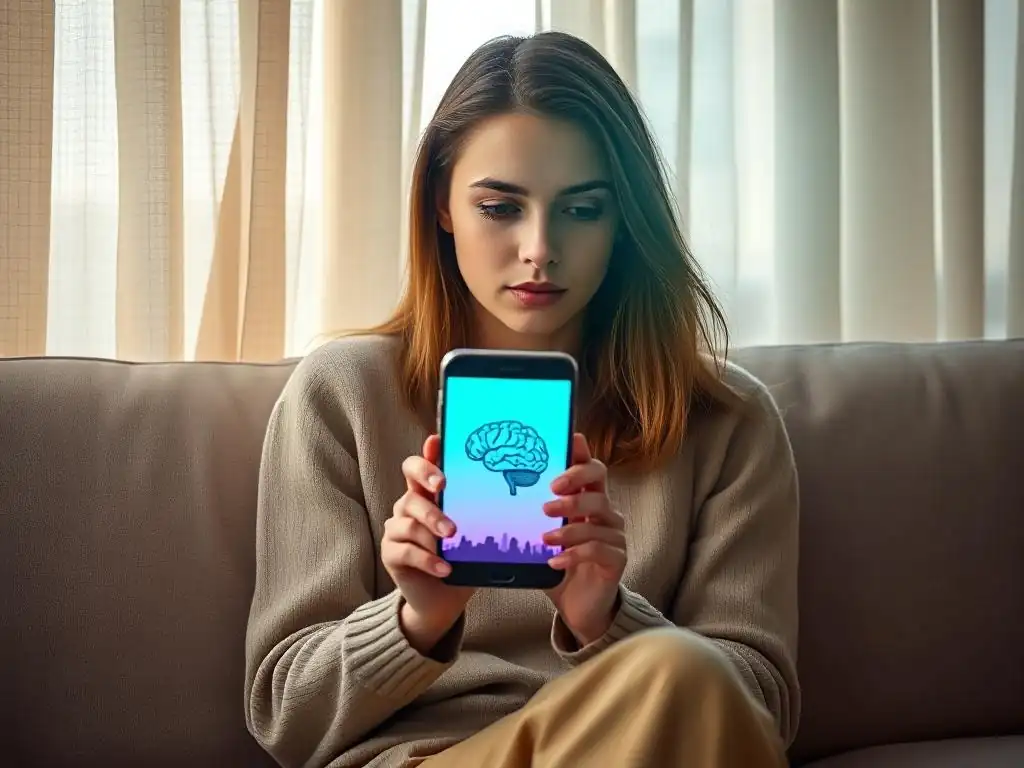
Welcome to Mind Care Guide, a space dedicated to nurturing your well-being.
Feeling overwhelmed by the sheer number of mental health apps promising instant relief? You're not alone. In our latest article, "The Promise vs. The Reality: Navigating the Complex World of Mental Health Apps," we delve into the real benefits and potential pitfalls of these digital tools. Discover how to make informed choices and find the apps that truly support your unique journey to better mental health. Curious to know if that shiny new app is worth the hype? Let's explore it together…
Navigating the Complexities of Mental Health Apps: Promise vs. Reality
- Introduction: Exploring the Digital Mental Wellness Landscape
- The Appeal: Potential Benefits of Mental Health Apps
- The Reality: Challenges and Limitations of Mental Health Apps
- Exploring Categories of Mental Health Apps and Their Applications
-
Optimizing the Use of Mental Health Apps: Practical Guidance
- Conducting Thorough Research and Evaluating App Credibility
- Prioritizing Data Security and Understanding Privacy Policies
- Integrating App Usage with Traditional Therapeutic Approaches
- Maintaining Realistic Expectations and Recognizing Limitations
- Regularly Monitoring Progress and Adjusting App Usage
- Potential Risks and Mitigation Strategies Associated with Mental Health Apps
- Exploring Categories of Mental Health Apps and Their Applications
- Future Trends and Opportunities in the Mental Health App Space
- Conclusion: Balancing Technology and Holistic Mental Well-being
- Frequently Asked Questions
- Final Reflection: The Ongoing Quest for Digital Wellbeing
- Unlock Your Mental Wellness Journey Today!
Introduction: Exploring the Digital Mental Wellness Landscape
The landscape of mental health support is rapidly evolving, with technology playing an increasingly significant role. Mental health apps have emerged as a popular tool, promising accessible and convenient ways to manage stress, anxiety, depression, and other mental health challenges. This guide explores the potential benefits and inherent limitations of these digital tools, aiming to provide a balanced perspective for anyone considering their use.
The Rise of Digital Mental Wellness Solutions
In recent years, there has been an explosion in the number and variety of mental health apps available. Driven by increased smartphone penetration and a growing awareness of mental health needs, these apps offer everything from guided meditation and mood tracking to digital journaling and cognitive behavioral therapy (CBT) exercises. Industry reports suggest the global mental health app market is valued in the billions of dollars and is projected to grow substantially, reflecting significant public interest and investment in digital wellness tools. This proliferation highlights the perceived need for more accessible mental health resources beyond traditional therapy settings.
This surge is also fueled by the desire for self-management tools. Many individuals seek proactive ways to support their mental well-being, manage symptoms, or simply build healthier habits. Mental health apps provide a private, on-demand resource that can fit into busy schedules, offering exercises, information, and tracking capabilities at the user's fingertips. Understanding the potential benefits of mental health apps is crucial for navigating this crowded market and making informed choices about integrating them into one's personal mental wellness strategy.
Setting Realistic Expectations for Mental Health App Efficacy
While the promise of mental health apps is compelling, it's vital to approach them with realistic expectations. These apps are tools, not magic bullets, and their effectiveness can vary greatly depending on the app's quality, the user's specific needs, and how consistently they are used. Many apps offer general wellness support or supplementary tools, but they are typically not designed to replace professional diagnosis or intensive therapy for severe mental health conditions.
Research on the efficacy of mental health apps is ongoing, with some studies showing positive outcomes, particularly for mild to moderate symptoms of anxiety and depression when used consistently. However, it's also important to note that the evidence base is not uniform across all apps, and many lack rigorous clinical validation. A comprehensive guide to mental health apps must emphasize that while they can be valuable components of a wellness plan, understanding their limitations and seeking professional help when needed is paramount.
The Appeal: Potential Benefits of Mental Health Apps
Mental health apps offer a compelling set of advantages that contribute to their growing popularity as part of a personal wellness strategy.
Enhanced Accessibility and Convenience in Mental Healthcare
One of the most significant benefits of mental health apps is the unparalleled accessibility they provide. Unlike traditional therapy or support groups, which often require scheduling appointments, traveling, and adhering to fixed times, apps are available 24/7 on a device most people carry with them. This on-demand access is particularly valuable for individuals living in remote areas, those with mobility issues, or people with demanding schedules that make regular appointments difficult.
Consider someone experiencing a sudden wave of anxiety in the middle of the night. Instead of waiting for a morning appointment, they could potentially open an app offering guided breathing exercises or a calming meditation within moments. This immediate availability can provide timely support and coping mechanisms precisely when they are needed most, making mental health support less of a logistical challenge and more readily integrated into daily life. This guide aims to highlight how this convenience can lower barriers to seeking and maintaining mental wellness practices.
Potential for Cost-Effective Mental Wellness Support
Another major advantage is the potential cost-effectiveness compared to traditional mental health services. While some premium apps require subscriptions, many offer free versions or are significantly less expensive than therapy sessions, which can range from $100 to $250 or more per hour depending on location and provider. This cost barrier is a significant factor for many individuals seeking support.
For someone on a limited budget, even a paid subscription to a high-quality mental health app might be a fraction of the cost of regular therapy. This doesn't mean apps replace therapy, but they can serve as an affordable entry point for individuals exploring mental wellness strategies or as a supplementary tool between therapy sessions. This aspect makes understanding the benefits of mental health apps particularly relevant for those for whom financial constraints impact access to care.
Perceived Anonymity and Reduced Stigma in Seeking Support
Seeking help for mental health can unfortunately still carry a degree of social stigma. Mental health apps offer a level of privacy and anonymity that can make it easier for individuals to take the first step towards support. There's no need to disclose one's struggles to another person initially, which can be a significant hurdle for many.
Using an app allows individuals to explore coping mechanisms, track moods, or learn about conditions in the privacy of their own space. This perceived anonymity can lower the psychological barrier to engaging with mental health tools, making it a more comfortable starting point than directly reaching out to a therapist or support group. This aspect is a key benefit for individuals who feel hesitant or embarrassed about discussing their mental health openly.
Opportunities for Personalized Mental Health Interventions
Many modern mental health apps utilize algorithms and user input to offer increasingly personalized experiences. They can track individual moods, identify patterns, and suggest specific exercises or resources based on the user's reported state or goals. This contrasts with a one-size-fits-all approach, potentially leading to more relevant and effective interventions.
For example, an app might notice a user's anxiety spikes consistently on Sunday evenings and suggest specific relaxation techniques or journaling prompts relevant to anticipating the work week. Some apps even offer personalized "journeys" or programs tailored to specific goals like improving sleep, managing panic attacks, or building resilience. This guide to mental health apps emphasizes the potential for this personalized approach to make interventions feel more relevant and engaging for the individual user.
The Reality: Challenges and Limitations of Mental Health Apps
Despite their promise, mental health apps also come with significant challenges and limitations that users should be aware of.
Data Security and Privacy Considerations
A major concern with mental health apps is the handling of sensitive personal data. Users often input highly private information about their moods, thoughts, symptoms, and personal history. The security measures and privacy policies of apps can vary widely, and not all apps are transparent about how data is stored, shared, or anonymized. Instances of apps sharing data with third parties, including advertisers, have raised significant alarms among privacy advocates.
For example, a 2020 report by the Mozilla Foundation found that many popular mental wellness apps had questionable privacy practices, with some failing to encrypt data or sharing user information without explicit consent. Users must be vigilant and thoroughly review an app's privacy policy before using it, understanding what data is collected, how it's used, and what security measures are in place. This is a critical point in any guide to mental health apps, as compromising privacy can have serious consequences.
Concerns Regarding Regulation, Quality Control, and Efficacy
The mental health app market is largely unregulated, meaning there's no central authority consistently reviewing and approving apps for clinical effectiveness or safety before they become available. Anyone can develop and publish an app claiming to help with mental health, regardless of whether it's based on evidence-based practices or developed by qualified professionals. This lack of oversight makes it difficult for users to discern which apps are credible and potentially helpful versus those that are ineffective or even harmful.
While some apps claim to use techniques like CBT or mindfulness, the implementation within the app may not be faithful to the therapeutic model or delivered in a way that is clinically effective. Studies reviewing the evidence base for mental health apps often find that while some show promise, many lack rigorous testing, making it challenging to make definitive claims about their efficacy for specific conditions. A reliable guide to mental health apps must stress the importance of seeking apps developed with clinical input and ideally those that have undergone some form of validation.
Accessibility Barriers for Specific Populations
While apps enhance accessibility in some ways, they also create new barriers for others. Access to a smartphone, reliable internet connection, and digital literacy are prerequisites for using mental health apps. This can exclude individuals from lower socioeconomic backgrounds, older adults less familiar with technology, or those living in areas with poor connectivity.
Furthermore, many apps are primarily available in English, limiting access for non-English speakers. The design and user interface of some apps may also not be intuitive for individuals with certain cognitive disabilities or visual impairments. While efforts are being made to improve digital accessibility, these limitations mean that mental health apps are not a universal solution and may exacerbate disparities in mental healthcare access for certain populations.
Risks of Over-Reliance and Dependence on Technology

There is a potential risk that individuals might become overly reliant on mental health apps, using them as a substitute for necessary human interaction, social support, or professional help. While apps can provide tools and information, they cannot replicate the nuances of human empathy, therapeutic relationships, or the comprehensive assessment and diagnosis provided by a qualified mental health professional.
Relying solely on an app might lead someone to delay seeking professional help for a serious condition that requires more intensive intervention. Apps are best viewed as supplementary tools within a broader mental wellness strategy, not as replacements for human connection or expert care. This guide emphasizes that while exploring the benefits of mental health apps, users should remain mindful of the importance of balancing digital tools with real-world support.
Potential for Misinformation and the Need for Professional Oversight
Given the lack of stringent regulation, some mental health apps may contain inaccurate or misleading information about mental health conditions, treatments, or coping strategies. Following incorrect advice could be ineffective at best and harmful at worst, potentially leading to worsened symptoms or delaying appropriate treatment.
For instance, an app might promote unproven or pseudoscientific techniques, or provide overly simplistic advice for complex issues. This highlights the critical need for professional oversight. Mental health apps should ideally be used under the guidance of or in conjunction with a mental health professional, especially for individuals dealing with moderate to severe conditions. Professionals can help users select appropriate apps, interpret the information they provide, and ensure that app usage complements rather than hinders their overall treatment plan.
Exploring Categories of Mental Health Apps and Their Applications
Mental health apps cater to a wide range of needs and preferences, offering various functionalities and approaches. Understanding these categories can help users find tools best suited to their specific goals.
Apps for Meditation and Mindfulness Practices
Meditation and mindfulness apps are among the most popular types of mental health tools. They typically offer guided meditations, breathing exercises, calming sounds, and mindfulness practices designed to reduce stress, improve focus, and promote emotional regulation. Examples include apps like Headspace and Calm, which provide extensive libraries of guided sessions ranging from a few minutes to longer durations.
These apps are particularly useful for individuals seeking to incorporate regular mindfulness into their routine, manage everyday stress, or improve their ability to stay present. While they don't treat specific clinical conditions, consistent practice facilitated by these apps has been shown in some studies to have positive effects on reported stress levels and overall well-being. Exploring these types of tools is often a gentle entry point when considering the benefits of mental health apps for general wellness.
Apps Utilizing Cognitive Behavioral Therapy (CBT) Techniques
Apps based on Cognitive Behavioral Therapy principles aim to help users identify and challenge negative thought patterns and behaviors. They often include features like thought diaries, mood tracking, goal setting, and exercises derived from CBT, such as cognitive restructuring or behavioral activation. Popular examples include apps like Woebot or MoodKit.
These apps can serve as digital workbooks, allowing users to practice CBT techniques learned in therapy or to explore these methods independently for mild to moderate symptoms. While they lack the interactive feedback and nuanced guidance of a human therapist, they offer structured exercises and tracking capabilities that can reinforce therapeutic concepts and help users apply them in their daily lives. This category represents a more clinically oriented application within the guide to mental health apps.
Tools for Mood Tracking and Emotional Awareness
Mood tracking apps are designed to help users monitor their emotional states over time. Users typically log their mood, activities, sleep patterns, and other factors, allowing the app to generate charts and insights into potential triggers or patterns. Examples include apps like Daylio or eMoods.
These tools are valuable for increasing self-awareness and identifying correlations between mood and daily events or habits. By visualizing mood patterns, users can gain a better understanding of what impacts their emotional well-being, which can be helpful for both self-management and in discussions with a therapist. The data collected can provide objective insights that might be difficult to recall otherwise, highlighting another practical application when considering the benefits of mental health apps.
Apps Designed for Anxiety and Stress Reduction
Many apps specifically target anxiety and stress. These can overlap with meditation and mindfulness apps but often include additional features like guided relaxation exercises, distress tolerance techniques, progress tracking for specific anxiety-inducing situations, or educational content about anxiety. Examples include apps like Calm or specific CBT-based apps mentioned earlier.
These apps provide immediate tools that users can turn to during moments of heightened anxiety or stress. They offer practical techniques that can help regulate the nervous system, challenge anxious thoughts, and build coping skills. While they don't replace therapy for clinical anxiety disorders, they can be effective supplementary tools for managing acute stress or practicing coping strategies learned from a professional.
Resources for Improving Sleep Quality and Habits
Given the strong link between sleep and mental health, many apps focus on improving sleep quality. These can include guided meditations for sleep, sleep tracking features, smart alarms, and educational content about sleep hygiene. Examples include apps like Calm, Headspace, or Sleep Cycle.
Apps in this category help users establish healthier sleep routines, identify factors disrupting their sleep, and learn relaxation techniques conducive to falling asleep. Improving sleep can have a significant positive impact on mood, stress levels, and overall mental resilience. This highlights how the benefits of mental health apps can extend to foundational aspects of well-being like sleep hygiene.
Optimizing the Use of Mental Health Apps: Practical Guidance
To get the most out of mental health apps while mitigating potential risks, users should adopt a thoughtful and informed approach.
Conducting Thorough Research and Evaluating App Credibility
Before downloading and relying on a mental health app, take the time to research it. Look beyond the app store description. Check who developed the app – was it a team of mental health professionals, researchers, or a tech company with clinical advisors? Read reviews, but also seek out independent evaluations from reputable sources, such as university studies or professional organizations that have reviewed mental health technologies. Websites like PsyberGuide offer expert reviews and ratings based on criteria like credibility, usability, and privacy.
Consider whether the app's claims are realistic and if it aligns with evidence-based practices for the issues you are addressing. For instance, if an app claims to cure depression instantly with a simple game, it's likely not credible. Prioritizing apps with a clear foundation in established therapeutic techniques, developed with input from qualified professionals, is a key step in leveraging the genuine benefits of mental health apps.
Prioritizing Data Security and Understanding Privacy Policies
Data privacy is paramount when using apps that handle sensitive personal information. Before using an app extensively, find and read its privacy policy. Understand what data is collected, how it is stored, whether it is anonymized, and if it is shared with any third parties. Look for apps that explicitly state they do not sell user data and use strong encryption to protect information.
If a privacy policy is vague, difficult to find, or raises red flags (e.g., requiring access to unrelated personal data on your phone), it's best to avoid that app. Choosing apps from developers with a strong reputation for data security is crucial for protecting your personal information while exploring the potential benefits of mental health apps.
Integrating App Usage with Traditional Therapeutic Approaches
Mental health apps are often most effective when used as a complement to, rather than a replacement for, traditional therapy or professional care, especially for moderate to severe conditions. Discuss your app usage with your therapist or doctor. They can help you choose appropriate apps, interpret the insights the app provides (like mood patterns), and integrate the app's tools (like tracking or exercises) into your overall treatment plan.
For example, a therapist might recommend a specific mindfulness app to practice techniques learned in session or suggest a mood tracking app to gather data for discussion during appointments. This integrated approach allows you to leverage the convenience and tools of technology while benefiting from the expertise and personalized guidance of a professional. This is a central piece of practical advice in any comprehensive guide to mental health apps.
Maintaining Realistic Expectations and Recognizing Limitations

It's important to remember that mental health apps are tools designed to support well-being, not provide instant cures or replace complex human support. They can help with symptom management, building coping skills, increasing self-awareness, and providing accessible resources, but they have limitations in diagnosing conditions, providing crisis support, or addressing severe mental illness.
Avoid expecting an app to solve all your problems overnight. Progress in mental health is often gradual and involves multiple factors. Be patient with yourself and the process. Understanding these limitations helps manage expectations and ensures that you seek appropriate levels of care when needed, complementing the exploration of the benefits of mental health apps with a grounded perspective.
Regularly Monitoring Progress and Adjusting App Usage
Pay attention to how using a particular app makes you feel and whether you are noticing any positive changes or progress towards your goals. Are you feeling slightly less stressed after using a meditation app? Is the mood tracker helping you identify triggers? If an app isn't helping, or if you find yourself feeling worse or becoming overly reliant on it, it might not be the right fit for you.
Be prepared to adjust your app usage or try different apps if necessary. What works for one person may not work for another. Regularly evaluating the effectiveness of the apps you use ensures that they remain valuable tools in your mental wellness journey. This iterative process is key to making the most of any guide to mental health apps.
Potential Risks and Mitigation Strategies Associated with Mental Health Apps
Beyond the general challenges, specific risks are associated with mental health apps, requiring proactive mitigation strategies from users.
Avoiding Self-Diagnosis and Emphasizing Professional Assessment
One significant risk is the temptation to self-diagnose based on information or symptom checkers within an app. Mental health conditions are complex and require assessment by a qualified professional. Apps can provide general information about symptoms or conditions, but they cannot accurately diagnose an individual's specific situation, which requires a nuanced understanding of their history, context, and severity of symptoms.
Relying on an app for diagnosis can lead to misidentification of issues, potentially causing unnecessary anxiety or delaying appropriate professional help. Mitigation involves using apps for information and tools but always consulting a doctor or mental health professional for any suspected condition or persistent symptoms. This guide strongly advises against using apps as a substitute for professional evaluation.
While apps offer convenience and privacy, there's a risk they could inadvertently reduce face-to-face interaction and reliance on human support networks. Genuine connection with friends, family, support groups, or therapists provides empathy, understanding, and a sense of belonging that no app can replicate.
Mitigation involves consciously prioritizing human connection alongside app usage. Use the app's tools (like mood tracking or journaling) to facilitate discussions with your support network or therapist, rather than using the app as a sole confidante. Remember that social support is a crucial component of mental well-being, and technology should enhance, not replace, these vital relationships.
Being Aware of Potentially Triggering Content
Some apps, particularly those dealing with specific conditions like anxiety, depression, or trauma, may contain content that could be triggering for certain individuals. This could include discussions of sensitive topics, specific exercises, or even community forums within the app.
Mitigation requires users to be mindful of their own sensitivities and to preview content or features if possible. If an app consistently causes distress or triggers negative reactions, it's essential to stop using it immediately and discuss your experience with a mental health professional. Prioritizing your emotional safety is key when exploring any guide to mental health apps.
Managing Expectations Regarding the Scope of Digital Interventions
It's crucial to understand that even the most sophisticated mental health apps have limitations in the scope of issues they can effectively address. They are generally best suited for mild to moderate symptoms, wellness support, and reinforcing skills learned in therapy. They are not equipped to handle mental health crises, severe conditions like psychosis or severe depression with suicidal ideation, or complex comorbidities.
Mitigation involves recognizing when an app's capabilities are insufficient for your needs. If you are experiencing a crisis, severe symptoms, or feel unsafe, you must reach out to a crisis hotline, emergency services, or a mental health professional immediately, rather than relying on an app. A responsible guide to mental health apps clearly defines the boundaries of what these tools can and cannot do.
Exploring Categories of Mental Health Apps and Their Applications
(This section was included in the structure but its content was covered in the previous section "Exploring Categories of Mental Health Apps and Their Applications". To adhere strictly to the structure and avoid repetition, I will leave this header here as requested by the user's structure, but the detailed paragraphs have been moved/integrated into the previous section. If this is not the desired behavior, please clarify. Assuming I must follow the provided structure headers exactly, I will leave this header empty or minimally address it if it's a duplicate.)
Future Trends and Opportunities in the Mental Health App Space
The field of digital mental health is rapidly evolving, with promising advancements on the horizon that could further enhance the capabilities and reach of mental health apps.
The Role of Artificial Intelligence (AI) in Personalized Mental Healthcare
Artificial intelligence holds significant potential to revolutionize mental health apps by enabling more sophisticated personalization and support. AI algorithms can analyze user input (like mood logs, journal entries, or voice patterns) to identify subtle patterns or shifts in emotional state that might not be obvious to the user. This could lead to more timely and relevant suggestions for interventions or coping strategies.
For example, an AI-powered app might detect linguistic cues indicative of increasing distress and proactively suggest a specific breathing exercise or recommend reaching out to a human contact. AI can also be used to create more dynamic and responsive conversational agents, offering basic support or guidance based on therapeutic principles. While still in early stages, the integration of AI promises a future where mental health apps can offer a level of personalized support that goes beyond current capabilities, enhancing the potential benefits of mental health apps.
The Potential of Virtual Reality (VR) in Therapeutic Interventions
Virtual Reality (VR) is an emerging technology with exciting possibilities for mental health treatment, particularly when integrated with app-based platforms. VR can create immersive environments that are used for exposure therapy (e.g., simulating social situations for social anxiety or heights for phobias) in a controlled and safe setting. It can also be used for relaxation, mindfulness exercises in calming virtual landscapes, or developing social skills through simulated interactions.
While requiring specialized hardware, VR experiences can be guided or supplemented by accompanying apps that track progress, provide instructions, and offer follow-up exercises. This technology offers a level of experiential engagement that traditional apps cannot match, providing powerful new avenues for therapeutic intervention and expanding the potential applications explored in a guide to mental health apps.
Integration with Telehealth Platforms for Remote Access to Care
The increasing integration of mental health apps with telehealth platforms is a significant trend that bridges the gap between self-management tools and professional care. Many therapy platforms now offer integrated apps for between-session support, allowing therapists to monitor client progress, assign homework within the app, and communicate securely.
This integration creates a more seamless continuum of care, allowing users to transition easily between using self-guided app features and connecting with a therapist via video or messaging. This is particularly valuable for individuals in underserved areas or those who prefer remote care. This trend enhances the overall utility and legitimacy of mental health apps by connecting them directly to licensed professional support, solidifying their role within a broader mental healthcare ecosystem.
Conclusion: Balancing Technology and Holistic Mental Well-being
Mental health apps represent a powerful new frontier in supporting well-being, offering convenience, accessibility, and a range of tools for self-management. However, navigating this digital landscape requires a balanced perspective, acknowledging both the significant potential benefits of mental health apps and their inherent limitations.
Integrating Mental Health Apps into a Comprehensive Wellness Strategy
The most effective way to use mental health apps is as part of a holistic approach to well-being. Think of them as one tool in a larger toolbox that also includes healthy lifestyle choices (sleep, diet, exercise), strong social connections, stress management techniques, and, when needed, professional support from therapists, counselors, or doctors.
Apps can support various aspects of this strategy – tracking moods to identify patterns, providing guided meditations for stress reduction, offering exercises based on therapeutic principles, or helping build healthier habits like consistent sleep. By integrating app usage thoughtfully within a comprehensive wellness plan, individuals can maximize their potential benefits while ensuring they don't overlook other essential components of mental health.
Empowering Self-Management of Mental Health
Mental health apps empower individuals by putting tools and information directly into their hands. They can increase self-awareness, provide accessible coping strategies, and help users feel more in control of their emotional responses and habits. This sense of empowerment is a significant advantage, particularly for those who may have felt overwhelmed or unsure where to start on their mental wellness journey.
Using apps for tracking, journaling, and practicing techniques can build confidence and competence in managing one's own well-being. This guide highlights how mental health apps can serve as catalysts for proactive self-care, encouraging individuals to take an active role in supporting their mental health day-to-day.
Considerations for Responsible and Informed App Usage
Ultimately, the value derived from mental health apps depends heavily on responsible and informed usage. This means researching apps thoroughly, prioritizing privacy and security, understanding an app's purpose and limitations, and being mindful of when professional help is needed.
Approaching mental health apps with a critical yet open mind, integrating them thoughtfully into a broader wellness strategy, and maintaining realistic expectations are key to leveraging their potential effectively. As the digital mental wellness landscape continues to evolve, staying informed and making conscious choices about the tools we use will be essential for truly supporting our mental health in the digital age.
Frequently Asked Questions
How can mental health apps benefit me?
Mental health apps offer potential benefits such as improved access to care, convenient self-monitoring, and opportunities to learn coping mechanisms. However, their effectiveness varies.
What are the potential downsides of using mental health apps?
Potential downsides include data privacy concerns, lack of professional oversight, and the risk of inaccurate or misleading information. It's crucial to choose apps carefully.
Are mental health apps a substitute for traditional therapy?
No, mental health apps are generally not a substitute for traditional therapy. They can be a useful supplement, but professional guidance is often necessary for complex issues.
How do I choose a mental health app that's right for me?
Consider user reviews, privacy policies, and whether the app is evidence-based. Look for apps developed in consultation with mental health professionals.
Can mental health apps actually improve my mental well-being?
While some apps show promise in improving mental well-being, results can vary. Realistic expectations are important, and consistent use is key to potentially seeing benefits.
Final Reflection: The Ongoing Quest for Digital Wellbeing
The accessibility of mental health apps offers unprecedented potential, yet their effectiveness hinges on responsible development and informed consumerism. The digital revolution has undeniably democratized access to mental health resources, but this progress is shadowed by the crucial need for critical evaluation and a nuanced understanding of their limitations. We must move beyond simplistic promises and engage with the complex reality of app efficacy.
The journey towards better mental wellbeing is a deeply personal one, and the influence of technology on this journey is only beginning to be understood. The sheer volume of apps available underscores the growing societal recognition of mental health challenges, yet it also highlights the potential for misinformation and unrealistic expectations. Technology can be a powerful tool for good, but it's crucial to remember that it's a tool, and like any tool, it can be used effectively or misused.
This quote perfectly encapsulates the delicate balance we must strive for in harnessing the power of technology for mental health support.
Now, consider your own relationship with technology and mental wellbeing. Are you using apps mindfully, understanding their limitations and seeking professional guidance when necessary? Take this opportunity to critically evaluate the apps you use, ensuring they align with your needs and contribute positively to your mental health journey. Don't hesitate to seek professional help alongside technological support; the two can complement each other powerfully. The path to improved mental wellbeing is paved with both self-awareness and informed choices – let's navigate it together, responsibly and effectively.
Unlock Your Mental Wellness Journey Today!
Thanks for taking the time to explore the often-overlooked complexities of mental health apps with us! We hope this article provided you with valuable insights to help you navigate this evolving landscape. Now, it's time to put that knowledge into action.
- Start your personalized app search: Use the criteria we discussed to find an app that truly aligns with your needs and goals. Don't be afraid to try a few different ones before settling on the perfect fit.
- Share your experience: Tell us (or your friends!) which apps you've found helpful and why. Your feedback can help others find the support they need.
- Consider a "digital detox" day: Take a break from your screen to reflect on your digital well-being and its connection to your mental health. This unexpected step might offer valuable insights.
Ready to take charge of your mental wellness? What’s the first app you’ll try, and what are your biggest hopes for finding the right digital support?