
Mental Health Apps for Students: Managing Academic Stress, Anxiety, and Focus


Welcome to Mind Care Guide, a space dedicated to nurturing your mental well-being.
Feeling overwhelmed? You're not alone. Academic life can be tough, and taking care of your mental health is paramount. Discover how technology can be a powerful ally. Are you curious about how a "Student mental health app benefits" could transform your student experience? Let's explore the world of mental health apps and unlock their potential to help you manage stress, anxiety, and stay focused on your goals. Dive in and find the resources that resonate with you.
Mental Health Apps for Students: Managing Academic Stress, Anxiety, and Focus
- Understanding Student Mental Health Challenges & The Role of Apps
- Student Mental Health App Benefits: An Overview
- Top Mental Health Apps for Students: Features and Functionality
- How to Choose the Right Mental Health App for Your Needs
- Maximizing the Benefits of Mental Health Apps for Students
- Limitations of Mental Health Apps: Addressing Potential Concerns
- The Future of Student Mental Health and Technology
- Frequently Asked Questions
- Final Reflection: The Tech-Powered Path to Student Wellbeing
- Unlock Your Potential: Take Charge of Your Mental Well-being
Understanding Student Mental Health Challenges & The Role of Apps
Academic Stress: A Major Contributor to Student Mental Health Issues
Academic stress is a pervasive issue among students across all levels, from high school to postgraduate studies. The pressure to perform well, meet deadlines, manage heavy workloads, and plan for the future can create a constant state of tension. Studies consistently show that a significant percentage of students report feeling overwhelmed by academic demands.
For example, research often indicates that between 30% and 50% of college students experience stress levels that negatively impact their academic performance and daily functioning. This stress isn't just about grades; it encompasses the pressure to succeed in a competitive environment, the financial burden of education, and the challenge of balancing studies with other life responsibilities.
This chronic academic stress can manifest in various ways, including difficulty concentrating, sleep disturbances, irritability, and even physical symptoms like headaches or fatigue. Without effective coping mechanisms, this stress can escalate, contributing to more severe mental health issues such as anxiety and depression.
The sheer volume of information to process and the constant evaluation inherent in academic life create a unique environment where stress can become a daily companion. Recognizing academic stress as a distinct challenge is the first step in seeking appropriate support, and mental health apps offer accessible tools that students can use to build resilience and manage these pressures proactively.
Anxiety in College Students: Prevalence and Impact
Anxiety is one of the most commonly reported mental health concerns among college students. Data from various surveys, such as those conducted by the American College Health Association (ACHA), frequently show that a substantial majority of students – often upwards of 60% – report experiencing overwhelming anxiety at some point during the academic year.
Generalized anxiety, social anxiety, and panic attacks are all prevalent, impacting students' ability to attend classes, participate in social activities, and perform academically. The transition to college life, with its new social dynamics, increased independence, and academic rigor, can be a significant trigger for anxiety symptoms or exacerbate existing conditions.
The impact of anxiety on college students extends beyond emotional distress; it can severely impair cognitive functions crucial for learning, such as memory, attention, and problem-solving. Students struggling with anxiety may avoid situations that trigger their fears, leading to missed lectures, skipped social events, and isolation. This can create a vicious cycle where avoidance increases anxiety and reduces opportunities for positive experiences. Addressing anxiety early is crucial for student success and well-being, and while not a substitute for therapy, certain mental health apps provide initial coping strategies and resources that can help students manage their symptoms and build confidence.
Focus and Attention Deficits: How Apps Can Help Students Concentrate
Maintaining focus and attention is fundamental to academic success, yet many students struggle with concentration, especially in an age of constant digital distractions. Whether due to underlying conditions like ADHD, stress, anxiety, or simply the pull of social media and entertainment, difficulties with focus can make studying, attending lectures, and completing assignments incredibly challenging. Students often report spending excessive amounts of time on tasks because their attention is frequently diverted, leading to frustration and increased academic pressure. This struggle with concentration can directly impact grades and overall academic performance.
While persistent focus issues may require professional evaluation, many students can benefit from tools designed to help manage distractions and train attention. This is where certain types of mental health and productivity apps can play a valuable role. Apps offering features like timed study sessions (e.g., Pomodoro technique timers), website and app blockers, or guided focus exercises can help students create a more conducive learning environment and build better study habits. By providing structure and minimizing external interruptions, these apps can empower students to regain control over their attention and improve their ability to concentrate on academic tasks.
Student Mental Health App Benefits: An Overview
Reduced Stress and Anxiety Through Guided Meditation Apps
One of the most significant student mental health app benefits is the reduction of stress and anxiety through accessible mindfulness and meditation practices. Apps like Headspace and Calm offer extensive libraries of guided meditations, breathing exercises, and body scans specifically designed to promote relaxation and emotional regulation. These practices teach students techniques to calm their nervous system, observe their thoughts without judgment, and cultivate a greater sense of presence. Even short, 5-10 minute sessions can help interrupt stress responses and provide immediate relief.
The effectiveness of mindfulness and meditation in reducing stress and anxiety is well-supported by research. Regular use of these techniques can lead to measurable changes in brain activity associated with stress reduction and emotional processing. For students juggling multiple pressures, having these tools available on their phones means they can access support anytime, anywhere – whether before an exam, during a stressful study session, or when trying to unwind before bed. This accessibility is a key advantage, making stress and anxiety management more integrated into a student's daily life.
Improved Focus and Concentration with Productivity Apps
Another key area where students can experience significant student mental health app benefits is in improving focus and concentration. Apps designed with productivity and attention in mind, often employing techniques like the Pomodoro method or distraction blocking, help students structure their study time and minimize interruptions. For instance, an app might allow a student to set a timer for 25 minutes of focused work followed by a short break, a method proven to enhance productivity and prevent burnout. Others block access to distracting websites and social media platforms for set periods, creating a digital environment more conducive to concentration.
By helping students manage distractions and structure their study sessions, these apps indirectly support mental well-being. Reduced distractions mean more efficient study time, which can decrease academic stress and the anxiety associated with falling behind. Successfully completing tasks and feeling in control of one's attention can also boost confidence and reduce feelings of overwhelm. While not strictly "mental health" apps in the clinical sense, their contribution to improving focus directly addresses a major source of student stress and supports a healthier relationship with academic work.
Enhanced Sleep Quality Using Sleep Tracking and Relaxation Apps
Sleep is fundamental to mental health, and many students struggle with sleep deprivation due to academic stress, late-night studying, or an irregular schedule. Poor sleep significantly exacerbates anxiety, impairs focus, and negatively impacts mood and cognitive function. Apps designed to promote better sleep offer valuable support in this area, contributing to significant student mental health app benefits. These apps often include features like sleep cycle tracking, guided sleep meditations, relaxing soundscapes, and bedtime stories.
By providing tools for relaxation and helping students understand their sleep patterns (even if tracking is approximate), these apps can encourage healthier sleep hygiene. Learning to wind down effectively before bed through guided relaxation can make it easier to fall asleep, while tracking can provide insights into habits that might be disrupting rest. Improving sleep quality has a ripple effect, positively impacting a student's ability to manage stress, regulate emotions, and maintain focus throughout the day, thereby supporting overall mental and academic well-being.
Top Mental Health Apps for Students: Features and Functionality
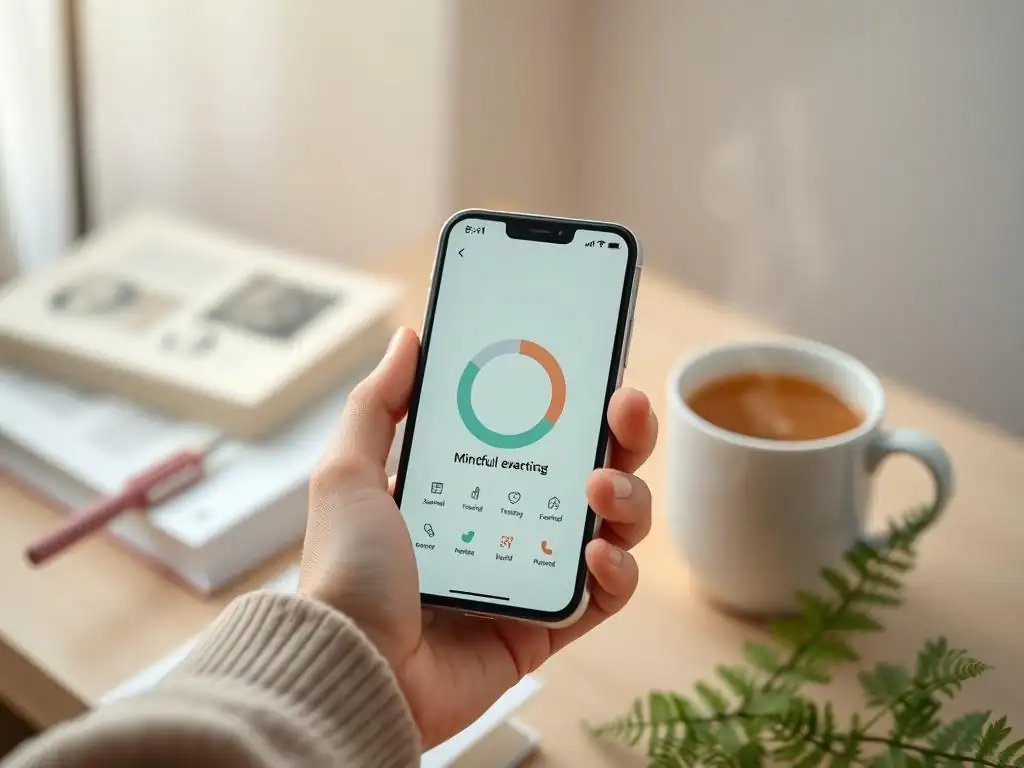
Best Apps for Managing Academic Stress: Headspace, Calm
Headspace and Calm are two of the most popular and well-regarded mindfulness and meditation apps, offering extensive features beneficial for students managing academic stress. Both provide guided meditations, breathing exercises, and mindfulness techniques accessible to beginners and experienced practitioners alike. Their content is designed to help users cultivate calm, reduce reactivity to stressors, and build emotional resilience, directly addressing the pressures of academic life.
Features of Headspace for Stress Reduction
Headspace offers a structured approach to learning mindfulness, starting with foundational courses that teach the basics of meditation and mindful living. For stress reduction, it provides specific meditation series focused on topics like 'Handling Stress,' 'Feeling Overwhelmed,' and 'Finding Focus.' The app also includes 'SOS' sessions for moments of acute stress or panic, offering quick, guided exercises to help regain composure. Beyond meditation, Headspace features 'Mindful Moments' reminders throughout the day, sleep-specific content (sleepcasts, music), and movement exercises, creating a holistic approach to well-being that directly supports students facing academic pressures.
How Calm Helps Students Cope with Academic Pressure
Calm distinguishes itself with a wide variety of content aimed at promoting relaxation and stress relief. It offers guided meditations ranging in length, programs on specific topics like anxiety or gratitude, and a large library of nature sounds and music for focus or relaxation. Calm's popular 'Sleep Stories' provide engaging narratives designed to help users fall asleep, a common struggle for stressed students. The app also includes breathing exercises and stretching guides. Its user-friendly interface and diverse content make it a versatile tool for students seeking different ways to unwind and manage the daily grind of academic life.
Top Apps for Anxiety Relief in Students: Insight Timer, MindShift CBT
For students specifically targeting anxiety relief, Insight Timer and MindShift CBT offer distinct but effective approaches. Insight Timer provides a vast, free library of guided meditations and talks, while MindShift CBT focuses on applying principles of Cognitive Behavioral Therapy (CBT) to manage anxiety symptoms.
Insight Timer: A Comprehensive Anxiety Management Tool
Insight Timer boasts an enormous collection of over 100,000 free guided meditations, talks, and music tracks contributed by thousands of teachers globally. This vast library includes specific content for anxiety, panic, worry, and stress. Students can find meditations of varying lengths, making it easy to fit practice into a busy schedule. The app also features discussion groups and community features, although interaction is not required. Its sheer volume of free resources makes it an incredibly accessible tool for students looking for diverse approaches to mindfulness and anxiety management without a subscription fee.
MindShift CBT: Focusing on Mindfulness and Cognitive Behavioral Therapy (CBT) Techniques
Developed by Anxiety Canada, MindShift CBT is specifically designed to help young adults manage anxiety using evidence-based strategies rooted in Cognitive Behavioral Therapy. The app guides users through tools for challenging negative thinking patterns, developing coping skills, and taking gradual steps to face fears. It includes features like guided meditations, relaxation exercises, goal setting, and thought journals. By focusing on practical CBT techniques, MindShift CBT empowers students to understand the root causes of their anxiety and actively work on changing their relationship with anxious thoughts and feelings, offering a structured path towards relief.
Best Apps for Improving Focus and Concentration: Forest, Freedom
Struggling with focus and concentration is a common student challenge. Apps like Forest and Freedom tackle this issue by helping students manage digital distractions and create dedicated study time.
Forest: Boosting Productivity with Gamification
Forest uses a unique gamified approach to help students stay focused. When a student needs to concentrate, they plant a virtual tree in the app. The tree grows only if the student stays within the app for the designated time (e.g., 25, 45, 60 minutes).
If they leave the app to use distracting apps or websites, the tree dies. Successfully growing trees builds a virtual forest, and users can even earn coins to plant real trees through the app's partnership with a tree-planting organization. This simple yet engaging mechanic provides a tangible reward for staying focused and helps students visualize their productive time, making it easier to resist distractions.
Freedom: Blocking Distracting Websites and Apps
Freedom is a powerful website and app blocker designed to eliminate digital distractions across multiple devices. Students can create custom blocklists of distracting websites, social media platforms, games, and even entire apps. They can then schedule "sessions" where these distractions are blocked for a set period, allowing them to focus solely on their academic tasks. Freedom offers flexibility, allowing users to block the internet entirely or just specific sites. By creating a digital barrier against the most common distractions, Freedom provides a robust solution for students who find their focus constantly being pulled away by the online world.
How to Choose the Right Mental Health App for Your Needs
Identifying Your Specific Mental Health Needs as a Student
Choosing the right mental health app begins with understanding what you hope to achieve. As a student, are you primarily struggling with overwhelming academic stress? Do you experience significant anxiety before presentations or exams? Is your main challenge maintaining focus during study sessions?
Or perhaps you need help improving your sleep schedule? Different apps specialize in different areas. Identifying your primary concern – whether it's stress reduction, anxiety management, focus improvement, or sleep enhancement – will help narrow down the options and guide you towards apps with the most relevant features for your specific student mental health app benefits goals.
Consider keeping a brief journal for a week or two to track when you feel most stressed, anxious, or distracted. Note the situations, your reactions, and what you hope to change. This self-assessment can provide valuable insights into your specific needs.
For example, if you notice your anxiety spikes before public speaking engagements, you might look for apps with specific modules on social anxiety or public speaking fears. If you struggle with procrastination due to difficulty starting tasks, an app focusing on focus and productivity techniques might be more beneficial. Being clear about your challenges is the first step to finding a tool that genuinely supports your well-being.
Evaluating App Features and User Reviews
Once you have identified your needs, it's crucial to evaluate the features offered by different apps. Don't just look at the overall rating; delve into the specifics. Does the app offer guided meditations of appropriate length for your schedule? Does it provide specific exercises for anxiety or stress management? If focus is your goal, does it have effective blocking features or productivity timers? Look for features that align directly with the support you are seeking.
Reading user reviews, particularly from other students if possible, can also provide valuable insights. Pay attention to comments about ease of use, the quality of the content (e.g., clarity of instructions, variety of meditations), and whether users feel the app genuinely helped them with issues similar to yours. Be mindful that individual experiences vary, but consistent feedback regarding specific features or overall effectiveness can be a good indicator. Consider whether the app requires a subscription and if the free version offers enough functionality to meet your needs before committing financially.
Considering Privacy and Security Implications
When using any app that deals with personal information, including details about your mental state or daily habits, privacy and security are paramount considerations. Before downloading an app, review its privacy policy. Understand what data the app collects, how it is stored, and whether it is shared with third parties. Look for apps that prioritize user privacy and use secure encryption methods to protect your information.
As a student, you might be sharing sensitive details about your stress levels, anxious thoughts, or daily routines within the app through journaling features or progress tracking. Ensure you are comfortable with the app's data handling practices. While many reputable mental health apps adhere to strict privacy standards, it's always wise to be informed. Choosing apps that are transparent about their data policies and committed to protecting user information is essential for maintaining peace of mind while seeking student mental health app benefits.
Maximizing the Benefits of Mental Health Apps for Students

Integrating App Use into Your Daily Routine
To truly experience the student mental health app benefits, consistent use is key. Simply downloading an app isn't enough; you need to integrate it into your daily or weekly routine. Start small – perhaps commit to using a meditation app for five minutes each morning or using a focus app for your first study session of the day. Find a time that works best for you and try to stick to it. Consistency helps build habits and allows you to see the cumulative effects of using the app's tools.
Setting reminders within the app or on your phone can help you remember to use it. Treat your app time like any other important appointment. Whether it's a guided meditation before class, a quick breathing exercise during a break, or using a focus timer for an hour of studying, make it a non-negotiable part of your day. The more consistently you engage with the app's features, the better equipped you will be to utilize its tools effectively when you need them most, such as during peak stress periods like exams.
Combining App Use with Other Mental Wellness Strategies
Mental health apps are powerful tools, but they are most effective when used as part of a broader mental wellness strategy. Don't rely solely on an app to manage complex issues. Combine app usage with other healthy habits like getting sufficient sleep, eating nutritious food, exercising regularly, and maintaining social connections. For example, use a sleep app to track patterns, but also practice good sleep hygiene like avoiding screens before bed. Use a meditation app to manage stress, but also ensure you're taking regular breaks from studying and engaging in enjoyable activities.
Consider how the app can complement other strategies. If you're using a focus app, pair it with creating a dedicated study space free from physical clutter. If you're using an anxiety app, combine its techniques with journaling or talking to a trusted friend or family member. The benefits of mental health apps for students are amplified when they are part of a holistic approach to well-being that addresses physical health, social connections, and healthy coping mechanisms.
Seeking Professional Help When Needed: Apps are Not a Replacement for Therapy
It is crucial to remember that while mental health apps offer valuable support and coping tools, they are not a substitute for professional mental healthcare. If you are experiencing severe or persistent symptoms of stress, anxiety, depression, or other mental health conditions, or if you are having thoughts of harming yourself, it is essential to seek help from a qualified mental health professional, such as a therapist, counselor, or psychiatrist.
Apps can serve as excellent supplementary tools alongside therapy or as a way to access basic support and information for mild to moderate issues. However, they cannot provide the personalized diagnosis, treatment planning, and deep therapeutic work that a trained professional can offer. Many universities and colleges offer free or low-cost counseling services to students.
If you find that an app's resources are not sufficient to manage your challenges, view it as a sign that it's time to reach out for professional support. Using an app can even be a good first step that helps you feel more comfortable discussing your mental health concerns.
Limitations of Mental Health Apps: Addressing Potential Concerns
Accuracy and Reliability of App Information
While many mental health apps are based on evidence-based practices like CBT or mindfulness, the quality and accuracy of the information and guidance they provide can vary significantly. Unlike therapy delivered by a licensed professional, there is less oversight on the content within some apps. Some apps may offer generalized advice that isn't tailored to an individual's specific situation or might present information in a way that is misleading or oversimplified.
Students should be critical consumers of app content. Look for apps developed by reputable organizations (like universities, mental health associations, or well-known mental health professionals) or those that clearly state the evidence base for their techniques. Be wary of apps making exaggerated claims or promising quick fixes. If something in an app contradicts advice from a healthcare professional or feels wrong, trust your judgment. While many apps offer valid tools, it's important to approach them with an understanding that they are not a substitute for professional expertise and that the reliability of content can differ.
Over-Reliance on Apps and Potential for Digital Dependency
Another potential concern is the risk of over-reliance on mental health apps, potentially leading to a form of digital dependency. Students might start to believe that the app is the only way they can manage their stress or anxiety, rather than viewing it as a tool to build internal coping skills. Spending excessive amounts of time within mental health apps, especially if it takes away from real-world activities, social interaction, or seeking professional help, could be counterproductive to overall well-being.
It's important to use apps mindfully – as aids to support your journey, not as the sole solution. Pay attention to whether using the app is genuinely helping you develop coping strategies that you can use even without the app, or if you feel increasingly dependent on it to function. If you notice yourself substituting real-life interactions or professional support with excessive app use, it might be a sign to re-evaluate your approach and ensure you maintain a healthy balance in how you seek support. The goal of using mental health apps should be empowerment, not dependence.
The Importance of Human Connection and Support
Despite the many benefits of mental health apps for students, they cannot replicate the depth and nuances of human connection and support. Talking to friends, family, mentors, or mental health professionals provides a level of empathy, understanding, and personalized guidance that an app, no matter how sophisticated, cannot fully match. Sharing your feelings with another person can be incredibly validating and provide perspectives that automated tools cannot offer.
Building and maintaining strong social connections is a vital component of mental well-being, particularly for students who may be navigating new social environments. While apps can offer privacy and convenience, they should not replace the importance of reaching out to others for support, joining student groups, or connecting with campus resources. A balanced approach that incorporates the accessibility of apps with the invaluable support of human relationships and professional guidance is the most effective way for students to care for their mental health.
The Future of Student Mental Health and Technology
Emerging Trends in Mental Health App Development
The field of mental health app development is constantly evolving, with several exciting trends emerging that promise even greater benefits for student mental health. One major trend is increased personalization. Future apps are likely to use more sophisticated algorithms to tailor content, exercises, and recommendations based on a student's specific needs, reported mood, and usage patterns, moving beyond a one-size-fits-all approach.
Another trend is the integration of biofeedback and sensor data. Apps may start incorporating data from wearables (like smartwatches) to track physiological indicators of stress (e.g., heart rate variability) and offer real-time interventions or insights. Gamification, similar to the approach seen in apps like Forest, is also becoming more sophisticated, using motivational techniques and rewards to encourage consistent engagement with therapeutic practices. Furthermore, there's a growing focus on creating apps specifically designed for diverse student populations, addressing cultural nuances and specific challenges faced by different groups.
The Role of AI in Personalized Mental Healthcare for Students
Artificial Intelligence (AI) is poised to play a significant role in the future of student mental healthcare technology. AI can analyze vast amounts of data to identify patterns in a student's app usage or reported symptoms, potentially offering more accurate and timely insights or suggesting specific interventions. AI-powered chatbots are also becoming more advanced, capable of providing initial support, answering basic questions about mental health, and guiding users to relevant app resources or external support services.
AI could also facilitate personalized therapeutic journeys within apps, adapting exercises and content based on a student's progress and responses. For example, an AI might recommend specific CBT techniques if a student reports frequent negative thought spirals or suggest different meditation styles based on their reported stress levels. While AI in mental health is still developing and requires careful ethical consideration, its potential to provide scalable, personalized, and accessible support suggests it will be a key component in enhancing student mental health app benefits in the coming years.
Promoting Mental Wellness Through Innovative Technology Solutions
Innovative technology solutions, including advanced mental health apps, are becoming increasingly vital in promoting mental wellness among students. Given the widespread use of smartphones and digital tools by this demographic, leveraging technology offers a powerful way to reach students where they are and provide accessible support. Beyond individual apps, universities are exploring integrated digital platforms that connect students with on-campus counseling services, peer support networks, and a range of digital wellness tools.
The future likely involves more seamless integration between different types of mental wellness technologies. Imagine apps that sync with academic calendars to anticipate stressful periods and offer proactive coping strategies, or platforms that use technology to facilitate online peer support groups moderated by mental health professionals. By continuing to innovate and focus on user-centered design, technology has the potential to break down barriers to accessing mental health support, destigmatize seeking help, and empower students to take proactive steps towards maintaining their mental well-being throughout their academic journey and beyond.
Frequently Asked Questions
How can a mental health app specifically benefit students?
Student mental health apps offer convenient and accessible support to manage academic stress, anxiety, and focus. They provide on-demand resources and tools that fit easily into a student's busy schedule, promoting proactive mental well-being.
What features should I look for in a student mental health app?
Look for apps with features like mood tracking, guided meditations, stress management exercises, and access to support communities. The app should also prioritize data privacy and security to ensure student information is protected.
Can mental health apps replace traditional therapy for students?
While helpful, mental health apps are generally not a replacement for professional therapy. They can serve as a valuable supplement and provide initial support, but individual therapy is crucial for addressing complex mental health issues.
Are student mental health apps expensive?
Many apps offer free basic features or trial periods, while others require subscriptions for premium content. Consider your budget and needs when choosing an app, and explore options with affordable or student-discounted pricing.
How can I ensure the mental health app I choose is credible and safe?
Research the app developer's background and read user reviews before downloading. Look for apps developed in collaboration with mental health professionals and that adhere to data privacy regulations for added security and credibility.
Final Reflection: The Tech-Powered Path to Student Wellbeing
The pervasive stress and anxiety experienced by students today demand innovative solutions, and mental health apps are emerging as a powerful tool in the fight for better student wellbeing. These apps offer accessible, affordable, and often anonymous support, directly addressing the critical need for readily available mental health resources within the often-overwhelmed academic landscape. This is no longer a niche topic; it's a vital component of ensuring a thriving student population.
The impact of these apps extends beyond individual benefit, shaping a cultural shift in how we perceive and address mental health. We are moving away from a culture of silence and stigma towards one of open conversation and proactive self-care. This is a monumental change, and the accessibility of these apps plays a significant role. The greatest barrier to mental health care is not the lack of resources, but the lack of access.
This quote highlights the crucial role technology plays in breaking down those barriers and making support readily available to students who might otherwise struggle to seek help.
Consider the potential within your reach. You now have the knowledge to navigate the world of student mental health apps, to identify those that best suit your needs, and to prioritize your own wellbeing. Don't wait for a crisis to emerge; proactively explore the resources available to you. Take control of your mental health journey, and remember that seeking support is a sign of strength, not weakness. Your wellbeing is an investment in your future success, and the tools are now at your fingertips.
Unlock Your Potential: Take Charge of Your Mental Well-being
Thanks for taking the time to explore practical strategies for managing academic stress and anxiety. We hope this article equipped you with valuable tools to improve your focus and overall well-being. Now, let's put that knowledge into action!
- Prioritize your mental health: Identify one small, manageable step from the article you can implement this week – whether it's trying a mindfulness exercise, exploring a new app, or scheduling a break in your study routine. This small action can make a big difference.
- Share this guide: Pass along the link to a friend, classmate, or family member who might also benefit from these tips. Working together towards better mental health is empowering!
- Join the conversation: What's one mental health strategy you've found particularly helpful? Share your experience in the comments below – let's learn from each other!
Ready to take that first step towards a healthier, more focused you?