
Virtual Reality Therapy: A New Frontier for Phobia Treatment

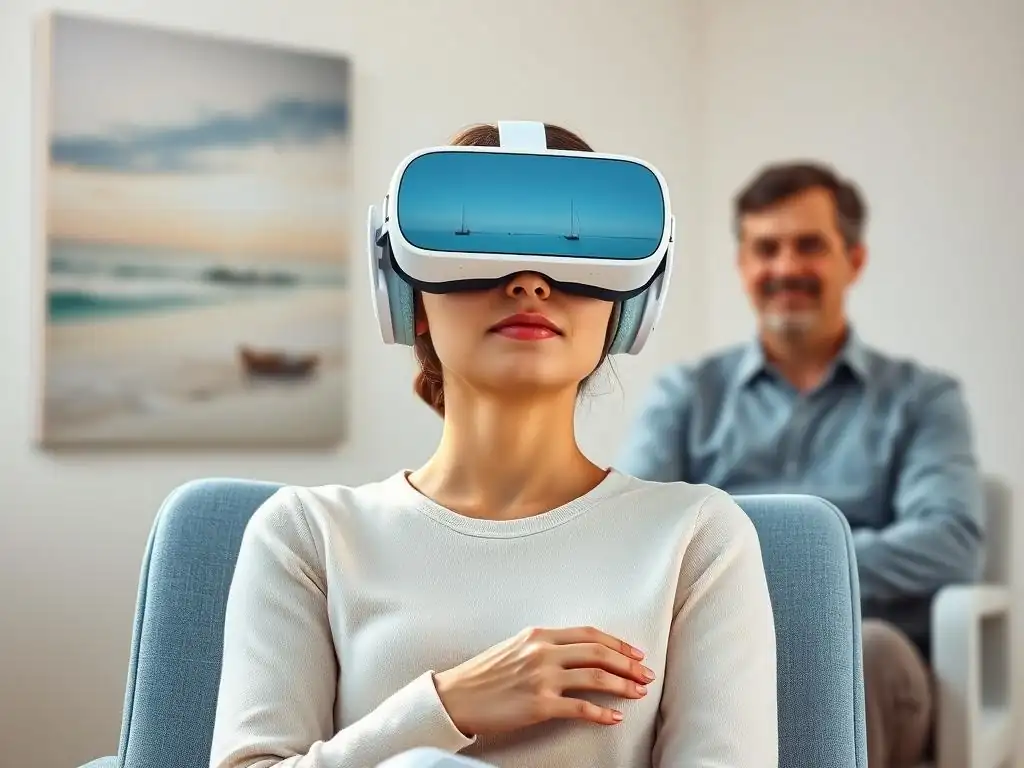
Welcome to Mind Care Guide, a sanctuary dedicated to your mental well-being.
Feeling trapped by phobias? You're not alone. Perhaps you've tried everything, or maybe you're just starting your journey to overcome your fears. But what if there was a new way, a more immersive and supportive approach? Dive into our exploration of VR therapy phobia treatment and discover how virtual reality is revolutionizing the landscape of anxiety management, offering a safe and effective path towards reclaiming your life. Are you ready to explore a world where fear loses its grip?
Virtual Reality Therapy: A New Frontier for Phobia Treatment
- Introduction to Virtual Reality Therapy for Phobias
- How VR Therapy Works for Phobia Treatment
- Benefits of VR Therapy for Phobia Treatment
- Types of Phobias Effectively Treated with VR Therapy
- Comparing VR Therapy with Traditional Phobia Treatments
- The Future of VR Therapy in Mental Health
- Finding a Qualified VR Therapist and Accessing VR Therapy
- Conclusion: Embracing VR Therapy for Phobia Relief
-
Frequently Asked Questions
- What exactly is VR therapy and how does it apply to phobia treatment?
- How effective is VR therapy compared to traditional exposure therapy for phobias?
- What types of phobias can be effectively treated with VR therapy?
- Are there any potential downsides or risks associated with VR therapy for phobias?
- How can I find a mental health professional who offers VR therapy for phobia treatment?
- Final Reflection: The Emerging Dawn of VR Therapy for Phobias
- Unlock Your Fearless Future: Take Charge of Your Phobias Today!
Introduction to Virtual Reality Therapy for Phobias
Understanding Phobias and Their Impact on Mental Health
Phobias are intense, irrational fears of specific objects, situations, or activities. Unlike general anxiety, phobias are triggered by a particular stimulus and can cause significant distress and avoidance behaviors that severely impact a person's daily life. For instance, someone with severe arachnophobia might be unable to go into basements or garages, while a person with agoraphobia might become housebound, missing out on work, social events, and essential errands. These fears are disproportionate to the actual danger posed by the stimulus, yet they feel overwhelmingly real to the individual experiencing them.
The persistent fear and avoidance associated with phobias can lead to isolation, depression, and a reduced quality of life. It's estimated that specific phobias affect millions of people worldwide, impacting a significant percentage of the population at some point in their lives. The impact goes beyond just feeling scared; it can limit educational opportunities, career choices, and the ability to maintain relationships, fundamentally altering how someone lives their life and interacts with the world around them.
The Emergence of VR Therapy as a Treatment Option
Virtual Reality (VR) therapy has emerged as a promising and innovative approach to treating various mental health conditions, particularly phobias. Leveraging immersive technology, VR therapy allows individuals to confront their fears in a controlled and simulated environment. This approach builds upon established therapeutic principles, primarily exposure therapy, but delivers the experience in a novel way that offers unique advantages.
The development of more accessible and sophisticated VR hardware, like headsets becoming more common and affordable, has paved the way for wider adoption of VR therapy in clinical settings. Early research and clinical trials dating back to the 1990s demonstrated the potential of VR for treating anxiety disorders, and recent advancements have significantly enhanced the realism and effectiveness of virtual environments used in treatment protocols. This technological evolution is transforming how therapists can approach the challenging task of helping patients overcome deeply ingrained fears.
Advantages of VR Therapy in Phobia Management
One significant advantage of VR therapy for phobia treatment is its ability to provide realistic yet completely controlled exposure to feared stimuli. Unlike traditional in vivo exposure, where a therapist might accompany a patient to a high place or introduce them to a real spider, VR allows for scenarios that are difficult, dangerous, or impossible to replicate safely in the real world. For example, simulating flying in an airplane or standing on the edge of a skyscraper becomes feasible within a virtual space.
Furthermore, VR therapy often enhances patient engagement. The immersive nature of the virtual environment can make the therapeutic process feel more engaging and less intimidating than confronting a real-life fear immediately. Patients often report feeling a greater sense of presence and emotional response within the VR scenario, which is crucial for the effectiveness of exposure therapy, while simultaneously knowing that they are in a safe, simulated space, which can reduce initial resistance compared to traditional methods.
How VR Therapy Works for Phobia Treatment
The Principles of Exposure Therapy in a Virtual Environment
VR therapy for phobias is fundamentally rooted in the principles of exposure therapy, a well-established behavioral technique. Exposure therapy works by gradually exposing an individual to the feared object or situation in a safe and controlled manner, allowing them to experience the associated anxiety and learn that their feared outcome does not occur or that they can cope with the distress. This process, known as habituation, reduces the intensity of the fear response over time.
In VR therapy, this exposure happens within a computer-generated environment. The therapist guides the patient through virtual scenarios designed to trigger their specific phobia. The key is that the patient remains in the virtual environment until their anxiety begins to decrease. By repeatedly facing the fear stimulus in VR without experiencing the feared consequence, the patient's brain learns to decouple the stimulus from the panic response, effectively reducing the phobic reaction in real life.
Creating Realistic and Controlled Virtual Scenarios
The effectiveness of VR therapy phobia treatment heavily relies on the realism and control offered by the virtual environment. Advanced VR systems can create highly detailed and convincing simulations of various feared situations, from standing on a precarious balcony to being in a crowded room or encountering a specific animal. Therapists use specialized software that allows them to customize parameters within the virtual world, such as the height of a virtual platform, the number of people in a virtual crowd, or the proximity of a virtual spider.
This level of control is paramount for tailoring the exposure to the individual patient's needs and progress. A therapist can start with a low-anxiety scenario, like being on the first floor of a building, and gradually increase the intensity to higher floors as the patient becomes more comfortable. They can also pause the simulation, rewind, or repeat sections, giving the patient a sense of agency and control over the therapeutic process, which is often lacking in real-life phobic encounters.
The Role of Gradual Exposure in VR Phobia Treatment
Gradual exposure, or systematic desensitization, is a core component of effective VR therapy phobia treatment. Instead of overwhelming the patient with the most feared scenario immediately, therapy begins with situations that evoke only mild anxiety. The therapist works with the patient to create a "fear hierarchy," ranking different scenarios related to their phobia from least to most terrifying.
The patient then systematically works their way up this hierarchy within the VR environment. They spend time in each scenario until their anxiety significantly decreases before moving on to the next, more challenging level. This step-by-step process ensures that the patient is not overwhelmed and builds confidence and coping skills progressively. For example, treating fear of flying might start with sitting in a virtual airplane seat on the ground, progress to taxiing, then takeoff, cruising through turbulence, and finally landing, each step mastered before moving to the next.
Benefits of VR Therapy for Phobia Treatment
Increased Accessibility and Convenience
VR therapy phobia treatment offers significant advantages in terms of accessibility and convenience compared to traditional methods. Patients living in rural areas or those with mobility issues may find it challenging to travel to specific locations required for in vivo exposure (e.g., a tall building for acrophobia or an airport for aviophobia). VR eliminates this barrier by bringing the feared environment into the therapist's office or even, in some cases, the patient's home.
Moreover, scheduling can be more flexible. Recreating specific scenarios in the real world might depend on external factors like weather, time of day, or the availability of certain environments (e.g., a crowded public space). VR sessions can be conducted at almost any time, making it easier to fit therapy into a busy schedule and potentially reducing the overall duration of treatment by allowing for more frequent exposure sessions.
Enhanced Safety and Control Compared to Traditional Exposure Therapy
One of the most compelling benefits of VR therapy phobia treatment is the enhanced level of safety and control it provides. In traditional in vivo exposure, there are inherent risks or practical limitations. Confronting a fear of dogs in real life requires interaction with a real animal, which carries some risk, albeit usually minimal in a therapeutic setting. Similarly, exposing someone to heights in reality requires being in a potentially dangerous location.
VR eliminates these risks entirely. The patient is physically located in a safe, controlled room, typically seated comfortably. If the anxiety becomes too overwhelming, the therapist can instantly pause or stop the simulation, something impossible in a real-life exposure scenario like being on a bridge. This safety net can make patients feel more willing to engage with the exposure process, which is critical for therapeutic success.
Improved Patient Engagement and Comfort Levels
Many patients find the idea of traditional exposure therapy daunting, leading to avoidance or premature termination of treatment. VR therapy can improve patient engagement and comfort levels by framing exposure in a novel and less intimidating way. The "game-like" aspect of VR can sometimes make the initial step into confronting fear feel less like a direct threat and more like a manageable challenge within a simulated world.
Patients often report feeling more in control within the VR environment because they know it's not real and the therapist has the ability to stop the experience at any moment. This sense of control, combined with the therapist's presence and guidance, can significantly reduce the initial resistance to exposure and encourage patients to stay engaged with the treatment protocol, leading to better outcomes in overcoming their phobia.
Potential for Cost-Effectiveness
While the initial setup cost for VR equipment might be a consideration for clinics, VR therapy phobia treatment can potentially be more cost-effective in the long run compared to traditional methods, especially for complex phobias. Recreating real-life scenarios for in vivo exposure might involve significant time, travel, and logistical planning for both the therapist and the patient.
For example, treating aviophobia traditionally might involve expensive trips to airports and even purchasing airplane tickets. VR therapy allows for unlimited simulations of flying scenarios within the clinic, eliminating these external costs. Furthermore, some studies suggest that VR therapy can achieve results in fewer sessions than traditional methods for certain phobias, potentially reducing the overall cost of treatment for the patient.
Types of Phobias Effectively Treated with VR Therapy
VR Therapy for Acrophobia (Fear of Heights)
Acrophobia, the intense fear of heights, is one of the most widely studied and successfully treated phobias using VR therapy. Virtual environments can realistically simulate various height-related scenarios, such as standing on balconies, crossing bridges, riding glass elevators, or being on the roof of a tall building. These simulations allow patients to experience the physical sensations associated with heights (like dizziness or a feeling of falling) in a safe, controlled setting.
Studies have shown significant reductions in acrophobia symptoms and avoidance behaviors after VR therapy interventions. For instance, research from the University of Oxford using automated VR therapy reported that participants experienced an average reduction in fear of over 70% after just a few sessions. The ability to gradually increase the height and complexity of the virtual environment makes VR an ideal tool for systematic desensitization for this common phobia.
VR Therapy for Arachnophobia (Fear of Spiders)
Arachnophobia, the fear of spiders, is another specific phobia where VR therapy has demonstrated considerable success. For many individuals, confronting a real spider, even a small, harmless one, is overwhelmingly terrifying. VR allows therapists to introduce virtual spiders in a non-threatening way, starting with perhaps just a picture of a spider, then a small static spider in the distance, progressing to larger, moving spiders that get closer.
The virtual environment allows for complete control over the spider's appearance, size, movement, and proximity. Patients can practice approaching, touching, or even interacting with the virtual spider without any actual risk. Research indicates that VR exposure to virtual spiders can effectively reduce fear and avoidance responses in real-life situations, with many patients reporting being able to tolerate or even interact with real spiders after successful VR treatment.
VR Therapy for Claustrophobia (Fear of Enclosed Spaces)
Claustrophobia, the fear of enclosed spaces, can be severely debilitating, preventing individuals from using elevators, subways, or even small rooms. VR therapy can simulate various enclosed environments, such as small boxes, crowded elevators, MRI machines, or windowless rooms. The therapist can control the size of the space, the level of crowding, and the duration of the exposure.
Within the virtual environment, patients can practice coping mechanisms for the anxiety and panic that arise in enclosed spaces. They learn that they can tolerate the feeling of being confined and that escape is not necessary for the anxiety to subside. The ability to start with mildly enclosed spaces and gradually move to tighter ones makes VR a powerful tool for treating this phobia, which can be challenging to expose to effectively and safely in the real world.
While often classified separately from simple specific phobias, social anxiety disorder (or social phobia) also involves intense fear and avoidance of specific social situations. VR therapy can create realistic simulations of feared social scenarios, such as public speaking events, job interviews, crowded parties, or interacting with strangers. These environments allow individuals to practice social interactions and coping strategies in a low-stakes setting.
Studies on VR therapy for social anxiety have shown promising results, with participants reporting reduced anxiety and improved confidence in social situations. The virtual characters (avatars) in these simulations can be programmed to react in various ways, allowing patients to practice handling different social responses and learning that perceived negative outcomes are often manageable or do not occur as feared.
VR Therapy for Agoraphobia (Fear of Open Spaces)
Agoraphobia is often misunderstood but typically involves a fear of situations where escape might be difficult or help unavailable, often including open spaces, public transport, or being in a crowd. This can lead to significant avoidance and home confinement. VR therapy can simulate feared agoraphobic scenarios like walking through a busy market, being in a large open square, using public transportation, or being far from home.
The ability to control the level of crowdedness, the size of the open space, and the distance from a perceived "safe zone" makes VR therapy for agoraphobia highly adaptable. Patients can gradually practice venturing into increasingly challenging virtual environments, building confidence in their ability to cope with the associated anxiety and panic symptoms, ultimately helping them translate this confidence to real-world situations and reduce their reliance on avoidance behaviors.
Comparing VR Therapy with Traditional Phobia Treatments
VR Therapy vs. In Vivo Exposure Therapy
Traditional in vivo exposure therapy, where patients directly confront their fears in real life, is considered a gold standard for phobia treatment. VR therapy offers several advantages over this method, including enhanced safety, greater control over the feared stimulus, and the ability to simulate scenarios that are impractical or impossible in reality (e.g., navigating a collapsing building for earthquake phobia). The convenience and accessibility of VR can also lead to higher treatment completion rates for some patients.
However, in vivo exposure provides the most direct transfer of learning to real-world situations. The sensory experience is complete and unfiltered. While VR aims for high realism, it is still a simulation. Some studies suggest that while both methods are highly effective, the "realness" of in vivo exposure might offer a slight edge in generalization to all real-world contexts for some individuals. Often, VR therapy is seen as a powerful stepping stone towards or even a complement to in vivo exposure, especially for initial stages or particularly challenging fears.
VR Therapy vs. Cognitive Behavioral Therapy (CBT)
Cognitive Behavioral Therapy (CBT) is another highly effective treatment for phobias. CBT focuses on identifying and challenging the irrational thoughts and beliefs underlying the fear, and developing coping strategies. While VR therapy is primarily an exposure-based method, it is often used within a broader CBT framework. The exposure component of VR directly targets the behavioral avoidance and anxiety response, while CBT techniques can help the patient process the experience, challenge catastrophic thoughts ("If I go up there, I'll fall and die"), and reinforce adaptive coping thoughts ("I am safe in this simulation; I can handle this feeling").
Therefore, VR therapy is not typically a replacement for CBT but rather a powerful tool that can enhance its effectiveness, particularly for the exposure component. CBT provides the cognitive restructuring and coping skills training, while VR provides a powerful platform for practicing these skills in a controlled, fear-inducing environment.
Combining VR Therapy with Other Therapeutic Approaches
The most effective approach to VR therapy phobia treatment often involves combining it with other established therapeutic modalities. As mentioned, integrating VR exposure with CBT is common and highly beneficial, addressing both the behavioral and cognitive aspects of the phobia. Mindfulness and relaxation techniques can also be taught and then practiced within the VR environment to help patients manage anxiety symptoms during exposure sessions.
Some therapists may also combine VR therapy with medication, such as anti-anxiety drugs, though this is less common for specific phobias unless there is co-occurring severe anxiety or panic disorder. The strength of VR lies in its ability to facilitate behavioral change through exposure, and combining this with cognitive strategies and relaxation techniques tends to yield the most robust and long-lasting results for overcoming phobias and improving overall mental well-being.
The Future of VR Therapy in Mental Health
Advancements in VR Technology
The field of VR technology is rapidly evolving, promising even more realistic and effective VR therapy phobia treatment in the future. Future advancements include higher-resolution displays, wider fields of view, and improved tracking technology that enhances the sense of presence and immersion. Haptic feedback technology, which provides the sense of touch, is also developing, potentially allowing for more realistic simulations of interactions with feared objects (like feeling the texture of a virtual spider web).
Furthermore, the integration of biosensors (like heart rate monitors or skin conductance sensors) with VR systems is becoming more sophisticated. This allows therapists to receive real-time data on a patient's physiological response to the virtual environment, enabling them to tailor the exposure intensity more precisely and objectively track progress during VR therapy sessions.
The Potential for Personalized VR Therapy Programs
One exciting future direction for VR therapy phobia treatment is the development of highly personalized programs. Current systems offer some customization, but future AI and machine learning advancements could allow VR environments to adapt dynamically based on the patient's real-time emotional and physiological responses. Imagine a virtual crowd whose density or noise level automatically adjusts based on your current anxiety level measured by biosensors.
Personalization could extend beyond the environment itself to the therapeutic protocol. AI could potentially help guide the patient through the exposure hierarchy, determining the optimal pace and intensity for each individual, potentially making VR therapy more efficient and tailored to the specific nuances of an individual's phobia and learning style. This could make VR therapy phobia treatment more accessible and effective for a wider range of people.
Addressing Limitations and Challenges of VR Therapy
Despite its potential, VR therapy is not without limitations and challenges that need to be addressed for its widespread adoption. Access to the necessary technology can still be a barrier, as clinics need to invest in VR hardware and specialized software. While costs are decreasing, they are not negligible. There is also a need for standardized training for therapists in how to effectively administer VR therapy and integrate it into clinical practice.
Some patients may experience side effects like simulator sickness (nausea or dizziness) in VR, although this is becoming less common with technological improvements. The long-term efficacy and maintenance of treatment gains from VR therapy phobia treatment compared to traditional methods are still areas of ongoing research. Ensuring that the skills learned in the virtual world fully transfer to real-life situations remains a key focus for researchers and clinicians.
Finding a Qualified VR Therapist and Accessing VR Therapy
How to Locate VR Therapy Professionals
As VR therapy becomes more common, finding qualified professionals who offer this specialized treatment is becoming easier. Start by searching online directories of mental health professionals, often filtered by specialization or therapeutic modalities. Look for therapists, psychologists, or psychiatrists who list "Virtual Reality Therapy," "VR Exposure Therapy," or "Technology-Assisted Therapy" among their services. Professional organizations related to psychology or anxiety disorders may also list practitioners who utilize VR.
It is crucial to ensure that the therapist is licensed and has specific training or experience in using VR for treating phobias. Don't hesitate to ask about their training, the type of VR system they use, and their approach to integrating VR into a comprehensive treatment plan. A qualified therapist will be able to explain the process, manage the VR experience safely, and combine it with other evidence-based techniques like CBT.
What to Expect During a VR Therapy Session
A typical VR therapy session for phobias usually begins with a discussion with the therapist about your phobia, your fear hierarchy, and the specific goals for the session.
- Preparation: You will be comfortably seated, and the therapist will explain the virtual environment you will enter.
- Entering VR: You will put on the VR headset and potentially headphones. The therapist controls the simulation from a computer.
- Exposure: You will be guided through the virtual scenario designed to trigger your phobia, starting at a level you can tolerate.
- Therapist Guidance: The therapist will monitor your reactions (both self-reported and potentially physiological) and guide you through the experience, encouraging you to stay in the environment until your anxiety decreases. They may use techniques like breathing exercises or cognitive restructuring during the session.
- Processing: After the VR experience, you will remove the headset and process the experience with your therapist, discussing your reactions, thoughts, and any insights gained.
Sessions typically last between 30 to 60 minutes, depending on the protocol and the patient's tolerance. Progress is gradual, moving up the fear hierarchy over multiple sessions.
[ ] Discuss phobia and hierarchy
[ ] Put on VR headset
[ ] Enter virtual environment (low anxiety level)
[ ] Experience exposure with therapist guidance
[ ] Remain in environment until anxiety reduces
[ ] Process experience with therapist
Insurance Coverage and the Cost of VR Therapy
Insurance coverage for VR therapy phobia treatment is still evolving and can vary significantly depending on the insurance provider and plan. Currently, VR therapy is often billed under existing procedural codes for psychotherapy or exposure therapy (e.g., CPT codes for individual psychotherapy or biofeedback, if applicable). Whether the VR component itself is explicitly covered depends on the insurer's policies regarding technology use in therapy.
Patients should contact their insurance provider directly to inquire about coverage for "virtual reality therapy" or "exposure therapy using virtual reality." They can also ask the therapist's office, as they may have experience billing for VR services. The cost of VR therapy sessions is generally comparable to traditional psychotherapy sessions, ranging widely based on location, therapist's experience, and clinic overhead. While the initial investment in technology is high for the provider, this cost is usually factored into the session fee rather than being an additional charge to the patient beyond standard co-pays or deductibles.
Conclusion: Embracing VR Therapy for Phobia Relief
The Promise of VR Therapy for Individuals Suffering from Phobias
Virtual reality therapy holds significant promise as a powerful and effective treatment for individuals struggling with phobias. By providing controlled, realistic, and repeatable exposure to feared situations within a safe environment, VR therapy allows patients to confront their anxieties, learn coping mechanisms, and ultimately reduce the intensity of their phobic responses. The ability to simulate scenarios that are difficult or impossible to replicate in real life opens up new avenues for treating complex or rare phobias.
For many, the prospect of traditional exposure therapy can be overwhelming, leading to avoidance of treatment itself. VR therapy phobia treatment offers a less intimidating entry point into exposure work, potentially increasing engagement and treatment completion rates. As the technology continues to advance, becoming more immersive and accessible, VR therapy is poised to become an increasingly vital tool in the mental health landscape for providing phobia relief.
VR Therapy as a Valuable Tool in Mental Well-being Resources
In the broader context of mental well-being resources, VR therapy stands out as an innovative application of technology to address specific psychological challenges. It complements existing evidence-based treatments like CBT and traditional exposure therapy, offering an alternative or supplementary approach that leverages the unique capabilities of virtual environments. For individuals seeking effective ways to overcome debilitating fears, exploring VR therapy phobia treatment options represents a forward-thinking step.
As research continues to validate its effectiveness and technology makes it more widely available, VR therapy is likely to become a standard offering in many mental health clinics. Its potential to provide accessible, controlled, and highly engaging exposure experiences positions it as a valuable resource for helping people conquer their phobias and reclaim their lives from the grip of intense fear, contributing significantly to their overall mental health and quality of life.
Frequently Asked Questions
What exactly is VR therapy and how does it apply to phobia treatment?
VR therapy is a form of exposure therapy using virtual reality. It allows individuals to safely confront their phobias in a controlled, simulated environment, making it a powerful tool for treatment.
How effective is VR therapy compared to traditional exposure therapy for phobias?
Studies suggest VR therapy can be just as effective as traditional exposure therapy. It offers the added benefit of increased accessibility and reduced anxiety due to the perceived safety of the virtual environment.
What types of phobias can be effectively treated with VR therapy?
VR therapy has shown promise in treating a wide range of phobias, including fear of heights (acrophobia), fear of spiders (arachnophobia), fear of public speaking, and social anxiety.
Are there any potential downsides or risks associated with VR therapy for phobias?
Some individuals may experience motion sickness or discomfort while using VR. It's crucial to have a trained therapist present to guide the session and manage any potential adverse reactions.
How can I find a mental health professional who offers VR therapy for phobia treatment?
Consult with your primary care physician for referrals or search online directories specifically listing therapists who specialize in VR therapy and exposure therapy for phobias.
Final Reflection: The Emerging Dawn of VR Therapy for Phobias
The integration of virtual reality into phobia treatment represents a paradigm shift in mental healthcare, offering accessible and effective solutions where traditional methods often fall short. This innovative approach is no longer a futuristic concept; it's a tangible reality transforming the lives of countless individuals grappling with debilitating fears. The potential for widespread adoption and positive impact is immense.
The accessibility and customizable nature of VR therapy are particularly striking. It allows for controlled exposure to feared stimuli in a safe and supportive environment, fostering a sense of empowerment that traditional methods sometimes lack. The greatest glory in living lies not in never falling, but in rising every time we fall.
- Nelson Mandela. This quote resonates deeply with the journey of overcoming phobias, a journey VR therapy can significantly ease and accelerate. The ability to repeatedly confront fears in a virtual setting, gradually building confidence and resilience, is profoundly impactful.
Consider the implications of this technology. You, the reader, may know someone struggling with a phobia. Perhaps you yourself are facing such a challenge.
This article has hopefully illuminated the potential of VR therapy to alleviate suffering and improve quality of life. I urge you to research the available options in your area, speak to your healthcare provider, and consider whether this innovative approach could be the key to unlocking a brighter, less fearful future. The journey to overcoming a phobia is a personal one, but with the right tools and support, it is a journey you can, and should, embark on.
Unlock Your Fearless Future: Take Charge of Your Phobias Today!
Thanks for exploring the exciting world of virtual reality therapy with us! You’ve just learned about a powerful new tool to overcome your fears and anxieties. Ready to take the next step?
- Start your personalized phobia-conquering journey: Identify your specific phobia and research local VR therapy options or online resources. This is your first crucial step towards a brighter, more confident you!
- Share your thoughts and experiences: Connect with our community on social media and share your progress – inspire others and find support on your unique path to freedom from fear.
- Explore additional resources: Delve deeper into the science behind VR therapy and discover further articles on Mind Care Guide to expand your knowledge and find more tailored strategies.
Are you ready to embrace the transformative power of VR and rewrite your relationship with fear?