
Lifestyle Hacks: Simple Changes to Reduce Adult Anxiety

Welcome to Mind Care Guide, a sanctuary for your mental well-being.
Feeling overwhelmed by adult anxiety? You're not alone. It's time to explore simple, yet powerful lifestyle changes that can make a real difference. This guide delves into practical strategies for managing adult anxiety through lifestyle changes, offering actionable steps you can implement today. Curious to discover how small adjustments can unlock a calmer, more centered you? Let's begin.
Lifestyle Hacks: Simple Changes to Reduce Adult Anxiety
- Introduction: Understanding Adult Anxiety and the Power of Lifestyle Changes
-
The Foundation: Core Lifestyle Adjustments for Anxiety Relief
- Prioritizing Sleep for Anxiety Reduction: Establishing a Consistent Sleep Schedule
- The Anxiety-Sleep Connection: How Sleep Deprivation Exacerbates Anxiety
- Nutrition and Anxiety: Fueling Your Body for Mental Wellness
- Foods to Avoid That Can Trigger Anxiety
- Incorporating Anxiety-Reducing Foods into Your Diet
- Movement as Medicine: Physical Activity's Impact on Adult Anxiety
- Mindfulness and Relaxation Techniques for Anxiety Reduction
- Building a Supportive Environment: Social Connection and Anxiety
- Time Management and Organization: Reducing Stress and Anxiety
- Breaking Unhealthy Habits: Addressing Anxiety Triggers
- Creating a Personalized Anxiety Management Plan: Putting it All Together
- When Lifestyle Changes Aren't Enough: Seeking Professional Help
- Conclusion: Embracing a Holistic Approach to Managing Adult Anxiety Through Lifestyle Changes
-
Frequently Asked Questions
- What are some basic lifestyle changes I can make to help manage my anxiety?
- How important is sleep in managing adult anxiety, and how much sleep do I need?
- Can my diet really affect my anxiety, and what foods should I focus on or avoid?
- What role does exercise play in reducing anxiety, and what types of exercise are most effective?
- Besides lifestyle changes, when should I seek professional help for my anxiety?
- Final Reflection: Reclaiming Calm: The Power of Small Changes in Managing Adult Anxiety
- Unleash Your Inner Calm: Take Control of Your Anxiety Today!
Introduction: Understanding Adult Anxiety and the Power of Lifestyle Changes
The Rising Prevalence of Anxiety in Adulthood
Anxiety is a natural human response, but for millions of adults, it can become persistent and overwhelming, significantly impacting daily life. Data from various health organizations consistently shows that anxiety disorders are among the most common mental health conditions globally.
For instance, the World Health Organization (WHO) has highlighted the substantial increase in anxiety and depression worldwide, noting a 25% jump in the first year of the COVID-19 pandemic alone, underscoring how external stressors can exacerbate these conditions in the adult population. This rising trend isn't solely linked to major global events; everyday pressures related to work, finances, relationships, and health contribute significantly to the burden of adult anxiety.
Understanding the scope of this challenge is the first step toward effective management. While clinical anxiety disorders require professional diagnosis and treatment, many adults experience subclinical anxiety or heightened stress that disrupts their well-being. This widespread experience means that strategies for managing adult anxiety are increasingly relevant. The focus often broadens beyond clinical interventions to include proactive steps individuals can take themselves. Recognizing that a significant portion of the adult population grapples with some level of anxiety emphasizes the need for accessible and practical solutions that empower individuals to take control of their mental health.
Why Lifestyle Changes are Crucial for Managing Adult Anxiety
While therapy and medication are vital for many, lifestyle changes offer a powerful, accessible, and foundational layer of support for managing adult anxiety. These changes aren't just supplementary; they directly influence the physiological and psychological pathways involved in anxiety. Simple adjustments to daily habits can regulate the nervous system, reduce stress hormones like cortisol, and promote the release of mood-boosting neurotransmitters. Think of it as building a robust internal defense system against anxiety triggers. Managing adult anxiety through lifestyle adjustments provides individuals with agency and empowers them to actively participate in their own healing process.
Moreover, lifestyle changes address anxiety holistically, impacting multiple areas of well-being simultaneously. Improving sleep quality doesn't just make you less tired; it stabilizes mood and improves emotional resilience. Better nutrition fuels brain health, directly affecting cognitive function and stress response. Regular physical activity reduces muscle tension and provides a healthy outlet for nervous energy. These interwoven benefits create a positive feedback loop, where improvements in one area support progress in others, making lifestyle changes an indispensable tool for effective and sustainable management of adult anxiety.
Exploring Holistic Approaches to Anxiety Management
A holistic approach to managing adult anxiety acknowledges that mental well-being is interconnected with physical health, emotional state, social connections, and environmental factors. It moves beyond simply treating symptoms to addressing the root causes and contributing factors of anxiety. This perspective integrates conventional treatments like therapy with complementary strategies such as mindfulness, yoga, nutrition, and movement. The goal is to create a personalized toolkit that supports overall resilience and reduces vulnerability to anxiety.
Embracing a holistic view means recognizing that managing adult anxiety lifestyle changes involves a range of practices, not just one single fix. It encourages individuals to explore different avenues – perhaps starting with dietary changes, then incorporating a walking routine, and later exploring meditation. This exploration allows people to discover what resonates most with them and build a sustainable set of habits. It’s about nurturing the whole person, fostering balance, and creating a lifestyle that inherently supports calmness and mental peace.
The Foundation: Core Lifestyle Adjustments for Anxiety Relief
Prioritizing Sleep for Anxiety Reduction: Establishing a Consistent Sleep Schedule
Adequate, quality sleep is non-negotiable when it comes to managing adult anxiety. Chronic sleep deprivation or erratic sleep patterns disrupt the body's stress response system, making individuals more susceptible to anxiety and panic. Aiming for 7-9 hours of sleep per night is a widely accepted guideline for adults, though individual needs can vary slightly.
Establishing a consistent sleep schedule – going to bed and waking up around the same time, even on weekends – helps regulate your body's internal clock, known as the circadian rhythm. This consistency signals to your body when it's time to rest and when it's time to be alert, fostering a more stable mood and reducing anxiety levels.
Creating a relaxing bedtime routine is also crucial. This might involve dimming the lights in the hour before bed, taking a warm bath, reading a book, or practicing gentle stretching. Avoiding stimulating activities like screen time (phones, tablets, computers) and heavy meals close to bedtime signals to your brain that it's time to wind down. Making sleep a priority is an active choice, and consistently adhering to a schedule, even when it's challenging, is a fundamental step in managing adult anxiety through lifestyle adjustments.
The Anxiety-Sleep Connection: How Sleep Deprivation Exacerbates Anxiety
Research has consistently demonstrated a strong bidirectional link between anxiety and sleep. Anxiety can make it difficult to fall asleep or stay asleep, while sleep deprivation significantly worsens anxiety symptoms. Studies have shown that just one night of poor sleep can increase activity in the amygdala, the brain region associated with fear and threat processing, making individuals more reactive to stressful situations the next day. This heightened reactivity fuels the cycle of anxiety. For example, a study published in the journal Nature Human Behaviour in 2019 found that losing even a few hours of sleep significantly amplified anticipatory anxiety.
Furthermore, chronic sleep debt impairs the function of the prefrontal cortex, the part of the brain responsible for logical reasoning, problem-solving, and regulating emotional responses. When the prefrontal cortex is compromised by lack of sleep, it's harder to manage anxious thoughts or put worries into perspective. This physiological impact underscores why prioritizing sleep is one of the most effective lifestyle changes for adult anxiety relief. Breaking the cycle requires addressing both the anxiety that disrupts sleep and the sleep habits that worsen anxiety.
Nutrition and Anxiety: Fueling Your Body for Mental Wellness
What you eat profoundly impacts your brain function and emotional state, making nutrition a key component in managing adult anxiety. A diet rich in whole, unprocessed foods provides the essential nutrients your brain needs to produce neurotransmitters that regulate mood and stress response. For example, complex carbohydrates can increase serotonin levels, a neurotransmitter associated with feelings of well-being. Lean proteins provide amino acids that are building blocks for other neurotransmitters. Healthy fats, particularly omega-3 fatty acids found in fish, are crucial for brain structure and function and have been linked to reduced anxiety symptoms in some studies.
Conversely, a diet high in processed foods, refined sugars, and unhealthy fats can lead to blood sugar fluctuations, inflammation, and nutrient deficiencies, all of which can exacerbate anxiety. Ensuring adequate intake of vitamins and minerals like B vitamins, magnesium, and zinc is also important, as deficiencies have been associated with increased anxiety and depression. Focusing on balanced meals and regular eating times helps stabilize blood sugar and energy levels, preventing dips and spikes that can trigger feelings of nervousness or irritability.
Foods to Avoid That Can Trigger Anxiety
Certain foods and substances are known to potentially worsen anxiety symptoms in susceptible individuals. Caffeine is a significant culprit; it's a stimulant that can mimic or intensify the physical sensations of anxiety, such as a racing heart, nervousness, and jitters. While some people can tolerate moderate amounts, others find that even small doses trigger heightened anxiety. Similarly, excessive sugar intake, especially from sugary drinks and processed snacks, can lead to rapid blood sugar spikes followed by crashes, resulting in irritability, fatigue, and increased anxiety.
Alcohol, while sometimes used to self-medicate anxiety, is ultimately a depressant that disrupts brain chemistry and sleep patterns. The initial calming effect is often followed by rebound anxiety as the alcohol leaves the system. Highly processed foods, artificial additives, and excessive consumption of trans fats have also been linked to poorer mental health outcomes, potentially due to their impact on inflammation and gut health. Identifying and reducing your intake of these potential triggers is a practical step in managing adult anxiety lifestyle changes.
Incorporating Anxiety-Reducing Foods into Your Diet
Focusing on nutrient-dense foods can actively support your efforts in managing adult anxiety. Fatty fish like salmon, mackerel, and sardines are rich in omega-3 fatty acids, which have anti-inflammatory properties and support brain health. Foods high in magnesium, such as leafy greens (spinach, kale), nuts (almonds, cashews), seeds (pumpkin, chia), and legumes (beans, lentils), can help regulate the nervous system and reduce anxiety. Magnesium deficiency has been widely linked to increased stress and anxiety.
Fermented foods like yogurt, kefir, sauerkraut, and kimchi contain probiotics that support gut health, and emerging research suggests a strong connection between the gut microbiome and mental health. Antioxidant-rich foods like berries, dark chocolate (in moderation), and colorful vegetables can help protect brain cells from damage. Including foods rich in B vitamins, such as whole grains, eggs, and avocados, is also beneficial as these vitamins play a role in neurotransmitter production. Making conscious choices to incorporate these foods is a positive step in fueling your body and mind for better anxiety management.
Movement as Medicine: Physical Activity's Impact on Adult Anxiety
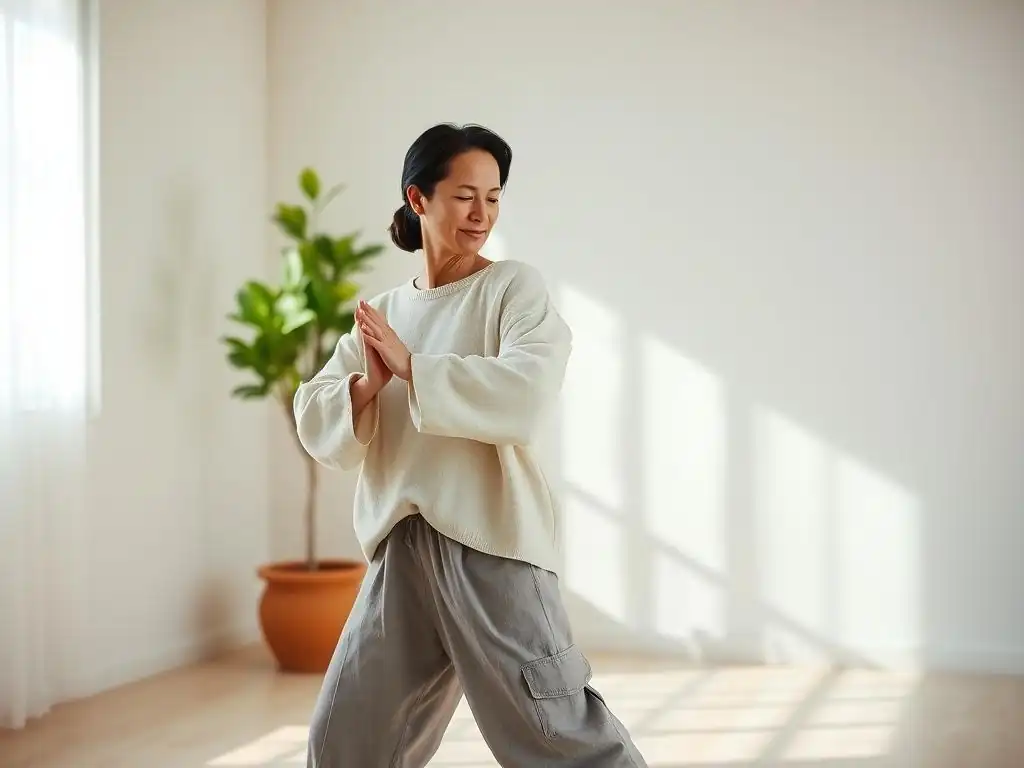
The Science Behind Exercise and Anxiety Relief
Exercise is a powerful antidote to anxiety, backed by significant scientific evidence. Physical activity triggers the release of endorphins, natural mood elevators that have pain-relieving and stress-reducing effects. Beyond endorphins, exercise also impacts other neurotransmitters like serotonin, dopamine, and norepinephrine, which are crucial for regulating mood, motivation, and stress response. Regular aerobic exercise, in particular, has been shown to reduce overall tension levels, elevate and stabilize mood, improve sleep, and improve self-esteem.
Furthermore, exercise acts as a natural stress reliever by mimicking the body's stress response (like increased heart rate and breathing) but in a controlled environment. This allows the body to practice its response and become more resilient to real-world stressors. Engaging in physical activity can also provide a distraction from anxious thoughts and worries, offering a form of moving meditation. Studies, including meta-analyses, consistently show that exercise interventions can significantly reduce anxiety symptoms in adults, often comparable to the effects of some therapeutic approaches.
Finding an Exercise Routine That Fits Your Lifestyle
The best exercise routine for managing adult anxiety is one you can stick to consistently. It doesn't have to be intense or involve expensive gym memberships. The key is finding activities you enjoy and can realistically incorporate into your week. Consider your current fitness level, interests, and schedule. Are you a morning person or an evening exerciser? Do you prefer solo activities or group settings? Is your goal to feel more energetic or to wind down?
Start small and gradually increase the duration or intensity. Even 10-15 minutes of brisk walking can make a difference. Consistency is more important than intensity when you're just starting. Think about activities that feel less like a chore and more like self-care. This might be dancing in your living room, gardening, cycling to work, or joining a recreational sports league. The goal is to make movement a regular, enjoyable part of your efforts in managing adult anxiety lifestyle changes.
Simple Exercise Ideas for Anxiety Management
You don't need special equipment or training to start using movement for anxiety relief. Here are a few simple ideas:
- Walking: A brisk walk outdoors can clear your head and connect you with nature, which has additional calming effects. Aim for 20-30 minutes most days.
- Stretching or Gentle Yoga: Focus on deep breathing and gentle movements to release tension held in the body. Many free resources are available online for beginners.
- Dancing: Put on your favorite music and simply move your body. It's a fun way to release energy and boost your mood.
- Stair Climbing: If you have access to stairs, use them for a quick cardio burst.
- Desk Stretches: Even short bursts of movement at your desk can help break up sedentary periods and reduce tension.
Incorporating these simple activities throughout your day can make a significant difference in managing adult anxiety and improving your overall sense of well-being.
Mindfulness and Relaxation Techniques for Anxiety Reduction
The Power of Mindfulness in Everyday Life
Mindfulness is the practice of bringing your attention to the present moment without judgment. It involves noticing your thoughts, feelings, bodily sensations, and the world around you with curiosity and acceptance, rather than getting caught up in worries about the past or future (which is often the fuel for anxiety). Integrating mindfulness into everyday life helps train your brain to step out of the cycle of anxious rumination. It creates space between you and your anxious thoughts, allowing you to observe them without being overwhelmed by them.
Practicing mindfulness doesn't require hours of meditation. It can be as simple as mindfully eating a meal, paying attention to the sensations of walking, or fully engaging in a conversation without distraction. Regularly bringing your attention back to the present moment, even for a few seconds, builds this mental muscle. This practice is a powerful tool in managing adult anxiety lifestyle changes because it helps you become more aware of your triggers and responses, allowing you to react more skillfully rather than automatically.
Guided Meditation for Anxiety Relief: A Beginner's Guide
Guided meditation is an excellent starting point for those new to mindfulness. These meditations involve listening to an instructor who guides you through the process, often focusing on breath awareness, body scans, or visualizations. This structure can make it easier to stay focused and less intimidating than trying to meditate on your own. Many free apps, websites, and YouTube channels offer guided meditations specifically for anxiety relief.
To begin, find a quiet place where you won't be disturbed for 5-10 minutes. Sit or lie down in a comfortable position. Put on your headphones if using an app or recording. Simply follow the instructions of the guide, allowing yourself to relax and focus on their voice and the suggested points of attention.
Don't worry if your mind wanders; it's completely normal. The practice is simply noticing when your mind has wandered and gently bringing your attention back to the guidance. Regular practice, even for short periods, can help calm the nervous system and reduce the intensity of anxious feelings, proving to be a valuable technique in managing adult anxiety.
Deep Breathing Exercises to Calm Anxiety in the Moment
When anxiety strikes, one of the most immediate and effective techniques is deep breathing. Anxiety often leads to shallow, rapid breathing, which can exacerbate physical symptoms like dizziness and a racing heart. Consciously slowing down and deepening your breath sends a signal to your nervous system to calm down. A simple and widely used technique is diaphragmatic breathing (or belly breathing).
Here’s how to do it: Sit or lie down comfortably. Place one hand on your chest and the other on your belly, just below your rib cage. Inhale slowly and deeply through your nose, feeling your belly rise as you fill your lungs with air. Your chest should remain relatively still.
Exhale slowly through your mouth, gently pressing your belly inward to help expel the air. Repeat this process, focusing on slow, steady breaths. Try inhaling for a count of four, holding briefly, and exhaling for a count of six or seven. Practicing this for just a few minutes can help interrupt the anxiety response and restore a sense of calm.
Progressive Muscle Relaxation for Stress and Anxiety
Progressive Muscle Relaxation (PMR) is a technique that involves tensing and then relaxing different muscle groups in the body. This process helps you become more aware of physical tension and teaches you how to release it. Anxiety often manifests as physical tension (tight shoulders, clenched jaw, etc. ), and PMR can effectively alleviate this.
To practice PMR, find a quiet place and sit or lie down comfortably. Starting with your feet, tense the muscles tightly for about 5-10 seconds, then release the tension completely, noticing the feeling of relaxation. Rest for 15-20 seconds before moving to the next muscle group (e.g., calves, thighs, glutes, abdomen, arms, hands, neck, face). Work your way up the body, systematically tensing and releasing each group. This practice not only reduces physical tension but also helps calm the mind, making it a valuable tool for managing adult anxiety, especially when physical symptoms are prominent.
Human beings are social creatures, and strong social connections are fundamental to mental well-being. Social support acts as a buffer against stress and anxiety. Knowing you have people to turn to – friends, family, partners, or even support groups – can provide comfort, perspective, and practical help during difficult times. Isolation, conversely, is strongly linked to increased anxiety and depression. Studies have shown that individuals with robust social networks tend to cope better with stress and have lower levels of anxiety.
Sharing your feelings and experiences with trusted individuals can validate your emotions and reduce the feeling of being alone in your struggle. Simply spending time with supportive people can boost your mood and provide a healthy distraction from anxious thoughts. Prioritizing and nurturing these relationships is a critical, yet often overlooked, aspect of managing adult anxiety through lifestyle changes.
Cultivating Meaningful Relationships to Combat Anxiety
Cultivating meaningful relationships involves more than just having acquaintances; it's about fostering connections characterized by trust, empathy, and mutual support. This means investing time and energy in the people who uplift you and with whom you can be authentic. Identify the relationships in your life that feel positive and nurturing, and make an effort to spend quality time with those individuals. This might involve scheduling regular calls, meeting for coffee, or engaging in shared hobbies.
It's also important to be open to forming new connections. Joining groups or clubs based on your interests can be a great way to meet like-minded people. Building meaningful relationships takes effort and vulnerability, but the payoff in terms of reduced anxiety and improved mental resilience is immense. Actively working on your social life is a powerful strategy for managing adult anxiety.
Setting Healthy Boundaries to Protect Your Mental Wellbeing
While social connection is vital, it's equally important to protect your energy and mental space by setting healthy boundaries. This involves clearly communicating your needs, limits, and expectations in your relationships and interactions. Saying "no" to commitments that would overwhelm you, limiting contact with individuals who drain your energy, and establishing personal space are all forms of boundary setting.
Lack of boundaries can lead to feeling resentful, overwhelmed, and burnt out, all of which can significantly worsen anxiety. Learning to assert your needs respectfully is a skill that improves with practice. Setting boundaries isn't selfish; it's an act of self-preservation that allows you to maintain your well-being and have the capacity to engage in healthy ways with others. This is a crucial step in managing adult anxiety and protecting your peace of mind.
Time Management and Organization: Reducing Stress and Anxiety
The Link Between Disorganization and Anxiety
A cluttered physical space or a chaotic schedule can mirror and exacerbate a cluttered and anxious mind. Feeling overwhelmed by tasks, deadlines, and responsibilities is a common trigger for anxiety. Disorganization can lead to procrastination, missed deadlines, and a constant sense of being behind, all of which fuel worry and stress. When you don't have a clear picture of what needs to be done or where things are, it's easy for anxious thoughts about potential failures or forgotten tasks to take over.
Studies have shown a correlation between clutter and increased stress levels, particularly in women. The visual chaos of a disorganized environment can be mentally taxing, demanding constant processing and making it harder to relax. Similarly, a lack of structure in your schedule can lead to feeling out of control and constantly reactive, rather than proactive. Addressing disorganization is therefore a practical and effective strategy in managing adult anxiety lifestyle changes.
Practical Tips for Time Management and Prioritization
Effective time management is about working smarter, not harder, and it's a powerful tool for reducing anxiety related to overwhelm. Start by listing all your tasks, big and small. Then, prioritize them. A common method is the Eisenhower Matrix, dividing tasks into four categories:
- Urgent & Important: Do these immediately.
- Important, Not Urgent: Schedule these for later.
- Urgent, Not Important: Delegate these if possible.
- Not Urgent, Not Important: Eliminate these.
Breaking larger tasks into smaller, manageable steps can make them feel less daunting. Use tools like calendars, planners, or digital apps to schedule tasks and appointments. Be realistic about how much you can accomplish in a given timeframe and avoid overscheduling yourself. Building in buffer time between tasks and scheduling regular breaks can prevent burnout and reduce the feeling of being rushed, contributing significantly to managing adult anxiety.
Creating a Calming and Organized Living Space
Your physical environment has a direct impact on your mental state. A calm, organized living space can promote relaxation and reduce anxiety. Start by decluttering – remove items you no longer need or use. Designate specific places for belongings to make it easier to find things and put them away. Focus on creating a sense of order that feels supportive, not restrictive.
Consider the aesthetics of your space. Use calming colors (like blues, greens, and neutrals), ensure adequate lighting (natural light is best), and incorporate elements that promote relaxation, such as plants or comfortable seating areas. Making your home a sanctuary where you can retreat and feel at ease is a fundamental aspect of managing adult anxiety through lifestyle adjustments and creating a supportive environment for your mental well-being.
Breaking Unhealthy Habits: Addressing Anxiety Triggers

Identifying Your Personal Anxiety Triggers
Becoming aware of what specifically triggers your anxiety is a crucial step in managing it effectively. Triggers can be external (situations, places, people) or internal (thoughts, feelings, physical sensations). Common triggers include social situations, public speaking, specific news events, financial worries, health concerns, or even certain foods or lack of sleep. Keeping a journal for a week or two can help you identify patterns. Note when you feel anxious, what was happening before, during, and after, and how intense the anxiety was.
Analyzing your journal entries can reveal recurring themes and specific situations that consistently lead to heightened anxiety. Once you've identified your triggers, you can begin to develop strategies to either avoid them (if possible and healthy) or, more often, learn to cope with them in a healthier way. This self-awareness is foundational to managing adult anxiety and making targeted lifestyle changes.
Reducing Caffeine and Alcohol Consumption for Anxiety Management
As mentioned earlier, caffeine and alcohol are common substances that can significantly exacerbate anxiety symptoms. Reducing or eliminating them can be one of the most impactful lifestyle changes for adult anxiety relief. Caffeine stimulates the nervous system, mimicking the physiological response to stress and making anxious feelings more intense. Pay attention to how caffeine affects you; even one cup of coffee might be too much for some individuals prone to anxiety.
Alcohol, while initially seeming to relax you, disrupts brain chemistry and sleep later on, leading to rebound anxiety and potentially worsening depressive symptoms. If you rely on alcohol to cope with anxiety, this indicates a need for healthier coping mechanisms and potentially professional support. Gradually reducing intake of both substances, perhaps by switching to decaf or herbal teas, or opting for non-alcoholic beverages, can lead to a noticeable reduction in anxiety levels over time.
Quitting Smoking and Its Positive Impact on Anxiety Levels
Many smokers believe that cigarettes help calm their nerves, but the opposite is true. Nicotine is a stimulant that increases heart rate and blood pressure, which can mimic and worsen anxiety symptoms. While the act of smoking might temporarily relieve withdrawal symptoms (which can feel like anxiety), the long-term effect of nicotine on the body and brain contributes to heightened stress and anxiety levels.
Research consistently shows that quitting smoking can significantly improve mood and reduce anxiety and depression over time. A study published in the British Medical Journal in 2014 found that quitting smoking was associated with reduced anxiety, comparable to taking antidepressant medication. Quitting is challenging, but the benefits for both physical and mental health, including managing adult anxiety, are substantial. Seeking support through cessation programs or healthcare providers can increase your chances of success.
Creating a Personalized Anxiety Management Plan: Putting it All Together
Assessing Your Current Lifestyle and Identifying Areas for Improvement
Now that you've explored various lifestyle areas, take some time to honestly assess your current habits. How is your sleep schedule? What does your typical diet look like? Are you incorporating regular movement? How strong are your social connections? Are you setting boundaries? Where do you struggle with organization or time management? What unhealthy habits might be contributing to your anxiety?
Be kind to yourself during this assessment; the goal is not judgment, but awareness. Look back at your anxiety journal, if you kept one, for insights. Consider which areas feel most out of balance or which changes seem most feasible to start with. Identifying specific areas for improvement is the first step in creating a focused plan for managing adult anxiety through lifestyle changes.
Setting Realistic Goals for Lifestyle Changes
Based on your assessment, set realistic and achievable goals. Trying to change everything at once is overwhelming and often leads to failure. Choose one or two areas to focus on initially. For example, instead of "get more sleep," set the goal "go to bed 30 minutes earlier on weeknights." Instead of "eat healthier," try "add one serving of vegetables to dinner each night" or "swap one sugary drink per day for water."
Use the SMART goal framework: Specific, Measurable, Achievable, Relevant, Time-bound.
- Specific: What exactly will you do?
- Measurable: How will you track progress?
- Achievable: Is this goal realistic for you right now?
- Relevant: How does this goal help with managing adult anxiety?
- Time-bound: By when will you achieve this, or how often will you do it?
Setting small, manageable goals increases your chances of success and builds momentum and confidence.
Tracking Your Progress and Celebrating Small Victories
Tracking your progress helps you stay accountable and see how your efforts are paying off. This could involve using a journal, a habit-tracking app, or simply marking a calendar. Note when you stick to your sleep schedule, exercise, or practice mindfulness. Also, pay attention to how these efforts impact your anxiety levels. Do you feel calmer on days you exercised? Did getting enough sleep make a difference?
Celebrating small victories is crucial for motivation. Did you stick to your goal of walking for 20 minutes three times this week? Great job! Acknowledge your efforts and successes, no matter how small they seem. This positive reinforcement makes it easier to maintain motivation and continue working towards managing adult anxiety through consistent lifestyle changes.
- [ ] Assess current sleep habits
- [ ] Identify one small sleep goal (e.g., earlier bedtime)
- [ ] Assess current eating habits
- [ ] Identify one small nutrition goal (e.g., add veg to dinner)
- [ ] Identify one simple movement activity to try
- [ ] Schedule time for movement 2-3 times this week
- [ ] Try a 5-minute guided meditation
- [ ] Practice deep breathing daily
- [ ] Identify one social connection to nurture this week
- [ ] Identify one boundary to set
- [ ] Tackle one small area of clutter
- [ ] Choose one time management tip to implement
- [ ] Identify one potential anxiety trigger
- [ ] Reflect on caffeine/alcohol intake
- [ ] Set a realistic goal for one lifestyle change
- [ ] Track progress for the chosen goal
- [ ] Celebrate achieving a small step towards the goal
When Lifestyle Changes Aren't Enough: Seeking Professional Help
Recognizing the Signs That You Need Professional Anxiety Treatment
While lifestyle changes are incredibly powerful tools for managing adult anxiety, they are not always sufficient, especially for moderate to severe anxiety disorders. It's important to recognize when you might need professional support. Signs that indicate a need for professional help include:
- Anxiety that is persistent, severe, and interferes significantly with your daily life (work, relationships, hobbies).
- Experiencing panic attacks regularly.
- Using unhealthy coping mechanisms (like excessive alcohol or drug use) to manage anxiety.
- Feeling overwhelming worry or fear that you can't control despite trying lifestyle changes.
- Having suicidal thoughts or feelings.
If your anxiety feels overwhelming, is getting worse, or prevents you from functioning, reaching out to a mental health professional is a sign of strength, not weakness. They can provide tailored strategies and support that lifestyle changes alone cannot.
Different Types of Anxiety Therapy and Treatment Options
Professional treatment for anxiety often involves therapy, medication, or a combination of both.
- Cognitive Behavioral Therapy (CBT): This is a highly effective therapy that helps you identify and challenge negative thought patterns and behaviors that contribute to anxiety. You learn coping skills to manage anxious feelings.
- Exposure Therapy: Often used for specific phobias or social anxiety, this therapy gradually exposes you to feared situations in a safe environment to help you build tolerance and reduce fear.
- Acceptance and Commitment Therapy (ACT): This therapy focuses on accepting difficult thoughts and feelings rather than fighting them, and committing to actions aligned with your values.
- Medication: Antidepressants (like SSRIs) and anti-anxiety medications (like benzodiazepines, usually for short-term use) can help manage symptoms by affecting brain chemistry. Medication is often used in conjunction with therapy.
A mental health professional can assess your specific situation and recommend the most appropriate treatment plan for you.
Exploring Options for Professional Mental Health Support
There are several avenues for seeking professional mental health support. Your primary care physician can be a good starting point; they can rule out any physical causes for your symptoms and provide referrals to mental health specialists. You can also search for licensed therapists, counselors, psychologists, or psychiatrists in your area through online directories, mental health organizations, or your insurance provider's network.
Don't hesitate to reach out to a few different professionals for initial consultations to find someone you feel comfortable with and who has experience treating anxiety. Many therapists offer free initial phone calls. Community mental health centers can also provide services on a sliding scale based on income. Taking the step to seek professional help is a significant act of self-care and can be a turning point in effectively managing adult anxiety.
Conclusion: Embracing a Holistic Approach to Managing Adult Anxiety Through Lifestyle Changes
The Long-Term Benefits of Lifestyle Adjustments for Mental Wellbeing
Embracing lifestyle changes for managing adult anxiety is an investment in your long-term mental and physical health. These adjustments offer benefits far beyond temporary symptom relief. By consistently prioritizing sleep, nourishing your body, moving regularly, practicing mindfulness, nurturing relationships, and creating a supportive environment, you build resilience. These habits strengthen your ability to cope with stress, regulate your emotions, and maintain a sense of balance even when faced with challenges.
The cumulative effect of these changes is a more stable mood, increased energy, improved physical health, better sleep, and a greater sense of control and well-being. Unlike quick fixes, managing adult anxiety through lifestyle adjustments fosters sustainable mental health by addressing fundamental aspects of your daily life. They empower you to be an active participant in your own care, leading to lasting positive change.
Taking Charge of Your Anxiety: A Final Word of Encouragement
Managing adult anxiety can feel like a daunting task, but remember that you have the power to make significant positive changes. Starting with small, consistent steps can lead to profound improvements over time. Be patient and compassionate with yourself; progress isn't always linear, and setbacks are a normal part of the journey. Celebrate every small victory and learn from challenges without self-criticism.
Implementing lifestyle changes for adult anxiety is about building a life that supports your mental peace. It's a continuous process of learning, adjusting, and prioritizing your well-being. You are not alone in this, and seeking support, whether from loved ones or professionals, is a sign of courage. By taking charge and actively incorporating these lifestyle hacks, you are paving the way for a calmer, more fulfilling life, effectively managing adult anxiety one positive change at a time.
Frequently Asked Questions
What are some basic lifestyle changes I can make to help manage my anxiety?
Simple changes like regular exercise, a balanced diet, and consistent sleep can significantly impact anxiety levels. These form the foundation for a healthier mental state.
How important is sleep in managing adult anxiety, and how much sleep do I need?
Sleep is crucial. Aim for 7-9 hours of quality sleep each night. Sleep deprivation can exacerbate anxiety symptoms and make them harder to manage.
Can my diet really affect my anxiety, and what foods should I focus on or avoid?
Yes, diet plays a role! Focus on whole foods, and limit processed foods, caffeine, and alcohol. These substances can trigger or worsen anxiety.
What role does exercise play in reducing anxiety, and what types of exercise are most effective?
Exercise is a powerful anxiety reducer. Aerobic exercise like running or swimming, as well as mind-body practices like yoga or tai chi, can be very effective.
Besides lifestyle changes, when should I seek professional help for my anxiety?
If lifestyle changes aren't enough or anxiety is significantly impacting your daily life, seek professional help. A therapist or psychiatrist can provide specialized treatment and support.
Final Reflection: Reclaiming Calm: The Power of Small Changes in Managing Adult Anxiety
The simple lifestyle changes discussed throughout this article aren't just fleeting trends; they are powerful tools in the ongoing battle against adult anxiety. The pervasive nature of stress and anxiety in modern life demands proactive strategies, and these accessible hacks offer a tangible path towards reclaiming a sense of calm and control. Ignoring these small shifts is ignoring a significant opportunity for lasting well-being.
The impact of consistent, mindful lifestyle choices on mental health is undeniable. I've personally witnessed the transformative power of incorporating even one or two of these suggestions into my own routine. The greatest weapon against stress is our ability to choose one thought over another.
- William James. This quote underscores the agency we possess in shaping our mental landscape, and these lifestyle changes provide the practical tools to exercise that agency. The ripple effect of improved sleep, healthier eating, and regular movement extends far beyond anxiety reduction, impacting overall physical and mental health.
Now, it's your turn. Consider which of these lifestyle hacks resonates most strongly with you. Start small, choose one area to focus on, and observe the subtle shifts in your mood and energy levels. Don't be discouraged by setbacks; the journey to managing anxiety is a process, not a destination. Embrace the power of small, consistent changes, and watch as you cultivate a more peaceful and fulfilling life. You deserve that peace.
Unleash Your Inner Calm: Take Control of Your Anxiety Today!
Thanks for taking the time to explore practical ways to manage adult anxiety. We hope you found valuable insights and actionable strategies within this article. Now it's time to put that knowledge into practice!
Here are three steps to help you cultivate a calmer, more peaceful you:
- Prioritize one small, manageable change from the article that resonates most with you. Start today – even a tiny step makes a difference.
- Share this article with someone you know who might benefit from these tips. Spreading awareness is a powerful act of kindness.
- Explore our website, MindCareGuide.org, for more resources and support. Discover additional techniques and tools to build resilience and manage stress effectively.
What small change will you implement first to reduce your anxiety, and how will you make it a regular part of your day?