
Acupuncture for Mental Health: How TCM Sees the MindBody Link


Welcome to Mind Care Guide, a sanctuary for your mental well-being.
Feeling overwhelmed by anxiety? Discover a different perspective on finding relief. Our article, " Acupuncture for Mental Health: How TCM Sees the MindBody Link," explores the ancient wisdom of Traditional Chinese Medicine and its potential to soothe anxiety symptoms. Could this time-honored practice hold the key to unlocking a more balanced and peaceful you? Explore how acupuncture reduces anxiety symptoms and embark on a journey towards holistic mental wellness.
Acupuncture for Mental Health: A TCM Perspective
Mental health challenges are increasingly recognized globally, prompting exploration into diverse healing modalities. Traditional Chinese Medicine (TCM), with its rich history spanning thousands of years, offers a unique perspective on mental well-being, viewing the mind and body as inseparable. Acupuncture, a cornerstone of TCM, involves the insertion of fine needles into specific points on the body to restore balance and promote healing. This ancient practice is gaining attention in contemporary mental health discussions for its potential to address conditions like anxiety, depression, and stress.
- Understanding Acupuncture and TCM for Mental Well-being
- Acupuncture and Anxiety Relief: Evidence and Mechanisms
- Acupuncture for Depression and Mood Regulation
- Acupuncture for Stress Reduction and Sleep Improvement
- TCM Diagnosis and Personalized Treatment
- Holistic Benefits Beyond Symptom Reduction
- What to Expect During a Session
- Finding a Qualified Practitioner
- Addressing Concerns and Misconceptions
- Integrating Acupuncture into Mental Health Care
- Summary of Benefits and Considerations
-
Frequently Asked Questions
- How does Acupuncture relate to mental health, according to Traditional Chinese Medicine (TCM)?
- Can Acupuncture specifically help with anxiety?
- What is Qi and how does it relate to mental well-being?
- How many Acupuncture sessions are typically needed to see improvements in mental health?
- Is Acupuncture a safe treatment option for mental health challenges?
- Final Reflection: Unraveling the Mind-Body Connection Through Acupuncture
- Unlock Your Mind's Potential with Acupuncture!
Understanding Acupuncture and TCM for Mental Well-being
TCM operates on the principle that health is a state of balance and harmony within the body's vital energy, known as Qi. Mental and emotional states are not seen as isolated phenomena but are deeply intertwined with physical processes and the flow of Qi through meridians, or energy channels. When this flow is disrupted, imbalances can manifest as physical ailments or emotional distress. Acupuncture aims to regulate this flow, addressing the root causes of disharmony that contribute to mental health symptoms.
Acupuncture: Origins and Principles
Acupuncture originated in China over 3,000 years ago and is one of the oldest continually practiced healthcare systems in the world. Its foundational text, The Yellow Emperor's Classic of Internal Medicine, describes the intricate network of meridians and acupoints used in treatment. The core principle involves stimulating these points, located along the meridians, to influence the flow of Qi, blood, and other vital substances.
The theoretical basis posits that disruptions in Qi circulation lead to illness. Blockages or deficiencies can manifest in various ways, including emotional disturbances. By inserting needles into specific points, an acupuncturist seeks to unblock stagnation, tonify deficiencies, or disperse excesses, thereby restoring energetic balance. This balance is believed to facilitate the body's natural healing processes and improve overall function, including emotional regulation.
The Mind-Body Connection in TCM
TCM places a strong emphasis on the interconnectedness of the mind ( Shen), body, and spirit. Emotions are viewed as physiological responses linked to specific organs. For example, worry is associated with the Spleen, anger with the Liver, fear with the Kidneys, sadness with the Lungs, and joy (when excessive) with the Heart. Sustained or intense emotional states are thought to disrupt the function of their associated organs and the flow of Qi and blood.
Conversely, physical imbalances can directly impact mental and emotional states. A common TCM pattern seen in anxiety involves Liver Qi stagnation, which can arise from prolonged stress or repressed emotions and manifest as irritability, chest tightness, and difficulty relaxing the mind. By addressing the physical stagnation through acupuncture, the emotional symptoms like anxiety can also be alleviated, illustrating the practical application of this mind-body principle.
Acupuncture and Anxiety Relief: Evidence and Mechanisms
Growing research explores the efficacy of acupuncture for anxiety. Many individuals seeking complementary therapies report positive outcomes, finding that acupuncture reduces anxiety symptoms and promotes a sense of calm and relaxation. This interest is fueled by both anecdotal evidence and an increasing number of clinical studies investigating its effects.
Research on Acupuncture for Anxiety
Numerous studies have investigated the impact of acupuncture on various forms of anxiety, including generalized anxiety disorder (GAD), panic disorder, and procedure-related anxiety. A meta-analysis published in [mention general type of publication, e.g., a reputable medical journal] reviewing multiple clinical trials found that acupuncture interventions led to a statistically significant reduction in anxiety scores compared to control or sham acupuncture groups. For instance, some studies using standardized scales like the Hamilton Anxiety Rating Scale (HARS) have shown decreases of several points after a course of treatment.
While results can vary depending on the specific condition, treatment protocol, and individual patient, the general trend in research suggests that acupuncture holds promise as a therapeutic option for anxiety. Some studies focusing on specific populations, such as students facing exam stress or patients undergoing medical procedures, have reported noticeable improvements in anxiety levels following acupuncture sessions, supporting the idea that acupuncture reduces anxiety symptoms effectively in various contexts.
Acupoints and Anxiety Relief
Acupuncture for anxiety relief often targets specific acupoints known for their calming and harmonizing effects. These points are selected based on TCM diagnostic patterns and empirical evidence of their efficacy. Common points used include:
Ren 17(Shanzhong): Located on the sternum, often used to open the chest and alleviate feelings of oppression or tightness associated with anxiety and stress.HT 7(Shenmen): Located on the wrist, known as the "Spirit Gate," commonly used to calm the mind, regulate the Heart (associated with the Shen or spirit in TCM), and treat insomnia, palpitations, and anxiety.PC 6(Neiguan): Located on the inner forearm, effective for nausea, palpitations, and calming the mind, often used for anxiety attacks and motion sickness related to nervousness.GV 20(Baihui): Located at the crown of the head, used to lift the spirit, calm the mind, and alleviate headaches and dizziness often accompanying anxiety.
The selection of points is highly personalized. An acupuncturist will assess the individual's specific symptoms, constitution, and underlying TCM pattern (e.g., Liver Qi stagnation, Heart Blood deficiency) to choose the most appropriate combination of points. This tailored approach is key to addressing the unique manifestation of anxiety in each person.
Acupuncture for Depression and Mood Regulation
Beyond anxiety, acupuncture is also explored as a supportive therapy for depression and difficulties with mood regulation. TCM views depression not as a single entity but as a manifestation of various internal imbalances, often involving stagnation or deficiency of Qi and Blood, particularly affecting the Liver, Spleen, and Heart organs.
Acupuncture as Adjunctive Therapy for Depression
Clinical studies have examined acupuncture's role as an adjunctive treatment for major depressive disorder (MDD), meaning it is used alongside conventional treatments like antidepressant medication or psychotherapy. Research findings suggest that acupuncture may enhance the effectiveness of these standard therapies or provide benefits for patients who have not responded fully to conventional approaches. A systematic review published in [mention general type of publication] concluded that acupuncture, when added to standard care, showed a greater reduction in depression symptom severity compared to standard care alone in some patient groups.
While acupuncture is generally not recommended as a standalone treatment for severe depression, its potential to improve mood, increase energy levels, and reduce associated symptoms like insomnia and fatigue makes it a valuable complementary option. For individuals experiencing mild to moderate depression or those seeking non-pharmacological options, acupuncture can offer a path toward better mood regulation and overall emotional balance.
TCM's Understanding of Depression and Acupuncture's Role
From a TCM perspective, depression often stems from imbalances such as Liver Qi stagnation (leading to irritability, frustration, and feeling 'stuck'), Spleen Qi deficiency (resulting in fatigue, poor appetite, and worry), or Heart Blood/Yin deficiency (causing insomnia, palpitations, and emotional vulnerability). These patterns can arise from prolonged stress, emotional trauma, poor diet, or chronic illness.
Acupuncture treatment for depression focuses on identifying and correcting these underlying patterns. For Liver Qi stagnation, points that move Qi and soothe the Liver might be used. For Spleen Qi deficiency, points that strengthen the Spleen and tonify Qi would be selected. By restoring the harmonious flow of Qi and Blood and nourishing deficient organs, acupuncture aims to alleviate the physical and emotional symptoms of depression, helping to lift the mood and restore vitality.
Acupuncture for Stress Reduction and Sleep Improvement
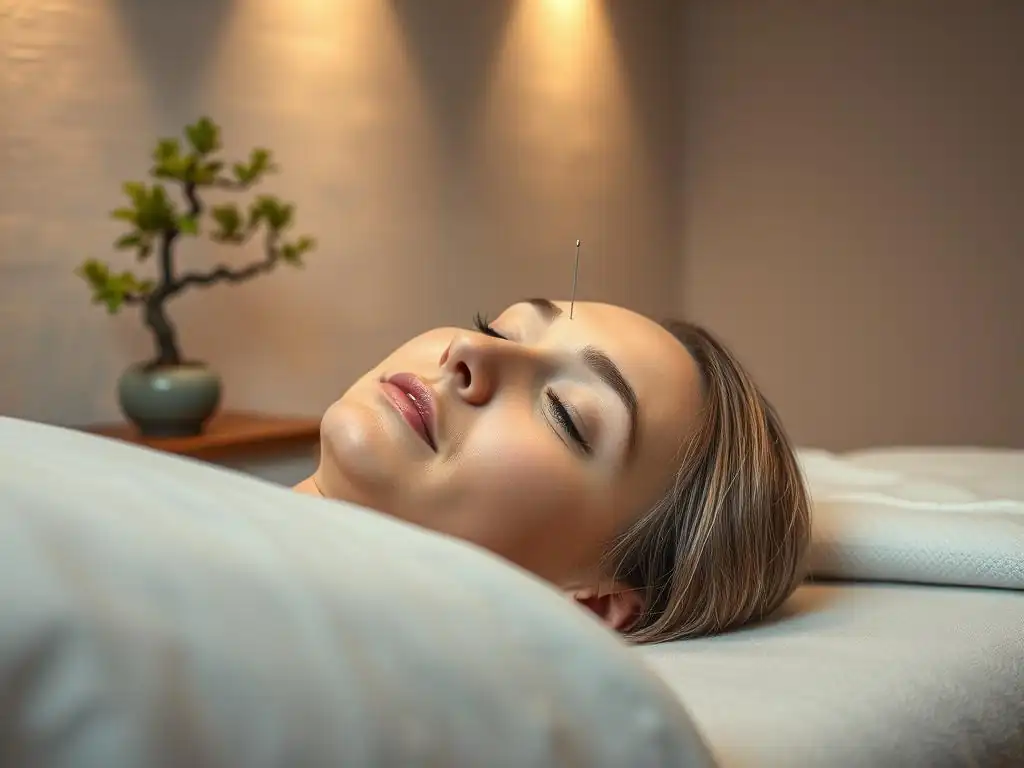
Stress is a pervasive issue in modern life and is closely linked to both anxiety and depression. TCM recognizes the profound impact of stress on the body's energetic balance. Acupuncture is widely used as a tool for stress management, promoting relaxation and improving sleep quality, which in turn positively affects mental health.
Stress Management and Relaxation Through Acupuncture
Acupuncture sessions are often described by patients as deeply relaxing experiences. The insertion of needles is thought to stimulate the release of endorphins, natural feel-good chemicals in the brain, which can reduce pain and promote a sense of well-being. Furthermore, acupuncture may influence the autonomic nervous system, shifting it from a sympathetic "fight or flight" state towards a parasympathetic "rest and digest" state.
This shift helps to lower heart rate, reduce muscle tension, and calm the nervous system, directly counteracting the physiological effects of chronic stress. Regular acupuncture treatments can help individuals build resilience to stress and manage their reactions to stressful situations more effectively. Many people find that acupuncture reduces anxiety symptoms brought on by stress and helps them feel more grounded and centered.
Acupuncture's Influence on Sleep
Sleep disturbances, such as insomnia or restless sleep, are common companions to anxiety, depression, and stress. In TCM, insomnia can be linked to various imbalances, including Heart and Kidney disharmony, Liver Fire, or Spleen deficiency, all of which disrupt the natural rhythm of the body's energy circulation.
Acupuncture addresses sleep problems by targeting the specific energetic patterns underlying the disturbance. For example, points that nourish the Heart and calm the spirit ( Shen) or clear Liver Fire might be used to promote restful sleep. Research indicates that acupuncture can improve sleep duration and quality, potentially by regulating neurotransmitters like melatonin and serotonin. By improving sleep, acupuncture indirectly supports mental health, as adequate rest is crucial for emotional regulation and cognitive function.
TCM Diagnosis and Personalized Treatment
A core strength of TCM, and acupuncture within it, is its highly personalized approach to diagnosis and treatment. Unlike a Western medical diagnosis that might label a condition (e.g., GAD), a TCM diagnosis describes the unique pattern of imbalance within an individual's system, even if multiple people present with similar symptoms like anxiety.
Qi and Meridian Imbalances in Diagnosis
A TCM diagnosis is based on gathering comprehensive information through four main diagnostic methods: observation (looking at the tongue, facial color, posture), listening and smelling (listening to voice and breathing, noting body odors), asking (detailed questions about symptoms, medical history, lifestyle, emotions, sleep, digestion), and palpation (feeling the pulse at different positions and depths, palpating abdomen or specific points).
Based on this information, the practitioner identifies specific patterns of disharmony, such as Qi stagnation, Blood deficiency, Dampness accumulation, or imbalances between Yin and Yang. For instance, two people with anxiety might have different TCM diagnoses – one might have Liver Qi stagnation manifesting as irritability and chest tightness, while another might have Heart Blood deficiency presenting as palpitations and forgetfulness. Understanding these underlying patterns is crucial for effective treatment.
Tailoring Acupuncture for Individual Needs
Because the diagnosis is highly individualized, the acupuncture treatment plan is also tailored to each person's specific pattern of imbalance. There is no one-size-fits-all protocol for "anxiety" or "depression." The acupoints selected, the depth and technique of needle insertion, and the duration and frequency of treatment are all determined by the practitioner's assessment of the individual's unique condition.
This personalized approach allows the practitioner to address the root cause of the symptoms rather than just the symptoms themselves. For example, if anxiety stems from Liver Qi stagnation, the treatment will focus on moving Qi and soothing the Liver. If it's due to Heart Blood deficiency, the focus will be on nourishing the Heart Blood. This tailored strategy is believed to lead to more profound and lasting therapeutic effects, helping acupuncture reduce anxiety symptoms by treating their origin.
Holistic Benefits Beyond Symptom Reduction
Acupuncture's effects often extend beyond the specific symptoms being treated. Because TCM views the body as an integrated system, addressing imbalances in one area can have positive ripple effects throughout the entire system, leading to broader improvements in well-being.
Acupuncture's Effects on Well-being and Emotional Balance
Patients often report feeling more balanced, centered, and emotionally stable after a course of acupuncture treatments. This can manifest as improved mood, increased resilience to stress, greater clarity of mind, and a more positive outlook on life. These benefits are thought to arise from the harmonization of Qi and Blood flow, the calming effect on the nervous system, and the release of neurochemicals that promote relaxation and well-being.
Beyond reducing specific symptoms like panic attacks or persistent worry, acupuncture can help individuals connect more deeply with their bodies and emotions. It can foster a greater sense of self-awareness and empower individuals to take an active role in managing their mental and emotional health. This holistic impact contributes significantly to overall quality of life, making acupuncture a valuable tool for cultivating emotional balance.
Combining Acupuncture with Other TCM Practices
Acupuncture is often part of a broader TCM treatment plan that may include other modalities. These can include herbal medicine, which uses specific plant, animal, and mineral substances to address internal imbalances; Tui Na (Chinese therapeutic massage), which manipulates tissues and acupoints; dietary therapy, which recommends specific foods to support health; and Qi Gong or Tai Chi, gentle exercises that cultivate Qi.
Combining acupuncture with these practices can enhance its effectiveness and provide a more comprehensive approach to mental well-being. For example, herbal formulas might be prescribed to nourish deficient substances or further move stagnant Qi, supporting the effects of the needles. Dietary changes can help build Blood or Qi, and Qi Gong can empower the individual to manage their energy flow between sessions. This integrated approach reflects TCM's philosophy of treating the whole person.
What to Expect During a Session
Understanding what happens during an acupuncture session can help alleviate any apprehension and make the experience more comfortable. Sessions typically involve an initial consultation followed by the needling itself.
Initial Consultation and Assessment
The first session is usually longer than follow-ups, lasting anywhere from 60 to 90 minutes. The practitioner will conduct a thorough intake, asking detailed questions about your main concerns (like anxiety symptoms), medical history, lifestyle, diet, sleep patterns, energy levels, and emotional state. They will also perform the traditional diagnostic methods, including observing your tongue and feeling your pulse.
This comprehensive assessment allows the practitioner to formulate a TCM diagnosis and develop a personalized treatment plan. They will explain their findings and discuss how acupuncture can help address your specific pattern of imbalance. This is also an opportunity for you to ask any questions you have about the process or how acupuncture reduces anxiety symptoms in your particular case.
Needle Insertion and Stimulation
After the consultation, you will typically lie comfortably on a treatment table. The practitioner will select the acupoints based on your diagnosis. Acupuncture needles are very fine, much thinner than hypodermic needles used for injections. Insertion is usually painless, though you might feel a brief pinch or a sensation of pressure, tingling, or warmth at the point.
Once the needles are inserted, they are typically left in place for 20 to 30 minutes. During this time, you are encouraged to relax. Some practitioners may gently stimulate the needles by twirling them or applying a mild electrical current (electroacupuncture), which can enhance the therapeutic effect, particularly for pain or stagnation patterns. Most people find the experience deeply relaxing, sometimes even falling asleep.
Finding a Qualified Practitioner
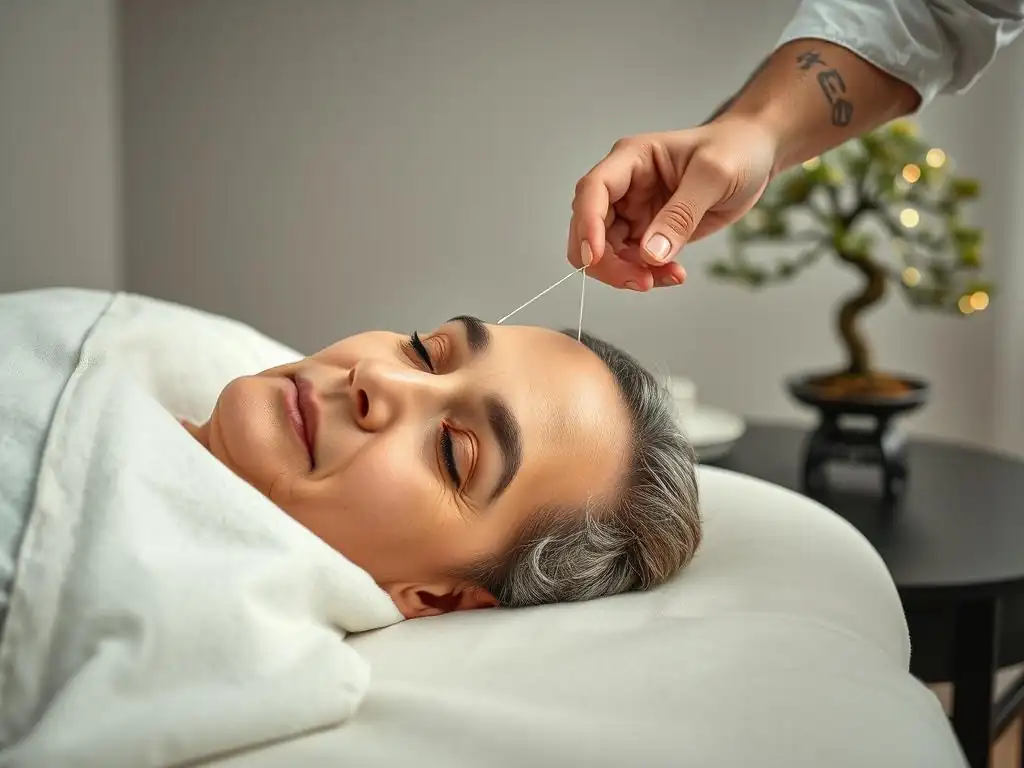
Choosing a qualified and experienced acupuncture practitioner is essential, especially when seeking treatment for mental health concerns. Proper training and credentials ensure that the practitioner understands both the theoretical basis of TCM and the practical application of acupuncture safely and effectively.
Credentials and Training
In many countries, acupuncture is a regulated healthcare profession. Look for practitioners who are licensed or certified by a recognized national or state/provincial body. For instance, in the United States, this might involve certification by the National Certification Commission for Acupuncture and Oriental Medicine (NCCAOM) and state licensure. These credentials typically require completing a master's or doctoral degree program in acupuncture or Oriental medicine from an accredited school, which includes extensive training in TCM theory, diagnosis, point location, needling techniques, and often biomedical sciences.
Membership in professional organizations can also be an indicator of a practitioner's commitment to continuing education and ethical practice. Don't hesitate to ask about a practitioner's education, training, and licensure. A qualified professional will be transparent about their background.
Questions to Ask About Mental Health Experience
When seeking acupuncture for mental health conditions like anxiety or depression, it is helpful to find a practitioner with experience in this specific area. While all licensed acupuncturists are trained in treating a wide range of conditions, some may have a particular focus or additional training in mental-emotional issues.
Consider asking potential practitioners questions such as:
- Do you have experience treating anxiety, depression, or stress?
- What is your approach to treating mental health conditions from a TCM perspective?
- How many sessions do you typically recommend for someone with my concerns?
- Are you comfortable working collaboratively with my other healthcare providers (e.g., therapist, psychiatrist)?
Their answers can give you a sense of their expertise and whether their approach aligns with your needs and preferences. Finding a practitioner you feel comfortable with is a crucial step in the healing process.
Addressing Concerns and Misconceptions
Like any healthcare modality, acupuncture can be subject to misconceptions. Understanding the safety profile and common concerns can help individuals make informed decisions.
Safety, Side Effects, and Risks
When performed by a licensed and properly trained practitioner using sterile, single-use needles, acupuncture is generally considered very safe. The most common side effects are minor and temporary, such as slight bleeding or bruising at the needle site, or temporary soreness. Some individuals might feel lightheaded or dizzy after a session, particularly if they are sensitive or haven't eaten.
Serious adverse events are extremely rare. Risks can include infection (if non-sterile needles are used), punctured organs (incredibly rare with proper training), or nerve damage (also very rare). This is why choosing a qualified, licensed practitioner is paramount. Compared to pharmaceutical interventions for mental health, acupuncture typically has a much lower incidence of systemic side effects.
Debunking Myths
Several myths surround acupuncture. One common myth is that it's painful; while sensations can occur, severe pain is not typical. Another is that it's solely a placebo effect; while the placebo effect exists in all medical treatments, research suggests acupuncture has physiological effects, including influencing neurotransmitter levels and the nervous system. Some believe it's purely mystical; while rooted in ancient philosophy, its mechanisms are increasingly being explored through a modern scientific lens.
It's also a misconception that acupuncture is a quick fix. While some individuals experience immediate relief, particularly with acute symptoms or stress, treating chronic conditions like anxiety or depression typically requires a course of treatments over several weeks or months to achieve lasting results. Understanding that acupuncture requires patience and consistency is important.
Integrating Acupuncture into Mental Health Care
Acupuncture can be a valuable addition to a comprehensive mental health care plan. It is not typically presented as a replacement for conventional medical or psychological treatments but rather as a complementary therapy that can work alongside them.
Combining Acupuncture with Conventional Therapies
Many individuals find that combining acupuncture with psychotherapy (like CBT or mindfulness) and/or medication provides the most robust support for their mental health. Acupuncture can help manage symptoms like anxiety, insomnia, or fatigue that might interfere with engaging in therapy or make medication side effects less tolerable.
Open communication between your acupuncturist, therapist, and medical doctor is ideal to ensure coordinated care, although this is not always feasible. Informing all your healthcare providers about the treatments you are receiving is important for your safety and the effectiveness of your overall care plan. Integrating these approaches acknowledges the multifaceted nature of mental health.
Lifestyle Recommendations to Support Treatment
Acupuncture works best when supported by healthy lifestyle choices. Practitioners often provide recommendations on diet, exercise, sleep hygiene, and stress management techniques that align with TCM principles and complement the needle treatments.
For example, recommendations might include:
- Dietary advice to nourish specific organs or clear dampness/heat patterns.
- Gentle exercise like walking or Qi Gong to promote Qi circulation.
- Techniques for stress reduction, such as meditation or deep breathing exercises.
- Establishing a regular sleep schedule.
These recommendations are not just supplementary; they are considered integral to restoring and maintaining balance according to TCM. By addressing lifestyle factors, individuals can enhance the effectiveness of acupuncture and build sustainable habits for long-term mental well-being.
Summary of Benefits and Considerations
Acupuncture offers a unique, holistic approach to mental health, rooted in the ancient principles of TCM. Its potential to restore balance, regulate energy flow, and address the interconnectedness of mind and body makes it a compelling option for many.
Key Takeaways
- Acupuncture is a TCM practice that views mental health through the lens of energetic balance (Qi and Blood) and organ function.
- Research suggests that acupuncture reduces anxiety symptoms, stress levels, and can be a useful adjunctive therapy for depression and sleep disturbances.
- Treatment is highly personalized based on a comprehensive TCM diagnosis of the individual's specific pattern of imbalance.
- Commonly used acupoints target points known for calming the mind, regulating mood, and promoting relaxation.
- Acupuncture is generally safe when performed by a licensed practitioner using sterile needles.
- It can be effectively integrated with conventional mental health treatments and supported by lifestyle adjustments.
- Beyond symptom reduction, acupuncture aims to promote overall well-being and emotional balance.
Further Resources
For those interested in learning more, seeking out licensed practitioners, or exploring the research further, reputable sources include national acupuncture and Oriental medicine associations, academic research databases (searching for terms like "acupuncture and anxiety," "acupuncture and depression"), and educational materials from accredited TCM schools. Consulting with healthcare providers to discuss whether acupuncture is a suitable option for your specific needs is always recommended. Remember, acupuncture offers a path to support your mental well-being by addressing the profound link between your mind and body.
Frequently Asked Questions
How does Acupuncture relate to mental health, according to Traditional Chinese Medicine (TCM)?
TCM views the mind and body as interconnected, so Acupuncture aims to restore balance to Qi (vital energy) flow. This balance can then positively influence emotional and mental well-being.
Can Acupuncture specifically help with anxiety?
Yes, research suggests Acupuncture can be effective in reducing anxiety symptoms. This is achieved by modulating the nervous system and promoting relaxation.
What is Qi and how does it relate to mental well-being?
Qi is considered the vital energy flowing through the body's meridians in TCM. Blockages or imbalances in Qi can manifest as physical and emotional problems, including anxiety and mood disorders.
How many Acupuncture sessions are typically needed to see improvements in mental health?
The number of sessions varies depending on the individual and the severity of their condition. However, a course of several sessions over a few weeks is often recommended to observe noticeable improvements.
Is Acupuncture a safe treatment option for mental health challenges?
Generally, Acupuncture is considered safe when performed by a licensed and qualified practitioner. It is important to discuss your medical history and any concerns with your acupuncturist beforehand to ensure it's the right treatment option for you.
Final Reflection: Unraveling the Mind-Body Connection Through Acupuncture
The ancient wisdom of Traditional Chinese Medicine (TCM) offers a powerful lens through which to understand the intricate relationship between our minds and bodies, a connection increasingly validated by modern research. Acupuncture's effectiveness in reducing anxiety symptoms isn't just a trend; it's a testament to the enduring power of holistic healing practices that acknowledge the interconnectedness of physical and mental well-being. This holistic approach offers a compelling alternative, and often a valuable complement, to traditional Western treatments for anxiety.
The exploration of acupuncture's impact on mental health reveals a profound shift in our understanding of illness and healing. We are moving beyond a purely biomedical model, recognizing the limitations of addressing mental health solely through pharmaceuticals. The subtle energy pathways described in TCM, the meridians, offer a framework for understanding how emotional imbalances manifest physically, and how restoring balance can alleviate symptoms. The body keeps the score,
as Bessel van der Kolk eloquently puts it, highlighting the enduring impact of trauma and stress on our physical selves. This understanding underscores the importance of holistic approaches like acupuncture, which address both the physical and emotional dimensions of anxiety.
Consider the potential within yourself. You have the power to explore alternative pathways to well-being. Don't hesitate to investigate the possibilities of acupuncture as a tool for managing anxiety and fostering a deeper connection with your own mind-body system. Research practitioners in your area, explore the different styles of acupuncture, and engage in open conversation with your healthcare provider about integrating this ancient practice into your wellness journey. The path to a calmer, more balanced you might just begin with a single needle.
Unlock Your Mind's Potential with Acupuncture!
Thank you for exploring the fascinating connection between acupuncture and mental health in Traditional Chinese Medicine (TCM). By understanding this mind-body link, you've taken a significant step towards enhancing your well-being. Now, it’s time to put this knowledge into action!
Consider these steps to elevate your mental health journey:
- Book an acupuncture session with a qualified practitioner to experience firsthand the benefits TCM can offer for your emotional wellness.
- Start a mindfulness practice by incorporating simple breathing exercises or meditation into your daily routine to complement your acupuncture experience.
- Share your insights and experiences with friends or family who may benefit from this holistic approach—let's create a community of support!
What’s one change you’re excited to make for your mental health today?