
Stress vs. Anxiety: Understanding the Difference in Men

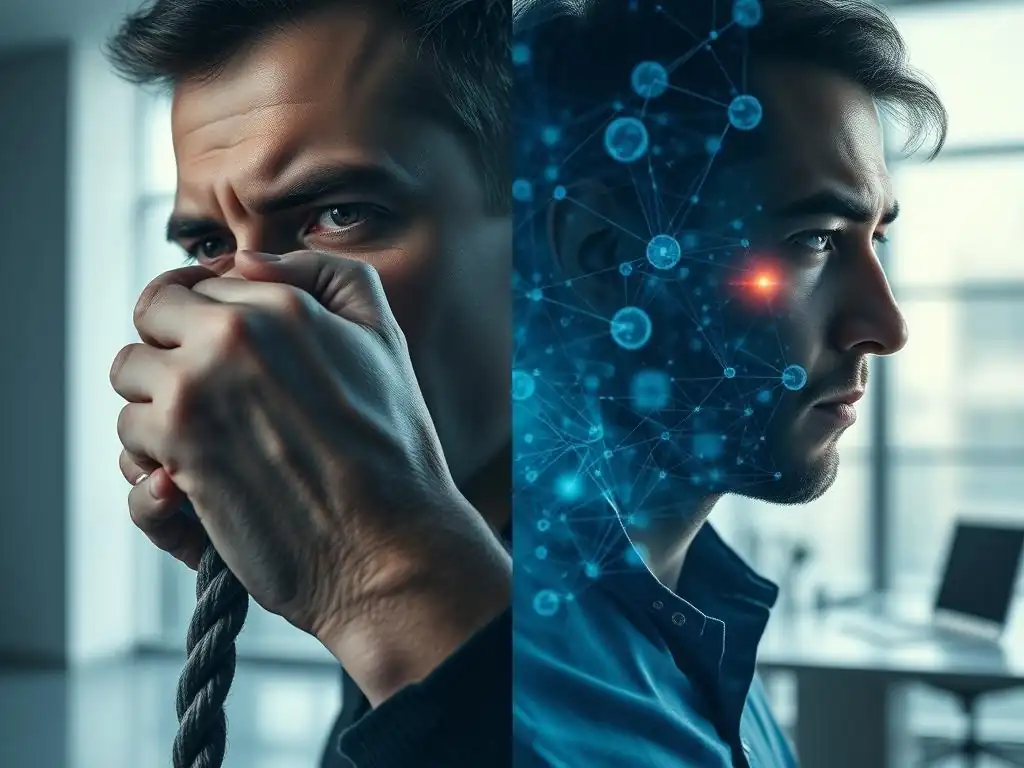
Welcome to Mind Care Guide, your trusted companion on the journey to mental well-being.
Ever wondered why stress and anxiety seem to manifest differently in men? We understand that navigating these complex emotions can feel isolating. Dive into our latest article, " Stress vs. Anxiety: Understanding the Difference in Men," where we unpack the nuances of these experiences, offering insights and practical strategies tailored to men's mental health. Discover the unique challenges and find pathways to greater resilience and inner peace. Let's explore together.
Stress vs. Anxiety: Understanding the Difference in Men
- Introduction: Decoding Stress and Anxiety in Men's Mental Health
- Defining Stress and Anxiety: Core Differences in Men
- Key Differences Between Stress and Anxiety in Men: A Comparative Analysis
- The Interplay of Stress and Anxiety: How They Can Overlap in Men
- Coping Strategies: Managing Stress and Anxiety Effectively for Men
- Seeking Professional Help: When to Consult a Mental Health Professional for Men
- Conclusion: Empowering Men to Prioritize Their Mental Wellbeing
-
Frequently Asked Questions
- What are the key differences between stress and anxiety as they manifest in men?
- How might societal expectations contribute to men's stress anxiety differences?
- What are some common stress management techniques that are particularly effective for men?
- How can men identify when their stress or anxiety is becoming a serious mental health concern?
- What resources are available for men seeking help with stress and anxiety management?
- Final Reflection: Unmasking the Silent Struggle: Stress and Anxiety in Men
- Unlock Your Inner Calm: Take Control of Your Mental Well-being
Introduction: Decoding Stress and Anxiety in Men's Mental Health
Navigating the complexities of mental health can be challenging, and for men, societal expectations often add another layer of difficulty. Two terms frequently used interchangeably are stress and anxiety, yet they represent distinct experiences with different triggers, durations, and impacts on wellbeing. Understanding the core differences between stress and anxiety is crucial for men to identify what they are feeling and seek appropriate support. This article aims to shed light on these distinctions, providing clear explanations and practical insights.
-
Men's stress anxiety differences explained: Why it Matters
Recognizing whether you are experiencing stress or anxiety is not merely a matter of semantics; it's fundamental to effective management and treatment. Stress is typically a response to an external pressure, while anxiety is often an internal reaction that can persist even in the absence of an immediate threat. For men, who may be less likely to openly discuss their feelings, accurately identifying these states is the first step toward addressing them constructively, rather than suppressing or ignoring them. Understanding men's stress anxiety differences explained well can pave the way for healthier coping mechanisms and improved overall mental health.
Defining Stress and Anxiety: Core Differences in Men
What is Stress? Defining Stressors in Men's Lives
Stress is essentially the body's reaction to any change that requires an adjustment or response. It's a natural, physiological reaction designed to help you confront challenges. For men, common stressors often revolve around work demands, financial pressures, relationship issues, and significant life events like job loss or family responsibilities. These external pressures trigger the release of hormones like cortisol and adrenaline, preparing the body for a "fight or flight" response. While short-term stress can be motivating, prolonged exposure to stressors without relief can have detrimental effects on physical and mental health.
Consider the impact of work-related stress, a significant factor for many men. A survey might show that a substantial percentage of men report feeling stressed about their job security or workload. For instance, approximately 60% of men in a recent poll indicated that work was a primary source of stress. This constant pressure, perhaps stemming from demanding deadlines or long hours, manifests not just mentally but also physically, potentially leading to issues like headaches, digestive problems, or sleep disturbances if not managed effectively.
- Acute Stress vs. Chronic Stress: Impact on Men's Wellbeing
Understanding Anxiety: Beyond Everyday Worries in Men
Anxiety, while sharing some physiological similarities with stress, is fundamentally different. It is characterized by persistent, excessive worries or fears that are often disproportionate to the actual threat. Unlike stress, which is usually a response to a known stressor, anxiety can occur even when there is no immediate external trigger. It's an internal state of unease, apprehension, or dread about future events or hypothetical situations. This can feel like a constant background noise of worry, making it difficult to relax or concentrate.
For men, anxiety might manifest not just as excessive worry but also as irritability, restlessness, or difficulty controlling thoughts. While occasional anxiety is normal, persistent anxiety that interferes with daily life could indicate an anxiety disorder. Generalized Anxiety Disorder (GAD), for example, involves chronic worry about everyday things (like health, finances, or family) for at least six months, often accompanied by physical symptoms. It's estimated that anxiety disorders affect millions of adults, including a significant number of men, though they may be less likely to be diagnosed due to underreporting or societal norms.
- Generalized Anxiety Disorder (GAD) and Its Manifestation in Men
GAD in men often doesn't present solely as overt emotional distress. Instead, it might show up as excessive control issues, difficulty making decisions, chronic fatigue, or even anger and substance use as coping mechanisms. For example, a man with GAD might worry excessively about minor issues at work or home, leading to sleepless nights and constant fatigue.
This persistent state of worry, even when things are relatively calm, differentiates it from stress, which typically subsides once the stressor is removed. Recognizing these specific manifestations is key to understanding men's stress anxiety differences explained in the context of mental health conditions.
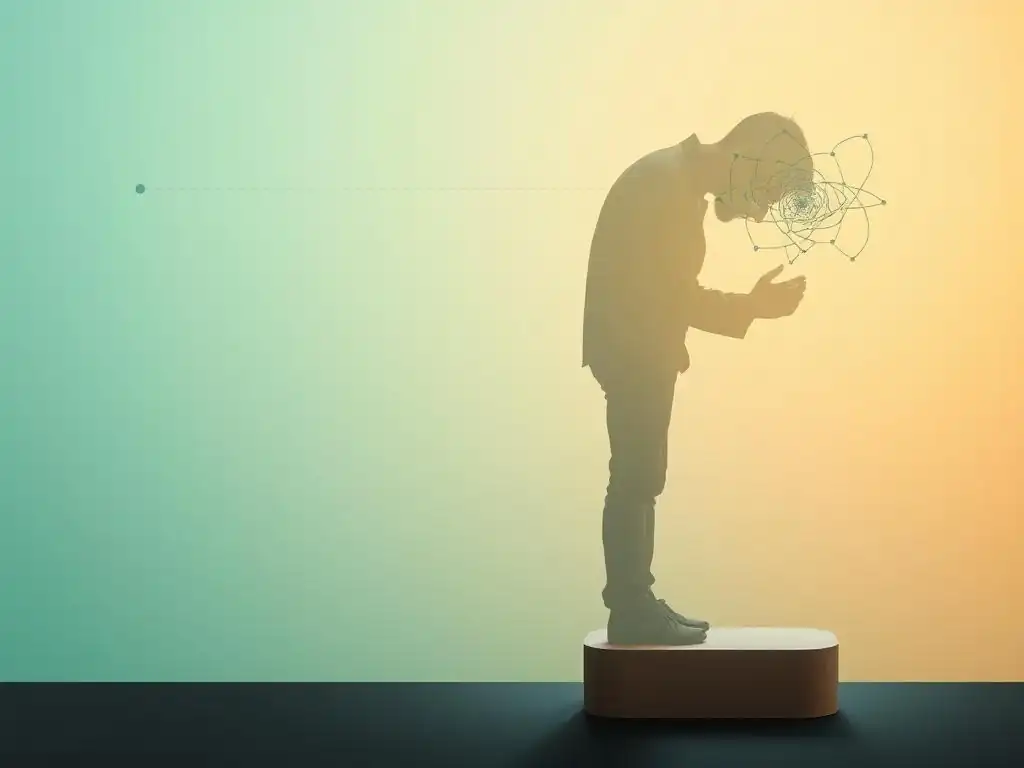
Key Differences Between Stress and Anxiety in Men: A Comparative Analysis
Triggering Factors: What Sets Off Stress vs. Anxiety in Men?
The primary distinction between stress and anxiety lies in their triggers. Stress is a reaction to a specific, identifiable external event or situation. This could be a looming work deadline, a traffic jam, or a disagreement with a partner. The stress response is activated because of this external pressure. For instance, facing a performance review at work is a clear stressor that can induce feelings of pressure and tension until the event is over.
Anxiety, on the other hand, can be triggered by a stressor, but it often persists long after the stressor is gone or can arise without any clear external cause. It's more about the anticipation of a threat or the worry about potential future problems, even if they are unlikely to occur. A man might experience anxiety about public speaking weeks before the actual event, or feel anxious about his health despite receiving a clean bill of health from his doctor. This internal, often non-specific nature of the trigger is a hallmark difference.
Duration and Intensity: How Long Do Stress and Anxiety Last in Men?
Typically, stress is time-limited. The acute stress response is intense but short-lived, subsiding once the stressor is resolved. Chronic stress, while prolonged, is still tied to ongoing external pressures. If a man is stressed about a major project, the stress levels might peak as the deadline approaches and decrease significantly after completion. The intensity is often proportional to the perceived threat of the stressor.
Anxiety, particularly in the case of anxiety disorders, tends to be more chronic and pervasive. It can linger for extended periods, sometimes for months or years, even in the absence of a specific, ongoing stressor. The intensity of anxiety can also feel disproportionate to the situation. A man might feel intensely anxious about a minor social interaction or a routine task. Understanding men's stress anxiety differences explained by duration highlights the persistent nature of anxiety compared to the often temporary state of stress.
- Men's Stress Anxiety Differences Explained: Time as a Factor
The temporal aspect is a crucial differentiator. Stress is often reactive and tied to the present or immediate future concerning a specific event. Anxiety is often proactive, focusing on potential future threats or worries that may never materialize. For example, the stress from preparing for a difficult exam ends after the exam is taken. However, anxiety about potential failure or future challenges might persist long after. This distinction in how long these states last significantly impacts a man's ability to recover and maintain mental equilibrium.
Physical Symptoms: Identifying the Body's Response in Men
Both stress and anxiety activate the body's sympathetic nervous system, leading to similar physical symptoms, but there can be subtle differences and variations in their prominence. Stress-induced physical symptoms often include headaches, muscle tension, fatigue, digestive issues, and changes in sleep patterns. These are direct physiological responses to the stress hormones preparing the body for action.
Anxiety shares many of these symptoms but often includes more pronounced cardiovascular and respiratory signs, such as heart palpitations, chest tightness, shortness of breath, and dizziness. Panic attacks, a severe form of anxiety, involve sudden, intense physical symptoms like racing heart, sweating, trembling, and a feeling of impending doom. While stress can trigger these symptoms, they are more central and debilitating features of anxiety disorders. Observing which physical symptoms are most prevalent can help a man distinguish between the two states.
- The Physical Toll of Stress and Anxiety on Men's Bodies
The chronic nature of anxiety can lead to a more sustained physical toll compared to acute stress. Prolonged exposure to stress hormones due to chronic anxiety can contribute to long-term health problems, including increased risk of heart disease, weakened immune function, and chronic pain. For example, persistent muscle tension from anxiety can lead to chronic back or neck pain. While chronic stress also has significant health risks, the often unrelenting nature of anxiety can make its physical effects particularly insidious for men.
Emotional and Cognitive Impact: How Stress and Anxiety Affect Men's Thoughts and Feelings
Emotionally, stress can manifest as frustration, irritability, anger, or feeling overwhelmed. Cognitively, it might lead to difficulty concentrating, forgetfulness, or constant worrying about the stressor. These effects are typically centered around the specific situation causing the stress. A man stressed about finances might feel angry about bills and constantly think about money problems.
Anxiety, while including some of these, often involves more pervasive feelings of dread, apprehension, or nervousness. Cognitively, it's characterized by excessive and uncontrollable worry, catastrophic thinking (imagining the worst-case scenario), restlessness, and difficulty shutting off thoughts. The worries in anxiety are often broader and less tied to a specific event, potentially encompassing multiple areas of life. Understanding men's stress anxiety differences explained through their impact on thoughts and feelings highlights the internal, often irrational, nature of anxiety compared to the more reactive nature of stress.
- Men's Mental Health: Recognizing the Signs of Stress and Anxiety
Recognizing these emotional and cognitive signs is vital for men's mental health. For stress, it might be noticing increased irritability when faced with deadlines or feeling constantly overwhelmed by responsibilities. For anxiety, it could be experiencing persistent, unfounded worries about the future, feeling restless and unable to relax even when there's no immediate pressure, or engaging in excessive checking or reassurance-seeking behaviors. While some overlap exists, the focus and persistence of these symptoms offer key clues.
The Interplay of Stress and Anxiety: How They Can Overlap in Men
Stress as a Precursor to Anxiety: The Vicious Cycle
While distinct, stress and anxiety are closely related and can influence each other. Chronic or overwhelming stress can absolutely be a significant risk factor for developing an anxiety disorder. When a man is constantly exposed to high levels of stress without adequate coping mechanisms, his body and mind remain in a state of high alert. This prolonged activation of the stress response system can eventually lead to the development of chronic worry and fear characteristic of anxiety.
For instance, a man experiencing prolonged, intense work stress – perhaps facing potential layoffs or managing a failing project – might initially just feel stressed about the situation. However, if this goes on for months, the constant state of alert and worry about the future could morph into generalized anxiety about job security, finances, and the ability to cope, even if the immediate work crisis eventually resolves. Data suggests that individuals exposed to traumatic or chronic stressors have a significantly higher risk of developing anxiety disorders, highlighting this potential progression.
Comorbidity: When Stress and Anxiety Coexist in Men
It's also very common for men to experience both stress and anxiety simultaneously. A specific stressor, like a major illness in the family, can cause acute stress while also triggering underlying or pre-existing anxiety about health or mortality. In these cases, the stress provides a clear trigger, but the reaction is amplified and prolonged by the presence of anxiety.
Furthermore, anxiety itself can become a source of stress. The constant worry and physical symptoms of anxiety can be incredibly stressful to manage on a daily basis, creating a vicious cycle. For example, a man with social anxiety might find social situations incredibly stressful, and the anticipation of that stress then fuels further anxiety, making him dread future events. This co-occurrence requires a nuanced approach to management, addressing both the external stressors and the internal anxiety response. Studies indicate high rates of comorbidity between stress-related conditions and anxiety disorders.
Coping Strategies: Managing Stress and Anxiety Effectively for Men

Stress Management Techniques for Men: Building Resilience
Effective stress management involves identifying stressors and developing healthy ways to respond to them. For men, this might involve setting boundaries at work, delegating tasks, or learning to say no to excessive commitments. Physical activity is a powerful stress reliever, helping to burn off stress hormones and improve mood. Techniques like deep breathing exercises, meditation, and mindfulness can also help regulate the body's stress response.
Building resilience is key. This includes cultivating a strong support network, ensuring adequate sleep (aiming for 7-9 hours per night), maintaining a balanced diet, and engaging in hobbies or activities that provide enjoyment and relaxation. For example, dedicating 30 minutes daily to a physical activity like running or lifting weights can significantly reduce stress levels. Learning problem-solving skills to address stressors directly, rather than avoiding them, also builds confidence and reduces feelings of being overwhelmed. These effective stress relief methods for men's mental health are proactive steps toward better wellbeing.
- Effective Stress Relief Methods for Men's Mental Health
Anxiety Management Techniques for Men: Calming the Mind
Managing anxiety often focuses on techniques that help calm the nervous system and challenge anxious thought patterns. Cognitive Behavioral Therapy (CBT) is highly effective, teaching individuals to identify and modify irrational or catastrophic thinking. Relaxation techniques, such as progressive muscle relaxation or guided imagery, can help reduce physical tension associated with anxiety.
Lifestyle adjustments are also crucial. Reducing caffeine and alcohol intake, which can exacerbate anxiety symptoms, is often recommended. Establishing a consistent routine, including regular sleep and meal times, can provide a sense of stability. For example, practicing mindfulness meditation for just 10-15 minutes daily has been shown in studies to reduce anxiety symptoms. These anxiety reduction strategies tailored for men address the internal nature of anxiety and help regain a sense of control over thoughts and feelings.
- Anxiety Reduction Strategies Tailored for Men
Seeking Professional Help: When to Consult a Mental Health Professional for Men
Recognizing the Signs: Knowing When You Need Support
It's important for men to recognize when stress or anxiety symptoms are becoming more than just a temporary challenge and are significantly impacting their quality of life. Signs that professional help may be needed include persistent symptoms that don't improve with self-help strategies, difficulty functioning at work or in relationships, using unhealthy coping mechanisms (like excessive drinking or substance use), feeling hopeless or overwhelmed, or experiencing panic attacks.
If stress or anxiety leads to significant changes in sleep, appetite, or energy levels, or if it's accompanied by thoughts of self-harm, seeking professional help immediately is crucial. Waiting until symptoms become severe can make recovery more challenging. Recognizing these red flags is a sign of strength, not weakness, and indicates a commitment to one's mental wellbeing. Approximately half of those with anxiety disorders do not seek treatment, often delaying help for years.
Types of Mental Health Professionals: Finding the Right Fit for Men
Various mental health professionals can provide support for stress and anxiety. Psychologists and licensed counselors or therapists are trained to provide talk therapy (psychotherapy), such as CBT or exposure therapy, which are effective treatments for anxiety disorders and chronic stress. Psychiatrists are medical doctors who can diagnose mental health conditions and prescribe medication, such as anti-anxiety medication or antidepressants, if necessary, often in conjunction with therapy.
Other professionals like licensed clinical social workers (LCSWs) and marriage and family therapists (MFTs) can also provide counseling and support, sometimes focusing on the impact of stress and anxiety on relationships or family dynamics. Finding the right professional often involves considering their specialization, approach, and whether you feel comfortable talking to them. Many professionals offer a brief initial consultation to help determine if they are a good fit.
Conclusion: Empowering Men to Prioritize Their Mental Wellbeing
Understanding the nuances between stress and anxiety is a vital step for men in navigating their mental health landscape. While stress is typically a reactive response to external pressures, anxiety is often a more persistent, internal state of worry. Recognizing these key differences in triggers, duration, intensity, and impact allows for more targeted and effective coping strategies. Both stress and anxiety are common human experiences, but when they become overwhelming or chronic, they can significantly impair quality of life.
Prioritizing mental wellbeing is not a luxury; it's essential for a healthy, fulfilling life. By acknowledging men's stress anxiety differences explained in this article, men can better identify their experiences, utilize appropriate coping mechanisms, and, importantly, feel empowered to seek professional help when needed. Taking action for a healthier mind involves self-awareness, proactive management, and the courage to reach out for support.
Frequently Asked Questions
What are the key differences between stress and anxiety as they manifest in men?
Stress is typically short-term and triggered by a specific event, while anxiety is a more persistent and pervasive feeling of worry, often without a clear cause. Men might experience stress due to work pressures and anxiety related to long-term uncertainties.
How might societal expectations contribute to men's stress anxiety differences?
Traditional masculinity norms can pressure men to suppress emotions, leading to increased stress and anxiety. This can manifest as difficulty seeking help and unique coping mechanisms, like overworking.
What are some common stress management techniques that are particularly effective for men?
Engaging in physical activity, practicing mindfulness, and establishing a strong support system are beneficial. Finding healthy outlets for emotional expression is crucial for managing stress effectively.
How can men identify when their stress or anxiety is becoming a serious mental health concern?
Persistent symptoms that interfere with daily functioning, such as difficulty sleeping, changes in appetite, or social withdrawal, indicate a need for professional evaluation and support. Seeking help is a sign of strength.
What resources are available for men seeking help with stress and anxiety management?
Mental health professionals, support groups, and online resources can provide guidance and support. Websites like Mind Care Guide offer valuable information and resources for men's mental well-being.
Final Reflection: Unmasking the Silent Struggle: Stress and Anxiety in Men
The pervasive nature of stress and anxiety in men is often underestimated, leading to delayed diagnoses and inadequate support. This article has highlighted the crucial differences between stress and anxiety in the male population, emphasizing the unique manifestations and underlying factors that contribute to their experience. Understanding these nuances is not merely academic; it's a vital step towards fostering healthier and more supportive environments for men.
The impact of societal expectations on men's emotional expression is profound, often silencing their struggles and reinforcing harmful coping mechanisms. The pressure to conform to traditional masculinity ideals prevents many men from seeking help, perpetuating a cycle of suffering. Real men don't cry,
a phrase often heard, tragically reflects the societal stigma that prevents open discussion and early intervention. This silence has far-reaching consequences, impacting not only individual well-being but also relationships and overall societal health. We must actively challenge these harmful stereotypes and create spaces where men feel safe to acknowledge and address their emotional needs.
You, the reader, now possess a deeper understanding of the complexities surrounding stress and anxiety in men. Consider how this knowledge can inform your interactions with the men in your life – your partners, friends, family members, or colleagues. Actively listen, offer support without judgment, and encourage help-seeking behaviors. By fostering empathy and understanding, we can collectively dismantle the barriers that prevent men from accessing the support they need and deserve, paving the way for a future where mental well-being is prioritized for all.
Unlock Your Inner Calm: Take Control of Your Mental Well-being
Thanks for taking the time to learn about the differences between stress and anxiety, specifically as they affect men. We hope this article provided valuable insights into managing your mental health. Now it's time to put that knowledge into action!
- Prioritize one self-care activity this week. This could be anything from a short walk in nature to meditating for five minutes – whatever helps you relax and de-stress. Make it a non-negotiable appointment with yourself.
- Share this article with a friend or family member who might benefit from understanding stress and anxiety better. Open communication is key.
- Explore Mind Care Guide's other resources for more tips and support on managing stress and anxiety effectively.
What small step will you take today to improve your mental well-being?