
Mood Tracker Apps: Decoding Your Emotional Patterns with Data and Insights

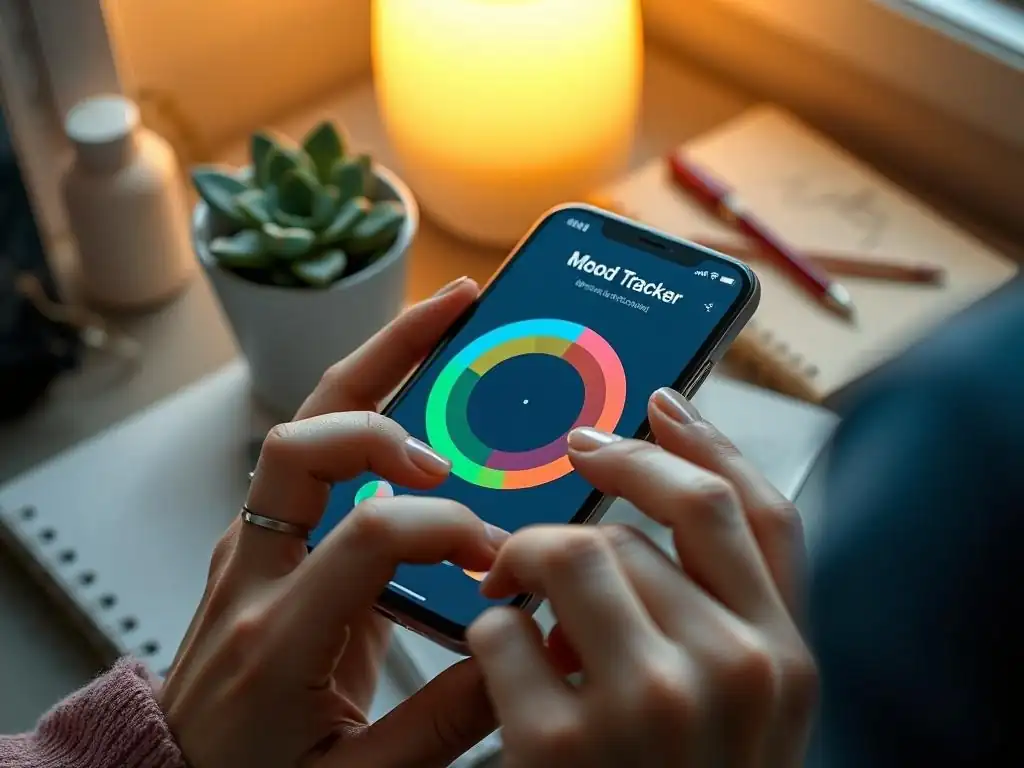
Welcome to Mind Care Guide, your trusted companion on the journey to mental well-being. Feeling lost in a sea of emotions? You're not alone. Ever wondered if technology could actually help you understand your emotional landscape? Dive into our article exploring the remarkable benefits of mood tracker apps and discover how these tools can unlock valuable insights into your emotional patterns. Ready to take control of your mental health and decode the secrets hidden within your daily moods? Let's begin.
Mood Tracker Apps: Decoding Your Emotional Patterns with Data and Insights
- Understanding the Power of Mood Tracking for Mental Well-being
- Exploring the Landscape of Mood Tracker Apps
- Mood Tracker Apps Benefits Users: A Detailed Analysis
- How to Effectively Use a Mood Tracker App
- Beyond the Basics: Advanced Features and Customization
- Potential Limitations and Considerations of Mood Tracker Apps
- Choosing the Right Mood Tracker App for Your Needs
- Integrating Mood Tracking into Your Overall Mental Health Plan
-
Frequently Asked Questions
- What are the primary benefits of using mood tracker apps?
- How can mood tracker apps help me understand my emotional triggers?
- Are mood tracker apps a substitute for professional mental health support?
- What type of data do mood tracker apps typically collect, and is my data secure?
- Can mood tracker apps help improve my overall mental well-being?
- Final Reflection: Unlocking Emotional Well-being Through Data
- Unlock Your Emotional Potential: Take Charge of Your Well-being
Understanding the Power of Mood Tracking for Mental Well-being
Why Track Your Mood? Unveiling the Benefits for Users
Tracking your mood isn't just about logging how you feel on a given day; it's a proactive step towards understanding your inner world. By consistently recording your emotional state, you create a personal dataset that reveals patterns, triggers, and fluctuations you might not consciously notice. This process fosters a deeper connection with your emotions, moving beyond simply having a feeling to actively observing and learning from it. For many, mood tracking serves as a foundational practice in building emotional intelligence, providing a structured way to acknowledge and process feelings rather than suppressing them.
The practical advantages of this practice are numerous. Mood tracker apps benefits users by providing tangible insights into their emotional landscape. For instance, someone struggling with anxiety might find that their anxiety levels consistently spike on Sunday evenings, perhaps related to the anticipation of the work week.
Another user might observe a correlation between poor sleep and irritability the following day. These specific correlations, visible through tracking data, empower individuals to make informed decisions about their habits, environment, and coping strategies. The simple act of recording can also provide a sense of control and agency over one's emotional responses, which is particularly valuable when dealing with challenging feelings.
The Science Behind Mood Tracking and its Impact on Mental Health
The effectiveness of mood tracking is supported by principles rooted in psychology and cognitive behavioral therapy (CBT). CBT often involves logging thoughts and feelings to identify distorted thinking patterns and their emotional consequences. Mood tracking applications digitize and simplify this process, making it more accessible and less burdensome for daily use. The act of externalizing feelings onto a screen can create a sense of distance, allowing for more objective observation and analysis. This metacognitive process—thinking about one's own thinking and feeling—is a critical component of emotional regulation and psychological growth.
Furthermore, the data visualization offered by many mood tracker apps, such as graphs and charts, helps users see trends over time. This visual representation can be incredibly powerful. Instead of feeling overwhelmed by a seemingly constant state of low mood, a user might see that their mood fluctuates, with periods of higher well-being, providing hope and motivation.
Research suggests that self-monitoring, including mood tracking, can increase self-efficacy and adherence to therapeutic recommendations. While not a replacement for professional help, the structured self-observation facilitated by these apps provides valuable data points that can inform therapeutic discussions and help individuals actively participate in their mental health journey.
Exploring the Landscape of Mood Tracker Apps
Popular Mood Tracker Apps: A Comparative Overview
The market for mood tracker apps is diverse, offering a range of features and user experiences. Some of the most widely recognized include Day One (often used for journaling but excellent for mood logging), Reflectly (known for its AI-driven conversational approach), Moodpath (focused on symptom tracking and depression screening), and Bearable (designed for tracking factors influencing mood like sleep, symptoms, and activities). Each app approaches mood tracking slightly differently, catering to various needs and preferences.
Comparing these apps often involves looking at their interface, customization options, data visualization capabilities, and integration features. For example, while Day One excels at integrating detailed journal entries with mood logs, Bearable focuses heavily on correlating mood with numerous lifestyle factors. Reflectly uses AI to prompt reflections based on entries, offering a more guided, conversational experience. Understanding these core differences helps users identify which platform might best support their specific goals for tracking their emotional state and leveraging the advantages mood tracker apps benefits users provide.
Key Features to Look for in a Mood Tracking App
When selecting a mood tracking app, certain features can significantly enhance its usefulness. A user-friendly interface is paramount; if logging feels like a chore, consistency will suffer. Customizable mood scales or categories allow users to define feelings in a way that resonates with their personal experience, moving beyond simple "good" or "bad." The ability to add notes or journal entries alongside mood logs provides essential context, explaining why a mood was high or low on a particular day.
Data visualization is another critical feature. Graphs, charts, and calendars that display mood trends over days, weeks, or months make it easy to spot patterns and correlations. Features that allow tracking of influencing factors—such as sleep duration, exercise, diet, social interactions, or specific symptoms—are invaluable for identifying triggers. Reminders for logging, data export options (useful for sharing with a therapist), and privacy/security measures are also important considerations. The extent to which mood tracker apps benefits users often depends on how well these key features are implemented and utilized.
Day One - A Deep Dive into its Functionality
Day One is primarily known as a powerful journaling app, but its robust tagging system and customizable templates make it an excellent tool for detailed mood tracking. Users can create specific tags for moods (e.g., #happy, #anxious, #tired) and assign numerical ratings or choose from a set of emojis. The strength of Day One lies in its rich text editor, allowing users to write extensive entries explaining the context of their mood, attach photos, and even include location and weather data automatically.
While Day One doesn't have dedicated mood-specific charts like some other apps, its search and filtering capabilities allow users to quickly find entries associated with a particular mood tag or keyword. For someone who values deep reflection and wants to integrate detailed life events with their emotional logging, Day One offers unparalleled flexibility. Its premium subscription unlocks unlimited journals, cloud sync, and more features, making it a comprehensive digital diary that effectively incorporates mood as one of many trackable elements.
Reflectly - Exploring its Unique Strengths and Weaknesses
Reflectly positions itself as an AI-powered journal designed to help users reflect on their thoughts and feelings. Its main strength is its conversational interface; the app asks questions based on previous entries, prompting users to delve deeper into why they felt a certain way. This guided reflection process can be particularly helpful for individuals who struggle with unstructured journaling or don't know where to start. Reflectly simplifies mood logging by offering a simple scale or set of emojis to choose from daily.
However, Reflectly's focus on guided reflection means it might lack the detailed customization and correlation tracking found in apps specifically built for correlating mood with numerous factors. While it prompts reflection on activities, it doesn't offer the same level of granular data input and analysis as apps designed for tracking symptoms, medications, or specific triggers. Its premium features, accessed via subscription, unlock full access to its reflection prompts and insights. For users seeking empathetic guidance and simplified logging, Reflectly's unique approach can be very beneficial.
Mood Tracker Apps Benefits Users: A Detailed Analysis

Improved Self-Awareness and Emotional Recognition
One of the most significant ways mood tracker apps benefits users is by dramatically improving self-awareness. Many people experience emotions without truly labeling or understanding them. Consistent logging encourages users to pause, identify how they are feeling, and articulate it, even if just to themselves within the app. This practice hones the ability to recognize subtle shifts in emotional states throughout the day or week, moving beyond broad categories like "stressed" to pinpoint more specific feelings like "frustrated," "overwhelmed," or "apprehensive."
Over time, reviewing past entries and data visualizations helps users see patterns they were previously blind to. For instance, someone might realize they consistently feel irritable after skipping breakfast, or that their anxiety levels are lowest on days they spend time outdoors. This data-driven insight makes internal states more concrete and observable, transforming vague feelings into actionable information. Studies have indicated that individuals who engage in regular self-monitoring report higher levels of emotional clarity and self-understanding.
Identifying Triggers and Patterns in Your Mood Swings
Beyond simply identifying current feelings, mood tracker apps benefits users by revealing the causes behind their mood fluctuations. By logging not just mood but also activities, sleep, diet, social interactions, or stress levels, users can begin to see correlations. For example, a user might notice a consistent dip in mood on days following late-night social events, or a rise in anxiety before specific weekly meetings. Some apps even offer features to actively help users find these correlations in their data.
Identifying triggers is a powerful step towards managing challenging emotions. Once a trigger is recognized (e.g., excessive caffeine intake, lack of sleep, specific social situations, or even certain news headlines), an individual can develop strategies to mitigate its impact. This might involve avoiding the trigger, preparing for it, or implementing coping mechanisms before the mood significantly shifts. For instance, if Monday mornings consistently show low mood, a user might plan a pleasant Sunday evening activity or a relaxing Monday morning routine to counteract the pattern, directly leveraging the insights gained from their tracking data.
Enhanced Emotional Regulation and Coping Strategies
Understanding triggers and patterns through mood tracking lays the groundwork for improved emotional regulation. When users can anticipate challenging moods or understand their root causes, they are better equipped to apply coping strategies proactively. Instead of reacting impulsively to a negative mood, they can choose a planned response based on past data. For example, if tracking shows that exercise reliably improves a low mood, a user experiencing early signs of sadness can choose to go for a walk, knowing it's a proven strategy for them.
Furthermore, mood tracking can help users evaluate the effectiveness of different coping strategies they employ. By logging both their mood and the coping action taken (e.g., "meditated for 10 mins," "called a friend," "vent journaled"), they can later review their data to see if certain strategies consistently led to an improvement in mood. This trial-and-error process, informed by personal data, allows individuals to build a personalized toolkit of effective coping mechanisms. The ability to make data-informed choices about managing emotions is a key way mood tracker apps benefits users in building resilience.
Using Mood Data to Communicate Effectively with Therapists
For individuals working with a therapist or counselor, mood tracking data provides invaluable objective information that goes beyond subjective recall during sessions. It can be challenging to accurately remember and articulate emotional states and influencing factors from the past week or month during a 50-minute appointment. A mood log, however, offers a detailed, day-by-day record.
Sharing mood tracking charts and notes with a therapist allows for a more precise and productive conversation. The therapist can see trends, identify potential patterns the user might have missed, and gain a clearer understanding of the frequency and intensity of certain moods or symptoms.
This data can help the therapist tailor interventions more effectively, track progress over time, and identify specific areas to focus on in therapy. For example, seeing a graph showing a consistent dip in mood on specific days can lead to targeted discussion about activities or stressors associated with those days, making therapy more efficient and data-driven.
How to Effectively Use a Mood Tracker App
Setting Meaningful Goals for Mood Tracking
Simply downloading a mood tracker app isn't enough; setting clear, personal goals for using it is crucial for deriving maximum benefit. What do you hope to learn or achieve by tracking your mood? Goals could range from identifying triggers for anxiety, understanding the impact of sleep on mood, recognizing periods of high stress, or simply becoming more aware of daily emotional fluctuations. Having a specific goal provides direction and motivation for consistent logging.
For example, if your goal is to understand your stress triggers, you would focus on logging stress levels alongside activities, work tasks, and social interactions. If your goal is to see if lifestyle changes are working, you would track mood alongside habits like exercise, diet, or meditation. Setting these goals, perhaps weekly or monthly, helps focus your efforts and makes the data review process more meaningful. Without a goal, the data can feel overwhelming or directionless.
Consistent Logging and Data Input for Accurate Insights
The accuracy and usefulness of mood tracking data depend heavily on consistency. Sporadic entries provide an incomplete picture and can lead to misleading conclusions about patterns. Aiming for daily logging, ideally at multiple points in the day (e.g., morning, noon, evening), captures a more dynamic view of emotional shifts rather than just a single snapshot. Even brief entries are better than none.
Developing a routine for logging can help maintain consistency. Setting reminders within the app or associating logging with existing habits (like brushing teeth or having a morning coffee) can make it a regular part of your day. The more data points you collect, the more reliable the patterns and insights derived from the app's analysis will be. While perfect consistency is challenging, striving for it significantly enhances the value that mood tracker apps benefits users can deliver.
Interpreting Your Mood Data: Finding Meaningful Connections
Collecting data is only the first step; the real power of mood tracking lies in interpreting that data. Regularly reviewing your mood charts and logs is essential. Look for recurring patterns: Do certain days of the week consistently show lower moods? Are there correlations between specific activities (or lack thereof) and your emotional state? Pay attention to the notes you've added alongside your mood entries – they provide the narrative context for the data.
Many apps offer features that highlight potential correlations between tracked factors and mood. Use these features, but also engage in your own reflection. Ask yourself questions: "What was happening on the days my mood was lowest?" "What contributed to the days my mood was highest?" Look for clusters of similar moods or sudden shifts and try to recall the circumstances. This active interpretation transforms raw data into actionable insights about your personal well-being.
Integrating Mood Tracking with Other Mental Wellness Practices
Mood tracking is most effective when viewed as one tool within a broader mental wellness toolkit. It complements practices like mindfulness, meditation, exercise, sufficient sleep, and healthy eating. For instance, you can use your mood tracker to see if your meditation practice is having a noticeable impact on your anxiety levels over time, or if getting 8 hours of sleep correlates with more stable moods.
Using the app to track these other practices alongside mood can provide valuable feedback loops. Seeing a positive correlation between regular exercise and improved mood, for example, can reinforce your motivation to maintain that habit. Conversely, if tracking shows that a certain coping mechanism isn't improving your mood as expected, it might signal a need to try a different approach or discuss it with a therapist. This integrated approach allows you to see how various aspects of your life intersect with and influence your emotional state.
Beyond the Basics: Advanced Features and Customization
Utilizing Journaling Prompts and Reflections for Deeper Insights
Many mood tracker apps offer journaling features, often including prompts, to encourage deeper reflection. While a quick mood log provides a snapshot, a journal entry allows you to explore the why behind the feeling. Prompts like "What was the best part of your day?" or "What challenged you today?" can help uncover factors influencing your mood that you might not have otherwise considered.
Engaging with these prompts regularly adds rich qualitative data to your quantitative mood ratings. Reviewing these entries alongside your mood charts can reveal nuanced patterns. For example, your mood might be rated as "okay," but your journal entry might describe feeling overwhelmed by work, indicating underlying stress despite a seemingly neutral overall mood. This combination of structured logging and freeform reflection provides a more comprehensive understanding of your emotional experience.
Integrating with Wearable Devices for Physiological Data
Some advanced mood tracker apps offer integration with wearable devices like smartwatches or fitness trackers. This allows the app to pull in physiological data such as heart rate, sleep duration and quality, activity levels, and even heart rate variability (HRV). This adds another layer of objective data that can be correlated with your subjective mood reports.
For example, you might find a correlation between periods of high resting heart rate or poor sleep quality (tracked by your wearable) and subsequent dips in mood or increased anxiety (logged in the app). This integration provides compelling evidence for the mind-body connection and helps identify physical factors that significantly impact emotional well-being. Seeing this data correlation can be a powerful motivator for prioritizing sleep or stress reduction techniques.
Customizing Mood Categories and Tracking Parameters
The ability to customize the categories you track is a powerful feature that tailors the app to your specific needs. Instead of being limited to predefined moods, you can create your own labels that accurately reflect your emotional vocabulary (e.g., "content," "restless," "focused," "scattered"). Similarly, customizable parameters allow you to track specific factors relevant to your life, such as medication dosage, specific symptoms (like headaches or fatigue), menstrual cycle phases, or unique triggers like "traffic commute" or "interaction with specific person."
This level of customization ensures that the data you collect is highly relevant to your personal situation, making the insights gleaned from the app much more valuable. If you're trying to understand the impact of a new medication, you can track its dosage and correlate it with mood changes. If you're managing chronic pain, you can track pain levels alongside mood. The more precisely you can define and track the variables in your life, the better equipped the app is to help you find meaningful connections.
Potential Limitations and Considerations of Mood Tracker Apps

The Risk of Over-Reliance on Data and Self-Diagnosis
While mood tracker apps benefits users by providing data, there is a potential risk of becoming overly reliant on the data or using it to self-diagnose serious mental health conditions. An app can show patterns and correlations, but it cannot replace the nuanced assessment and clinical judgment of a trained mental health professional. Seeing a graph showing a consistent low mood, for instance, might indicate depression, but only a doctor or therapist can provide a proper diagnosis.
Over-reliance on data can also lead to excessive rumination or anxiety about "bad" moods or negative patterns. It's important to remember that moods naturally fluctuate, and not every low point indicates a problem. The data should be viewed as a tool for insight and discussion, not a definitive judgment on one's mental state. Maintaining a balanced perspective and avoiding self-diagnosis are crucial for healthy use of these tools.
Data Privacy and Security Concerns with Mood Tracking Apps
Logging intimate details about your emotional state and life events raises significant data privacy and security concerns. Users are inputting highly sensitive personal health information into these apps. It is essential to research the privacy policy and security measures of any mood tracking app before committing to using it. Where is the data stored? Is it encrypted? Is it shared with third parties?
While many reputable apps employ strong security measures, breaches can occur, and policies vary. Users should be aware of how their data is handled and make informed choices. Some may prefer apps that store data locally on the device or offer end-to-end encryption. Others might choose to limit the amount of highly sensitive information they log. Prioritizing data security is a critical consideration when selecting and using a mood tracking tool.
Addressing Potential Biases in Self-Reported Mood Data
Mood tracking relies on self-reporting, which is inherently subjective and can be influenced by various biases. A user's mood at the moment of logging can color their perception of their mood over the entire period being logged. For example, if you log your mood at the end of a bad day, you might rate the entire day lower than if you had logged it during a positive moment. Recall bias can also affect accuracy when logging retrospectively.
Furthermore, the act of tracking itself can sometimes influence the mood being tracked (e.g., feeling more stressed because you're focusing on tracking stress). Users should be mindful of these potential biases and view the data with a critical eye. While self-reported data is invaluable, understanding its limitations helps in interpreting patterns realistically. Consistent, multiple daily entries can help mitigate some of the point-in-time bias.
Maintaining a Healthy Perspective on Mood Tracking as a Tool
Mood tracking apps are powerful tools, but they are just tools. They should support, not replace, other healthy habits and professional support when needed. It's important not to become obsessive about the data or feel like a failure if moods are consistently low despite tracking. Emotional well-being is complex and influenced by many factors.
Using a mood tracker should feel empowering and insightful, not like another source of pressure or judgment. If tracking begins to feel like a chore, increases anxiety, or leads to excessive rumination, it might be beneficial to take a break or re-evaluate how you are using the app. Maintaining a healthy perspective means recognizing that the app is there to help you understand yourself better, not to provide a perfect score for emotional stability.
Choosing the Right Mood Tracker App for Your Needs
Assessing Your Individual Needs and Preferences
Choosing the right app begins with understanding what you hope to gain from mood tracking. Are you looking for a simple daily check-in, or do you need detailed correlation analysis? Do you prefer a minimalist interface or one with extensive customization? Are you interested in guided reflection, or do you want maximum flexibility for freeform journaling?
Consider your specific mental health goals. If you're managing a specific condition like bipolar disorder, you might need an app that allows tracking of specific symptoms, medication adherence, and sleep cycles. If you're generally seeking more self-awareness, a simpler app with good journaling features might suffice. Taking the time to assess your individual needs and preferences will significantly narrow down the options and help you find an app that you will actually use consistently.
Considering App Compatibility and User Interface
Practical considerations like app compatibility (iOS, Android, web) and user interface are important for long-term use. The app should be easy to navigate, logging should be quick and intuitive, and the data visualization should be clear and understandable. If the interface is clunky or confusing, you're less likely to stick with it.
Try out free versions or trials of a few different apps to see which interface resonates most with you. Pay attention to how easy it is to log your mood, add notes, track influencing factors, and view your data. A visually appealing and smooth user experience makes the practice of mood tracking less of a chore and more of a helpful, integrated part of your day. The ease of use directly impacts how effectively mood tracker apps benefits users.
Evaluating Pricing Models and Subscription Options
Mood tracker apps come with various pricing models. Some are free with basic features, others offer a one-time purchase, and many use a freemium model where a free version is available, but full features require a paid subscription (monthly or annual). Evaluate your budget and the features you need.
A free app might be sufficient for simple daily mood logging. However, advanced features like detailed correlation analysis, unlimited factor tracking, data export, and cloud synchronization are often behind a paywall. Determine which features are essential for your goals and compare the subscription costs. Some premium features might offer significant value that justifies the expense, especially if you plan to use the app extensively or integrate it with therapy. Consider whether the added benefits of a paid tier align with your specific needs and how much you are willing to invest in the tool.
Integrating Mood Tracking into Your Overall Mental Health Plan
Working with a Mental Health Professional to Interpret Your Data
The data collected through a mood tracker app becomes even more powerful when shared and interpreted with a mental health professional. A therapist or counselor can help you identify patterns you might have missed, understand the clinical significance of certain fluctuations, and use the data to inform treatment strategies. For example, consistent low mood ratings could prompt a discussion about depression symptoms, while erratic patterns might suggest anxiety or other conditions.
Bringing your mood data to therapy sessions provides concrete examples and reduces reliance on potentially inaccurate recall. It allows the therapist to see a more objective picture of your emotional state between sessions. This collaborative approach ensures that the insights gained from tracking are used effectively within a professional therapeutic context, maximizing the potential that mood tracker apps benefits users in their journey towards well-being.
Combining Mood Tracking with Therapy and Medication
Mood tracking can be a valuable companion to traditional mental health treatments like therapy and medication. For those taking medication, tracking mood alongside dosage and timing can help monitor the medication's effectiveness and identify potential side effects. A user might notice that their mood stabilizes significantly after starting a particular medication, or that certain side effects (like increased anxiety or fatigue) correlate with specific times of day relative to when they take their dose.
Similarly, when combined with therapy, mood tracking provides a structured way to practice skills learned in sessions. If you're learning cognitive restructuring techniques, you can use the app to log instances where you applied the technique and note its impact on your mood. This reinforces learning and helps you see the real-world effect of therapeutic interventions. The app becomes a bridge between session insights and daily life application.
Building a Holistic Approach to Emotional Well-being
Ultimately, integrating mood tracking into your life is about building a more holistic approach to emotional well-being. It encourages you to view your emotional state not as a fixed entity, but as a dynamic process influenced by a multitude of factors – physical health, social interactions, daily activities, thoughts, and external events. By tracking these elements together, you gain a comprehensive picture of your inner and outer landscape.
This holistic perspective empowers you to make informed choices that support your mental health. It moves beyond simply reacting to feelings to proactively cultivating positive emotions and managing challenging ones. When used thoughtfully and consistently, mood tracker apps benefits users by providing the data and insights needed to navigate their emotional world with greater awareness, resilience, and intention, contributing to a more balanced and fulfilling life.
Frequently Asked Questions
What are the primary benefits of using mood tracker apps?
Mood tracker apps offer several key benefits, including increased self-awareness of emotional patterns, the ability to identify triggers for mood changes, and opportunities for personalized interventions to improve well-being.
How can mood tracker apps help me understand my emotional triggers?
By consistently logging your moods and associated activities, sleep patterns, or stressors, these apps can reveal correlations between external factors and your emotional state, enabling you to identify and manage potential triggers. This leads to better emotional regulation.
Are mood tracker apps a substitute for professional mental health support?
No, mood tracker apps are not a replacement for professional help. They can be valuable tools for self-monitoring and insight, but licensed therapists and psychiatrists are essential for diagnosing and treating mental health conditions.
What type of data do mood tracker apps typically collect, and is my data secure?
These apps usually collect data on your daily mood, activities, sleep, and other relevant factors. Data security varies; it's crucial to choose apps with strong privacy policies and encryption to protect your personal information.
Can mood tracker apps help improve my overall mental well-being?
Yes, mood tracker apps can contribute to improved mental well-being by fostering self-reflection, identifying patterns, and promoting proactive self-care strategies. This data-driven approach can empower you to take control of your emotional health.
Final Reflection: Unlocking Emotional Well-being Through Data
The ability to understand and manage our emotions is no longer a luxury, but a necessity in our increasingly demanding world. Mood tracker apps, once a niche tool, are rapidly becoming essential resources for individuals seeking to improve their mental health and overall well-being. Their power lies not just in data collection, but in the actionable insights they provide, empowering users to take control of their emotional landscapes.
The impact of these apps extends far beyond individual self-improvement; they are subtly reshaping our understanding of mental health itself. By normalizing the practice of emotional self-monitoring and providing accessible tools for self-care, they are contributing to a broader cultural shift towards greater emotional literacy. The unexamined life is not worth living,
Socrates famously said, and these apps offer a powerful, modern lens through which to examine the often-overlooked landscape of our inner lives. This shift towards proactive mental health management is crucial, fostering a more compassionate and understanding approach to mental well-being.
Now, consider your own emotional journey. What patterns have you noticed in your moods? What triggers your highs and lows? This is your invitation to explore the potential of mood tracking. Download an app, experiment with different methods, and discover the unique insights that await you. By understanding your emotional landscape, you can begin to cultivate a more resilient, balanced, and fulfilling life. Embrace the power of data to unlock a deeper understanding of yourself and pave the way towards a brighter, more emotionally intelligent future.
Unlock Your Emotional Potential: Take Charge of Your Well-being
Thanks for taking the time to explore the world of mood tracking apps with us! We hope you gained valuable insights into how these tools can help you understand and manage your emotions. Ready to take the next step?
- Start your emotional journey today: Download a mood tracking app and begin recording your daily feelings. This is the most impactful step towards understanding your emotional patterns.
- Share your experience: Connect with others in our Mind Care Guide community and share your experiences with mood tracking. Let's learn from each other!
- Explore personalized strategies: Consider researching additional resources based on your unique emotional needs – from mindfulness exercises to journaling techniques.
Ready to embark on this journey towards greater emotional awareness? What's the first emotion you'll track?