
The Future of Care: How Mental Health Apps Are Reshaping the Healthcare Landscape

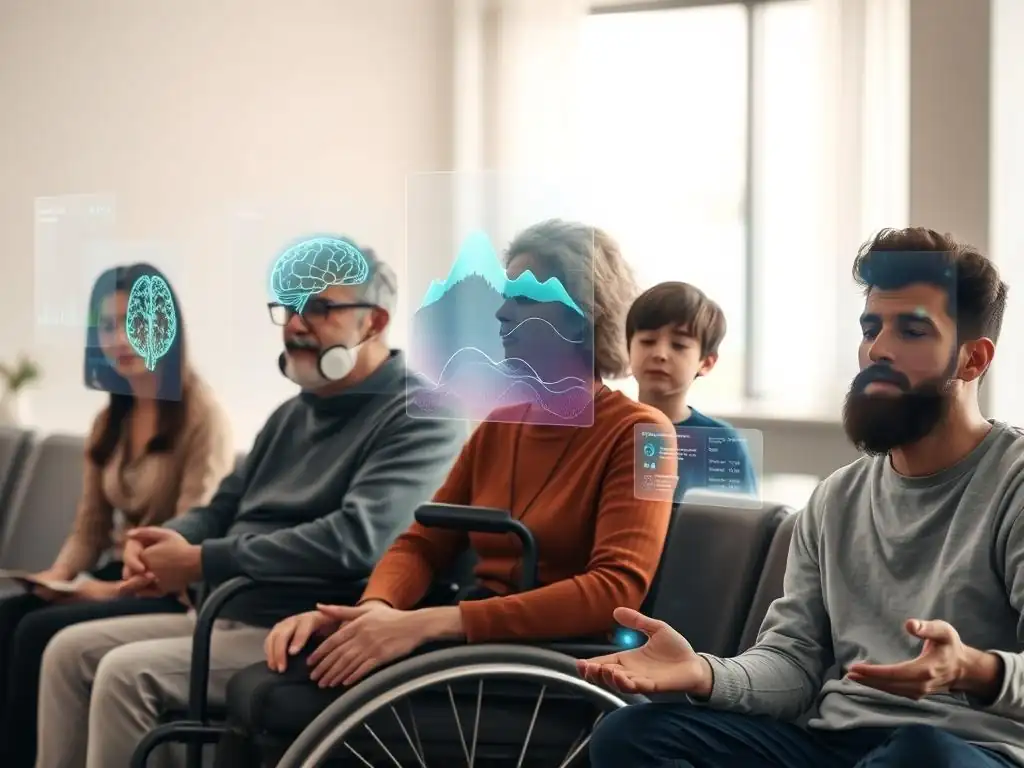
Welcome to Mind Care Guide, a safe space dedicated to nurturing your mental well-being.
Are you curious about how technology can empower you on your mental health journey? In a world where access to care can be challenging, innovative solutions are emerging. Discover how mental health apps benefits users, offering personalized support, convenient resources, and a brighter path toward a healthier, happier you. Let's explore the future of care, together.
Mental Health Apps: Reshaping Mental Healthcare
- Introduction: Accessible Mental Healthcare Through Technology
- Benefits of Mental Health Apps for Users
- Types of Mental Health Apps
- Impact on Traditional Therapy
- Limitations and Challenges
- Evaluating Effectiveness: Research and Evidence
- Future Trends and Innovations
- Choosing the Right App: A User Guide
- Empowering Users Towards Better Wellbeing
- Conclusion: Transformative Potential
-
Frequently Asked Questions
- How do mental health apps benefit users, and what are some of the key advantages?
- Are mental health apps a reliable substitute for traditional mental healthcare, or should they be used in conjunction?
- What types of mental health challenges can mental health apps effectively address?
- How do mental health apps ensure user privacy and data security, given the sensitive nature of the information they collect?
- What are some potential drawbacks or limitations of relying solely on mental health apps for mental well-being?
- Final Reflection: A New Era of Accessible Mental Wellness
- Unleash Your Inner Wellness: Take Charge of Your Mental Health Today!
Introduction: Accessible Mental Healthcare Through Technology
The Growing Need for Accessible Mental Healthcare
Accessing timely and affordable mental healthcare remains a significant challenge for many individuals globally. Barriers such as geographical location, financial constraints, long wait times for appointments, and the persistent stigma associated with seeking help prevent countless people from receiving the support they need. The World Health Organization estimates that hundreds of millions of people worldwide suffer from mental health conditions, yet a large percentage, particularly in low- and middle-income countries, receive no treatment. This disparity highlights a critical gap in traditional healthcare systems that technology is increasingly being leveraged to address.
Furthermore, the demand for mental health services has surged in recent years, exacerbated by global events and increased awareness. This surge has put immense pressure on existing resources, leading to longer waitlists and higher costs for therapy and psychiatric care. For individuals facing acute distress or those in rural areas without local providers, finding immediate and convenient support can be nearly impossible. This pressing need for more accessible, flexible, and less intimidating avenues for mental wellness support has paved the way for digital solutions to emerge as vital components of the healthcare landscape.
Mental Health Apps Addressing the Accessibility Gap
Mental health apps offer a promising solution to bridge the accessibility gap by providing immediate access to support, tools, and information directly through a smartphone or tablet. Unlike traditional therapy which requires scheduling appointments and physical presence, apps are available 24/7, allowing users to engage with resources whenever and wherever they feel the need. This on-demand availability is particularly crucial during moments of crisis or when managing fluctuating symptoms. The ease of access removes many practical barriers that prevent individuals from seeking help through conventional channels.
These digital platforms democratize access to mental wellness tools that were once only available in clinical settings or through expensive programs. They offer a range of features, from guided meditations and mood tracking to interactive therapy exercises derived from evidence-based practices like Cognitive Behavioral Therapy (CBT). By lowering the threshold for initial engagement with mental health support, mental health apps benefit users by providing a private, convenient, and less intimidating first step towards addressing their well-being concerns, potentially reaching individuals who might otherwise remain unsupported.
Benefits of Mental Health Apps for Users
Accessibility and Convenience: 24/7 Support
One of the most significant mental health apps benefits users enjoy is unparalleled accessibility and convenience. These tools are available around the clock, allowing individuals to access support mechanisms whenever they need them, regardless of time zones or therapist availability. This means someone experiencing anxiety late at night or wanting to practice mindfulness during a lunch break can do so instantly. The ability to have a coping tool or a mood tracker readily available on a personal device integrates mental wellness support seamlessly into daily life.
The convenience extends beyond just availability; it also includes the ease of use. Most mental health apps are designed with user-friendly interfaces, making them simple to navigate even for those less familiar with technology. This ease of access encourages consistent engagement, which is vital for developing healthy habits and coping strategies. Users can practice relaxation techniques, log their feelings, or work through therapeutic exercises from the comfort of their home, during commutes, or even while traveling, removing geographical barriers and the need for travel time associated with traditional appointments.
Affordability: Cost-Effective Mental Wellness
Another major way mental health apps benefit users is through their affordability compared to traditional therapy or counseling sessions. While some apps offer premium features via subscription, even these costs are typically a fraction of the price of a single therapy session, which can range from $100 to $250 or more per hour in many regions. Many apps also offer substantial free content, providing valuable tools like guided meditations, breathing exercises, and mood tracking at no cost whatsoever.
This cost-effectiveness makes mental wellness support accessible to a much broader population, including students, individuals with limited income, or those without comprehensive health insurance that covers mental healthcare. For example, an annual subscription to a popular meditation app might cost around $70-$100 per year, equivalent to less than one traditional therapy session. This significantly reduced financial barrier means that consistent engagement with supportive tools becomes a realistic possibility for millions who might otherwise be unable to afford any form of mental health assistance.
Anonymity and Reduced Stigma
Mental health apps offer a layer of anonymity that can be profoundly beneficial for users concerned about privacy or societal stigma. Engaging with an app on a personal device in private eliminates the need to discuss sensitive issues face-to-face initially, which can be a significant hurdle for many seeking help. Users can explore their feelings, track symptoms, and learn coping mechanisms without fear of judgment or disclosure to others. This discrete nature encourages individuals who might be hesitant to seek traditional therapy due to stigma to take a first step towards addressing their mental well-being.
The private nature of interacting with an app can lower anxiety associated with seeking help, making the process feel less intimidating. For someone struggling with conditions like social anxiety or depression, the thought of making an appointment or talking openly about their struggles can be overwhelming. Mental health apps benefit users by providing a safe, confidential space to begin exploring their inner world and accessing resources at their own pace, building confidence before potentially seeking more involved forms of support.
Personalized Support Through Technology
Many modern mental health apps leverage technology to offer increasingly personalized experiences. Through initial assessments, user input (like mood logs or journal entries), and tracking user engagement, apps can tailor content, recommendations, and exercises to an individual's specific needs, goals, and progress. Some apps use algorithms to suggest relevant articles, meditations, or therapeutic techniques based on the user's reported mood patterns or areas of concern, such as anxiety or sleep difficulties.
This level of personalization helps ensure that the content remains relevant and engaging, increasing the likelihood of sustained use and positive outcomes. For example, an app might notice a user consistently logs feelings of stress before public speaking and then recommend specific breathing exercises or guided visualizations for performance anxiety. This adaptive support means that mental health apps benefit users by providing a more targeted and potentially more effective experience than generic self-help resources.
Types of Mental Health Apps
Meditation and Mindfulness Apps
Meditation and mindfulness apps are among the most popular categories, focusing on techniques to improve focus, reduce stress, and enhance emotional regulation. These apps typically offer guided meditation sessions varying in length, unguided meditation timers, breathing exercises, and sometimes calming sounds or nature scenes. They help users cultivate present-moment awareness and acceptance, skills known to reduce symptoms of anxiety and depression.
Prominent examples often include large libraries of guided content for specific goals like better sleep, stress reduction, or improved concentration. Many incorporate features like progress tracking, daily reminders, and integration with wearable devices to monitor heart rate during sessions. Studies on the efficacy of mindfulness apps suggest they can lead to clinically significant reductions in stress, anxiety, and depression symptoms for many users, providing accessible tools for incorporating these beneficial practices into daily routines.
Cognitive Behavioral Therapy (CBT) Apps
CBT apps translate principles of Cognitive Behavioral Therapy, a widely-used and evidence-based psychotherapy, into interactive digital formats. These apps guide users through identifying negative thought patterns, challenging irrational beliefs, and developing healthier coping mechanisms. They often include features like thought diaries, mood tracking linked to specific events, and exercises focused on behavioral activation or exposure therapy techniques.
The goal of CBT apps is to empower users with practical tools derived from therapeutic practice. For instance, an app might prompt a user to record a distressing thought, identify the emotion it triggered, and then challenge the evidence for or against the thought, a core CBT technique. While not a replacement for professional therapy, these apps make CBT principles accessible and actionable for users outside of traditional sessions, offering structured support for managing conditions like anxiety, depression, and phobias.
Mood Tracking Apps
Mood tracking apps are designed to help users monitor and understand their emotional states over time. Users typically log their mood one or more times a day, often adding notes about activities, triggers, or symptoms. The apps then provide visualizations, charts, and statistics that reveal patterns, helping users identify correlations between their mood and various factors like sleep, social interaction, or specific events.
This data visualization provides valuable insights into personal triggers and coping strategies, empowering users to make informed decisions about their lifestyle and seek help if concerning patterns emerge. For instance, a user might notice their anxiety consistently spikes on Sunday evenings, prompting them to explore the cause (e.g., anticipation of the work week) and develop coping strategies for that specific time. These apps serve as digital journals and analytical tools, fostering self-awareness which is a foundational element of mental wellness.
Sleep Improvement Apps

Given the strong link between sleep and mental health, many apps focus specifically on improving sleep patterns. These apps often offer guided meditations or relaxation exercises designed to help users fall asleep, track sleep duration and quality (sometimes integrating with wearable devices), and provide educational content about sleep hygiene. Some incorporate features like smart alarms that wake users during a light sleep phase or soundscapes to create a calming environment.
Poor sleep is a common symptom of many mental health conditions, and conversely, chronic sleep deprivation can exacerbate mental health challenges. Sleep improvement apps benefit users by providing practical, accessible tools to address insomnia and other sleep disturbances. By promoting better sleep hygiene and offering relaxation techniques, these apps contribute positively to overall mental and emotional resilience.
Apps for Managing Anxiety Disorders
A significant portion of mental health apps are tailored specifically to help individuals manage anxiety disorders. These apps often combine features from other categories, such as mindfulness exercises, CBT techniques for challenging anxious thoughts, exposure therapy tools (like virtual reality simulations for phobias), and relaxation techniques like deep breathing or progressive muscle relaxation. They may also include panic button features for immediate support during an acute anxiety attack.
These specialized apps provide targeted interventions for specific anxiety-related challenges. For example, an app might guide a user through a step-by-step process for managing a panic attack or help them create a hierarchy of feared situations for exposure therapy. By offering a suite of tools based on therapeutic approaches, these mental health apps benefit users by providing accessible, on-demand support for navigating the often overwhelming symptoms of anxiety disorders.
Impact on Traditional Therapy
Apps as a Supplement to Traditional Therapy
Mental health apps are increasingly viewed not as replacements for traditional therapy, but as valuable supplementary tools. Therapists can recommend specific apps to clients to use between sessions, allowing them to practice skills learned in therapy, track progress, or access support during difficult moments. For example, a therapist teaching mindfulness might suggest a specific meditation app, or one working on challenging negative thoughts might recommend a CBT thought-tracking app.
This integration can enhance the effectiveness of traditional therapy by reinforcing therapeutic concepts and encouraging consistent practice. It allows therapy to extend beyond the weekly session, providing clients with readily available resources to manage symptoms and build resilience in their daily lives. Many mental health apps benefit users most when used in conjunction with professional guidance, creating a blended care model that leverages the strengths of both approaches.
Integration into Clinical Practice
Some mental health apps are being integrated directly into clinical practice, particularly within larger healthcare systems or private practices utilizing digital platforms. Therapists may use secure, HIPAA-compliant apps to assign homework, share resources, or communicate with clients between appointments. This integration can streamline communication and enhance client engagement with treatment plans.
Furthermore, data collected by apps, such as mood logs or activity levels, can provide therapists with valuable insights into a client's daily life and symptom patterns, informing treatment decisions. While still an evolving area, the potential for apps to become seamless components of clinical workflows is significant, offering new avenues for monitoring patient well-being and delivering care more efficiently.
Remote Monitoring and Teletherapy
The rise of mental health apps has coincided with the growth of teletherapy, where clients connect with therapists remotely via video or phone. Apps can play a supporting role in teletherapy by providing tools for clients to use during sessions or between virtual appointments. For instance, a therapist conducting a teletherapy session might guide a client through an exercise using a specific app feature.
Some platforms combine app-based tools with direct access to licensed therapists through messaging or video calls, creating comprehensive digital mental healthcare services. This blend of asynchronous app support and synchronous teletherapy appointments expands access to care, particularly for those in remote areas or with mobility issues. The ability to monitor user engagement and symptom tracking via an app can also enhance the effectiveness of remote therapeutic relationships.
Limitations and Challenges
Data Privacy and Security Concerns
Despite the many advantages, significant limitations and challenges exist for mental health apps. A primary concern is data privacy and security. Users share highly sensitive personal information, including their moods, thoughts, symptoms, and activities, with these platforms. Ensuring this data is stored securely, anonymized appropriately, and not shared with third parties without explicit consent is crucial, but not all apps have robust privacy policies or security measures.
Reports have raised concerns about some apps potentially sharing user data with advertisers or other entities, undermining the trust essential for mental healthcare. Users must carefully review an app's privacy policy and understand how their data will be used and protected before entrusting it with their personal information. The potential misuse or breach of sensitive mental health data poses a serious risk to user confidentiality and safety.
Accuracy and Reliability of Information
The information and tools provided by mental health apps vary widely in quality and basis. While many apps are developed with input from mental health professionals and grounded in evidence-based practices, others may lack scientific validation or provide inaccurate or misleading information. Unlike regulated medical devices, the oversight of mental health apps is inconsistent, making it difficult for users to discern which apps are reliable.
Without proper vetting, users might rely on ineffective or potentially harmful advice. For example, an app might promote coping strategies that lack scientific support or incorrectly interpret symptom patterns. It is challenging for a layperson to assess the clinical validity of an app's content, highlighting the need for greater transparency, regulation, and ideally, endorsement by professional organizations or healthcare providers.
Risk of Over-Reliance
While convenient, there is a risk that users may become overly reliant on mental health apps as their sole source of support, potentially delaying or replacing necessary professional help. Apps are valuable tools for self-management and supplementary support, but they cannot replicate the nuanced, empathetic, and personalized care provided by a trained therapist, especially for complex or severe mental health conditions.
Over-reliance on an app might lead a user to dismiss severe symptoms or forgo seeking a proper diagnosis or treatment plan from a qualified professional. Apps lack the capacity to handle crises, assess risk (like suicidal ideation), or provide the depth of therapeutic relationship that is often crucial for healing. It is important for users to view apps as part of a broader mental wellness strategy, not a complete replacement for professional care when needed.
Importance of Professional Guidance
Given the limitations, the importance of professional guidance when using mental health apps cannot be overstated. Mental health professionals can help individuals choose appropriate apps based on their specific needs and conditions, interpret the information the app provides, and integrate app use into a comprehensive treatment plan. They can also identify when an individual's needs exceed what an app can offer and recommend more intensive support.
Consulting with a therapist or doctor ensures that app usage is safe, effective, and complements rather than hinders overall mental health care. Professionals can provide context, address complex issues that apps cannot, and offer the human connection and clinical expertise essential for navigating mental health challenges. While mental health apps benefit users through accessibility, this benefit is maximized when used under the informed guidance of a professional.
Evaluating Effectiveness: Research and Evidence
Studies on App Efficacy
Research into the effectiveness of mental health apps is a growing field, with studies exploring their impact on various conditions like depression, anxiety, and sleep disorders. While the quality and rigor of studies vary, a body of evidence is emerging that supports the efficacy of certain types of apps, particularly those based on evidence-based therapeutic modalities like CBT and mindfulness. For example, a meta-analysis published in the Journal of Medical Internet Research in 2019 reviewed studies on apps for depression and anxiety and found that many showed small to moderate positive effects on symptom reduction.
However, it's important to note that study results are often specific to particular apps or types of interventions, and effectiveness can vary significantly between platforms. Research often highlights that apps designed with input from clinicians and based on established therapeutic principles tend to show more promising results. The field is still relatively young, and more large-scale, independent studies are needed to definitively establish the efficacy of individual apps and categories.
User Engagement and Effectiveness
A critical factor influencing the effectiveness of mental health apps is user engagement. An app, no matter how well-designed or clinically sound, can only be effective if users actually use it consistently. Research indicates that many users download mental health apps but stop using them after only a few times. Low engagement rates can significantly limit the potential benefits.
Studies exploring user engagement often find that factors like ease of use, personalized content, integration with daily routines, and perceived relevance to the user's specific needs play a significant role in sustained use. Features like reminders, progress tracking, and gamification can also help maintain user interest. Understanding and improving user engagement is key to maximizing how mental health apps benefit users in the long term.
Need for More Research
Despite the promising initial findings, there is a clear need for more rigorous and comprehensive research on mental health apps. This includes studies comparing the effectiveness of different apps for the same condition, investigating the long-term impact of app usage, and exploring how apps perform across diverse populations and cultural contexts. Research is also needed to better understand how apps can be most effectively integrated with traditional care.
More independent studies, free from commercial bias, are crucial for providing reliable information to both users and clinicians. This will help establish standards for app development, guide regulatory approaches, and enable healthcare providers to make informed recommendations to their patients. The ongoing evolution of app technology, including the integration of AI and VR, also necessitates continuous research to evaluate the effectiveness of these new features.
Future Trends and Innovations

Artificial Intelligence (AI) and Machine Learning
The future of mental health apps is poised for significant transformation through the integration of Artificial Intelligence (AI) and Machine Learning (ML). AI can analyze vast amounts of user data (with appropriate privacy safeguards) to identify patterns, predict potential challenges, and offer highly personalized support. For instance, an AI-powered app could detect subtle changes in a user's mood logs or communication patterns that might indicate an impending depressive episode and proactively suggest relevant coping strategies or resources.
ML algorithms can also be used to refine therapeutic interventions within apps, learning from user interactions to optimize the delivery of content and exercises. Chatbots powered by natural language processing are becoming more sophisticated, offering conversational support, guided exercises, and even basic therapeutic techniques. These AI advancements promise to make mental health apps more adaptive, predictive, and deeply personalized, further enhancing how mental health apps benefit users by offering more intelligent and responsive support.
Virtual Reality (VR) and Augmented Reality (AR)
Virtual Reality (VR) and Augmented Reality (AR) are emerging technologies with exciting potential for mental health applications, particularly for treating phobias, PTSD, and anxiety disorders. VR can create immersive, controlled environments for exposure therapy, allowing users to confront feared situations (like public speaking or heights) in a safe and gradual manner. For example, a VR app might simulate being in a crowded room or on a bridge, helping a user practice coping mechanisms in a realistic yet manageable setting.
AR can overlay digital information onto the real world, potentially offering tools for mindfulness in everyday environments or providing real-time prompts for managing anxiety in triggering situations. While still relatively nascent and requiring specialized hardware, VR/AR applications in mental health could offer powerful new therapeutic experiences that are more engaging and effective than traditional digital formats for certain conditions.
Wearable Technology Integration
Integration with wearable technologies like smartwatches and fitness trackers is another key trend. Wearables can collect physiological data such as heart rate, sleep patterns, activity levels, and even skin conductance, which can be correlated with mood, stress, and anxiety levels. Mental health apps can leverage this data to provide more accurate insights into a user's well-being and offer timely interventions.
For example, if a wearable detects a significant increase in heart rate and a decrease in sleep quality, the linked mental health app could prompt the user to check in with their mood or suggest relaxation exercises. This passive data collection provides a more objective view of a user's state than self-reported data alone and allows for proactive support. The synergy between wearables and mental health apps benefits users by creating a more holistic and data-driven approach to monitoring and managing well-being.
Personalized Mental Health Plans
Moving forward, mental health apps are likely to offer increasingly sophisticated personalized mental health plans. Beyond just tailoring content, future apps may integrate data from various sources – including user input, wearable data, and potentially even genetic predispositions (with user consent and strict privacy controls) – to create dynamic, evolving support plans. These plans could recommend a specific combination of meditation, CBT exercises, journaling prompts, and physical activity based on a user's unique profile and real-time data.
Such plans could adapt over time as the user's needs change or as they progress through different stages of recovery or self-improvement. This level of granular personalization aims to replicate some of the tailored support found in traditional therapy, making the digital experience more relevant and effective for the individual. The development of truly personalized mental health plans represents a significant step in how mental health apps benefit users by offering highly targeted and adaptive support.
Choosing the Right App: A User Guide
Assessing Needs and Goals
Choosing the right mental health app begins with assessing your personal needs and goals. Are you looking to reduce stress, improve sleep, manage symptoms of anxiety or depression, or simply build resilience and mindfulness? Different apps specialize in different areas. For example, if you struggle with insomnia, an app focused on sleep hygiene and relaxation techniques might be more suitable than a general mood tracker.
Consider what you hope to achieve by using an app and what features are most important to you. Do you prefer guided content, interactive exercises, or simple tracking tools? Reflecting on your specific challenges and preferences will help narrow down the vast number of available options and identify apps that are most likely to provide the support you need.
Reading Reviews and Checking Ratings
Once you have a sense of the type of app you're looking for, reading reviews and checking ratings on app stores is a crucial step. User reviews can provide valuable insights into the app's ease of use, the quality of its content, the presence of bugs, and the responsiveness of customer support. Look for patterns in reviews – do many users report similar positive or negative experiences?
Pay attention not only to the overall star rating but also to specific comments about the app's effectiveness, reliability, and user interface. Websites and publications specializing in mental health technology often publish expert reviews and comparisons of popular apps, which can also be a helpful resource in your decision-making process.
Understanding Privacy Policies
Given the sensitive nature of the information shared with mental health apps, carefully reading and understanding the app's privacy policy is absolutely essential. This document should clearly explain what data the app collects, how it is stored, how it is used, and whether it is shared with any third parties. Look for policies that prioritize user privacy, anonymize data where possible, and are transparent about their practices.
Be wary of apps with vague privacy policies or those that seem overly eager to share data with external partners. If the policy is unclear or raises concerns, it is often best to look for an alternative app. Protecting your personal information is paramount when using digital health tools, and a robust, transparent privacy policy is a key indicator of an app's trustworthiness.
Consulting a Healthcare Professional
Finally, consulting with a healthcare professional, such as a therapist, counselor, or doctor, is highly recommended when considering using mental health apps, especially if you have a diagnosed mental health condition or are experiencing significant distress. A professional can offer personalized recommendations based on their clinical expertise and your specific situation.
They can help you understand how an app might fit into your overall treatment plan and guide you on how to use it effectively. Professionals are also better equipped to evaluate the clinical validity of different apps and advise you on potential risks or limitations. Their guidance ensures that you choose an app that is safe, appropriate, and supportive of your journey towards better well-being.
Empowering Users Towards Better Wellbeing
Case Studies: Success Stories
While specific, verifiable individual case studies often require privacy considerations, the aggregate experiences reported by users and observed in studies offer compelling evidence of how mental health apps benefit users. For instance, a large-scale study involving thousands of users of a popular mindfulness app reported that over 70% of regular users experienced reduced stress levels after a few weeks of consistent practice. Another report from a CBT-based app indicated that users who completed a certain number of modules showed a significant decrease in self-reported symptoms of depression and anxiety compared to a control group.
Many individuals have shared personal anecdotes (often anonymized) about how apps have helped them manage anxiety attacks in the moment, establish consistent sleep schedules, or provided a sense of connection through community features. These collective accounts and study findings illustrate the practical impact these tools can have, demonstrating how mental health apps benefit users by providing accessible, actionable support that leads to tangible improvements in their daily lives and overall mental state.
Role in Promoting Preventative Care
Mental health apps play a crucial role in promoting preventative mental healthcare. By making tools like mood tracking, mindfulness exercises, and stress reduction techniques readily available, apps empower individuals to proactively monitor their well-being and build resilience before reaching a crisis point. Users can identify early warning signs of stress or low mood and utilize app-based strategies to intervene early.
This preventative approach shifts the focus from solely treating illness to fostering overall wellness and resilience. For example, a user might use a mood tracker to notice a correlation between lack of exercise and increased anxiety, prompting them to incorporate more physical activity into their routine. By providing accessible tools for self-awareness and self-care, mental health apps benefit users by enabling them to take proactive steps to maintain their mental health and prevent the escalation of symptoms.
A Holistic Mental Wellness Strategy
Ultimately, mental health apps are best viewed as components of a holistic mental wellness strategy. They are powerful tools that offer convenience, accessibility, and affordability, but they are most effective when integrated with other aspects of self-care and, when necessary, professional support. A comprehensive approach might include using an app for daily mindfulness practice, engaging in regular physical activity, maintaining healthy sleep habits, nurturing social connections, and consulting with a therapist or doctor as needed.
Embracing a holistic perspective recognizes that mental well-being is influenced by numerous factors and requires a multi-faceted approach. Mental health apps benefit users significantly by providing valuable digital resources that complement these other aspects, empowering individuals with more options and control over their mental health journey. They are a valuable addition to the toolkit for navigating the complexities of modern life and fostering enduring well-being.
Conclusion: Transformative Potential
Benefits and the Future of Mental Healthcare.
Mental health apps have already begun to significantly reshape the mental healthcare landscape, primarily by dramatically improving accessibility and convenience. The myriad mental health apps benefits users by providing affordable, anonymous, and personalized support tools available instantly, anytime, anywhere. They have lowered barriers to entry for countless individuals seeking to improve their well-being or manage symptoms of common mental health conditions, offering a vital first step or supplementary resource outside of traditional clinical settings.
Looking ahead, the integration of advanced technologies like AI, VR, and wearable data promises to make these apps even more sophisticated, personalized, and potentially more effective. While challenges related to privacy, regulation, and the need for professional guidance persist, the trajectory is clear: mental health apps will continue to evolve, becoming increasingly integral to how individuals access support, practice self-care, and navigate their mental health journeys. Their transformative potential lies in their ability to democratize access to mental wellness tools and empower users to take proactive control of their well-being on an unprecedented scale.
Frequently Asked Questions
How do mental health apps benefit users, and what are some of the key advantages?
Mental health apps offer numerous benefits, including increased accessibility to care and convenient self-management tools. Users can access therapy and support from anywhere, anytime, improving their overall mental well-being.
Are mental health apps a reliable substitute for traditional mental healthcare, or should they be used in conjunction?
Mental health apps are generally considered a supplemental tool, not a complete replacement for traditional care. They can be highly effective when used alongside therapy or medication, providing additional support and resources.
What types of mental health challenges can mental health apps effectively address?
Mental health apps can assist with various challenges, including anxiety, depression, and stress management. Some apps also offer specialized programs for sleep disorders and addiction recovery.
How do mental health apps ensure user privacy and data security, given the sensitive nature of the information they collect?
Reputable mental health apps prioritize user privacy and data security through measures like encryption and compliance with privacy regulations. It's crucial to review an app's privacy policy before use.
What are some potential drawbacks or limitations of relying solely on mental health apps for mental well-being?
One limitation is the lack of personalized, face-to-face interaction with a therapist. Effectiveness can vary depending on the individual and the app's quality, and some apps may lack scientific validation.
Final Reflection: A New Era of Accessible Mental Wellness
The accessibility revolution in mental healthcare is here, and mental health apps are at the forefront. No longer a niche solution, these digital tools are proving their efficacy in providing affordable, convenient, and personalized support to millions grappling with mental health challenges. This shift represents a monumental leap forward in breaking down the stigma and barriers that have historically prevented individuals from seeking the help they need.
The impact of these apps extends far beyond individual users; they are reshaping the very fabric of our healthcare system. By offering scalable and cost-effective solutions, they are addressing the critical shortage of mental health professionals, particularly in underserved communities. This increased access is fostering a culture of open dialogue around mental wellness, empowering individuals to prioritize their mental health with the same importance as their physical health. The mind is everything. What you think you become.
– Buddha. This ancient wisdom finds new expression in the modern context of readily available mental health support.
Now, consider your own journey towards mental wellness. What steps can you take to integrate these technological advancements into your life? Perhaps exploring a mindfulness app, utilizing a cognitive behavioral therapy (CBT) program, or simply connecting with a supportive online community could be the catalyst for positive change. Don't hesitate to explore the resources available; your mental well-being is an investment worth making. Embrace this new era of accessible care and take proactive steps towards a healthier, happier you.
Unleash Your Inner Wellness: Take Charge of Your Mental Health Today!
Thank you for taking the time to explore the evolving world of mental health apps with us. We hope you gained valuable insights into how technology is transforming access to care and self-care practices. Now it's time to put that knowledge into action!
- Prioritize your mental well-being: Download a mental health app that resonates with your needs and start utilizing its resources today. Even a few minutes a day can make a significant difference.
- Share your journey: Talk to a friend or family member about what you've learned and encourage them to explore mental wellness apps too. Building a supportive network is crucial.
- Explore further: Consider researching other resources and tools mentioned in the article for a more holistic approach to your mental wellness.
What small step will you take today to invest in your mental health?