
The Coach's Crucial Role: Supporting Athlete Mental Health Under Pressure

Welcome to Mind Care Guide, a space dedicated to nurturing your mental well-being.
Are you curious how coaches can truly make a difference in the lives of athletes facing immense pressure? This article delves into the heart of that question, exploring effective athlete mental health coaching strategies that can empower athletes to thrive, both on and off the field. Discover how to foster resilience, build supportive environments, and prioritize mental wellness. Read on to unlock the potential within these strategies and learn how they can be implemented for lasting impact.
- The Coach's Crucial Role: Supporting Athlete Mental Health Under Pressure
- Athlete Mental Health Coaching Strategies: A Practical Guide
- Specific Coaching Techniques for Managing Pressure and Stress
- Long-Term Impact of Positive Coaching on Athlete Mental Health
- Resources for Coaches Supporting Athlete Mental Health
- Conclusion: The Coach as a Champion of Athlete Mental Wellness
-
Frequently Asked Questions
- What are some common mental health challenges athletes face, and why is it important for coaches to be aware of them?
- How can coaches use positive communication to build trust and open dialogue with athletes about their mental well-being?
- What are some practical strategies coaches can implement to help athletes manage stress and anxiety during competitions?
- How can coaches identify athletes who may be struggling with their mental health and encourage them to seek professional help?
- What role does a coach play in promoting a positive team culture that supports athlete mental health and reduces stigma around mental health challenges?
- Final Reflection: The Unseen Game: Cultivating Resilience in Athlete Mental Health
- Unleash Your Athlete's Inner Strength: Take Action Now!
The Coach's Crucial Role: Supporting Athlete Mental Health Under Pressure
The Unique Pressures Faced by Elite Athletes
Elite athletes operate within an intensely demanding environment, facing a unique constellation of pressures that extend far beyond the physical demands of their sport. The constant expectation to perform at peak levels, often under the scrutiny of media, fans, and sponsors, creates significant psychological strain.
This can manifest as intense performance anxiety, fear of failure, or difficulty managing the public persona versus private life. For instance, a gymnast preparing for the Olympics faces years of rigorous training culminating in a single event, where one mistake can mean the difference between a medal and disappointment – a pressure cooker scenario unlike most professions.
Beyond performance, athletes grapple with financial instability, especially in sports without massive endorsement deals, and the inherent uncertainty of injury. A severe injury can not only halt a career but also impact financial security and identity, leading to significant psychological distress. Furthermore, the isolation that can come with extensive travel, time away from family and friends, and the singular focus required for elite performance can contribute to feelings of loneliness or detachment. These multifaceted pressures highlight why comprehensive athlete mental health coaching strategies are indispensable.
Why Mental Health is Critical for Peak Athletic Performance
Mental health is not merely an adjacent concern to athletic performance; it is foundational. An athlete struggling with anxiety, depression, or burnout will inevitably see a decline in their physical capabilities, reaction times, decision-making, and overall consistency. Consider a basketball player experiencing significant off-court stress; their focus on the court may waver, leading to turnovers or missed shots, despite their physical readiness. The mind-body connection is paramount in sport, and mental well-being directly impacts an athlete's ability to train effectively, recover optimally, and execute under pressure.
Moreover, positive mental health fosters resilience, a crucial trait for athletes facing setbacks, losses, or injuries. Athletes with strong mental fortitude are better equipped to navigate challenges, learn from mistakes, and bounce back stronger. A swimmer who misses a qualifying time but maintains a positive outlook and belief in their training is far more likely to succeed in the next attempt than one who falls into despair. Effective athlete mental health coaching strategies recognize this link and work to build mental resilience alongside physical conditioning.
The Coach as a Vital Figure in Athlete Well-being
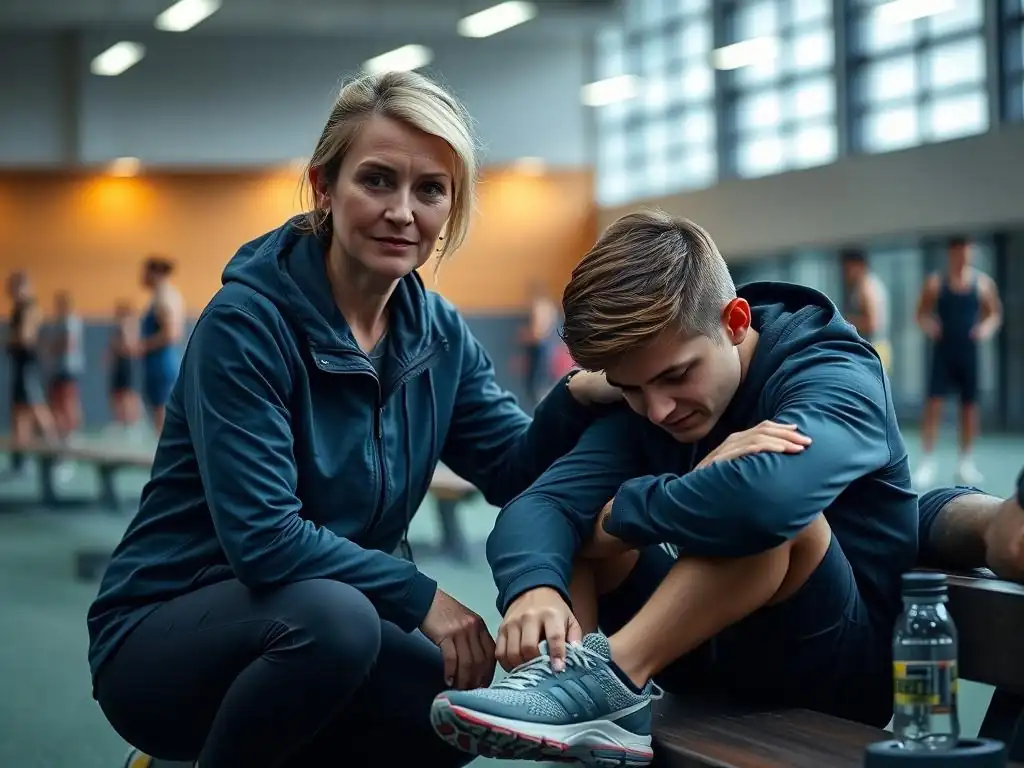
Coaches hold a uniquely influential position in an athlete's life. Often spending significant time with athletes, coaches are privy to their daily struggles, triumphs, and behaviors, both on and off the field. This proximity provides a crucial opportunity to observe, connect, and offer support. Athletes frequently look to their coaches not just for technical guidance but also for mentorship, stability, and emotional support, particularly younger athletes or those new to the elite level.
This privileged position comes with a significant responsibility. A coach's words, actions, and the environment they cultivate can profoundly impact an athlete's psychological state. A supportive, understanding coach can be a lifeline for an athlete struggling with mental health issues, while a demanding, unsupportive, or stigmatizing coach can exacerbate problems. Therefore, equipping coaches with effective athlete mental health coaching strategies is not just beneficial, but essential for the holistic development and well-being of the individuals they lead.
Athlete Mental Health Coaching Strategies: A Practical Guide

Building Trust and Open Communication
Establishing a foundation of trust is the cornerstone of effective athlete mental health coaching strategies. Without trust, athletes are unlikely to open up about their vulnerabilities or struggles. Coaches must consistently demonstrate reliability, respect, and genuine care for their athletes as people, not just performers. This is built through consistent behavior, following through on promises, and showing empathy, especially during difficult times like injuries or slumps.
Creating an environment where athletes feel safe to share their thoughts and feelings requires intentional effort. Coaches can initiate conversations about well-being, not just performance, during one-on-one check-ins. Sharing appropriate personal anecdotes about overcoming challenges can also humanize the coach and encourage athletes to see them as someone who understands struggle. This open dialogue is fundamental to implementing any successful athlete mental health coaching strategies.
Active Listening Skills for Coaches
Active listening is a critical skill for coaches aiming to support athlete mental health. It involves fully concentrating on, understanding, responding to, and remembering what is being said. Instead of formulating a response while the athlete is speaking, an active listener focuses entirely on the athlete's words, tone, and body language. This means making eye contact, nodding to show understanding, and using verbal cues like "I hear you" or "Tell me more."
Furthermore, active listening requires asking clarifying questions to ensure comprehension and summarizing what the athlete has said to confirm understanding. For example, a coach might say, "So, if I understand correctly, you're feeling overwhelmed by the combination of training intensity and upcoming exams?" This not only validates the athlete's feelings but also helps the coach grasp the true nature of the issue, laying the groundwork for appropriate support through athlete mental health coaching strategies.
Creating a Judgment-Free Environment for Athletes to Share
Athletes often fear showing vulnerability, concerned it might be perceived as weakness by coaches, teammates, or competitors. Coaches must actively dismantle this fear by cultivating a culture of acceptance and non-judgment. This means responding to disclosures of struggle with empathy and support, rather than criticism or disappointment. It requires clear communication that seeking help or admitting difficulty is a sign of strength, not weakness.
Coaches can reinforce this by publicly (when appropriate and with athlete consent) or privately praising athletes who demonstrate courage in facing challenges, mental or physical. They must also model this behavior themselves, showing humility and openness about their own learning or challenges. A truly judgment-free space encourages honest communication, which is vital for early identification and intervention using effective athlete mental health coaching strategies.
Recognizing Signs of Mental Health Struggles in Athletes
Coaches are often on the front lines, observing athletes daily, making them key figures in recognizing potential mental health issues. Identifying these signs early allows for timely intervention and support. Changes in behavior or performance are often the first indicators that something is amiss, prompting the need for sensitive and informed athlete mental health coaching strategies.
It is crucial for coaches to be observant and aware of what constitutes a significant change for an individual athlete. While a bad day happens, persistent shifts in mood, energy levels, or engagement warrant attention. Recognizing these signs is the first step in providing meaningful support.
Identifying Changes in Behavior and Performance
Behavioral changes can be subtle or pronounced. A previously outgoing athlete might become withdrawn, avoiding social interactions with teammates. An athlete known for their meticulous preparation might become sloppy or unmotivated during practice. Other signs include increased irritability, changes in sleep patterns (sleeping significantly more or less), noticeable weight fluctuations, or expressing feelings of hopelessness or excessive worry.
Performance changes are also key indicators. These might include a sudden, unexplained drop in performance level despite consistent training, loss of focus during practice or competition, decreased motivation to train, or an increase in errors that are uncharacteristic for the athlete's skill level. For example, a swimmer might consistently miss turns they previously mastered, or a runner might show a significant, unexplained drop in pace. Recognizing these deviations from an athlete's norm is vital for applying appropriate athlete mental health coaching strategies.
Understanding Common Mental Health Challenges in Athletes (e.g., Anxiety, Depression, Eating Disorders)
Coaches don't need to be diagnosticians, but a basic understanding of common mental health challenges affecting athletes is invaluable. Anxiety is prevalent, often manifesting as excessive worry about performance, fear of judgment, or physical symptoms like racing heart or difficulty breathing before competition. Depression can present as persistent sadness, loss of interest in activities previously enjoyed (including their sport), fatigue, or feelings of worthlessness.
Eating disorders, such as anorexia nervosa, bulimia nervosa, or binge eating disorder, are also significant concerns, particularly in sports where body weight or composition is emphasized (e.g., gymnastics, wrestling, distance running). Signs might include drastic weight loss or gain, preoccupation with food or body image, excessive exercise beyond training, or secretive eating behaviors. Recognizing these patterns and understanding that they are serious health issues requiring professional help is a critical component of comprehensive athlete mental health coaching strategies.
Implementing Proactive Mental Health Support
Proactive strategies are essential for building mentally resilient athletes and preventing issues before they escalate. Integrating mental skills training into regular practice normalizes the focus on mental well-being, making it as routine as physical conditioning. These techniques not only support mental health but can also enhance performance.
This proactive approach shifts the focus from crisis management to building a strong mental foundation. By embedding these practices into the daily or weekly routine, coaches help athletes develop coping mechanisms and self-awareness, crucial elements of effective athlete mental health coaching strategies.
Integrating Mindfulness and Visualization into Training
Mindfulness, the practice of being present and fully engaged in the current moment, can help athletes manage performance anxiety and improve focus. Simple mindfulness exercises, like focusing on breath for a few minutes before practice or competition, can ground athletes and reduce distracting thoughts. Visualization, or guided imagery, involves mentally rehearsing successful performance scenarios. Athletes can practice visualizing themselves executing skills perfectly, overcoming challenges, or achieving goals.
These techniques can be incorporated into warm-ups, cool-downs, or dedicated mental training sessions. For instance, before a race, a track coach might lead athletes through a visualization of running the perfect race from start to finish, focusing on the feeling of their stride and the surge of energy. Regularly practicing these skills helps athletes develop greater control over their thoughts and emotions, enhancing their mental toolkit as part of robust athlete mental health coaching strategies.
Promoting Sleep Hygiene and Nutrition Strategies for Athletes
Physical recovery is inextricably linked to mental well-being. Coaches play a role in educating athletes about the importance of sleep and nutrition, often overlooked aspects of mental health support. Adequate sleep (typically 7-9 hours for adults, more for growing athletes) is crucial for cognitive function, emotional regulation, and physical recovery. Coaches can encourage consistent sleep schedules, create restful sleep environments, and discourage late-night screen time.
Similarly, proper nutrition fuels both the body and the brain. Coaches can educate athletes on balanced eating, avoiding excessive caffeine or sugar, and the importance of hydration. While coaches are not registered dietitians, they can promote healthy eating habits and connect athletes with nutritional resources. Emphasizing these fundamentals as part of performance preparation reinforces their importance for overall well-being, a key element of effective athlete mental health coaching strategies.
Responding to Athlete Mental Health Crises
Despite proactive efforts, athletes may still experience mental health crises. In these critical moments, a coach's response can be life-saving. It is paramount that coaches are prepared to recognize a crisis situation and know the appropriate steps to take, prioritizing the athlete's safety and well-being above all else.
Responding effectively requires a calm demeanor, a clear plan, and a network of support professionals. Coaches are not expected to be therapists, but they are often the first point of contact and must act responsibly when faced with an athlete in distress, utilizing established athlete mental health coaching strategies for crisis intervention.
Knowing When and How to Refer to Mental Health Professionals
Coaches must understand the limits of their role. While they can offer support and guidance, complex mental health issues require professional expertise. Signs that necessitate immediate referral include expressions of suicidal ideation, severe panic attacks, significant disordered eating behaviors, or symptoms of psychosis. Less urgent but still requiring referral are persistent symptoms of depression or anxiety that impact daily functioning or performance.
Knowing how to refer is also important. This involves having a list of trusted mental health professionals or services readily available. The referral conversation should be handled with sensitivity and care, explaining to the athlete that seeking professional help is a sign of strength and that the coach is there to support them through the process. Facilitating the initial contact or accompanying the athlete (if appropriate and desired) can ease the transition. This is a critical part of responsible athlete mental health coaching strategies.
Collaborating with Sports Psychologists and Therapists
Building relationships with sports psychologists, clinical psychologists, and therapists specializing in athlete mental health is invaluable. These professionals can provide expert assessment, diagnosis, and treatment. Coaches should view them as partners in supporting the athlete's holistic well-being. Collaboration, while respecting athlete confidentiality, can ensure a consistent support system.
For example, a coach might work with a sports psychologist to develop mental skills training programs for the whole team, or consult on how best to support an individual athlete struggling with performance anxiety. In cases of clinical issues like depression or an eating disorder, the therapist takes the lead on treatment, but the coach can support the athlete by adjusting training loads or providing a flexible schedule as recommended by the professional. This collaborative approach is fundamental to comprehensive athlete mental health coaching strategies.
Specific Coaching Techniques for Managing Pressure and Stress
Pressure and stress are inherent parts of competitive sports. Effective coaching involves equipping athletes with specific techniques to manage these challenges, turning potential stressors into opportunities for growth. These techniques are practical tools that can be integrated into training and competition routines.
Developing these skills helps athletes build confidence and maintain composure when it matters most. They are direct applications of athlete mental health coaching strategies aimed at performance enhancement and psychological resilience.
Techniques for Managing Pre-Competition Anxiety
Pre-competition anxiety is common and, in moderate amounts, can be beneficial. However, excessive anxiety can be debilitating. Coaches can teach techniques like deep breathing exercises to calm the nervous system. For instance, the "4-7-8" breathing technique (inhale for 4 counts, hold for 7, exhale for 8) can help slow heart rate and promote relaxation.
Another technique is positive self-talk, where athletes replace negative or anxious thoughts with positive affirmations ("I am prepared," "I can handle this"). Coaches can help athletes identify their negative thought patterns and practice reframing them. Routine and ritual can also reduce anxiety; having a consistent pre-competition routine provides a sense of control and familiarity, minimizing uncertainty. These are practical examples of applying athlete mental health coaching strategies to specific performance scenarios.
Strategies for Building Resilience and Overcoming Setbacks
Resilience is the ability to bounce back from adversity. Coaches build resilience by helping athletes reframe setbacks not as failures, but as learning opportunities. After a loss or poor performance, instead of dwelling on the negative, the coach can guide the athlete through an objective analysis: What went well? What could be improved? What did we learn?
Promoting a problem-solving approach empowers athletes. When faced with a challenge, encourage them to brainstorm solutions rather than getting stuck in frustration. Celebrating effort and improvement, not just wins, also fosters resilience. An athlete who knows their hard work is valued is more likely to persevere after a setback. These strategies are core components of athlete mental health coaching strategies focused on long-term development.
Promoting a Growth Mindset and Healthy Competition
A growth mindset, the belief that abilities can be developed through dedication and hard work, is crucial for resilience and long-term development. Coaches with a growth mindset focus on effort, learning, and improvement rather than solely on innate talent or outcomes. They praise the process, not just the result.
Healthy competition emphasizes striving for personal bests and respecting opponents, rather than solely focusing on beating others at any cost. Coaches can foster this by highlighting teamwork, sportsmanship, and the joy of participation. Discussing both successes and failures as part of the learning journey helps athletes develop a healthier relationship with competition, reducing the intense pressure that can arise from a win-at-all-costs mentality. This cultural shaping is a powerful aspect of athlete mental health coaching strategies.
Long-Term Impact of Positive Coaching on Athlete Mental Health

The influence of positive coaching extends far beyond an athlete's playing career. Coaches who prioritize well-being and personal growth leave a lasting positive impact, shaping not only better athletes but also more well-adjusted individuals. This long-term perspective is integral to truly impactful athlete mental health coaching strategies.
The skills and values learned under a supportive coach can benefit athletes throughout their lives, helping them navigate challenges in future careers, relationships, and personal endeavors.
Fostering a Positive Team Environment
A positive team environment is a powerful protective factor for mental health. When athletes feel connected, supported, and valued by their teammates and coaches, they are less likely to experience isolation or struggle in silence. Coaches can foster this by encouraging mutual support, celebrating team achievements, and addressing conflicts constructively.
Team-building activities, open communication channels, and emphasizing shared goals over individual glory contribute to a sense of belonging. This collective support system provides a buffer against individual pressures and challenges, creating a healthier atmosphere where athlete mental health coaching strategies can thrive.
Developing Life Skills and Personal Growth Through Sport
Sport is a powerful vehicle for teaching life skills: discipline, time management, teamwork, leadership, perseverance, and how to handle both success and failure. A coach who intentionally focuses on developing these skills alongside athletic prowess provides athletes with tools they will use long after they retire from competition.
For instance, managing a demanding training schedule alongside academics teaches time management and prioritization. Navigating team dynamics teaches communication and conflict resolution. Overcoming a tough training session teaches perseverance. By highlighting and teaching these skills, coaches contribute significantly to the athlete's personal growth and overall well-being, demonstrating the broader impact of effective athlete mental health coaching strategies.
Preventing Burnout and Promoting Sustainable Athletic Careers
Burnout is a significant risk for athletes, characterized by emotional and physical exhaustion, reduced sense of accomplishment, and devaluation of sport. Positive coaching actively works to prevent burnout by managing training loads, ensuring adequate rest and recovery, and maintaining a focus on the athlete's passion for the sport.
Coaches can help athletes identify early signs of burnout and implement strategies like planned breaks, cross-training, or adjusting goals. Promoting a healthy balance between sport, academics, social life, and rest is key to a sustainable athletic career. By prioritizing the athlete's long-term health and passion over short-term gains, coaches support not just performance, but a lasting positive relationship with sport, underpinned by sound athlete mental health coaching strategies.
Resources for Coaches Supporting Athlete Mental Health
Coaches do not have to navigate the complexities of athlete mental health alone. A wealth of resources exists to educate, train, and support coaches in this vital role. Accessing these resources is a sign of a committed coach dedicated to the well-being of their athletes.
These resources offer valuable knowledge, practical tools, and connections to professional help, enhancing a coach's ability to implement effective athlete mental health coaching strategies.
Training Programs and Workshops for Coaches
Numerous organizations offer training programs and workshops specifically designed to equip coaches with the knowledge and skills needed to support athlete mental health. These programs often cover topics such as recognizing signs of distress, having supportive conversations, understanding referral pathways, and building a mentally healthy team culture.
Participating in such training helps coaches feel more prepared and confident in addressing mental health concerns. It provides practical tools and frameworks for implementing athlete mental health coaching strategies effectively and safely.
Mental Health Organizations and Support Services for Athletes
Coaches should be familiar with national and local mental health organizations and support services available to athletes. These can include crisis hotlines, mental health helplines, and organizations specifically focused on athlete mental health.
Having a list of these resources readily available allows coaches to quickly provide athletes with access to professional help when needed. This preparedness is a critical component of responsible athlete mental health coaching strategies, ensuring athletes can access the appropriate level of care.
Conclusion: The Coach as a Champion of Athlete Mental Wellness
The coach's role in supporting athlete mental health under pressure is not merely supplementary; it is fundamental. By understanding the unique challenges athletes face, recognizing the critical link between mental well-being and performance, and proactively implementing effective athlete mental health coaching strategies, coaches can profoundly impact their athletes' lives.
From building trust and fostering open communication to teaching coping techniques and knowing when to seek professional help, coaches are uniquely positioned to champion athlete mental wellness. A coach who prioritizes mental health helps athletes navigate the pressures of sport, build resilience, develop valuable life skills, and pursue sustainable, fulfilling athletic careers. In doing so, they become not just coaches of sport, but coaches of life, leaving a lasting positive legacy.
Frequently Asked Questions
What are some common mental health challenges athletes face, and why is it important for coaches to be aware of them?
Athletes often experience high levels of stress, anxiety, and depression due to performance pressure, injuries, and intense training. A coach's awareness is crucial for early intervention and creating a supportive environment.
How can coaches use positive communication to build trust and open dialogue with athletes about their mental well-being?
Coaches can foster trust by actively listening, offering non-judgmental support, and using encouraging language. This creates a safe space for athletes to share their concerns without fear of criticism.
What are some practical strategies coaches can implement to help athletes manage stress and anxiety during competitions?
Strategies include teaching mindfulness techniques, promoting pre-competition routines, and emphasizing the importance of focusing on the process, not just the outcome.
How can coaches identify athletes who may be struggling with their mental health and encourage them to seek professional help?
Look for changes in behavior, mood, or performance. Approach the athlete with empathy, express concern, and suggest mental health resources, emphasizing that seeking help is a sign of strength.
What role does a coach play in promoting a positive team culture that supports athlete mental health and reduces stigma around mental health challenges?
Coaches should champion open conversations about mental health, promote teamwork and support, and actively challenge any stigma or negative attitudes towards seeking help. This creates a healthier, more inclusive environment.
Final Reflection: The Unseen Game: Cultivating Resilience in Athlete Mental Health
The pressure on elite athletes is immense, extending far beyond physical prowess. Ignoring the crucial role of mental fortitude in athletic success is not only short-sighted but actively detrimental to the well-being of athletes. This article has explored various coaching strategies designed to equip athletes with the mental tools necessary to navigate the intense demands of competition and training. The implications of this are far-reaching, impacting not only individual performance but also the overall health and happiness of athletes.
The impact of mental health support on athletes is profound and far-reaching, extending beyond the playing field. It shapes their identity, their relationships, and their ability to thrive long after their competitive careers conclude. The pervasive stigma surrounding mental health continues to hinder open conversations and proactive support, but a shift is underway. The greatest victory is not winning without falling, but rising every time you fall.
This sentiment, while often applied to athletic competition, speaks volumes about the resilience needed to overcome mental health challenges, a resilience that effective coaching can help cultivate.
Now, consider your own life. What pressures do you face that demand similar levels of mental resilience? How can you apply the principles of proactive mental health support—self-awareness, stress management techniques, and a supportive network—to your own challenges? This isn't just about winning a game; it's about building a foundation of strength and well-being that will serve you throughout your life. Embrace the opportunity to prioritize your mental health, just as elite athletes are increasingly doing, and discover the incredible power of resilience within yourself.
Unleash Your Athlete's Inner Strength: Take Action Now!
Thanks for diving deep into the crucial role coaching plays in athlete mental well-being! You've gained valuable insights into supporting athletes under pressure, and now it's time to put that knowledge into action.
Here's how you can make a real difference:
- Prioritize open communication: Schedule a dedicated check-in with your athletes this week to discuss their mental health and any challenges they are facing. This simple act can build trust and foster a supportive environment.
- Share this knowledge: Spread the word about the importance of mental health in sports by sharing this article with fellow coaches, athletes, or your support network. Let's build a community that prioritizes well-being.
- Explore additional resources: Delve deeper into athlete mental health by researching relevant organizations and programs offering support and training in this vital area.
Ready to champion your athlete's mental strength? What specific step will you take this week to improve their well-being, both on and off the field?